
The Importance of Live Rock for Saltwater Angelfish Health & Behavior

Welcome to Aquarium Mastery!
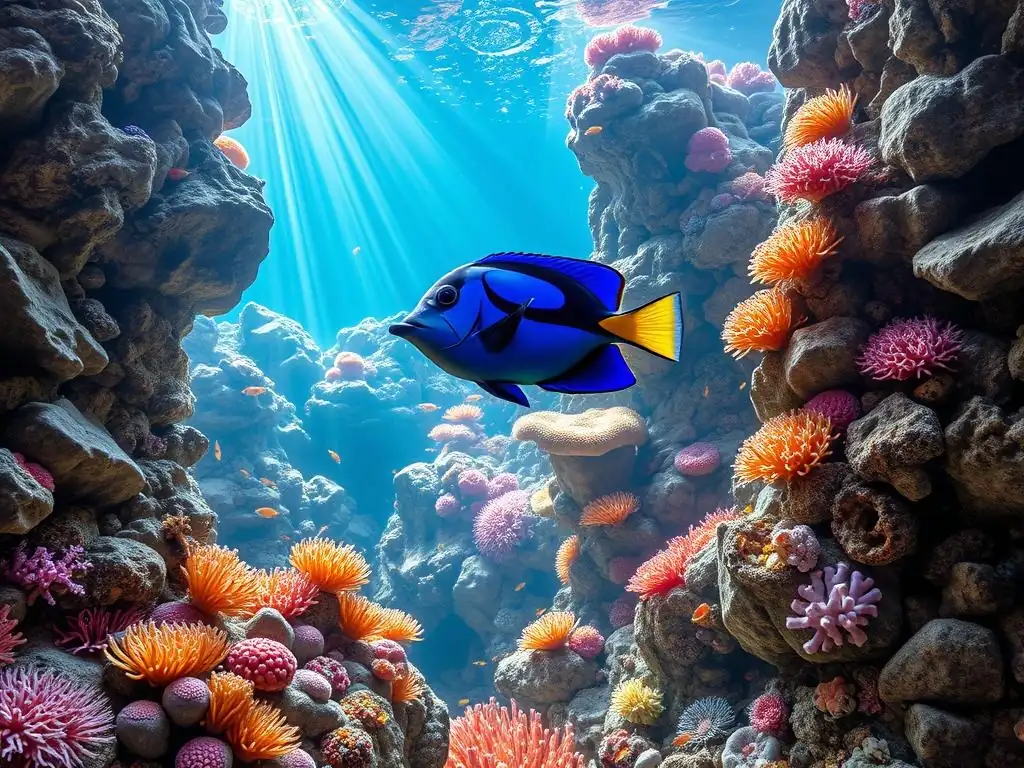
Dive into the fascinating world of saltwater aquariums! Ever wondered how to create the perfect environment for your angelfish to truly thrive? Our latest article explores the crucial role of live rock in maintaining optimal health and vibrant behavior, especially for saltwater angelfish. Unlock the secrets to a flourishing reef tank and discover how to ensure your angelfish live their best lives. Ready to learn more about live rock angelfish health and create a slice of the ocean in your home? Let's get started!
- Understanding Live Rock and Its Role in Saltwater Aquariums
- Live Rock and Angelfish Health: A Symbiotic Relationship
- Live Rock and Angelfish Behavior: Creating a Natural Habitat
- Selecting the Right Live Rock for Your Angelfish Tank
- Maintaining Live Rock for Optimal Angelfish Health
- Troubleshooting Live Rock Issues Affecting Angelfish
- The Long-Term Benefits of Live Rock for Saltwater Angelfish
-
Frequently Asked Questions
- How does live rock contribute to the health and behavior of angelfish in a saltwater aquarium?
- What specific benefits does live rock offer angelfish in terms of their diet and nutrition?
- How does the presence of live rock affect the stress levels of angelfish?
- What type of live rock is most suitable for an aquarium housing angelfish to promote optimal health?
- How should I properly maintain live rock to ensure it continues to benefit the long-term health of my angelfish?
- Final Reflection: The Living Foundation of Angelfish Wellbeing
- Nurture Your Angelfish: Ignite Vibrant Health and Natural Behavior!
Understanding Live Rock and Its Role in Saltwater Aquariums
What is Live Rock and Why is it Essential?
Live rock refers to porous calcium carbonate rock that was once part of a living coral reef or consists of the skeletal remains of corals. Far from being merely decorative, this rock is teeming with a diverse array of beneficial bacteria, microfauna, and microflora, making it a living, breathing component of a saltwater aquarium. Its intricate structure provides vast surface area for colonization by these microscopic organisms, which are fundamental to the biological processes within the tank.
The essentiality of live rock stems from its multifaceted contributions to the aquarium ecosystem. Primarily, it acts as the cornerstone of natural biological filtration, processing harmful waste products. Beyond filtration, it serves as a critical habitat, offering shelter, foraging grounds, and territories for various marine inhabitants. For optimal live rock angelfish health, establishing a robust foundation of this natural material is paramount, as it replicates elements of their native reef environment.
The Biological Importance of Live Rock for a Healthy Aquarium Ecosystem
The most significant biological role of live rock is its involvement in the nitrogen cycle, the process that converts toxic ammonia and nitrite into less harmful nitrate, and ideally, inert nitrogen gas. Aerobic bacteria residing on the outer surfaces and in the shallower pores of the live rock efficiently convert ammonia, a highly toxic byproduct of fish waste and decaying food, into nitrite. Subsequently, other aerobic bacteria transform nitrite into nitrate, which is still harmful in high concentrations but significantly less so than ammonia or nitrite.
Crucially, the deeper, less oxygenated pores within live rock harbor anaerobic bacteria. These specialized bacteria perform denitrification, converting nitrate into nitrogen gas, which then safely dissipates from the water column. This natural nitrate reduction is a vital process, helping to maintain low nitrate levels, typically below 20 ppm, which is critical for sensitive inhabitants like angelfish. Furthermore, live rock introduces and sustains a diverse micro-ecosystem of copepods, amphipods, and other tiny invertebrates that contribute to the food chain and overall system stability, significantly bolstering live rock angelfish health.
Live Rock vs. Dry Rock: Which is Better for Angelfish Tanks?
When setting up an angelfish tank, the choice between live rock and dry rock is a common consideration, each presenting distinct advantages. Live rock offers immediate benefits, arriving pre-cycled with an established population of beneficial bacteria and micro-organisms. This instantaneous biological filtration dramatically shortens the tank cycling process, often reducing the initial ammonia spike and allowing for a quicker, safer introduction of fish, which directly supports live rock angelfish health from day one. It also introduces a natural aesthetic, often adorned with vibrant coralline algae.
In contrast, dry rock, which is essentially live rock that has been dried and stripped of its biological inhabitants, is typically more affordable and ensures no unwanted hitchhikers are introduced. However, it requires a much longer cycling period, as it must be seeded with beneficial bacteria and allowed to colonize over weeks or even months before it can effectively filter the water. While dry rock can eventually become "live" over time, it lacks the immediate biological diversity and established micro-ecosystem that live rock provides, which are invaluable for mimicking an angelfish's natural habitat and promoting live rock angelfish health.
Live Rock and Angelfish Health: A Symbiotic Relationship
How Live Rock Promotes Angelfish Wellbeing
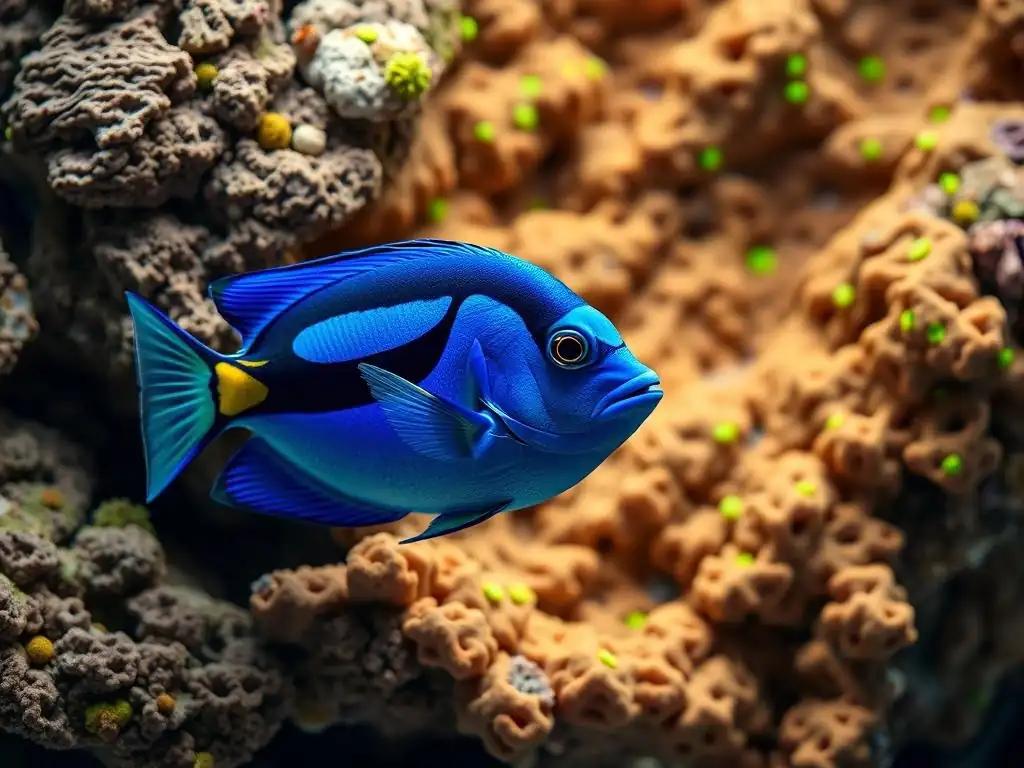
Live rock serves as the primary biological filter in most saltwater aquariums, a function that is absolutely central to angelfish wellbeing. Its vast surface area provides an ideal substrate for the proliferation of nitrifying bacteria, which are indispensable for breaking down toxic ammonia and nitrite into less harmful nitrate. This efficient waste processing prevents the accumulation of harmful compounds, which can quickly lead to stress, disease, and even mortality in sensitive marine fish like angelfish.
Beyond its filtration capabilities, the calcium carbonate composition of live rock plays a subtle yet significant role in maintaining stable water parameters. As it slowly dissolves over time, it releases calcium and carbonates, which contribute to the tank's alkalinity and help buffer the pH. Maintaining a stable pH, ideally between 8.1 and 8.4, and consistent alkalinity, typically between 8-12 dKH, minimizes environmental stress on angelfish, allowing them to thrive and display their natural colors and behaviors. This inherent stability provided by live rock is a cornerstone of excellent live rock angelfish health.
Water Quality Management: Live Rock's Impact on Angelfish Health
The impact of live rock on water quality management is profound, directly influencing live rock angelfish health. A well-established live rock system, typically comprising 1 to 1.5 pounds of rock per gallon of tank water, can effectively process significant amounts of nitrogenous waste. For instance, a mature system can efficiently convert an ammonia spike of 5-10 ppm within 24-48 hours, preventing a critical build-up that would be lethal to angelfish. The aerobic bacteria on the surface rapidly perform nitrification, ensuring ammonia and nitrite levels remain at undetectable levels (0 ppm).
Furthermore, the deeper, anoxic zones within porous live rock are crucial for denitrification, converting nitrate into harmless nitrogen gas. This process helps to keep nitrate levels below 20 ppm, a threshold generally considered safe for most angelfish species, though lower is always preferable. High nitrate concentrations can suppress angelfish immune systems, making them more susceptible to diseases like marine ich. By naturally regulating these critical parameters, live rock provides a stable, clean environment, significantly reducing the chemical stress on angelfish and promoting their long-term live rock angelfish health.
Reducing Stress in Angelfish Through a Natural Live Rock Environment
The physical structure provided by live rock is instrumental in reducing stress levels in angelfish, contributing significantly to their overall wellbeing. In their natural reef habitats, angelfish rely on intricate rock formations for security and shelter. Replicating this environment in an aquarium with ample live rock allows them to exhibit natural behaviors, such as darting into crevices when startled or seeking refuge from perceived threats. This sense of security is particularly vital for new or shy angelfish, helping them acclimate more quickly to their new surroundings.
Moreover, live rock aquascaping can be designed to create visual barriers and distinct territories. Angelfish, especially larger species like the Queen Angelfish (Holacanthus ciliaris), can be territorial, and well-placed rockwork helps break up lines of sight, minimizing aggressive encounters between tank mates. By providing numerous hiding places and opportunities for individual angelfish to claim their own space, live rock effectively mitigates inter-species aggression and reduces chronic stress, which can otherwise lead to suppressed immune systems and susceptibility to disease. This naturalistic setup is invaluable for fostering robust live rock angelfish health.
Live Rock and Angelfish Behavior: Creating a Natural Habitat
Providing Hiding Places and Territories with Live Rock
The complex formations offered by live rock are indispensable for creating a naturalistic habitat that directly influences angelfish behavior. Angelfish in the wild spend much of their time navigating intricate reef structures, using caves, overhangs, and crevices for shelter from predators and as secure resting spots. In an aquarium, a well-structured live rock aquascape mimics these natural features, providing essential hiding places where angelfish can retreat when feeling stressed, threatened, or during their nightly rest.
Beyond simple hiding, live rock enables angelfish to establish and defend territories, a natural behavior for many species, particularly the larger angelfish like the French Angelfish (Pomacanthus paru). By arranging live rock to create distinct zones and visual barriers, aquarists can help minimize aggression and promote peaceful coexistence, even in multi-species tanks. Each angelfish can claim a preferred cave or section of rockwork as its own, reducing competition and allowing individuals to feel secure, which is fundamental for promoting their natural behaviors and robust live rock angelfish health.
Encouraging Natural Foraging Behavior in Angelfish
Live rock is a dynamic, living substrate that actively encourages natural foraging behavior in angelfish, contributing to their physical and mental enrichment. The myriad pores and surfaces of live rock are home to a diverse population of microfauna, including copepods, amphipods, and other tiny crustaceans. Many angelfish species, particularly dwarf angelfish like the Flame Angelfish (Centropyge loriculus), are natural grazers and will spend significant portions of their day pecking at the live rock, searching for these minute organisms.
This continuous grazing provides a supplemental, natural food source that complements prepared foods and offers constant mental stimulation. The act of foraging keeps angelfish active and engaged, preventing boredom and promoting a more vibrant and healthy display. Observing angelfish meticulously exploring the live rock for microscopic morsels is a clear indication of a thriving environment that supports their instinctive behaviors and overall live rock angelfish health.
Live Rock as a Substrate for Beneficial Microorganisms and Angelfish Food
Live rock serves as an ideal substrate for a vast array of beneficial microorganisms, many of which indirectly or directly contribute to the diet and well-being of angelfish. Its surfaces are covered in a complex biofilm, a rich matrix of bacteria, algae, and detritus. While not always visible to the naked eye, this biofilm is a continuous source of nutrition that many angelfish species, particularly those known for omnivorous or herbivorous tendencies, will graze upon throughout the day. This constant, natural grazing supplements their diet and aids in digestion.
Furthermore, live rock often harbors small, sessile invertebrates like sponges, tunicates, and various forms of macroalgae. While some larger angelfish, such as the Grey Angelfish (Pomacanthus arcuatus), are known to nip at sponges, even species that don't directly consume these organisms benefit from the overall biodiversity they foster. The presence of these organisms contributes to a more stable and mature ecosystem, providing a continuous, low-level food supply and promoting the natural foraging instincts of angelfish, which is crucial for maintaining excellent live rock angelfish health.
Selecting the Right Live Rock for Your Angelfish Tank
Types of Live Rock: A Guide for Angelfish Keepers
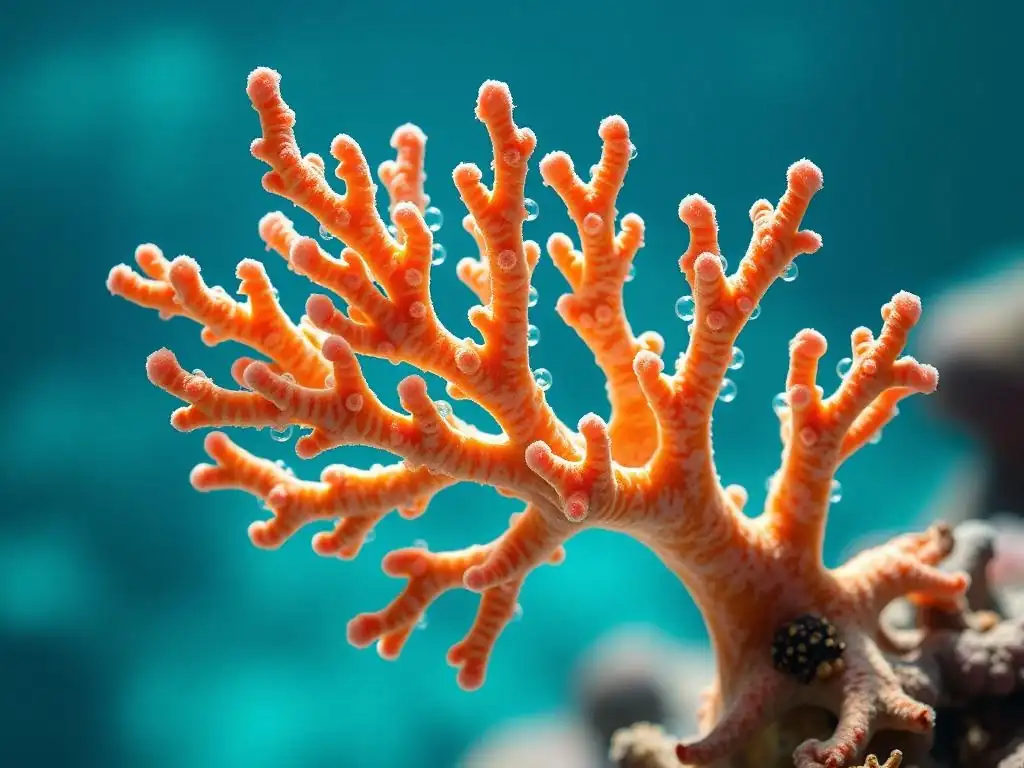
When selecting live rock for an angelfish tank, understanding the different types available is crucial for creating an optimal environment. Common types include Fiji, Tonga, and Pukani rock, each with distinct characteristics. Fiji rock is often dense with intricate shapes, offering excellent hiding places. Tonga rock tends to be more branchy, providing unique aquascaping opportunities and open spaces for swimming. Pukani rock is highly porous and lightweight, making it exceptional for biological filtration due to its immense surface area.
The porosity of the live rock is a key factor, as it directly relates to its capacity for biological filtration and its ability to harbor anaerobic bacteria for denitrification. More porous rocks, like Pukani, offer superior filtration capabilities. Beyond porosity, consider the shape and structure of the rock. Choose pieces that allow for the creation of stable structures with plenty of caves, overhangs, and swim-throughs. These features are vital for angelfish, providing the security, territorial boundaries, and exploration opportunities essential for their natural behavior and live rock angelfish health.
Curing Live Rock: Preparing it for Your Angelfish Aquarium
Curing live rock is a critical step that ensures the stability and safety of your angelfish aquarium. Freshly harvested live rock often contains dying or decaying organisms and detritus, which will decompose in the aquarium, releasing toxic ammonia and nitrite. The curing process involves placing the live rock in a separate container, often a plastic tub, with saltwater, a heater to maintain a stable temperature (e.g., 78°F), and a powerhead for circulation.
During the curing period, which typically lasts 2 to 4 weeks, regular water changes (e.g., 25-50% every few days) are performed, and the water is tested daily for ammonia and nitrite. The rock is considered fully cured when both ammonia and nitrite levels consistently read zero for several consecutive days. This meticulous process ensures that any decaying organic matter is removed and that the beneficial bacteria populations are fully established and stable, preventing dangerous ammonia spikes and creating a safe environment essential for robust live rock angelfish health upon introduction.
Avoiding Hitchhikers: Inspecting Live Rock for Pests and Parasites [Aiptasia, Bristleworms, Mantis Shrimp]
Thorough inspection of live rock before introduction to an angelfish tank is paramount to avoid unwanted hitchhikers that can pose threats to tank inhabitants and live rock angelfish health. Among the most common nuisances are Aiptasia anemones, small, rapidly reproducing stinging anemones that can quickly overrun a tank and irritate or even harm fish and corals. Bristleworms are generally beneficial detritivores, but some larger species can be predatory or have irritating bristles. Mantis shrimp are highly predatory crustaceans capable of cracking aquarium glass and decimating fish populations.
To mitigate these risks, visually inspect every piece of live rock thoroughly, especially in crevices and undersides. Any suspicious organisms should be removed immediately. For Aiptasia, a targeted injection of boiling water or a commercial Aiptasia treatment can be effective. For bristleworms, small populations are generally harmless; larger ones can sometimes be trapped. Mantis shrimp, identified by clicking sounds or unexplained disappearances of tank inhabitants, often require specialized traps or careful removal. A freshwater dip for a few seconds can sometimes dislodge some pests, but caution is advised as it can also harm beneficial organisms.
Maintaining Live Rock for Optimal Angelfish Health
Proper Water Circulation Around Live Rock
Maintaining proper water circulation around live rock is fundamental for its continued effectiveness and, by extension, optimal live rock angelfish health. Stagnant areas within the rockwork can become detritus traps, leading to the accumulation of organic waste that decomposes and releases nitrates and phosphates. Sufficient flow, typically achieved with strategically placed powerheads, ensures that detritus is kept in suspension and directed towards mechanical filtration for removal, preventing nutrient build-up and the proliferation of nuisance algae.
Beyond detritus removal, robust water flow is critical for delivering oxygen to the aerobic bacteria residing on the outer surfaces of the live rock. These bacteria are essential for the first stages of the nitrogen cycle (ammonia to nitrite to nitrate). Adequate oxygenation ensures these processes occur efficiently. Furthermore, good circulation helps distribute nutrients to the various beneficial micro-organisms inhabiting the rock, sustaining the diverse ecosystem that contributes to overall system stability and a thriving environment for angelfish.
Controlling Algae Growth on Live Rock [Hair Algae, Cyanobacteria, Diatoms]
Controlling nuisance algae growth on live rock is essential for aesthetics and maintaining optimal live rock angelfish health. Common types include hair algae, cyanobacteria (red slime algae), and diatoms. Hair algae often signifies an excess of nitrates and phosphates, usually above 10 ppm for nitrates and 0.03 ppm for phosphates. It can be physically removed by hand or with a brush, and its growth can be curbed by reducing nutrient inputs through less feeding, more frequent water changes (e.g., 20% weekly), and efficient protein skimming.
Cyanobacteria, appearing as slimy red, brown, or black mats, often indicates low flow areas and high organic waste. Improving water circulation to eliminate dead spots and siphoning out the mats during water changes are effective strategies. Diatoms, typically brown and powdery, are common in new tanks or those with high silicate levels. They usually subside as silicates are depleted. Persistent algae issues require a holistic approach, addressing nutrient sources, light intensity and duration (often 8-10 hours daily is sufficient), and ensuring proper filtration to safeguard live rock angelfish health.
Supplementing Live Rock's Biological Filtration [When and How]
While live rock serves as the primary and most effective biological filter in a saltwater aquarium, there are instances where supplementing its filtration capabilities can be beneficial, particularly for maintaining pristine live rock angelfish health. For instance, in heavily stocked tanks, systems housing very large angelfish, or those with specific nutrient export challenges, the natural filtration provided by live rock alone might not be entirely sufficient to maintain ultra-low nutrient levels consistently.
Common supplementary methods include the use of a protein skimmer, which efficiently removes organic compounds before they break down into nitrates and phosphates. A refugium, a separate sump area dedicated to growing macroalgae like Chaetomorpha, actively absorbs nitrates and phosphates from the water column, acting as a natural nutrient export system. Other methods, such as biopellets or carbon dosing, foster the growth of beneficial bacteria that consume excess nutrients. These supplementary systems work in conjunction with live rock to ensure the water quality remains exceptional, supporting the long-term well-being of angelfish.
Troubleshooting Live Rock Issues Affecting Angelfish
Identifying and Addressing Common Live Rock Problems
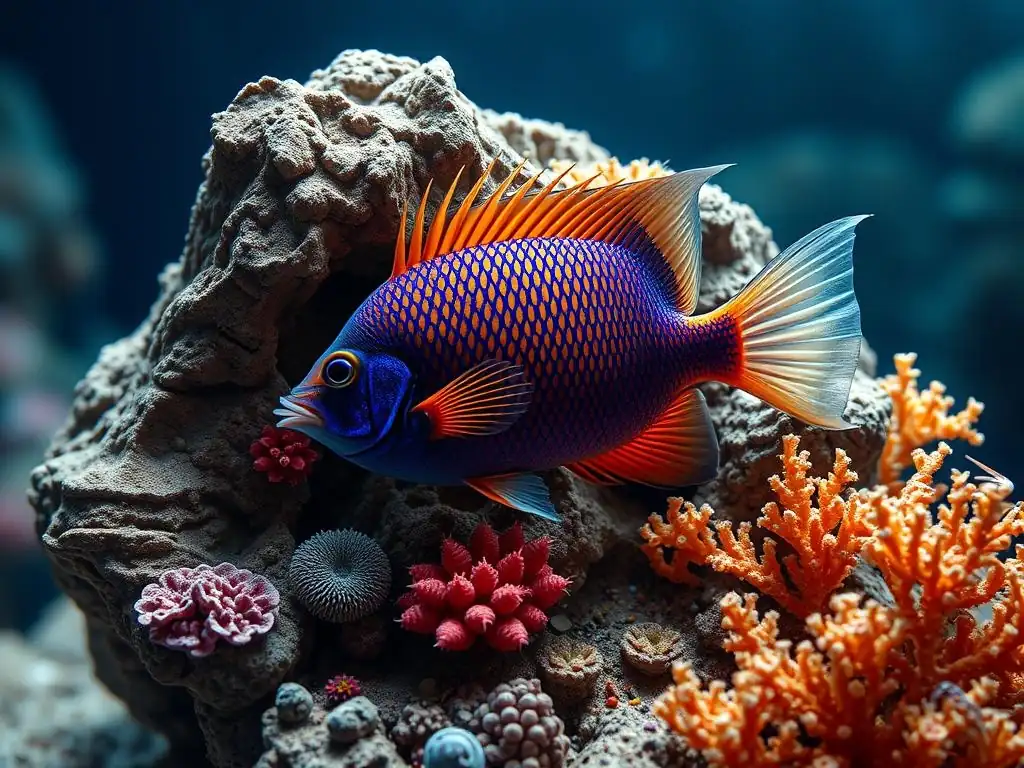
Live rock, while beneficial, can occasionally present issues that require attention to safeguard live rock angelfish health. One common problem is "die-off" of organisms on newly introduced rock or due to sudden changes in water parameters, which can release ammonia and create a foul smell. Identifying this involves observing a cloudy appearance in the water, an unpleasant odor, and potentially an ammonia spike. Immediate action includes performing large water changes (e.g., 50%) and adding activated carbon to absorb toxins.
Another frequent issue is the proliferation of nuisance algae, such as hair algae or cyanobacteria, often signaling an imbalance in nutrients or lighting. Addressing these requires identifying the root cause—be it overfeeding, insufficient water changes, or excessive light duration (beyond 10 hours daily). Similarly, unwanted hitchhikers like predatory crabs or mantis shrimp can emerge, sometimes indicated by unexplained disappearances of smaller tank inhabitants or clicking sounds. Prompt identification and targeted removal are crucial to prevent further harm to the ecosystem and the angelfish themselves.
Dealing with Unwanted Algae Blooms on Live Rock
Unwanted algae blooms on live rock are a common frustration for aquarists and can indicate underlying issues that impact live rock angelfish health. These blooms, often appearing as green hair algae, brown diatoms, or red cyanobacteria, typically stem from excess nutrients (nitrates and phosphates) in the water, coupled with excessive light. An example might be a tank with nitrate levels consistently above 25 ppm and phosphate levels above 0.1 ppm, leading to rapid hair algae growth.
To effectively deal with these blooms, a multi-pronged approach is necessary. First, manually remove as much algae as possible during water changes. Second, identify and reduce nutrient sources: decrease feeding amounts, ensure all uneaten food is removed, and increase the frequency or volume of water changes (e.g., 20% weekly).
Third, optimize lighting; ensure your lights are not on for more than 8-10 hours a day and consider if the intensity is too high for your tank's nutrient levels. Introducing a clean-up crew of herbivorous snails (like Trochus or Turbo snails) or small hermit crabs can also help graze on the algae.
Recognizing and Treating Aiptasia Anemones on Live Rock
Aiptasia anemones are a persistent nuisance often introduced on live rock, and their rapid proliferation can pose a threat to the aquarium environment and indirectly to live rock angelfish health. These small, translucent anemones are easily recognized by their long, tapering tentacles and a central oral disc. They can multiply quickly, especially when conditions are favorable, and their stinging cells can irritate or even harm corals and other sessile invertebrates. While not directly harmful to angelfish, a severe infestation can destabilize the tank's ecosystem.
Treating Aiptasia requires targeted action. One effective method involves injecting a small amount of boiling water, kalkwasser paste, or a commercial Aiptasia-specific solution (e.g., Aiptasia-X) directly into the anemone's oral disc using a syringe. This method typically causes the anemone to retract and dissolve.
Natural predators, such as Berghia nudibranchs, are highly effective but are specialized eaters that may starve once the Aiptasia is gone and can be expensive. Peppermint Shrimp (Lysmata wurdemanni) are another option, though their effectiveness varies, and some angelfish species might prey on them. Consistent monitoring and early intervention are key to preventing a widespread infestation.
The Long-Term Benefits of Live Rock for Saltwater Angelfish
Creating a Stable and Thriving Angelfish Environment
The long-term benefits of live rock in a saltwater aquarium are profound, culminating in the creation of an exceptionally stable and thriving environment for angelfish. As live rock matures, its biological filtration capabilities become increasingly robust, establishing a highly efficient nitrogen cycle that consistently maintains optimal water parameters. This unparalleled stability, where ammonia and nitrite remain at zero and nitrates are kept at minimal levels, significantly reduces chronic stress on angelfish, allowing them to fully adapt and flourish.
A stable environment, underpinned by mature live rock, translates directly into healthier, more vibrant, and active angelfish. The consistent water quality and the presence of a natural, secure habitat minimize the physiological strain on these sensitive fish. This reduced stress load strengthens their immune systems, making them far more resilient to common diseases and infections. Ultimately, live rock provides the foundational bedrock for an ecosystem where angelfish can exhibit their natural behaviors, display their full coloration, and enjoy an extended, healthy lifespan, cementing its role in superior live rock angelfish health.
Enhancing the Natural Beauty of Your Saltwater Aquarium
Beyond its critical biological functions, live rock immensely enhances the natural beauty and aesthetic appeal of a saltwater aquarium. Its irregular shapes and varied textures allow for endless aquascaping possibilities, enabling the creation of dynamic and visually captivating underwater landscapes. Over time, live rock typically becomes encrusted with vibrant coralline algae, which paints the rockwork in beautiful shades of purple, pink, and red, adding a rich, naturalistic backdrop to the tank.
The living nature of live rock means the aquascape is not static; it evolves as micro-organisms colonize and beneficial algaes grow, creating a truly dynamic and immersive display. This natural backdrop provides an ideal setting to showcase the magnificent colors and graceful movements of angelfish. The intricate formations of live rock provide depth and interest, allowing angelfish to dart in and out of crevices, enhancing the visual spectacle and providing observers with a window into a truly authentic marine environment.
Live Rock: A Vital Investment for Angelfish Keepers
Live rock stands out as a vital investment for any serious angelfish keeper, offering a multitude of benefits that far outweigh its initial cost. It serves as the cornerstone of biological filtration, efficiently processing harmful waste products and ensuring pristine water quality. Furthermore, it creates a natural, secure habitat that significantly reduces stress, encourages natural behaviors like foraging and territoriality, and ultimately promotes robust live rock angelfish health.
While the initial outlay for quality live rock might be higher compared to dry rock alternatives, the long-term advantages in terms of tank stability, reduced troubleshooting, and the overall well-being of your angelfish are invaluable. A well-established live rock system minimizes the need for extensive chemical filtration and provides a resilient ecosystem that is more forgiving of minor fluctuations. Investing in ample, high-quality live rock is not merely an aesthetic choice; it is a fundamental commitment to the success and longevity of a thriving saltwater angelfish aquarium.
Frequently Asked Questions
How does live rock contribute to the health and behavior of angelfish in a saltwater aquarium?
Live rock provides essential biological filtration, harboring beneficial bacteria that convert harmful waste products like ammonia and nitrite into less toxic nitrates. This improves water quality, directly impacting angelfish health and reducing stress. Also, it provides natural grazing opportunities and hiding places, promoting natural behaviors.
What specific benefits does live rock offer angelfish in terms of their diet and nutrition?
Live rock fosters the growth of microorganisms, such as algae, small invertebrates, and other organisms, which angelfish can graze on. This supplements their diet with essential nutrients and promotes natural foraging behaviors. It's a crucial component of a varied and healthy diet.
How does the presence of live rock affect the stress levels of angelfish?
Live rock provides secure hiding places and breaks up sight lines within the aquarium. This reduces stress by allowing angelfish to retreat when feeling threatened or overwhelmed, mimicking their natural environment. A less stressed angelfish is a healthier angelfish.
What type of live rock is most suitable for an aquarium housing angelfish to promote optimal health?
Well-cured live rock is generally recommended, as it has already established a stable population of beneficial bacteria. Look for rock with a porous structure to maximize surface area for bacterial colonization. Avoid uncured rock, which can cause ammonia spikes.
How should I properly maintain live rock to ensure it continues to benefit the long-term health of my angelfish?
Regular water changes are crucial to maintain optimal water quality. Also, avoid overstocking the tank, as this can overwhelm the biological filtration capacity of the live rock. Proper flow around the rocks is also important, to help oxygenate the bacteria and reduce detritus build-up.
Final Reflection: The Living Foundation of Angelfish Wellbeing
The insights shared throughout this article underscore a critical truth: live rock is not merely decoration, but a cornerstone of saltwater angelfish health and behavior. In a world increasingly dominated by sterile, artificial environments, recognizing the profound impact of natural ecosystems on captive creatures is more vital than ever. Understanding the intricate relationship between live rock and angelfish is paramount for responsible aquarists striving to provide optimal care.
This connection extends beyond the confines of a home aquarium; it mirrors our own relationship with the natural world. The health and vibrancy of our angelfish, and indeed all captive marine life, serve as a constant reminder of the delicate balance within ecosystems and the responsibility we bear to maintain them. In the end, we will conserve only what we love; we will love only what we understand; and we will understand only what we are taught.
- Baba Dioum. This quote encapsulates the essence of responsible aquaristics: understanding, loving, and ultimately, conserving the natural world through informed practices.
Now, consider the lessons learned here. How can you, as an aquarist or simply an admirer of marine life, apply this understanding to your own actions? Let us all strive to create environments, both within our tanks and in the broader world, that nurture life and promote wellbeing. Embrace the complexity and interconnectedness of nature, and let your actions reflect a deep respect for the living foundation upon which all life depends.
Nurture Your Angelfish: Ignite Vibrant Health and Natural Behavior!
Thank you for diving deep into the world of live rock and its vital role in your angelfish's well-being. We hope this article has illuminated the path to a healthier, happier aquarium! Now, let's put that knowledge into action and truly enhance your angelfish's life.
Here are some immediate steps you can take:
- Prioritize your angelfish's well-being and invest in the highest-quality live rock available. Your finned friend will thank you with dazzling colors and natural behavior!
- Explore new ways to strategically arrange your live rock to mimic the natural environment of wild angelfish, creating inviting caves and overhangs that promote both security and exploration.
- Share your experiences and insights on your live rock setup with other angelfish enthusiasts in online forums. Who knows? You might inspire a new reefing trend!
What innovative live rock arrangement have you used to enrich your angelfish's environment and promote natural behaviors? Share your aquarium design tips and inspire our community!