
Butterflyfish Pitfalls: Top Mistakes New Keepers Make (And How to Dodge Them)

Welcome to Aquarium Mastery!
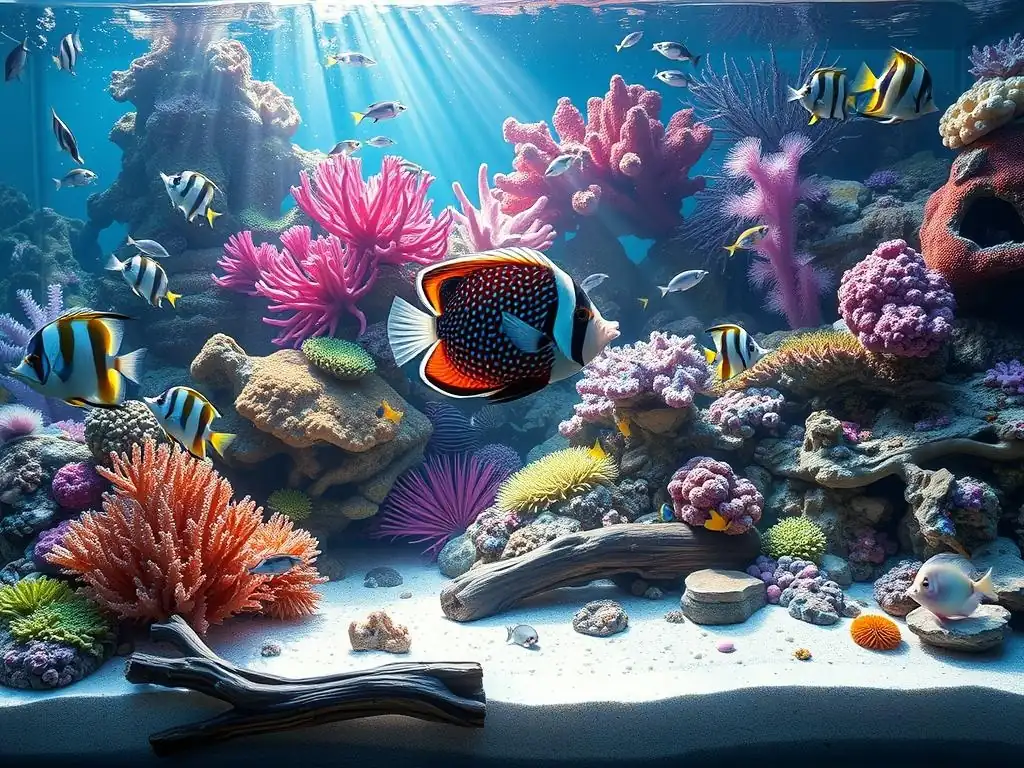
Thinking of adding a vibrant butterflyfish to your saltwater aquarium? Hold on a moment! These stunning beauties can be surprisingly delicate, and new aquarists often stumble into common pitfalls. Our article, " Butterflyfish Pitfalls: Top Mistakes New Keepers Make (And How to Dodge Them)," reveals the crucial knowledge you need to ensure your butterflyfish thrives. Discover the secrets to avoiding heartache and creating a happy, healthy environment for these captivating creatures. Ready to learn more? Dive in!
- Introduction: Avoiding Common Butterflyfish Keeping Errors
- Mistake #1: Insufficient Aquarium Size
- Mistake #2: Poor Water Quality and Unstable Parameters
- Mistake #3: Incompatible Tank Mates and Aggression
- Mistake #4: Inadequate Diet and Nutritional Deficiencies
- Mistake #5: Ignoring Proper Acclimation
- Mistake #6: Neglecting Quarantine Procedures
- Mistake #7: Lack of Understanding of Species-Specific Needs
- Conclusion: Setting Yourself Up for Success
-
Frequently Asked Questions
- What are the most common mistakes new aquarists make when introducing butterflyfish to their tanks?
- Why is water quality so crucial for butterflyfish, and what parameters should I monitor closely?
- How do I choose the right butterflyfish for my aquarium, considering their diverse dietary requirements?
- What are the signs that a butterflyfish is stressed or unhealthy in a new aquarium?
- How important is quarantine for new butterflyfish, and what should I look for during the quarantine period?
- Final Reflection: Navigating the Delicate Dance of Butterflyfish Keeping
- Unlock the Secrets to Butterflyfish Bliss!
Introduction: Avoiding Common Butterflyfish Keeping Errors
Why Butterflyfish Pose a Challenge for Beginner Aquarists
Butterflyfish, with their vibrant colors and distinctive patterns, are undeniably captivating, making them a popular choice for many new aquarists. However, their delicate nature and specific requirements often present a significant challenge for those without extensive saltwater aquarium experience. They are highly susceptible to stress, fluctuating water parameters, and improper diets, unlike more hardy marine species. This inherent fragility means that even minor new aquarists butterflyfish mistakes can have severe consequences, leading to rapid health decline and often premature mortality.
Their specialized needs, such as a varied and often live-food-inclusive diet, precise water chemistry demands, and sensitivity to tank mates, place them firmly in the intermediate to advanced category of marine fish keeping. Many first-time butterflyfish keepers underestimate these complexities, leading to a frustrating and often disheartening experience. Understanding these inherent difficulties from the outset is crucial for anyone considering adding these beautiful fish to their aquarium.
The Importance of Understanding Butterflyfish Needs Before Acquisition
Embarking on butterflyfish ownership without thorough preparation is one of the most significant new aquarists butterflyfish mistakes. Comprehensive pre-purchase research is not merely advisable; it is absolutely essential for the long-term health and survival of these sensitive creatures. This involves delving into their specific dietary habits, their adult size and corresponding tank volume requirements, their temperament, and their compatibility with other marine species.
Proactive learning about common beginner butterflyfish errors and how to mitigate them directly impacts the success of your aquarium. By understanding a butterflyfish's natural habitat, feeding behaviors, and social dynamics before it even enters your home, you can create an environment that closely mimics its ideal conditions. This foundational knowledge is the cornerstone of preventing stress, disease, and the unfortunate loss of a cherished marine inhabitant, setting a new aquarist up for success rather than common butterflyfish pitfalls.
Mistake #1: Insufficient Aquarium Size
Understanding Minimum Tank Size Requirements for Different Species
One of the most common new aquarists butterflyfish mistakes is underestimating the space these fish require. While a small juvenile butterflyfish might look comfortable in a 30-gallon tank at the pet store, many species, even smaller ones, grow quickly and require substantial swimming room. For example, a single Copperband Butterflyfish (Chelmon rostratus) generally needs a minimum of 75-100 gallons to thrive as an adult, allowing for ample swimming space and water volume stability. Larger species, such as the Raccoon Butterflyfish (Chaetodon lunula) or the Pyramid Butterflyfish (Hemitaurichthys polylepis), typically demand tanks of 125 gallons or more.
These minimums are not arbitrary; they account for the fish's adult size, activity level, and the need for stable water parameters. A tank that is too small quickly becomes overstressed, both for the fish and the water quality. It limits the fish's ability to establish territory, escape aggression, and engage in natural behaviors, making it a critical common butterflyfish pitfall to avoid.
The Impact of Overcrowding on Health and Behavior
Overcrowding, a direct result of insufficient tank size, leads to a cascade of negative effects on butterflyfish health and behavior. In a cramped environment, the bioload—the amount of waste produced by the fish—rapidly overwhelms the filtration system, leading to a quick accumulation of nitrates and a decline in overall water quality.
This constant exposure to elevated pollutants (even if ammonia and nitrite remain at 0 ppm, nitrates can climb above 40 ppm rapidly) severely stresses the fish's immune system, making them highly susceptible to common marine diseases like Ich (Cryptocaryon irritans) or Marine Velvet (Amyloodinium ocellatum). Studies have shown that fish in undersized tanks experience significantly higher rates of disease outbreaks.
Behaviorally, overcrowding exacerbates aggression, even among otherwise peaceful species. Butterflyfish, being territorial, will constantly vie for space, leading to fin nipping, chronic stress, and a refusal to eat. This persistent stress can manifest as faded colors, clamped fins, and lethargy, significantly shortening their lifespan. This is a classic beginner butterflyfish error that can easily be avoided with proper planning.
Solution: Researching and Providing Adequate Space
The simplest solution to avoiding the new aquarists butterflyfish mistake of insufficient space is thorough research before purchase. Always investigate the adult size of the specific butterflyfish species you intend to acquire. If the recommended minimum is 75 gallons, aim for a 100-gallon tank if possible. A larger tank provides more stable water parameters, dilutes pollutants more effectively, and offers more room for the fish to swim and establish territories, reducing stress and aggression.
Consider the long-term growth of your fish. A juvenile Copperband Butterflyfish might be only 3 inches, but it can reach 7-8 inches as an adult. Planning for its mature size ensures it has a healthy environment throughout its life. Investing in a larger tank upfront, typically costing 20-30% more than a smaller one, is far more cost-effective than dealing with disease outbreaks or replacing fish due to an unsuitable habitat, thereby dodging a major first-time butterflyfish keeper mistake.
Mistake #2: Poor Water Quality and Unstable Parameters
The Sensitivity to Ammonia, Nitrite, and Nitrate
Butterflyfish are exceptionally sensitive to even minute fluctuations in water quality, making poor water parameters a critical new aquarists butterflyfish mistake. Ammonia (NH3/NH4+) and nitrite (NO2-) are highly toxic compounds, and even levels as low as 0.25 ppm can cause irreversible gill damage, systemic organ failure, and rapid death. While a fully cycled tank should have 0 ppm ammonia and nitrite, even slight spikes during a new tank syndrome or due to overfeeding can be fatal.
Nitrate (NO3-), the end product of the nitrogen cycle, is less toxic but still detrimental at elevated levels. For butterflyfish, nitrates should ideally be kept below 10-20 ppm; levels consistently above 40 ppm significantly stress their immune systems, leading to chronic health issues and susceptibility to disease.
This extreme sensitivity is rooted in their natural reef environments, where water is perpetually pristine with undetectable levels of these pollutants. Replicating this purity is paramount for their survival and thriving, highlighting why maintaining stable, high-quality water is not just good practice but a necessity for these delicate marine inhabitants.
The Importance of Regular Water Changes and Testing
Consistent monitoring and proactive water changes are the bedrock of successful butterflyfish keeping, directly addressing a common new aquarists butterflyfish mistake. Weekly water testing for ammonia, nitrite, nitrate, pH (ideally 8.1-8.4), and specific gravity (1.023-1.025) is non-negotiable. Using reliable test kits provides an early warning system for potential issues, allowing for corrective action before parameters become critical. Ignoring these tests often leads to unseen deterioration in water quality.
Regular water changes, typically 20-25% bi-weekly or 10-15% weekly, are vital for replenishing essential trace elements (like calcium and alkalinity, crucial for coral if present) and, more importantly, for removing accumulated nitrates and other dissolved organic compounds that filtration alone cannot eliminate. For instance, a 25% weekly water change in a 100-gallon tank removes 25 gallons of nitrate-laden water, significantly reducing pollutant concentrations and stabilizing the environment. This consistent maintenance schedule is a primary defense against the common butterflyfish pitfalls associated with declining water quality.
Solution: Implementing a Robust Filtration System and Water Maintenance Schedule
To combat the new aquarists butterflyfish mistake of poor water quality, a robust and multi-layered filtration system is essential. This includes high-quality mechanical filtration (filter socks or sponges changed frequently, at least every 2-3 days) to remove particulate matter, effective chemical filtration (activated carbon for clarity and toxin removal, GFO for phosphate control), and extensive biological filtration (live rock, bio-balls, or a refugium) to process ammonia and nitrite efficiently. An oversized protein skimmer, ideally rated for 1.5-2 times your tank volume, is also crucial for removing dissolved organic waste before it breaks down into harmful nitrogen compounds.
Beyond equipment, a strict and consistent water maintenance schedule is key. This involves daily visual checks of the fish and equipment, weekly water testing, and scheduled water changes. For example, a 100-gallon tank with butterflyfish might require 15-20 gallons of water changed every week, alongside monthly cleaning of powerheads and quarterly cleaning of sumps. Automation, such as automatic top-off (ATO) systems, can help maintain stable salinity, further reducing the risk of first-time butterflyfish keeper mistakes related to parameter swings.
Mistake #3: Incompatible Tank Mates and Aggression
Butterflyfish Temperament: Understanding Potential Conflicts
Understanding the temperament of butterflyfish is crucial to avoiding a significant new aquarists butterflyfish mistake: incompatible tank mates. While some species, like the Copperband Butterflyfish, are generally peaceful and shy, others, particularly certain Chaetodon species, can be quite territorial or even aggressive, especially towards conspecifics or fish with similar body shapes. Even a peaceful butterflyfish can become stressed and refuse to eat if constantly harassed by more boisterous tank mates. This chronic stress weakens their immune system, making them highly susceptible to disease.
For example, a Copperband Butterflyfish, known for its ability to consume Aiptasia anemones, can be easily outcompeted for food by faster, more aggressive feeders, leading to malnutrition despite an adequate food supply in the tank. Conversely, placing an aggressive butterflyfish like a Longnose Butterflyfish (Forcipiger flavissimus) with very docile species can result in constant harassment and fin nipping. Recognizing these nuances in temperament is key to preventing the behavioral stress that often precedes health issues in these delicate fish.
Identifying Aggressive Fish Species to Avoid
To prevent new aquarists butterflyfish mistakes related to aggression, it's vital to identify and avoid certain fish species as tank mates. Large angelfish (especially those from the Pomacanthus or Holacanthus genera, such as the Queen Angelfish), triggerfish (e.g., Clown Triggerfish), puffers, and many damselfish (e.g., Domino Damselfish) are generally too aggressive or territorial to be housed with the typically more passive butterflyfish. These species can relentlessly chase, nip at fins, or outcompete butterflyfish for food and hiding spots.
Even seemingly peaceful fish can become problematic if they grow too large or establish dominance. For instance, some tangs, while often considered reef-safe, can become aggressive towards new additions or fish that resemble them, causing undue stress on a butterflyfish. The cost of replacing stressed or injured fish due to poor tank mate selection can quickly add up, making this a costly common butterflyfish pitfall if ignored.
Solution: Careful Selection of Tank Mates and Quarantine Procedures
The solution to avoiding new aquarists butterflyfish mistakes in tank mate selection involves meticulous research and a strategic approach. Choose tank mates that are known to be peaceful, occupy different swimming levels, and have compatible dietary needs. Good choices might include certain gobies, blennies, or smaller, more docile tang species (in very large tanks). For example, a Yellow Watchman Goby or a Clownfish pair are generally excellent, non-threatening companions for most butterflyfish.
Furthermore, always introduce new fish, especially butterflyfish, into the main display after less aggressive fish have established themselves. This prevents the butterflyfish from being immediately viewed as an intruder in an established territory. Observing new introductions closely for signs of aggression or stress for the first few days is crucial. If aggression is observed, be prepared to separate the fish using a tank divider or, if necessary, rehome one of the individuals. This careful planning significantly reduces the chances of first-time butterflyfish keeper mistakes leading to conflict.
Mistake #4: Inadequate Diet and Nutritional Deficiencies
Butterflyfish Feeding Habits: A Focus on Variety and Quality
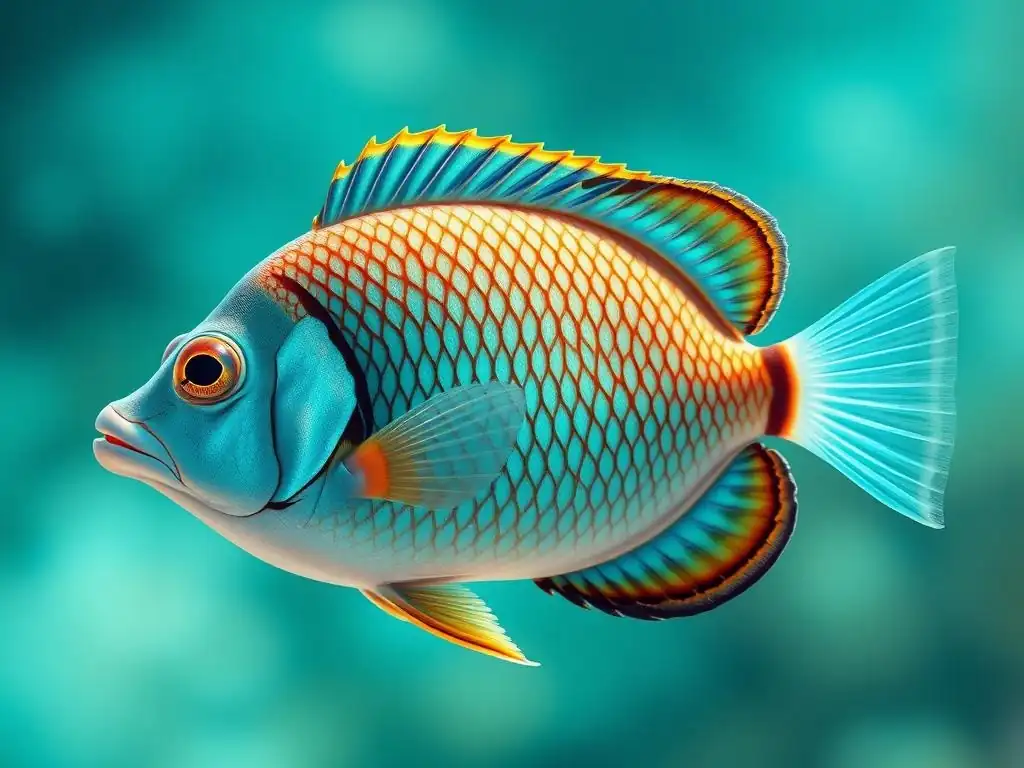
Many new aquarists butterflyfish mistakes stem from a misunderstanding of their dietary needs. Butterflyfish are not generic flake-food eaters; many are specialized feeders, and almost all require a diverse, high-quality diet. For example, the Copperband Butterflyfish (Chelmon rostratus) is renowned for eating Aiptasia anemones, but relying solely on this is insufficient. It also requires a substantial amount of meaty foods. Other species, like the Pyramid Butterflyfish (Hemitaurichthys polylepis), are planktivores, requiring frequent feedings of small, suspended foods. Some Chaetodon species are obligate corallivores, meaning they exclusively eat live coral polyps, making them unsuitable for most home aquariums.
A diet consisting only of dry flakes or pellets, even high-quality ones, will inevitably lead to nutritional deficiencies over time. This lack of variety prevents them from obtaining all the necessary vitamins, minerals, and fatty acids required for robust health. The absence of proper nutrition manifests in several ways, highlighting this common beginner butterflyfish error.
Recognizing Signs of Malnutrition
Recognizing the signs of malnutrition is critical for addressing this new aquarists butterflyfish mistake promptly. A well-fed butterflyfish should have vibrant colors, be active, and have a plump, rounded belly. Signs of malnutrition include faded colors, a sunken or pinched belly (emaciation), lethargy, clamped fins, and a general lack of vigor. For instance, a Copperband Butterflyfish that appears thin despite readily accepting food might not be getting the right type or variety of food.
Prolonged malnutrition severely compromises the fish's immune system, making it highly susceptible to diseases that a healthy fish could easily fight off. This often leads to secondary infections, fin rot, or parasitic outbreaks like Ich, even in otherwise stable tank conditions. A butterflyfish that is constantly battling illness may actually be suffering from underlying nutritional deficiencies, a common butterflyfish pitfall that often goes unnoticed until it's too late.
Solution: Providing a Balanced Diet with Live, Frozen, and Prepared Foods
The solution to avoiding new aquarists butterflyfish mistakes in diet is to provide a highly varied and high-quality food regimen. A balanced diet should include a mix of meaty frozen foods such as mysis shrimp, brine shrimp (preferably gut-loaded with spirulina or vitamins), finely chopped clam, krill, and other marine seafood. For planktivorous species, smaller, more frequent feedings of cyclops or enriched brine shrimp are beneficial. Some species, like Copperbands, may also benefit from live blackworms or small portions of live clam on the half-shell to entice them to eat.
Offer food 2-3 times per day in small portions to ensure all fish get enough and to encourage natural grazing behavior. Supplementing with high-quality marine pellets or flakes specifically designed for carnivores or omnivores can also be part of the routine, but never the sole food source. For example, feeding mysis shrimp in the morning, chopped clam in the afternoon, and a high-quality pellet in the evening provides a comprehensive nutritional profile, effectively preventing first-time butterflyfish keeper mistakes related to diet.
Mistake #5: Ignoring Proper Acclimation
The Stress of Transportation and Introduction to a New Environment
Ignoring proper acclimation is a frequent and often fatal new aquarists butterflyfish mistake. The journey from the collection point to your home aquarium is incredibly stressful for any fish, but particularly so for delicate butterflyfish. During transport, fish are subjected to fluctuating temperatures, declining oxygen levels, increasing ammonia buildup in the bag water, and significant shifts in pH and salinity. The physical jostling and confinement further exacerbate this stress.
Introducing a fish directly from a transport bag into a new tank without proper acclimation can lead to severe osmotic shock, where the sudden change in water parameters (temperature, pH, salinity) overwhelms the fish's osmoregulation system. This shock can manifest as immediate lethargy, erratic swimming, labored breathing, or even sudden death. Even if the fish survives the initial shock, its immune system will be severely compromised, making it highly susceptible to disease in the following days or weeks. This unseen stress is a primary reason for early losses among first-time butterflyfish keepers.
Proper Acclimation Techniques to Minimize Shock
To minimize the physiological shock and avoid a critical new aquarists butterflyfish mistake, proper acclimation techniques are paramount. The drip acclimation method is widely recommended for sensitive marine fish like butterflyfish. This involves placing the fish and its bag water into a separate container (a clean bucket or small plastic tub). An airline tube is then used to siphon water from the display tank, with a knot or valve to create a slow drip (e.g., 2-3 drops per second) into the container.
This slow drip allows the fish to gradually adjust to the new temperature, pH, and salinity over a period of 45-60 minutes, or until the volume of water in the container has tripled. Throughout this process, it's crucial to monitor the fish for signs of distress. It is equally important to avoid adding the bag water directly into the display tank, as it often contains high levels of ammonia and other waste products from transport.
Solution: Drip Acclimation and Gradual Introduction to the Main Tank
The solution to preventing new aquarists butterflyfish mistakes during introduction is to rigorously follow the drip acclimation process. Once the drip acclimation is complete and the water volume has tripled, carefully net the butterflyfish from the acclimation container and gently release it into the display tank. Discard all the water from the acclimation container; never let it enter your main system.
To further reduce stress, it's beneficial to turn off the main aquarium lights for several hours after introducing the new butterflyfish. This provides a calm, subdued environment, allowing the fish to explore its new surroundings and find hiding spots without the added stress of bright illumination or immediate interaction with existing tank inhabitants. This gradual and careful introduction, costing virtually nothing, significantly increases the chances of a successful transition for the delicate butterflyfish, thereby avoiding a common butterflyfish pitfall.
Mistake #6: Neglecting Quarantine Procedures
The Risk of Introducing Diseases and Parasites
One of the most devastating new aquarists butterflyfish mistakes is neglecting to quarantine new fish. Virtually all newly acquired marine fish, including butterflyfish, carry some form of latent disease, parasites, or bacterial infections, even if they appear healthy at the time of purchase.
Introducing an unquarantined fish directly into your main display tank is the single most common way to introduce pathogens that can decimate your entire established population. Diseases like Marine Ich (Cryptocaryon irritans), Marine Velvet (Amyloodinium ocellatum), and various bacterial infections can spread rapidly, especially to sensitive species like butterflyfish, which are often the first to show symptoms and succumb.
An outbreak can lead to the loss of not just the new fish, but also long-term inhabitants, live corals, and invertebrates, resulting in significant financial loss and emotional distress. The cost of treating a full-blown tank infection, which might involve medication, fallow periods, or even tearing down the entire system, far outweighs the minimal effort of setting up a quarantine tank.
Setting Up and Maintaining a Quarantine Tank
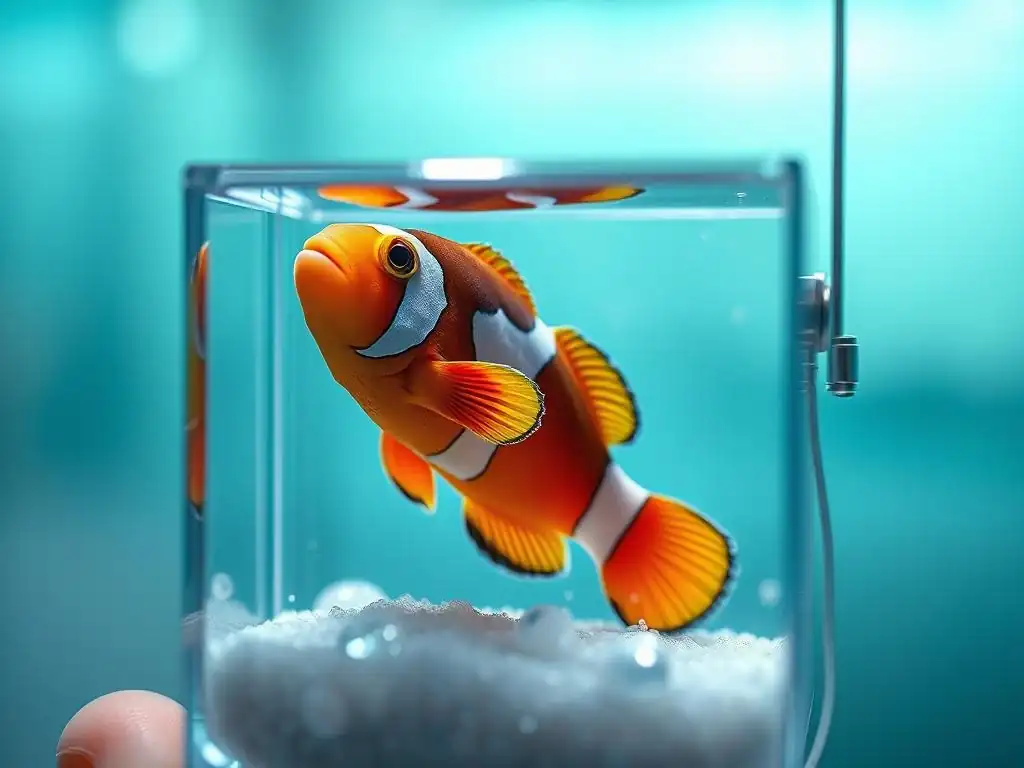
A dedicated quarantine tank (QT) is an indispensable tool for any serious new aquarist and essential for preventing new aquarists butterflyfish mistakes. A simple QT can be a 10-20 gallon bare-bottom tank, equipped with a heater, an air stone for oxygenation, and a small sponge filter or hang-on-back filter seeded with beneficial bacteria from your main tank's biological media. PVC pipes or inert plastic decor provide crucial hiding spots without complicating medication or cleaning. No substrate or live rock should be used, as they can absorb medications and harbor parasites.
The QT's water parameters must be maintained just as meticulously as the main display tank. Regular water changes (e.g., 10-20% every 2-3 days) with pre-mixed saltwater are necessary to keep ammonia, nitrite, and nitrate at safe levels, especially if the QT is not fully cycled. Monitoring these parameters daily is critical to ensure a stable environment for the new fish during its quarantine period.
Solution: A Mandatory Quarantine Period for All New Butterflyfish
The solution to avoiding this critical new aquarists butterflyfish mistake is to implement a mandatory quarantine period of at least 4-6 weeks for all new butterflyfish. During this time, observe the fish closely for any signs of disease (e.g., white spots, rapid breathing, clamped fins, lethargy, loss of appetite). Proactive treatment for common parasites, such as a copper-based medication or hyposalinity (if appropriate for the species), can be administered even if no symptoms are visible, as some parasites have life cycles that make them hard to detect initially.
This quarantine period serves multiple purposes: it allows the fish to recover from transport stress, ensures it is eating well and gaining strength, and confirms it is disease-free before it ever enters your main display. By isolating potential threats in a smaller, manageable environment, you protect your entire established ecosystem from devastating outbreaks, which is the ultimate defense against common butterflyfish pitfalls.
Mistake #7: Lack of Understanding of Species-Specific Needs
Different Species, Different Requirements: A Summary
A significant new aquarists butterflyfish mistake is treating all butterflyfish as if they have identical needs. The term "butterflyfish" encompasses a diverse group of species, each with unique requirements regarding diet, temperament, adult size, and reef compatibility.
For example, a Copperband Butterflyfish (Chelmon rostratus) is generally considered reef-safe and is known for eating Aiptasia anemones, but can be notoriously finicky about prepared foods. In contrast, many Chaetodon species, such as the Ornate Butterflyfish (Chaetodon ornatissimus) or the Latticed Butterflyfish (Chaetodon rafflesi), are obligate corallivores, meaning they primarily feed on live coral polyps and are therefore entirely unsuitable for a reef aquarium and extremely difficult to keep alive in captivity long-term.
Furthermore, their adult sizes vary widely. A Pygmy Butterflyfish (Chaetodon paucifasciatus) might reach 4 inches, while a Threadfin Butterflyfish (Chaetodon auriga) can grow to 9 inches, requiring vastly different tank sizes. This "one-size-fits-all" approach to care is a guaranteed path to failure for first-time butterflyfish keepers.
Researching the Specific Needs of Your Chosen Species
Neglecting species-specific research is a critical new aquarists butterflyfish mistake that leads to mismatched environments and premature demise. Before purchasing any butterflyfish, it is imperative to thoroughly research its:
- Adult Size: To ensure your tank can accommodate its full-grown dimensions (e.g., a 7-inch Copperband needs at least 75-100 gallons).
- Dietary Habits: Is it a planktivore, a corallivore, or an omnivore? What specific foods does it require (e.g., frozen mysis, live brine shrimp, specific pellets)?
- Reef Compatibility: Will it nip at corals, clams, or anemones? Many species are not "reef-safe."
- Temperament and Tank Mate Compatibility: Is it peaceful, semi-aggressive, or territorial? Can it coexist with your existing fish?
- Specific Water Parameters: While general saltwater parameters apply, some species might have narrower tolerance ranges for temperature (e.g., 74-78°F) or pH.
Failure to conduct this detailed investigation often results in a butterflyfish being placed in an unsuitable tank, with incompatible tank mates, or on an inadequate diet, leading to chronic stress, disease, and a significantly shortened lifespan.
Solution: Comprehensive Research Before Purchasing Any Butterflyfish
The most effective solution to avoiding new aquarists butterflyfish mistakes related to species-specific needs is to commit to comprehensive research before any purchase. Utilize multiple reputable sources—detailed aquarium books, scientific articles, and well-established online forums—rather than relying solely on pet store labels or a single online search. For instance, if considering a Copperband Butterflyfish, research its known challenges with feeding, its need for pristine water, and its potential shyness. If looking at a Pyramid Butterflyfish, understand its schooling behavior and need for frequent planktonic feedings.
Create a checklist of essential requirements for the specific butterflyfish you are interested in. This checklist should cover tank size, diet, reef compatibility, and temperament. Only when you can confidently meet all these criteria should you consider acquiring the fish. This proactive due diligence, though time-consuming, is the best investment a new aquarist can make to ensure the long-term health and success of their butterflyfish, effectively sidestepping the most common butterflyfish pitfalls.
Conclusion: Setting Yourself Up for Success
Avoiding Common Care Mistakes for a Thriving Aquarium
Successfully keeping butterflyfish, while undeniably challenging, is an achievable feat for new aquarists who are willing to commit to thorough preparation and consistent care. By diligently avoiding the common pitfalls discussed—namely, insufficient aquarium size, poor and unstable water quality, incompatible tank mates, inadequate diet, improper acclimation, neglecting quarantine, and a lack of understanding of species-specific needs—you lay a robust foundation for a thriving marine environment. Each of these new aquarists butterflyfish mistakes can individually jeopardize a fish's health, but collectively they create an almost insurmountable barrier to success.
The key lies in meticulous planning, continuous learning, and a proactive approach to tank maintenance. Investing in the right equipment, conducting diligent research before any purchase, and maintaining a strict care regimen are all crucial steps. While the initial investment in time and resources might seem significant, the reward of seeing these exquisite fish flourish in a healthy, stable aquarium is immeasurable. By conscientiously addressing these butterflyfish errors, new aquarists can transform potential challenges into triumphs, ensuring the long-term well-being and vibrant display of these delicate beauties in their home aquariums.
Frequently Asked Questions
What are the most common mistakes new aquarists make when introducing butterflyfish to their tanks?
New aquarists often fail to research the specific dietary needs of butterflyfish, underestimate their social needs requiring careful tankmate selection, and neglect to provide a sufficiently mature and stable reef environment.
Why is water quality so crucial for butterflyfish, and what parameters should I monitor closely?
Butterflyfish are exceptionally sensitive to water parameter fluctuations. You should consistently monitor and maintain stable levels of ammonia, nitrite, and nitrate, as well as ensure appropriate pH and salinity.
How do I choose the right butterflyfish for my aquarium, considering their diverse dietary requirements?
Research the specific diet of each butterflyfish species before purchase. Some are obligate coralivores and unsuitable for most reef tanks, while others accept a wider range of prepared foods.
What are the signs that a butterflyfish is stressed or unhealthy in a new aquarium?
Key signs include loss of appetite, erratic swimming, faded coloration, and increased susceptibility to diseases like marine ich (white spot disease).
How important is quarantine for new butterflyfish, and what should I look for during the quarantine period?
Quarantine is essential to observe for diseases and ensure the fish is eating well. Look for signs of parasites, bacterial infections, or fungal problems. Additionally, it allows the fish to acclimate without competition from established tankmates.
The journey into marine aquariums, particularly with the captivating butterflyfish, is often paved with good intentions but can quickly lead to frustration. Understanding the common pitfalls new aquarists face is crucial not just for the survival of these delicate creatures, but also for fostering a sustainable and responsible approach to the hobby. By acknowledging these mistakes, we empower ourselves to create thriving ecosystems where butterflyfish can flourish.
This article has hopefully shed light on the challenges, but the true impact lies in the choices we make moving forward. The responsibility we bear as keepers extends beyond simply providing food and water; it's about understanding the complex needs of these animals and creating an environment that mimics their natural habitat. As Jacques Cousteau wisely stated, The sea, once it casts its spell, holds one in its net of wonder forever.
This wonder should inspire us to act as stewards of the ocean, both in our aquariums and beyond.
Now, armed with this knowledge, I urge you to reflect on your own approach to marine keeping. Are you prepared to dedicate the time, resources, and research necessary to provide a truly enriching life for a butterflyfish? Let this be a call to action: research thoroughly, plan meticulously, and always prioritize the well-being of the animals under your care. Only then can we truly appreciate the beauty and wonder that butterflyfish bring to our aquariums, knowing we are contributing to their survival, not their demise.
Unlock the Secrets to Butterflyfish Bliss!
Thanks for diving into the world of butterflyfish keeping! We hope you've found some insightful tips to avoid common pitfalls. Now, let's turn that knowledge into action:
- Start planning your ideal butterflyfish setup: Don't wait! Begin researching compatible tankmates and meticulously planning your reef or fish-only aquarium to provide the best environment.
- Explore the unique dietary needs of various butterflyfish species. Consider creating a feeding schedule tailored to your chosen species.
- Share this article with fellow aquarium enthusiasts to help them avoid common butterflyfish-keeping mistakes.
What specific butterflyfish species are you most excited to keep, and what steps are you taking today to prepare for its arrival?