
Eightline Wrasse (Pseudocheilinus octotaenia): A Shyer, More Elusive Striped Marvel

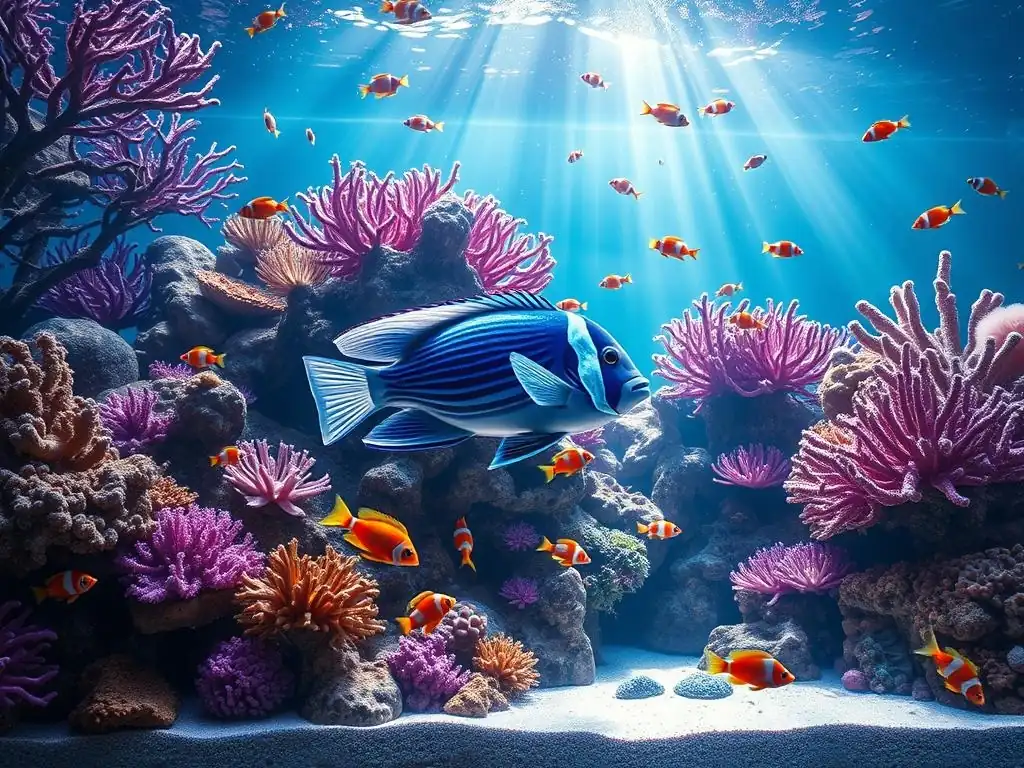
Welcome to Aquarium Mastery!
Ever wondered if you could keep one of the ocean's most captivating, yet slightly mysterious, striped beauties? Dive in and uncover the secrets to successfully keeping an Eightline Wrasse. This care guide will walk you through everything you need to know, from tank setup to diet and temperament. Ready to unravel the enigma of Pseudocheilinus octotaenia and bring this shy marvel into your saltwater aquarium? Let's explore!
- Eightline Wrasse Care Guide: Introduction to Pseudocheilinus octotaenia
- Eightline Wrasse Habitat and Origins
- Eightline Wrasse Appearance and Identification
- Eightline Wrasse Tank Setup and Requirements
- Eightline Wrasse Diet and Feeding
- Eightline Wrasse Temperament and Compatibility
- Eightline Wrasse Health and Disease
- Eightline Wrasse Breeding and Reproduction
- Eightline Wrasse: Pros and Cons for Reef Aquariums
- Eightline Wrasse: Advanced Care Tips
- Eightline Wrasse: Where to Buy and Pricing
- Conclusion: Is the Eightline Wrasse Right for Your Aquarium?
- Frequently Asked Questions
- Final Reflection: Embracing the Subtle Wonders of the Reef
- Unleash Your Inner Reef Explorer!
Eightline Wrasse Care Guide: Introduction to Pseudocheilinus octotaenia
Understanding the Appeal of the Eightline Wrasse
The Eightline Wrasse, scientifically known as Pseudocheilinus octotaenia, is a captivating addition to many reef aquariums, primarily due to its striking appearance and intriguing behavior. This species, often sought after by aquarists compiling an Eightline Wrasse care guide, boasts a slender body adorned with eight distinct horizontal stripes, ranging in color from reddish-brown to a deeper purplish hue, which can intensify with good health and diet. Its relatively small adult size, typically reaching about 4-5 inches (10-12 cm), makes it suitable for a variety of tank dimensions, appealing to enthusiasts looking for a visually engaging yet manageable fish.
Beyond its aesthetic appeal, the Eightline Wrasse holds significant ecological value within the aquarium, acting as a natural predator of various small, unwanted invertebrates. Many aquarists appreciate its active foraging behavior, constantly sifting through rockwork for tiny crustaceans, flatworms, and even problematic pyramid snails that can plague tridacnid clams. This beneficial trait, combined with its generally peaceful demeanor towards most other fish species, solidifies its position as a desirable inhabitant for a well-maintained saltwater system, making comprehensive Eightline Wrasse care guide information vital for potential owners.
Eightline Wrasse in the Reef Aquarium: A Brief Overview
Integrating an Eightline Wrasse into a reef aquarium requires a thoughtful approach, as their inherent shyness and specific needs dictate success. While they are renowned for their ability to control certain pest populations, their elusive nature means they may not always be prominently displayed, often preferring to dart between rock crevices. A successful Eightline Wrasse care guide emphasizes providing a mature tank environment with abundant live rock, which serves both as shelter and a foraging ground. This ensures the wrasse feels secure and has ample opportunities to exhibit its natural behaviors.
For reef enthusiasts, the Eightline Wrasse is generally considered reef-safe, as it typically leaves corals and sessile invertebrates unharmed. However, caution is advised with very small, ornamental shrimp or crabs, which might occasionally be perceived as a food source, particularly if the wrasse is underfed. Their compatibility with other fish largely depends on the tank's size and the temperament of cohabitants; peaceful to moderately aggressive tank mates are usually suitable, while highly boisterous or predatory species should be avoided to prevent undue stress on this more timid wrasse.
Eightline Wrasse Habitat and Origins
Natural Habitat of the Eightline Wrasse
The Eightline Wrasse ( Pseudocheilinus octotaenia) originates from the vast Indo-Pacific region, spanning from the Red Sea and East Africa across to the Hawaiian Islands, and as far south as New Caledonia. Within this expansive range, these wrasses are typically found in outer reef slopes, drop-offs, and rubble zones, preferring areas with abundant live rock and coral formations that provide numerous hiding spots. They are commonly observed at depths ranging from approximately 5 meters (16 feet) down to 60 meters (200 feet), though they are most frequently encountered in shallower to moderate depths, around 10-30 meters (33-100 feet).
Their natural environment is characterized by clear, warm, and highly oxygenated waters with consistent parameters. The complex structure of the reef provides them with both protection from predators and a rich hunting ground for their preferred diet of small invertebrates. This species is often seen individually or in small, loose aggregations, constantly patrolling the rockwork for their next meal, a behavior that translates well into a captive Eightline Wrasse care guide focusing on providing ample rock structure.
Collecting Eightline Wrasses: Sustainability Considerations
The vast majority of Eightline Wrasses available in the aquarium trade are wild-caught specimens, primarily sourced from various locations across their Indo-Pacific distribution. Sustainable collection practices are paramount to ensure the long-term viability of wild populations and the health of the coral reef ecosystems they inhabit. Reputable collectors often employ methods that minimize stress to the fish and damage to the reef, such as hand-netting, rather than less selective or destructive techniques.
While captive breeding of Pseudocheilinus octotaenia is not yet widespread or commercially viable on a large scale for the hobbyist market, ongoing research and advancements in marine aquaculture hold promise for the future. Aquarists interested in an Eightline Wrasse care guide should prioritize purchasing from suppliers who demonstrate a commitment to ethical sourcing, transparent practices, and who offer healthy, well-acclimated fish. Supporting responsible trade helps to mitigate the environmental impact and promotes the conservation of these beautiful marine creatures in their natural habitats.
Eightline Wrasse Appearance and Identification
Distinctive Features: Identifying Pseudocheilinus octotaenia
The Eightline Wrasse ( Pseudocheilinus octotaenia) is aptly named for its most prominent identifying characteristic: eight distinct, horizontal dark stripes that run along its body from behind the eye to the caudal peduncle (the base of the tail fin). These stripes are typically dark brown or black, contrasting against a base body color that can vary from a reddish-brown to an olive green, often with subtle purplish or bluish undertones, particularly on the head and fins. The intensity of these colors can fluctuate based on the fish's mood, health, and environment.
Beyond the prominent stripes, Pseudocheilinus octotaenia possesses a sleek, torpedo-shaped body typical of many wrasses, designed for swift, darting movements through crevices. Its fins are generally translucent or subtly colored, matching the body. A key feature to note is its relatively small mouth, equipped with sharp, conical teeth suitable for preying on small invertebrates. The eyes are relatively large, aiding its foraging activities in the complex reef environment. An Eightline Wrasse care guide often highlights these visual cues for accurate identification.
Eight Stripes and Beyond: Color Variations in Eightline Wrasses
While the eight horizontal stripes are a consistent and defining feature of the Eightline Wrasse, there can be subtle variations in their overall coloration and pattern depending on factors like geographic origin, age, and individual health. For instance, specimens from the Hawaiian Islands might exhibit slightly different shades or a more vibrant base color compared to those from the Red Sea, though the fundamental stripe count remains constant. Younger individuals may have slightly less defined stripes or a lighter base coloration that deepens with maturity.
Environmental factors within the aquarium also play a significant role in the wrasse's color vibrancy. A stress-free environment, stable water parameters, and a rich, varied diet can greatly enhance the fish's natural hues, bringing out the purplish iridescence sometimes seen on their heads and the deeper tones of their stripes. Conversely, a stressed or unhealthy Eightline Wrasse may appear faded or dull, underscoring the importance of a detailed Eightline Wrasse care guide that addresses all aspects of their well-being.
Eightline Wrasse Tank Setup and Requirements
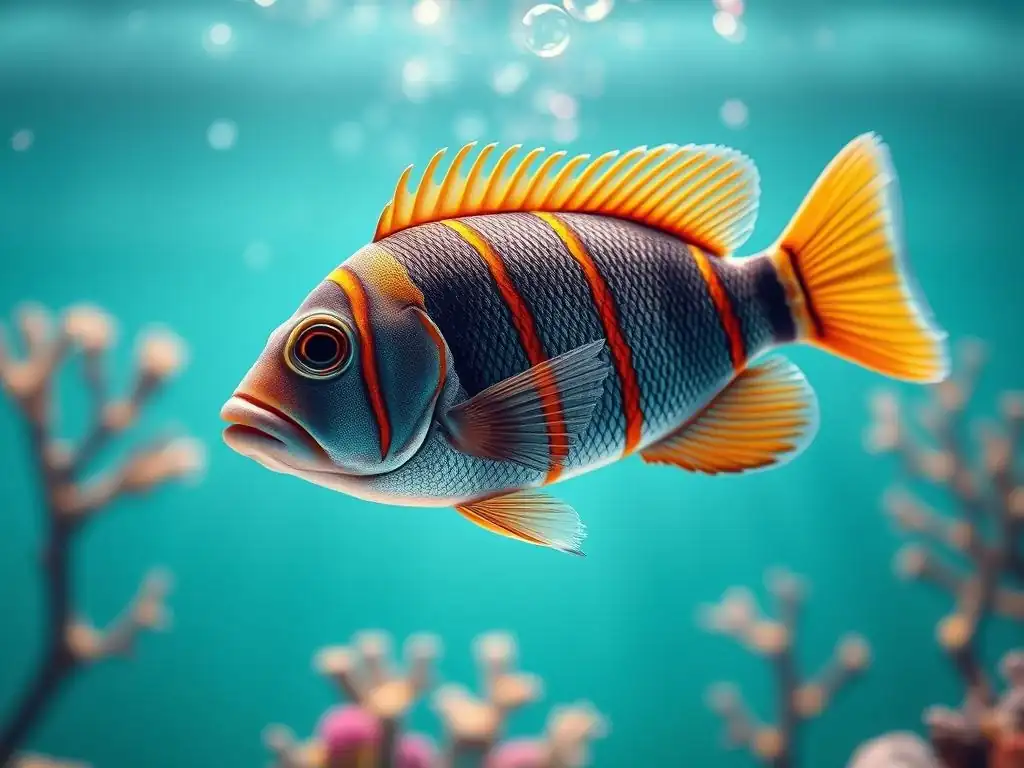
Ideal Tank Size for Eightline Wrasses
Providing an appropriately sized aquarium is crucial for the well-being of the Eightline Wrasse ( Pseudocheilinus octotaenia), despite its relatively small adult size. While some sources might suggest a minimum of 20-30 gallons for a single specimen, a tank of at least 50 gallons (approximately 190 liters) is generally recommended for optimal long-term health and to allow for natural behaviors. This larger volume provides greater water stability, which is vital for all marine inhabitants, and offers more space for the wrasse to establish territory and forage.
For aquarists considering keeping multiple Eightline Wrasses or integrating them into a bustling community tank, an even larger setup, perhaps 75 gallons (280 liters) or more, would be beneficial. The increased footprint allows for more intricate rockwork, reducing potential territorial disputes and providing ample hiding spots. Adequate space is a cornerstone of any comprehensive Eightline Wrasse care guide, ensuring the fish can thrive and express its natural behaviors without undue stress.
Water Parameters for Optimal Eightline Wrasse Health
Maintaining stable and appropriate water parameters is paramount for the health and longevity of the Eightline Wrasse. These fish, like most marine species, are sensitive to fluctuations and require pristine water quality. The ideal salinity range for Pseudocheilinus octotaenia is typically between 1.023 and 1.026 specific gravity, ideally held consistently around 1.025. Temperature should be maintained within a stable range of 74-80°F (23-27°C), with minimal daily fluctuations.
Furthermore, pH levels should be kept between 8.1 and 8.4, consistent with natural reef conditions. Alkalinity (KH) should be stable, generally between 8-12 dKH, and calcium levels between 400-450 ppm. Nitrates should be kept as low as possible, ideally below 10 ppm, and ammonia and nitrites should always be undetectable (0 ppm). Regular water changes, typically 10-20% bi-weekly or monthly, depending on bioload, are essential to maintain these parameters and are a critical component of any effective Eightline Wrasse care guide.
Essential Equipment for Eightline Wrasse Aquariums
Setting up an aquarium suitable for an Eightline Wrasse requires several key pieces of equipment to replicate their natural environment and maintain optimal water quality. A robust filtration system is essential, typically comprising mechanical filtration (filter socks, sponges), biological filtration (live rock, bio-media), and chemical filtration (activated carbon, GFO) to remove impurities and maintain crystal-clear water. A high-quality protein skimmer is also highly recommended, as it efficiently removes organic waste before it breaks down into harmful nitrates.
Beyond filtration, ample live rock is indispensable for an Eightline Wrasse. These fish require numerous crevices, caves, and tunnels to explore, hide in, and sleep within. A tight-fitting lid is also crucial, as wrasses are notorious jumpers, especially when startled or newly introduced. Proper lighting, appropriate for any corals or other invertebrates present, will also benefit the overall health of the ecosystem. Lastly, a reliable heater and accurate thermometer are necessary to maintain stable temperature, completing the fundamental equipment list for a thorough Eightline Wrasse care guide.
Eightline Wrasse Diet and Feeding
What Do Eightline Wrasses Eat in the Wild?
In their natural Indo-Pacific reef habitats, Eightline Wrasses ( Pseudocheilinus octotaenia) are micro-predators, meaning their diet primarily consists of a variety of small, benthic invertebrates. They are highly active foragers, constantly sifting through live rock and sand, and picking at coral structures to locate their prey. Their natural diet includes tiny crustaceans such as copepods, amphipods, and isopods, as well as various types of marine worms, including small bristleworms and flatworms.
This species is also well-known for its propensity to consume pyramid snails, a common pest that preys on tridacnid clams, making them a valuable biological control agent in reef aquariums. Their small, pointed mouths and keen eyesight are perfectly adapted for hunting these elusive, minuscule organisms hidden within the reef's intricate network. Understanding their natural feeding habits is crucial for developing an effective captive Eightline Wrasse care guide that ensures their nutritional needs are met.
Recommended Diet for Captive Eightline Wrasses
For captive Eightline Wrasses, a diverse and high-quality diet is essential to mimic their natural feeding habits and ensure their long-term health and vibrant coloration. A staple diet should consist of a variety of meaty frozen foods, such as enriched mysis shrimp, brine shrimp, finely chopped krill, and various marine preparations. Offerings like cyclop-eeze and finely diced seafood (e.g., clam, shrimp) can also provide important nutrients and variety.
While live foods like copepods and amphipods can be an excellent supplement, especially for newly introduced or shy specimens, they should not be the sole food source. Some Eightline Wrasses may eventually accept high-quality marine-based flakes or small pellets, but these should be used as a supplement rather than a primary diet. A comprehensive Eightline Wrasse care guide emphasizes the importance of variety to ensure all necessary vitamins and minerals are provided.
Feeding Frequency and Techniques for Eightline Wrasses
Due to their active metabolism and continuous foraging nature in the wild, Eightline Wrasses benefit from frequent, small feedings in the aquarium. It is generally recommended to feed them at least two to three times per day, rather than one large meal. This approach helps to maintain their energy levels and reduces competition for food, especially if they are housed with more aggressive or faster-eating tank mates.
Because of their shy and sometimes elusive nature, particularly when first introduced, special feeding techniques might be necessary. Target feeding, using a long pipette or turkey baster to deliver food near their hiding spots, can be effective. Ensuring that food reaches the wrasse before being consumed by other fish is crucial. Observing their feeding behavior closely will help aquarists fine-tune the feeding schedule and methods, a key aspect of any practical Eightline Wrasse care guide.
Eightline Wrasse Temperament and Compatibility
Eightline Wrasse Behavior: Shy but Active
The Eightline Wrasse ( Pseudocheilinus octotaenia) exhibits a fascinating blend of shyness and active foraging behavior. When first introduced to an aquarium, or even after a significant tank disturbance, these wrasses are notoriously shy and will often hide for extended periods, sometimes days or even weeks, within the rockwork. They require a secure environment with ample hiding spots to feel safe and begin to explore. Once acclimated, however, they become quite active, constantly darting in and out of crevices, meticulously inspecting every inch of live rock in search of small invertebrates.
Despite their shyness towards humans and larger, more boisterous tank mates, Eightline Wrasses are generally peaceful towards most other fish species. They are known for their unique sleeping habit: at night, they will typically wedge themselves into a crevice or burrow into the sand bed to sleep, emerging only when the lights come on. This behavior protects them from nocturnal predators and highlights their need for a well-structured aquascape. Understanding this dual nature is a vital part of any effective Eightline Wrasse care guide.
Suitable Tank Mates for Eightline Wrasses
Selecting appropriate tank mates is crucial for the long-term well-being of the Eightline Wrasse. Given their shy nature, they thrive best with other peaceful to semi-aggressive fish that will not outcompete them for food or intimidate them. Good choices include various gobies (e.g., watchman gobies, shrimp gobies), blennies (e.g., Tailspot blennies, Starry blennies), small peaceful tangs (e.g., Yellow Tangs in larger tanks), and certain dottybacks (e.g., Orchid Dottybacks). Other small, peaceful wrasses from different genera can also coexist, provided the tank is sufficiently large and offers enough territory.
Care should be taken to avoid housing multiple Pseudocheilinus species in tanks smaller than 100 gallons, as aggression can occur between members of the same genus. Similarly, while generally reef-safe, very small ornamental shrimp or crabs might occasionally be viewed as a food source, so monitoring is advised. A well-researched Eightline Wrasse care guide will always emphasize careful consideration of tank mate compatibility to ensure a harmonious environment.
Fish to Avoid: Aggression and Predation Risks
When planning an Eightline Wrasse care guide and selecting tank mates, it is equally important to identify species that pose a risk. Highly aggressive or territorial fish should be avoided, as they can easily stress and bully the more timid Eightline Wrasse, leading to hiding, refusal to eat, and ultimately, poor health. Examples include highly aggressive damselfish, larger predatory groupers, and certain triggerfish or puffers that might view the wrasse as prey.
Furthermore, very large or fast-eating fish can outcompete the Eightline Wrasse for food, especially given its shyness and slower feeding approach. This can lead to malnourishment even in a well-fed tank. Species that are known to be fin-nippers or overly boisterous should also be avoided, as constant harassment can significantly impact the wrasse's well-being. Ensuring a peaceful cohabitation is a cornerstone of successful Eightline Wrasse husbandry.
Eightline Wrasse Health and Disease
Common Diseases Affecting Eightline Wrasses
Like all marine fish, Eightline Wrasses ( Pseudocheilinus octotaenia) are susceptible to common saltwater diseases, particularly if stressed by poor water quality, inadequate diet, or aggressive tank mates. Marine Ich ( Cryptocaryon irritans) and Marine Velvet ( Amyloodinium ocellatum) are two of the most prevalent parasitic infections that can affect wrasses. Symptoms include white spots on the body and fins (Ich) or a dusty, velvet-like coating (Velvet), often accompanied by rapid breathing, scratching against decor, and lethargy.
Bacterial infections, which can manifest as fin rot, cloudy eyes, or body lesions, are also a concern, often stemming from poor water conditions or physical injury. Internal parasites, though less obvious, can lead to weight loss and dull coloration. Maintaining optimal water parameters, providing a nutritious diet, and minimizing stress are crucial preventative measures outlined in any comprehensive Eightline Wrasse care guide.
Preventing and Treating Diseases in Eightline Wrasses
Prevention is always the best approach when it comes to the health of Eightline Wrasses. This involves maintaining consistently stable and pristine water parameters (as outlined in the water parameters section), providing a varied and nutritious diet, and ensuring a stress-free environment with ample hiding spots and appropriate tank mates. Regular observation of your wrasse for any changes in behavior, appetite, or appearance can help detect potential issues early.
If a disease does manifest, prompt action is necessary. For external parasites like Ich or Velvet, treatment often involves transferring the affected fish to a dedicated quarantine tank for medication (e.g., copper-based treatments for Ich, or specific medications for Velvet) or implementing hyposalinity. For bacterial infections, broad-spectrum antibiotics may be required, again, ideally administered in a separate treatment tank. Always consult a reliable Eightline Wrasse care guide or an experienced marine aquarist before administering any medications.
Quarantine Procedures for New Eightline Wrasses
Implementing a strict quarantine procedure for all new Eightline Wrasses is arguably the most critical step in preventing the introduction and spread of diseases in your main display tank. A dedicated quarantine tank (QT) should be set up with basic filtration, a heater, and PVC pipes or other non-porous hiding spots. The new wrasse should be slowly acclimated to the QT water parameters.
The wrasse should remain in the quarantine tank for a minimum of 3-4 weeks, or longer if any signs of disease appear. During this period, observe the fish closely for any symptoms of illness, ensure it is eating well, and gradually introduce a variety of foods. Prophylactic treatments (e.g., a freshwater dip, or specific medications for common parasites if deemed necessary) can be considered, but always with caution and full understanding of the treatment protocol. This rigorous quarantine process is a cornerstone of responsible Eightline Wrasse care guide practices.
Eightline Wrasse Breeding and Reproduction
Eightline Wrasse Breeding in the Wild
In their natural reef environments, Eightline Wrasses ( Pseudocheilinus octotaenia) are pelagic spawners, meaning they release their eggs and sperm directly into the water column, where fertilization occurs. This type of spawning typically takes place during specific periods, often around dusk, when currents can help disperse the fertilized eggs away from the immediate reef, reducing predation pressure on the developing larvae. Like many wrasses, they are likely sequential hermaphrodites, though specific details on their exact reproductive strategy (e.g., protogynous, where females can change to males) for Pseudocheilinus octotaenia in the wild are not extensively documented for the hobbyist.
During spawning, a male wrasse will typically display to and pursue a female, leading her in a rapid ascent towards the surface. At the peak of their ascent, eggs and sperm are released, and the pair quickly retreats back to the reef. The fertilized eggs are buoyant and drift with the currents as part of the plankton for a period, eventually developing into larvae and then juvenile wrasses before settling back onto the reef. This complex life cycle in the vast ocean contrasts sharply with the challenges of captive breeding.
Breeding Eightline Wrasses in Captivity: Challenges and Possibilities
Breeding Eightline Wrasses in a home aquarium setting is exceptionally rare and, for the vast majority of hobbyists, currently considered unfeasible. The primary challenges lie in several areas: inducing spawning behavior in a confined environment, successfully collecting the pelagic eggs, and, most significantly, raising the incredibly delicate and tiny larval wrasses. These larvae often require specific, live microscopic food sources that are difficult to culture in sufficient quantities, and precise water parameters that replicate their oceanic nursery grounds.
While there have been some successes with commercial breeding of other wrasse species, particularly larger ones, the Pseudocheilinus genus, including the Eightline Wrasse, remains largely unbred in captivity for the aquarium trade. This means that nearly all Eightline Wrasses available to aquarists are wild-caught. Future advancements in marine aquaculture technology and research may eventually make captive breeding more accessible, but for now, any Eightline Wrasse care guide will focus on husbandry of wild-caught specimens rather than propagation.
Eightline Wrasse: Pros and Cons for Reef Aquariums
Advantages of Keeping Eightline Wrasses
The Eightline Wrasse ( Pseudocheilinus octotaenia) offers several compelling advantages for the dedicated reef aquarist. Foremost among these is its natural ability to act as a biological pest control agent. This wrasse is highly effective at consuming various nuisance invertebrates, including parasitic flatworms (like Montipora-eating flatworms, Prosthiostomum cf. montiporae) and pyramid snails that prey on tridacnid clams. This can significantly reduce the need for chemical treatments, promoting a more natural and balanced reef ecosystem.
Furthermore, its relatively small adult size, typically around 4-5 inches, makes it suitable for a broader range of aquarium sizes compared to many larger wrasse species. Its striking appearance, with eight distinctive stripes and varying base colors, adds visual interest and a touch of elegance to the tank. Despite its initial shyness, an acclimated Eightline Wrasse exhibits active and engaging foraging behaviors, constantly exploring the rockwork, which can be fascinating to observe. Their general reef-safe nature also means they typically do not bother corals or other sessile invertebrates.
Despite their appealing attributes, there are a few disadvantages to consider when deciding if an Eightline Wrasse is right for your aquarium. Their inherent shyness is a significant factor; newly introduced specimens, or those in tanks with aggressive tank mates, may hide for extended periods, making them difficult to observe and ensure they are feeding. This can be frustrating for aquarists who desire highly visible fish.
Another notable drawback is their escape artistry. Like many wrasses, Eightline Wrasses are prone to jumping from open-top aquariums, especially when startled or stressed. A tight-fitting lid is an absolute necessity to prevent tragic losses.
While generally peaceful, they can become territorial with other wrasses of the same or similar genus, particularly in smaller tanks, which limits their compatibility in certain multi-wrasse setups. Finally, their reliance on a varied diet of small meaty foods and their constant foraging means they require a mature tank with ample live rock and a consistent feeding schedule, which might be a challenge for novice aquarists or those with heavily stocked systems.
Eightline Wrasse: Advanced Care Tips
Enhancing Coloration in Captive Eightline Wrasses
To truly bring out the vibrant coloration of your Eightline Wrasse ( Pseudocheilinus octotaenia), several advanced care tips can be implemented beyond basic husbandry. Diet plays a crucial role; incorporating foods rich in astaxanthin, a powerful antioxidant and pigment, can intensify their reds, oranges, and purples. Examples include krill, Mysis shrimp, and specialized color-enhancing marine pellets or flakes that list astaxanthin as an ingredient. A varied diet, as previously mentioned, ensures a full spectrum of nutrients for optimal health and color.
Furthermore, a stress-free environment is paramount for maintaining vivid coloration. This means stable water parameters, appropriate tank mates that do not bully or outcompete the wrasse, and ample hiding spots within a well-structured rockscape. A dimly lit tank during acclimation can also help reduce stress and encourage the wrasse to settle in. High-quality lighting appropriate for a reef tank, while not directly impacting fish coloration as much as diet, contributes to the overall health and vibrancy of the entire ecosystem, indirectly benefiting the wrasse.
Acclimation Strategies for Shy Eightline Wrasses
Acclimating a shy species like the Eightline Wrasse requires particular care to minimize stress and ensure a smooth transition into the aquarium. A slow drip acclimation method is highly recommended, allowing the fish to gradually adjust to the new tank's salinity, pH, and temperature over a period of 1-2 hours. Floating the bag in the tank to equalize temperature is a good first step, followed by slowly adding tank water to the bag.
Upon introduction to the display tank, it is beneficial to dim the aquarium lights or even turn them off for several hours, or even a full day, to reduce visual stress. Ensure there are immediate, easily accessible hiding spots within the rockwork where the wrasse can retreat. Avoid adding other new fish or making significant tank disturbances during the first few days or week after introducing the Eightline Wrasse.
Patience is key; it may take several days or even weeks for the wrasse to become comfortable and consistently visible. This careful acclimation is a cornerstone of any comprehensive Eightline Wrasse care guide.
Eightline Wrasse: Where to Buy and Pricing
Finding Reputable Eightline Wrasse Suppliers
When seeking to acquire an Eightline Wrasse ( Pseudocheilinus octotaenia), identifying reputable suppliers is crucial for ensuring you receive a healthy, well-acclimated specimen. Look for local fish stores that specialize in saltwater fish and have a strong reputation for maintaining clean, well-quarantined systems. Observe their tanks; fish should appear active, alert, and free of visible signs of disease such as fin rot, cloudy eyes, or white spots. Inquire about their sourcing practices and how long the fish have been in their care.
Online vendors can also be a viable option, especially for those without access to specialized local stores. When purchasing online, research customer reviews thoroughly, focusing on feedback regarding fish health, packaging, and arrival condition. Reputable online suppliers often provide detailed information about their quarantine procedures, shipping methods, and live arrival guarantees. Prioritizing suppliers who prioritize fish welfare is a key aspect of responsible Eightline Wrasse care guide practices.
Understanding Eightline Wrasse Pricing Factors
The price of an Eightline Wrasse can vary significantly depending on several factors. Size is often a primary determinant, with larger, more established specimens generally commanding a higher price than smaller juveniles. The rarity of the species in the trade can also influence cost; while not extremely rare, their consistent demand and specific collection methods contribute to their pricing.
Geographic origin can also play a role, as shipping costs and collection efforts vary across their Indo-Pacific range. Lastly, the supplier's reputation and their pre-shipping conditioning or quarantine protocols will impact the price. Suppliers who invest in thorough quarantine and ensure the fish are eating well before shipment often charge a bit more, but this investment can save significant costs and heartache down the line by providing a healthier, more robust specimen. Expect prices to range from approximately $40 to $80 USD, though this can fluctuate based on the aforementioned factors and market availability.
Conclusion: Is the Eightline Wrasse Right for Your Aquarium?
Evaluating Your Aquarium's Suitability for Pseudocheilinus octotaenia
Deciding if the Eightline Wrasse ( Pseudocheilinus octotaenia) is the right addition to your marine aquarium requires a thorough evaluation of your existing setup and your commitment to its specific needs. Consider first the tank's maturity and stability: a well-established system with consistent water parameters and a significant amount of live rock is essential to provide the security and foraging opportunities this wrasse requires. A minimum tank size of 50 gallons is recommended for a single specimen, with larger volumes preferred for community settings.
Secondly, assess your current tank inhabitants. The Eightline Wrasse is shy and can be easily stressed by aggressive or overly boisterous tank mates. Peaceful to semi-aggressive fish are ideal companions, while large predators or highly competitive feeders should be avoided. Your willingness to provide a varied diet of small, meaty foods multiple times a day is also crucial, as their active metabolism demands consistent nutrition. If your aquarium can meet these fundamental requirements, and you appreciate a more elusive yet active fish, the Eightline Wrasse could be an excellent choice.
Eightline Wrasse: A Rewarding but Demanding Addition
The Eightline Wrasse, while undoubtedly a beautiful and beneficial addition to a reef aquarium, is a species that demands a certain level of commitment and understanding from the aquarist. Its striking coloration, active foraging behavior, and valuable pest-control capabilities make it a highly desirable fish for many. However, its inherent shyness, propensity to jump, and specific environmental needs mean it is not a "set it and forget it" type of inhabitant.
For those willing to provide a meticulously planned and maintained environment, complete with ample hiding spots, stable water quality, and a consistent, varied diet, the Eightline Wrasse can be an incredibly rewarding species. Its unique charm and beneficial role in the reef ecosystem can bring a dynamic and natural element to your aquatic display. Ultimately, a successful Eightline Wrasse care guide hinges on patience, attention to detail, and a genuine appreciation for the nuanced requirements of this shyer, more elusive striped marvel.
Frequently Asked Questions
How difficult is it to care for an Eightline Wrasse?
Eightline Wrasses are generally considered moderately difficult to care for. They require a stable, mature aquarium with plenty of hiding places, and can be sensitive to changes in water parameters.
What is the ideal tank size for an Eightline Wrasse?
A minimum tank size of 30 gallons is recommended for an Eightline Wrasse. This provides enough space for them to swim and establish a territory, considering their active nature.
What type of diet does an Eightline Wrasse require?
They are carnivorous and require a varied diet including small meaty foods like frozen mysis shrimp, brine shrimp, and finely chopped seafood. Regularly feeding helps maintain their vibrant colors and health.
Are Eightline Wrasses reef safe?
Eightline Wrasses are generally considered reef safe with caution. They may prey on small invertebrates such as bristle worms and flatworms, which can be beneficial, but they may also bother some corals.
What are some common health issues affecting Eightline Wrasses?
They can be susceptible to marine ich (white spot disease) and other parasitic infections. Maintaining excellent water quality and quarantining new arrivals are crucial for preventing disease.
Final Reflection: Embracing the Subtle Wonders of the Reef
The preceding exploration of the Eightline Wrasse, a creature often overlooked in the bustling reef aquarium, underscores the importance of appreciating the nuance and complexity within our miniature ecosystems. While the allure of vibrant colors and boisterous personalities often dominates aquarist preferences, the subtle charm and unique needs of species like the Pseudocheilinus octotaenia demand our attention and respect.
This journey into the Eightline Wrasse's world has profoundly impacted my perspective on responsible reef keeping. It's a reminder that true stewardship lies not just in maintaining life, but in understanding and catering to the individual needs of each organism. In the end, we will conserve only what we love; we will love only what we understand; and we will understand only what we are taught.
- Baba Dioum. This quote perfectly encapsulates the responsibility we bear as aquarists to learn and adapt to the specific requirements of every creature under our care.
Now, armed with a deeper understanding of the Eightline Wrasse, I encourage you to reflect on your own approach to reef keeping. Are you truly seeing the individual, or merely the collective? Take the time to observe, to research, and to adapt your practices to better serve the subtle wonders that share your aquatic world. By embracing the challenge of providing optimal care for even the shiest and most elusive inhabitants, you contribute to a more vibrant, balanced, and ultimately, more rewarding reef aquarium experience.
Unleash Your Inner Reef Explorer!
Thank you for diving deep into the fascinating world of the Eightline Wrasse! We hope you’ve gained valuable insights into caring for this shy but stunning fish. Now, it's time to take your passion a step further!
Here are a few things you can do next:
- Commit to Observation: Dedicate at least 15 minutes each day to observe your wrasse's behavior. Note any changes in activity, feeding habits, or interactions with tankmates. This focused attention is the key to catching early signs of stress or illness!
- Share your experiences! Post a photo or video of your Eightline Wrasse on social media using #AquariumMastery and tag us to show off your reefkeeping skills.
- Dive deeper! Research compatible tankmates for the Eightline Wrasse and consider expanding your reef community thoughtfully.
What’s one small adjustment you can make to your tank setup this week to better cater to your Eightline Wrasse’s needs?