
Phoenix Rasbora (Boraras merah): A Rare Gem for the Dedicated Nano Aquarist

Welcome to Aquarium Mastery!
Intrigued by the vibrant colors and unique charm of the Phoenix Rasbora? This tiny gem, also known as Boraras merah, is a captivating addition to any nano aquarium, but requires dedicated care. Dive in to discover everything you need to know about rare nano rasbora care, from understanding their specific needs to creating the perfect environment for them to thrive. Are you ready to unlock the secrets to keeping these dazzling fish happy and healthy?
- Introduction to the Elusive Phoenix Rasbora: A Comprehensive Care Guide
- Understanding the Phoenix Rasbora's Natural Habitat and Needs
- Phoenix Rasbora Care: Essential Guidelines for Success
- Choosing the Right Tank Mates for Phoenix Rasboras
- Breeding Phoenix Rasboras: A Rewarding Challenge
- Common Health Issues and Prevention in Phoenix Rasboras
- The Allure of the Phoenix Rasbora: Why Keep This Rare Nano Fish?
- Conclusion: Mastering the Art of Phoenix Rasbora Keeping
-
Frequently Asked Questions
- What makes Phoenix Rasbora (Boraras merah) a rare fish for nano aquariums?
- What size aquarium is best suited for keeping Phoenix Rasboras?
- What are the ideal water parameters for Phoenix Rasbora care?
- What should I feed my Phoenix Rasboras?
- What common tank issues should I be aware of when keeping Phoenix Rasboras?
- Final Reflection: The Enduring Allure of the Miniature
- Ignite Your Nano Tank: Embrace the Phoenix Rasbora Challenge!
Introduction to the Elusive Phoenix Rasbora: A Comprehensive Care Guide
Unveiling the Boraras merah: A Tiny Treasure for Nano Tanks
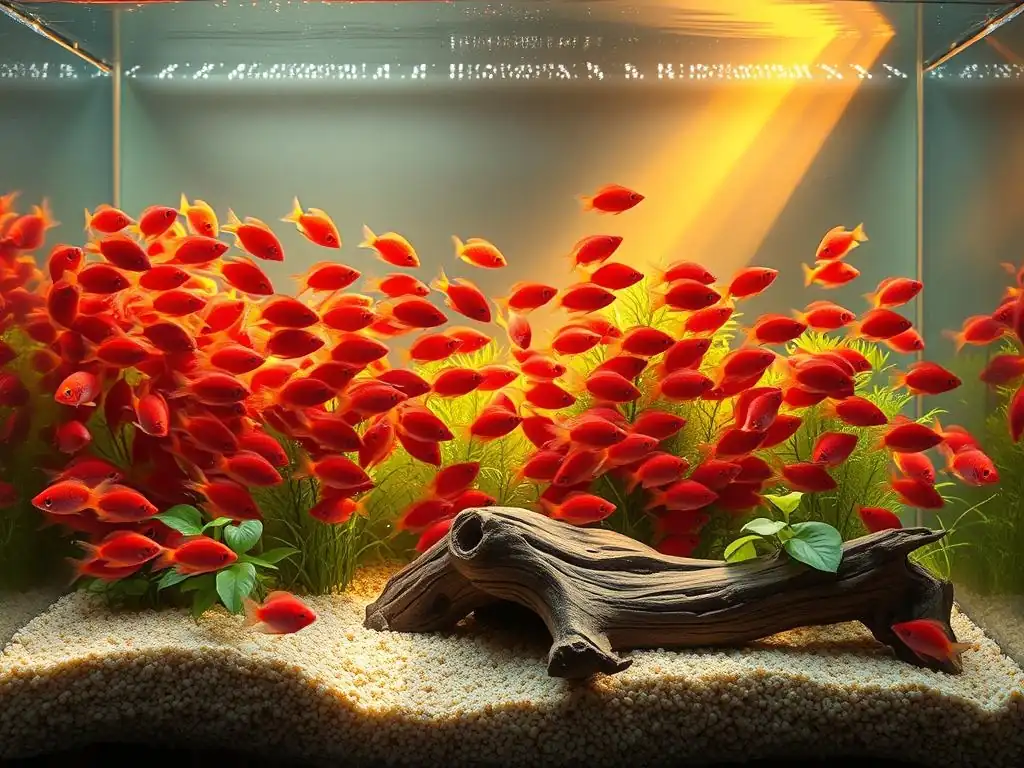
The Phoenix Rasbora, scientifically known as Boraras merah, is a captivating and diminutive freshwater fish that has become a coveted species among nano aquarium enthusiasts. Reaching an adult size of merely 0.6 to 0.8 inches (approximately 1.5 to 2 cm), this tiny cyprinid boasts an exceptionally vibrant, fiery orange-red coloration, especially when kept in optimal conditions and a suitable blackwater setup. Its minute stature and peaceful disposition make it an ideal inhabitant for smaller aquariums, often ranging from 5 to 10 gallons, where larger fish would be unsuitable.
Despite its small size, the Boraras merah exhibits fascinating schooling behaviors, which are best observed when kept in groups of at least 8 to 10 individuals. This schooling instinct provides a sense of security for the fish and enhances their natural display. However, their delicate nature and specific environmental requirements mean that successful rare nano rasbora care demands a dedicated approach from the aquarist, differentiating them from more common and hardy aquarium species. Their sensitivity to water quality and preference for stable, mature tanks require careful attention to detail.
Why the Phoenix Rasbora Stands Out: Unique Appeal and Challenges
The unique appeal of the Phoenix Rasbora lies in its intense, almost glowing red and orange hues, which can truly transform a nano aquascape into a living art piece. Unlike many larger, flashier schooling fish, the Boraras merah offers a subtle yet profound beauty, particularly when contrasted against the dark backdrop of a blackwater tank and lush green or red aquatic plants. Their peaceful temperament ensures they are non-aggressive towards tank mates and do not disturb the aquascape, making them perfect for intricate, planted community setups.
However, the beauty of the Phoenix Rasbora comes with specific challenges that underscore the importance of meticulous rare nano rasbora care. These fish are highly sensitive to fluctuations in water parameters, particularly sudden changes in pH or temperature, and are prone to stress if their environment is not stable. Their shy nature also necessitates a well-designed habitat that provides ample hiding spots, such as dense plant thickets, driftwood, and leaf litter, along with subdued lighting. Successful keeping requires a commitment to maintaining pristine water quality and a deep understanding of their natural habitat.
Understanding the Phoenix Rasbora's Natural Habitat and Needs
Origin and Distribution of Boraras merah: Kalimantan, Borneo
The Phoenix Rasbora, Boraras merah, originates from the peat swamp forests and blackwater streams predominantly found in Kalimantan, the Indonesian part of Borneo. These unique ecosystems are characterized by their extremely soft, acidic water, which is often stained a deep tea-color due to the decomposition of organic matter, such as fallen leaves and wood. The pH levels in these natural habitats can range from as low as 4.0 to 6.0, with negligible mineral content, creating a very specific and challenging environment for aquatic life.
In these slow-moving, heavily vegetated waters, Boraras merah can be found among dense submerged roots, leaf litter, and aquatic plants, which provide both shelter from predators and abundant foraging opportunities for micro-invertebrates. Understanding this native environment is paramount for effective rare nano rasbora care, as replicating these conditions in an aquarium is key to the species' long-term health and vibrant coloration. The presence of tannins from decaying plant matter is not just an aesthetic feature but also plays a crucial role in the fish's well-being by inhibiting bacterial growth and providing a stress-reducing environment.
Mimicking the Blackwater Environment: Ideal Water Parameters for Phoenix Rasboras
To ensure the health and vitality of Boraras merah, it is crucial to replicate their native blackwater conditions as closely as possible. Ideal water parameters include a pH range of 4.5 to 6.5, with an optimal target between 5.0 and 6.0. The water should be very soft, with a General Hardness (GH) of 0-5 dGH and a Carbonate Hardness (KH) of 0-3 dKH. The preferred temperature range is 75-80°F (24-27°C). Maintaining these specific parameters is vital as they reduce osmotic stress on the fish, which are adapted to low-mineral environments.
Achieving and maintaining these parameters often involves using reverse osmosis (RO) or deionized (DI) water, which is then re-mineralized to the desired hardness levels using specialized additives. Incorporating natural elements like peat filtration, Indian almond leaves, alder cones, and various types of driftwood will naturally release tannins into the water, lowering the pH and creating the characteristic blackwater tint. While striving for these specific numbers, consistency is more important than absolute perfection; sudden fluctuations are far more detrimental than slightly off but stable parameters, making stability a cornerstone of successful rare nano rasbora care.
Essential Tank Setup: Creating a Thriving Habitat for Rare Nano Rasbora
Despite their minuscule size, Phoenix Rasboras benefit from a tank that offers ample horizontal swimming space and stability. While a 5-gallon tank can house a small school of 6-8 individuals, a 10-gallon or larger aquarium is highly recommended for a more stable environment and to accommodate a larger, more natural schooling group of 10-15+ fish. The tank's footprint (length and width) is more important than its height, as these fish primarily inhabit the middle to upper water columns.
The substrate should ideally be fine sand or dark gravel, which not only mimics their natural habitat but also helps to highlight their vibrant coloration. Lighting should be subdued and diffused, often achieved through the use of floating plants such as Dwarf Water Lettuce ( Pistia stratiotes) or Red Root Floaters ( Phyllanthus fluitans), which also provide security.
Dense planting with stem plants (e.g., Rotala, Ludwigia) and various mosses (e.g., Java Moss, Christmas Moss) is critical, offering abundant hiding spots and break lines that reduce stress. The inclusion of driftwood and a generous layer of Indian almond leaves or other leaf litter further enhances the blackwater aesthetic and provides additional shelter and foraging grounds, essential components of comprehensive rare nano rasbora care.
Phoenix Rasbora Care: Essential Guidelines for Success
Optimal Tank Size for Boraras merah: How many rasboras per gallon?
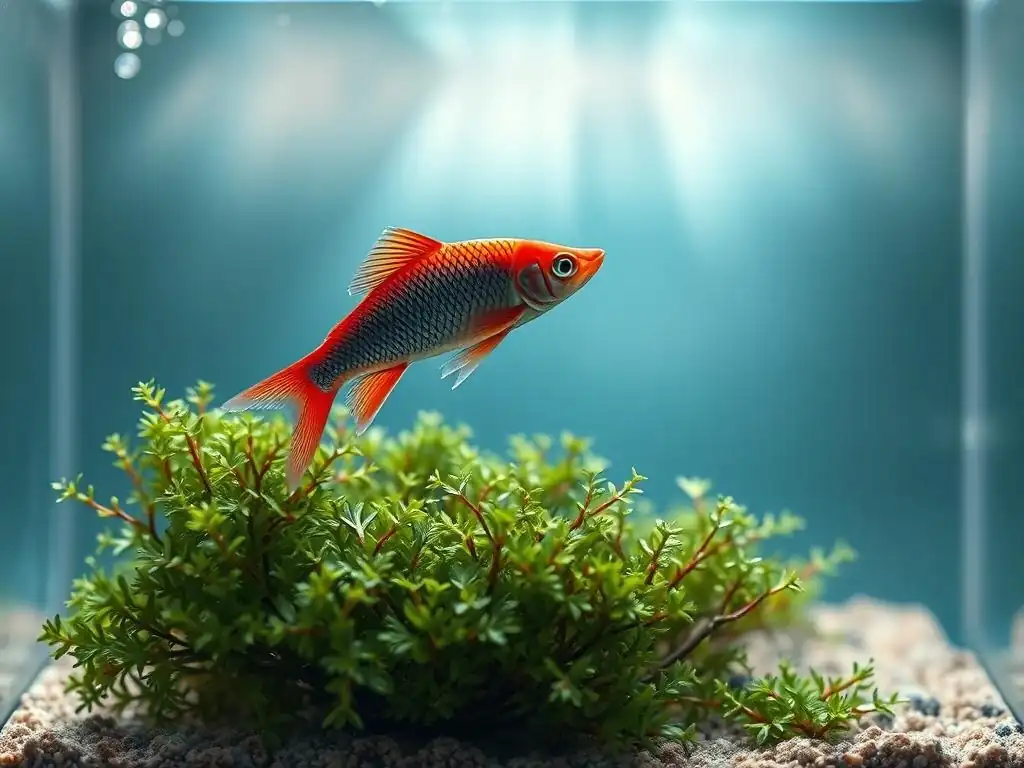
For a healthy and thriving school of Phoenix Rasboras, the minimum recommended tank size is 5 gallons, which can comfortably house a group of 8-10 individuals. However, to provide superior stability, more swimming space, and to allow for a larger, more natural schooling behavior, a 10-gallon aquarium is strongly advised. While these fish are tiny, they are active and social, benefiting significantly from horizontal space where they can exhibit their natural shoaling patterns without feeling confined or stressed.
When considering stocking density, a general guideline for Boraras merah in a well-planted and filtered tank is approximately 1 Phoenix Rasbora per 0.5 to 1 gallon of water. This means a 10-gallon tank could potentially house between 10 to 20 individuals, assuming diligent water quality management and a mature biological filter. It is crucial to avoid overcrowding, as excessive stocking can lead to increased stress, compromised water quality, and a higher susceptibility to disease, making meticulous rare nano rasbora care even more demanding.
Maintaining Pristine Water Quality: The Key to Healthy Phoenix Rasboras
Maintaining pristine water quality is paramount for the health and longevity of Phoenix Rasboras, given their sensitivity to pollutants. Regular, small water changes are far more beneficial than infrequent, large ones. A recommended regimen involves performing 10-20% weekly water changes using aged, temperature-matched, and parameter-adjusted RO/DI water. Despite their small bioload, these fish are highly susceptible to elevated levels of nitrates, ammonia, and nitrites, emphasizing the need for consistent monitoring and maintenance.
Gentle filtration is crucial to avoid strong currents that can stress these small fish. Sponge filters or small hang-on-back filters with adjustable flow rates are ideal, providing excellent biological filtration without creating turbulent water. It is imperative that the nitrogen cycle is fully established and mature before introducing Boraras merah into the aquarium. Routine testing of pH, GH, KH, ammonia, nitrite, and nitrate levels using a reliable liquid test kit is an essential proactive measure in effective rare nano rasbora care, allowing for immediate adjustments to maintain stability.
Diet and Feeding: Providing the Right Nutrition for Your Nano Rasboras
In their natural habitat, Phoenix Rasboras are micro-predators, primarily feeding on tiny invertebrates, insect larvae, and biofilm that develop on submerged surfaces. Due to their extremely small mouths, the food particles offered in an aquarium must be minuscule. Providing a diverse diet is critical for their optimal health, vibrant coloration, and overall vitality, mirroring their natural foraging habits.
Feeding should occur in small amounts, two to three times a day, rather than a single large meal. This approach prevents overfeeding, which can quickly foul the water, and ensures that all individuals have the opportunity to feed. It's important to note that Boraras merah can be shy and easily outcompeted by larger or more assertive tank mates, so careful observation during feeding times is necessary to ensure they are getting enough to eat.
Live Food Options: Boosting Color and Vitality in Boraras merah
Live foods are highly beneficial and often essential for bringing out the best in Phoenix Rasboras, significantly enhancing their vibrant red coloration and overall vitality. Specific live food options that are suitably sized for their tiny mouths include newly hatched brine shrimp nauplii, micro-worms, daphnia, and grindal worms. These foods not only provide superior nutritional value but also stimulate their natural hunting instincts, encouraging active and engaging behavior within the aquarium.
Regular feeding of live foods, ideally 2-3 times per week, can make a noticeable difference in the health, activity levels, and breeding readiness of your Boraras merah. The high protein content and natural enzymes present in live foods contribute to a stronger immune system and better overall condition, which is a hallmark of advanced rare nano rasbora care. Cultivating these live food cultures at home can be a rewarding aspect of keeping these delicate fish.
Commercial Food Considerations: Selecting High-Quality Flakes and Pellets
When selecting commercial foods for Phoenix Rasboras, it is imperative to choose high-quality options specifically designed for small-mouthed fish. Finely crushed flake foods or micro-pellets are suitable staples. Brands like Hikari Micro Pellets, Fluval Bug Bites (small granules), or finely crushed Omega One flakes are often recommended. Ensure that the chosen food has a good protein content and is made from natural, digestible ingredients to support their growth and color.
It is often necessary to crush flakes even smaller to ensure the fish can consume them easily. Avoid offering large pellets or flakes that they cannot swallow, as these will simply sink and contribute to water pollution. Supplementing commercial dry foods with frozen options, such as thawed and rinsed cyclops, baby brine shrimp, or daphnia, is highly beneficial for providing a more balanced and varied diet. Always feed sparingly to prevent uneaten food from degrading water quality, which is critical for maintaining the delicate balance required for rare nano rasbora care.
Choosing the Right Tank Mates for Phoenix Rasboras
Peaceful Companions: Ideal Fish and Invertebrates for a Nano Community Tank
Given their small size and extremely peaceful nature, Phoenix Rasboras require tank mates that are equally tiny, non-aggressive, and share similar water parameter preferences. The primary goal is to ensure that the tank mates do not intimidate, outcompete for food, or pose a predatory threat to the delicate Boraras merah. Ideal companions are typically other nano fish species that are calm and slow-moving, allowing the Phoenix Rasboras to feel secure and display their natural behaviors.
Examples of suitable fish tank mates include other Boraras species (e.g., Boraras brigittae, Boraras maculatus), Pygmy Corydoras ( Corydoras pygmaeus or Corydoras hastatus), and Otocinclus catfish. These species generally occupy different levels of the water column, minimizing direct competition for space. Invertebrates such as various species of dwarf shrimp (e.g., Cherry Shrimp, Crystal Red Shrimp) and peaceful snails (e.g., Nerite Snails, Ramshorn Snails) are also excellent additions, as they pose no threat and contribute to the tank's cleaning crew, complementing effective rare nano rasbora care.
Avoiding Aggressors: Fish to Avoid When Keeping Boraras merah
When planning a community tank for Phoenix Rasboras, it is crucial to avoid any fish that exhibit even a slight tendency towards aggression, fin-nipping, or predatory behavior. Even seemingly small or "peaceful" fish can be a threat to the diminutive Boraras merah due to their fragile nature and shy disposition. Any species that can fit a Phoenix Rasbora in its mouth should be strictly avoided, as they will likely view them as prey.
Commonly kept aquarium fish that are unsuitable tank mates include most tetras (e.g., Neon Tetras, Cardinal Tetras, even small ones can outcompete or bully), larger rasbora species, most guppies or platies (their active nature and fin-nipping tendencies can stress Boraras merah), and certainly any cichlids, even dwarf varieties. Fast-moving or boisterous species should also be avoided, as their constant activity can stress the timid Phoenix Rasboras, leading to reduced appetite, faded coloration, and increased susceptibility to disease, undermining all efforts in rare nano rasbora care.
Compatible Tank Mates: Cherry Shrimp, Pygmy Corydoras, and Nerite Snails
Among the best and most popular tank mates for Phoenix Rasboras are Cherry Shrimp ( Neocaridina davidi), Pygmy Corydoras ( Corydoras pygmaeus), and Nerite Snails ( Neritina natalensis). Cherry Shrimp are peaceful invertebrates that occupy the lower levels of the tank, cleaning algae and detritus without bothering the rasboras. Their breeding can also provide a living food source for the fry, should the rasboras spawn.
Pygmy Corydoras are another excellent choice, as they are small, peaceful bottom-dwellers that prefer to school. They typically stay near the substrate, sifting through it for food, and do not compete with the mid-water dwelling rasboras. Nerite Snails are highly effective algae eaters that are completely harmless to fish and plants. Their hard shells also mean they are not easily preyed upon by the rasboras. This combination of species creates a harmonious nano community, where each inhabitant contributes positively to the ecosystem, making rare nano rasbora care more balanced and enjoyable.
Breeding Phoenix Rasboras: A Rewarding Challenge
Setting Up a Breeding Tank: Creating the Ideal Conditions for Spawning
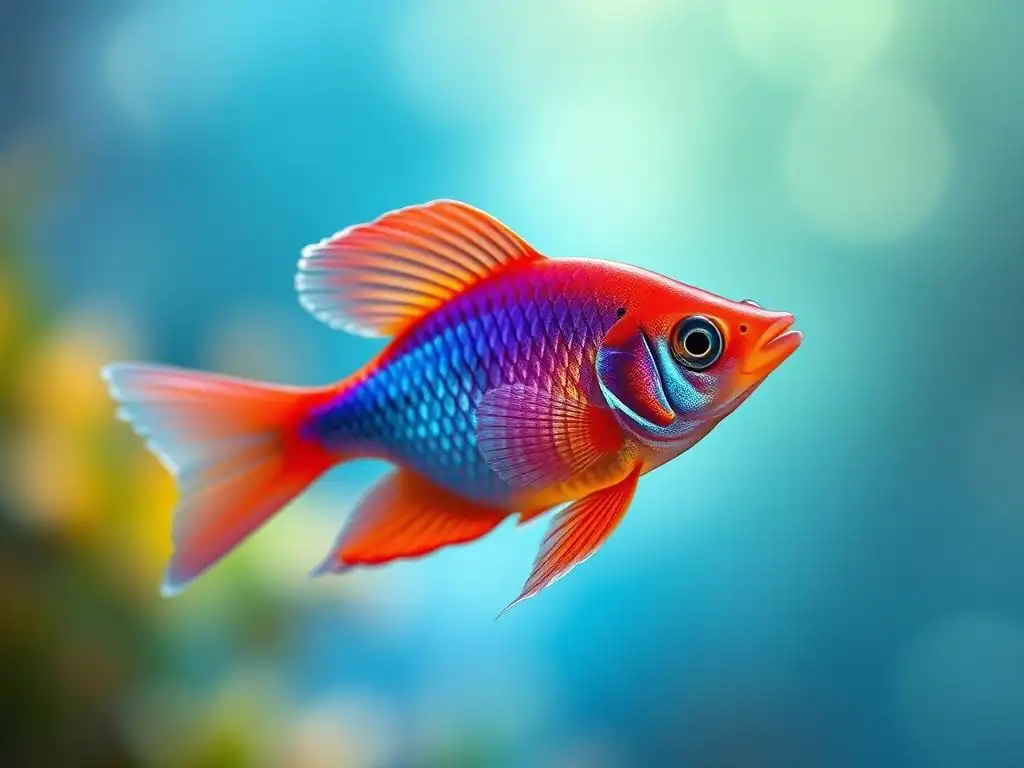
Breeding Phoenix Rasboras ( Boraras merah) can be a challenging yet highly rewarding endeavor for the dedicated aquarist, as they are egg scatterers with no parental care. To maximize success, a separate breeding tank, typically 2-5 gallons, is highly recommended. This tank should be set up with very soft, acidic water, ideally with a pH of 5.0-6.0 and a GH of 0-3 dGH, mimicking their natural spawning grounds. The temperature should be maintained at the higher end of their range, around 78-80°F (25.5-27°C).
The breeding tank substrate should be bare or covered with a thin layer of dark gravel to make eggs visible. Crucially, it must include spawning mops, Java moss, or other fine-leaved plants where the fish can deposit their adhesive eggs. A sponge filter provides gentle filtration and aeration without disturbing the delicate eggs or fry.
Dim lighting or even complete darkness (using a towel over the tank) can encourage spawning and protect light-sensitive eggs. Conditioning the breeding pair or trio with high-quality live foods for several weeks prior to introduction is key to successful rare nano rasbora care for breeding.
Identifying and Protecting Eggs: Maximizing Fry Survival Rate
Phoenix Rasboras typically spawn in the early morning, scattering their tiny, clear, adhesive eggs among the fine-leaved plants or spawning mops. A single female can lay between 10 to 30 eggs per spawning event. Identifying these minute eggs requires keen observation, often with the aid of a flashlight. Once spawning is complete, the adult fish should be immediately removed from the breeding tank, as they will readily consume their own eggs and fry.
To protect the eggs and maximize fry survival, some aquarists opt to place a fine mesh or egg crate just above the bottom of the tank, allowing eggs to fall through where adults cannot reach them. The water in the breeding tank should be kept pristine, with daily small water changes (around 10%) using aged, temperature-matched RO/DI water to prevent fungal growth on the eggs. The incubation period for Boraras merah eggs is relatively short, typically 24-48 hours at optimal temperatures, making swift action in protecting them vital for successful rare nano rasbora care in breeding.
Raising Phoenix Rasbora Fry: Providing Proper Care and Nutrition
Once Phoenix Rasbora fry hatch, they are incredibly small and delicate, often appearing as tiny slivers with a yolk sac. They will remain motionless, attached to surfaces, for the first 2-3 days while they absorb their yolk sac. During this period, no external feeding is required. After the yolk sac is absorbed and the fry become free-swimming, typically around day 3-5 post-hatch, they require microscopic food.
The initial diet for Boraras merah fry must consist of infusoria (microscopic organisms) or specialized liquid fry food. As they grow, usually after about 7-10 days, they can be transitioned to newly hatched brine shrimp nauplii, which are an excellent source of nutrition and promote rapid growth. Feeding should be frequent, 3-5 times a day, in tiny amounts.
Maintaining impeccable water quality through daily, small water changes is crucial, as the fry are extremely sensitive to waste buildup. Consistent and meticulous rare nano rasbora care during this critical fry stage is the most challenging aspect of breeding and is essential for their survival and healthy development.
Common Health Issues and Prevention in Phoenix Rasboras
Recognizing Signs of Illness: Early Detection is Key
Phoenix Rasboras, like many delicate nano fish, can be susceptible to various health issues if their specific environmental needs are not met. Early detection of illness is crucial for successful treatment and preventing the spread of disease within the aquarium. Aquarists should regularly observe their fish for any changes in behavior, appearance, or swimming patterns.
Signs of illness can include clamped fins (fins held close to the body), lethargy or unusual inactivity, loss of appetite, rapid or labored breathing, visible spots or growths on the body or fins (e.g., white spots, fuzzy patches), frayed or deteriorating fins, and faded or dull coloration. Any sudden changes in schooling behavior, such as individuals isolating themselves or erratic swimming, should also prompt immediate investigation. Proactive observation is a cornerstone of effective rare nano rasbora care and can significantly improve outcomes.
Common Diseases: Ich, Velvet, and Fin Rot Prevention
While relatively hardy in optimal conditions, Phoenix Rasboras can contract common freshwater fish diseases. Ich (Ichthyophthirius multifiliis), characterized by small white spots resembling salt grains, is often triggered by stress or rapid temperature fluctuations. Velvet (Oodinium pilularis) presents as a fine, yellowish-gold dusty coating and is highly contagious. Fin Rot, caused by bacterial infection, results in frayed or disintegrating fins, often due to poor water quality or injury.
Prevention is always preferable to treatment. Maintaining stable, pristine water parameters, avoiding sudden temperature changes, and providing a low-stress environment with ample hiding spots are crucial preventive measures. Quarantining new fish for at least 2-4 weeks before introducing them to the main tank is vital to prevent the introduction of pathogens. For rare nano rasbora care, using a prophylactic treatment in a quarantine tank for new arrivals can further reduce risks.
Preventive Measures: Maintaining a Healthy Aquarium Environment
The most effective strategy for preventing health issues in Phoenix Rasboras is to consistently maintain a healthy and stable aquarium environment. This involves rigorous attention to water quality, including regular small water changes (10-20% weekly) to keep nitrates low (below 10-20 ppm). Ensuring proper filtration with gentle flow, and a mature nitrogen cycle, is non-negotiable. The temperature should be kept stable within their preferred range of 75-80°F (24-27°C), avoiding any sudden drops or spikes.
A balanced and varied diet, including live and high-quality frozen foods, boosts their immune system and overall vitality. Overfeeding should be avoided to prevent water pollution. Providing a well-planted tank with plenty of cover reduces stress, which is a major factor in disease susceptibility. Minimizing stress through appropriate tank mates and a calm environment significantly contributes to the long-term health of Boraras merah, making it a key element of successful rare nano rasbora care.
The Allure of the Phoenix Rasbora: Why Keep This Rare Nano Fish?
Displaying the Beauty of Boraras merah: Aquascaping Tips for Nano Tanks
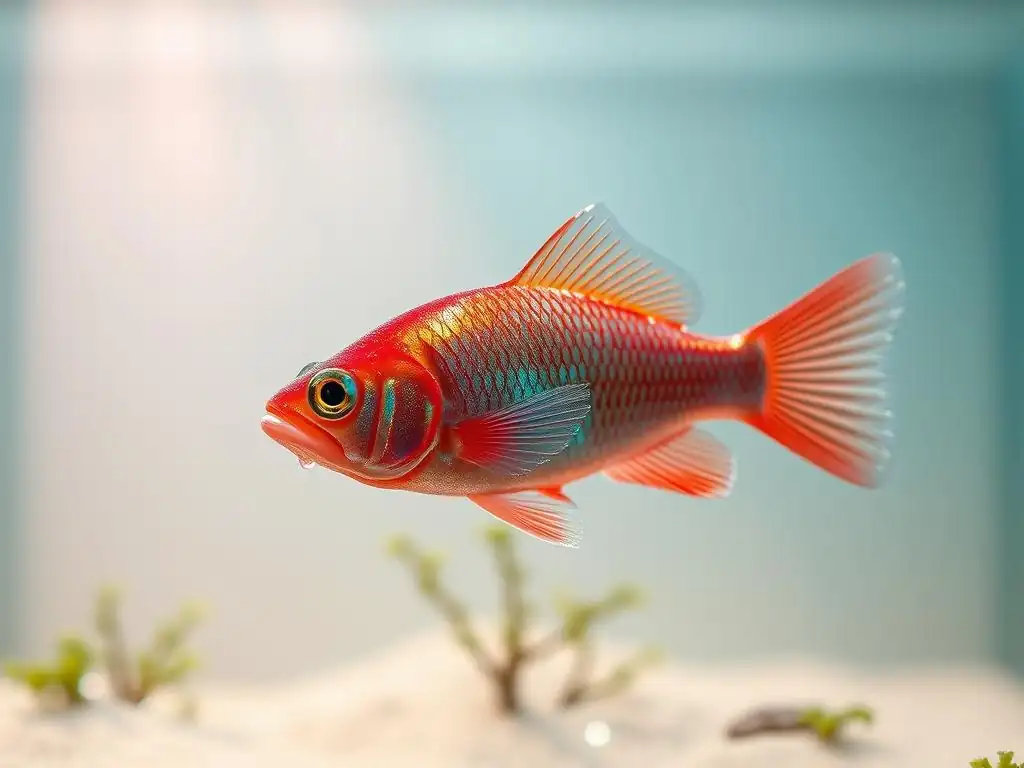
The true allure of the Phoenix Rasbora lies in its ability to transform a small aquarium into a vibrant, dynamic underwater landscape. Their intense, fiery red and orange coloration truly pops when contrasted with a meticulously designed aquascape. To best display the beauty of Boraras merah, consider a blackwater setup, which enhances their natural hues. This can be achieved by incorporating driftwood that leaches tannins and a layer of Indian almond leaves on the substrate.
Dense planting is not just for their well-being but also for aesthetic impact. Use fine-leaved plants like Java Moss ( Taxiphyllum barbieri), Christmas Moss ( Vesicularia montagnei), or various species of Rotala and Ludwigia to create thickets and visual depth. Floating plants such as Dwarf Water Lettuce or Red Root Floaters will diffuse light, creating a subdued, natural ambiance that encourages the rasboras to feel secure and display their most vibrant colors. A dark substrate, such as fine black sand, further accentuates their striking appearance, making rare nano rasbora care a visually rewarding experience.
The Satisfaction of Successful Rare Nano Rasbora Care
For the dedicated aquarist, the successful keeping of Phoenix Rasboras offers a profound sense of accomplishment. These delicate fish present a unique challenge, requiring precise water parameters, meticulous maintenance, and a keen understanding of their specific needs. When these conditions are met, the reward is a thriving school of actively schooling, intensely colored fish that bring a miniature ecosystem to life.
The satisfaction extends beyond mere survival; it encompasses witnessing their natural behaviors, observing their vibrant hues deepen with optimal care, and perhaps even experiencing the rare joy of a successful breeding attempt. Mastering the intricacies of rare nano rasbora care elevates the hobbyist's skills and deepens their appreciation for the delicate balance of aquatic life, making every healthy fish a testament to their dedication and expertise.
Considerations for Experienced Aquarists: A Rewarding Challenge
The Phoenix Rasbora is often considered a species best suited for experienced aquarists due to its specific requirements and delicate nature. Unlike more robust community fish, Boraras merah demands consistency and attention to detail that can overwhelm a novice. Experienced hobbyists, however, will find them a rewarding challenge that allows them to apply advanced techniques in water chemistry, aquascaping, and micro-feeding.
For those seeking to expand their knowledge and skills, diving into the world of Boraras merah offers an opportunity to specialize in blackwater setups, explore the nuances of dwarf fish behavior, and even attempt the intricate process of breeding these tiny gems. The effort invested in rare nano rasbora care yields a truly unique and captivating display, solidifying their status as a prized possession for those who appreciate the beauty in the miniature world of the nano aquarium.
Conclusion: Mastering the Art of Phoenix Rasbora Keeping
Frequently Asked Questions
What makes Phoenix Rasbora (Boraras merah) a rare fish for nano aquariums?
Phoenix Rasboras are considered rare due to their specific environmental needs and limited availability. They are also sensitive to water parameters, making them more challenging to care for.
What size aquarium is best suited for keeping Phoenix Rasboras?
These are nano fish, so a tank of at least 5 gallons is recommended, but 10 gallons is preferable to allow for a stable environment and schooling behavior.
What are the ideal water parameters for Phoenix Rasbora care?
Maintaining pristine water quality is crucial. Aim for a temperature of 72-78°F (22-26°C), a pH between 6.0 and 7.0, and soft, slightly acidic water.
What should I feed my Phoenix Rasboras?
Phoenix Rasboras are tiny carnivores and require a diet of small, high-quality foods. Micro worms, daphnia, and finely crushed flakes are all suitable options.
What common tank issues should I be aware of when keeping Phoenix Rasboras?
Be vigilant about water quality, as they are sensitive to changes. Watch out for signs of stress or disease, such as clamped fins or loss of color, which often indicate poor conditions.
Final Reflection: The Enduring Allure of the Miniature
The journey into the world of the Boraras merah, or Phoenix Rasbora, reveals more than just the intricacies of rare nano rasbora care; it highlights our enduring fascination with the miniature and the dedication required to nurture delicate ecosystems. In a world often obsessed with the grand and the overwhelming, the commitment to maintaining a thriving nano aquarium, especially one housing these vibrant gems, speaks volumes about our capacity for patience, observation, and respect for the subtle beauty of the natural world.
This pursuit extends beyond mere hobbyism; it's a testament to our ability to create and maintain miniature worlds, reflecting our understanding of ecological balance and the interconnectedness of life. The dedication required to provide optimal conditions for these tiny fish underscores the importance of responsible aquascaping and the ethical considerations inherent in keeping any living creature. In every walk with nature one receives far more than he seeks.
- John Muir. This quote resonates deeply when considering the rewards of observing these tiny creatures flourish under our care, a reward that transcends the technical challenges and enters the realm of profound connection.
As we conclude this exploration of the Phoenix Rasbora, let us carry forward the lessons learned about patience, observation, and the delicate balance of ecosystems. Consider how you might apply these principles to other areas of your life, fostering a deeper appreciation for the small details and the interconnectedness of all things. Embrace the challenge of nurturing something delicate and beautiful, and discover the profound satisfaction that comes from creating a thriving microcosm, whether it be in a nano aquarium or in the broader tapestry of your life.
Ignite Your Nano Tank: Embrace the Phoenix Rasbora Challenge!
Thank you for diving into the captivating world of the Phoenix Rasbora! We hope this article sparked your interest in these tiny, fiery gems. Now, it’s time to take action and bring that aquarium vision to life.
Here’s how you can get started:
- Start planning your biotope aquarium today. Don’t just dream – sketch it out, research compatible plants and tank mates, and gather your resources.
- Delve deeper! Explore other rare and captivating nano fish species to potentially add to your future setup, expanding your knowledge and inspiring your vision.
- Share this article with fellow aquarium enthusiasts passionate about nano tanks and unique species. Spread the love and inspire others to explore the beauty of the Phoenix Rasbora.
What's the most intriguing aspect of recreating a biotope aquarium, and how will you ensure the Phoenix Rasbora thrive in your care?