
Iwagumi, Dutch, Nature: A Deep Dive into Aquascaping Styles & Their Core Philosophies

Welcome to Aquarium Mastery!
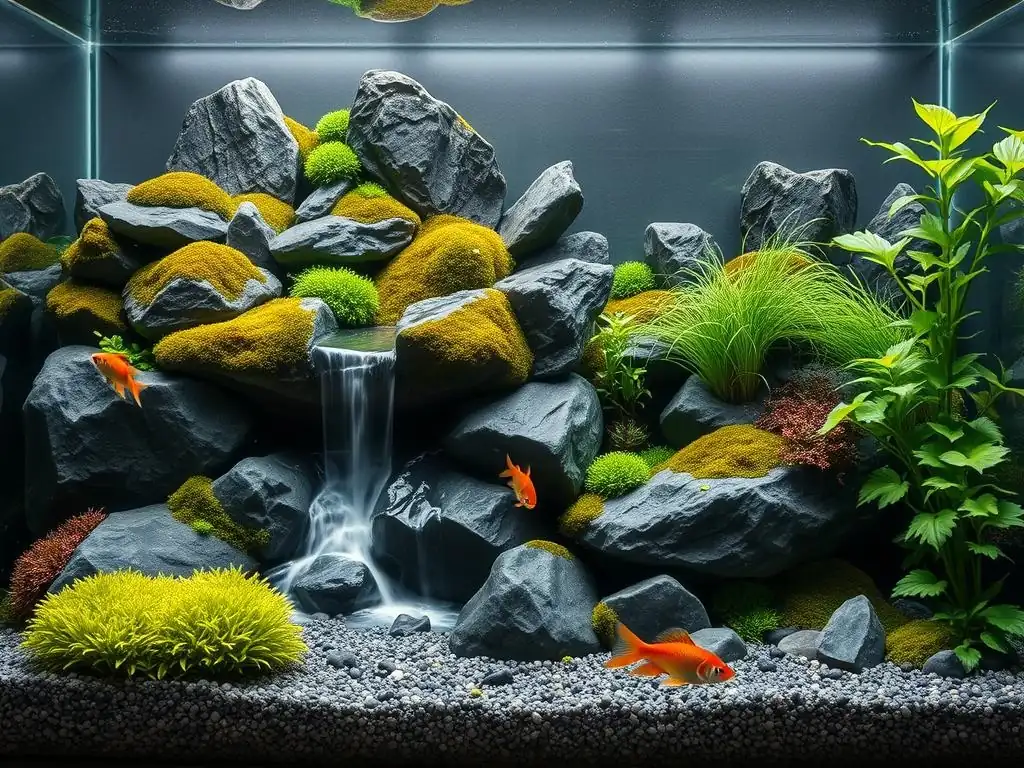
Ever wondered what makes an aquarium more than just a tank of fish? Dive into the breathtaking world of aquascaping! We're thrilled to explore the art and philosophy behind creating stunning underwater landscapes. Start your journey now with a deep dive into Aquascaping styles philosophy basics, discovering the secrets of Iwagumi, Dutch, and Nature styles, and unlock the potential to transform your aquarium into a living masterpiece. Curious to know more about the core principles behind each style? Keep reading!
- Understanding Aquascaping Styles: An Introduction to Core Philosophies
-
Iwagumi Aquascaping: The Art of Rock Composition
- Iwagumi Philosophy: Harmony, Balance, and Simplicity
- Key Characteristics of Iwagumi Aquascapes: Rock Placement and Plant Selection
- Essential Rocks for Iwagumi: Seiryu Stone, Dragon Stone, Ohko Stone
- Plant Selection in Iwagumi: Creating Contrast and Texture
- Iwagumi Layout Principles: The Golden Ratio and Odd Numbers
- Maintaining an Iwagumi Aquascape: Water Parameters and Algae Control
-
Dutch Aquascaping: A Garden Underwater
- Dutch Aquascape Philosophy: Order, Color, and Abundance
- Key Features of Dutch Aquascapes: Terracing and Plant Grouping
- Plant Selection for Dutch Aquascapes: A Spectrum of Colors and Textures
- The Dutch Street: Creating Depth and Perspective
- Maintaining a Dutch Aquascape: Fertilization, CO2, and Trimming
-
Nature Aquascaping: Emulating Natural Ecosystems
- Nature Aquascape Philosophy: Biotope Replication and Natural Aesthetics
- Key Elements of Nature Aquascapes: Wood, Rocks, and Substrate
- Plant Selection for Nature Aquascapes: Native and Naturalized Species
- Creating a Natural Look: Substrate and Hardscape Placement
- Maintaining a Nature Aquascape: Minimal Intervention and Biotope-Specific Care
- Comparing Aquascaping Styles: Iwagumi vs. Dutch vs. Nature
- Choosing the Right Aquascaping Style for Your Aquarium
- Advanced Aquascaping Techniques Across Styles
- Mastering Aquascaping: Tips and Tricks for Success
- Aquascaping for Beginners: Getting Started with the Basics
- Conclusion: Appreciating the Art and Science of Aquascaping
-
Frequently Asked Questions
- What are the three main aquascaping styles discussed in the article?
- What is the core philosophy behind the Iwagumi aquascaping style?
- How does the Dutch aquascaping style differ from the Nature style?
- What are some basic considerations when choosing an aquascaping style?
- Where can I find more detailed information on aquascaping techniques and plant selection?
- Final Reflection: The Living Art of Aquascaping
- Cultivate Your Aquatic Vision
Understanding Aquascaping Styles: An Introduction to Core Philosophies
What is Aquascaping? Defining the Art of Underwater Landscaping
Aquascaping is the intricate art of arranging aquatic plants, rocks, wood, and substrate within an aquarium to create an aesthetically pleasing and balanced underwater landscape. It transcends simple fish keeping by blending principles of horticulture, design, and marine biology, transforming a glass box into a living, evolving piece of art. This creative discipline requires a keen eye for composition and a deep understanding of aquatic ecosystems.
Beyond mere aesthetics, aquascaping aims to establish a harmonious environment that supports both plant and animal life. Unlike a conventional planted tank, which might prioritize plant growth without a strong artistic theme, aquascaping focuses on deliberate artistic composition, often adhering to specific design principles and even mimicking natural terrestrial or aquatic scenes. It's about crafting a self-sustaining ecosystem that is as beautiful as it is functional.
The Importance of Understanding Aquascaping Styles
Understanding the diverse aquascaping styles is fundamental for any aspiring or experienced aquarist. Each style, with its unique "aquascaping styles philosophy basics," provides a distinct framework that guides material selection, plant choices, and layout techniques. This knowledge empowers aquarists to plan their creations effectively, ensuring a cohesive and visually impactful result rather than a haphazard collection of elements.
Moreover, familiarity with these aquascaping styles allows hobbyists to appreciate the nuances of different designs and choose an approach that aligns with their skill level, available resources, and personal aesthetic preferences. It also helps in troubleshooting common issues, as each style has specific maintenance demands and environmental requirements that, when understood, lead to greater success and a thriving aquatic display.
Iwagumi Aquascaping: The Art of Rock Composition
Iwagumi Philosophy: Harmony, Balance, and Simplicity
Iwagumi, a Japanese aquascaping style, is profoundly minimalist, centering its philosophy on the precise arrangement of rocks. Originating from traditional Japanese rock gardens, its core tenets are harmony, balance, and simplicity, often reflecting a spiritual connection to nature. The most classic Iwagumi layout, known as "Sanzon Iwagumi," involves a primary rock (Oyaishi), two secondary rocks (Fukuishi), and often smaller "sacrificial" stones (Suteishi), symbolizing a mountain range or a cluster of islands.
The essence of Iwagumi is to convey profound natural beauty through restraint and careful composition. The focus is on the interplay between the chosen rocks, the open water, and a very limited palette of low-growing plants, typically carpeting species. This approach creates a serene, uncluttered aesthetic that invites contemplation, aiming to evoke the grandeur of ancient landscapes or rugged mountain peaks with minimal elements. This minimalist approach is a defining aspect of its aquascaping styles philosophy.
Key Characteristics of Iwagumi Aquascapes: Rock Placement and Plant Selection
The defining characteristic of Iwagumi aquascapes is the dominance of hardscape, specifically rocks, which serve as the primary focal points. Rocks are meticulously selected not only for their individual beauty but also for how they complement each other in terms of texture, shape, and overall flow. The main stone, or Oyaishi, is strategically placed to establish the central visual anchor, with supporting stones arranged to create a sense of natural cohesion and dynamic balance.
Plant selection in Iwagumi is deliberately restricted to emphasize the rock composition. Typically, only a few species are used, primarily low-growing carpeting plants such as Hemianthus callitrichoides 'Cuba' (HC Cuba), Glossostigma elatinoides, or Eleocharis parvula (Dwarf Hairgrass). These plants form a lush green "lawn" that provides a stark, contrasting backdrop to the rugged textures of the rocks, ensuring the hardscape remains the undisputed star of the layout.
Essential Rocks for Iwagumi: Seiryu Stone, Dragon Stone, Ohko Stone
Seiryu Stone, a popular choice for Iwagumi, is characterized by its grayish-blue hue, sharp edges, and intricate white veins and crevices. Its dramatic appearance and natural lines make it ideal for creating rugged mountain or cliff-like formations. Aquarists should note that Seiryu Stone can slightly increase water hardness (GH) and pH over time due to its calcium carbonate content, requiring consistent monitoring.
Dragon Stone, also known as Ohko Stone, is another favored material, celebrated for its unique porous texture and earthy, brownish-yellow tones. Its distinctive, layered appearance, reminiscent of dragon scales, allows for the creation of intricate caves and natural nooks, providing excellent hiding spots for small fish or shrimp. Unlike Seiryu, Dragon Stone is generally inert and has a neutral impact on water parameters, making it a versatile choice for various setups.
Plant Selection in Iwagumi: Creating Contrast and Texture
The plant palette in Iwagumi aquascapes is intentionally minimalistic, serving to enhance rather than overshadow the hardscape. Foreground carpeting plants are paramount, forming a dense green carpet that beautifully contrasts with the starkness of the rocks. Popular choices include Hemianthus callitrichoides 'Cuba' (HC Cuba), known for its tiny, vibrant green leaves and compact growth, which requires high light and CO2 for optimal health.
Other suitable carpeting plants include Glossostigma elatinoides, which grows quickly and forms a bright green carpet, and Eleocharis parvula (Dwarf Hairgrass), offering a fine, grass-like texture. Occasionally, a few accent plants like Anubias nana 'Petite' or Bucephalandra species might be strategically placed in rock crevices, adding subtle texture and breaking the monotony without detracting from the overall simplicity.
Iwagumi Layout Principles: The Golden Ratio and Odd Numbers
The aesthetic success of an Iwagumi aquascape often hinges on the application of classical artistic principles, particularly the Golden Ratio. This mathematical proportion, approximately 1.618, is frequently used to guide the placement of the main Oyaishi stone. Positioning the Oyaishi off-center, according to the Golden Ratio, creates a visually dynamic and balanced composition that feels inherently natural and appealing to the human eye, drawing the viewer's gaze.
Another fundamental principle is the use of odd numbers for rock grouping. Whether it's a three-stone Sanzon Iwagumi or a larger composition of five, seven, or more stones, odd numbers are believed to create a more natural and visually intriguing arrangement compared to even groupings. This principle, derived from traditional Japanese aesthetics, contributes to the overall harmony and organic feel of the Iwagumi aquascape, reinforcing its aquascaping styles philosophy basics.
Maintaining an Iwagumi Aquascape: Water Parameters and Algae Control
Maintaining an Iwagumi aquascape demands rigorous attention to water parameters, particularly due to the high light and CO2 levels often required for dense carpeting plants. Ideal parameters typically include a pH range of 6.0-7.0, General Hardness (GH) between 3-6 dGH, and Carbonate Hardness (KH) between 2-4 dKH. Consistent weekly water changes, usually 30-50% of the tank volume, are crucial for replenishing essential nutrients and preventing nutrient imbalances that can lead to algae outbreaks.
Algae control is a persistent challenge in high-tech Iwagumi setups. Strategies include maintaining stable CO2 injection at 25-30 ppm to ensure robust plant growth, which outcompetes algae for nutrients. A balanced fertilization regimen, providing both macro and micro nutrients, is also critical. Furthermore, the introduction of effective algae eaters such as Amano shrimp ( Caridina multidentata) or Otocinclus catfish can significantly aid in keeping nuisance algae at bay.
Dutch Aquascaping: A Garden Underwater
Dutch Aquascape Philosophy: Order, Color, and Abundance
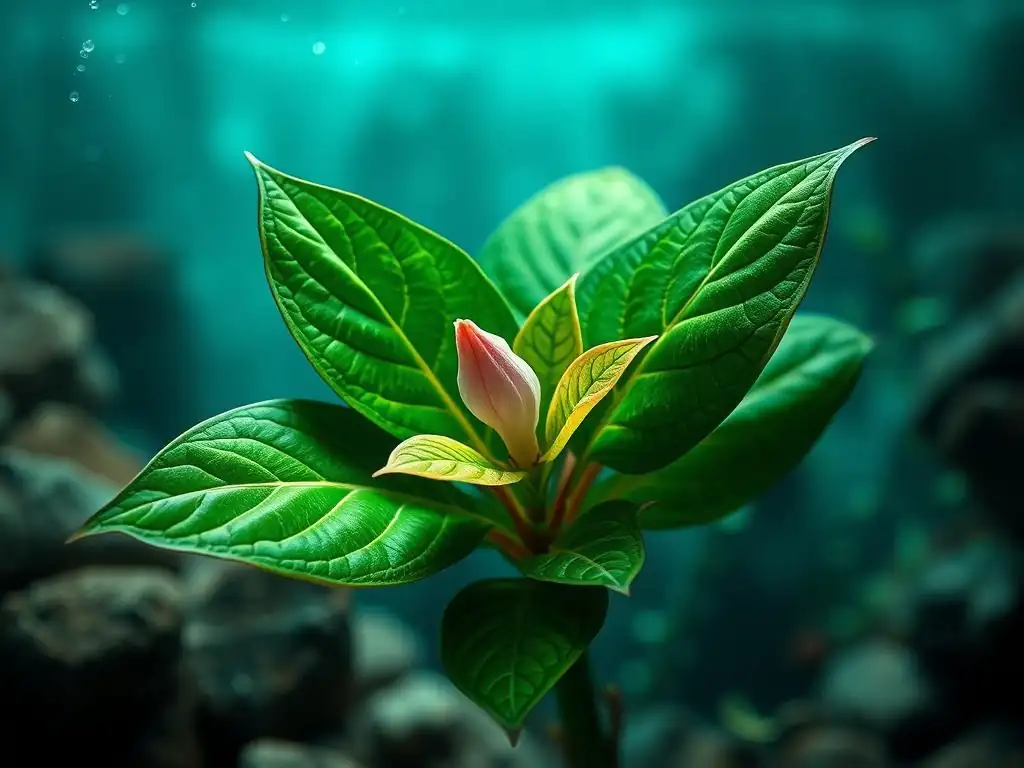
The Dutch aquascaping style, originating from the Netherlands in the 1930s, embodies a vibrant, plant-centric philosophy akin to an meticulously curated underwater garden. Its core principles revolve around strict organization, high plant density, and a rich palette of colors and textures. Unlike styles that emphasize hardscape, Dutch aquascapes minimize or completely omit rocks and wood, placing the entire focus on the diverse arrangement of aquatic flora.
The philosophy dictates that plants are the sole stars, meticulously chosen and arranged to create striking contrasts in leaf shape, size, and color. Strict rules govern plant placement, preventing repetition of the same species directly adjacent to each other and encouraging a sense of structured abundance. This disciplined approach ensures that the aquascape functions as a living tapestry, showcasing the beauty and diversity of aquatic plants in a highly ordered fashion. This detailed attention to plant arrangement is a key element of its aquascaping styles philosophy.
Key Features of Dutch Aquascapes: Terracing and Plant Grouping
A hallmark of Dutch aquascapes is the extensive use of terracing, where plants are arranged in ascending layers from the foreground to the background. This meticulous layering creates an illusion of depth and progression, ensuring that each plant group is visible and contributes to the overall composition without being overshadowed. Terracing is achieved through careful substrate manipulation or by selecting plants of varying heights.
Another defining feature is the precise "plant grouping," often referred to as "streets" or "bouquets." Distinct groups of diverse plant species are meticulously placed together, ensuring strong contrasts in color, leaf shape, and texture. Typically, a Dutch aquascape might feature 5-7 different plant species per square foot, with each group separated by open space or a contrasting plant type, preventing visual monotony and enhancing the "garden" effect.
Plant Selection for Dutch Aquascapes: A Spectrum of Colors and Textures
Plant selection in Dutch aquascapes is expansive and diverse, aiming to create a rich tapestry of colors and textures. Stem plants are predominant, chosen for their vibrant hues and varied leaf forms. Examples include red species like Rotala macrandra, Ludwigia repens, or Alternanthera reineckii, providing striking focal points. Green stem plants such as Limnophila sessiliflora, Bacopa caroliniana, or Myriophyllum mattogrossense offer a range of leaf shapes from fine and feathery to broad and rounded.
Beyond stem plants, rosette plants like various Cryptocoryne species (e.g., Cryptocoryne wendtii 'Red') are used in the midground, offering a different growth form and often earthy tones. Occasionally, broader-leaved plants or even certain types of lilies ( Nymphaea lotus 'Red') might be incorporated for dramatic effect. The key is to select plants with distinct characteristics that contribute to the overall visual harmony and abundance, without repeating species directly adjacent to one another.
The Dutch Street: Creating Depth and Perspective
The "Dutch Street" is a classic technique employed in Dutch aquascaping to create an illusion of significant depth and perspective within the aquarium. This involves planting a single species of plant in a diagonal line, starting narrow at the front of the tank and gradually widening as it extends towards the back. This carefully crafted arrangement mimics a winding path or a receding lane, drawing the viewer's eye into the composition and making the tank appear much larger than its actual dimensions.
Multiple Dutch Streets, often composed of different plant species, can be integrated into a single aquascape to enhance this sense of dimension and complexity. For instance, a street of Rotala might run parallel to a street of Myriophyllum, each contributing to the layered perspective. This meticulous layering and precise placement are crucial for achieving the characteristic visual depth and structured beauty of a well-executed Dutch aquascape.
Maintaining a Dutch Aquascape: Fertilization, CO2, and Trimming
Dutch aquascapes are among the most demanding in terms of maintenance, requiring a meticulous regimen to sustain their lush, dense growth. Consistent CO2 injection, typically at 25-35 ppm, is absolutely vital for the vigorous growth of the numerous plant species. This must be coupled with a comprehensive liquid fertilization strategy, often involving daily or every-other-day dosing of both macro (Nitrogen, Phosphorus, Potassium) and micro (Iron, Manganese, Zinc, etc.) nutrients to prevent deficiencies.
Rigorous and precise trimming is also paramount. Stem plants, which form the bulk of a Dutch layout, require frequent pruning, often weekly or bi-weekly. This is not merely for size control but to maintain the desired shapes, prevent plants from overgrowing and shading others, and encourage denser, bushier growth. This constant, careful intervention is essential for preserving the intricate design and plant separation that define the Dutch aquascaping style.
Nature Aquascaping: Emulating Natural Ecosystems
Nature Aquascape Philosophy: Biotope Replication and Natural Aesthetics
Nature Aquascaping, famously popularized by Takashi Amano, embraces a philosophy centered on recreating natural terrestrial or aquatic landscapes within the aquarium. Its core tenet is to capture the essence of nature's beauty, often drawing inspiration from specific real-world scenes like a forest floor, a mountain stream, or a flooded jungle. This style emphasizes organic flow, natural balance, and the Japanese aesthetic of "wabi-sabi"—finding beauty in imperfection and the transient nature of living systems.
The goal is to cultivate a living, evolving ecosystem that closely mimics a slice of the natural world. This involves the artful integration of hardscape elements like driftwood and stones to form a cohesive, organic layout that looks as if it has existed for years. The philosophy extends beyond just visual appeal, aiming to create a self-sustaining environment where plants and aquatic life thrive in a harmonious, naturally balanced system, which is a key aspect of its aquascaping styles philosophy.
Key Elements of Nature Aquascapes: Wood, Rocks, and Substrate
The foundation of a Nature Aquascape lies in the prominent and artful use of driftwood and rocks, which form the primary hardscape. Driftwood, such as Manzanita, Malaysian, or Spiderwood, is often arranged to mimic fallen trees, intricate root systems, or underwater branches, providing verticality and complexity. Rocks, including Seiryu, Frodo, or Ohko stones, are used to create natural-looking formations, cliff faces, or riverbeds, serving as anchors for the overall design.
A nutrient-rich substrate, typically an aquasoil (e.g., ADA Aqua Soil Amazonia), is crucial for supporting the vigorous growth of the diverse plant palette. This substrate is often sloped or contoured to create natural hills, valleys, and pathways, enhancing the sense of depth and realism. The careful interplay of these elements—wood, rocks, and substrate—creates the foundational structure upon which the living ecosystem is built.
Plant Selection for Nature Aquascapes: Native and Naturalized Species
Plant selection in Nature Aquascapes leans towards species that would naturally coexist in a specific biotope or those that seamlessly blend into a natural landscape. The aim is to create a harmonious, unmanicured appearance, even though the placement is meticulously planned. Epiphytic plants like various Anubias species ( Anubias nana, Anubias barteri) and Bucephalandra are frequently attached to wood and rocks, mimicking natural growth on submerged surfaces.
Background stem plants, such as Rotala rotundifolia, Ludwigia arcuata, or Hygrophila pinnatifida, are used to create lush green walls or provide depth. Foreground carpeting plants, like Glossostigma elatinoides or Eleocharis acicularis, establish a natural ground cover. Mosses (e.g., Java Moss, Christmas Moss) are often draped over hardscape to soften edges and create a sense of age and established growth, contributing to the overall natural aesthetic.
Creating a Natural Look: Substrate and Hardscape Placement
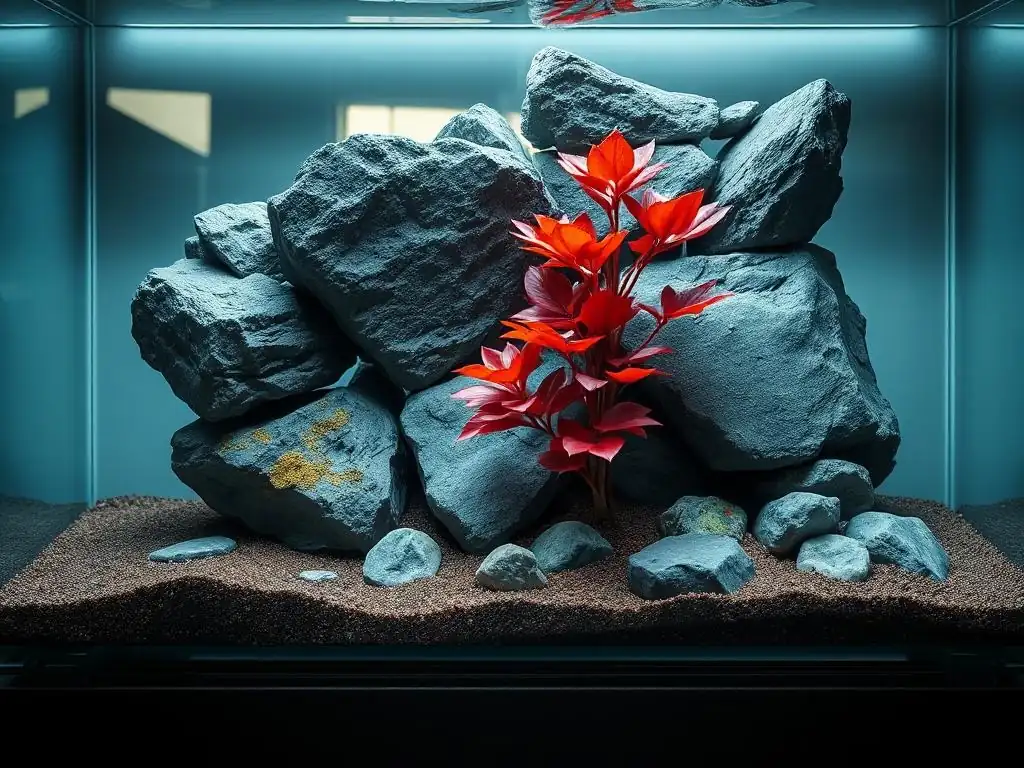
Achieving a truly natural look in a Nature Aquascape involves specific techniques for substrate and hardscape placement. Substrate is often contoured to create dramatic slopes, valleys, and undulating terrain, enhancing the perception of depth and making the tank appear larger. This strategic shaping mimics natural geological formations and provides varied planting zones.
Hardscape elements are arranged using principles like the "golden ratio" or "rule of thirds" to establish natural-looking focal points and lines of sight. Wood pieces might be intertwined to simulate a fallen log or a complex root system, while multiple stones are often clustered to mimic a natural rock outcrop or a riverbed. The goal is for the hardscape to appear as if it has been naturally formed over time, seamlessly integrating with the plants to create a cohesive, organic scene.
Maintaining a Nature Aquascape: Minimal Intervention and Biotope-Specific Care
While the initial setup of a Nature Aquascape is intensive, the long-term maintenance often aims for a more "hands-off" approach once the ecosystem is established and balanced, mimicking natural processes. Regular water changes, typically 25-40% weekly, are standard to maintain nutrient stability and water quality. Nutrient dosing is adjusted based on plant health and growth, often becoming less intensive as the system matures and the aquasoil releases its nutrients.
Trimming in Nature Aquascapes is performed to maintain the natural shape of the plants and prevent them from overgrowing, but not as rigidly or frequently as in Dutch aquascapes. The focus is on allowing plants to grow into their natural forms, with interventions primarily aimed at preventing shading of other plants or maintaining the overall balance and proportion of the scape. The goal is to nurture a self-sustaining miniature ecosystem that evolves naturally over time.
Comparing Aquascaping Styles: Iwagumi vs. Dutch vs. Nature
Aesthetic Differences: Simplicity vs. Abundance vs. Naturalism
The aesthetic distinctions among Iwagumi, Dutch, and Nature aquascaping styles are profound. Iwagumi champions minimalist beauty, focusing on the stark elegance of rock compositions and open spaces, with plants serving as a contrasting green carpet. It conveys a sense of serene simplicity and enduring strength, reminiscent of ancient landscapes.
In stark contrast, Dutch aquascaping is a celebration of lush, vibrant abundance. It transforms the aquarium into an underwater garden, meticulously arranged with diverse plant species to create striking contrasts in color, texture, and leaf shape, with hardscape being largely absent. Nature Aquascaping, on the other hand, seeks to emulate specific natural terrestrial or aquatic scenes, blending hardscape and plants to create an organic, evolving ecosystem that feels wild and authentic.
Technical Requirements: CO2, Fertilization, and Lighting Needs
All three major aquascaping styles generally fall into the "high-tech" category, demanding specific technical setups for optimal plant growth. Iwagumi and Dutch aquascapes, with their dense carpeting plants and numerous stem plants, typically require high levels of CO2 injection, often targeting 25-35 ppm, to support vigorous photosynthesis. Nature Aquascapes also greatly benefit from CO2 supplementation, though some less demanding layouts can thrive with moderate levels.
In terms of fertilization, Dutch aquascapes are the most demanding, often requiring rigorous daily or every-other-day liquid dosing of both macro and micro nutrients due to their high plant density. Iwagumi also requires consistent fertilization to support the foreground carpet. Nature Aquascapes often rely on nutrient-rich aquasoils for initial nutrients, supplemented by liquid fertilizers as needed, which can be less intensive than Dutch approaches. For lighting, all styles generally thrive under medium to high light intensity, with PAR values often ranging from 40 to 70+ µmol/m²/s at the substrate level, essential for robust plant health.
Maintenance Demands: Trimming, Water Changes, and Algae Control
The maintenance demands vary significantly across these aquascaping styles. Dutch aquascapes are arguably the most labor-intensive, requiring frequent and precise trimming of stem plants, often on a weekly basis, to maintain their intricate shapes and prevent overgrowth. Iwagumi setups require regular trimming of carpeting plants to keep the "lawn" neat and prevent it from suffocating. Nature aquascapes typically demand less frequent but strategic trimming, aimed at maintaining the natural forms of plants and the overall balance of the ecosystem rather than strict geometric shapes.
For all three styles, consistent weekly water changes (ranging from 25-50% of the tank volume) are crucial for nutrient management and water quality. Algae control is a persistent challenge in any high-tech planted tank, regardless of style, and requires diligent monitoring of CO2 levels, nutrient balance, and lighting. Effective strategies include maintaining stable CO2, ensuring balanced fertilization, and employing a clean-up crew of algae-eating species.
Suitability for Different Aquarists: Beginner to Advanced
The suitability of each aquascaping style varies significantly with the aquarist's experience level. Iwagumi, while seemingly simple in its minimalist aesthetic, demands a keen eye for hardscape composition and precise plant husbandry, making it generally more suitable for intermediate to advanced aquarists who understand the nuances of plant growth and water chemistry.
Dutch aquascapes are considered highly advanced due to their extensive plant knowledge requirements, rigorous trimming schedules, and meticulous nutrient management; they are best attempted by seasoned aquarists. Nature Aquascaping offers a broader spectrum of complexity, with simpler, less demanding layouts accessible to intermediate aquarists, while highly intricate and detailed designs are reserved for advanced practitioners who can skillfully balance hardscape and plant growth to mimic natural scenes.
Choosing the Right Aquascaping Style for Your Aquarium
Considering Tank Size and Shape
The dimensions of your aquarium play a crucial role in determining which aquascaping style will be most effective. Tall tanks, for instance, naturally lend themselves to Dutch or Nature Aquascapes that can incorporate tall background plants and intricate vertical driftwood arrangements, maximizing the available height for dramatic effect. These styles benefit from the ability to create multiple layers and a sense of deep perspective.
Conversely, long and shallow tanks are often ideal for panoramic Iwagumi or wide Nature Aquascapes. Their extended horizontal space allows for sweeping rock formations or expansive natural scenes that convey a sense of vastness. For very small tanks, such as nano aquariums under 10 gallons, minimalist Iwagumi or compact Nature aquascapes are excellent choices, where every element is carefully selected and placed to create a powerful miniature world, whereas Dutch styles can be challenging due to the need for diverse plant groupings.
Evaluating Your Experience Level
Your current experience level in the aquarium hobby is a critical factor when choosing an aquascaping style. For absolute beginners, starting with a basic planted tank that incorporates simple elements of Nature Aquascaping, such as a few easy-to-grow plants like Anubias or Java Fern attached to a small piece of driftwood, can be an excellent entry point. This allows for learning fundamental plant care without the complexities of high-tech setups.
Intermediate aquarists, who have a solid grasp of water chemistry, filtration, and basic plant needs, might consider exploring simpler Iwagumi layouts or moderately demanding Nature Aquascapes. These styles offer creative challenges without the extreme maintenance demands of the most complex designs. Advanced aquarists, with years of experience in high-tech planted tanks, are well-equipped to tackle the rigorous demands of classic Dutch aquascapes or highly intricate, competition-level Iwagumi and Nature designs. Understanding these aquascaping styles philosophy basics is key to successful progression.
Matching the Style to Your Fish and Invertebrates
The well-being of your chosen aquatic inhabitants should always be a primary consideration when selecting an aquascaping style. Fish species that prefer open swimming spaces, such as schooling tetras or rasboras, will thrive in Iwagumi or more open Nature Aquascape layouts that provide ample room for movement. These designs typically feature fewer dense plant clusters and more clear water columns.
Conversely, fish and invertebrates that prefer dense cover, numerous hiding spots, or shaded areas, such as many dwarf cichlids, bottom dwellers, or shy shrimp, would be better suited for lush Dutch aquascapes or heavily planted Nature tanks. These styles offer an abundance of foliage and hardscape elements that provide security and complex environments. Always research the specific needs of your desired livestock to ensure the chosen aquascape provides a suitable and enriching habitat.
Defining Your Personal Aesthetic Preferences
Ultimately, the most important factor in choosing an aquascaping style is your personal aesthetic preference. Take time to reflect on what kind of underwater landscape truly resonates with you. Do you find beauty in stark simplicity and the powerful presence of rock formations, or are you drawn to the vibrant, lush abundance of a meticulously manicured garden? Are you inspired by the organic, wild beauty of natural ecosystems, or do you prefer highly structured and orderly designs?
Explore numerous examples of different aquascaping styles online, in books, and at local aquarium stores or exhibitions. Pay attention to the feeling each style evokes. The best style for you is the one that you find most visually appealing and that you will genuinely enjoy creating and maintaining over the long term. Your passion for the chosen design will be a significant motivator in mastering its aquascaping styles philosophy basics and overcoming any challenges.
Advanced Aquascaping Techniques Across Styles
CO2 Injection Systems for Planted Aquariums
For high-tech planted aquascapes across all major styles, CO2 injection systems are virtually indispensable for achieving vigorous and healthy plant growth. Plants utilize carbon dioxide for photosynthesis, and in a closed aquarium environment, ambient CO2 levels are often insufficient. Pressurized CO2 systems, comprising a CO2 cylinder, a regulator with solenoid, and a diffuser, efficiently deliver dissolved carbon dioxide into the water column, significantly boosting plant metabolism.
Optimal CO2 levels for most planted tanks range from 25-35 ppm. This can be monitored using a CO2 drop checker, which changes color based on CO2 concentration, or more precisely with a pH controller that regulates CO2 injection to maintain a target pH. Consistent and stable CO2 delivery throughout the photoperiod is crucial; fluctuations can stress plants and encourage algae growth, underscoring its importance in aquascaping styles philosophy basics.
Fertilization Strategies: Liquid vs. Substrate
Effective fertilization is key to a thriving planted aquascape. Two primary strategies are commonly employed: liquid fertilization and nutrient-rich substrates. Liquid fertilizers, dosed directly into the water column, provide essential macro (Nitrogen, Phosphorus, Potassium) and micro (Iron, Manganese, Boron, etc.) nutrients that plants absorb through their leaves and stems. Popular dosing methods include the Estimative Index (EI), which involves slight over-dosing to ensure nutrients are never limiting, or PPS-Pro, a more precise approach based on daily dosing.
Nutrient-rich substrates, such as specialized aquasoils (e.g., ADA Aqua Soil, Fluval Stratum), release nutrients over time, providing a robust foundation for root-feeding plants. These substrates are particularly beneficial during the initial months of a new setup. Root tabs, which are slow-release fertilizer capsules, can also be inserted into inert substrates (like sand or gravel) to provide localized nutrients to heavy root feeders. A balanced approach often combines both liquid and substrate fertilization to cater to the diverse needs of various plant species.
Lighting Considerations: PAR, PUR, and Spectrum
Lighting is one of the most critical factors influencing plant growth in aquascapes. PAR (Photosynthetically Active Radiation) is the most accurate metric, measuring the amount of light within the visible spectrum (400-700 nm) that plants can use for photosynthesis. Target PAR values often range from 20-40 µmol/m²/s for low-light plants, to 40-70 µmol/m²/s for medium-light plants, and 70+ µmol/m²/s for high-light, demanding species.
Beyond intensity, the spectrum (color temperature) of light is also important. Full-spectrum lights, typically in the 6500K-8000K range, are generally preferred as they mimic natural daylight and support healthy plant growth while enhancing fish coloration. PUR (Photosynthetically Usable Radiation) refers to the specific wavelengths within the PAR range that plants absorb most efficiently. A consistent photoperiod, usually between 6-10 hours per day, controlled by a timer, is essential to prevent algae and promote stable plant growth.
Water Chemistry: Maintaining Optimal Parameters
Maintaining stable and optimal water chemistry is paramount for the health of both plants and aquatic inhabitants in any aquascape. Key parameters to monitor include pH (acidity/alkalinity), General Hardness (GH, total mineral content), and Carbonate Hardness (KH, buffering capacity). For most planted tanks, a slightly acidic to neutral pH (6.0-7.5), a GH of 3-8 dGH, and a KH of 2-5 dKH are often targeted, though specific plant and fish species may have narrower requirements.
Hardscape materials, such as Seiryu stone, can gradually increase GH and pH, while nutrient-rich aquasoils can buffer pH downwards. Regular water testing with reliable kits is essential to track these parameters and identify any deviations. Techniques like using reverse osmosis (RO) water, followed by remineralization, allow aquarists to precisely control water parameters, creating the ideal environment for sensitive plants or fish and ensuring the long-term success of their chosen aquascaping styles philosophy basics.
Mastering Aquascaping: Tips and Tricks for Success
Planning Your Aquascape: Sketching and Layout Design
Thorough planning is the cornerstone of a successful aquascape, regardless of the chosen style. Before adding water or materials, it is highly recommended to sketch your ideas on paper, using grid paper to represent the tank dimensions. This allows you to visualize the placement of hardscape elements (rocks, wood), delineate planting zones for different species, and experiment with various compositions without physical effort. Digital design tools can also aid in this process.
Another invaluable technique is the "dry start" method for hardscape. Arrange your chosen rocks and wood inside the empty aquarium without water. This allows for endless adjustments to angles, spacing, and overall flow until you achieve the desired composition. Taking photos from different angles during this dry run can help identify imperfections and refine the layout, saving significant time and potential frustration once water and plants are introduced.
Sourcing High-Quality Materials: Rocks, Wood, and Plants
The quality of your materials directly impacts the longevity and aesthetic appeal of your aquascape. When sourcing rocks and wood, prioritize inert materials that will not significantly alter your water chemistry unless intended for a specific purpose (e.g., limestone for African cichlids, which is not common in planted tanks). Look for pieces that have interesting textures, shapes, and sizes that complement each other and fit your chosen style. Reputable local fish stores, dedicated aquascaping suppliers, or specialized online vendors are good sources.
For plants, always aim for healthy, vibrant specimens free of pests or significant algae. Inspect leaves for discoloration or damage. It is highly advisable to quarantine new plants in a separate container for a few days, or to perform a diluted bleach dip (e.g., 1 part bleach to 19 parts water for 1-2 minutes, followed by thorough rinsing) to eliminate any hitchhikers like snails, unwanted algae, or parasites before introducing them to your main display tank.
Aquascaping Tools: Essential Equipment for Planting and Trimming
Having the right tools significantly streamlines the aquascaping process, from initial planting to ongoing maintenance. Essential equipment includes long, straight, and curved tweezers (10-12 inches) for precisely planting delicate foreground plants and positioning small hardscape elements without disturbing the substrate. Curved scissors are indispensable for trimming stem plants and carpeting plants, allowing for precise cuts without obstructing your view. A sand flattener or spatula is crucial for leveling and shaping the substrate, especially when creating slopes or pathways.
Other useful tools include a gravel vacuum for cleaning substrate during water changes, a glass scraper or magnetic cleaner for algae removal from tank walls, and a dedicated bucket for water changes to avoid cross-contamination. Investing in a quality set of stainless steel aquascaping tools will make maintenance tasks easier, more efficient, and contribute to the overall success and longevity of your aquascape.
Documenting Your Progress: Photography and Journaling
Documenting the journey of your aquascape is an incredibly rewarding practice that offers both practical benefits and a sense of accomplishment. Regularly taking photographs of your tank from the same angle allows you to track its evolution over time. These visual records help in identifying growth patterns, pinpointing areas that need attention (e.g., nutrient deficiencies, algae outbreaks), and serving as a powerful motivator as you witness your vision come to life.
Complementing photography with a detailed journal is highly recommended. Record key maintenance activities such as water change dates, fertilization dosages, CO2 bubble rates, and lighting schedules. Note any changes in water parameters, plant health, or fish behavior. This comprehensive data provides invaluable insights for troubleshooting issues, refining your techniques, and deepening your understanding of the intricate dynamics of your specific aquascape, reinforcing the aquascaping styles philosophy basics.
Aquascaping for Beginners: Getting Started with the Basics
Setting Up Your First Planted Tank
For beginners venturing into aquascaping, starting with a moderately sized tank, such as 10 to 20 gallons (approximately 38 to 76 liters), is often recommended. These sizes are large enough to offer creative scope but small enough to be manageable in terms of water changes and maintenance. For substrate, consider a simple inert gravel topped with root tabs for nutrient-hungry plants, or a basic, pre-buffered aquasoil designed for ease of use.
Essential equipment for your first planted tank should include adequate lighting suitable for low-to-medium light plants (e.g., a full-spectrum LED fixture), a reliable filter (hang-on-back or small canister) to maintain water quality, and a heater if you plan to keep tropical fish. Crucially, remember to thoroughly cycle your tank before introducing any livestock to establish beneficial bacteria and ensure a stable, healthy environment.
Choosing Easy-to-Grow Plants
Selecting resilient, easy-to-grow plants is paramount for a beginner's success, as they are more forgiving of initial fluctuations in water parameters or less-than-perfect nutrient regimes. Excellent choices include various Anubias species ( Anubias barteri, Anubias nana), which are extremely hardy and can be attached to wood or rocks. Java Fern ( Microsorum pteropus) is another robust epiphyte that thrives in a wide range of conditions.
Cryptocoryne species ( Cryptocoryne wendtii 'Red' or 'Green') are fantastic midground plants that are relatively undemanding once established. Various mosses, such as Java Moss ( Taxiphyllum barbieri), are also very easy to grow and can add natural texture. Avoid high-demanding carpeting plants or very sensitive stem plants for your first tank, as they often require precise CO2 injection and fertilization that can be challenging for novices.
Maintaining a Healthy Aquarium Environment
Consistent and regular maintenance is the cornerstone of a healthy aquarium environment, especially for a planted tank. For beginners, a weekly water change of approximately 25% of the tank volume is a good starting point to replenish minerals, remove accumulated nitrates, and maintain overall water quality. It's also important to regularly check basic water parameters like temperature, pH, and ammonia/nitrite/nitrate levels using a reliable test kit.
Beyond water changes, regular observation is key. Pay close attention to your plants for any signs of nutrient deficiencies (e.g., yellowing leaves, stunted growth), your fish for signs of stress or disease, and monitor for any initial algae outbreaks. Early detection allows for prompt intervention, preventing minor issues from escalating. This diligent approach to maintenance will lay a strong foundation for mastering the aquascaping styles philosophy basics and enjoying a thriving aquarium.
Conclusion: Appreciating the Art and Science of Aquascaping
The Enduring Appeal of Aquascaping
Aquascaping stands as a unique and captivating blend of art, horticulture, and aquatic science, offering a profound creative outlet and a tangible connection to the natural world. It transforms a simple glass box into a dynamic, living canvas, inviting enthusiasts to sculpt, nurture, and observe miniature ecosystems. The enduring appeal lies in its capacity to challenge artistic sensibilities while simultaneously fostering a deep understanding of biological processes and environmental balance.
Regardless of whether one prefers the minimalist serenity of Iwagumi, the vibrant abundance of Dutch aquascapes, or the naturalistic allure of a Nature Aquascape, the journey of creating and maintaining these underwater landscapes is deeply rewarding. It cultivates patience, sharpens observation skills, and instills a profound appreciation for the intricate beauty and delicate equilibrium of aquatic environments, making it a truly enriching hobby.
Further Exploration: Resources for Aquascaping Enthusiasts
For those inspired to delve deeper into the captivating world of aquascaping, numerous resources are available to support continuous learning and experimentation. Online forums and social media groups dedicated to aquascaping provide vibrant communities where enthusiasts can share knowledge, seek advice, and showcase their creations. These platforms offer invaluable insights into specific techniques, plant care, and problem-solving, fostering growth in understanding aquascaping styles philosophy basics.
Exploring the works of renowned aquascapers through books, online galleries, and competition showcases offers immense inspiration and demonstrates the pinnacle of what is achievable in the hobby. Attending local aquarium club meetings or workshops can provide hands-on experience and direct mentorship. Continuous learning and active participation in the aquascaping community will undoubtedly deepen your passion and skill in this unique art form.
Frequently Asked Questions
What are the three main aquascaping styles discussed in the article?
The article focuses on three prominent aquascaping styles: Iwagumi, Dutch, and Nature aquariums. Each style has a distinct approach to aesthetics and plant/hardscape arrangement.
What is the core philosophy behind the Iwagumi aquascaping style?
Iwagumi is heavily influenced by Japanese Zen gardens, emphasizing simplicity and balance through the strategic placement of rocks. The goal is to create a miniature landscape evoking natural beauty and harmony.
How does the Dutch aquascaping style differ from the Nature style?
Dutch aquascapes prioritize dense plant growth and vibrant colors, often showcasing a "Dutch street" effect. Nature style, on the other hand, aims for a more naturalistic and less manicured appearance.
What are some basic considerations when choosing an aquascaping style?
Consider your personal aesthetic preferences, the size and shape of your aquarium, and the type of aquatic life you plan to keep. Researching the specific needs of plants and fish is crucial.
Where can I find more detailed information on aquascaping techniques and plant selection?
AquariumMastery.com provides detailed guidance on setting up and maintaining aquariums, including articles on plant selection, water chemistry, and troubleshooting common tank issues.
Final Reflection: The Living Art of Aquascaping
The journey through Iwagumi's stark minimalism, Dutch aquascaping's vibrant abundance, and Nature Aquarium's harmonious balance reveals that aquascaping is far more than just arranging plants and rocks; it's a profound exploration of artistic expression within a living ecosystem. This exploration of aquascaping styles and their underlying philosophies remains profoundly relevant today, as more individuals seek mindful connections with nature within their own homes. The principles of balance, harmony, and naturalism, so central to these styles, offer a powerful antidote to the often chaotic and disconnected modern world.
The influence of these aquascaping philosophies extends beyond the glass walls of a tank, shaping our understanding of aesthetics, ecology, and the interconnectedness of life. My own journey into aquascaping has instilled a deeper appreciation for the delicate balance of nature and the power of mindful creation. In the right light, at the right time, everything is extraordinary.
- Aaron Rose. This quote perfectly encapsulates the transformative potential of aquascaping, where careful observation and thoughtful design can reveal the extraordinary beauty hidden within the ordinary.
Now, as you reflect on the diverse philosophies and techniques explored in this article, consider how you can apply these principles to your own life. Whether you're drawn to the serene simplicity of Iwagumi, the vibrant complexity of Dutch aquascaping, or the naturalistic beauty of the Nature Aquarium, embrace the opportunity to cultivate beauty, balance, and harmony in your own environment. Let the art of aquascaping inspire you to create spaces that not only captivate the eye but also nourish the soul.
Cultivate Your Aquatic Vision
Thank you for exploring the diverse world of aquascaping styles with us! We hope you've gained valuable insights into the philosophies that underpin these captivating underwater landscapes. Now, it's time to bring your inspiration to life and begin crafting your own aquatic masterpiece.
- Start planning your dream aquascape! Choose the style that resonates with you most – Iwagumi's serene minimalism, Dutch's vibrant density, or Nature's organic beauty – and research the specific plants, rocks, and equipment you'll need.
- Explore local aquascaping communities or online forums. Share your initial ideas and gain valuable feedback from experienced aquascapers.
- Experiment with a "dry run." Arrange your hardscape outside the tank to visualize your layout and make adjustments before committing to the underwater design.
What unique twist will you bring to your chosen aquascaping style to make it truly your own?