
Elevate Your Aquascape: Advanced Techniques for Intricate Details & Lasting Underwater Beauty

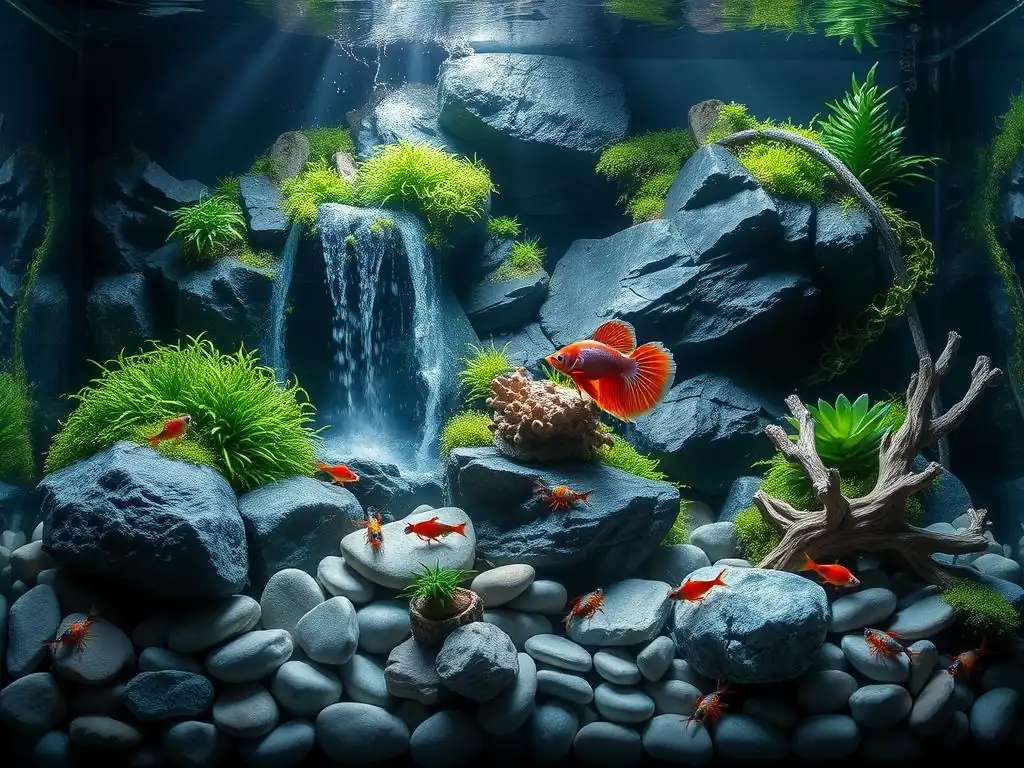
Welcome to Aquarium Mastery, where we transform ordinary tanks into underwater masterpieces! Ever wondered how to create an aquascape that's not just visually stunning, but also thrives long-term? Dive in and unlock the secrets to advanced aquarium aquascaping design techniques. Prepare to elevate your skills and craft breathtaking underwater worlds that will captivate for years to come!
- Mastering Advanced Aquarium Aquascaping Design Techniques
- Selecting Hardscape Materials for Detailed Aquascaping
- Advanced Plant Selection for Stunning Aquascapes
- Intricate Detailing Techniques in Aquascaping
- Maintaining Long-Term Underwater Beauty in Aquascapes
- Intricate Detailing Techniques in Aquascaping
- Photography and Showcasing Your Advanced Aquascape
- Troubleshooting Common Issues in Advanced Aquascaping
- Inspiration and Case Studies of Advanced Aquascapes
- Resources for Further Learning in Aquarium Aquascaping Design
-
Frequently Asked Questions
- What are some advanced techniques mentioned for creating intricate details in an aquascape?
- How can I ensure the lasting beauty of my aquascape design?
- What role does hardscape play in advanced aquascaping design techniques?
- Can you elaborate on the importance of plant selection for a successful aquascape?
- What are some common troubleshooting issues aquascapers face, and how can they be addressed?
- Final Reflection: Cultivating Underwater Worlds
- Unleash Your Inner Aquascaping Artist!
Mastering Advanced Aquarium Aquascaping Design Techniques
Understanding the Golden Ratio and Negative Space in Aquascaping
The Golden Ratio, approximately 1.618 (often rounded to 1:1.618), is a mathematical proportion found frequently in nature and art, renowned for its aesthetic appeal. In aquarium aquascaping design techniques, applying this ratio involves placing primary focal points, such as a prominent piece of hardscape or a vibrant plant cluster, at the intersections of imaginary lines that divide the tank according to this proportion.
For instance, in a 60 cm wide tank, a key element might be positioned around 37 cm from one edge, creating a visually harmonious and balanced composition that naturally draws the viewer's eye. This strategic placement prevents a static, centered look and guides the observer through the intricate details of the aquascape.
Negative space, the unoccupied areas within the aquascape, is equally crucial for creating depth, dimension, and visual breathing room. Without adequate negative space, an aquascape can appear cluttered and overwhelming, diminishing the impact of individual elements. By strategically leaving open areas of substrate or water column, aquascapers can emphasize the forms of hardscape and the lushness of plant groupings. For example, a stark, open sand path winding through dense planting highlights the contrast and directs focus towards a carefully placed focal point, demonstrating sophisticated aquarium aquascaping design techniques that prioritize both detail and clarity.
The Importance of Scaled Drawings and 3D Mockups in Aquascaping
Professional aquascapers often begin their advanced projects with detailed scaled drawings, typically at a 1:10 or 1:5 ratio, to meticulously plan the layout before any materials enter the tank. This allows for precise measurement and placement of hardscape elements like stones and driftwood, ensuring they fit within the tank's dimensions and contribute to the intended perspective.
For a 90 cm x 45 cm x 45 cm tank, a scaled drawing helps visualize how a 30 cm tall driftwood piece will interact with a 20 cm high stone, preventing errors that could lead to wasted materials or an unbalanced composition. This pre-visualization step is fundamental to refining aquarium aquascaping design techniques for complex setups.
Beyond two-dimensional drawings, 3D mockups, whether physical assemblies of hardscape pieces outside the tank or digital renderings using software like SketchUp, offer an unparalleled level of planning. These mockups enable aquascapers to assess depth, shadow play, and the interaction of various elements from multiple angles.
For instance, a 3D mockup can reveal if a certain stone arrangement creates an unintended dead space or if a piece of wood obstructs a key viewing angle. This iterative process allows for adjustments and refinements, ensuring that the final aquascape achieves the desired intricate details and overall aesthetic impact before the tank is filled, saving considerable time and effort in the long run.
Selecting Hardscape Materials for Detailed Aquascaping
Choosing Seiryu Stone for Iwagumi Aquascapes
Seiryu stone, characterized by its jagged, textured surface and varying shades of grey, is a quintessential material for Iwagumi aquascapes, a Japanese style that focuses on stone arrangement. Its sharp angles and natural crevices are ideal for mimicking mountainous landscapes and creating a sense of rugged beauty. While Seiryu stone can slightly raise water pH and hardness due to its calcium carbonate content, this can be mitigated by using buffering substrates like ADA Aqua Soil, which naturally lowers pH to a more plant-friendly acidic range (e.g., pH 6.0-6.8) and helps stabilize water parameters.
When employing Seiryu stone, advanced aquarium aquascaping design techniques for Iwagumi involve selecting stones with complementary textures and forms, arranging them to create a cohesive flow. The arrangement typically includes a dominant Oyaishi (main stone), supporting Fukuishi, a secondary Suteishi, and smaller Kuzushi-ishi, all placed to create visual harmony and a sense of natural erosion. For a typical 60 cm Iwagumi, the Oyaishi might be 20-25 cm tall, with the supporting stones progressively smaller, ensuring a naturalistic scale and perspective that draws the eye into the miniature mountain range.
Incorporating Spiderwood for Amazonian-Inspired Aquascapes
Spiderwood, named for its intricate, multi-branching structure, is an excellent choice for creating Amazonian-inspired aquascapes that mimic submerged tree roots and fallen branches. Its natural appearance adds immediate character and a sense of age to the layout, providing numerous attachment points for epiphytic plants like Anubias and Bucephalandra.
A common characteristic of Spiderwood is its tendency to leach tannins, which can tint the water with a natural, tea-like hue, beneficial for creating a blackwater effect that replicates many Amazonian habitats and can even have mild anti-bacterial properties for fish. This can be managed with regular water changes or activated carbon filtration if a clearer water column is desired.
To effectively incorporate Spiderwood, aquarium aquascaping design techniques involve arranging multiple pieces to create a dense, intertwined network that forms natural caves and hiding spots for fish such as schooling tetras or dwarf cichlids. For example, in a 120-liter tank, three to five medium-sized pieces (20-40 cm) can be strategically placed to form a compelling root system. The wood's complex form provides a perfect substrate for mosses and rhizome plants, enhancing the naturalistic feel and adding layers of texture that contribute to the overall intricate detail of the aquascape.
Optimizing Hardscape Placement using the Rule of Thirds
The Rule of Thirds is a fundamental compositional guideline in art and photography that translates exceptionally well into aquarium aquascaping design techniques for optimal hardscape placement. It involves dividing the aquascape into nine equal sections using two equally spaced horizontal and two equally spaced vertical lines. The principle suggests that placing key hardscape elements, such as the main focal stone or a significant piece of driftwood, along these lines or, more powerfully, at their intersections, creates a more balanced, dynamic, and visually engaging composition than simply centering them.
For example, in a 60 cm long aquarium, the vertical lines would fall at approximately 20 cm and 40 cm from either end, and the horizontal lines would be at 15 cm and 30 cm from the top or bottom. Placing the primary focal point, like a striking Seiryu stone, at one of these four intersection points (e.g., 20 cm from the left and 30 cm from the bottom) immediately draws the viewer's eye and creates a sense of natural flow.
This asymmetrical balance prevents the aquascape from appearing static or overly symmetrical, guiding the eye across the entire layout and highlighting the intricate details of the hardscape arrangement.
Advanced Plant Selection for Stunning Aquascapes
Exploring Bucephalandra Varieties for Unique Textures
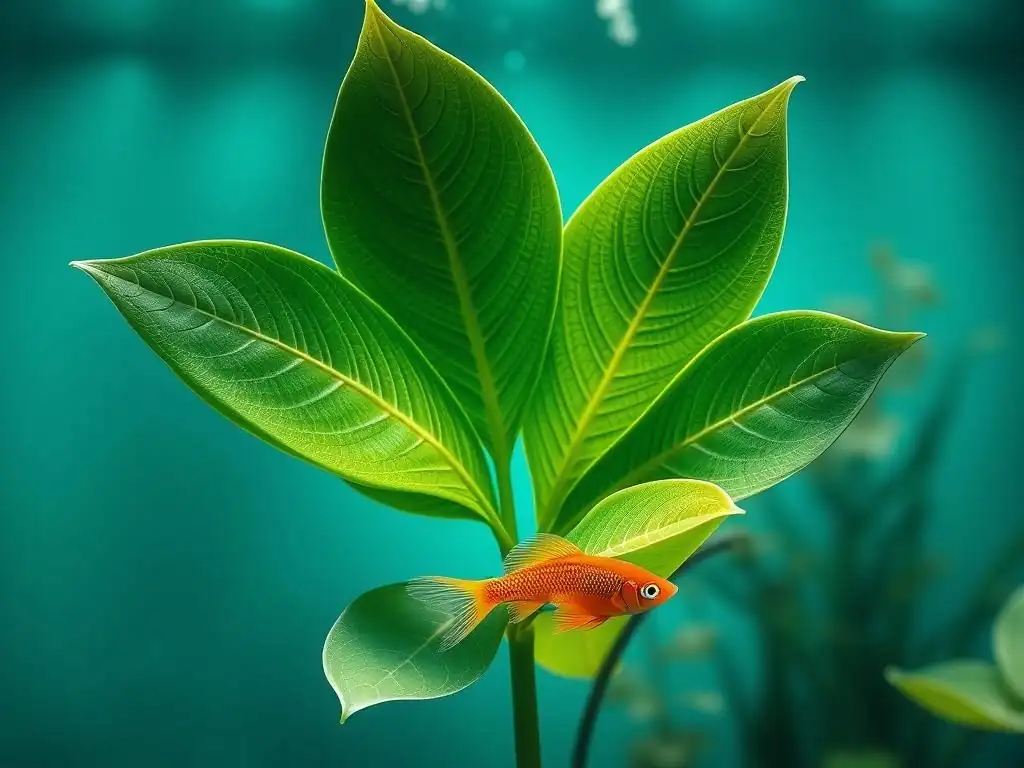
Bucephalandra, often referred to as "Buce," are slow-growing, rhizomatous plants native to Borneo, highly prized in advanced aquascaping for their incredible diversity in leaf shape, color, and texture. Their robust nature and ability to thrive in a wide range of light conditions, from low to medium, make them ideal for adding intricate detail to hardscape. Popular varieties like 'Kedagang' with its dark, undulating leaves, 'Brownie Ghost' known for its iridescent blue hues, and 'Lamandau Mini Red' with its subtle reddish tones, offer a palette of textures and colors that can be strategically placed to create visual interest.
When incorporating Bucephalandra, advanced aquarium aquascaping design techniques involve attaching them directly to rough surfaces of rocks or driftwood using super glue (cyanoacrylate gel) or cotton thread. Their small size and unique leaf patterns allow for precise placement in crevices or along the contours of hardscape, mimicking natural growth on submerged surfaces. For instance, clustering several small varieties like 'Mini Coin' or 'Wavy Green' on a piece of spiderwood can create a captivating micro-landscape, contrasting with larger leaf plants and adding a layer of subtle, yet captivating, detail to the overall aquascape.
Creating Plant Groupings using Stem Plants, Rosettes, and Carpeting Plants
Achieving depth and visual appeal in an advanced aquascape heavily relies on the strategic layering of different plant types: stem plants, rosette plants, and carpeting plants. Stem plants, such as various Rotala species (e.g., Rotala rotundifolia, Rotala 'H'ra') and Ludwigia species (e.g., Ludwigia palustris 'Super Red'), are typically used in the background and midground to provide height, lushness, and vibrant color, with their growth often reaching the water surface in a 45-60 cm tall tank.
Rosette plants like Cryptocoryne species (e.g., Cryptocoryne wendtii, Cryptocoryne undulata) or Echinodorus (Amazon Swords) are ideal for the midground, offering strong focal points with their distinct leaf shapes and sizes, typically growing to 10-30 cm in height.
Carpeting plants, such as Monte Carlo (Micranthemum tweediei) or Dwarf Hairgrass (Eleocharis parvula), form a dense, low-lying foreground, creating the illusion of a verdant lawn and enhancing perspective. The art lies in creating seamless transitions between these groupings, a hallmark of sophisticated aquarium aquascaping design techniques.
For example, a dense carpet of Monte Carlo can gradually transition into a scattered cluster of Cryptocoryne parva, which then gives way to a vibrant bush of Rotala 'H'ra' in the midground, culminating in taller, denser stem plants at the back. This layering not only adds visual complexity but also mimics the natural stratification found in terrestrial landscapes.
Understanding Liebig's Law of the Minimum for Plant Nutrition
Liebig's Law of the Minimum states that plant growth is limited not by the total amount of available nutrients, but by the single essential nutrient that is most scarce. In the context of advanced planted aquariums, this means that even if a tank has abundant light and CO2, a deficiency in just one crucial micronutrient, like iron, or a macronutrient, like potassium, will hinder overall plant growth and health.
For example, if a plant requires 10 ppm of nitrate, 1 ppm of phosphate, and 15 ppm of potassium, but only 5 ppm of potassium is available, the plant's growth will be limited by potassium, regardless of the higher levels of other nutrients.
Applying this law to aquarium aquascaping design techniques involves a holistic and balanced approach to fertilization. Regular testing of key parameters such as nitrates (NO3), phosphates (PO4), and potassium (K) using reliable test kits (e.g., API for NPK, Salifert for Potassium) is essential.
If a 100-liter tank requires a daily dose of 10 ppm nitrate, 1 ppm phosphate, and 15 ppm potassium, a deficiency in any one of these must be addressed directly, not by increasing other nutrients. Consistent dosing of a comprehensive liquid fertilizer, often supplemented with specific individual nutrients based on test results, ensures that no single element becomes a limiting factor, promoting robust plant growth and preventing deficiencies that can lead to algae outbreaks or stunted development.
Intricate Detailing Techniques in Aquascaping
The Art of Creating Substrate Slopes and Terraces
Creating significant substrate slopes is a foundational element in advanced aquarium aquascaping design techniques for enhancing depth and perspective. By building up the substrate significantly higher at the back of the tank (e.g., 15-20 cm) and gradually sloping it down towards the front (e.g., 5-7 cm), aquascapers can create a powerful illusion of distance and a vast landscape within a confined space. This dramatic elevation change makes the foreground appear closer and the background much further away, drawing the viewer's eye into the scene.
To maintain these slopes and add further complexity, aquascapers employ terraces and retaining walls. These can be fashioned from smaller, flat pieces of hardscape (e.g., slate, small stones) or specialized acrylic barriers, strategically placed to prevent substrate erosion and define distinct planting zones. For instance, a series of subtle stone terraces can allow for different carpeting plant species at varying levels, or create clear boundaries between a fine sand pathway and a nutrient-rich aquasoil planting area. This layering of substrate adds visual interest and allows for more intricate planting arrangements, elevating the overall aesthetic of the aquascape.
Utilizing Java Moss and Anubias Nana Petite for Detailed Textures
Java Moss (Taxiphyllum barbieri) and Anubias nana Petite are indispensable plants for adding intricate textures and naturalistic detail to an aquascape. Java Moss is incredibly versatile, easily attached to virtually any surface—stones, driftwood, or even filter inlets—using fishing line or super glue. Its fine, feathery texture can mimic natural moss growth on submerged rocks or tree branches, softening harsh lines of hardscape and creating a sense of age and established beauty. For example, wrapping Java Moss around the base of a prominent driftwood piece can create the illusion of roots emerging from a mossy bank.
Anubias nana Petite, with its diminutive size and dark green, robust leaves, is perfect for adding delicate focal points and subtle textures to intricate areas. Its slow growth rate and low light requirements make it highly adaptable. Aquascapers often attach Anubias nana Petite to small crevices in Seiryu stone or tiny branches of spiderwood, where its small leaves can provide a striking contrast against the hardscape or other plant textures. Its resilience and minimal maintenance make it an excellent choice for adding lasting, intricate details without fear of rapid overgrowth, embodying precise aquarium aquascaping design techniques.
Creating Pathways with Fine Gravel and Focal Points with Red Plants
The strategic use of contrasting substrate materials to create pathways is an advanced aquarium aquascaping design technique that significantly enhances depth and guides the viewer's eye. A winding path of fine, light-colored sand or gravel (e.g., ADA La Plata Sand) against a darker, nutrient-rich aquasoil creates a striking visual contrast and the illusion of a winding trail leading into the distance. The pathway should be narrow in the foreground and taper even narrower towards the back, mimicking natural perspective, often following an S-curve or diagonal line for dynamic effect.
To truly make an aquascape pop, incorporating vibrant red plants as focal points is a highly effective detailing technique. Plants like Rotala macrandra, Ludwigia repens 'Rubin', or Alternanthera reineckii 'Mini' offer intense coloration that contrasts dramatically with the predominant green foliage.
These plants are strategically placed at key intersection points (e.g., according to the Rule of Thirds) or at the end of a pathway to draw immediate attention. Achieving intense red coloration typically requires high light intensity (e.g., PAR values above 70 at the substrate) and ample iron supplementation (e.g., maintaining 0.1-0.2 ppm iron), making them a demanding but rewarding element in advanced aquarium aquascaping design techniques.
Maintaining Long-Term Underwater Beauty in Aquascapes
Water Chemistry Management: KH, GH, and pH Stability
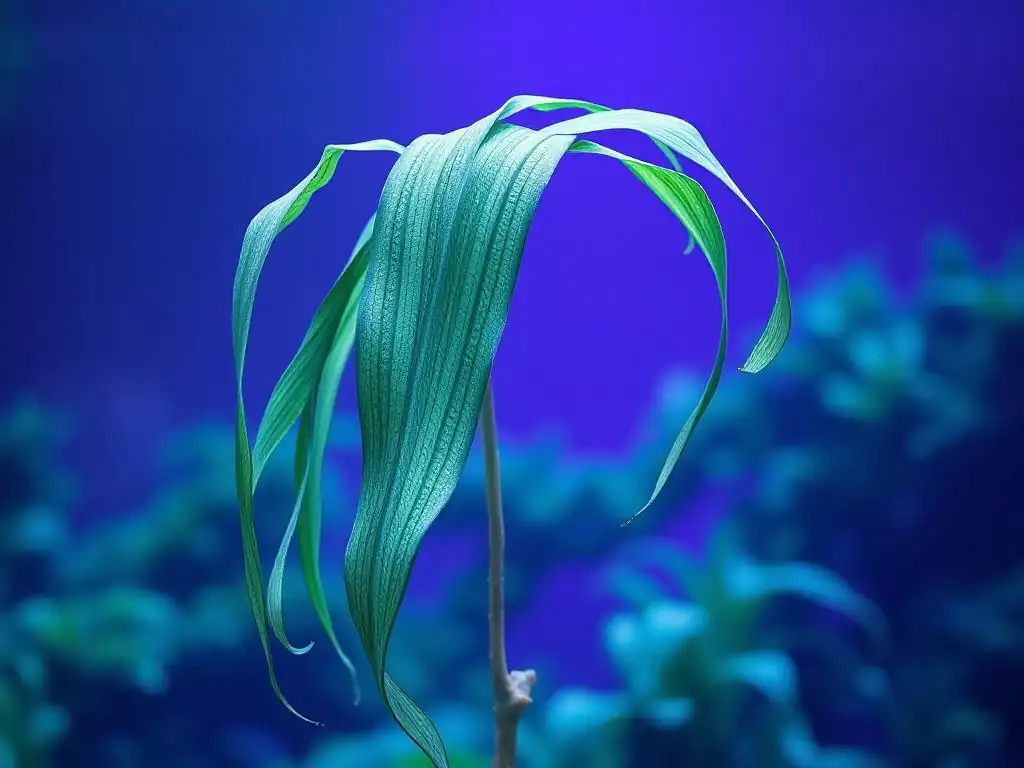
Maintaining stable water chemistry, specifically KH (carbonate hardness), GH (general hardness), and pH, is paramount for the long-term health and beauty of an advanced aquascape. KH measures the water's buffering capacity, preventing drastic pH swings, while GH indicates the total concentration of dissolved mineral salts, primarily calcium and magnesium, essential for plant growth. pH, the measure of acidity or alkalinity, directly impacts nutrient availability and the well-being of aquatic life. For most planted tanks, ideal ranges are typically KH 3-5 dKH, GH 5-8 dGH, and a slightly acidic pH of 6.5-7.0.
Achieving and maintaining these parameters consistently is a core aspect of advanced aquarium aquascaping design techniques. Many aquascapers use reverse osmosis (RO) water, which is pure and devoid of minerals, then reconstitute it with specific remineralizers to hit target GH and KH levels. Buffering substrates like ADA Aqua Soil naturally lower pH and KH, creating an ideal environment for many aquatic plants.
Regular water changes (e.g., 30-50% weekly) help replenish trace elements and prevent the buildup of undesirable compounds. Consistent monitoring with reliable test kits (e.g., a drop checker for CO2-related pH, and titration kits for KH/GH) is crucial to detect and correct deviations swiftly, ensuring a stable environment for thriving plants and fish.
Advanced CO2 Injection Techniques: Inline Diffusers and Drop Checkers
Carbon dioxide (CO2) is a primary carbon source for aquatic plants, vital for robust photosynthesis and lush growth in high-tech aquascapes. Advanced aquarium aquascaping design techniques often employ sophisticated CO2 injection systems to ensure optimal and consistent delivery. Inline diffusers, for instance, are installed directly into the return line of an external canister filter. This method maximizes CO2 dissolution efficiency by forcing the gas through the filter's impeller and media, resulting in nearly 100% absorption and minimizing visible equipment within the tank, enhancing the aquascape's clean aesthetic.
To monitor dissolved CO2 levels, a CO2 drop checker is an indispensable tool. This small device contains an indicator solution that changes color based on the CO2 concentration in the water (blue for too low, green for optimal, yellow for too high).
Aquascapers aim for a consistent light green color throughout the day, indicating approximately 25-30 ppm of dissolved CO2, which is ideal for healthy plant growth without harming fish. Some advanced setups integrate a pH controller, which automatically turns the CO2 solenoid valve on or off to maintain a precise pH level, thereby ensuring a stable and optimal CO2 concentration, a hallmark of professional aquarium aquascaping design techniques.
Algae Control Strategies: Siamese Algae Eaters and Proper Lighting
Effective algae control is not about complete eradication but maintaining a healthy balance within the ecosystem, crucial for preserving the aesthetic integrity of an advanced aquascape. An integrated approach combines biological control with careful environmental management. Siamese Algae Eaters (SAE, Crossocheilus oblongus) are highly effective at consuming various types of algae, particularly filamentous and black brush algae, making them a popular choice for biological control.
Introducing one SAE per 50-75 liters of tank volume can significantly reduce nuisance algae. Other helpful inhabitants include Otocinclus catfish for diatom algae and Amano shrimp (Caridina multidentata) for a wide range of algae, including hair algae.
Beyond biological helpers, precise lighting management is a cornerstone of algae prevention. Too much light intensity (high PAR values) or an excessively long photoperiod (e.g., more than 8 hours daily) are common triggers for algae outbreaks. Conversely, insufficient light can also stress plants and make them more susceptible to algae overgrowth. Using a high-quality LED light with adjustable intensity and a reliable timer to ensure a consistent photoperiod (e.g., 6-8 hours for high-tech tanks) is essential. Balancing light, CO2, and nutrient levels creates an environment where plants thrive, outcompeting algae and ensuring the long-term beauty of the aquascape.
Intricate Detailing Techniques in Aquascaping
The Art of Creating Substrate Slopes and Terraces
Creating significant substrate slopes is a foundational element in advanced aquarium aquascaping design techniques for enhancing depth and perspective. By building up the substrate significantly higher at the back of the tank (e.g., 15-20 cm) and gradually sloping it down towards the front (e.g., 5-7 cm), aquascapers can create a powerful illusion of distance and a vast landscape within a confined space. This dramatic elevation change makes the foreground appear closer and the background much further away, drawing the viewer's eye into the scene.
To maintain these slopes and add further complexity, aquascapers employ terraces and retaining walls. These can be fashioned from smaller, flat pieces of hardscape (e.g., slate, small stones) or specialized acrylic barriers, strategically placed to prevent substrate erosion and define distinct planting zones. For instance, a series of subtle stone terraces can allow for different carpeting plant species at varying levels, or create clear boundaries between a fine sand pathway and a nutrient-rich aquasoil planting area. This layering of substrate adds visual interest and allows for more intricate planting arrangements, elevating the overall aesthetic of the aquascape.
Utilizing Java Moss and Anubias Nana Petite for Detailed Textures
Java Moss (Taxiphyllum barbieri) and Anubias nana Petite are indispensable plants for adding intricate textures and naturalistic detail to an aquascape. Java Moss is incredibly versatile, easily attached to virtually any surface—stones, driftwood, or even filter inlets—using fishing line or super glue. Its fine, feathery texture can mimic natural moss growth on submerged rocks or tree branches, softening harsh lines of hardscape and creating a sense of age and established beauty. For example, wrapping Java Moss around the base of a prominent driftwood piece can create the illusion of roots emerging from a mossy bank.
Anubias nana Petite, with its diminutive size and dark green, robust leaves, is perfect for adding delicate focal points and subtle textures to intricate areas. Its slow growth rate and low light requirements make it highly adaptable. Aquascapers often attach Anubias nana Petite to small crevices in Seiryu stone or tiny branches of spiderwood, where its small leaves can provide a striking contrast against the hardscape or other plant textures. Its resilience and minimal maintenance make it an excellent choice for adding lasting, intricate details without fear of rapid overgrowth, embodying precise aquarium aquascaping design techniques.
Creating Pathways with Fine Gravel and Focal Points with Red Plants
The strategic use of contrasting substrate materials to create pathways is an advanced aquarium aquascaping design technique that significantly enhances depth and guides the viewer's eye. A winding path of fine, light-colored sand or gravel (e.g., ADA La Plata Sand) against a darker, nutrient-rich aquasoil creates a striking visual contrast and the illusion of a winding trail leading into the distance. The pathway should be narrow in the foreground and taper even narrower towards the back, mimicking natural perspective, often following an S-curve or diagonal line for dynamic effect.
To truly make an aquascape pop, incorporating vibrant red plants as focal points is a highly effective detailing technique. Plants like Rotala macrandra, Ludwigia repens 'Rubin', or Alternanthera reineckii 'Mini' offer intense coloration that contrasts dramatically with the predominant green foliage.
These plants are strategically placed at key intersection points (e.g., according to the Rule of Thirds) or at the end of a pathway to draw immediate attention. Achieving intense red coloration typically requires high light intensity (e.g., PAR values above 70 at the substrate) and ample iron supplementation (e.g., maintaining 0.1-0.2 ppm iron), making them a demanding but rewarding element in advanced aquarium aquascaping design techniques.
Photography and Showcasing Your Advanced Aquascape
Capturing the Beauty of Your Aquascape: Using a DSLR Camera and Macro Lens
Capturing the true beauty of an advanced aquascape requires more than a simple point-and-shoot; it demands specialized equipment and techniques. A DSLR or mirrorless camera with manual controls is essential, allowing precise adjustments to aperture, shutter speed, and ISO.
For full tank shots, a prime lens (e.g., 50mm f/1.8) can capture the entire scene with minimal distortion, while a macro lens (e.g., 100mm f/2.8) is indispensable for highlighting intricate details of individual plants, fish, or hardscape textures. Before shooting, thoroughly clean the aquarium glass inside and out to eliminate any smudges or algae that might detract from the image quality.
Optimal lighting is critical to showcase the vibrant colors and depth of your aquascape. Turn off internal aquarium lights and use external strobes or softboxes positioned at angles to eliminate reflections and glare from the glass. Set your camera to a low ISO (e.g., 100-200) to minimize noise, an aperture around f/8-f/11 for sufficient depth of field to keep all elements sharp, and adjust shutter speed to achieve proper exposure. Shooting directly level with the aquascape, rather than from above or below, ensures accurate perspective and highlights the careful application of aquarium aquascaping design techniques.
Editing Techniques: Adjusting White Balance and Contrast in Lightroom
Even the most perfectly captured raw photographs of an aquascape can benefit significantly from post-processing, with software like Adobe Lightroom being a standard tool. One of the most crucial adjustments is white balance. Aquarium lights often cast a color tint (e.g., blue, green, or yellow) that can make colors appear unnatural. Adjusting the white balance slider (or using the eyedropper tool on a neutral grey area) ensures that the greens of the plants and the colors of the fish are accurately represented, reflecting their true vibrancy.
Beyond white balance, enhancing contrast and clarity brings out the intricate details and adds "pop" to the image. Increasing contrast makes the darks darker and the lights lighter, providing more definition. The clarity slider can further enhance mid-tone contrast, making elements appear sharper without over-sharpening.
Additionally, judicious use of the highlights and shadows sliders can recover detail in areas that are either too bright or too dark, ensuring that no part of your meticulously designed aquascape is lost in the photograph. These editing steps are vital for presenting the culmination of your aquarium aquascaping design techniques in the best possible light.
Sharing your advanced aquascape on international contest platforms is an excellent way to gain recognition, receive constructive feedback, and inspire others with your aquarium aquascaping design techniques. Contests such as the International Aquatic Plants Layout Contest (IAPLC) hosted by Aqua Design Amano, or the Aquatic Gardeners Association (AGA) Aquascaping Contest, are prestigious global events that attract thousands of entries annually. Participation offers a unique opportunity to benchmark your skills against some of the world's best aquascapers.
Submission requirements typically include a series of high-resolution photographs: a full tank shot, several detailed close-ups, and sometimes a "before" shot or progress photos. Entrants also provide specific information about their aquascape, including tank dimensions, a comprehensive list of all plant and fish species, and a brief description outlining the inspiration, challenges, and advanced aquarium aquascaping design techniques employed in the layout. Achieving a high ranking or even an honorable mention in these contests signifies a mastery of intricate detailing and long-term maintenance, providing a powerful platform to showcase your artistic and technical prowess.
Troubleshooting Common Issues in Advanced Aquascaping
Addressing Plant Deficiencies: Iron, Potassium, and Nitrate Imbalances
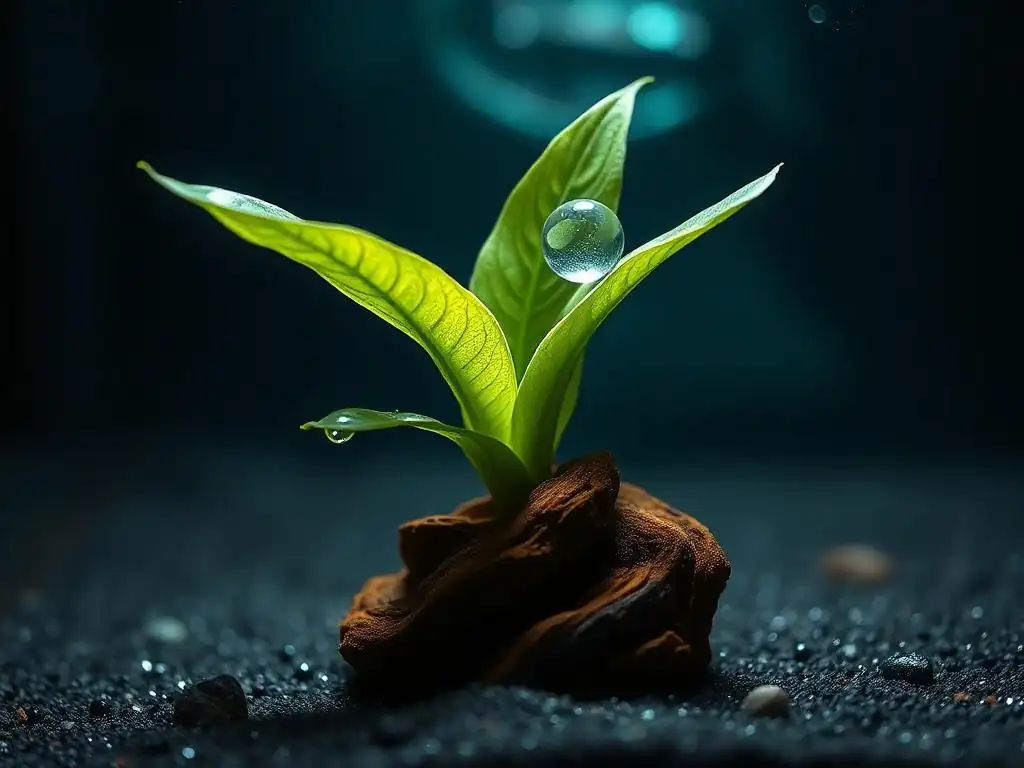
In advanced aquascaping, identifying and correcting plant nutrient deficiencies is crucial for maintaining a vibrant and healthy ecosystem. Iron (Fe) deficiency often manifests as yellowing or chlorosis of new growth, particularly between the veins, while the veins themselves remain green. This can be addressed by supplementing with chelated iron fertilizers, aiming for a concentration of 0.05-0.1 ppm. Potassium (K) deficiency typically presents as pinholes, yellowing, or necrosis (tissue death) on older leaves, often starting at the edges. Supplementing with potassium sulfate (K2SO4) to achieve 10-20 ppm can resolve this.
Nitrate (NO3) deficiency, a common issue in heavily planted tanks with low fish load, leads to stunted growth, overall paleness, or melting of older leaves. Maintaining nitrate levels between 10-20 ppm, often achieved by dosing potassium nitrate (KNO3) or increasing protein feeding, is vital. Diagnosing these imbalances accurately requires careful observation of specific symptoms on new vs. old growth and regular water testing. A systematic approach to adjusting nutrient dosing based on these observations is a key aspect of advanced aquarium aquascaping design techniques for optimal plant health.
Dealing with Algae Outbreaks: Black Brush Algae and Green Spot Algae
Algae outbreaks are common challenges in advanced aquascaping, often signaling an imbalance in the tank's ecosystem. Black Brush Algae (BBA), characterized by dark, tufted growths on hardscape and slow-growing plants, typically indicates fluctuating or insufficient CO2 levels, or poor water flow. Solutions involve ensuring consistent CO2 injection (e.g., maintaining 25-30 ppm), improving water circulation, and spot-dosing with liquid carbon (glutaraldehyde-based products) or hydrogen peroxide directly onto the algae, which can effectively kill it without harming plants if done carefully. Introducing Siamese Algae Eaters can also help manage BBA.
Green Spot Algae (GSA), appearing as small, hard green spots on glass and slow-growing plant leaves, is often caused by low phosphate levels or insufficient light intensity. Increasing phosphate dosing to 0.5-1.0 ppm using potassium phosphate (KH2PO4) and ensuring adequate light (e.g., PAR values above 50 at the substrate) can mitigate GSA. Manual scraping of the glass and affected leaves is also necessary. Understanding the root cause of each algae type and implementing targeted aquarium aquascaping design techniques for prevention and treatment is crucial for maintaining the pristine beauty of your aquascape.
Maintaining a Healthy Ecosystem: Biological Filtration and Water Changes
The foundation of a healthy and stable advanced aquascape lies in robust biological filtration and consistent water changes. Biological filtration relies on beneficial bacteria colonies (Nitrosomonas and Nitrobacter) that colonize filter media (e.g., ceramic rings, bio-balls) to convert toxic ammonia and nitrite into less harmful nitrates, completing the nitrogen cycle.
Proper filter sizing, typically an external canister filter rated for 2-3 times the tank volume, is essential to ensure sufficient surface area for bacterial growth and efficient water processing. Regular, but gentle, cleaning of filter media (rinsing in old tank water) is necessary to avoid disturbing these vital bacterial colonies.
Regular water changes are equally critical for long-term health and a core component of aquarium aquascaping design techniques. Weekly water changes of 30-50% help to remove accumulated nitrates, phosphates, and other waste products that can lead to algae outbreaks or plant deficiencies. They also replenish essential trace elements that plants consume, ensuring a fresh supply of micronutrients. The technique involves siphoning water slowly from the substrate and then refilling with temperature-matched, dechlorinated water, ideally remineralized RO water for precise control over water parameters. This proactive maintenance routine minimizes stress on aquatic life and plants, fostering a thriving environment.
Inspiration and Case Studies of Advanced Aquascapes
Analyzing Takashi Amano's Nature Aquarium Designs
Takashi Amano, the late Japanese aquascaper, revolutionized the hobby with his "Nature Aquarium" philosophy, emphasizing natural aesthetics, ecological balance, and the beauty of simplicity. His designs often featured meticulously arranged natural materials like driftwood and stones, combined with lush, vibrant aquatic plants, creating breathtaking underwater landscapes that mimicked terrestrial scenes. Amano pioneered the use of powerful filtration, CO2 injection, and nutrient-rich substrates, which became cornerstones of modern advanced aquarium aquascaping design techniques.
One of Amano's most iconic contributions was his mastery of perspective and negative space. His "Forest in the Water" layouts, for instance, often showcased large, gnarled driftwood pieces meticulously arranged to resemble ancient trees, surrounded by expansive carpets of Glossostigma elatinoides or Dwarf Hairgrass, creating an illusion of vastness even in smaller tanks.
He expertly used open areas of sand or water to frame dense planting, guiding the viewer's eye and enhancing the sense of depth. His attention to detail, from the selection of individual stones to the precise trimming of plants, established a benchmark for naturalistic aquascaping that continues to inspire aquascapers worldwide.
Recreating a Southeast Asian River Biotope with Cryptocoryne and Rasboras
Recreating a biotope aquascape involves meticulously replicating a specific natural habitat, including its water parameters, hardscape, plant species, and fish inhabitants. A compelling case study in advanced aquarium aquascaping design techniques is a Southeast Asian river biotope, designed to emulate the slow-moving, tannin-stained waters of regions like Borneo or Sumatra. The hardscape typically consists of smooth, dark river stones and intricate pieces of bogwood or mopani wood, arranged to mimic submerged tree roots and fallen branches, providing ample hiding spots.
Plant selection focuses on species native to the region that thrive in soft, slightly acidic water with lower light conditions. Various Cryptocoryne species are central, such as Cryptocoryne wendtii (with its diverse leaf forms and colors), Cryptocoryne undulata, and Cryptocoryne beckettii, planted densely in the substrate. Bucephalandra species, native to Borneo, can be attached to the hardscape, adding intricate texture.
The fish inhabitants typically include schooling species like Harlequin Rasboras ( Trigonostoma heteromorpha), Lambchop Rasboras ( Trigonostoma espei), or Dwarf Rasboras ( Boraras maculatus), which naturally inhabit these environments. Maintaining soft water (GH 3-6 dGH) and a pH of 6.0-6.8, often achieved through buffering substrates and driftwood tannins, completes this immersive biotope experience.
The Iwagumi Style with Advanced Techniques: Using ADA Aqua Soil and Power Sand
The Iwagumi style, a minimalist Japanese aquascaping approach, focuses on the elegant arrangement of stones to create a natural mountain landscape. While seemingly simple, mastering Iwagumi with advanced aquarium aquascaping design techniques involves precise material selection and meticulous execution. Aqua Design Amano (ADA) products, particularly ADA Aqua Soil Amazonia and Power Sand, are frequently employed for their superior qualities in this style.
ADA Aqua Soil Amazonia, a nutrient-rich substrate, is crucial for supporting the dense carpeting plants characteristic of Iwagumi (e.g., Dwarf Hairgrass, Monte Carlo). It also actively buffers the water, lowering pH to the ideal acidic range (around 6.0-6.5) and softening the water, which is beneficial for plant growth and many aquatic species.
Beneath the Aqua Soil, a base layer of ADA Power Sand is often used. This granular substrate provides long-term nutrients and promotes robust root development, while also fostering the growth of beneficial bacteria, contributing to overall tank stability.
The selection of Seiryu, Manten, or Ryuoh stones is paramount, with aquascapers meticulously choosing pieces that share similar textures and colors, arranging them to form a cohesive, natural-looking mountain range. The Oyaishi (main stone) is carefully positioned to create the primary focal point, with supporting stones (Fukuishi, Suteishi, Kuzushi-ishi) placed to enhance perspective and flow, demonstrating the subtle yet profound impact of advanced aquarium aquascaping design techniques in minimalist layouts.
Resources for Further Learning in Aquarium Aquascaping Design
Recommended Books: "Aquascaping: A Step-by-Step Guide to Creating Beautiful Underwater Landscapes"
For those looking to deepen their understanding of advanced aquarium aquascaping design techniques, a comprehensive guide can be invaluable. A highly recommended resource is "Aquascaping: A Step-by-Step Guide to Creating Beautiful Underwater Landscapes." This book typically covers everything from fundamental principles to intricate detailing, making it suitable for both beginners and experienced aquarists. It delves into crucial topics such as understanding the Golden Ratio and Rule of Thirds in layout composition, detailed hardscape selection (including types of stones and driftwood), and advanced plant selection strategies for achieving specific textures and visual effects.
Furthermore, such a guide often provides in-depth information on water chemistry management, CO2 injection systems, and advanced fertilization regimes essential for maintaining a thriving planted tank. It also typically includes sections on troubleshooting common issues like algae outbreaks and nutrient deficiencies, offering practical solutions. The book’s detailed illustrations and case studies of various aquascaping styles (e.g., Nature Aquarium, Iwagumi, Dutch) serve as powerful inspiration and practical examples for applying complex aquarium aquascaping design techniques to create stunning and lasting underwater beauty.
Joining Aquascaping Communities: The Green Machine and Aquatic Gardeners Association
Engaging with the broader aquascaping community is an indispensable resource for continuous learning and inspiration in advanced aquarium aquascaping design techniques. Online forums, social media groups, and local clubs provide platforms for sharing experiences, asking questions, and receiving feedback on your aquascapes. Two prominent international communities stand out for their wealth of knowledge and resources: The Green Machine (TGM) and the Aquatic Gardeners Association (AGA).
The Green Machine, a UK-based aquascaping specialist, offers an extensive online presence with detailed tutorials, high-quality product reviews, and an impressive gallery of world-class aquascapes. Their content often showcases the precise application of advanced aquarium aquascaping design techniques, from initial concept to long-term maintenance.
The Aquatic Gardeners Association (AGA), a non-profit organization dedicated to the art and science of planted aquariums, provides a vibrant online forum, educational articles, and hosts one of the most prestigious annual aquascaping contests globally. Joining these communities allows aquascapers to learn directly from experts, participate in discussions about specific challenges, and find inspiration for their next intricate underwater landscape project.
Frequently Asked Questions
What are some advanced techniques mentioned for creating intricate details in an aquascape?
Several advanced techniques include the use of detailed hardscape arrangements, precise plant trimming, and the incorporation of nano-sized decorative elements for a more realistic and captivating underwater scene.
How can I ensure the lasting beauty of my aquascape design?
Ensuring lasting beauty involves maintaining optimal water parameters, implementing a regular fertilization schedule for plants, and performing consistent algae control to prevent overgrowth.
What role does hardscape play in advanced aquascaping design techniques?
Hardscape, such as rocks and driftwood, provides the structural foundation and visual interest. Advanced techniques focus on creating dynamic and natural-looking arrangements that mimic real-world underwater landscapes.
Can you elaborate on the importance of plant selection for a successful aquascape?
Selecting the right plants is crucial. Consider factors like growth rate, size, and compatibility with the tank environment. Choose plants that will complement the hardscape and create the desired aesthetic.
What are some common troubleshooting issues aquascapers face, and how can they be addressed?
Common issues include algae blooms, nutrient deficiencies, and plant melting. These can be addressed through regular water changes, adjusting lighting, and using appropriate fertilizers and algaecides when necessary.
Final Reflection: Cultivating Underwater Worlds
The journey into advanced aquarium aquascaping design techniques, as we've explored, isn't merely about arranging plants and rocks; it's about crafting miniature ecosystems that reflect our artistic vision and understanding of nature's delicate balance. The principles we've discussed, from the Golden Ratio to the careful selection of livestock, are not just aesthetic guidelines, but tools to create thriving, sustainable underwater landscapes that captivate and inspire.
This art form, aquarium aquascaping design techniques, has profoundly influenced how we perceive and interact with the aquatic world. It's a testament to our ability to bring a slice of nature into our homes, fostering a deeper appreciation for its beauty and complexity. As the renowned aquascaper Takashi Amano once said: To know Mother Nature, is to love her smallest creations.
This quote encapsulates the essence of aquascaping: a journey of discovery and connection with the natural world.
Now, as you embark on your own aquascaping adventures, remember that the most breathtaking creations are born from patience, observation, and a genuine love for the underwater realm. Let the principles and techniques we've discussed serve as your guide, but don't be afraid to experiment, innovate, and ultimately, create an aquascape that is uniquely your own. Let your tank be a canvas, and your imagination, the brush.
Unleash Your Inner Aquascaping Artist!
Thank you for exploring the advanced techniques in aquascaping! We hope you've discovered new ways to create breathtaking underwater landscapes. Ready to take your aquarium to the next level? Here are a few things you can do right now:
- Experiment with the "Dutch Style" layout in your own aquarium. Document your progress and share your experience!
- Explore unconventional aquascaping materials like driftwood with unique textures or rare aquatic plants to add character to your tank.
- Join the Aquarium Mastery online forum and share photos of your aquascapes, offering tips and receiving feedback from fellow enthusiasts.
What unique element will you incorporate into your next aquascape to make it truly stand out?