
Chaeto vs. Algae Scrubber: Which Nutrient Export Method Reigns Supreme for Your Tank?

Welcome to Aquarium Mastery!
Ever wondered which nutrient export powerhouse, Chaeto or an algae scrubber, is the ultimate champion for keeping your aquarium pristine? Dive into our comprehensive guide as we unravel the mysteries of each method, helping you decide which reigns supreme for your tank. Ready to unlock a clearer, healthier future for your aquatic ecosystem? Let's explore!
- Introduction: Understanding Nutrient Export
- Chaeto: The Natural Algae Solution
- Algae Scrubber: The Mechanical Approach
- Chaeto vs. Algae Scrubber: A Detailed Comparison
- Choosing the Right Nutrient Export Method
- Troubleshooting Common Issues
-
Frequently Asked Questions
- What are the primary differences between a chaeto reactor and an algae scrubber for nutrient export?
- Which method, chaeto or algae scrubber, is generally easier to set up and maintain for a beginner aquarist?
- How do chaeto reactors and algae scrubbers differ in terms of space requirements within an aquarium setup?
- Which method is more effective at removing specific nutrients like nitrates and phosphates from aquarium water?
- What are the potential drawbacks of using either chaeto or an algae scrubber in a reef tank environment?
- Final Reflection: The Enduring Quest for Tank Harmony
- Ignite Your Reef Tank's Potential!
Introduction: Understanding Nutrient Export
Maintaining stable and pristine water parameters is paramount for the health and vibrancy of any saltwater aquarium, particularly reef tanks. The success of a thriving aquatic ecosystem hinges on effectively managing nutrient levels, primarily nitrates and phosphates. Without proper control, these compounds can accumulate, leading to a cascade of detrimental effects on corals, fish, and the overall aquatic environment.
The accumulation of excess nutrients, often stemming from fish waste, uneaten food, and decaying organic matter, fuels the growth of undesirable nuisance algae. These aggressive algae can quickly outcompete and smother sensitive corals, reduce aesthetic appeal, and even pose direct threats to fish health by depleting oxygen levels during nighttime respiration. Therefore, employing robust nutrient export methods is not merely an option but a critical component of responsible aquarium husbandry.
Why Nutrient Control is Crucial
Nutrient control is the cornerstone of a healthy reef aquarium. Elevated levels of nitrates (NO3) and phosphates (PO4) are direct precursors to nuisance algae outbreaks, which can rapidly consume available light and space, stressing corals and leading to tissue recession or even death. For delicate SPS (Small Polyp Stony) corals, maintaining ultra-low nutrient levels—ideally nitrates below 5 ppm and phosphates below 0.03 ppm—is essential for optimal growth, coloration, and long-term survival. Fluctuations in these parameters can cause significant stress, diminishing a coral's ability to thrive.
Beyond the visible impact of algae, high nutrient concentrations can also contribute to reduced water clarity, inhibit coral calcification, and potentially impact the immune systems of fish and invertebrates, making them more susceptible to disease. For instance, a persistent nitrate level above 20 ppm in a reef tank can lead to a noticeable decline in coral polyp extension and overall vigor within a few weeks. Effective nutrient export ensures a stable, clean environment that mimics natural reef conditions, promoting robust health for all inhabitants.
The Role of Algae in Water Quality
While nuisance algae are often viewed as a bane to aquarists, certain forms of algae play a crucial role in maintaining water quality through a process known as nutrient export. This fundamental principle leverages the natural ability of photosynthetic organisms to absorb dissolved nitrates, phosphates, and other organic compounds from the water column for their growth. By cultivating and then physically removing these beneficial algae, aquarists can effectively export the absorbed nutrients out of the system, preventing their accumulation.
This concept forms the basis of two popular and highly effective nutrient export methods: Chaetomorpha refugiums and Algae Turf Scrubbers (ATS). Both systems harness the power of specific types of algae to act as biological filters, consuming excess nutrients that would otherwise fuel undesirable growth in the display tank. Understanding how each method utilizes algae, whether it's the free-flowing spaghetti-like Chaeto or the dense mat grown on an Algae Scrubber screen, is key to determining which is the best fit for your specific aquarium needs when considering Chaeto vs algae scrubber.
Chaeto: The Natural Algae Solution
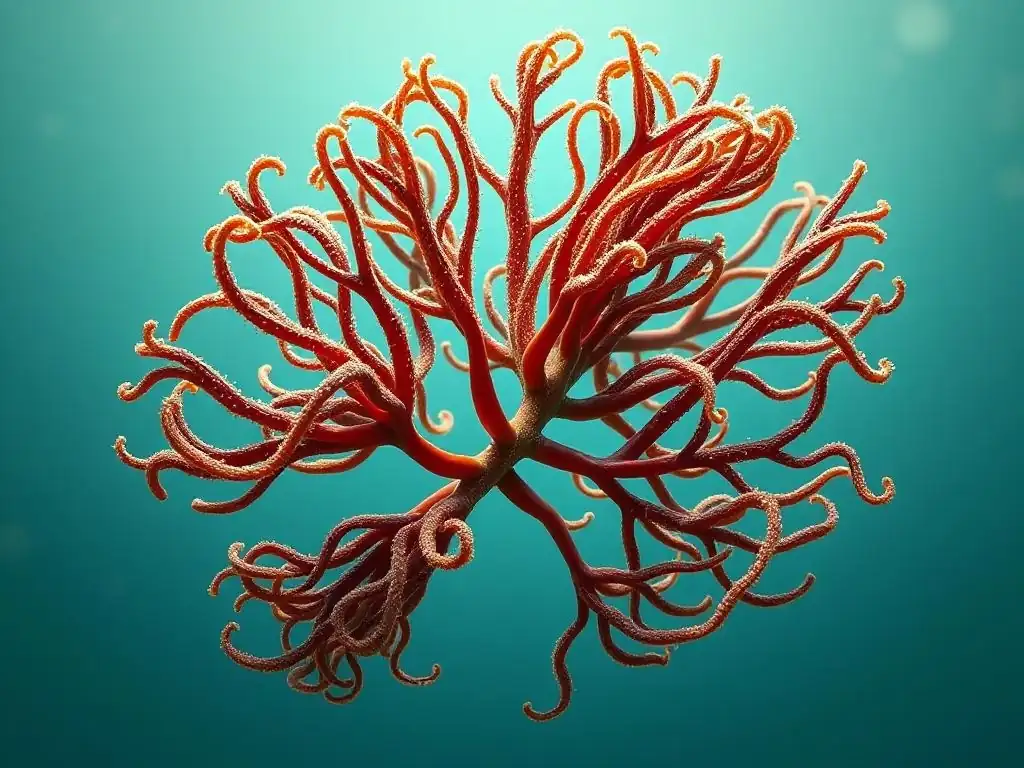
Chaetomorpha, commonly known as Chaeto, is a type of filamentous macroalgae widely utilized in saltwater aquariums, particularly in refugiums. Its spaghetti-like structure and rapid growth rate make it an ideal candidate for natural nutrient export. This method relies on cultivating a large mass of Chaeto in a dedicated section of the sump, where it actively absorbs nitrates, phosphates, and other dissolved organic compounds from the water column as it grows.
The principle behind Chaeto's effectiveness is straightforward: as the macroalgae photosynthesize and grow, they consume the very nutrients that fuel nuisance algae in the display tank. By periodically harvesting a portion of the Chaeto, these absorbed nutrients are physically removed from the aquarium system, preventing their re-release into the water. This continuous process helps maintain low and stable nutrient levels, fostering a healthier environment for corals and fish without the need for chemical filtration.
What is Chaetomorpha and How Does it Work?
Chaetomorpha linum, or simply Chaeto, is a non-invasive, non-calcareous green macroalgae characterized by its tangled, spaghetti-like strands. Unlike some other macroalgae, it doesn't attach to rocks or substrate, making it easy to manage and harvest. Its mechanism for nutrient removal is purely biological: it performs photosynthesis, converting light energy into chemical energy to fuel its growth. During this process, it avidly uptakes dissolved inorganic nutrients such as nitrates (NO3), phosphates (PO4), and even some trace elements like iron, directly from the surrounding water.
As water from the main display tank flows through the refugium where the Chaeto is housed, the algae act as a biological sponge, absorbing these compounds. The more robustly the Chaeto grows, the more nutrients it removes.
For example, in a moderately stocked 100-gallon reef tank with a 20-gallon refugium, a healthy ball of Chaeto can effectively reduce nitrates from 20 ppm down to under 5 ppm over a period of a few weeks, provided consistent growth and regular harvesting. This continuous absorption process is what makes Chaeto a popular choice for passive, yet effective, nutrient control in the Chaeto vs algae scrubber debate.
Benefits of Using Chaeto
Chaeto offers a multitude of benefits beyond just nutrient export, making it a comprehensive addition to many saltwater systems. Its natural growth patterns contribute to a more stable and diverse ecosystem within the aquarium.
Natural Nutrient Reduction
The primary advantage of Chaeto is its ability to naturally and continuously reduce nitrates and phosphates. As the Chaeto grows, it incorporates these compounds into its biomass. Regular harvesting of the excess growth physically removes these nutrients from the system, preventing their reintroduction. For instance, a well-established Chaeto refugium in a 150-gallon system can maintain nitrates consistently below 2 ppm and phosphates below 0.05 ppm, even with a moderate bioload. This natural, chemical-free approach ensures a more stable environment for sensitive corals and fish, avoiding the potential swings associated with chemical media.
Furthermore, Chaeto helps to buffer pH swings by consuming CO2 during the day, which can be beneficial in maintaining stable conditions, especially in systems with high calcification rates. Its nutrient consumption also directly competes with nuisance algae, significantly reducing the likelihood of outbreaks in the main display tank. This makes it a proactive solution for maintaining water clarity and preventing unsightly algae growth on rocks and sand.
Increased Biodiversity
A Chaeto refugium serves as an ideal habitat for a variety of beneficial microfauna, including copepods and amphipods. The dense, intricate structure of the Chaeto ball provides shelter, breeding grounds, and a continuous food source for these tiny crustaceans. These micro-organisms are crucial components of a healthy reef ecosystem, acting as detritivores that consume leftover food and waste, further contributing to water cleanliness.
The presence of a thriving pod population significantly enhances the biodiversity of the aquarium. These pods often reproduce rapidly within the refugium and are then carried into the main display tank by the water flow, becoming a natural and highly nutritious food source for many fish and corals. This reduces reliance on prepared foods for certain species and enriches the overall diet of the tank inhabitants, creating a more self-sustaining system.
Pod Production
The prolific production of copepods and amphipods within a Chaeto refugium is a notable benefit, particularly for aquarists keeping finicky eaters or those looking to boost the natural food web. Species like Mandarinfish (Synchiropus splendidus) and Dragonets (Synchiropus ocellatus) are obligate micropredators that rely heavily on a constant supply of live copepods. A well-established Chaeto refugium, perhaps 10-20% of the main tank's volume, can continuously seed the display tank with millions of pods each week, providing a sustainable food source that is often difficult to replicate with prepared foods alone.
This constant influx of live food not only supports specialized feeders but also benefits corals by providing a natural, highly bioavailable source of nutrition, enhancing their coloration and growth. The robust microfauna population also contributes to the overall stability and resilience of the ecosystem, acting as a living clean-up crew and a vital link in the food chain within the aquarium.
Setting Up a Chaeto Refugium
Establishing a Chaeto refugium is a relatively straightforward process, but proper setup is crucial for its effectiveness as a nutrient export method. Key considerations include the size and placement of the refugium, appropriate lighting, and adequate water flow to ensure optimal Chaeto growth.
Refugium Size and Placement
The ideal size for a Chaeto refugium is generally recommended to be at least 10% to 20% of the main display tank's volume for optimal nutrient removal and pod production. For example, a 100-gallon reef tank would benefit from a 10-20 gallon refugium section within the sump. Most commonly, refugiums are integrated into a multi-chamber sump system, where water flows from the skimmer section into the refugium before returning to the main tank. This placement ensures that the Chaeto receives nutrient-rich water after initial mechanical and protein skimming.
Alternatively, hang-on-back (HOB) refugiums are available for tanks without sumps, offering a compact solution. Regardless of placement, it's vital to ensure that light from the refugium does not spill into the main display tank, as this can encourage nuisance algae growth in the display. Using a reverse daylight cycle (refugium lights on when display lights are off) also helps stabilize pH by consuming CO2 during the dark hours of the main tank.
Lighting Requirements
Proper lighting is paramount for robust Chaeto growth, directly impacting its nutrient uptake efficiency. While Chaeto is not overly demanding, it thrives under a specific spectrum and intensity. Full-spectrum LED lights, particularly those with a strong emphasis on the red (620-700 nm) and blue (450-480 nm) wavelengths, are highly effective. Many aquarists opt for dedicated refugium lights, often in the 6500K-9000K range or specialized grow lights that offer a blend of red and blue.
The photoperiod is also critical; a reverse daylight cycle of 12 to 18 hours is commonly employed. This means the refugium light is on when the main display lights are off. This strategy helps to stabilize the pH of the aquarium by ensuring continuous photosynthesis and CO2 consumption, preventing significant pH drops during the night. A 30-watt LED refugium light is often sufficient to support healthy Chaeto growth in a 20-gallon refugium.
Flow Rate Considerations
Maintaining an appropriate flow rate through the refugium is essential for maximizing Chaeto's effectiveness. The water flow should be moderate, allowing the Chaeto to gently tumble and expose all parts of the algae to light and nutrient-rich water. Stagnant areas can lead to detritus buildup and localized nutrient depletion, hindering growth, while excessively high flow can break up the Chaeto ball and push detritus out into the display.
A flow rate that turns over the refugium volume 1 to 3 times per hour is generally effective. For example, a 20-gallon refugium would ideally have a flow rate of 20-60 gallons per hour. This ensures that the Chaeto continuously receives fresh, nutrient-laden water from the main system, optimizing its nutrient absorption capabilities and preventing die-off from lack of available nutrients.
Maintaining Your Chaeto Refugium
While a Chaeto refugium is relatively low-maintenance, consistent care is necessary to ensure its long-term effectiveness as a nutrient export method. This primarily involves regular harvesting and vigilance against potential issues like die-off.
Harvesting Chaeto
Regular harvesting is the single most important maintenance task for a Chaeto refugium. As the Chaeto grows, it absorbs nitrates and phosphates, effectively locking these nutrients into its biomass. To export these nutrients from the system, a portion of the Chaeto must be physically removed. The frequency of harvesting depends on the growth rate, which in turn is influenced by nutrient levels, lighting, and flow. Typically, aquarists harvest every 1 to 4 weeks.
When harvesting, it's recommended to remove about 25% to 50% of the Chaeto mass. This leaves enough established algae to continue growing vigorously while exporting a significant amount of nutrients. For example, harvesting 1 kilogram (approximately 2.2 pounds) of wet Chaeto can remove about 1 gram of nitrate and 0.05 grams of phosphate from the system, providing a tangible benefit to water quality. This consistent removal is what makes the Chaeto vs algae scrubber comparison a matter of preference for nutrient removal efficiency.
Preventing Die-Off
Chaeto die-off can occur due to several factors, including sudden shifts in water parameters, prolonged nutrient depletion, insufficient light, or lack of proper flow leading to detritus accumulation. Pale or white patches on the Chaeto indicate nutrient starvation or insufficient light, while slimy, brown areas suggest decay. To prevent die-off, ensure stable water parameters, especially temperature and salinity. Consistent and appropriate lighting for 12-18 hours daily is crucial; if nutrient levels drop too low due to other filtration methods, the Chaeto may starve, requiring a reduction in light or a temporary pause in other nutrient export methods.
Adequate flow through the refugium is also vital to prevent detritus from settling within the Chaeto ball, which can lead to anaerobic conditions and localized die-off. Periodically gently agitating the Chaeto or rinsing it in tank water during harvesting can help remove trapped detritus. Monitoring for the presence of pests like aiptasia or certain types of nuisance algae growing on the Chaeto can also prevent competition for light and nutrients, ensuring the Chaeto remains healthy and effective.
Algae Scrubber: The Mechanical Approach
An Algae Scrubber, often abbreviated as ATS (Algae Turf Scrubber), represents a highly effective and aggressive mechanical approach to nutrient export in saltwater aquariums. Unlike the more passive Chaeto refugium, an ATS actively cultivates a dense mat of fast-growing nuisance algae on a specially designed screen, typically illuminated by high-intensity lights. This method harnesses the incredible nutrient uptake capabilities of these algae, channeling their growth to a controlled environment where they can be easily harvested.
The operational principle of an Algae Scrubber involves pumping nutrient-rich water from the aquarium over a textured screen. As the water flows over the illuminated screen, various types of fast-growing algae colonize and proliferate, absorbing nitrates, phosphates, and other dissolved organics directly from the water. By regularly scraping and removing this algae mat, the absorbed nutrients are permanently exported from the system, offering a powerful and direct method of maintaining pristine water quality.
What is an Algae Scrubber and How Does it Work?
An Algae Scrubber (ATS) is essentially a highly efficient algal filter designed to grow and harvest nuisance algae in a controlled manner. It consists of a textured screen, typically made of plastic mesh, over which aquarium water is continuously flowed. The screen is intensely illuminated, usually with powerful LED lights, creating an ideal environment for the rapid proliferation of various green, brown, and red turf algae. These algae, often the same types that cause issues in the display tank, are extremely efficient at absorbing dissolved nitrates, phosphates, and other organic waste products from the water column.
As the algae grow into a thick mat on the screen, they consume vast quantities of nutrients. Periodically, typically once a week, the aquarist manually scrapes off the accumulated algae mat. This physical removal of the algal biomass directly exports the absorbed nutrients from the system, preventing their buildup and effectively starving out nuisance algae in the main display tank. This makes the ATS a powerful tool for nutrient control, often more aggressive than a Chaeto refugium, in the ongoing Chaeto vs algae scrubber debate.
Advantages of Using an Algae Scrubber
Algae Scrubbers offer several distinct advantages, particularly for systems with high bioloads or persistent nutrient issues. Their efficiency and controlled nature make them a preferred choice for many advanced aquarists.
Efficient Nutrient Removal
Algae Scrubbers are renowned for their highly efficient and rapid nutrient removal capabilities. The intense lighting and turbulent water flow over the textured screen create an optimal environment for aggressive algal growth, allowing the ATS to process significant amounts of nitrates and phosphates quickly.
Some studies and anecdotal evidence suggest that an ATS can remove nitrates at a rate 10 to 20 times higher per unit volume compared to traditional macroalgae like Chaeto. For instance, a well-tuned ATS on a 200-gallon heavily stocked tank can reduce nitrates from a problematic 40 ppm to under 5 ppm within a week, and phosphates from 0.2 ppm to below 0.05 ppm in a similar timeframe.
This aggressive nutrient stripping capability makes Algae Scrubbers particularly effective for tanks with high bioloads, those recovering from nutrient spikes, or systems aiming for ultra-low nutrient (ULNS) conditions for sensitive SPS corals. The rapid growth and subsequent harvesting ensure a continuous and powerful export of unwanted compounds, providing excellent control over water parameters.
Controlled Algae Growth
One of the most significant advantages of an Algae Scrubber is its ability to channel nuisance algae growth to a specific, easily accessible, and out-of-sight location. By providing an optimized environment for algae to grow (intense light, high flow, textured surface), the ATS acts as a "sacrificial" area where undesirable algae species are encouraged to proliferate. This effectively "starves out" nuisance algae in the main display tank, as the scrubber outcompetes them for available nutrients.
This controlled growth means that instead of battling unsightly hair algae or cyanobacteria on rocks and sand, aquarists can simply scrape the algae from the ATS screen. This not only maintains the aesthetic appeal of the display tank but also ensures that nutrient export is predictable and manageable. It's a proactive solution that turns a common aquarium problem into a powerful filtration asset, making the Algae Scrubber a strong contender in the Chaeto vs algae scrubber comparison.
Reduced Competition
Unlike a refugium, which typically occupies a section of the sump and can sometimes compete for space or even light with other sump components, an Algae Scrubber often has a smaller physical footprint relative to its nutrient removal capacity. Many ATS units are designed to be compact, fitting neatly within or beside a sump, or even as hang-on-back units that take up minimal space. This design reduces internal competition for valuable sump real estate.
Furthermore, an ATS does not introduce additional microfauna into the system in the same way a Chaeto refugium does. While Chaeto provides a habitat for copepods and amphipods, an ATS focuses solely on algal growth for nutrient export. This can be an advantage if the goal is purely aggressive nutrient stripping without altering the existing microfauna population or introducing potential food competition for certain tank inhabitants.
Setting Up an Algae Scrubber
Setting up an Algae Scrubber requires careful consideration of several factors to ensure optimal performance. These include choosing the correct screen size, providing appropriate lighting, and ensuring proper water flow and placement.
Choosing the Right Size
The effectiveness of an Algae Scrubber is directly proportional to the surface area of the screen where algae grow. General guidelines suggest a screen size of approximately 1 square inch of growth area per 1 to 2 gallons of tank water for heavily stocked reef tanks, or 0.5 to 1 square inch per gallon for moderately stocked tanks.
For example, a 100-gallon heavily stocked reef tank might require an ATS screen of 50 to 100 square inches. The specific dimensions of the screen (e.g., 10"x10" or 5"x20") will depend on the available space and the design of the scrubber (vertical waterfall, horizontal waterfall, or upflow).
It's often better to slightly oversize the scrubber than to undersize it, as it's easier to reduce light intensity or harvest frequency than to compensate for insufficient nutrient removal. The screen material itself should be rigid plastic mesh, roughened or "roughed up" with a coarse file or sandpaper to provide a textured surface for algae to attach to and grow on.
Lighting Requirements
Lighting is the driving force behind an Algae Scrubber's performance. High-intensity LEDs with a strong red (660 nm) and blue (450 nm) spectrum are ideal for promoting aggressive algae growth. While full-spectrum white light can work, specific red/blue LEDs are more efficient at targeting the photosynthetic needs of the turf algae.
The intensity of the light is critical; typically, 20 to 50 watts of LED power per 100 square inches of screen are recommended. The light should be positioned very close to the screen, often just a few inches away, to deliver high PAR (Photosynthetically Active Radiation) values, ideally in the range of 200-400 PAR at the screen surface.
The photoperiod for an ATS is usually longer than a display tank, often 16 to 18 hours per day. Like Chaeto, running the ATS lights on a reverse daylight cycle (on when display lights are off) can help stabilize pH by consuming CO2 during the main tank's dark hours, preventing nocturnal pH drops.
Water Flow and Placement
Consistent and turbulent water flow over the entire screen surface is crucial for an Algae Scrubber to function optimally. The flow ensures that all parts of the algae mat receive a constant supply of nutrient-rich water and prevents dry spots or areas of stagnant water, which can lead to localized die-off. A flow rate of approximately 30 to 50 gallons per hour per inch of screen width (for waterfall designs) is often recommended. The water should sheet evenly over the screen, not just trickle down in narrow streams.
Algae Scrubbers are typically placed in the sump, either as an internal component or an external hang-on unit. For internal sumps, they are often placed after the protein skimmer to ensure they receive nutrient-rich water. External designs offer flexibility for tanks without sumps or those with limited sump space. Ensuring proper plumbing to deliver and return water without splashing or noise is also an important aspect of placement.
Maintaining Your Algae Scrubber
Maintaining an Algae Scrubber is straightforward but requires consistent attention to ensure its continuous and efficient operation. The primary task involves regular harvesting of the algae mat, along with preventive measures to avoid common issues.
Harvesting Algae
Regular harvesting of the algae mat is the most critical maintenance task for an Algae Scrubber. As the algae grow, they absorb nitrates and phosphates, and this accumulated biomass must be physically removed from the system to export the nutrients. Harvesting typically occurs once a week, or every two weeks, depending on the growth rate and nutrient levels in the tank. The process involves turning off the water flow and lights to the scrubber, then using a stiff plastic scraper or brush to remove the algae mat from the screen.
It's important to remove as much of the algae as possible to maximize nutrient export. A 10"x10" scrubber, for example, can remove 50 to 100 grams of wet algae weekly in a high-nutrient system, demonstrating its significant impact on water quality. This consistent removal of the nutrient-laden algae is what makes the Algae Scrubber such an effective and direct method for nutrient control, offering a powerful alternative in the Chaeto vs algae scrubber discussion.
Preventing Failures
Several common issues can lead to Algae Scrubber inefficiency or failure. Insufficient or uneven water flow can cause dry spots on the screen, leading to algae die-off and reduced nutrient uptake. Regular inspection of the flow and cleaning of any flow-restricting components (like spray bars or tubing) is essential. Similarly, inadequate light intensity or an incorrect photoperiod will hinder algae growth; ensure lights are functioning optimally and clean any salt creep or debris from the light fixtures.
Another common problem is the screen becoming overgrown with dark, slimy algae (like cyanobacteria or diatoms) instead of the desired green turf algae. This often indicates nutrient imbalances, too little flow, or incorrect light spectrum. Addressing the underlying nutrient ratio, increasing flow turbulence, or adjusting the light can resolve this. It's also vital to clean the entire scrubber unit periodically to prevent detritus buildup within the housing, which could contribute to nutrient release if the algae dies.
Chaeto vs. Algae Scrubber: A Detailed Comparison
When choosing between Chaeto and an Algae Scrubber for nutrient export, aquarists often weigh various factors, including their efficiency in removing specific nutrients, ease of installation and maintenance, cost implications, and space requirements. Each method presents unique advantages and disadvantages, making the "best" choice highly dependent on individual tank needs and preferences.
Nutrient Removal Efficiency
Both Chaeto and Algae Scrubbers are effective at removing nitrates and phosphates, but they differ in their aggression and preferred nutrient ranges. Understanding these differences is key to selecting the appropriate method for your tank's specific nutrient profile.
Phosphate Removal
In terms of phosphate removal, Algae Scrubbers are generally considered more aggressive and efficient than Chaeto. The high-intensity lighting and turbulent flow in an ATS promote the growth of algae species that are highly effective at stripping phosphates from the water column, even at very low concentrations. A well-tuned ATS can consistently maintain phosphates below 0.01 ppm, which is often desired for sensitive SPS corals to prevent issues like burnt tips or browning.
Chaeto, while effective, tends to be less aggressive in phosphate uptake. It performs a more consistent, steady removal and is excellent for maintaining low to moderate phosphate levels (e.g., 0.02-0.05 ppm). If a tank has chronically high phosphate levels (e.g., above 0.1 ppm), an Algae Scrubber might bring them down faster, whereas Chaeto would be better suited for long-term maintenance once levels are manageable.
Nitrate Reduction
For nitrate reduction, both methods are highly capable, but again, their approach differs. An Algae Scrubber excels at rapid nitrate reduction, capable of quickly bringing down elevated nitrate levels in heavily stocked or high-nutrient systems. Its aggressive growth means it can process a large volume of nitrates in a short period. In a 200-gallon system with nitrates at 40 ppm, a properly sized and maintained ATS might reduce them to 5 ppm within a week.
Chaeto provides excellent long-term, steady nitrate reduction. It's a more passive method but highly effective for maintaining consistent low nitrate levels, especially in tanks with moderate bioloads. While it might take 2-3 weeks for a large Chaeto refugium to achieve a similar nitrate reduction as an ATS in the example above, its continuous action prevents nitrate buildup over time. The choice between Chaeto vs algae scrubber for nitrate depends on whether you need a quick fix for high levels or consistent, gentle maintenance.
Ease of Installation and Maintenance
The practical aspects of setting up and maintaining each system also play a significant role in determining the ideal choice for an aquarist. These include the initial complexity of installation and the ongoing effort required for long-term care.
Initial Setup
When comparing Chaeto vs algae scrubber in terms of initial setup, Chaeto refugiums generally offer a simpler and less complex installation. For a sump-based refugium, it often involves simply designating a chamber, adding a light fixture above it, and placing a ball of Chaeto inside. The plumbing is usually straightforward, typically just diverting water from another sump chamber. A basic starter Chaeto setup can be operational with minimal fuss and specialized tools.
Algae Scrubbers, on the other hand, can be more involved. They often require precise plumbing to ensure even water flow over the screen, specific screen preparation (roughening), and careful positioning of high-intensity lights. While commercial plug-and-play ATS units simplify the process, DIY versions can demand more engineering acumen and attention to detail to prevent issues like splashing or uneven growth.
Long-Term Maintenance
Long-term maintenance also differs between the two methods. Chaeto refugiums are relatively low-maintenance. The primary task is regular harvesting, which involves simply pulling out a portion of the Chaeto ball every 1-4 weeks. This process is generally clean and quick. Occasional rinsing of the Chaeto to remove trapped detritus is also beneficial. Chaeto is less prone to catastrophic failure and typically provides a more forgiving nutrient export method.
Algae Scrubbers, while highly effective, often require more hands-on and potentially messier maintenance. Weekly or bi-weekly scraping of the algae mat from the screen is essential, and this can involve removing slimy, odorous biomass. The entire scrubber unit may also need periodic cleaning to prevent salt creep, mineral deposits, or detritus buildup within the housing and plumbing, which can impede flow or light. This regular, more intensive cleaning schedule is a key consideration in the Chaeto vs algae scrubber comparison.
Cost Analysis
The financial investment for both initial equipment and ongoing operation is an important factor for many aquarists. Costs can vary significantly depending on whether commercial units or DIY solutions are chosen.
Equipment Costs
Initial equipment costs for a Chaeto refugium are generally lower. A basic setup might include a dedicated refugium chamber (if not already part of the sump), a moderate-power LED refugium light (e.g., 20-40W), and the Chaeto itself. The total initial investment for a functional Chaeto refugium could range from $50 to $150, assuming a pre-existing sump. Hang-on-back refugiums might be slightly more, but still relatively affordable.
Algae Scrubbers typically have a higher initial investment. Commercial ATS units, especially those with high-quality, high-intensity LED lights and robust construction, can range from $200 to over $1000, depending on the size and features. DIY ATS projects can reduce costs but still require investments in specialized high-power LEDs, pumps, and screen materials, often totaling $100-$400. This higher upfront cost for the ATS is a significant factor in the Chaeto vs algae scrubber decision.
Energy Consumption and Maintenance
In terms of ongoing energy consumption, Chaeto refugiums generally have lower energy demands. The LED lights used for Chaeto are typically moderate in wattage (e.g., 20-40W), leading to lower electricity bills. The pumps required for flow are also often small.
Algae Scrubbers, on the other hand, usually have higher energy consumption. The high-intensity LEDs required for aggressive algae growth consume more power (e.g., 50-100W or more for larger units). The pumps feeding the scrubber might also be more powerful to ensure turbulent flow. While the maintenance costs (replacement parts, etc.) are generally low for both, the higher energy draw of an ATS contributes to a higher operational cost over time.
Space Requirements
The physical footprint and placement flexibility of each nutrient export method can be a critical consideration, especially for aquarists with limited space in their sumps or around their tank.
Refugium Size vs. Scrubber Footprint
Chaeto refugiums typically require a dedicated horizontal space, usually a chamber within the sump. For optimal effectiveness, this chamber should be at least 10-20% of the display tank volume, meaning a 100-gallon tank might need a 10-20 gallon refugium. This can consume a significant portion of a standard sump, potentially limiting space for other equipment like protein skimmers, reactors, or return pumps. Hang-on-back refugiums are an alternative but still occupy space on the outside of the tank.
Algae Scrubbers can often be more space-efficient, particularly in terms of horizontal footprint. Many ATS designs are vertical, meaning they require less floor space in the sump and can be tucked into narrower sections. Some hang-on-back scrubber designs are also quite compact. While they might be taller, their smaller horizontal footprint can be a significant advantage in sumps with limited room. This difference in spatial needs is a key factor in the Chaeto vs algae scrubber comparison for many hobbyists.
Choosing the Right Nutrient Export Method
The decision between a Chaeto refugium and an Algae Scrubber is not a one-size-fits-all answer. Both are highly effective nutrient export methods, but the "best" choice depends heavily on specific tank characteristics, existing filtration, and individual preferences. Understanding these factors will guide you toward the most suitable solution for your aquarium.
Factors to Consider
Several key factors should influence your decision when contemplating Chaeto vs algae scrubber. These include the size and inhabitants of your tank, your current filtration setup, and your personal approach to aquarium maintenance and budget.
Tank Size and Livestock
For smaller tanks (under 50 gallons) or those with a light bioload, a Chaeto refugium might be sufficient and simpler to implement. Its steady, consistent nutrient removal is often adequate, and the added benefit of microfauna production can be a significant plus for smaller systems. In a 30-gallon tank, a 5-gallon refugium might easily keep nitrates below 5 ppm.
For larger tanks (over 100 gallons) or those with a high bioload (e.g., many fish, heavy feeding), an Algae Scrubber's aggressive and rapid nutrient export capabilities might be more necessary. It can quickly bring down elevated nutrient levels that a Chaeto refugium might struggle to manage efficiently. If you have sensitive SPS corals that demand ultra-low nutrient levels (e.g., phosphates below 0.01 ppm), an ATS often provides more precise control.
Existing Filtration
Consider your current filtration strategy. If you already have a robust protein skimmer and perhaps other chemical filtration (like GFO or biopellets), a Chaeto refugium might serve as an excellent complementary system. It offers biological diversity and continuous nutrient polishing, enhancing stability without overly aggressive nutrient stripping.
If your existing filtration is struggling to keep nutrient levels in check, or if you're battling persistent nuisance algae, an Algae Scrubber can provide a powerful boost. Its ability to rapidly consume large quantities of nitrates and phosphates can quickly bring parameters under control, acting as a primary nutrient export powerhouse. For instance, if your nitrates are consistently above 20 ppm despite a good skimmer, an ATS might be the necessary addition.
Personal Preference and Budget
Your personal preference for maintenance and your budget will also play a significant role. If you prefer a more natural, hands-off approach with simpler maintenance and are interested in boosting biodiversity, Chaeto might be your preferred choice. The initial cost is also generally lower.
If you are comfortable with more involved, potentially messier, weekly maintenance, prioritize aggressive nutrient removal, and have a higher initial budget, an Algae Scrubber could be more appealing. It offers unparalleled control over nutrient levels and can be a highly efficient solution for challenging nutrient situations. The decision between Chaeto vs algae scrubber often comes down to balancing these practical considerations.
Combining Chaeto and Algae Scrubber [Optional]
For aquarists seeking the ultimate in nutrient control and ecosystem stability, combining a Chaeto refugium with an Algae Scrubber can offer the best of both worlds. This synergistic approach allows each method to complement the other's strengths, creating a robust and highly effective filtration system.
An Algae Scrubber can be deployed to handle the bulk of aggressive nutrient stripping, quickly reducing and maintaining ultra-low levels of nitrates and phosphates. For example, the ATS might keep phosphates consistently at 0.005 ppm and nitrates at 1-2 ppm. Simultaneously, a Chaeto refugium, perhaps smaller than if it were the sole nutrient export method, can serve as a continuous 'pod farm,' providing a steady supply of copepods and amphipods to the display tank.
This enhances the natural food web, supports finicky eaters like Mandarinfish, and contributes to overall biodiversity and biological stability. The Chaeto also acts as a final polishing filter, ensuring any trace nutrients missed by the ATS are absorbed. This combination provides both aggressive nutrient export for pristine water and a thriving microfauna population for a robust ecosystem.
Troubleshooting Common Issues
Even with careful planning, both Chaeto refugiums and Algae Scrubbers can encounter issues that impact their effectiveness. Understanding common problems and their solutions is crucial for maintaining optimal nutrient export.
Addressing Slow Growth or Die-Off in Chaeto
Slow growth, pale coloration, or outright die-off in Chaeto are common concerns that indicate an imbalance in the refugium environment. If your Chaeto appears light green or almost white and growth is minimal, it often points to nutrient depletion (nitrates or phosphates are too low) or insufficient lighting.
In such cases, evaluate your tank's nutrient levels; if they are consistently near zero due to other filtration methods, consider reducing the photoperiod for the Chaeto light or temporarily pausing other nutrient export methods to allow nutrients to build up slightly. Alternatively, ensure your refugium light is adequately powerful and has the correct spectrum; a 20-30W LED is usually sufficient for a typical refugium.
If the Chaeto is turning brown, slimy, or melting, this can be caused by sudden parameter swings (e.g., salinity or temperature), high phosphates (which can inhibit Chaeto growth at extreme levels), or stagnant water leading to detritus accumulation within the ball. Check your water parameters for stability. Increase the flow through the refugium to ensure the Chaeto is gently tumbling and that detritus is not settling within its mass. Gently agitating or rinsing the Chaeto in old tank water during harvesting can also help remove trapped detritus and promote healthier growth.
Resolving Algae Scrubber Inefficiency or Excessive Growth
If your Algae Scrubber is not growing algae effectively, or if it's growing the wrong type of algae (e.g., dark, slimy cyanobacteria instead of green turf), several factors could be at play. No algae growth often indicates insufficient light intensity, too much water flow preventing algae from attaching, or nutrient levels that are too low for initial colonization.
Ensure your scrubber lights are powerful enough (e.g., 30-50W per 100 sq inches) and positioned close to the screen. Reduce the water flow slightly if it's blasting the screen, and ensure the screen surface is properly roughened to provide a foothold for the algae.
If the scrubber is growing slimy, dark algae (like cyano or diatoms) instead of a thick green mat, it often suggests a nutrient imbalance (e.g., very high nitrates but low phosphates, or vice versa), or inconsistent flow leading to anaerobic spots. Adjusting the light spectrum, ensuring turbulent and even water flow over the entire screen, and checking your nutrient ratios (aim for a nitrate-to-phosphate ratio that favors green algae, typically higher nitrates than phosphates) can help.
Excessive growth that is hard to manage might simply mean the scrubber is too large for your tank's bioload, and you can reduce the light intensity or frequency of harvesting. Regularly cleaning the entire unit and plumbing to prevent blockages is also crucial for preventing inefficiency or failure.
Frequently Asked Questions
What are the primary differences between a chaeto reactor and an algae scrubber for nutrient export?
The main difference lies in the macroalgae used: chaeto uses Chaetomorpha, while algae scrubbers cultivate a broader range of algae species on a screen. This difference affects nutrient uptake rates and required maintenance.
Which method, chaeto or algae scrubber, is generally easier to set up and maintain for a beginner aquarist?
Generally, chaeto reactors are considered easier for beginners. They require less frequent cleaning and the setup is often simpler compared to the more complex design of some algae scrubbers.
How do chaeto reactors and algae scrubbers differ in terms of space requirements within an aquarium setup?
Algae scrubbers can sometimes be more space-efficient as they can be mounted externally or integrated into sumps. Chaeto reactors require a dedicated space within the sump, potentially taking up more room.
Which method is more effective at removing specific nutrients like nitrates and phosphates from aquarium water?
Both are effective, but algae scrubbers are often considered more efficient at removing nutrients. This is due to the greater surface area for algae growth and the diverse algal species that can colonize the screen.
What are the potential drawbacks of using either chaeto or an algae scrubber in a reef tank environment?
Chaeto can sometimes release nutrients back into the water if not properly managed, and algae scrubbers can be prone to algal blooms in the display tank if the scrubber is not correctly sized and maintained.
Okay, here's a final reflection designed to close your article "Chaeto vs. Algae Scrubber: Which Nutrient Export Method Reigns Supreme for Your Tank?" and target the keyword "Chaeto vs algae scrubber," while following the structure you provided:
Final Reflection: The Enduring Quest for Tank Harmony
The debate of Chaeto vs. Algae Scrubber isn't just about choosing a method for nutrient export; it's a reflection of our ongoing commitment to creating thriving, balanced ecosystems within our glass boxes. As we've explored the strengths and weaknesses of each approach, it's clear that the "best" solution is deeply personal, tailored to the unique needs and characteristics of each individual aquarium.
This journey into the world of nutrient control has underscored the importance of understanding the delicate balance within our tanks. My own experiences with both methods have taught me that observation and adaptation are key to long-term success. The sea, once it casts its spell, holds one in its net of wonder forever.
- Jacques Cousteau. This quote reminds us that our aquariums are miniature oceans, deserving of our respect and diligent care.
Ultimately, the choice between Chaeto and an algae scrubber is a step towards a deeper understanding of our aquatic ecosystems. So, consider the insights shared here, reflect on the specific needs of your tank, and embark on your own journey to create a vibrant and healthy underwater world. Your dedication to understanding and nurturing this delicate balance will undoubtedly lead to a more rewarding and beautiful aquarium experience.
Ignite Your Reef Tank's Potential!
Thank you for diving deep into the world of nutrient export! We hope you found valuable insights to keep your aquarium thriving. Now, let's take that knowledge and turn it into action.
- Implement a nutrient export strategy in your tank, choosing either a chaeto reactor or algae scrubber setup based on your specific needs and resources. This is crucial for a healthy reef environment.
- Delve deeper by experimenting with lighting schedules or flow rates within your chosen setup to optimize nutrient uptake and algae growth.
- Share your experiences and progress photos with the Aquarium Mastery community – let’s learn and grow together!
Ready to witness the transformative power of balanced nutrients in your reef tank?