
Choosing the Right Substrate for Healthy Stem Plant Rooting

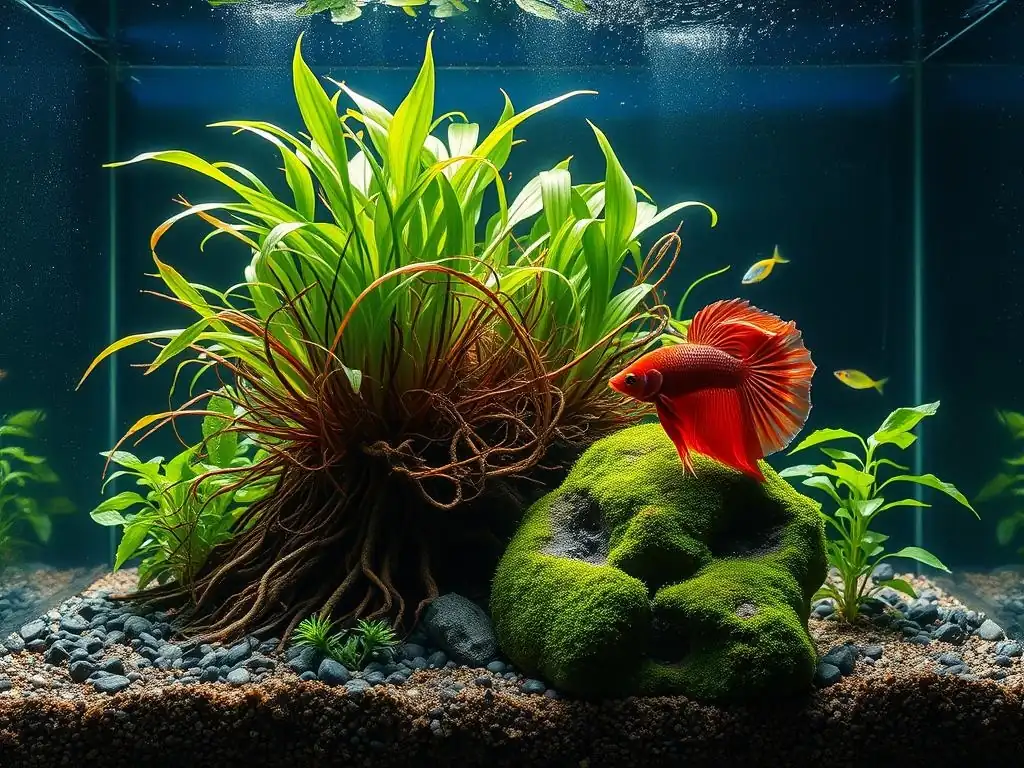
Welcome to Aquarium Mastery, where your aquatic dreams take root!
Ever wondered how to achieve that lush, vibrant carpet of stem plants in your aquarium? The secret lies beneath the surface! Dive into our comprehensive guide on choosing the right substrate for healthy stem plant substrate, and unlock the secrets to thriving aquatic foliage. Ready to transform your tank into a botanical masterpiece? Let's get started!
- Choosing the Right Substrate for Healthy Aquatic Plant Rooting
- Understanding the Importance of Substrate for Aquatic Plant Growth
- Types of Substrates for Healthy Aquatic Plant Rooting: A Comparison
- Factors to Consider When Selecting Substrate for Aquatic Plants
- Step-by-Step Guide to Preparing Substrate for Aquatic Plant Rooting
- Troubleshooting Common Substrate Issues with Aquatic Plants
- Best Practices for Maintaining a Healthy Substrate for Aquatic Plants
- Optimizing Aquatic Plant Rooting: Advanced Techniques
- Case Studies: Successful Aquascapes and Substrate Choices
- Conclusion: Choosing the Ideal Substrate for Thriving Aquatic Plants
-
Frequently Asked Questions
- How crucial is the substrate choice for stem plant health in an aquarium?
- What are some recommended substrates for promoting healthy stem plant rooting?
- Can I use regular gravel as a substrate for stem plants?
- How deep should the substrate be for optimal stem plant growth?
- How often should I replace or replenish the substrate in my planted aquarium?
- Final Reflection: Cultivating Roots, Nurturing Growth
- Unearth Your Aquarium's Hidden Potential!
Choosing the Right Substrate for Healthy Aquatic Plant Rooting
Understanding the Importance of Substrate for Aquatic Plant Growth
Why Substrate Matters for Aquatic Plants
The substrate in an aquarium serves as much more than just a decorative base; it is a critical component for the health and vitality of aquatic plants. For many species, especially stem plants, the substrate acts as their primary anchoring point, preventing them from floating away and allowing them to establish a stable root system. Beyond physical support, it is a vital reservoir for essential nutrients, facilitating nutrient uptake through the roots, which is crucial for lush growth and vibrant coloration.
Furthermore, a well-chosen healthy stem plant substrate fosters a thriving ecosystem of beneficial bacteria. These microorganisms play a pivotal role in the nitrogen cycle, converting harmful ammonia and nitrite into nitrate, a form of nitrogen that plants can readily absorb. This biological activity within the substrate contributes significantly to water quality and overall tank stability, directly impacting the health and resilience of your aquatic plants.
The Role of Substrate in Nutrient Delivery for Aquatic Plants
Substrate is fundamental to nutrient delivery, acting as a slow-release fertilizer and a buffer for root-bound plants. It stores vital macro-nutrients like nitrogen (N), phosphorus (P), and potassium (K), along with essential micro-nutrients such as iron (Fe), manganese (Mn), and boron (B). Active substrates, in particular, possess a high Cation Exchange Capacity (CEC), meaning they can attract and hold positively charged nutrient ions, preventing them from leaching into the water column and making them available to plant roots on demand.
For many aquatic plants, particularly heavy root feeders like Amazon Swords ( Echinodorus species) or Cryptocorynes ( Cryptocoryne species), the majority of their nutrient absorption occurs through their root systems. While some nutrients are absorbed from the water column, the substrate provides a stable and consistent supply, especially for elements like iron, which is predominantly root-absorbed. A depleted or inadequate substrate can lead to common deficiencies, such as chlorosis (yellowing of leaves due to iron deficiency) or stunted growth, highlighting the substrate's indispensable role in nutrient cycling and plant metabolism.
Impact of Substrate on Root Development and Anchoring
The physical characteristics of the substrate, such as grain size and density, directly influence root development and the plant's ability to anchor itself securely. A substrate with an appropriate grain size, typically between 1mm and 3mm, allows plant roots to easily penetrate and spread, forming a robust network. If the substrate is too fine, it can compact easily, restricting oxygen flow and potentially leading to anaerobic zones that can damage roots. Conversely, a substrate that is too coarse may not provide sufficient grip for plant roots, causing them to dislodge easily.
Proper anchoring is not only crucial for the physical stability of the plant but also for its long-term health. A plant that is constantly dislodged experiences stress and expends energy re-establishing itself, diverting resources from growth. A stable, healthy stem plant substrate promotes the development of strong, extensive root systems, which in turn enhances the plant's ability to absorb nutrients efficiently and withstand minor disturbances, leading to more vigorous and resilient growth.
Types of Substrates for Healthy Aquatic Plant Rooting: A Comparison
Inert Substrates: Pros and Cons for Aquatic Plants
Inert substrates, such as gravel and sand, are characterized by their inability to significantly alter water chemistry or provide nutrients directly to plants. Their primary function is to serve as an anchoring medium for aquatic plants and a surface for beneficial bacteria to colonize. They are generally more affordable and widely available than active substrates, making them a popular choice for budget-conscious aquarists or those with low-tech setups.
While inert substrates offer excellent drainage and are easy to clean, their main drawback is their lack of inherent nutritional value. This means that plants grown in inert substrates, especially heavy root feeders, will require consistent supplementation with root tabs or liquid fertilizers to thrive. Without proper nutrient dosing, plants may exhibit signs of deficiency, such as yellowing leaves or stunted growth, making the choice of a healthy stem plant substrate critical for long-term success.
Gravel: A Budget-Friendly Option
Aquarium gravel, typically ranging from 2mm to 5mm in size, is one of the most common and economical substrate choices. Its larger grain size allows for excellent water circulation throughout the substrate bed, which helps to prevent the formation of anaerobic pockets and supports a healthy population of beneficial aerobic bacteria. Gravel provides a sturdy base for anchoring most aquatic plants, especially those with robust root systems.
However, gravel's inert nature means it offers no nutritional value to plants. Aquarists using gravel for a healthy stem plant substrate must consistently supplement with root tabs placed near the plant roots, or dose comprehensive liquid fertilizers into the water column. While it is easy to clean with a gravel vacuum, its coarser texture can sometimes make it challenging for very fine-rooted plants to establish as securely as they might in a finer substrate.
Sand: Suitable for Specific Plant Types
Aquarium sand, with a grain size typically between 0.5mm and 2mm, offers a visually appealing, uniform appearance and is particularly well-suited for foreground carpeting plants and those that prefer a fine substrate for their delicate root systems. It provides excellent anchoring for plants once established and can give a very natural, riverbed aesthetic to an aquascape.
While sand is also an inert substrate, its fine particles can compact more easily than gravel, potentially leading to anaerobic zones if the substrate bed is too deep or not regularly disturbed. This compaction can hinder root penetration and lead to root rot in some plant species. To maintain a healthy stem plant substrate with sand, regular, gentle agitation or the introduction of burrowing snails, like Malaysian Trumpet Snails, can help aerate the substrate and prevent compaction. As with gravel, nutrient supplementation via root tabs is essential for plant growth.
Active Substrates: Boosting Aquatic Plant Growth
Active substrates, often referred to as aquasoils or planted tank soils, are specifically designed to provide a nutrient-rich environment for aquatic plants. Unlike inert substrates, they are not just for anchoring but actively contribute to plant health by releasing essential nutrients and buffering water chemistry. These substrates are typically composed of baked earth, volcanic ash, or clay, formed into porous granules.
The primary advantages of active substrates for a healthy stem plant substrate are their high Cation Exchange Capacity (CEC) and their ability to buffer water pH, typically lowering it to a slightly acidic range (e.g., pH 6.0-6.8), which is ideal for many demanding aquatic plant species and promotes nutrient availability. However, they are generally more expensive than inert options and may release ammonia initially, requiring more frequent water changes during the first few weeks of setup.
Aquasoil: A Nutrient-Rich Substrate for Demanding Plants
Aquasoil is a premium active substrate made from natural volcanic soil, baked into porous granules. It is highly regarded in the aquascaping community for its exceptional ability to support dense plant growth, particularly for demanding stem plants and carpeting species. Aquasoil boasts a high CEC, allowing it to absorb and slowly release macro and micronutrients directly to plant roots over an extended period, often lasting 2 to 3 years before significant nutrient depletion.
Beyond its nutrient-rich composition, aquasoil actively buffers the aquarium's pH to a slightly acidic range, typically between 6.0 and 6.8, which is optimal for the uptake of many plant nutrients and beneficial for species originating from soft, acidic waters. This buffering capacity also helps stabilize KH (carbonate hardness), creating a more consistent environment for sensitive plants. While it can initially leach ammonia, requiring diligent water changes during the cycling phase, its long-term benefits for a healthy stem plant substrate are undeniable, making it a cornerstone for high-tech, heavily planted aquariums.
Clay-Based Substrates: Iron-Rich Option
Clay-based substrates, such as laterite or specialized firing clays, are another category of active substrates known for their rich mineral content, particularly iron. Laterite, a common example, is a naturally occurring iron-rich soil that, when used in an aquarium, slowly releases iron and other trace elements crucial for plant photosynthesis and vibrant coloration, especially in red-leaved stem plants. These substrates are often used as a base layer beneath a cap of gravel or sand.
The advantage of clay-based substrates for a healthy stem plant substrate lies in their ability to provide a sustained supply of critical micronutrients, preventing common deficiencies like iron chlorosis (yellowing between leaf veins). While they may not have the same buffering capacity or comprehensive nutrient profile as some aquasoils, their targeted iron delivery makes them invaluable for plants like Cryptocoryne species or Echinodorus species, which are heavy iron feeders. They can be messy if disturbed, so proper capping is essential to prevent cloudiness.
Substrate Amendments: Optimizing Aquatic Plant Root Health
Substrate amendments are supplementary products designed to enrich an existing substrate, particularly inert ones, with essential nutrients or to enhance specific aspects of root health. They provide targeted nutrition directly to the plant roots, bypassing the water column and minimizing the risk of algae blooms that can occur from excess nutrients in the water. These amendments are crucial for maintaining a healthy stem plant substrate in setups that do not use active soils.
These amendments come in various forms, including compressed tablets, granular additives, or powdered supplements. They allow aquarists to tailor nutrient delivery precisely to the needs of their root-feeding plants, extending the lifespan of an inert substrate for planted tanks or providing an extra boost in active substrate systems as nutrients deplete. Proper application ensures that plants receive the specific elements they need for robust root development and overall vitality.
Root Tabs: Targeted Nutrient Delivery
Root tabs are perhaps the most popular form of substrate amendment, consisting of compressed pellets or capsules packed with essential plant nutrients, including macro-nutrients (N, P, K) and a full spectrum of micro-nutrients like iron, manganese, and magnesium. These tabs are designed to be inserted directly into the substrate near the roots of heavy root-feeding plants. This method ensures that nutrients are delivered exactly where they are needed, minimizing their release into the water column, which can otherwise fuel algae growth.
For aquariums utilizing inert substrates like gravel or sand, root tabs are indispensable for creating a healthy stem plant substrate. They provide a consistent, slow-release source of nutrition, typically lasting between 3 to 6 months depending on the brand and plant uptake. Regular replacement of root tabs, for instance, every quarter, ensures that plants like Echinodorus, Cryptocoryne, and many stem plants continue to receive the vital nourishment required for vigorous growth and preventing common deficiency symptoms.
Laterite: Enhancing Iron Availability
Laterite is a naturally occurring iron-rich clay that is highly valued as a substrate amendment for planted aquariums. It is typically used as a base layer beneath a cap of gravel or sand, or mixed into the existing substrate. Its primary benefit lies in its ability to slowly release iron and other trace minerals directly into the substrate, making them readily available for plant root uptake. Iron is a critical micronutrient for photosynthesis and the production of chlorophyll, essential for green foliage and vibrant red coloration in plants.
For plants that are heavy iron feeders or species known for their red pigmentation, such as Alternanthera reineckii or certain Ludwigia species, laterite can significantly enhance their health and coloration. A layer of laterite, typically 0.5 to 1 inch thick, provides a long-term source of iron, helping to prevent chlorosis and promote robust growth. While it doesn't provide all necessary nutrients, its targeted iron delivery is key to maintaining a healthy stem plant substrate for iron-demanding aquatic flora.
Factors to Consider When Selecting Substrate for Aquatic Plants
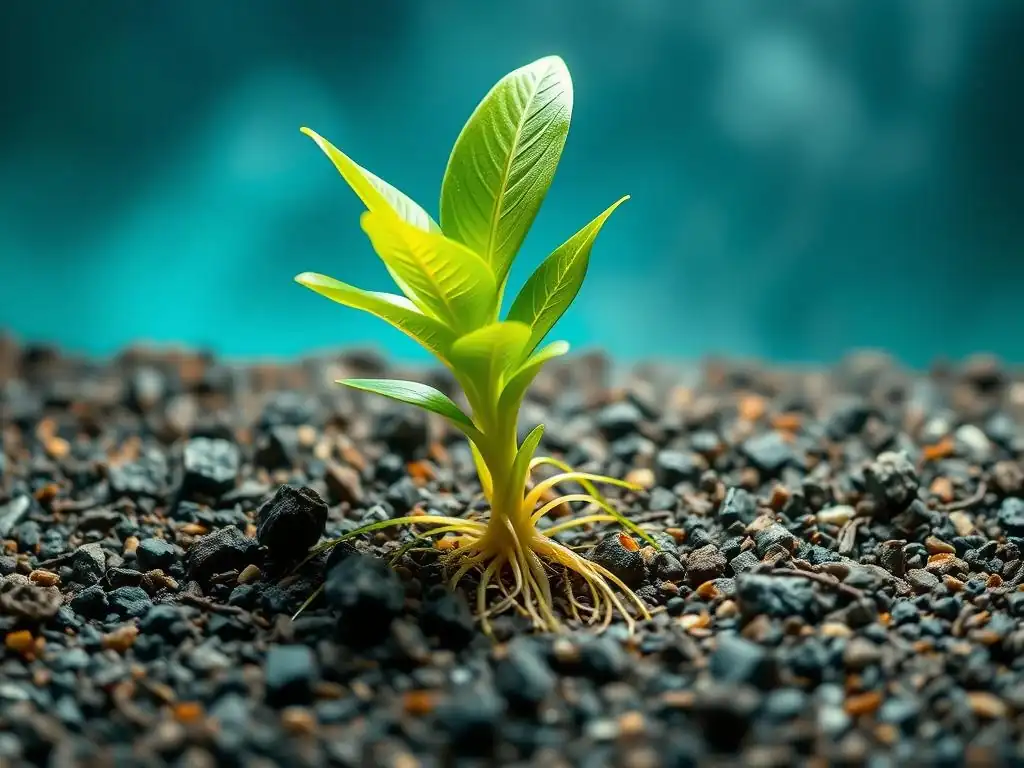
Nutrient Requirements of Specific Plant Species [Example: Swords vs. Crypts]
The nutrient requirements of different aquatic plant species vary significantly, making it a primary consideration when selecting a healthy stem plant substrate. Plants are broadly categorized into heavy root feeders, water column feeders, or those that absorb nutrients from both. For instance, species like Amazon Swords ( Echinodorus species) and Cryptocorynes ( Cryptocoryne species) are classic examples of heavy root feeders, relying extensively on nutrients absorbed directly from the substrate.
For Echinodorus species, a nutrient-rich substrate like aquasoil or an inert substrate supplemented with iron-rich root tabs is essential for their large, robust growth and to prevent deficiencies like yellowing leaves. Similarly, Cryptocoryne species thrive in substrates rich in iron and other micronutrients, often preferring a clay-based substrate or laterite as an amendment to prevent crypt melt. Understanding these specific needs is paramount; planting a heavy root feeder in a purely inert substrate without supplementation will likely result in stunted growth and poor health.
Grain Size and Density: Impact on Root Penetration and Anaerobic Zones
The grain size and density of a substrate play a critical role in how well plant roots can penetrate and spread, as well as the overall health of the substrate bed. A medium grain size, typically between 1mm and 3mm, is often considered ideal for most planted tanks. This allows for sufficient space between particles for roots to grow freely and for water to circulate, delivering oxygen to beneficial aerobic bacteria and preventing the formation of harmful anaerobic (oxygen-deprived) zones.
Fine substrates, such as sand (0.5mm-1mm), can compact easily, especially if the substrate bed is deep (exceeding 2-3 inches). This compaction reduces water flow and oxygen exchange, leading to anaerobic conditions that can produce toxic gases like hydrogen sulfide, identified by a foul, rotten-egg smell. While some plants tolerate sand, and burrowing snails can help, a dense, compacted substrate can hinder root development and lead to root rot. Conversely, overly coarse gravel (4-6mm) may not provide enough surface area for root attachment and nutrient retention, making it less ideal for a truly healthy stem plant substrate without significant amendments.
Water Chemistry: How Substrate Affects pH and KH
The chosen substrate can significantly impact the aquarium's water chemistry, particularly pH (acidity/alkalinity) and KH (carbonate hardness). Inert substrates like standard gravel or sand generally have little to no effect on these parameters, allowing the aquarist to maintain desired water chemistry through other means, such as water changes or buffering agents. This can be advantageous for keeping fish or plants that require very specific, stable water parameters.
In contrast, active substrates, especially aquasoils, are designed to buffer water parameters. They typically lower pH to an acidic range (e.g., pH 6.0-6.8) and reduce KH. This is highly beneficial for many demanding aquatic plants, which thrive in soft, acidic water conditions, as it enhances the availability and uptake of certain nutrients, particularly iron. However, this buffering effect can be problematic for fish species that require higher pH or harder water, necessitating careful consideration of the entire aquatic ecosystem when selecting a healthy stem plant substrate.
Long-Term Maintenance and Substrate Longevity
The long-term maintenance requirements and longevity of a substrate are important factors to consider, impacting both the effort required and potential future costs. Inert substrates like gravel and sand are virtually permanent; they do not degrade over time and can last for decades. Their maintenance primarily involves regular vacuuming to remove detritus and consistent supplementation of nutrients via root tabs or liquid fertilizers, as they do not provide inherent nutrition.
Active substrates, such as aquasoil, have a finite lifespan. Over time, typically 2 to 5 years depending on the brand and tank conditions, their buffering capacity diminishes, and their nutrient content becomes depleted. While they offer superior initial growth, they will eventually require replacement or significant supplementation, which can involve a complete tank breakdown and re-setup – a considerable undertaking. Therefore, assessing the desired level of ongoing maintenance and the willingness to undertake potential substrate replacement is crucial when choosing a healthy stem plant substrate.
Step-by-Step Guide to Preparing Substrate for Aquatic Plant Rooting
Cleaning and Rinsing Substrate Before Planting
Properly cleaning and rinsing your chosen substrate before introducing it to the aquarium is a crucial first step for establishing a healthy stem plant substrate. For inert substrates like gravel or sand, thorough rinsing is essential to remove fine dust, debris, and any manufacturing residues. Failure to do so will result in cloudy water that can persist for days or even weeks, potentially stressing fish and obscuring visibility. The process involves placing small batches of substrate into a clean bucket and rinsing them under running water, agitating constantly, until the water runs completely clear.
Active substrates, particularly aquasoils, require a different approach. While some brands recommend a light rinse to remove dust, many advise against aggressive rinsing as it can prematurely release nutrients and break down the delicate granular structure. For most aquasoils, simply placing them directly into the tank is sufficient, or a very gentle rinse in a colander. Always follow the manufacturer's specific instructions, as over-rinsing can compromise the integrity and effectiveness of a premium healthy stem plant substrate.
Layering Substrates for Optimal Nutrient Availability
Layering substrates is an advanced technique that can significantly enhance nutrient availability for aquatic plants, particularly in setups using inert top layers. This method typically involves placing a nutrient-rich base layer, such as laterite, specialized plant substrate, or even organic potting soil (capped to prevent leaching), at the bottom of the tank. This foundational layer serves as a long-term reservoir for essential macro and micronutrients, providing a consistent food source for deep-rooted plants.
Above the nutrient-rich base, an inert cap layer of gravel or sand, typically 2 to 3 inches (5-7.5 cm) thick, is added. This cap prevents the nutrient-rich lower layer from leaching excessive nutrients into the water column, which could otherwise lead to algae issues. It also keeps the substrate from becoming too messy if disturbed. This layered approach creates an ideal healthy stem plant substrate environment, allowing plants to access abundant nutrients through their roots while maintaining clear water and stable parameters.
Planting Techniques for Healthy Root Establishment
Proper planting techniques are vital for ensuring healthy root establishment and the long-term success of aquatic plants in their new substrate. For stem plants, it's generally best to trim off the bottom few sets of leaves, leaving a bare stem of about 1-2 inches (2.5-5 cm). This prevents buried leaves from rotting, which can lead to anaerobic conditions and nutrient spikes. Using long-handled tweezers, gently insert the bare stem deep enough into the substrate (at least 1.5-2 inches or 4-5 cm) to ensure it is firmly anchored and won't float up.
When planting groups of stem plants, it's often more beneficial to plant individual stems or very small clusters (2-3 stems) rather than large, dense bunches. This allows for better water circulation around each stem, improved light penetration to lower leaves, and more efficient nutrient uptake from the healthy stem plant substrate. Ensure the roots are spread out rather than bundled, as this encourages a more robust and widespread root system. After planting, a gentle misting or slow filling of the tank can help keep the substrate undisturbed.
Troubleshooting Common Substrate Issues with Aquatic Plants
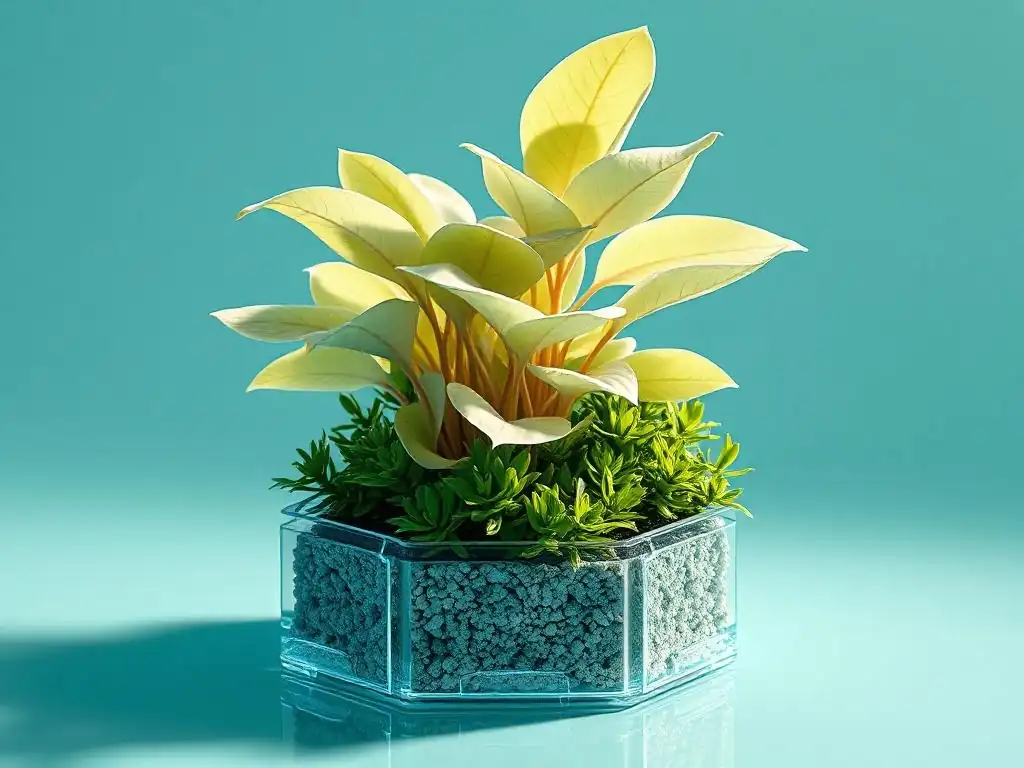
Nutrient Deficiencies: Identifying and Addressing Problems
Nutrient deficiencies are a common issue in planted aquariums and often manifest as visual symptoms in the plants themselves. Yellowing leaves, particularly older ones, can indicate a lack of nitrogen or potassium, while pale new growth or yellowing between leaf veins often points to an iron deficiency. Stunted growth, poor coloration, or holes in leaves are also strong indicators that plants are not receiving adequate nutrition from their healthy stem plant substrate.
Addressing nutrient deficiencies requires a systematic approach. If using an inert substrate, the most direct solution is to add root tabs directly into the substrate near the affected plants, providing targeted nutrition. For tanks with active substrates, consider if the substrate's nutrients are depleted (after 2-5 years) and supplement with liquid fertilizers or root tabs. Regularly monitoring plant health and understanding the symptoms of specific deficiencies allows for prompt intervention, ensuring your plants receive the optimal nourishment from their substrate.
Algae Growth in Substrate: Prevention and Control
Algae growth on or within the substrate is a common problem that often signals an imbalance in the aquarium environment, typically excess nutrients combined with excessive light. Green dust algae or brown diatom algae coating the substrate surface can indicate high levels of silicates or phosphates. More concerning is the presence of cyanobacteria (blue-green algae), which can form slimy mats on the substrate and often thrive in areas with poor circulation and high organic waste.
Prevention is key to controlling substrate algae. Ensure regular, light substrate vacuuming to remove detritus and uneaten food that contribute to nutrient buildup. Maintain a consistent photoperiod, typically 8-10 hours, and consider reducing light intensity if algae persists. Improving water circulation near the substrate can also help. For existing outbreaks, manual removal of algae, coupled with addressing the underlying nutrient imbalance through water changes and proper fertilization, is essential for maintaining a clean and healthy stem plant substrate.
Substrate Compaction: Solutions for Better Root Health
Substrate compaction occurs when fine-grained substrates like sand become densely packed, reducing the space between particles. This compaction restricts water flow and oxygen penetration, creating anaerobic zones within the substrate. These oxygen-deprived areas can lead to the production of toxic gases, such as hydrogen sulfide (identifiable by a rotten-egg smell), which are harmful to plant roots and beneficial bacteria, potentially causing root rot and overall plant decline.
To combat substrate compaction and promote a healthy stem plant substrate, several solutions can be employed. Periodically, gently 'fluff' the substrate with a chopstick or a specialized substrate tool, particularly around the base of plants, to aerate it without disturbing the roots too much. Introducing burrowing snails, such as Malaysian Trumpet Snails ( Melanoides tuberculata), is a natural and effective method. These snails constantly tunnel through the substrate, preventing compaction and improving oxygenation, which significantly benefits root health and nutrient cycling.
Best Practices for Maintaining a Healthy Substrate for Aquatic Plants
Regular Water Changes and Substrate Vacuuming
Regular water changes and judicious substrate vacuuming are foundational practices for maintaining a healthy substrate for aquatic plants. Water changes, typically 25-30% weekly, dilute accumulated pollutants and excess nutrients in the water column, which can indirectly impact substrate health by reducing the likelihood of algae outbreaks. While water changes replenish some trace elements, their primary role is pollutant removal.
Substrate vacuuming, performed carefully in a planted tank, removes detritus, uneaten food, and fish waste that settle on the substrate surface. This prevents the breakdown of organic matter into unwanted nutrients (like phosphates and nitrates) that can fuel algae or lead to anaerobic conditions. For heavily planted tanks, a light vacuuming that only skims the surface or targets open areas every 2-4 weeks is often sufficient, avoiding deep disturbance of the healthy stem plant substrate where beneficial bacteria and plant roots reside.
Fertilization Strategies for Long-Term Success
Effective fertilization strategies are paramount for the long-term success of a planted aquarium, especially when maintaining a healthy stem plant substrate. While active substrates initially provide ample nutrients, their reserves deplete over time, typically after 2-5 years. Inert substrates, by nature, always require external nutrient supplementation. A balanced approach often involves a combination of root tabs and liquid fertilizers, tailored to the specific needs of your plants and the type of substrate used.
For heavy root feeders in any substrate, regular insertion of root tabs (e.g., every 3-6 months) ensures a consistent supply of essential macro and micronutrients directly to their roots. For plants that absorb nutrients from the water column or to supplement the overall nutrient profile, liquid fertilizers containing NPK and trace elements should be dosed regularly, often 2-3 times per week. Monitoring plant growth and adjusting dosing accordingly prevents deficiencies and maintains a vibrant, healthy stem plant substrate environment.
Monitoring Plant Health for Early Signs of Substrate Problems
Vigilant monitoring of your aquatic plants' health serves as an excellent early warning system for potential substrate problems. Plants are living indicators of their environment, and subtle changes in their appearance can signal issues with nutrient availability, compaction, or water chemistry within the substrate. Look for symptoms such as yellowing leaves (chlorosis), stunted or distorted new growth, holes in older leaves, melting leaves, or a general lack of vigor and vibrant coloration.
For instance, if stem plants at the back of the tank, which rely heavily on root uptake, begin to show signs of iron deficiency (pale new growth, yellowing between veins), it could indicate a depletion of iron in your healthy stem plant substrate. Similarly, if plants are struggling to anchor or if their lower leaves are rotting, it might suggest substrate compaction or anaerobic zones. Promptly identifying these signs allows for timely intervention, such as adding root tabs, aerating the substrate, or adjusting your fertilization regime, preventing minor issues from escalating into major problems.
Optimizing Aquatic Plant Rooting: Advanced Techniques
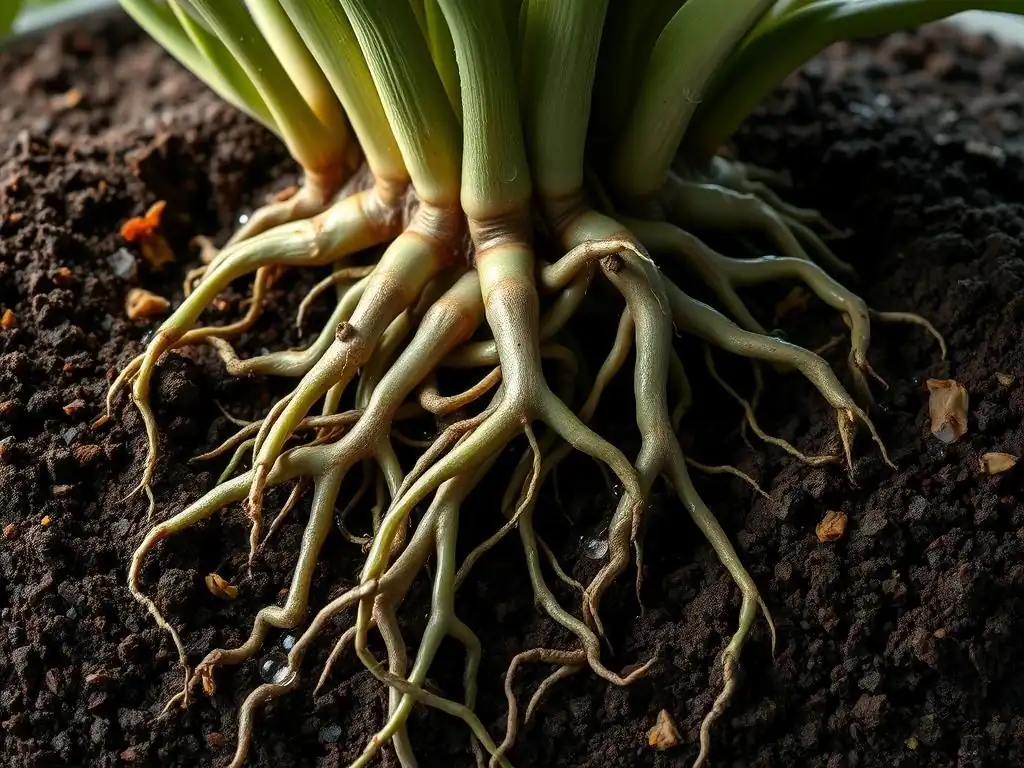
Using CO2 Injection for Enhanced Nutrient Uptake
Carbon dioxide (CO2) injection is an advanced technique widely utilized in high-tech planted aquariums to significantly enhance plant growth and, consequently, root development. CO2 is a fundamental component for photosynthesis, the process by which plants convert light energy into chemical energy. When CO2 levels in the water column are optimized (typically 20-30 parts per million), plants can photosynthesize more efficiently, leading to faster and more robust overall growth.
This increased photosynthetic activity directly translates to stronger and more extensive root systems. A plant that is photosynthesizing vigorously produces more energy, which it can then allocate to developing a larger and more efficient root mass. A robust root system, in turn, allows the plant to absorb available nutrients from the healthy stem plant substrate more effectively, creating a positive feedback loop that leads to healthier, more resilient plants capable of thriving in challenging conditions.
Light Intensity and its Effect on Root Development
While roots themselves reside in darkness, the intensity and quality of light provided to the aquatic plants significantly influence their overall energy production through photosynthesis, which in turn impacts root development. Adequate light intensity, typically measured in PAR (Photosynthetically Active Radiation), provides the necessary energy for plants to grow vigorously. For medium to high-light stem plants, PAR values often range from 30 to 50 µmol/m²/s or more.
Plants under optimal lighting conditions produce more carbohydrates and energy, which are then transported throughout the plant, including to the roots. This energy fuels the growth of new root hairs, the extension of existing roots, and the overall maintenance of the root system. Conversely, insufficient light will lead to stunted growth, including poor root development, as the plant lacks the energy to invest in a healthy root mass, making it less efficient at extracting nutrients from the healthy stem plant substrate.
The Role of Beneficial Bacteria in the Substrate
Beneficial bacteria play an indispensable role in maintaining a healthy and productive substrate for aquatic plants. The substrate bed is a primary habitat for nitrifying bacteria, such as Nitrosomonas and Nitrobacter species, which perform the critical steps of the nitrogen cycle. These bacteria convert toxic ammonia (from fish waste and decaying organic matter) into nitrite, and then nitrite into less harmful nitrate, which plants can readily absorb as a nitrogen source.
Beyond the nitrogen cycle, a diverse microbial community within a healthy stem plant substrate aids in the mineralization of organic matter, breaking down decaying plant material and fish food into forms that plants can utilize. Some bacteria can also facilitate the availability of certain nutrients, such as iron, by converting them into plant-available forms. A mature, well-established bacterial colony creates a stable and nutrient-rich environment around plant roots, promoting vigorous growth and overall ecosystem health.
Case Studies: Successful Aquascapes and Substrate Choices
Example 1: Dutch Style Tank with Aquasoil
A prime example of successful substrate choice for demanding plants is a typical Dutch-style aquascape, renowned for its dense, vibrant plant arrangements and minimal hardscape. These tanks often feature a multitude of demanding stem plants, such as various Rotala species ( R. rotundifolia, R. macrandra), Ludwigia species ( L. repens, L. palustris), and Alternanthera reineckii. These plants are heavy feeders and require consistent nutrient availability, which is precisely what aquasoil delivers.
For a 60-gallon Dutch tank, approximately 20-30 lbs (9-13 kg) of premium aquasoil would typically be used, providing a substantial bed of 2.5 to 3 inches (6-7.5 cm) in depth. This healthy stem plant substrate offers a high Cation Exchange Capacity (CEC), buffering the water to an ideal slightly acidic pH (e.g., 6.5) and slowly releasing essential macro and micronutrients over several years. This nutrient-rich and pH-stable environment, combined with high lighting and CO2 injection, allows these stem plants to exhibit their full potential, displaying intense colors and robust, bushy growth that defines the Dutch style.
Example 2: Low-Tech Tank with Gravel and Root Tabs
A successful low-tech aquarium demonstrates that thriving aquatic plants are achievable even without expensive active substrates. Consider a 20-gallon community tank featuring hardy, less demanding plants such as Anubias barteri, Java Fern ( Microsorum pteropus), and the versatile stem plant Hygrophila polysperma. This setup might utilize 15 lbs (7 kg) of inert, medium-grain aquarium gravel as its primary substrate, providing a stable anchoring point for the plants.
To ensure a healthy stem plant substrate for the Hygrophila polysperma and other root feeders, root tabs are strategically placed near the base of these plants every 3-4 months. These tabs, rich in iron, potassium, and other trace elements, directly supplement the gravel, providing localized nutrition where it's most needed. This approach, combined with regular water changes and a balanced liquid fertilizer dose for water column feeders, enables the plants to flourish without the need for CO2 injection or frequent, complex maintenance, proving the effectiveness of targeted substrate supplementation.
Conclusion: Choosing the Ideal Substrate for Thriving Aquatic Plants
Selecting the right substrate is a foundational decision for any successful planted aquarium, directly impacting the health, growth, and vibrancy of your aquatic plants. It serves as far more than just a decorative base; it's a vital anchoring point, a critical nutrient reservoir, and a thriving home for beneficial bacteria. Whether you opt for the nutrient-rich buffering capabilities of active substrates like aquasoil or the cost-effectiveness and versatility of inert options like gravel or sand, your choice must align with the specific needs of your chosen plant species, your budget, and your desired level of maintenance.
Ultimately, there is no single "best" substrate for a healthy stem plant substrate; the ideal choice is one that provides consistent, tailored nutrition, promotes robust root development, and contributes to a stable water chemistry for your specific aquatic flora. By understanding the unique properties of each substrate type and employing best practices for preparation and maintenance, aquarists can create a thriving underwater landscape where their aquatic plants, especially stem plants, can flourish for years to come.
Frequently Asked Questions
How crucial is the substrate choice for stem plant health in an aquarium?
Substrate choice is extremely important for stem plant health. The right substrate provides essential nutrients and anchorage for strong root development. Poor substrate can lead to stunted growth and even plant death.
What are some recommended substrates for promoting healthy stem plant rooting?
Several substrates work well, including aquarium soil, specialized plant substrates, and inert gravel supplemented with root tabs. The best choice depends on the specific needs of your stem plants and your overall tank setup. Consider your budget and experience level too.
Can I use regular gravel as a substrate for stem plants?
While possible, using regular gravel alone is generally not ideal. It lacks the necessary nutrients that stem plants need for robust growth. Supplementation with root tabs or liquid fertilizers is often required when using inert gravel.
How deep should the substrate be for optimal stem plant growth?
A substrate depth of at least 2-3 inches is recommended for most stem plants. This allows sufficient space for root development and prevents plants from easily being uprooted. Deeper substrates can also help with nutrient buffering.
How often should I replace or replenish the substrate in my planted aquarium?
It depends on the substrate type. Aquarium soil often needs replacing every 1-2 years as its nutrient content depletes. Inert substrates don't need replacing but may require periodic supplementation with root tabs. Regular water changes also help maintain substrate health.
Final Reflection: Cultivating Roots, Nurturing Growth
The journey to understanding healthy stem plant substrate is more than just a technical exercise; it's an investment in the vibrant ecosystems we create within our aquariums. As we've explored the nuances of each substrate option, from the nutrient-rich to the inert, it becomes clear that the foundation we lay directly impacts the health and vitality of our aquatic flora, and by extension, the entire aquatic environment.
This exploration has deeply influenced my perspective on the interconnectedness within aquariums. Witnessing the transformative power of a well-chosen substrate, fostering robust root systems and lush growth, is a constant reminder of the delicate balance we strive to achieve. The best time to plant a tree was 20 years ago. The second best time is now.
This ancient proverb resonates deeply, reminding us that the effort we put into selecting the right substrate today will yield flourishing results for years to come.
Now, as you consider the information presented, I encourage you to reflect on your own aquatic aspirations. What kind of underwater world do you envision? What role will your stem plants play in that vision? Armed with this knowledge, take the leap and choose the substrate that will best support your plants' roots, and in doing so, nurture the beauty and health of your entire aquarium ecosystem. Let's cultivate not just plants, but thriving aquatic landscapes.
Thank you for exploring the world of aquarium substrates with us! We hope you've gained valuable insights into selecting the best foundation for your stem plants. Now, let’s translate that knowledge into action and create a thriving aquatic ecosystem.
Here's how you can take your aquarium to the next level:
- Immediately assess your current substrate. Is it truly supporting your stem plants? Make notes about areas that need improvement.
- Explore a DIY substrate blend using locally sourced, organic materials for a truly personalized aquarium experience.
- Share your substrate journey! What challenges have you faced, and what solutions have you discovered?
Ready to dig in and give your stem plants the roots they deserve?