
Substrate Additives: Boosting Plant Growth from the Ground Up

Welcome to Aquarium Mastery, where we help you unlock the secrets to thriving aquatic ecosystems!
Ever wondered if there's a way to give your aquarium plants a real boost, right from the ground up? Dive in and discover the power of the best aquarium substrate additives! We're about to explore how these unsung heroes can transform your planted tank into a vibrant underwater paradise. Ready to grow?
- Understanding Aquarium Substrate and its Importance for Planted Tanks
- What are Aquarium Substrate Additives?
-
Types of Substrate Additives for Planted Aquariums
- Clay-Based Substrate Additives: Benefits and Uses
- Humic Acid Additives: Promoting Plant Root Development
- Iron-Rich Additives: Addressing Iron Deficiencies in Aquatic Plants
- Beneficial Bacteria Additives: Establishing a Healthy Substrate Ecosystem
- Root Tabs: Targeted Nutrient Delivery
- Liquid Fertilizers: Comprehensive Nutrient Supplementation
- Benefits of Using Aquarium Substrate Additives
- Choosing the Right Substrate Additives for Your Planted Aquarium
- How to Use Aquarium Substrate Additives Effectively
- Potential Problems and Solutions When Using Substrate Additives
- DIY Substrate Enrichment: Creating a Nutrient-Rich Base
- Long-Term Substrate Management and Additive Replenishment
- Achieving Optimal Plant Growth with Aquarium Substrate Additives: A Summary
-
Frequently Asked Questions
- What are substrate additives and why should I use them in my aquarium?
- What types of substrate additives are best for planted aquariums?
- How do I choose the right substrate additive for my specific aquarium plants?
- Can I use too many substrate additives, and what are the potential consequences?
- How often should I replace or replenish my aquarium substrate additives?
- Final Reflection: Nurturing Growth, Rooted in Innovation
- Unleash Your Plants' Potential!
Understanding Aquarium Substrate and its Importance for Planted Tanks
Why Substrate Matters for Aquatic Plant Health
The substrate in a planted aquarium serves as much more than just a decorative base; it is the cornerstone of a thriving aquatic plant ecosystem. For many plant species, particularly those classified as heavy root feeders like Amazon Swords ( Echinodorus spp.) and Cryptocoryne species, the substrate acts as their primary anchor, providing physical stability against water currents and fish activity. Beyond anchorage, a well-chosen substrate functions as a vital nutrient reservoir, holding essential minerals and trace elements that plants absorb directly through their root systems.
Furthermore, the substrate plays a crucial role in water chemistry, influencing parameters such as pH and buffering capacity through cation exchange. It provides a vast surface area for beneficial bacteria to colonize, which are instrumental in the nitrogen cycle and in breaking down organic waste into forms usable by plants. A healthy, nutrient-rich substrate directly translates to robust plant growth, vibrant coloration, and overall ecological balance within the aquarium, setting the foundation for a successful planted tank.
The Role of Nutrients in Substrate for Plant Growth
Aquatic plants, like their terrestrial counterparts, require a balanced array of nutrients for optimal growth. These include macronutrients such as nitrogen (N), phosphorus (P), and potassium (K), which are needed in larger quantities for general growth, energy transfer, and disease resistance. Equally critical are micronutrients, including iron (Fe), manganese (Mn), zinc (Zn), boron (B), molybdenum (Mo), copper (Cu), chlorine (Cl), cobalt (Co), and nickel (Ni), though required in smaller amounts, they are indispensable for specific enzymatic functions and chlorophyll production.
For many aquatic plants, particularly heavy root feeders, the substrate is the primary source of these essential nutrients. Roots actively absorb dissolved ions and chelated compounds from the substrate pore water. For instance, iron, vital for chlorophyll synthesis, is often more readily available to root-feeding plants when supplied through the substrate compared to the water column, where it can quickly oxidize and become unavailable. Studies have shown that plants like Vallisneria spiralis can derive up to 80% of their nitrogen and phosphorus from the substrate, highlighting the critical role of a nutrient-rich base.
What are Aquarium Substrate Additives?
Defining Substrate Additives for Planted Aquariums
Aquarium substrate additives are supplementary materials specifically designed to enhance the nutritional content and physical properties of an aquarium substrate. Unlike inert substrates such as plain gravel or sand, these additives are formulated to provide essential nutrients, improve cation exchange capacity (CEC), or foster beneficial microbial activity within the root zone. They come in various forms, including powders, granules, clays, and compressed pellets (root tabs), each tailored to address specific plant needs or substrate deficiencies.
The primary goal of incorporating these additives is to transform an otherwise inert or nutrient-poor substrate into a biologically active and nutrient-rich environment conducive to vigorous aquatic plant growth. They act as slow-release nutrient reservoirs, making vital elements available to plants over extended periods, thereby reducing the need for frequent liquid fertilization or preventing nutrient deficiencies in the long term. These Best aquarium substrate additives are a cornerstone for aquarists aiming for lush, healthy planted tanks.
The Purpose of Using Additives in Aquarium Substrates
The main purpose of using additives in aquarium substrates stems from the inherent limitations of many common substrate materials. While gravel and sand provide excellent anchorage, they offer minimal nutritional value to plants. Over time, even nutrient-rich soils can become depleted of essential elements due to plant uptake and water changes. Substrate additives address these issues by replenishing or introducing specific nutrients directly into the root zone, where they are most efficiently absorbed by root-feeding plants.
Moreover, additives like certain clays can significantly increase the substrate's cation exchange capacity (CEC), which is its ability to hold onto positively charged nutrient ions (like ammonium, potassium, and magnesium) and release them to plant roots as needed. This prevents nutrients from leaching into the water column, where they can fuel undesirable algae growth. By creating a stable, long-term nutrient supply and improving the substrate's ability to retain and exchange nutrients, these Best aquarium substrate additives ensure sustained plant health and reduce maintenance complexities, making them indispensable for serious aquascapers.
Types of Substrate Additives for Planted Aquariums
Clay-Based Substrate Additives: Benefits and Uses
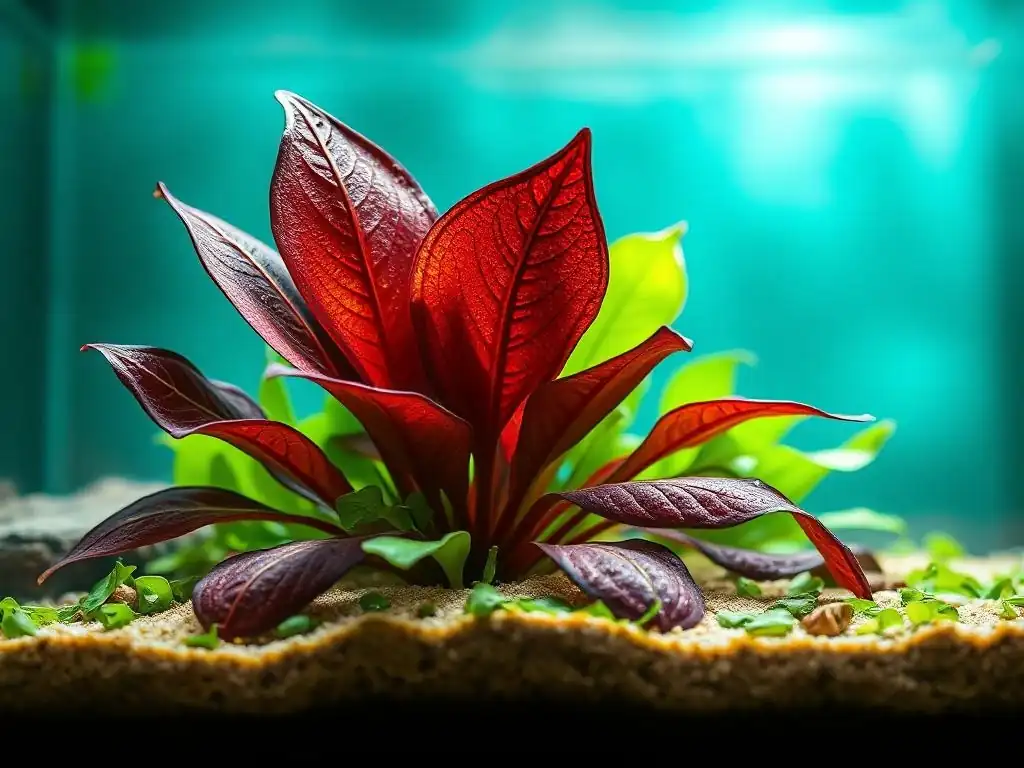
Clay-based substrate additives are highly valued in planted aquariums due to their exceptional cation exchange capacity (CEC) and ability to bind and slowly release nutrients. Their porous structure also provides an ideal habitat for beneficial bacteria, further enhancing the substrate's biological activity. These clays typically have a high surface area, which allows them to adsorb various ions, preventing their rapid leaching into the water column and ensuring a steady supply for plant roots.
Many commercial plant substrates incorporate various forms of clay, such as calcined clay, to improve their long-term nutrient-holding capabilities. They help stabilize pH in the root zone and can buffer against sudden changes, creating a more consistent environment for sensitive plant roots. The inclusion of clay ensures that vital nutrients remain accessible to plants over extended periods, making them a fundamental component for robust aquatic plant growth.
Montmorillonite Clay for Nutrient Retention
Montmorillonite clay, a specific type of smectite clay, is highly prized for its remarkable swelling properties and exceptionally high cation exchange capacity, often ranging from 80 to 150 meq/100g. This characteristic allows it to effectively absorb and hold onto positively charged nutrient ions such as ammonium (NH4+), potassium (K+), calcium (Ca2+), and magnesium (Mg2+), preventing their loss through diffusion into the water column. When added to an aquarium substrate, montmorillonite acts as a "nutrient bank," slowly releasing these stored nutrients as plants demand them.
A common example of montmorillonite clay used in aquariums is bentonite clay. When mixed into the substrate, it not only enhances nutrient retention but also improves the overall structure of the substrate, promoting better aeration and root penetration. Its ability to buffer pH slightly in the root zone and provide essential trace elements makes it an excellent choice for long-term nutrient management, contributing significantly to the health and vigor of root-feeding aquatic plants.
Laterite Substrate Additives: Iron-Rich Options
Laterite is a naturally occurring, iron-rich clay commonly found in tropical and subtropical regions, characterized by its distinctive red or reddish-brown color due to high concentrations of iron oxides. In the context of planted aquariums, laterite is specifically valued for its ability to provide a sustained source of iron (Fe) to aquatic plants, a crucial micronutrient for chlorophyll production and preventing chlorosis (yellowing of leaves). Many premium aquatic plant soils, such as ADA Aqua Soil, contain laterite-like components to ensure a rich base for plant growth.
When incorporated as a base layer or mixed into the main substrate, laterite slowly releases its iron content, making it bioavailable to plant roots over many months, if not years. This slow-release mechanism is particularly beneficial as it prevents sudden spikes of iron in the water column that could otherwise lead to algae issues. Beyond iron, laterite can also contain other trace elements like manganese and aluminum, further enriching the substrate's nutritional profile and supporting the robust growth of heavy root feeders like Cryptocoryne and Echinodorus species.
Humic Acid Additives: Promoting Plant Root Development
Humic acid additives are derived from the decomposition of organic matter, typically from sources like peat, lignite, or leonardite. These complex organic compounds are highly beneficial in planted aquariums for several reasons, primarily their ability to promote robust root development and enhance nutrient availability. Humic acids chelate essential micronutrients, particularly iron, making them more soluble and readily absorbable by plant roots. This chelation process prevents iron from precipitating out of solution and becoming unavailable, even in slightly alkaline conditions.
Beyond nutrient chelation, humic acids directly stimulate root growth, leading to more extensive and healthier root systems that can efficiently absorb nutrients from the substrate. They also contribute to improving the substrate's structure, enhancing its cation exchange capacity, and providing a slight buffering effect on pH. For instance, incorporating humic substances can increase the root mass of plants like Hygrophila polysperma by up to 20-30% in controlled studies, demonstrating their significant impact on foundational plant health.
Iron-Rich Additives: Addressing Iron Deficiencies in Aquatic Plants
Iron is a critical micronutrient for all aquatic plants, playing a vital role in chlorophyll synthesis, enzyme activation, and overall metabolic processes. Without sufficient iron, plants exhibit symptoms of chlorosis, characterized by the yellowing of new leaves while older leaves remain green, and stunted growth. Iron-rich additives are specifically formulated to address and prevent these deficiencies, ensuring plants maintain vibrant green (or red) coloration and strong growth.
These additives typically come in granular form or are incorporated into root tabs, containing various forms of iron such as iron gluconate or chelated iron (e.g., Fe-EDTA, Fe-DTPA). Chelated forms are particularly effective as the chelating agent binds the iron molecule, keeping it soluble and bioavailable to plants even in conditions where unchelated iron would quickly precipitate. For red-pigmented plants like Alternanthera reineckii, a consistent supply of iron is paramount to intensify their coloration, as iron is a precursor in the pathway for red pigment production.
Beneficial Bacteria Additives: Establishing a Healthy Substrate Ecosystem
Beneficial bacteria additives introduce or bolster populations of microorganisms crucial for a healthy and stable substrate ecosystem. These bacteria perform a variety of essential functions beyond the well-known nitrogen cycle (converting ammonia to nitrite and then nitrate). Heterotrophic bacteria, for instance, break down organic waste material—such as decaying plant matter and fish waste—into simpler compounds that can then be utilized by plants or further processed by nitrifying bacteria.
By establishing a robust microbial community in the substrate, these additives accelerate the cycling process in new tanks, preventing dangerous ammonia and nitrite spikes. In established tanks, they help maintain substrate health by reducing the buildup of harmful anaerobic pockets and improving nutrient cycling efficiency. A healthy bacterial population in the substrate contributes to overall water quality and directly benefits plant health by making nutrients more accessible and preventing the accumulation of toxins that can harm roots.
Root Tabs: Targeted Nutrient Delivery
Root tabs are perhaps one of the most popular and effective Best aquarium substrate additives for targeted nutrient delivery directly to the root zone of aquatic plants. These are small, compressed pellets or capsules containing a concentrated blend of macronutrients (N, P, K) and essential micronutrients (especially iron, manganese, and other trace elements). Their design allows for precise placement, minimizing the release of nutrients into the water column where they could potentially fuel algae growth.
Root tabs are particularly beneficial for heavy root feeders like Cryptocoryne, Echinodorus (Sword plants), and Anubias species, which primarily absorb nutrients through their root systems. They are typically inserted into the substrate near the base of individual plants, usually every 3 to 6 months, depending on the plant's growth rate and the specific brand's formulation. This method ensures a steady, localized supply of vital nutrients, promoting robust growth and preventing common deficiencies that can arise from depleted substrate.
Liquid Fertilizers: Comprehensive Nutrient Supplementation
While not strictly "substrate additives" in the sense of being incorporated into the substrate, liquid fertilizers play a crucial complementary role in providing comprehensive nutrient supplementation for planted aquariums. They deliver essential macro and micronutrients directly into the water column, making them readily available for absorption by plants that primarily feed through their leaves, such as Java Fern ( Microsorum pteropus), Anubias, and many stem plants.
Liquid fertilizers are often used in conjunction with substrate additives and root tabs to ensure that all plants, regardless of their primary nutrient uptake method, receive a balanced diet. They allow aquarists to fine-tune nutrient levels in response to observed plant deficiencies or growth rates. For instance, if plants show signs of nitrogen deficiency (yellowing older leaves) despite a nutrient-rich substrate, a liquid nitrogen supplement can provide an immediate boost. Many aquarists follow a regular dosing schedule, often daily or weekly, to maintain consistent nutrient levels, thereby supporting vibrant, sustained plant growth throughout the entire tank.
Benefits of Using Aquarium Substrate Additives
Enhanced Plant Growth and Vigor
The most significant and immediate benefit of using Best aquarium substrate additives is the profound enhancement of plant growth and overall vigor. By providing a consistent and targeted supply of essential macro and micronutrients directly to the root zone, these additives enable plants to develop stronger, more extensive root systems and exhibit accelerated growth rates. For instance, heavy root feeders like Echinodorus bleheri can demonstrate a 30-50% increase in leaf size and overall biomass within a few months when grown in a properly enriched substrate compared to an inert one.
This robust growth is not just about size; it also translates to more vibrant coloration, denser foliage, and a greater resilience to stress. Plants with access to ample nutrients are better equipped to withstand fluctuations in water parameters and resist algae encroachment by outcompeting it for resources. The visual impact of a tank with thriving, lush plants is undeniable, transforming the aquascape into a dynamic and appealing environment.
Improved Root Development and Nutrient Uptake
Substrate additives play a critical role in fostering superior root development, which is fundamental to a plant's ability to absorb nutrients efficiently. Additives like humic acids and certain clays create a more permeable and nutrient-rich environment that encourages roots to spread out and establish a robust network. A stronger root system provides a larger surface area for nutrient absorption, allowing plants to draw more effectively from the substrate's reserves.
For example, studies on Cryptocoryne wendtii have shown that plants grown in substrates fortified with iron-rich laterite and montmorillonite clay can develop root systems that are up to 40% denser and penetrate deeper into the substrate compared to those in plain gravel. This improved root architecture not only enhances nutrient uptake but also provides better anchorage, making plants more stable and less prone to uprooting during maintenance or by active fish.
Prevention of Nutrient Deficiencies
One of the key advantages of using Best aquarium substrate additives is their proactive role in preventing common nutrient deficiencies that can plague planted tanks. Rather than reacting to symptoms of deficiency (like yellowing leaves from iron shortage or stunted growth from potassium deficiency), these additives ensure a continuous and stable supply of vital elements directly at the plant's root level. This steady nutrient release significantly reduces the likelihood of plants exhibiting signs of chlorosis, necrosis, or stunted growth.
For instance, plants heavily reliant on iron, such as red-leaved stem plants and certain Cryptocoryne species, often suffer from iron deficiency in substrates without adequate supplementation. By incorporating iron-rich additives or root tabs, aquarists can prevent the characteristic yellowing of new leaves and maintain the vibrant red hues. This preventative approach saves time, reduces stress on the plants, and ensures a consistently healthy and aesthetically pleasing aquascape.
Creating a Stable and Healthy Substrate Environment
Beyond direct nutrient provision, substrate additives contribute significantly to creating a stable and healthy environment within the substrate itself. Materials like certain clays increase the substrate's cation exchange capacity (CEC), allowing it to effectively hold onto and release nutrients as needed, thereby buffering against nutrient fluctuations in the water column. This stability is crucial for long-term plant health and minimizes nutrient leaching that could otherwise trigger algae outbreaks.
Furthermore, many additives promote the colonization and activity of beneficial microbial populations within the substrate. These microorganisms are essential for breaking down organic waste, converting harmful compounds, and facilitating nutrient cycling, leading to a cleaner and more biologically active root zone. A well-conditioned substrate also helps prevent the formation of anaerobic pockets, which can produce toxic hydrogen sulfide gas harmful to plant roots and aquatic life. This holistic improvement in substrate quality ensures a balanced and thriving ecosystem from the ground up.
Choosing the Right Substrate Additives for Your Planted Aquarium
Assessing Your Plants' Nutritional Needs
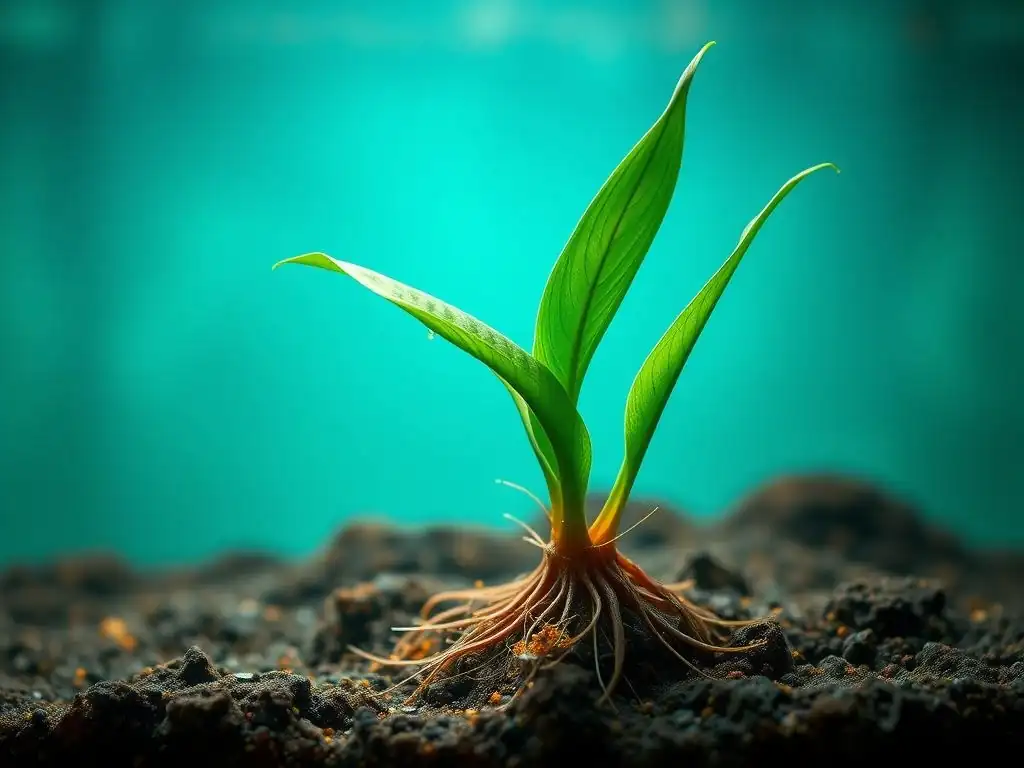
Choosing the Best aquarium substrate additives begins with a thorough assessment of the specific nutritional requirements of the plant species you intend to keep. Different plants have varying demands for macronutrients and micronutrients, and their primary method of nutrient uptake (root vs. water column) significantly influences which additives will be most effective. For example, heavy root feeders such as Cryptocoryne species, Echinodorus (Sword plants), and Anubias barteri benefit immensely from iron-rich clays, laterite, and nutrient-dense root tabs placed directly in the substrate.
In contrast, plants like Java Fern ( Microsorum pteropus) and Anubias, which primarily absorb nutrients from the water column through their leaves, might still benefit from a generally enriched substrate for anchoring, but their primary nutrient supply will come from liquid fertilizers. Red-pigmented plants, such as Alternanthera reineckii or Rotala rotundifolia 'Colorata', require higher levels of iron and other trace elements to express their vibrant hues, making iron-rich additives particularly important for them. A clear understanding of your plant list's needs will guide your additive selection.
Understanding Your Current Substrate Composition
Before introducing any additives, it's crucial to understand the composition of your existing substrate. Is it an inert material like plain gravel or sand, which offers no inherent nutritional value? Or is it a nutrient-rich aquasoil, which may already contain a significant amount of the necessary elements but could eventually become depleted? For inert substrates, a comprehensive approach involving a base layer of nutrient-rich additive (like laterite or a mixed clay/humic acid blend) capped with gravel or sand is often recommended to create a fertile foundation.
If you are using an existing aquasoil, assess its age and how long it has been in use. Aquasoils gradually release their nutrients over 1-2 years, after which their efficacy diminishes. In such cases, supplementing with root tabs near heavy feeders or carefully layering additional granular additives can help prolong the substrate's nutrient life. Knowing your substrate's starting point allows for a more precise and effective supplementation strategy, preventing both deficiencies and over-fertilization.
Considering the Long-Term Effects of Additives
When selecting Best aquarium substrate additives, it's important to consider their long-term effects on both plant health and overall water chemistry. Some additives, particularly those that are primarily clay-based, are designed for very slow, sustained release over many years, effectively creating a permanent nutrient reservoir. Others, like root tabs, are designed for periodic replenishment, typically every 3 to 6 months, as their nutrient content depletes.
Furthermore, some additives can subtly influence water parameters. For example, certain types of calcined clay or laterite might slightly increase general hardness (GH) or temporarily lower pH upon initial flooding. While most reputable aquatic additives are formulated to be stable, it's always wise to monitor your tank's pH, GH, and KH after major additions. Planning for replenishment schedules and understanding the longevity of different additive types will ensure a stable and continuously beneficial environment for your plants without unexpected chemical shifts.
Cryptocoryne and Iron-Rich Substrates: A Perfect Match
Cryptocoryne species, often affectionately called "Crypts," are quintessential root feeders renowned for their reliance on a nutrient-rich substrate, particularly one abundant in iron. These plants are notorious for "Crypt melt," a phenomenon where they seemingly dissolve or lose their leaves when transplanted or when nutrient conditions change abruptly. A primary factor in preventing this melt and promoting robust growth is a stable, iron-rich substrate.
Laterite and other iron-rich clay additives are a perfect match for Cryptocoryne species. These additives provide a slow, consistent supply of iron, which is crucial for their chlorophyll production and overall metabolic health. For instance, Cryptocoryne wendtii can exhibit significantly larger leaves and denser growth when planted in a substrate enriched with laterite, as opposed to an inert substrate. By ensuring a steady source of iron and other trace elements directly in the root zone, aquarists can cultivate thriving Crypts, showcasing their diverse forms and colors without the common issues associated with nutrient deficiencies.
How to Use Aquarium Substrate Additives Effectively
Preparing Your Substrate for Additive Application
Effective use of Best aquarium substrate additives begins with proper substrate preparation. For new tank setups, this typically involves thoroughly rinsing any inert gravel or sand to remove dust and debris. If you are using a nutrient-rich aquasoil, follow the manufacturer's instructions, which often advise against rinsing to preserve the integrity of the granules and their nutrient content. For additives that are meant to be mixed in, such as powdered clays or granular laterite, ensure your main substrate is clean and ready.
When creating a layered substrate, planning is key. The additive layer (e.g., laterite or nutrient-rich clay) is typically placed at the very bottom, forming a base layer of about 1-2 cm (0.4-0.8 inches). This is then covered by a layer of nutrient-rich soil (if used) and finally capped with 5-7 cm (2-3 inches) of inert gravel or sand. This layering technique ensures that nutrients remain deep in the root zone, preventing them from leaching excessively into the water column and minimizing cloudiness during initial setup.
Dosage and Application Guidelines
Adhering to manufacturer's dosage and application guidelines is paramount when using Best aquarium substrate additives to avoid over-fertilization and potential issues like algae blooms. While general principles apply, specific products will have unique recommendations based on their concentration and intended use. For powdered or granular additives designed for initial tank setup, the instructions usually specify a certain volume or weight per tank size (e.g., "use 100g per 10 gallons" or "spread a 1 cm layer").
When applying, aim for even distribution across the bottom of the tank before adding other substrate layers. For root tabs in an established tank, the general guideline is to insert one tab every 4-6 inches (10-15 cm) around heavy root feeders, pushed deep into the substrate near the plant's roots. It's always safer to start with a slightly lower dosage than recommended and observe plant response, gradually increasing if necessary. Overdosing can lead to nutrient imbalances and encourage unwanted algae growth.
Integrating Additives During Initial Tank Setup
Integrating Best aquarium substrate additives during the initial tank setup is the most effective and least disruptive method for establishing a nutrient-rich base. This process typically involves a layering approach to ensure nutrients are optimally positioned for root absorption and to prevent their rapid diffusion into the water column. First, after cleaning the tank, a thin base layer (around 1-2 cm or 0.4-0.8 inches) of a long-lasting additive like laterite or a specialized nutrient-rich clay is spread evenly across the bottom.
On top of this base layer, many aquascapers add a layer of nutrient-rich aquasoil (e.g., ADA Aqua Soil, Fluval Stratum), typically 2-4 cm (0.8-1.6 inches) thick, which provides immediate and sustained nutrient release. Finally, an inert cap of gravel or sand, usually 5-7 cm (2-3 inches) deep, is added to prevent the nutrient layers from clouding the water and to provide a clean aesthetic surface. This multi-layered approach ensures that nutrients are concentrated where plant roots can access them most efficiently, setting up the tank for long-term success.
Adding Additives to Established Planted Tanks
Adding Best aquarium substrate additives to an established planted tank requires a more delicate approach to avoid disturbing the substrate too much and causing cloudiness or nutrient spikes. The most common and effective method for established tanks is the use of root tabs. These compressed fertilizer pellets are designed to be inserted directly into the substrate near the base of individual plants using long-handled tweezers or forceps.
When inserting root tabs, gently push them deep into the substrate, about 2-3 inches (5-7 cm) away from the plant stem, ensuring they are fully buried. This minimizes nutrient leakage into the water column. For large, heavily rooted plants like Amazon Swords, multiple tabs might be needed around the plant's root ball.
The frequency of replacement typically ranges from every 3 to 6 months, depending on the tab's formulation and the plant's growth rate. While less common, some finely granular additives can be carefully top-dressed and gently worked into the substrate surface, but this method carries a higher risk of cloudiness.
Potential Problems and Solutions When Using Substrate Additives
Over-Fertilization and Algae Blooms
One of the most common potential problems when using Best aquarium substrate additives, especially if not dosed correctly, is over-fertilization, which can quickly lead to unsightly algae blooms. When excess nutrients leach from the substrate into the water column faster than plants can utilize them, these free-floating nutrients become a ready food source for various types of algae, including green water, hair algae, and diatoms. This imbalance not only detracts from the tank's aesthetics but also competes with desirable plants for light and CO2.
The primary solution to over-fertilization is to strictly adhere to manufacturer's recommended dosages and, if in doubt, start with a lower amount. If an algae bloom occurs, immediate action is necessary: perform a significant water change (25-50%) to reduce nutrient levels, increase the frequency of water changes in the following days, and reduce or temporarily cease additive application. Introducing algae-eating livestock like Amano shrimp ( Caridina multidentata) or Nerite snails can also help manage existing algae. Ensuring adequate CO2 and lighting for your plants can help them outcompete algae for available nutrients.
pH Imbalance and Water Chemistry Issues
While most Best aquarium substrate additives from reputable brands are designed to be stable, some specific types can potentially cause minor pH imbalances or alter other water chemistry parameters like General Hardness (GH) or Carbonate Hardness (KH), particularly upon initial setup or if used in excessive amounts. Certain clay-based additives, for instance, might temporarily release minerals that slightly increase GH, while some organic additives could subtly lower pH. These shifts, if significant, can stress sensitive fish and plants.
To mitigate these issues, it is crucial to monitor your water parameters regularly, especially pH, KH, and GH, using reliable test kits. Test your water before adding additives, and then frequently during the initial weeks after application. If you notice undesirable shifts, perform partial water changes to stabilize parameters. For persistent issues, consider using water conditioners or buffers. Most quality additives are formulated to minimize drastic changes, but vigilance is key to maintaining a stable and healthy aquatic environment.
Monitoring and Adjusting Additive Levels
Effective long-term use of Best aquarium substrate additives requires continuous monitoring of both plant health and, indirectly, substrate nutrient levels, followed by necessary adjustments. While direct substrate nutrient testing is complex for hobbyists, observing your plants provides invaluable clues. Signs of nutrient deficiency (e.g., yellowing new leaves for iron, holes in older leaves for potassium, stunted growth) indicate that additive levels may be too low or depleted. Conversely, excessive algae growth, particularly after recent additive application, can signal over-fertilization.
Based on these observations, adjust the frequency or type of additive. If plants show deficiencies, consider adding more root tabs or specific micronutrient supplements. If algae is a problem, reduce the dosage or frequency of additions and increase water changes. Keep a log of your additive schedule and plant responses to fine-tune your approach over time. Consistent monitoring and responsive adjustments are key to achieving and maintaining optimal plant growth and a balanced ecosystem.
DIY Substrate Enrichment: Creating a Nutrient-Rich Base
DIY Laterite Substitute: Using Iron Oxide and Clay
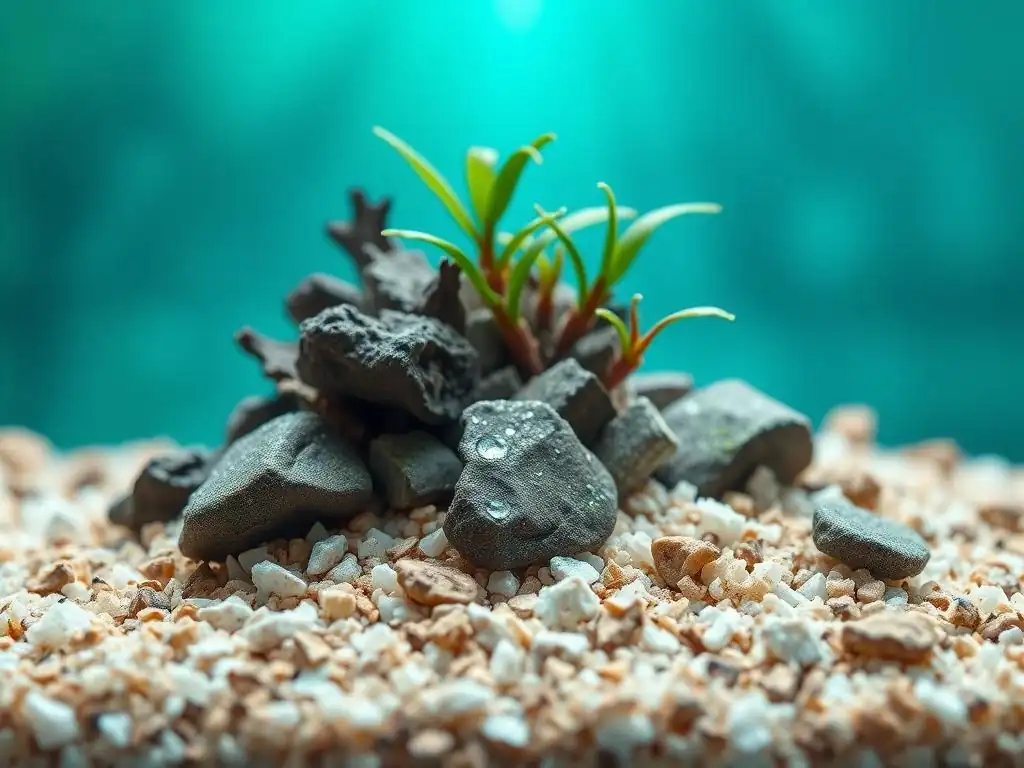
For aquarists interested in a more hands-on approach, creating a DIY laterite substitute can be a cost-effective way to enrich your substrate with iron and improve nutrient retention. This can be achieved by combining red art clay (such as finely ground kaolin or bentonite clay, which are safe for aquariums) with food-grade iron oxide powder. Iron oxide, readily available in red color forms, is largely inert but will slowly release bioavailable iron in the anaerobic conditions of the substrate.
The process involves thoroughly mixing a small percentage of iron oxide powder (typically 5-10% by volume) with the finely ground clay. The mixture can then be hydrated with dechlorinated water to form a paste, which is then dried and crushed into small granules. This DIY laterite provides the high cation exchange capacity of clay combined with a steady, long-term source of iron, mimicking the benefits of commercial laterite products. Always ensure all components are aquarium-safe and free of contaminants.
DIY Root Tabs: Slow-Release Fertilizer Pellets
DIY root tabs offer a highly customizable and economical method for targeted nutrient delivery in established planted tanks. The most common and effective method involves using slow-release terrestrial fertilizer pellets, such as Osmocote Plus, which typically contain a balanced blend of macronutrients (N, P, K) and a comprehensive range of micronutrients, all encapsulated for slow release. These pellets are then inserted into empty gelatin capsules, commonly available as size "00" or "0" from pharmacies or online.
To make them, simply fill the gelatin capsules with the fertilizer pellets. The gelatin capsule will dissolve over a few hours to days once submerged in water, allowing the slow-release fertilizer to begin working. These DIY tabs can be inserted deep into the substrate near heavy root feeders using tweezers, just like commercial root tabs. This method allows aquarists to control the exact nutrient blend and quantity, providing a cost-effective alternative to commercial products. Always ensure the fertilizer chosen is safe for aquatic use and lacks any harmful coatings.
Precautions and Considerations for DIY Additives
While DIY substrate enrichment offers cost savings and customization, it comes with several important precautions and considerations. The primary risk is the potential introduction of harmful substances or contaminants into your aquarium. Many terrestrial fertilizers contain pesticides, herbicides, or high levels of copper that are toxic to fish and invertebrates, even in small amounts. It is crucial to use only fertilizers explicitly stated as safe for aquatic environments or those known to be inert and free of harmful additives, such as pure iron oxide or specific slow-release brands like Osmocote Plus.
Furthermore, controlling the exact nutrient ratios and release rates in DIY mixes can be challenging, leading to potential nutrient imbalances or spikes. Overdosing or using an inappropriate ingredient can result in severe algae blooms, pH shifts, or even harm to livestock. It is generally recommended for beginners to stick with commercially available Best aquarium substrate additives, which are formulated and tested for aquarium safety and effectiveness. If attempting DIY, always test small batches, monitor water parameters closely, and introduce changes gradually to observe the tank's response.
Long-Term Substrate Management and Additive Replenishment
Monitoring Substrate Nutrient Levels
Maintaining optimal plant growth over the long term requires continuous monitoring of substrate nutrient levels, even though direct testing of substrate composition is not practical for most hobbyists. Instead, aquarists rely on indirect methods, primarily observing plant health and growth patterns. A noticeable slowdown in growth, particularly for heavy root feeders, or the appearance of nutrient deficiency symptoms like yellowing leaves (chlorosis), stunted new growth, or holes in older leaves, are strong indicators that the substrate's nutrient reserves are depleting.
Regularly assessing the vibrancy, density, and overall health of your plants provides the most reliable feedback. For example, if your Cryptocoryne species, which thrive on substrate nutrients, begin to look pale or their growth rate diminishes over several months, it's a clear sign that replenishment of Best aquarium substrate additives is likely needed. Keeping a simple log of plant growth and any issues observed can help identify trends and inform your replenishment schedule.
Replenishing Additives as Needed
The replenishment schedule for Best aquarium substrate additives depends largely on the type of additive used and the density of your planted tank. For root tabs, which are designed for targeted, periodic nutrient delivery, replenishment is typically needed every 3 to 6 months. This frequency can vary based on the specific brand's formulation (some last longer than others) and the nutrient demands of your plants. Tanks with very dense planting or fast-growing root feeders will deplete nutrients more quickly.
For long-lasting base layer additives like laterite or specialized nutrient clays, replenishment is far less frequent, often only necessary during major tank overhauls, which might occur every 1-2 years or even longer. However, if you observe signs of widespread nutrient deficiencies across multiple plant species despite regular liquid fertilization, it might indicate a broader depletion of the base layer. In such cases, carefully adding more granular additives or strategically placed root tabs can revitalize the substrate.
Avoiding Substrate Compaction and Anaerobic Zones
Long-term substrate health is not just about nutrient replenishment but also about maintaining its physical integrity to prevent compaction and the formation of harmful anaerobic zones. Over time, fine particles can settle, and the substrate can become densely packed, reducing water flow and oxygen penetration. This compaction can hinder nutrient diffusion to roots and create oxygen-deprived (anaerobic) pockets, which are identifiable by black areas and a foul, rotten-egg smell (hydrogen sulfide gas), highly toxic to fish and plant roots.
To prevent compaction, gently "fluff" the substrate periodically using a chopstick or long-handled tool, being careful not to disturb plant roots too much. This helps to aerate the substrate and allows for better water circulation within the root zone. Introducing burrowing creatures, such as Malaysian Trumpet Snails ( Melanoides tuberculata), can also naturally aerate the substrate as they tunnel through it, preventing anaerobic buildup. Maintaining good substrate health ensures efficient nutrient cycling and a safer environment for your aquatic inhabitants.
Achieving Optimal Plant Growth with Aquarium Substrate Additives: A Summary
Key Takeaways for Using Additives Effectively
Achieving a lush, thriving planted aquarium hinges significantly on understanding and effectively utilizing Best aquarium substrate additives. The substrate is the foundation for many aquatic plants, particularly heavy root feeders, providing essential nutrients and a stable environment. Additives like clay-based products (Montmorillonite, Laterite), humic acids, iron-rich formulas, and beneficial bacteria enhance the substrate's nutrient-holding capacity and biological activity. Root tabs offer precise, targeted nutrient delivery, complementing broader substrate enrichment.
When choosing additives, assess your plants' specific nutritional needs and your current substrate's composition. Integrate additives during initial tank setup for optimal layering, and use root tabs for replenishment in established tanks. Always adhere to manufacturer dosage guidelines to prevent issues like over-fertilization and algae blooms. Regular monitoring of plant health and water parameters is crucial for making timely adjustments and ensuring a stable, nutrient-rich environment for sustained, vibrant plant growth.
Resources for Further Learning About Planted Aquariums and Substrates
For aquarists seeking to deepen their knowledge of planted aquariums and advanced substrate management, a wealth of information is available beyond this article. Consulting reputable aquascaping forums and communities can provide practical insights from experienced hobbyists, offering solutions to common challenges and showcasing innovative techniques. Many online resources also host detailed plant profiles, outlining specific nutrient requirements and preferred substrate conditions for various aquatic species.
Furthermore, academic papers and scientific articles on aquatic botany and nutrient cycling in aquatic ecosystems offer in-depth understanding of the chemical and biological processes occurring within the substrate. While often technical, these resources can provide valuable context for why certain additives work and how they interact with plant physiology. Engaging with these diverse educational materials will empower you to make informed decisions, ensuring your planted aquarium continues to flourish for years to come.
Frequently Asked Questions
What are substrate additives and why should I use them in my aquarium?
Substrate additives are materials added to your aquarium's substrate (gravel, sand, etc.) to improve plant growth and overall tank health. They provide essential nutrients and beneficial bacteria, promoting a thriving aquatic ecosystem.
What types of substrate additives are best for planted aquariums?
The best additives often include laterite, clay-based products, and those containing iron and trace elements. These provide crucial nutrients that plants absorb through their roots, leading to lush growth.
How do I choose the right substrate additive for my specific aquarium plants?
Consider the specific needs of your plants. Some plants are heavy root feeders and benefit from nutrient-rich substrates, while others prefer a more inert substrate with liquid fertilization. Research your plants' requirements.
Can I use too many substrate additives, and what are the potential consequences?
Yes, overusing additives can lead to nutrient imbalances, causing algae blooms and harming your fish. Always follow the product instructions carefully and monitor your water parameters regularly.
How often should I replace or replenish my aquarium substrate additives?
The frequency depends on the specific product and the plant's needs. Some additives are designed to last for several months, while others may need replenishing more frequently. Regular water testing will help determine when replenishment is needed.
Final Reflection: Nurturing Growth, Rooted in Innovation
The exploration of substrate additives, as detailed in this article, isn't just about achieving lush aquarium plant growth; it's about understanding the symbiotic relationship between technology and nature. The quest for the best aquarium substrate additives reflects a broader human desire to optimize our environments, mimicking and enhancing natural processes to foster thriving ecosystems, even within the confines of a glass tank. This pursuit highlights the power of informed choices and the potential for innovation to unlock new levels of aquatic beauty.
This journey into the world of substrate additives has profoundly influenced our understanding of the delicate balance within aquatic ecosystems. It's a reminder that even seemingly small interventions can have a significant impact on the overall health and vitality of our planted aquariums. The careful selection and application of these additives, guided by knowledge and observation, can transform a simple tank into a vibrant underwater landscape. As the renowned aquascaper Takashi Amano once said: To know Mother Nature, is to love her smallest creations.
This quote encapsulates the essence of our exploration, urging us to appreciate and nurture the intricate details that contribute to a thriving aquatic environment.
Now, armed with this knowledge of substrate additives and their potential, I invite you to reflect on your own aquascaping journey. Consider how you can apply these principles to cultivate a more vibrant and sustainable underwater world. Embrace the power of informed choices, experiment with different approaches, and observe the transformative effects of nurturing your plants from the ground up. Let's continue to learn, innovate, and create aquatic ecosystems that inspire awe and reflect our deep appreciation for the beauty of nature.
Unleash Your Plants' Potential!
Thanks for diving into the world of substrate additives and discovering how to give your aquatic plants a significant boost. Now, let's take that knowledge and turn it into action!
- Immediately evaluate your current substrate. Is it providing the nutrients your plants need?
- Experiment with different additives! Try adding laterite, vermiculite, or even a small amount of organic compost to a test area and observe the results.
- Share your experiences! Join our community forum and tell us about your successes (and failures) with substrate additives.
What unique additive are you most excited to try, and why?