
How to Transition Carpeting Plants from Emerged to Submerged Growth

Welcome to Aquarium Mastery!
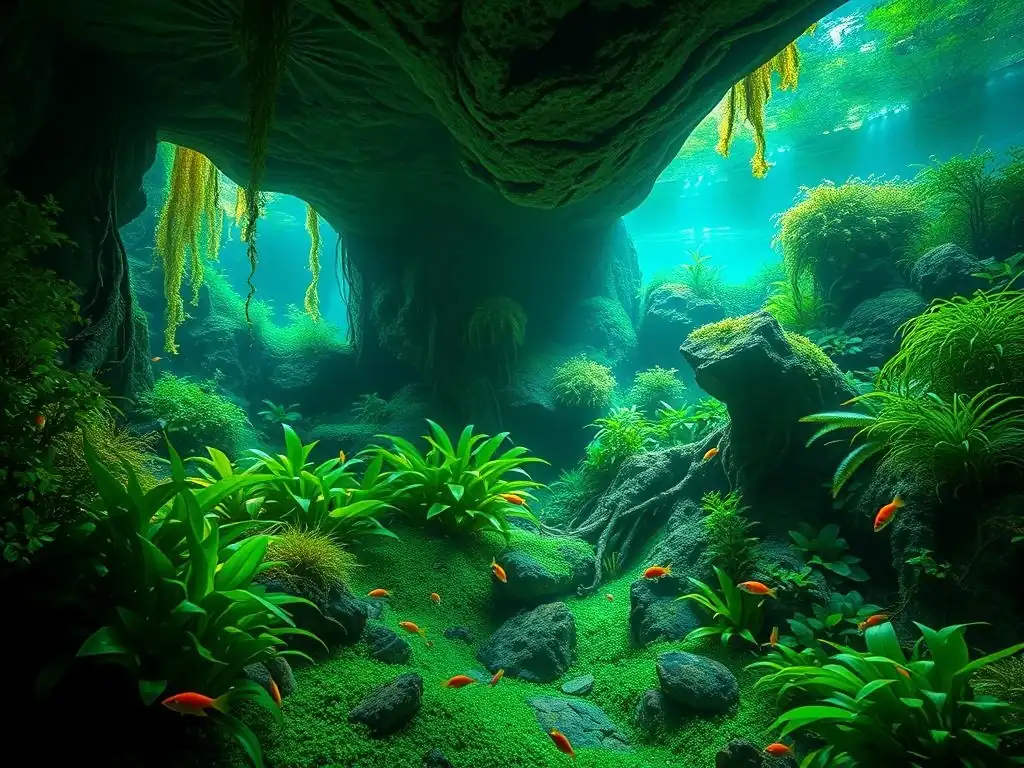
Ever dreamt of a lush, verdant carpet blanketing the bottom of your aquarium? Dive in to discover the secrets of transitioning your carpeting plants from their emerged form to thriving, submerged growth. Unlocking this process can transform your tank into a breathtaking underwater landscape. Ready to learn how? Let's get started!
- How to Transition Carpeting Plants from Emerged to Submerged Growth: Aquarium Mastery Guide
- Understanding the Challenge: Emerged vs. Submerged Carpeting Plants
- Preparing Carpeting Plants for Submersion
- Acclimation Techniques for Successful Submerged Growth
-
Optimizing Aquarium Conditions for Carpeting Plants
- Substrate Selection: Providing Essential Nutrients for Rooted Growth
- Lighting Requirements: Ensuring Adequate Photosynthesis for Carpeting Plants
- CO2 Injection: Boosting Growth and Health of Submerged Carpeting Plants
- Water Parameters: Maintaining Optimal Conditions for Carpeting Plant Growth (pH, GH, KH)
- Planting Carpeting Plants for Submerged Growth
- Post-Planting Care and Maintenance of Submerged Carpeting Plants
- Troubleshooting Common Issues During Transition
- Choosing the Right Carpeting Plant Species for Your Aquarium
- Long-Term Care of Submerged Carpeting Plants
-
Frequently Asked Questions
- How long does it typically take for carpeting plants to transition from emerged to submerged growth in an aquarium?
- What are the most crucial water parameters to monitor during the transition of carpeting plants?
- What type of lighting is best for encouraging submerged growth in carpeting plants?
- How often should I perform water changes during the transition period?
- What are some signs that my carpeting plants are successfully transitioning to submerged growth?
- Final Reflection: Embracing the Aquatic Transformation
- Unleash the Submerged Beauty of Your Aquarium!
How to Transition Carpeting Plants from Emerged to Submerged Growth: Aquarium Mastery Guide
Understanding the Challenge: Emerged vs. Submerged Carpeting Plants
Why Carpeting Plants are Often Grown Emerged
Aquatic nurseries and many hobbyists primarily cultivate carpeting plants in their emerged (emersed) form due to significant advantages. In this state, plants like Hemianthus callitrichoides 'Cuba' (HC Cuba) or Glossostigma elatinoides have unlimited access to atmospheric carbon dioxide (CO2), which is approximately 21% of the air we breathe, vastly more abundant than the typically limited dissolved CO2 in aquarium water (often less than 0.0004%). This high CO2 availability, combined with unrestricted light and direct access to nutrients from potting media, allows for incredibly rapid growth rates, robust health, and efficient propagation.
Growing emerged also minimizes common aquarium challenges such as algae growth and nutrient deficiencies, which can plague submerged plants. Nurseries can achieve much denser and healthier mats in a shorter timeframe, reducing production costs and making the plants more appealing for sale. For instance, a patch of Monte Carlo grown emerged can often double its biomass in a few weeks, a rate rarely achievable in a typical submerged setup without ideal conditions.
The Differences Between Emerged and Submerged Growth Forms
The physical and physiological differences between emerged and submerged forms of carpeting plants are profound, stemming from their adaptation to contrasting environments. Emerged leaves are typically thicker, more rigid, and often have a waxy cuticle to prevent desiccation and withstand air exposure. For example, Micranthemum tweediei 'Monte Carlo' grown emerged will exhibit darker green, compact, and somewhat leathery leaves.
In contrast, when submerged, these plants must adapt to absorb nutrients from the water column and substrate, and to utilize dissolved CO2. Their leaves become thinner, more delicate, and often change shape or color to optimize light absorption and gas exchange in water. The same Monte Carlo plant, once transitioned, will develop brighter green, more sprawling, and less rigid submerged leaves. This transformation is crucial for successful carpeting plants submerged growth.
The Importance of a Gradual Transition for Healthy Carpeting Plants
A sudden shift from emerged to fully submerged conditions is a significant shock to carpeting plants, often leading to a phenomenon known as "plant melt." This occurs as the plant sheds its inefficient emerged leaves and begins to grow new, adapted submerged foliage. If the transition is too abrupt, the plant may lack the energy reserves or optimal conditions to produce new growth quickly enough, resulting in complete die-off or severe stunting.
A gradual transition minimizes this stress, allowing the plant sufficient time to adapt its physiology, develop a robust root system, and grow new submerged leaves before the old emerged leaves fully decay. This staged approach reduces the amount of decaying organic matter in the aquarium, which helps prevent ammonia spikes and subsequent algae blooms. Successfully nurturing carpeting plants submerged growth relies heavily on patience and providing a stable, adapting environment.
Preparing Carpeting Plants for Submersion
Selecting Healthy Emerged Glossostigma elatinoides for Transition
The success of transitioning emerged Glossostigma elatinoides (Glosso) hinges significantly on the initial health of the plants. When selecting, look for vibrant, uniform green coloration, indicating robust chlorophyll production. The stems should be firm and show no signs of yellowing, browning, or translucence, which are common indicators of stress or nutrient deficiency. Inspect the underside of the leaves and the growth medium for any visible pests, such as aphids, spider mites, or snail eggs, which can introduce unwanted organisms into your aquarium.
Purchasing from reputable aquatic nurseries or experienced hobbyists often ensures a higher quality product, as they maintain optimal growing conditions. Avoid plants that appear leggy (stretched out with sparse leaves), have damaged roots, or show any signs of fungal growth. A healthy, dense mat of Glossostigma elatinoides with strong root development will possess the resilience and energy reserves necessary to successfully adapt to carpeting plants submerged growth.
Cleaning and Preparing the Plants: Removing Debris and Algae
Thorough cleaning of emerged carpeting plants before submersion is a critical step to prevent introducing pests, algae, or excess organic matter into your aquarium. Begin by gently rinsing the plants under cool, running tap water. This helps remove any residual potting medium, dust, or superficial debris adhering to the leaves and roots. Be careful not to damage the delicate root structures during this process.
For more stubborn contaminants or suspected pest infestations, a very dilute bleach dip can be considered, but this should be approached with extreme caution due to the risk of plant damage. A common ratio is 1 part bleach to 19 parts water (e.g., 50ml bleach in 950ml water) for a brief dip of 30-60 seconds, followed by immediate and thorough rinsing under running water for several minutes.
A final soak in dechlorinated water (with a product like Seachem Prime) for 10-15 minutes is essential to neutralize any remaining chlorine. Ensuring the plants are clean is paramount for successful carpeting plants submerged growth.
Trimming Carpeting Plants for Optimal Submerged Growth
Trimming emerged carpeting plants before planting serves multiple vital purposes: it reduces the biomass of leaves that will inevitably melt, encourages the growth of new submerged-adapted foliage, and facilitates easier planting. For species like Dwarf Hairgrass ( Eleocharis parvula), it's advisable to trim the blades down to approximately 1-2 inches in height. This concentrates the plant's energy on developing a strong root system and sending out runners.
For dense, mat-forming plants such as Monte Carlo or Glossostigma elatinoides, it's often beneficial to separate the mat into smaller, dime-sized portions or individual clusters of 3-5 stems. Any excessively long or damaged roots can be trimmed to about 1 inch. Removing older, leggy growth and promoting a compact form at this stage encourages denser, healthier carpeting plants submerged growth from the outset, as the plant can focus its energy on adapting to the aquatic environment rather than sustaining large amounts of ill-adapted foliage.
Acclimation Techniques for Successful Submerged Growth
The Floating Method: A Gentle Introduction to Submersion
The floating method offers a very gentle, albeit slow, introduction for some carpeting plants to submerged conditions. In this technique, plants are placed on the water surface, often in a mesh container or simply allowed to float freely, with their roots partially or fully immersed while their leaves remain exposed to atmospheric CO2. This allows the plant to gradually acclimate to the water parameters and begin developing aquatic roots without the immediate shock of full submersion.
While less commonly used for true carpeting plants intended for substrate attachment (like HC Cuba or Dwarf Hairgrass), it can be effective for species like Pearl Weed ( Hemianthus micranthemoides) which readily adapts and can float. Over several weeks, the water level can be slowly increased, or the plants can be gently pushed deeper into the water column. This minimizes melt by allowing a prolonged period of adaptation, making it a low-stress option for achieving carpeting plants submerged growth for adaptable species.
The "Dry Start" Method: Establishing Roots Before Flooding
The "Dry Start" Method (DSM) is widely regarded as one of the most effective techniques for transitioning emerged carpeting plants, particularly for demanding species like Hemianthus callitrichoides 'Cuba' and Dwarf Hairgrass. In DSM, plants are planted in a moist, nutrient-rich substrate, but the tank is not filled with water. Instead, the aquarium is covered tightly to maintain extremely high humidity (typically 90-100%), creating a mini-greenhouse effect.
This method leverages the abundance of atmospheric CO2, allowing the plants to root deeply and spread rapidly in their emerged form without the challenges of dissolved CO2 limitations or algae in a newly flooded tank. A typical DSM period lasts between 4 to 8 weeks, though some aquascapers extend it to 10-12 weeks for very dense carpets.
For instance, a 10-gallon tank can be fully carpeted with Dwarf Hairgrass in approximately 6 weeks using DSM. Upon flooding, the established root system and dense growth significantly reduce the amount of plant melt, leading to a much higher success rate for robust carpeting plants submerged growth.
Gradual Water Level Increase: Simulating a Natural Transition
A gradual water level increase is another acclimation technique that attempts to simulate a more natural transition for carpeting plants, bridging the gap between a dry start and immediate full submersion. This method involves planting the carpeting plants in a very shallow layer of water (e.g., 1-2 inches) or, after a brief dry start, slowly increasing the water level over a period of days or weeks. This allows the plants to progressively adapt to increased water pressure and reduced atmospheric CO2.
This technique is often applied in paludariums or aquariums where a partial dry start has been implemented. For example, after planting a Monte Carlo carpet, the tank might be filled to just cover the plants, and then the water level is raised by an inch every 2-3 days until the tank is full. While not as effective at preventing melt as a full dry start, it is considerably better than immediately flooding the tank and provides a less stressful transition period, supporting healthier carpeting plants submerged growth.
Optimizing Aquarium Conditions for Carpeting Plants
Substrate Selection: Providing Essential Nutrients for Rooted Growth
The choice of substrate is paramount for the long-term health and vibrant growth of carpeting plants, as many are heavy root feeders. Nutrient-rich, active substrates such as ADA Aqua Soil Amazonia, Fluval Stratum, or UNS Controsoil are highly recommended.
These specialized substrates are designed to slowly release essential macro-nutrients like Nitrogen (N), Phosphorus (P), and Potassium (K), as well as vital micro-nutrients such as Iron (Fe), Manganese (Mn), and Zinc (Zn), directly to the plant roots. They also possess a high Cation Exchange Capacity (CEC), allowing them to absorb and later release nutrients, acting as a buffer for the plant's nutritional needs.
While inert substrates like sand or gravel can be used, they require supplementation. In such cases, a base layer of nutrient-rich aquarium soil beneath the inert top layer, or the regular insertion of root tabs (e.g., Seachem Flourish Tabs, API Root Tabs) directly into the substrate near the plant roots, becomes crucial. For instance, a 2-inch layer of a quality active substrate provides an ideal environment for deep-rooting plants like Dwarf Hairgrass to establish and thrive, promoting lush carpeting plants submerged growth.
Lighting Requirements: Ensuring Adequate Photosynthesis for Carpeting Plants
Adequate light intensity and spectrum are critical for the successful photosynthesis and growth of carpeting plants. Most popular carpeting species, such as Monte Carlo and Hemianthus callitrichoides 'Cuba', require medium to high light levels, typically measured as Photosynthetically Active Radiation (PAR). A PAR value of 30-50 µmol/m²/s at the substrate level is often sufficient for most carpeting plants, with more demanding species benefiting from up to 80 µmol/m²/s. LED lighting fixtures with a full spectrum (around 6500K-7000K) are ideal, as they provide the necessary wavelengths for robust plant growth and vibrant coloration.
The photoperiod, or duration of light exposure, is equally important. A typical photoperiod of 8-10 hours per day is recommended. However, in new setups or during the transition phase, starting with a shorter photoperiod (e.g., 6 hours) and gradually increasing it over several weeks can help prevent algae outbreaks while plants are still establishing. Inadequate lighting is a common reason for leggy growth, stunted development, or failure to carpet, directly impeding the desired carpeting plants submerged growth.
CO2 Injection: Boosting Growth and Health of Submerged Carpeting Plants
Carbon Dioxide (CO2) injection is often considered essential for achieving dense and rapid carpeting plants submerged growth, especially for demanding species. In a closed aquarium system, dissolved CO2 is quickly depleted by plants, becoming a limiting factor for photosynthesis. A pressurized CO2 system, consisting of a CO2 cylinder, regulator, solenoid valve, and diffuser, introduces a consistent supply of CO2 into the water, significantly boosting the plants' metabolic rates.
Maintaining a CO2 concentration of 20-30 parts per million (ppm) is ideal for most high-tech planted tanks. This can be monitored using a drop checker, which should display a lime-green color. For example, injecting CO2 for 1-2 hours before the lights turn on and turning it off an hour before the lights go off ensures peak CO2 availability during the plants' most active photosynthetic period. This enhanced CO2 availability dramatically accelerates growth, leading to denser, healthier carpets and a much quicker transition from emerged forms.
Water Parameters: Maintaining Optimal Conditions for Carpeting Plant Growth (pH, GH, KH)
Maintaining stable and appropriate water parameters is crucial for the health and vitality of carpeting plants submerged growth. Most carpeting plants thrive in slightly acidic to neutral water, with a pH range typically between 6.0 and 7.5. While a specific pH value is less critical than stability, CO2 injection naturally lowers pH, which often benefits these plants. Drastic pH fluctuations should be avoided, as they can stress plants.
General Hardness (GH) measures the concentration of calcium and magnesium ions, which are vital micronutrients for plant cellular structure and metabolic processes. A GH of 4-8 dGH (degrees of General Hardness) is generally suitable. Carbonate Hardness (KH), or alkalinity, acts as a buffer, stabilizing the pH.
A KH of 3-6 dKH is often recommended to prevent large pH swings, especially in tanks with CO2 injection. For instance, if GH is too low, plants like Dwarf Hairgrass may exhibit pale leaves or poor root development. Regular testing and consistent maintenance of these parameters are key to sustained healthy carpeting plants submerged growth.
Planting Carpeting Plants for Submerged Growth
Techniques for Planting Carpeting Plants in the Substrate
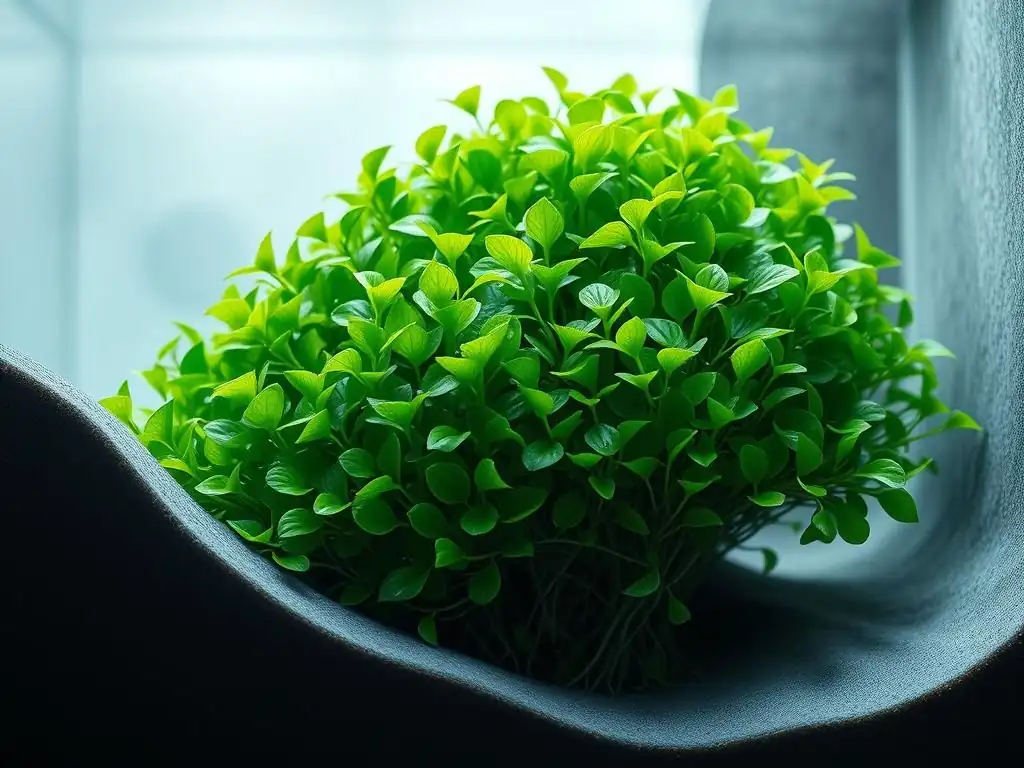
Proper planting techniques are crucial for ensuring carpeting plants establish strong root systems and spread effectively. For most carpeting species, such as Monte Carlo or Hemianthus callitrichoides 'Cuba', it's best to separate the plants into small, individual portions or clusters of 3-5 stems. Using long, thin aquascaping tweezers (typically 10-12 inches) is highly recommended. Insert the plant portion deep into the substrate, ensuring the roots are fully buried.
Once inserted, gently pull the tweezers upwards, allowing the substrate to settle around the roots while leaving the leaves exposed. This "push and pull" method ensures the plant is securely anchored and prevents it from floating up, which is a common issue with newly planted carpeting plants. For very small species like HC Cuba, planting individual stems or tiny clusters approximately 0.5-1 inch apart will provide the best foundation for a dense, even carpet. This meticulous approach is vital for successful carpeting plants submerged growth.
Spacing and Arrangement: Creating a Lush Carpet Effect
Effective spacing and arrangement are key to achieving a dense, lush carpet effect with your plants. While it might seem counterintuitive, planting carpeting plants too closely together can hinder their growth by promoting competition for light and nutrients, especially in the initial stages. Instead, aim for a systematic "checkerboard" or "grid" pattern. For Monte Carlo, plant small portions (about 1 square inch) approximately 1-2 inches apart. For Dwarf Hairgrass, separate into dime-sized clumps and plant them 0.5-1 inch apart.
This strategic spacing allows each plant cluster ample room to establish its root system and send out runners horizontally, gradually filling in the gaps. Over time, these individual clumps will grow, intertwine, and form a seamless, thick carpet. Patience is essential, as a full, dense carpet can take anywhere from 2 to 4 months, depending on the plant species, lighting, CO2, and nutrient conditions provided for your carpeting plants submerged growth.
Securing Plants: Preventing Uprooting by Fish or Water Flow
Newly planted carpeting plants are particularly vulnerable to being dislodged from the substrate. Common culprits include strong filter outflow, curious bottom-dwelling fish (such as Corydoras or larger tetras), or even accidental disturbance during routine tank maintenance. To prevent uprooting, ensure that each plant portion is firmly and deeply anchored into the substrate during planting.
Several techniques can help secure delicate plants. Directing filter outflow away from newly planted areas, or utilizing a spray bar to diffuse the current, can significantly reduce water flow stress.
For particularly buoyant or small plant portions, some aquascapers use small, flat inert stones or a fine plastic mesh placed gently over the planted area for the first few weeks to hold them down until roots establish. Alternatively, a tiny dab of cyanoacrylate gel (super glue, aquarium-safe) can be used to attach small clumps to inert rocks or driftwood, which are then partially buried, providing a stable anchor for the developing carpeting plants submerged growth.
Post-Planting Care and Maintenance of Submerged Carpeting Plants
Monitoring Plant Health: Identifying and Addressing Issues Early
Consistent monitoring of your newly submerged carpeting plants is crucial for identifying and addressing potential issues before they escalate. Healthy carpeting plants will exhibit vibrant green coloration, show signs of new shoots emerging, and begin to spread horizontally across the substrate. Early indicators of distress include yellowing leaves (often a sign of iron or nitrogen deficiency), browning or transparent patches (plant melt, nutrient deficiency, or CO2 issues), or a complete lack of new growth (stunted growth).
Make it a habit to observe your plants daily, noting any subtle changes in color, texture, or growth pattern. For example, if Monte Carlo leaves start curling or appearing pale, it could indicate fluctuating CO2 levels or a lack of macronutrients. Addressing these issues within 24-48 hours, such as adjusting CO2 injection, increasing fertilization, or performing a small water change, can prevent widespread problems and ensure the continued success of your carpeting plants submerged growth.
Fertilization: Providing Essential Nutrients for Sustained Growth
Even with a nutrient-rich substrate, consistent water column fertilization is vital for the sustained, lush growth of carpeting plants submerged growth. While roots absorb nutrients from the substrate, leaves also play a significant role in nutrient uptake. A comprehensive liquid fertilizer (e.g., Seachem Flourish, Aquarium Co-Op Easy Green, or an Estimative Index (EI) dosing regimen) provides essential macro-nutrients (Nitrogen, Phosphorus, Potassium) and micro-nutrients (Iron, Boron, Manganese, Zinc, Copper, Molybdenum).
Follow the product's recommended dosage, though it's often wise to start with a reduced dose in new setups to prevent algae. For instance, dosing a complete liquid fertilizer 2-3 times per week after water changes ensures a steady supply of nutrients. For heavily planted tanks, an EI dosing method, which aims to provide non-limiting nutrient levels, can yield exceptionally dense and vibrant carpets. Regular fertilization ensures your carpeting plants have all the necessary building blocks for robust and continuous growth.
Trimming and Pruning: Maintaining the Desired Carpet Density
Once your carpeting plants have established and begun to spread, regular trimming and pruning become essential maintenance tasks to maintain their desired density and prevent the lower layers from being shaded out and dying. Overgrown carpets can lead to rot and nutrient pockets beneath, which can fuel algae. Use sharp, curved aquascaping scissors for precision.
For grass-like carpets such as Dwarf Hairgrass, trim the blades like a lawnmower, cutting approximately 50% of their height. This encourages the plant to send out more runners and grow denser horizontally. For Monte Carlo or Hemianthus callitrichoides 'Cuba', trim the top 20-30% of the carpet. This stimulates new growth and keeps the carpet compact and healthy. Depending on the growth rate and species, trimming every 2-4 weeks is common for maintaining a lush and healthy carpeting plants submerged growth.
Dealing with Algae: Protecting Carpeting Plants from Algae Overgrowth
Algae is a common challenge in newly planted tanks, especially during the transition phase of carpeting plants. It competes with plants for light and nutrients and can quickly smother delicate new growth. Common types include diatoms (brown film), green spot algae, and hair algae. Algae outbreaks often indicate an imbalance in light, CO2, or nutrients.
Prevention is key: ensure stable CO2 levels (20-30 ppm), consistent lighting, and regular, consistent fertilization. Avoid overfeeding fish, as excess fish waste contributes to nutrient overload. For minor outbreaks, manual removal (e.g., scraping off green spot algae, twirling hair algae with a toothbrush) and increased water changes (e.g., 50% every other day for a week) can help.
Introducing effective algae eaters like Amano shrimp (e.g., 1 Amano shrimp per 2-3 gallons for a 20-gallon tank) can also significantly help manage biofilm and minor algae on carpeting plants submerged growth. In severe cases, a 3-day blackout can reset the tank, but this can also stress plants.
Troubleshooting Common Issues During Transition
Melting Leaves: Understanding and Preventing Plant Melt
Plant melt, characterized by leaves turning transparent, brown, or mushy, is a common and often alarming sight when transitioning emerged carpeting plants to submerged conditions. It is primarily the plant's natural response to adapting from aerial to aquatic growth forms, shedding inefficient emerged leaves. However, excessive or prolonged melt can indicate underlying problems such as a sudden environmental shock, insufficient CO2, or severe nutrient deficiencies.
To prevent excessive melt, ensure a gradual transition using methods like the dry start. Once submerged, maintain stable and optimal CO2 levels (20-30 ppm) and consistent lighting. Perform regular small water changes (e.g., 20-30% every 2-3 days during the first two weeks) to remove decaying organic matter, which can otherwise lead to ammonia spikes and fuel algae. Gently remove severely melted leaves to reduce the organic load. Patience is crucial, as healthy carpeting plants submerged growth will eventually emerge from the established rootstock.
Stunted Growth: Identifying Nutrient Deficiencies or Other Problems
Stunted growth in carpeting plants is a clear indicator that something is amiss in their environment. This manifests as plants appearing unusually small, failing to spread horizontally, or producing new leaves that are visibly malformed, pale, or yellow. The primary causes are typically insufficient CO2, inadequate lighting, or specific nutrient deficiencies. For instance, pale or yellowing new growth often points to an iron deficiency, while overall paling can indicate a lack of nitrogen.
To diagnose stunted growth, systematically check your aquarium parameters. Verify CO2 levels using a drop checker (aim for lime green). Test water parameters like GH, KH, nitrates, and phosphates to identify any imbalances. If parameters are stable, increase liquid fertilization or insert additional root tabs near the affected plants. For example, if a Monte Carlo carpet is not spreading despite adequate light, it often requires a boost in CO2 or consistent fertilization. Addressing one variable at a time helps pinpoint the exact problem and restore healthy carpeting plants submerged growth.
Algae Blooms: Controlling Algae in a Newly Planted Tank
Algae blooms are a frequent and frustrating issue in newly set up planted tanks, particularly those with high light and CO2, where carpeting plants are establishing. The immature biological filter, combined with plants still adapting and potentially fluctuating nutrient levels, creates an environment ripe for algae proliferation. Common types include brown diatoms, green spot algae, and various forms of hair algae.
To control algae, first ensure that your CO2 levels are stable and consistently high (20-30 ppm), as healthy, rapidly growing plants are the best defense against algae by outcompeting them for nutrients. Reduce your photoperiod to 6-7 hours initially. Increase the frequency and volume of water changes (e.g., 50% every other day for a week) to dilute excess nutrients. Manual removal of visible algae is also essential. A balance of light, CO2, and essential nutrients is key to promoting robust carpeting plants submerged growth that can naturally suppress algae.
Choosing the Right Carpeting Plant Species for Your Aquarium
Low-Tech Carpeting Plants: Options for Aquariums Without CO2 Injection
For aquarists seeking carpeting plants submerged growth without the complexities and expense of CO2 injection, several low-tech options are available. These plants are generally more forgiving of lower light levels and fluctuating nutrient availability, though their growth rate will be slower and the resulting carpet less dense compared to high-tech setups. Examples include Marsilea hirsuta, which forms small, clover-like leaves and spreads slowly via runners, and certain varieties of S. repens (Staurogyne repens) that can be trimmed aggressively to encourage a carpeting habit.
Another robust choice is Cryptocoryne parva, a very slow-growing but extremely hardy plant that forms a dense, low-lying carpet over time. While a dense carpet might take 6-12 months to establish in a low-tech 20-gallon tank, these options are more resilient for beginners. Consistent liquid fertilization and the use of nutrient-rich substrates or root tabs are still beneficial to support their growth.
High-Tech Carpeting Plants: Species that Thrive with CO2 and Intense Lighting
High-tech carpeting plants are species that demand optimal conditions to truly flourish, including high light intensity (e.g., 50-80 PAR), pressurized CO2 injection (20-30 ppm), and a nutrient-rich substrate with regular liquid fertilization. In return for these demanding requirements, they offer rapid growth rates and the ability to form incredibly dense, vibrant carpets that transform an aquascape.
Prime examples include Hemianthus callitrichoides 'Cuba' (HC Cuba), renowned for its tiny, bright green leaves that form a very compact carpet, and Glossostigma elatinoides, which spreads quickly with slightly larger, rounder leaves. Utricularia graminifolia is another challenging but rewarding choice, creating a unique, fine-bladed grass-like carpet. Success with these species often means achieving a full carpet within 2-3 months in a 30-gallon tank with optimal conditions, but they are unforgiving of neglect in any of the required parameters for carpeting plants submerged growth.
Monte Carlo, Dwarf Hairgrass, and Pearl Weed: Profiles and Transition Tips
Monte Carlo (Micranthemum tweediei): A highly popular carpeting plant, often considered an easier alternative to HC Cuba. It forms a dense, bright green carpet of small, rounded leaves. Monte Carlo thrives with medium-high light and CO2 injection, though it can survive in lower-tech setups with slower growth. For transition, it excels with the dry start method, tolerates some initial melt, and roots well, making it a reliable choice for achieving lush carpeting plants submerged growth.
Dwarf Hairgrass (Eleocharis parvula): This species creates a striking grass-like effect, forming a dense, vibrant green lawn. It requires high light and pressurized CO2 for rapid spreading via runners and to achieve a truly dense carpet. While it can be grown low-tech, its spread will be significantly slower. Transition tips: Dwarf Hairgrass benefits greatly from the dry start method. It needs regular trimming of its blades (like a lawn) to encourage denser growth and new runners. Initial melt can be significant, but new, submerged-adapted growth will emerge.
Pearl Weed (Hemianthus micranthemoides): Although often used as a bushy stem plant, Pearl Weed can be trimmed aggressively and densely planted to form a beautiful, fast-growing carpet. It is highly adaptable and can tolerate medium light conditions with or without CO2, though CO2 significantly boosts its growth and carpeting ability. Transition tips: Pearl Weed readily adapts to submerged conditions and is less prone to melt than more delicate carpeting plants. It can be planted densely as individual stems or small clumps, making it an excellent choice for beginners aiming for effective carpeting plants submerged growth.
Long-Term Care of Submerged Carpeting Plants
Regular Maintenance for a Thriving Carpet
Long-term success with carpeting plants submerged growth hinges on a consistent and diligent maintenance routine. This includes weekly water changes (typically 20-30% of the tank volume) to replenish essential minerals and remove accumulated waste products. Consistent liquid fertilization, according to the plant's needs and tank parameters, is paramount for sustained vibrant growth. Regular trimming is also crucial to maintain the desired carpet density, prevent shading of lower layers, and encourage horizontal spread.
Additionally, light vacuuming of the substrate surface can help remove detritus and prevent nutrient buildup that could otherwise fuel algae growth. Maintaining stable parameters—lighting duration and intensity, CO2 levels, and water chemistry—is more important than achieving specific, rigid numbers. For example, a 55-gallon tank with a Monte Carlo carpet might require a 15-gallon water change weekly, coupled with precise daily CO2 injection and liquid fertilizer dosing to ensure peak plant health and density.
Propagating Carpeting Plants for Expansion
Propagating carpeting plants is a rewarding aspect of planted tank husbandry, allowing you to expand your carpet to new areas of the tank or to other aquariums without purchasing new plants. Most carpeting species, such as Dwarf Hairgrass and Monte Carlo, naturally propagate by sending out horizontal runners that root into the substrate and produce new plantlets.
To propagate, simply trim a section of the established carpet that includes roots and a few healthy leaves. This new clump can then be replanted in another area of the substrate. For plants like Dwarf Hairgrass, you can literally "mow" a section of the carpet and then replant the trimmed portions.
Regularly thinning overgrown areas of the carpet by removing excess growth also promotes healthier, denser growth beneath, as it improves light penetration and water circulation. For instance, a small initial patch of Dwarf Hairgrass can effectively cover a 10-gallon tank in 3-4 months with proper propagation and consistent care.
Iron Supplementation and Root Tab Application
Iron (Fe) is a critical micronutrient for all aquatic plants, particularly for their ability to photosynthesize and maintain vibrant green coloration. A deficiency often manifests as yellowing or paling of new growth, especially between the veins, in plants like Monte Carlo. Even with a comprehensive liquid fertilizer, heavily planted tanks or those with high light and CO2 may require additional iron supplementation. Chelated liquid iron supplements (e.g., Seachem Iron) can be dosed weekly, following product instructions, to ensure adequate levels.
For carpeting plants that are heavy root feeders or in tanks with inert substrates (like sand or gravel), root tabs are indispensable. These small tablets contain concentrated nutrients, including iron, and are inserted directly into the substrate near the plant roots. Depending on the product and plant density, root tabs (e.g., API Root Tabs, Seachem Flourish Tabs) typically need to be replaced every 2-4 months. This ensures a steady and localized supply of essential nutrients directly where the roots absorb them most efficiently, leading to optimal carpeting plants submerged growth.
Frequently Asked Questions
How long does it typically take for carpeting plants to transition from emerged to submerged growth in an aquarium?
The transition time varies, but generally, expect it to take anywhere from 2 to 6 weeks. This depends on the species, water parameters, and lighting.
What are the most crucial water parameters to monitor during the transition of carpeting plants?
Maintaining stable water parameters is essential. Pay close attention to pH, temperature, and CO2 levels to support healthy growth.
What type of lighting is best for encouraging submerged growth in carpeting plants?
High-intensity lighting, especially LED or metal halide, is generally preferred. Ensure adequate light penetration to the substrate for optimal growth.
How often should I perform water changes during the transition period?
Regular water changes, around 25-50% weekly, are beneficial. They help remove excess nutrients and maintain water quality.
What are some signs that my carpeting plants are successfully transitioning to submerged growth?
Look for new, smaller leaves adapted to underwater conditions. Healthy root development and spreading are also positive indicators of successful transition.
Final Reflection: Embracing the Aquatic Transformation
The journey of transitioning carpeting plants from their terrestrial beginnings to thriving underwater ecosystems is not merely a horticultural technique, but a testament to the resilience and adaptability of life itself. This process, demanding patience and understanding, mirrors our own capacity for growth and transformation in the face of new environments and challenges. The principles outlined in this guide, from careful preparation to meticulous maintenance, are ultimately about fostering a harmonious relationship between the plant and its aquatic world, a relationship that resonates deeply with our own connection to the natural world.
This delicate dance between emerged and submerged life underscores the profound interconnectedness of ecosystems. Witnessing the subtle shifts in leaf structure and growth patterns as these plants adapt is a constant reminder of the beauty and fragility of aquatic environments. It also highlights the responsibility we have to cultivate and protect these spaces. As the renowned aquascaper Takashi Amano once said, To know Mother Nature, is to love her smallest creations.
This sentiment encapsulates the dedication required to successfully transition carpeting plants and the profound appreciation it fosters for the intricate beauty of the underwater world.
Now, as you embark on your own journey of cultivating lush, vibrant carpets in your aquariums, remember that success lies not just in following instructions, but in embracing the spirit of observation, patience, and respect for the delicate balance of nature. Let the lessons learned in transitioning these plants inspire you to approach all aspects of your life with a similar sense of care and dedication, nurturing growth and fostering harmony wherever you go.
Unleash the Submerged Beauty of Your Aquarium!
Thanks for diving into the world of carpeting plants! Now that you've learned the secrets to transitioning them from emerged to submerged growth, it's time to put your knowledge into action. Let's make your aquarium floor a vibrant underwater garden.
Here's how you can continue your aquascaping journey:
- Start Your Transformation: Begin transitioning your first carpeting plant today. Follow the steps outlined to ensure a smooth and successful adaptation.
- Explore Plant Varieties: Research different carpeting plant species to find the perfect fit for your aquarium's aesthetic and environment. Consider a species you haven't worked with before for a new challenge!
- Share Your Success: Post photos of your transitioning plants on social media using #AquariumMastery to inspire other aquascapers!
What unique layout are you envisioning for your newly carpeted aquarium floor?