
Is Your Aquarium Lighting Causing Algae? A Troubleshooting Guide

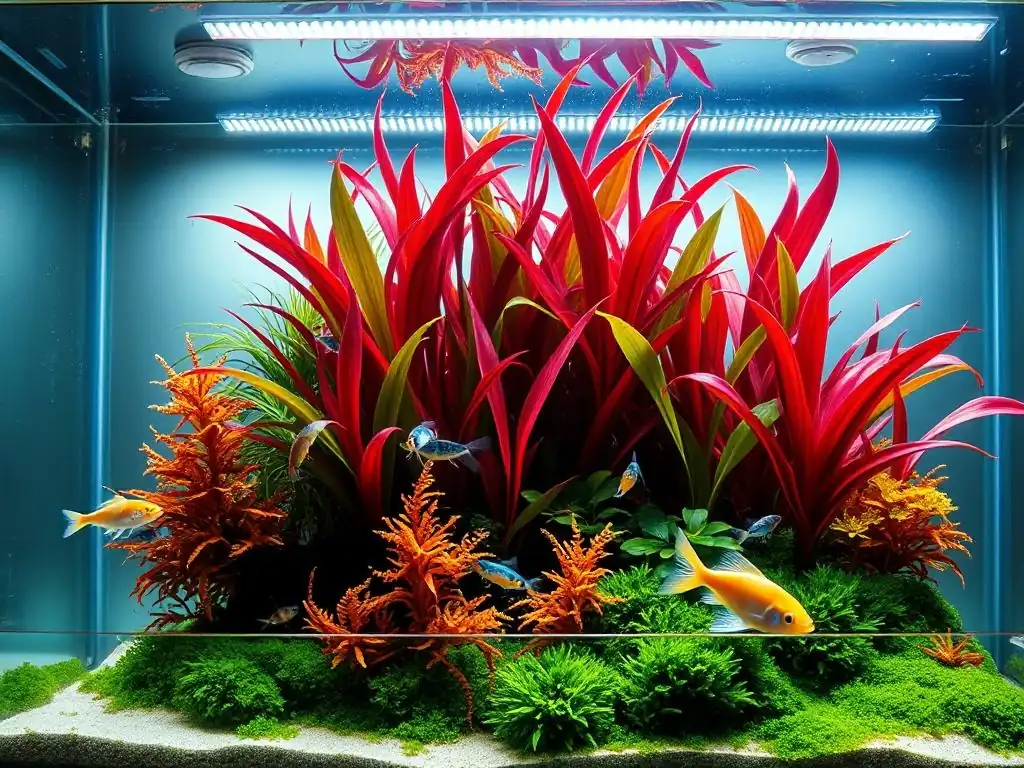
Welcome to Aquarium Mastery, where we help you unlock the secrets to thriving aquatic ecosystems!
Tired of battling that persistent green haze? You're not alone! Many aquarists face the frustrating issue of algae blooms. Dive into our comprehensive guide, " Is Your Aquarium Lighting Causing Algae? A Troubleshooting Guide," and discover how understanding algae bloom aquarium lighting can transform your tank from murky to magnificent. Ready to shed some light on the problem? Let's get started!
- Aquarium Lighting and Algae Control: A Comprehensive Guide
- Understanding the Relationship Between Light and Algae in Aquariums
- Troubleshooting Algae Issues Related to Aquarium Lighting
- Optimizing Lighting for Algae Prevention
- Additional Factors Contributing to Algae Growth
- Practical Algae Control Methods
- Comparing Lighting Technologies for Algae Management
- Frequently Asked Questions About Lighting and Algae
- Long-Term Algae Prevention Strategies
-
Frequently Asked Questions
- Is too much aquarium lighting really the primary cause of algae blooms?
- How do I know if my aquarium lighting is contributing to an algae bloom?
- What type of aquarium lighting is least likely to cause algae blooms?
- What are some other factors besides lighting that contribute to algae blooms?
- How often should I change my aquarium water to prevent algae blooms related to lighting issues?
- Final Reflection: Illuminating the Path to Clarity
- Illuminate Your Next Step: Conquer Aquarium Algae!
Aquarium Lighting and Algae Control: A Comprehensive Guide
Understanding the Relationship Between Light and Algae in Aquariums
The Impact of Light Spectrum on Algae Growth
The spectrum of light, or the specific wavelengths of light emitted by an aquarium fixture, plays a crucial role in photosynthesis for both aquatic plants and algae. While plants primarily utilize red (620-680 nm) and blue (440-470 nm) wavelengths for chlorophyll absorption, algae can often thrive across a broader spectrum, including wavelengths that plants utilize less efficiently, such as green and yellow light. An imbalance in the light spectrum, where certain wavelengths are overrepresented without sufficient plant mass to consume the energy, can inadvertently promote an algae bloom aquarium lighting problem.
For instance, some cheaper "full spectrum" LED lights might appear bright but have peaks in the green or yellow range that are less efficient for plant growth but still contribute to the overall Photosynthetically Active Radiation (PAR) that algae can exploit. Conversely, lights specifically designed for planted tanks emphasize strong red and blue peaks, which are ideal for robust plant growth.
If these optimal conditions for plants are not met with adequate CO2 and nutrient levels, the high-quality light intended for plants can become a catalyst for an Algae bloom aquarium lighting issue, as algae are more opportunistic in seizing available energy.
Light Intensity and its Influence on Algae Development
Light intensity, commonly measured in PAR (Photosynthetically Active Radiation) units of micromoles per square meter per second (µmol/m²/s), is a critical factor influencing algae development. Excessive light intensity, particularly when not matched by sufficient CO2, nutrients, and plant mass, creates an environment where algae can outcompete struggling plants. Plants have a saturation point for light; beyond a certain intensity, they cannot photosynthesize more efficiently, and the excess light energy then becomes available for algae.
For example, a low-tech freshwater aquarium with minimal CO2 supplementation might only require a PAR level of 15-30 µmol/m²/s at the substrate. In contrast, a high-tech planted tank with CO2 injection and comprehensive fertilization might utilize PAR levels ranging from 50-80 µmol/m²/s. If an aquarist applies a light fixture capable of 80 µmol/m²/s to a tank designed for 30 µmol/m²/s without adjusting other parameters, the likelihood of a significant Algae bloom aquarium lighting problem, such as green hair algae or green spot algae, increases dramatically.
Common Types of Algae Found in Freshwater Aquariums
Freshwater aquariums are susceptible to several common types of algae, each often triggered by specific environmental conditions, including aspects of lighting. Green Spot Algae (GSA) typically appears as small, hard, dark green spots on glass and slow-growing plant leaves, often indicating high light intensity combined with low phosphate levels. Green Hair Algae (GHA) manifests as long, stringy, filamentous growths, frequently a sign of excessive light duration or intensity coupled with an imbalance of nutrients.
Brown Diatoms, or "brown algae," form a dusty, brownish film on all surfaces, common in new tanks with insufficient light or high silicates. Black Beard Algae (BBA), characterized by fuzzy black or dark tufts, is notoriously stubborn and frequently linked to fluctuating CO2 levels and high organic waste, though high light can exacerbate its spread.
Lastly, Green Water, caused by a bloom of single-celled algae, turns the aquarium water cloudy green and is almost always a result of a severe imbalance between high light and excess nutrients. Understanding these specific manifestations helps in pinpointing the underlying cause of an Algae bloom aquarium lighting issue.
Overlighting: A Key Factor in Algae Proliferation
Overlighting, whether due to excessive intensity or prolonged duration, is one of the most common causes of an Algae bloom aquarium lighting problem. When the amount of light supplied to the aquarium exceeds the plants' ability to utilize it for photosynthesis, the surplus energy becomes readily available for algae. Unlike higher plants, which can become light-saturated and even stressed by too much light, algae are often more efficient at absorbing and utilizing this excess energy, especially when nutrients are also abundant.
Consider a tank running a high-power LED light for 10-12 hours daily. Even if the light is suitable for planted tanks, if the plant mass is sparse or CO2 levels are insufficient, the plants cannot process all the light. For instance, after 6-8 hours, many plants reach their photosynthetic saturation point, meaning additional light provides diminishing returns for them but continues to fuel algae growth. This continuous energy input without adequate consumption creates an ideal breeding ground for various algal species, leading to persistent outbreaks.
Light Duration Management for Algae Control
Managing light duration is a highly effective strategy for controlling and preventing an Algae bloom aquarium lighting problem. Most planted aquariums thrive on a photoperiod of 6 to 8 hours per day. Extending this duration beyond 8 hours often provides little additional benefit for plants and significantly increases the risk of algae proliferation, as plants' photosynthetic activity typically plateaus.
A popular method to combat stubborn algae while still providing ample light for plants is the "siesta period" or "mid-day break." This involves splitting the photoperiod into two segments, for example, 4 hours on, followed by a 2-3 hour blackout, then another 4 hours on. This break allows CO2 levels to replenish in the water, which benefits plants, while simultaneously stressing algae, which are less efficient at recovering from such interruptions. This technique can significantly reduce the severity of green hair algae and other light-driven algal blooms.
Spectrum's Effect on Different Algae Species
The specific light spectrum can influence the prevalence of certain algae species. While full-spectrum lighting is generally recommended for planted tanks to support robust plant growth, an unbalanced spectrum can sometimes inadvertently favor algae. For instance, a light fixture with a disproportionately high amount of green or yellow light, which plants utilize less efficiently, might contribute to issues like green water or diatoms.
Furthermore, some research suggests that an overabundance of blue light, particularly in the 470-490 nm range, could potentially exacerbate the growth of blue-green algae (cyanobacteria), although cyanobacteria are primarily linked to nutrient imbalances and poor water quality rather than solely lighting. Conversely, reducing the intensity of specific red and blue peaks might slow down some green algae, but this often comes at the cost of hindering plant growth. The key is to provide a spectrum optimized for plants, ensuring they outcompete algae for resources and light, thereby mitigating an Algae bloom aquarium lighting issue.
Optimizing Lighting for Algae Prevention
Selecting the Appropriate Light Spectrum for Planted Tanks
Selecting the appropriate light spectrum is paramount for fostering healthy plant growth and simultaneously deterring an Algae bloom aquarium lighting problem. For planted tanks, the ideal light spectrum should mimic natural sunlight, providing strong peaks in the red (620-680 nm) and blue (440-470 nm) wavelengths, which are crucial for chlorophyll absorption and photosynthesis. Lights specifically marketed for planted aquariums often achieve this balance, promoting vigorous plant growth that naturally outcompetes algae.
Avoid general-purpose "full spectrum" lights that might have significant energy in the green-yellow spectrum, as these wavelengths are less efficiently used by plants and can contribute to excess light energy for algae. A light with a color temperature around 6500K is a common choice, as it closely resembles daylight and provides a good balance for both plant growth and visual appeal. Investing in a high-quality planted tank light ensures the spectrum supports robust plant health, making them more resilient against algal invasions.
Fine-Tuning Light Intensity for Plant Health and Algae Mitigation
Fine-tuning light intensity is a continuous process crucial for balancing plant health and algae mitigation. The optimal light intensity for an aquarium depends on the plant species, their density, and the availability of CO2 and nutrients. A common approach is to start with a lower intensity and gradually increase it as plants adapt and grow, carefully observing for signs of algae or plant stress. Using a PAR meter provides precise measurements, but visual cues are also invaluable.
For instance, if you notice green spot algae or hair algae proliferating, it's often an indicator that the light intensity is too high for the current nutrient and CO2 levels. Reducing the light intensity by dimming the fixture (if dimmable), raising the light higher above the tank, or even using a mesh screen to diffuse light can significantly curb an Algae bloom aquarium lighting issue. Conversely, if plants appear stunted or pale, a slight increase in intensity might be warranted, provided other parameters are optimal.
Establishing an Effective Lighting Schedule
Establishing and adhering to an effective lighting schedule is fundamental for preventing algae and promoting consistent plant growth. For most freshwater planted aquariums, a consistent photoperiod of 6 to 8 hours per day is ideal. This duration allows plants sufficient time for photosynthesis without providing an excessive window for algae to proliferate. Consistency is key; erratic schedules, such as turning lights on and off at random times, can stress plants and make them more susceptible to algal outbreaks.
Utilizing an automatic timer is highly recommended to ensure precise and reliable light cycles. For example, setting a timer to turn the lights on at 1:00 PM and off at 9:00 PM daily provides a stable routine that plants can adapt to. If algae remains an issue, consider experimenting with a "siesta" period, breaking the 8-hour cycle into two 4-hour segments with a 2-3 hour dark period in between. This strategy can disrupt algae growth patterns while allowing CO2 levels to replenish for plants, effectively managing an Algae bloom aquarium lighting problem.
Additional Factors Contributing to Algae Growth
Nutrient Levels: Nitrates, Phosphates, and Algae's Food Source
While lighting often acts as the trigger for an algae bloom, nutrient levels serve as the fundamental fuel. Algae, like plants, require macronutrients such as nitrates (NO3), phosphates (PO4), and potassium (K), as well as various micronutrients, for growth. An imbalance or excessive concentration of these nutrients, particularly nitrates and phosphates, can lead to rampant algae growth, especially when combined with high light. For instance, consistently high nitrate levels (e.g., above 20-30 ppm) and phosphates (e.g., above 0.5-1.0 ppm) often coincide with significant algae outbreaks in aquariums.
However, it's not just about high levels; a lack of balance can also be problematic. For example, some aquarists find that very low phosphate levels (below 0.05 ppm) in high-light tanks can lead to green spot algae, as plants struggle to utilize available nitrates without sufficient phosphate, leaving it for algae. Conversely, high nitrates with insufficient phosphates might favor hair algae. Regular water testing and appropriate dosing of fertilizers to maintain a balanced nutrient profile are crucial to prevent algae from taking hold, even with optimal Algae bloom aquarium lighting.
CO2's Role in Algae Growth in Planted Aquariums
Carbon dioxide (CO2) is a vital macronutrient for aquatic plants, particularly in high-light planted aquariums. Its role in algae growth is indirect but significant: if CO2 levels are insufficient or fluctuate wildly, plants cannot photosynthesize efficiently, even under optimal lighting. This inefficiency means plants are unable to fully utilize the available light and nutrients, creating an opportunity for algae to thrive on the unused resources. Low or unstable CO2 is a primary trigger for notorious algae types like Black Beard Algae (BBA).
For a high-tech planted tank, maintaining a consistent CO2 level of 20-30 ppm is often recommended, which can be monitored using a drop checker (aiming for a lime green color). Inconsistent CO2 injection, leaks in the system, or inadequate diffusion can cause CO2 levels to fluctuate throughout the day, stressing plants and making them vulnerable to algae. Ensuring stable and sufficient CO2 supply allows plants to grow robustly, effectively outcompeting algae for light and nutrients and preventing an Algae bloom aquarium lighting issue.
Water Circulation Techniques for Algae Prevention
Effective water circulation is a frequently overlooked but critical factor in preventing algae growth. Good water flow ensures that CO2, nutrients, and warmth are evenly distributed throughout the aquarium, reaching all plant leaves and preventing "dead spots." In stagnant areas, nutrients can accumulate, and CO2 depletion can occur, creating localized conditions that favor algae growth, even if overall tank parameters seem balanced.
For instance, in a 50-gallon planted tank, a filter with a flow rate of 200-300 GPH (gallons per hour) might be sufficient, but strategically placed powerheads or the output of the filter can ensure flow reaches all corners. Areas with poor circulation are often where detritus settles, decomposing and releasing additional nutrients that can fuel algae. By ensuring consistent, gentle flow, you provide plants with constant access to necessary resources, enhancing their ability to outcompete algae and mitigating the risk of an Algae bloom aquarium lighting problem.
Practical Algae Control Methods
Reducing Light Exposure to Inhibit Algae
Reducing light exposure is often the quickest and most effective initial step when faced with an Algae bloom aquarium lighting issue. Algae, particularly green algae, are highly dependent on light for photosynthesis. By significantly reducing the amount of light, you directly starve the algae of their primary energy source. This can involve shortening the photoperiod, reducing the light intensity, or even implementing a complete blackout.
For a severe algae outbreak, a 3-day blackout is a common and powerful technique. This involves turning off all lights for 72 hours and covering the tank to prevent any ambient light from entering. Most aquatic plants can tolerate this brief period of darkness, while the lack of light severely inhibits or kills off many types of algae. After the blackout, resume lighting at a reduced intensity and duration (e.g., 6 hours at 50% intensity) and gradually increase as algae recedes and plants recover.
Utilizing Algae-Eating Inhabitants
Introducing algae-eating inhabitants can be a valuable supplementary tool in an algae control strategy, though they are not a substitute for addressing underlying issues like an Algae bloom aquarium lighting problem. Certain species are highly effective at grazing on various types of algae. For example, Amano shrimp (Caridina multidentata) are renowned for their voracious appetite for green hair algae and diatoms, with 5-10 Amano shrimp capable of making a noticeable difference in a 20-gallon tank.
Otocinclus catfish are excellent for consuming diatoms and green film algae on leaves and glass. Nerite snails are superb at cleaning green spot algae from hard surfaces and glass. While these creatures can significantly reduce the visible presence of algae, it's crucial to remember that they are helpers, not solutions. If the environmental conditions that cause the algae (e.g., excess light, nutrient imbalance) are not rectified, the algae will continue to grow, potentially overwhelming the clean-up crew.
Manual Algae Removal Techniques
Manual algae removal is a fundamental and immediate method for controlling an Algae bloom aquarium lighting issue and maintaining tank aesthetics. This involves physically removing algae from surfaces within the aquarium. For glass, dedicated algae scrapers (blade or magnetic) are highly effective at removing green spot algae and film. For plants and decor, siphoning out stringy algae with a turkey baster or carefully twirling hair algae onto a toothbrush can be very effective.
Consistency is key with manual removal. During an outbreak, performing small manual removals daily or every other day, combined with addressing the root cause (like adjusting lighting or nutrients), can prevent algae from re-establishing quickly. For example, spending 5-10 minutes each morning scraping the front glass and siphoning visible algae patches can significantly reduce the overall algae load and improve the tank's appearance while long-term solutions take effect.
Comparing Lighting Technologies for Algae Management
LED Lighting for Planted Aquariums: Advantages and Disadvantages
LED (Light Emitting Diode) lighting has become the dominant technology for planted aquariums due to several significant advantages that also aid in Algae bloom aquarium lighting management. LEDs are highly energy-efficient, consuming less power than traditional fluorescent lights, and boast an exceptionally long lifespan, often exceeding 50,000 hours, meaning bulbs rarely need replacement. Crucially, many planted tank LEDs offer customizable spectrums and dimming capabilities, allowing aquarists precise control over light intensity and color, which is vital for fine-tuning to prevent algae.
However, LEDs also have disadvantages. Their initial cost can be significantly higher than fluorescent fixtures. Furthermore, the sheer power and intensity of some high-quality LEDs can easily lead to overlighting if not properly managed, potentially triggering severe algae outbreaks. Without a dimmer or careful placement, even a good LED light can become a source of an Algae bloom aquarium lighting problem if the tank's other parameters (CO2, nutrients) cannot keep up with the light's intensity.
Fluorescent Lighting: Algae Growth Considerations
Fluorescent lighting, primarily T5 High Output (T5HO) and T8 bulbs, has been a long-standing choice for planted aquariums. T5HOs are powerful and efficient for growing a wide range of aquatic plants, while T8s are suitable for lower-tech setups. One key consideration with fluorescent lighting and algae growth is bulb degradation. Fluorescent bulbs lose intensity and shift their spectrum over time, even if they still appear to be working. This degradation can stress plants, making them less competitive against algae.
For instance, a T5HO bulb designed for plants might lose significant output after 6-12 months of daily use, leading to an imbalance where plants struggle, and algae seize the opportunity. Fluorescent lights also produce more heat than LEDs, which can contribute to higher water temperatures. While generally effective, the lack of dimming capabilities on most fluorescent fixtures and the need for regular bulb replacement (typically every 6-12 months) to maintain optimal spectrum and prevent an Algae bloom aquarium lighting issue are important factors to consider.
Light Type Comparison: Algae Growth, Plant Health, and Cost
When comparing LED and fluorescent lighting for algae management, plant health, and cost, each technology presents a different balance. LEDs offer unparalleled control over intensity and spectrum, allowing aquarists to precisely tailor light to plant needs and respond quickly to potential algae outbreaks by dimming. This customizability makes them excellent tools for proactive Algae bloom aquarium lighting prevention. They are also more energy-efficient and have a longer lifespan, leading to lower long-term operating costs despite a higher initial investment (e.g., a high-end LED might cost $150-$300+ vs. $50-$150 for a T5HO fixture).
Fluorescent lights, while cheaper upfront, incur higher ongoing costs due to electricity consumption and the need for frequent bulb replacements (e.g., a pack of T5HO bulbs might cost $30-$50 every 6-12 months). They offer less control over intensity and spectrum once installed, making them less adaptable to changing tank conditions or algae issues.
For plant health, both can be excellent, but LEDs often provide superior growth due to their optimized spectrums and intensity. In terms of algae growth, the precise control offered by LEDs generally makes them a more versatile tool for managing and preventing an Algae bloom aquarium lighting problem compared to the more fixed nature of fluorescent systems.
Frequently Asked Questions About Lighting and Algae
Can Insufficient Light Cause Algae?
Yes, insufficient light can indeed cause certain types of algae, though it's less commonly discussed than overlighting. The most prominent example is brown diatoms (Bacillariophyta), which frequently appear in new aquariums or tanks with very low light levels. Diatoms thrive in low light conditions and utilize silicates present in tap water or substrate. When plants are not receiving enough light to photosynthesize effectively, they become weak and cannot outcompete even low-light-loving algae for available nutrients.
Furthermore, extremely low light can lead to poor plant growth and health, causing plants to melt or struggle. This breakdown of plant matter releases nutrients, which then become available for opportunistic algae. While a high-intensity Algae bloom aquarium lighting issue is often characterized by green hair algae or green spot algae, a persistent brown film on surfaces often signals that the tank's lighting is inadequate for robust plant growth, leaving a niche for diatoms and other low-light tolerant algae.
Aquarium Bulb Replacement Frequency
The frequency of aquarium bulb replacement largely depends on the type of lighting technology used. For traditional fluorescent bulbs (T5HO and T8), replacement every 6 to 12 months is generally recommended for planted aquariums, even if the bulbs appear to be working. While they may still emit light, their spectrum and intensity degrade significantly over time, becoming less efficient for plant photosynthesis. This degradation can lead to a subtle shift in the light quality, stressing plants and creating conditions ripe for an Algae bloom aquarium lighting problem.
In contrast, LED lighting systems typically boast a much longer lifespan, often rated for 50,000 hours or more. This means that for the average aquarist, LED "bulbs" (the diodes themselves) rarely need replacement, potentially lasting for 5-10 years or even longer before significant degradation occurs. The long-term stability and consistent output of quality LEDs are major advantages, as they eliminate the periodic decline in light quality that can trigger algae issues in fluorescent-lit tanks.
UV Sterilizers and Algae Control Mechanisms
UV (Ultraviolet) sterilizers are devices that expose aquarium water to UV-C light, which is effective at disrupting the DNA of free-floating microorganisms, including certain types of algae. Their primary mechanism of algae control is the elimination of single-celled algae that cause green water (algal blooms that turn the water cloudy green). As water passes through the UV sterilizer, the UV-C light kills or sterilizes these microscopic algae, clearing the water within a few days.
However, it's crucial to understand the limitations of UV sterilizers in the context of an Algae bloom aquarium lighting issue. While highly effective against green water, UV sterilizers have no impact on algae that are attached to surfaces, such as green spot algae, hair algae, or Black Beard Algae. They address a symptom (green water) rather than the root cause (e.g., excess light, nutrient imbalance, or poor CO2). Therefore, while a UV sterilizer can clear green water, it won't solve underlying issues that lead to persistent algae on tank surfaces or plants.
Long-Term Algae Prevention Strategies
Consistent Water Changes for Nutrient Regulation
Consistent and regular water changes are a cornerstone of long-term algae prevention, particularly for managing nutrient levels that fuel algae growth. Water changes effectively dilute and remove accumulated nitrates, phosphates, and other dissolved organic compounds that serve as food for algae. Even in well-maintained planted tanks, nutrients can build up from fish waste, uneaten food, and decaying plant matter.
Performing weekly water changes of 25-50% of the tank volume is a common recommendation. For example, in a 50-gallon tank, a weekly 30% water change removes 15 gallons of nutrient-laden water, effectively resetting the nutrient balance and preventing the build-up of excess algae fuel. This proactive approach ensures that even with optimal Algae bloom aquarium lighting, algae do not have an abundance of nutrients to exploit, significantly reducing the likelihood of outbreaks.
Effective Filtration for Water Quality Maintenance
Effective filtration is paramount for maintaining pristine water quality, which directly impacts algae prevention. A robust filtration system, typically consisting of mechanical, biological, and sometimes chemical filtration, works to remove particulate matter, convert harmful nitrogenous wastes, and absorb impurities. Mechanical filtration (e.g., sponges, filter floss) physically removes detritus and uneaten food before they decompose and release nutrients.
Biological filtration, provided by beneficial bacteria colonizing filter media (e.g., ceramic rings, bio-balls), converts toxic ammonia and nitrite into less harmful nitrate. Preventing spikes in ammonia and nitrite is crucial, as these can stress plants and create an environment where algae can thrive. Regularly cleaning mechanical filter media (rinsing in old tank water) prevents the accumulation of organic matter that could otherwise break down and contribute to nutrient overload, thereby supporting long-term Algae bloom aquarium lighting prevention.
Monitoring and Adjusting Lighting for Plant Health
Long-term algae prevention is an ongoing process that heavily relies on continuous monitoring and strategic adjustment of aquarium lighting based on plant health and algae presence. Aquarists should regularly observe their plants for signs of robust growth, such as new leaves, pearling (oxygen bubbles on leaves), and good color. Conversely, signs of plant stress, like melting, stunted growth, or pale coloration, can indicate that lighting conditions are not optimal or that other parameters are out of balance.
If algae begins to appear, especially types commonly associated with high light like green spot algae or green hair algae, the first course of action should often be to reduce the light intensity or duration. For instance, if you're running your lights for 8 hours at 100% intensity, try reducing it to 7 hours at 80% intensity for a week or two. This proactive and adaptive approach, combined with consistent water changes and nutrient management, is key to maintaining a healthy, algae-free aquarium and preventing a recurring Algae bloom aquarium lighting problem.
Frequently Asked Questions
Is too much aquarium lighting really the primary cause of algae blooms?
While excess light is often a factor, it's usually a combination of factors. Excess nutrients, like nitrates and phosphates, combined with excessive light create the perfect environment for algae blooms.
How do I know if my aquarium lighting is contributing to an algae bloom?
Observe the intensity and duration of your aquarium lighting. If your lights are on for more than 8-10 hours a day, or are too strong, it's likely a contributing factor to unwanted algae growth.
What type of aquarium lighting is least likely to cause algae blooms?
LED lighting is generally preferred due to its energy efficiency and controllable intensity. Choosing a light with adjustable brightness can help you find the optimal balance and minimize algae.
What are some other factors besides lighting that contribute to algae blooms?
Besides lighting, poor water quality, specifically high nitrate and phosphate levels, are major contributors. Insufficient water changes and overfeeding can also exacerbate the problem.
Regular water changes are crucial. Aim for a 25-50% water change every 1-2 weeks to help remove excess nutrients that fuel algae growth, especially if you're adjusting your lighting schedule.
Final Reflection: Illuminating the Path to Clarity
The insights shared in this guide, focused on understanding the delicate balance between aquarium lighting and algae growth, resonate deeply in a time where sustainable practices and responsible pet ownership are paramount. The seemingly simple act of adjusting aquarium lighting can have profound effects, not only on the aesthetic appeal of our underwater worlds but also on the health and well-being of the entire ecosystem within. This understanding is crucial for hobbyists striving to create thriving, balanced environments for their aquatic companions.
The impact of responsible aquarium management extends far beyond the glass walls of our tanks. It's a microcosm reflecting our broader relationship with the natural world, demanding attentiveness and a commitment to understanding the intricate web of life. The lessons learned from troubleshooting algae blooms, from understanding light spectrums to managing nutrient levels, translate into a deeper appreciation for ecological balance. In nature, nothing exists alone.
- Rachel Carson. This quote reminds us that every element within an ecosystem, including the lighting in our aquariums, plays a vital role in the overall health and stability of the system.
Now, armed with this knowledge, I invite you to reflect on your own aquarium practices. Are you truly observing and responding to the needs of your aquatic environment? Consider the power you hold to cultivate a thriving ecosystem, free from the disruptive effects of algae blooms. Take the time to fine-tune your lighting, monitor your water parameters, and embrace a proactive approach to aquarium management. By doing so, you'll not only create a more beautiful and healthy environment for your fish, but you'll also contribute to a greater understanding and appreciation for the delicate balance of life itself.
Illuminate Your Next Step: Conquer Aquarium Algae!
Thank you for diving into the world of aquarium lighting and its impact on algae growth! Now that you're equipped with the knowledge to troubleshoot lighting-related algae issues, let's put that expertise into action.
Here's how you can take control of your aquarium's health:
- First, conduct a thorough assessment of your aquarium's lighting. Precisely measure the photoperiod duration and intensity to ensure it aligns with the needs of your plants and fish. This is your key step to immediate improvement.
- Share your newly acquired knowledge! Post a before-and-after photo of your aquarium on social media, tagging Aquarium Mastery and using the hashtag #AquariumAlgaeMaster, showcasing your journey to a clearer tank.
- Take a plunge to the unknown: Try introducing a small, algae-eating shrimp or snail species to your tank – after researching compatibility, of course – and document their impact over the course of a week.
What surprising changes did you notice in your tank after adjusting your lighting, and how has it impacted your aquarium inhabitants?