
Propagating Stem Plants: Easy Cuttings for an EverExpanding Garden


Welcome to Aquarium Mastery!
Ever dreamt of an ever-expanding underwater garden, bursting with vibrant life? You're in the right place! Dive in and discover the secrets of stem plant cuttings propagation – a simple yet powerful technique to multiply your aquatic flora. Ready to transform a single stem into a flourishing forest? Let's get started!
- Propagating Aquarium Stem Plants: Easy Cuttings for an Ever-Expanding Aquatic Garden
- Understanding Aquarium Stem Plant Propagation: A Beginner's Guide
- Selecting Healthy Aquarium Stem Plants for Cuttings
-
Step-by-Step Guide to Aquarium Stem Plant Cuttings Propagation
- Preparing the Stem Cutting: The Right Length and Technique
- Removing Lower Leaves: Promoting Root Growth
- Choosing the Right Substrate: Fine Gravel, Inert Sand, or Nutrient-Rich Aquasoil
- Planting the Cutting: Ensuring Proper Depth and Stability
- Maintaining Optimal Conditions: Light, Temperature, and Water Quality
- Optimizing the Environment for Root Development
- Troubleshooting Common Propagation Problems
- Caring for Newly Propagated Aquarium Stem Plants
- Advanced Aquarium Stem Plant Propagation Techniques
- Expanding Your Aquatic Garden with Aquarium Stem Plant Cuttings
-
Frequently Asked Questions
- How do I take stem plant cuttings for propagation?
- What type of substrate is best for rooting stem plant cuttings?
- How long does it take for stem plant cuttings to root?
- What kind of lighting is needed for successful stem plant cutting propagation?
- Can I propagate stem plant cuttings directly in my aquarium?
- Final Reflection: Cultivating Growth, Rooted in Simplicity
- Cultivate Your Green Thumb: Propagate Now!
Propagating Aquarium Stem Plants: Easy Cuttings for an Ever-Expanding Aquatic Garden
Understanding Aquarium Stem Plant Propagation: A Beginner's Guide
What are Aquarium Stem Plants and Why Propagate Them?
Aquarium stem plants are a diverse group of aquatic flora characterized by their elongated stems with leaves growing from nodes along the length. Species like Rotala rotundifolia, Ludwigia repens, and Hygrophila polysperma are prime examples, known for their rapid growth and adaptability. Their structure makes them exceptionally well-suited for a simple and effective method of reproduction: stem plant cuttings propagation. This technique involves taking a section of the parent plant's stem and replanting it, allowing it to develop into a new, independent plant.
The primary motivations for propagating these plants are multifaceted. Aquarists often propagate to fill out their aquascape, create dense plant groupings, or simply to replace older, leggy growth with fresh, vibrant new plants. Furthermore, it offers significant cost savings, as a single purchase can lead to an endless supply of plants, making it a highly sustainable practice for any planted tank enthusiast.
Benefits of Propagating Aquarium Stem Plants via Cuttings
The process of propagating aquarium stem plants through cuttings offers numerous advantages. Economically, it's a game-changer; instead of purchasing new plants for every section of your tank, you can effectively multiply your existing stock for free. For instance, a single healthy stem of Rotala rotundifolia can yield 3-5 viable cuttings, potentially saving an aquarist dozens of dollars per month on plant purchases for a heavily planted tank.
Beyond cost, propagation ensures a continuous supply of genetically identical plants that are already acclimated to your specific water parameters, reducing the shock often experienced by newly introduced plants. This method also promotes a healthier, bushier aquascape. Regular trimming for cuttings encourages side shoots and denser growth in the parent plant, leading to a more aesthetically pleasing and robust aquatic garden.
Essential Tools and Supplies for Aquarium Stem Plant Cutting Propagation
Successful stem plant cuttings propagation requires only a few basic tools, making it accessible even for beginners. The most crucial item is a pair of sharp, clean aquascaping scissors or shears. Precision-ground stainless steel shears are ideal, as they allow for clean cuts that minimize damage to plant tissues, preventing crushing that can lead to rot. A typical pair might cost between $15-$30, a worthwhile investment for frequent trimmers.
Additionally, a pair of long-handled tweezers is highly beneficial for gently handling and planting the delicate cuttings into the substrate without disturbing other plants or the substrate itself. A small, clean container, such as a glass bowl or a dedicated propagation tray, can be useful for holding cuttings temporarily before planting. While not strictly necessary, some aquarists also opt for rooting hormones, which can accelerate root development, though many common stem plants root readily without them.
Selecting Healthy Aquarium Stem Plants for Cuttings
Identifying Ideal Aquarium Stem Plants for Propagation
When embarking on stem plant cuttings propagation, certain species stand out due to their inherent ease of rooting and rapid growth. Popular choices include Rotala rotundifolia, known for its vibrant red or green hues and quick rooting from nodes; Ludwigia repens, a hardy plant that readily produces roots along its stem; and Bacopa monnieri, admired for its resilience and ability to thrive in various conditions. These species typically exhibit a clear stem structure with distinct leaf nodes, which are the primary sites for new root development.
The ideal candidates for propagation are often those that show vigorous vertical growth, indicating they are actively photosynthesizing and have ample energy reserves. Their characteristic growth habit, where new leaves and roots emerge from these nodes, makes them perfectly suited for the cutting and replanting method, ensuring a high success rate for new aquarists.
Recognizing Signs of Healthy Growth for Successful Cuttings
For optimal success in stem plant cuttings propagation, selecting healthy parent plants is paramount. Look for stems that are turgid and firm to the touch, not soft or mushy, which could indicate decay. The leaves should be vibrant and uniformly colored, reflecting the plant's natural pigmentation—bright green for many species, or rich reds and oranges for others like Ludwigia super red. Avoid any stems with yellowing or browning leaves, as these are common indicators of nutrient deficiencies or stress.
Furthermore, healthy stems will often display close internodal spacing, meaning the distance between leaf sets is relatively short. This is a sign of adequate lighting and robust growth, suggesting the plant has sufficient energy stores to allocate to new root development. For instance, a healthy Rotala stem might have internodes of 0.5-1 inch (1.2-2.5 cm) under good light, providing multiple potential rooting points.
Avoiding Plants with Algae or Signs of Disease for Propagation
To ensure the vitality of your new plants and prevent the spread of problems, it is crucial to avoid using parent plants that show signs of algae growth or disease. Algae, such as green spot algae or hair algae, can easily transfer to the newly cut stems and subsequently hinder their ability to photosynthesize and develop roots effectively. For example, a cutting covered in hair algae will struggle to absorb light and nutrients, often leading to stunted growth or complete failure.
Similarly, any stem exhibiting signs of disease—such as holes, discolored patches, unusual growths, or melting tissues—should be discarded and not used for propagation. Propagating from diseased stock can introduce pathogens to your main aquarium or result in weak, non-viable new plants. A clean, healthy cutting increases the success rate of stem plant cuttings propagation significantly, often achieving a rooting success rate of 80-95% under ideal conditions.
Step-by-Step Guide to Aquarium Stem Plant Cuttings Propagation
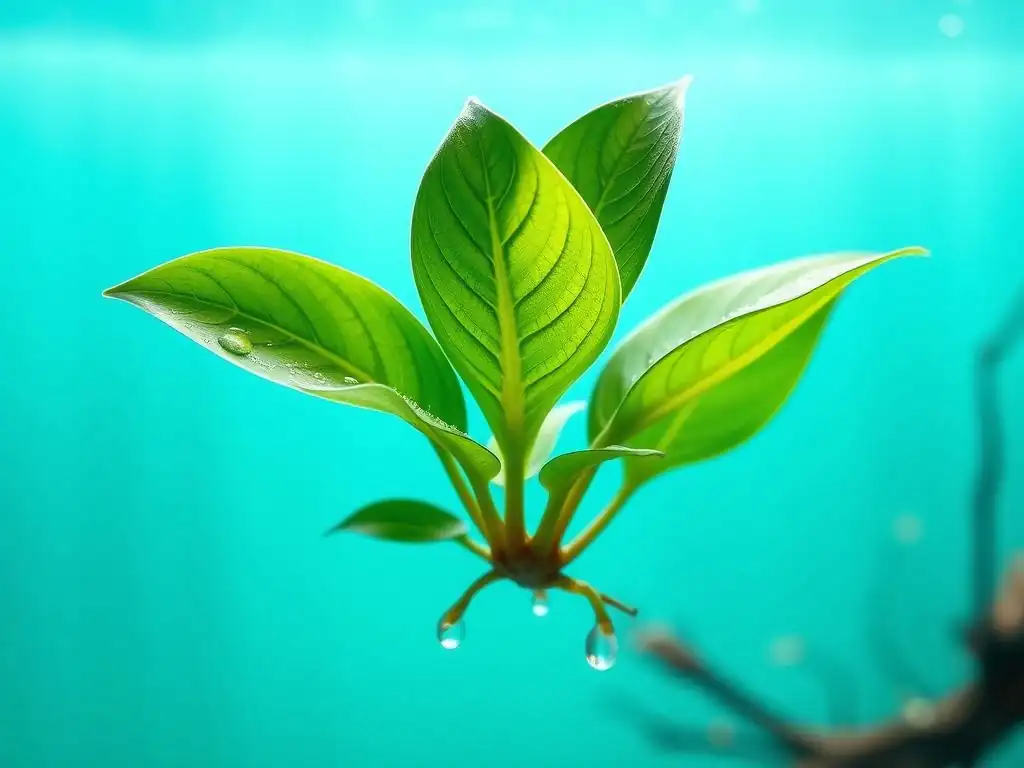
Preparing the Stem Cutting: The Right Length and Technique
The foundation of successful stem plant cuttings propagation lies in the initial cut. Using sharp aquascaping scissors, make a clean, diagonal cut just below a node, typically about 0.5 to 1 inch (1.2 to 2.5 cm) below it. This specific placement is crucial because nodes are where adventitious roots are most likely to emerge. The ideal length for a cutting generally ranges from 4 to 6 inches (10 to 15 cm), ensuring there are at least 3-4 nodes on the stem to promote robust root development and new shoot growth.
A clean, precise cut minimizes damage to the plant's vascular tissues, reducing the risk of rot and facilitating faster healing and root initiation. For instance, a 6-inch segment of Rotala rotundifolia can typically yield two or three new plants, depending on its internodal spacing, by simply cutting it into smaller sections, each with its own node for root formation.
Removing Lower Leaves: Promoting Root Growth
Once the stem is cut to the appropriate length, the next vital step is to remove the leaves from the bottom 1 to 2 inches (2.5 to 5 cm) of the stem. This section is what will be buried in the substrate, and any submerged leaves would inevitably rot. Decaying leaves not only pollute the water but also create an anaerobic environment that can lead to stem rot, severely jeopardizing the success of your stem plant cuttings propagation.
By clearing the lower portion of the stem, you expose the nodes directly to the substrate, allowing them unobstructed access to nutrients and providing the necessary space for new roots to emerge. This practice also ensures that the plant's energy is directed towards developing a strong root system rather than maintaining submerged foliage, which is inefficient and counterproductive.
Choosing the Right Substrate: Fine Gravel, Inert Sand, or Nutrient-Rich Aquasoil
The choice of substrate plays a significant role in the success of stem plant cuttings propagation. Nutrient-rich aquasoils, such as ADA Aqua Soil or Fluval Stratum, are often considered superior for their ability to provide essential nutrients directly to the developing roots. These substrates typically have a high cation exchange capacity (CEC), allowing them to absorb and release nutrients as needed, which can accelerate root growth and overall plant health. Many aquarists report new roots appearing within 5-7 days when using quality aquasoil.
While nutrient-rich substrates are ideal, stem plant cuttings can also root successfully in inert substrates like fine gravel or sand. However, in such cases, it is crucial to supplement with liquid fertilizers and/or root tabs to ensure the cuttings receive adequate nutrition. Regardless of the type, the substrate should be fine enough to allow the delicate new roots to penetrate easily and provide sufficient anchorage to prevent the cuttings from floating to the surface.
Planting the Cutting: Ensuring Proper Depth and Stability
Proper planting depth and stability are critical for the successful establishment of your stem plant cuttings. Using long-handled tweezers, gently insert the prepared cutting into the substrate, burying at least 1 to 2 inches (2.5 to 5 cm) of the stem. The goal is to ensure that the nodes from which roots will sprout are well beneath the substrate surface, where they can access nutrients and moisture consistently.
Ensure the cutting is firmly anchored and stands upright without wobbling. If the cutting is not stable, it can be dislodged by water currents or fish, disrupting the delicate rooting process. For longer stems, you might gently push more of the stem into the substrate to secure it, or even use a small, smooth rock at the base if the substrate is too loose. A stable cutting is more likely to direct its energy towards root development, leading to quicker establishment and growth.
Maintaining Optimal Conditions: Light, Temperature, and Water Quality
Consistent and optimal environmental conditions are paramount for successful stem plant cuttings propagation. Provide a stable photoperiod of 8-10 hours of moderate-to-high intensity light, which fuels photosynthesis and provides the energy necessary for root and shoot development. For many common stem plants, a PAR (Photosynthetically Active Radiation) value of 30-50 µmol/m²/s at the substrate level is often sufficient for new growth.
Maintain a stable water temperature, ideally between 72-78°F (22-26°C), which is conducive for the metabolic processes of most tropical aquatic plants. Crucially, ensure excellent water quality by performing regular water changes—typically 25-30% weekly—to keep nitrate levels low (below 20 ppm) and prevent the buildup of organic waste, which can inhibit root growth and encourage algae. Clean, well-oxygenated water is fundamental for the health and rapid establishment of new cuttings.
Optimizing the Environment for Root Development
The Importance of Lighting for Rooted Cuttings
Lighting is a cornerstone of successful stem plant cuttings propagation, directly influencing the speed and robustness of root development. While excessive light can sometimes trigger algae growth on newly planted, vulnerable cuttings, insufficient light will lead to stunted growth and melting, as the plant lacks the energy for photosynthesis. A balanced approach, providing moderate to high light intensity (e.g., a PAR value of 40-60 µmol/m²/s at the plant level for 8-10 hours daily), encourages vigorous energy production.
This energy is then channeled into forming a strong root system, which is essential for the plant to absorb nutrients and anchor itself securely. For example, Rotala species, when propagated under optimal lighting, can show visible root development within 5-7 days, whereas under low light, this process might take 2-3 weeks, if it succeeds at all. Properly managed lighting ensures that the newly developing roots receive the necessary energy to proliferate quickly and efficiently.
Maintaining Ideal Water Parameters for Propagation Success
Stable and appropriate water parameters are crucial for the healthy development of new roots from stem plant cuttings. Most freshwater stem plants thrive in slightly acidic to neutral water with a pH range of 6.5-7.5. Consistent general hardness (GH) of 4-8 dGH and carbonate hardness (KH) of 3-6 dKH are also beneficial, providing essential minerals like calcium and magnesium without causing extreme fluctuations. These parameters support the cellular processes involved in root formation.
Furthermore, maintaining low levels of ammonia and nitrite (ideally 0 ppm) and moderate levels of nitrates (5-15 ppm) is vital. While nitrates are a plant nutrient, very high levels can sometimes inhibit root growth in sensitive new cuttings. Regular water changes, typically 25-30% weekly, help to maintain these ideal conditions, ensuring a clean and stable environment where new roots can flourish without stress from fluctuating chemistry or pollutants.
CO2 and Fertilization for New Aquarium Stem Plant Growth
For accelerated growth and robust root development in stem plant cuttings, CO2 injection and a comprehensive fertilization regimen are highly recommended. Supplemental CO2, maintained at a concentration of 20-30 ppm during the light cycle, significantly boosts photosynthesis, allowing plants to convert light energy into biomass more efficiently. This enhanced metabolic activity directly translates into faster root emergence and stronger overall plant growth. Many aquarists report that CO2-enriched tanks see new roots on cuttings in as little as 3-5 days, compared to 10-14 days without CO2.
Alongside CO2, a balanced liquid fertilizer dosing strategy, providing both macro (Nitrogen, Phosphorus, Potassium) and micro (Iron, Manganese, Boron, etc.) nutrients, is essential. New cuttings, especially those in inert substrates, rely heavily on the water column for their initial nutrient uptake. Dosing according to the Estimated Index (EI) or a similar regimen ensures that all necessary elements are available, preventing deficiencies that could stunt root development or cause melting.
Troubleshooting Common Propagation Problems
Dealing with Algae Growth on Cuttings
Algae growth on newly planted stem plant cuttings is a common challenge that can hinder their development by competing for light and nutrients. The primary causes are often excessive light intensity or duration, and/or an imbalance of nutrients in the water column. To combat this, first assess your lighting; reducing the photoperiod to 6-8 hours or slightly dimming the lights can often mitigate the problem. For instance, if your PAR is over 70 µmol/m²/s, reducing it to 50-60 µmol/m²/s might be beneficial.
Secondly, regular water changes (e.g., 30-50% weekly) help to export excess nutrients, particularly nitrates and phosphates, which can fuel algae blooms. Introducing algae-eating invertebrates like Nerite snails or Amano shrimp (if tank size permits and they won't disturb the cuttings) can also provide a biological control. Manual removal of algae from the leaves and stems with a soft brush or gentle wiping is also effective to give the cuttings a clean start in the stem plant cuttings propagation process.
Preventing Rot and Decay in Aquarium Stem Plant Cuttings
Rot and decay are significant setbacks in stem plant cuttings propagation, often stemming from improper preparation or unsuitable environmental conditions. The most common cause is leaving lower leaves buried in the substrate, which inevitably decompose and create anaerobic pockets around the stem, leading to bacterial rot. Always ensure all leaves are meticulously removed from the portion of the stem that will be submerged in the substrate, typically the bottom 1-2 inches (2.5-5 cm).
Poor water circulation and stagnant conditions can also contribute to decay. Ensure your filter outflow provides gentle flow around the planted cuttings. Additionally, over-fertilization, particularly with nitrogen, can sometimes lead to soft, susceptible plant tissue. Maintaining stable water parameters, performing consistent water changes to remove organic waste, and making clean, sharp cuts when harvesting the stem plant cuttings are crucial preventative measures. Discard any cutting showing signs of mushiness or discoloration immediately to prevent the spread of decay.
Addressing Nutrient Deficiencies in Propagated Plants
Newly propagated stem plant cuttings, though resilient, can exhibit nutrient deficiencies if their needs are not met, which will impede successful stem plant cuttings propagation. Common signs include yellowing leaves (often indicating a nitrogen or iron deficiency), stunted growth (general macro or micro-nutrient deficiency), or holes in leaves (potassium deficiency). For instance, a Ludwigia repens cutting turning pale green or yellow indicates a likely nitrogen shortage.
To address these issues, ensure a consistent and balanced fertilization regimen. If using an inert substrate, root tabs placed near the base of the cuttings can provide localized nutrient delivery for several months. For water column feeders, a comprehensive liquid fertilizer containing all essential macro and micro-nutrients should be dosed regularly, typically daily or every other day depending on tank density and plant growth. Observing the specific symptoms allows for targeted supplementation, restoring the health and vigor of your newly propagated plants.
Caring for Newly Propagated Aquarium Stem Plants
Transplanting Rooted Cuttings to the Main Aquarium
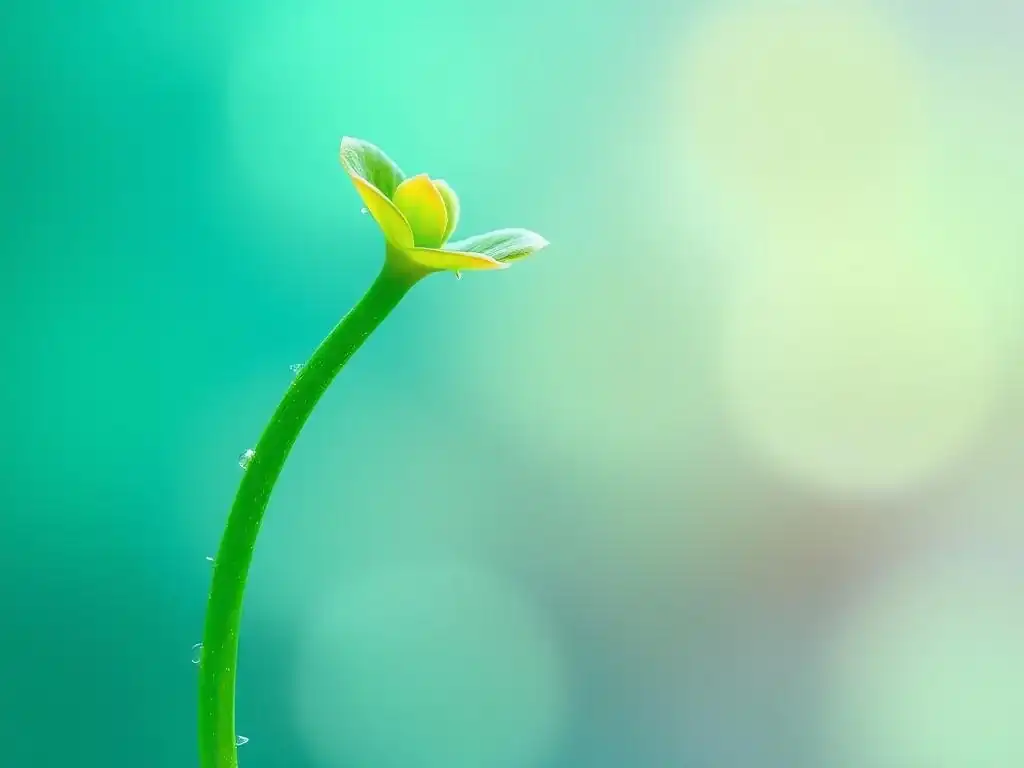
Once your stem plant cuttings have developed a strong root system, typically 1-2 inches (2.5-5 cm) long, they are ready for transplanting to the main aquarium or their permanent location within the same tank. The key is to handle them with extreme care to avoid damaging the delicate new roots. Gently ease the rooted cutting out of the substrate using tweezers, minimizing disturbance to the root ball.
When replanting, use your tweezers to create a small hole in the desired location in the main tank's substrate. Carefully insert the rooted cutting, ensuring the roots are spread out rather than bunched up, and gently backfill the substrate around the stem to secure it. This careful transplantation ensures the roots can immediately begin absorbing nutrients from their new environment, promoting continuous growth after stem plant cuttings propagation.
Acclimation Strategies for Newly Planted Aquarium Stem Plants
Even when moving rooted cuttings within the same aquarium, a brief acclimation period can be beneficial, especially if conditions in the propagation area differed significantly from the main display. Maintain stable water parameters, avoiding drastic changes in temperature, pH, or hardness. If your main tank has very high light, consider reducing the intensity or photoperiod for the first few days after transplanting to prevent shock and melting. For instance, a reduction from 10 hours to 8 hours for a week can help.
Ensure consistent CO2 injection (if applicable) and fertilization. Newly planted stem plant cuttings will be focusing energy on re-establishing their roots and adapting to the new flow and light conditions. Some minor melting of older leaves is normal during this period, but healthy new growth should emerge from the growing tip within a week or two, signaling successful acclimation and the continuation of stem plant cuttings propagation.
Monitoring Growth and Adjusting Care as Needed
Continuous monitoring of your newly propagated stem plants is essential for their long-term health and vibrant appearance. Observe for signs of new leaf growth, which indicates the plant is thriving. Pay attention to leaf color; any yellowing, browning, or translucency can signal a nutrient deficiency or other stressor. For example, if your Rotala cuttings, post stem plant cuttings propagation, start showing pale new growth, it might indicate a need for more iron.
Adjust light intensity, CO2 levels, and fertilizer dosing based on the plants' response. If plants are growing too leggy with widely spaced nodes, they may need more light. If algae is appearing, light might be too high or nutrients imbalanced. Regular trimming of the growing tips will encourage lateral branching, leading to a bushier, more appealing plant, and providing new material for future stem plant cuttings propagation, creating a self-sustaining cycle.
Advanced Aquarium Stem Plant Propagation Techniques
Using Rooting Hormones for Faster Growth
While many common stem plants root readily without assistance, rooting hormones can significantly accelerate the process, especially for more challenging species or when aiming for very high propagation success rates. These hormones, typically containing indole-3-butyric acid (IBA), stimulate root cell development. To use, simply dip the freshly cut end of the stem into the rooting hormone powder or liquid solution before planting.
Studies have shown that rooting hormones can reduce the time required for visible root formation by several days to over a week, potentially cutting the rooting period from 10-14 days down to 3-5 days for fast-growing species. While not a prerequisite for basic stem plant cuttings propagation, they can be a valuable tool for commercial growers or hobbyists looking to maximize efficiency and achieve rapid establishment of new plants.
Propagating Difficult Aquarium Stem Plant Species
Some aquarium stem plant species, particularly those from specialized habitats like certain Eriocaulon or Syngonanthus varieties, present greater challenges for stem plant cuttings propagation. These species often have very specific requirements for water parameters, such as extremely soft water (GH 0-2 dGH), low pH (5.0-6.0), and precise nutrient dosing. They may also demand higher light levels and consistent, high CO2 injection (e.g., 30+ ppm).
Successful propagation of these delicate species often requires a deeper understanding of their natural habitat and a more controlled environment. For instance, some Syngonanthus species may only root reliably in very nutrient-rich aquasoil and under intense lighting, with any fluctuation leading to melting. Researching the specific needs of these advanced plants is crucial, as their propagation success rate can be significantly lower (e.g., 30-50%) compared to common stem plants.
Creating a Dedicated Propagation Tank
For serious aquascapers or those aiming for large-scale stem plant cuttings propagation, setting up a dedicated propagation tank can be highly beneficial. This separate, often smaller, aquarium (e.g., a 5-10 gallon tank) allows for precise control over environmental factors without impacting the main display tank. You can fine-tune lighting intensity and duration, maintain optimal CO2 levels, and adjust fertilization regimens specifically for rapid root and shoot development.
A dedicated tank also provides a safe haven for vulnerable cuttings, protecting them from grazing fish or accidental uprooting by other tank inhabitants. It can be equipped with a simple filter, heater, and a good light, creating an optimal "nursery" environment. This focused approach significantly increases the success rate of stem plant cuttings propagation and allows for a continuous supply of healthy, rooted plants ready for the main display, potentially producing hundreds of cuttings annually from a small setup.
Expanding Your Aquatic Garden with Aquarium Stem Plant Cuttings
Popular Aquarium Stem Plants Ideal for Propagation: Rotala rotundifolia, Ludwigia repens, Bacopa monnieri
Several popular aquarium stem plants are exceptionally well-suited for easy stem plant cuttings propagation, making them ideal choices for beginners looking to expand their aquatic gardens. Rotala rotundifolia is a perennial favorite; it's a very fast grower, capable of adding 1-2 inches (2.5-5 cm) of height per week under good conditions, and roots readily from every node. Regular trimming of Rotala can yield dozens of cuttings monthly from a single bush.
Ludwigia repens is another robust option, known for its striking red or orange coloration under high light. It forms roots easily along its stem, and new cuttings typically establish within 7-10 days, growing at a rate of 0.5-1 inch (1.2-2.5 cm) per week. Bacopa monnieri, while a slower grower at about 0.25-0.5 inch (0.6-1.2 cm) per week, is incredibly hardy and tolerates a wide range of conditions, making its stem plant cuttings propagation almost foolproof. These three species exemplify the ease and effectiveness of this propagation method.
The Long-Term Benefits of Propagating Your Own Plants
Propagating your own aquarium stem plants through cuttings offers substantial long-term benefits beyond immediate cost savings. It fosters a sustainable and self-sufficient approach to aquascaping, ensuring a continuous, free supply of healthy plants for all your current and future projects. Over a year, a moderately planted 20-gallon tank could require $100-$200 in new plant purchases, a cost virtually eliminated by effective stem plant cuttings propagation.
Furthermore, propagating plants grown in your own tank ensures they are already acclimated to your specific water parameters, CO2 levels, and lighting, significantly reducing the melting and adaptation period often seen with newly purchased plants. This practice also minimizes the risk of introducing pests (like snails or planaria) or diseases that can sometimes hitchhike on plants from external sources, contributing to the overall health and stability of your aquatic ecosystem.
As your skills in stem plant cuttings propagation grow, you'll likely find yourself with an abundance of healthy, excess plants. This surplus presents a fantastic opportunity to engage with the wider aquascaping community. Trading propagated plants with fellow hobbyists is a popular way to acquire new species or varieties without additional cost, fostering a vibrant exchange of aquatic flora. Many online forums and local aquarium clubs facilitate such trades.
Beyond trading, selling your excess propagated plants can help offset the costs of the hobby, from fertilizers to equipment upgrades. A healthy bunch of 5-6 Rotala stems, which can be easily propagated within a month from a single parent plant, might sell for $5-$10, depending on local demand. This not only provides a small income stream but also contributes to the availability of high-quality, locally grown plants, benefiting the entire aquarist community and reinforcing the sustainable nature of stem plant cuttings propagation.
Frequently Asked Questions
How do I take stem plant cuttings for propagation?
Take cuttings from healthy stems, typically 4-6 inches long. Remove the leaves from the bottom inch or two to encourage root development. Use clean, sharp scissors or a blade to prevent disease.
What type of substrate is best for rooting stem plant cuttings?
You can root stem plant cuttings in a variety of substrates. Popular options include aquarium substrate, inert gravel, or even just plain water. The key is to provide a stable environment.
How long does it take for stem plant cuttings to root?
Rooting time varies depending on the plant species and environmental conditions, but generally, you should see root growth within 1-3 weeks. Maintain good water quality and provide adequate lighting to encourage faster rooting.
What kind of lighting is needed for successful stem plant cutting propagation?
Stem plant cuttings need moderate lighting to photosynthesize and grow roots. Avoid direct sunlight, which can overheat the cuttings, and opt for a location with bright, indirect light or aquarium-specific lighting.
Can I propagate stem plant cuttings directly in my aquarium?
Yes, many stem plant cuttings can be propagated directly in your aquarium, as long as the water parameters are stable and the fish won't eat them. Ensure the cuttings are properly planted in the substrate to prevent them from floating away.
Final Reflection: Cultivating Growth, Rooted in Simplicity
The journey of stem plant cuttings propagation extends far beyond the simple act of snipping and planting. It's a testament to the resilience of nature and our ability to participate in its boundless growth, offering a tangible connection to the earth and a sustainable way to expand our green spaces, especially relevant in a world increasingly focused on eco-conscious living. The ease with which we can create new life from existing plants underscores a profound truth: potential lies dormant, waiting only for the right conditions to flourish.
This practice has not only enriched gardens but also nurtured a deeper appreciation for the interconnectedness of life. Witnessing a tiny cutting develop roots and transform into a thriving plant is a deeply rewarding experience, fostering patience and a sense of stewardship. As the renowned botanist Luther Burbank wisely stated: Flowers are food for the soul.
This sentiment perfectly captures the emotional nourishment derived from nurturing plant life, a connection that transcends mere gardening and touches upon our innate human desire to create and cultivate beauty.
Now, take a moment to consider the potential within your own reach. Just as a simple stem cutting can blossom into a vibrant plant, so too can your efforts, however small, contribute to a greener, more sustainable world. Embrace the simplicity of propagation, experiment with different varieties, and share the abundance with your community. Let the ease and joy of stem plant cuttings propagation inspire you to cultivate growth, not just in your garden, but in all aspects of your life.
Cultivate Your Green Thumb: Propagate Now!
Thanks for diving into the rewarding world of plant propagation! We hope you're inspired to expand your green space and share the joy of gardening. Now, let's get those cuttings growing!
Here are some steps to get you started:
- Take the plunge and start your first stem cutting! Choose your favorite plant and follow the steps outlined in the article.
- Share your propagation journey! Post photos of your cuttings on social media using #AquariumMasteryPlants to connect with fellow plant enthusiasts.
- Research less common propagation methods for other plant types. You might be surprised what you can grow!
What's the first plant you're going to propagate and why?