LPS Corals (Euphyllia, Favia, Acans): Care, Feeding & Health 🪸
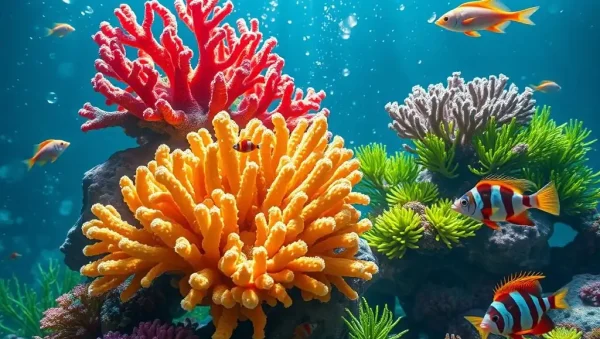
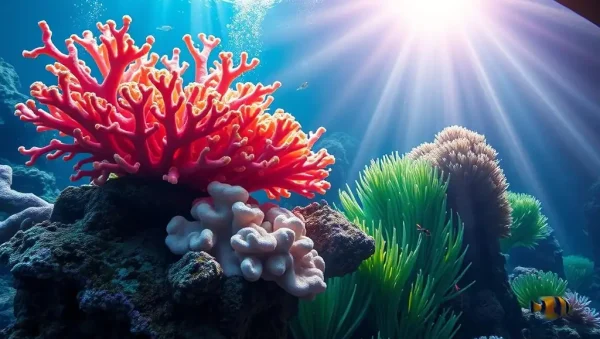
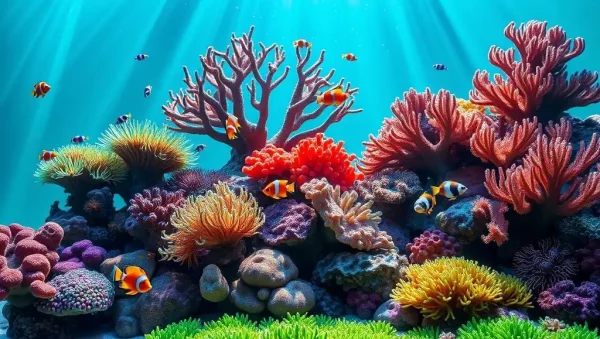
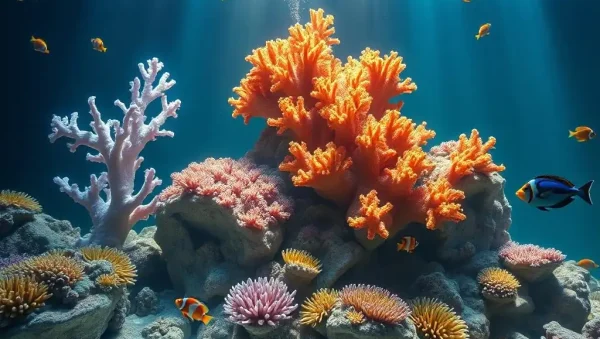
Explore the Aquarium Mastery guide to LPS coral care, including Euphyllia, Favia, and Acans. This subcategory provides practical information on lighting, water flow, feeding, placement, reef tank compatibility, coral acclimation, fragging, and disease prevention. Whether you are keeping a beginner-friendly hammer coral or maintaining a colorful collection of LPS corals, you will find clear advice for building a stable, healthy saltwater aquarium.
🌊 Euphyllia Coral Care: Hammer, Torch & Frogspawn
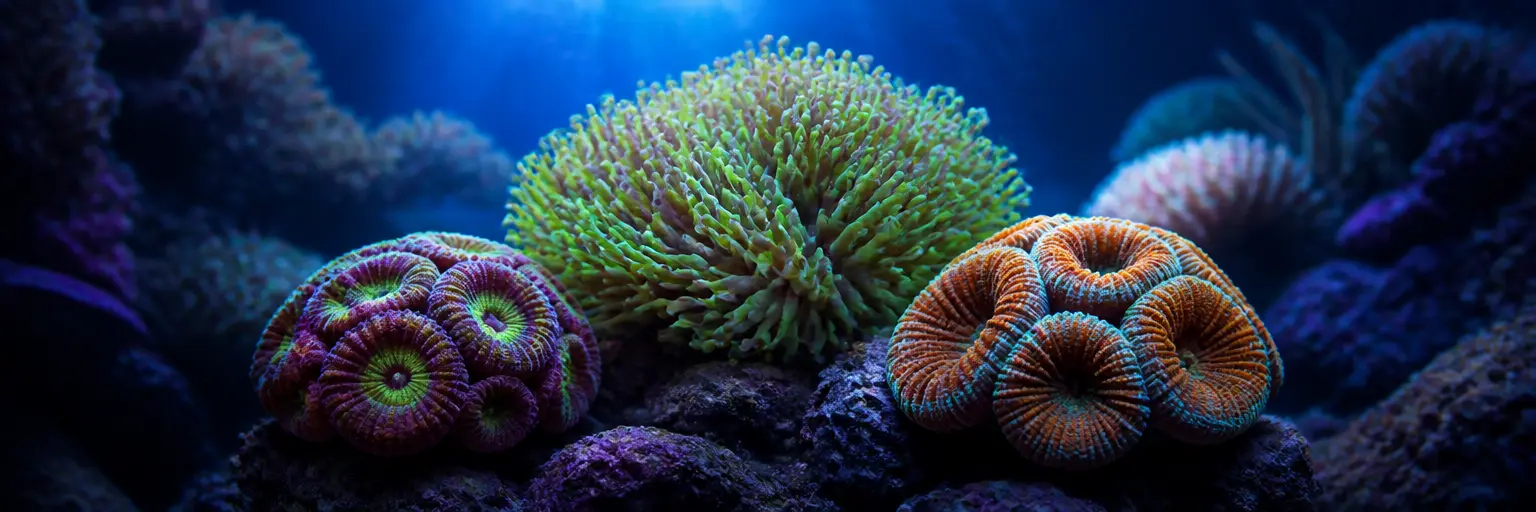
Euphyllia corals, including hammer coral, torch coral, and frogspawn coral, are popular LPS corals valued for their flowing tentacles and movement. Learn how to select a healthy specimen, provide suitable reef aquarium lighting, and create moderate, indirect water flow that supports expansion without damaging delicate tissue.
This section also explains Euphyllia placement, coral spacing, feeding schedules, and compatibility. Readers can discover how to reduce aggression between colonies, recognize signs of stress, and maintain stable alkalinity, calcium, magnesium, temperature, salinity, and nutrient levels for long-term coral health.
🪨 Favia Coral Care, Placement & Growth
Favia corals are hardy brain corals that can adapt to many established reef aquariums when provided with appropriate conditions. Find guidance on Favia coral lighting, water movement, feeding, and placement, including how to allow enough room for nighttime sweeper tentacles.
Learn how to identify healthy Favia tissue, encourage skeletal growth, and prevent common problems such as tissue recession, bleaching, algae overgrowth, and physical damage. Practical maintenance advice helps aquarists create a stable environment for colorful and resilient brain corals.
🍬 Acans Coral Care, Feeding & Coloration
Acans, also known as Micromussa lordhowensis, are prized for their vivid colors, fleshy polyps, and manageable size. This guide covers Acans coral care, including low-to-moderate lighting, gentle flow, feeding techniques, and suitable placement on the reef aquarium substrate or lower rockwork.
Readers will learn how to feed Acans without polluting the aquarium, support healthy polyp expansion, and protect colonies from aggressive neighbors. Advice on acclimation, nutrient balance, and coral observation can help preserve intense coloration and encourage steady growth.
💡 LPS Coral Lighting, Flow & Water Parameters
Successful LPS coral care depends on consistent aquarium conditions rather than extreme equipment settings. Discover how to balance LED reef lighting, PAR levels, water movement, and coral placement for Euphyllia, Favia, Acans, and other large-polyp stony corals.
These resources explain the importance of stable reef tank water parameters, including temperature, salinity, alkalinity, calcium, magnesium, nitrate, and phosphate. You will also find tips for testing aquarium water, performing water changes, and avoiding sudden fluctuations that can cause coral stress.
🍤 Feeding LPS Corals for Healthy Growth
Many LPS corals benefit from regular target feeding because their large polyps can capture appropriately sized food. Learn how to use coral foods, frozen mysis shrimp, small marine foods, and specialized reef supplements while minimizing uneaten food and excess nutrients.
Detailed feeding guidance covers timing, feeding tools, feeding responses, and safe techniques for Euphyllia, Favia, and Acans. Consistent but moderate feeding can support tissue development, coloration, recovery, and skeletal growth in a mature reef aquarium.
🩺 LPS Coral Health, Diseases & Troubleshooting
Recognizing changes early is essential for protecting valuable LPS corals. Learn how to identify coral bleaching, brown jelly disease, tissue recession, polyp bailout, bacterial infections, pests, algae growth, and damage caused by excessive flow or unsuitable lighting.
This section offers practical troubleshooting steps, including isolation, coral dipping, improved water quality, reduced stress, and observation. It also explains when to frag affected tissue and how to prevent health problems from spreading throughout a reef tank.
✂️ LPS Coral Fragging, Propagation & Recovery
Fragging can help aquarists propagate healthy colonies and remove damaged sections from an LPS coral. Find information on selecting safe cutting points, using appropriate tools, protecting living tissue, and preparing frags for attachment in the aquarium.
Readers can also learn how to care for freshly fragged Euphyllia, Favia, and Acans, including recovery lighting, gentle flow, placement, and infection prevention. Responsible coral propagation supports sustainable reef keeping and allows aquarists to share healthy colonies.
❓ Frequently Asked Questions About LPS Corals
What are the best water parameters for LPS corals?
LPS corals generally thrive in stable reef conditions with a temperature near 24–27°C, salinity around 1.025–1.026 specific gravity, and consistent alkalinity, calcium, and magnesium. Moderate nitrate and phosphate levels are often preferable to completely nutrient-free water. Stability is more important than chasing exact numbers.
How often should I feed Euphyllia, Favia, and Acans?
Most LPS corals can be target fed once or twice per week, depending on aquarium nutrients, coral size, and feeding response. Use small portions of suitable marine food and remove excess food if necessary. Avoid overfeeding, since decomposing food can increase nitrate and phosphate.
Do LPS corals need strong lighting?
Many LPS corals prefer low to moderate reef lighting, although requirements vary by species and aquarium conditions. Euphyllia, Favia, and Acans should be acclimated gradually to new lights. Sudden exposure to intense light can cause retraction, bleaching, or tissue stress.
How much space should I leave between LPS corals?
Provide enough separation to account for nighttime sweeper tentacles and possible aggression. Euphyllia species may sting nearby corals, while Favia and other brain corals can extend aggressive feeding structures. Observe each colony after dark and increase spacing if tissue damage occurs.
Why is my LPS coral losing tissue or not opening?
Common causes include unstable water parameters, excessive or insufficient lighting, strong direct flow, poor acclimation, pests, disease, physical damage, and competition from neighboring corals. Test the water, inspect the coral closely, review recent changes, and move the colony only when necessary to reduce additional stress.