Mushroom Coral Fragging: StepbyStep for Discosoma and Rhodactis
🌟 Discover the essential steps for successful Discosoma Rhodactis coral fragging with AquariumMastery.com. Learn how to safely propagate these vibrant mushrooms, ensuring…
Read article
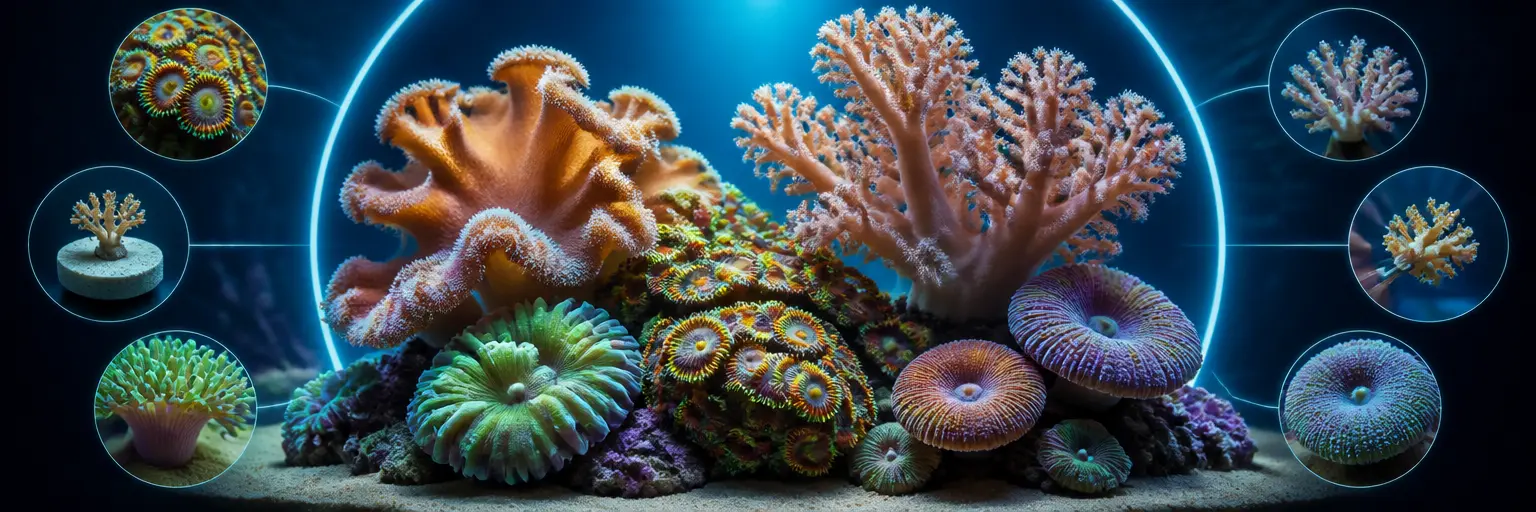
🪸 Explore soft corals with practical profiles and expert care guidance for zoanthids, mushrooms, and leather corals. Learn about lighting, flow, placement, feeding, water quality, health issues, and safe propagation to build a vibrant, thriving reef aquarium. 🌊 Whether you’re a beginner or an experienced reef keeper, Aquarium Mastery helps you choose compatible corals and master successful fragging techniques.
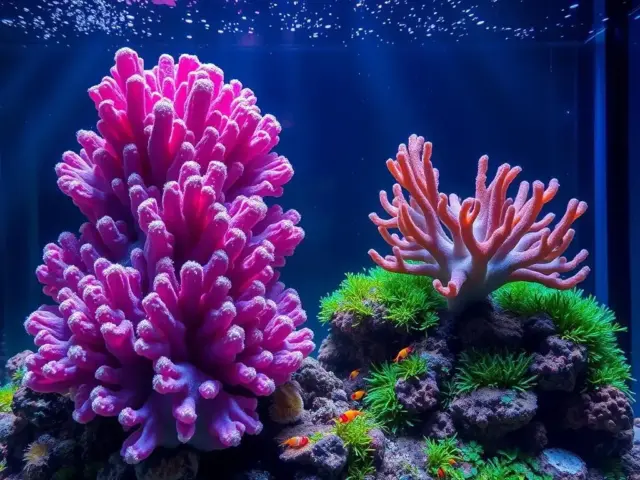
🌟 Discover the essential steps for successful Discosoma Rhodactis coral fragging with AquariumMastery.com. Learn how to safely propagate these vibrant mushrooms, ensuring…
Read article
🌟 Discover the fascinating world of Rhodactis mushrooms, known for their bumpy, hairy texture. Explore essential Rhodactis coral care tips to ensure…
Read article
🌊 Discover which soft coral thrives best in your aquarium—Zoanthids or Mushroom Corals. AquariumMastery.com offers expert insights on choosing, caring for, and…
Read article
🌊 Discover essential strategies for identifying and treating mushroom coral pests and diseases. This comprehensive guide on saltwater coral pest treatment helps…
Read article
🌊 Master the leather coral acclimation process with our expert tips for a seamless introduction. Proper acclimation ensures vibrant, healthy corals, enhancing…
Read article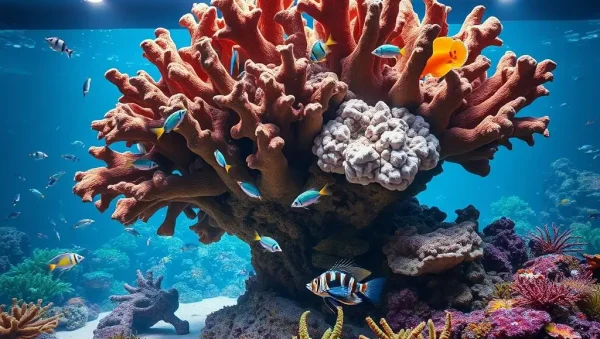
🌊 If your Leather coral is turning brown or white, it’s often due to improper lighting, water quality issues, or stress. Learn…
Read article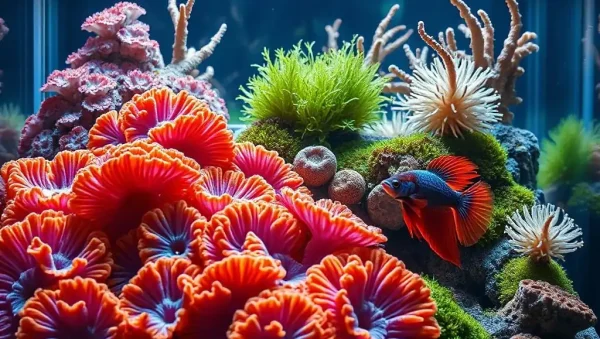
🌊 Discover expert insights on zoanthid feeding schedule tips to optimize coral health. Learn when and how to feed your zoanthids effectively,…
Read article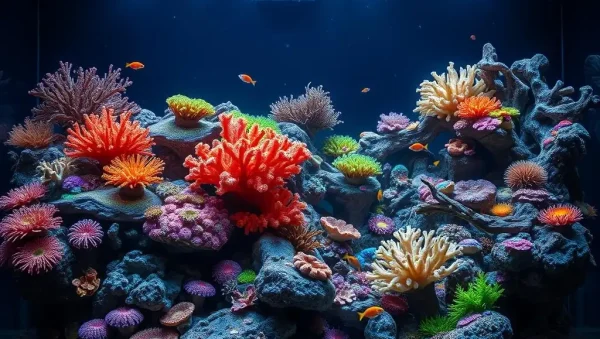
🌟 Discover expert Zoa coral aquascaping tips to transform your aquarium into a vibrant, stunning underwater paradise. Learn essential techniques for arranging,…
Read article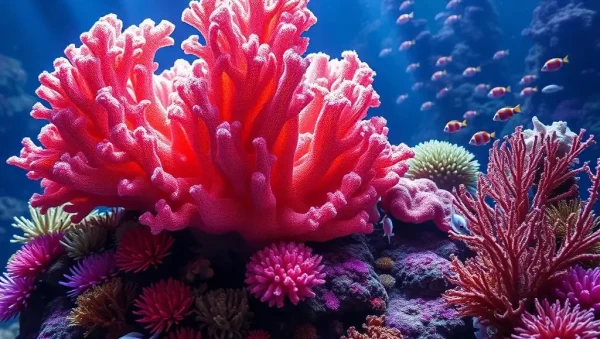
🌟 Discover expert Brighter Coral Color Techniques to enhance your mushroom coral’s vivid hues. AquariumMastery.com offers comprehensive guidance on lighting, water quality,…
Read article
🌊 Discover how soft corals enhance your soft corals aquarium ecosystem by promoting biodiversity, improving water quality, and creating a vibrant, natural…
Read article
🌊 Discover the causes of Zoanthid polyp bailout and learn effective Zoanthid polyp bailout treatment strategies. AquariumMastery.com provides expert guidance on prevention,…
Read article
😊 Discover the intriguing leather coral stinging defense, a natural mechanism that protects these fascinating marine invertebrates from predators. Learn how this…
Read articleExplore the colorful world of soft corals with Aquarium Mastery’s practical guides to zoanthids, mushroom corals, leather corals, and other non-skeletal reef invertebrates. This subcategory explains soft coral care, lighting, water flow, feeding, placement, propagation, fragging, acclimation, and health troubleshooting so reef keepers can build a thriving and visually balanced saltwater aquarium. Whether you are choosing your first coral or improving an established reef tank, you will find clear, experience-based information for successful marine aquarium keeping.
Learn how to identify and compare popular soft corals, including zoanthids, palythoas, mushroom corals, ricordea, toadstool leathers, finger leathers, colt corals, and Kenya tree corals. Each profile can help you understand typical appearance, growth habits, temperament, lighting needs, flow preferences, and compatibility with fish, invertebrates, LPS corals, and SPS corals.
Our coral profiles are designed for both beginners and experienced reef aquarists. Discover which soft corals are hardy, fast-growing, beginner-friendly, or better suited to mature reef systems, while learning how coral size, chemical warfare, allelopathy, and spreading behavior may affect your aquarium layout.
Successful soft coral care begins with stable marine aquarium conditions. Guides in this section cover salinity, temperature, pH, alkalinity, calcium, magnesium, nitrate, phosphate, and nutrient control, along with practical advice for testing and maintaining consistent reef tank water quality.
You will also learn why stability is often more important than chasing perfect numbers. Helpful maintenance recommendations explain water changes, filtration, protein skimming, activated carbon, nutrient export, and how to recognize stress caused by sudden parameter changes or poor acclimation.
Find guidance on choosing suitable reef lighting for soft corals, from moderate LED settings to lighting adjustments for zoanthids, mushrooms, and leather corals. Articles explain how light intensity, spectrum, photoperiod, acclimation, and coral placement influence coloration, expansion, growth, and overall health.
Water movement is equally important. Learn how to provide gentle, indirect, and variable flow without blasting delicate tissues or allowing detritus to accumulate. Placement strategies help you create healthy zones throughout the aquarium while reducing irritation, tissue damage, and unwanted coral competition.
Discover how to place soft corals safely within a reef aquascape. Recommendations cover rockwork, sandbed placement, vertical surfaces, isolated islands, spacing, growth direction, and the mature size of each coral. Proper planning is especially important for fast-spreading zoanthids, mushroom corals, and aggressive leather corals.
These guides also explain how to protect neighboring corals from stinging, shading, overgrowth, and chemical interactions. By using strategic spacing, physical barriers, activated carbon, and regular observation, you can create a more stable and attractive mixed reef aquarium.
Learn the basics of propagating and fragging common soft corals. Content covers safe techniques for cutting mushrooms, attaching zoanthids, securing leather coral frags, handling Kenya tree branches, and creating stable coral frags using appropriate tools and reef-safe materials.
Safety is a major part of soft coral propagation. Follow guidance on protective gloves, eye protection, clean equipment, coral handling, contamination prevention, healing containers, and responsible disposal. Special care is essential when working with zoanthids and palythoas because some colonies may contain dangerous palytoxin.
Identify common soft coral problems such as shrinking polyps, closed zoanthids, melting mushrooms, failed leather shedding, discoloration, tissue loss, poor growth, and unexplained retraction. Troubleshooting guides help you investigate water quality, lighting, flow, pests, physical damage, allelopathy, and acclimation stress.
You can also learn how to respond to coral pests and diseases, including nudibranchs, sundial snails, flatworms, bacterial infections, and nuisance algae. Step-by-step diagnostic advice encourages careful observation, quarantine when appropriate, targeted dips, stable parameters, and gradual changes rather than unnecessary treatments.
Many beginners start with hardy varieties such as mushroom corals, Kenya tree corals, green star polyps, zoanthids, and some leather corals. However, growth speed and spreading behavior should be considered before adding them to a display reef. Stable salinity, suitable lighting, moderate flow, and consistent maintenance are still necessary for success.
Most soft corals can thrive under low to moderate reef lighting, although requirements vary by species and color morph. Zoanthids, mushrooms, and leathers should be acclimated gradually to new lights. Watch for bleaching, fading, poor expansion, or excessive stretching, which may indicate unsuitable light intensity or placement.
Many soft corals receive energy from photosynthesis and dissolved nutrients, so direct feeding is not always essential. Occasional feeding with appropriately sized coral foods or planktonic foods can support growth, especially in nutrient-poor systems. Feed sparingly and monitor nitrate, phosphate, algae growth, and water clarity.
Soft corals can live in a mixed reef aquarium, but compatibility requires planning. Some species release allelopathic chemicals that may irritate LPS and SPS corals. Provide generous spacing, strong filtration, activated carbon, adequate flow, and regular observation. Isolating aggressive soft corals on separate rocks can also reduce conflict.
Fragging zoanthids and palythoas requires serious caution because some colonies may contain palytoxin. Wear waterproof gloves, eye protection, and appropriate respiratory protection, and work in a well-ventilated area away from children and pets. Avoid cutting, boiling, sanding, or aerosolizing coral tissue, and dispose of waste responsibly.