
Fragging Seriatopora: Simple, Clean Steps to Propagate Your Delicate Birdsnest Corals

Welcome to Aquarium Mastery!
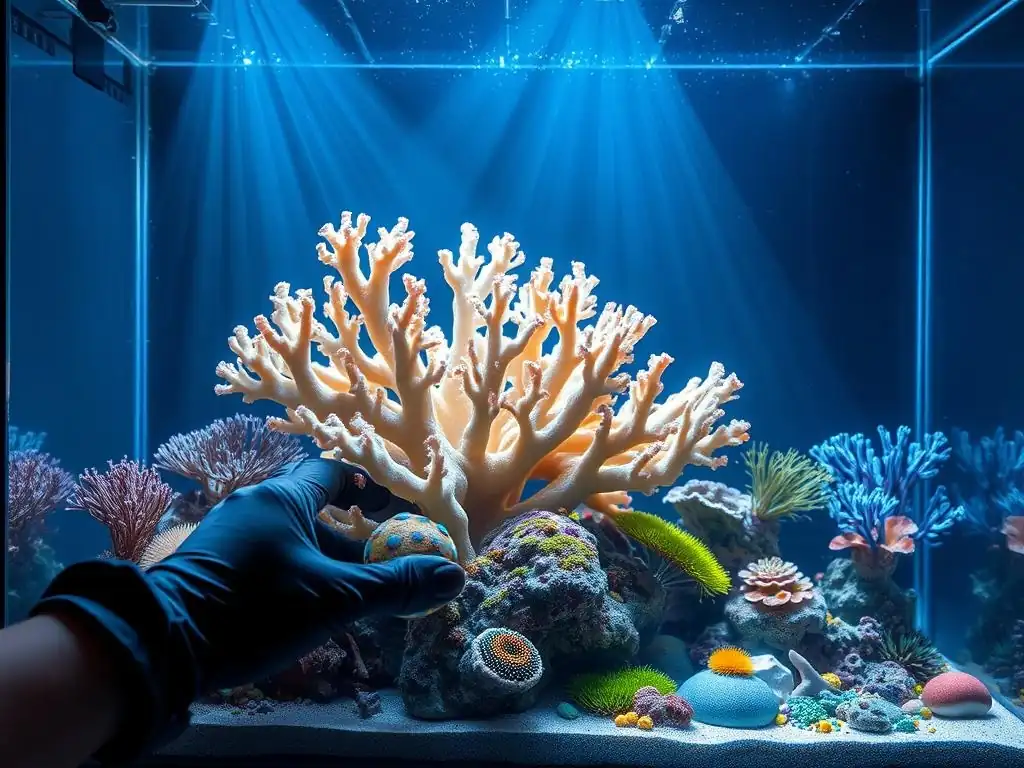
Ever gazed in wonder at the delicate beauty of a Birdsnest coral and wished you could have more? Well, you're in the right place! Unlocking the secrets to a thriving reef aquarium is our passion. Dive into this article to discover simple, clean, and effective Birdsnest coral propagation steps. Get ready to expand your coral collection and share the splendor of Seriatopora with others – the journey to coral propagation mastery begins now!
- Introduction to Birdsnest Coral Propagation
- Preparing for Birdsnest Coral Fragging: Tools and Setup
- Step-by-Step Guide to Fragging Seriatopora
- Post-Fragging Care for Birdsnest Coral Frags
- Troubleshooting Common Issues in Birdsnest Coral Propagation
- Tips for Successful Birdsnest Coral Propagation
- Conclusion: Mastering Birdsnest Coral Propagation for a Thriving Reef Aquarium
-
Frequently Asked Questions
- How do I know when my Birdsnest coral is ready for fragging?
- What tools do I need for Birdsnest coral propagation?
- What are the key steps in the fragging process?
- How long does it take for a Birdsnest coral frag to attach to a plug?
- What are the common mistakes to avoid when fragging Birdsnest coral?
- Final Reflection: Cultivating Growth and Resilience
- Unleash Your Inner Reef Keeper!
Introduction to Birdsnest Coral Propagation
Understanding Seriatopora Hystrix: The Birdsnest Coral
Seriatopora Hystrix, commonly known as Birdsnest coral, is a popular small polyp stony (SPS) coral cherished by aquarists for its delicate, branching structure and vibrant colors. Typically found in shades of pink, green, purple, and cream, its intricate branches create a visually stunning addition to any reef aquarium. This coral is native to the shallow waters of the Indo-Pacific region, where it thrives in areas with strong water movement and intense light, often forming large, dense colonies.
Its rapid growth rate and relatively forgiving nature compared to other SPS corals like Acropora make Seriatopora an excellent candidate for propagation. While delicate in appearance, the Birdsnest coral's skeletal structure is robust enough to withstand careful fragging, allowing hobbyists to expand their collection or share with others. Understanding its natural growth patterns and environmental preferences is the first step in successful Birdsnest coral propagation.
Why Propagate Birdsnest Coral? Benefits of Fragging
Propagating Birdsnest coral, or fragging, offers numerous benefits for both individual aquarists and the broader reef keeping community. Firstly, it promotes sustainable aquaculture, reducing the reliance on wild-collected specimens and easing pressure on natural coral reefs. By growing corals in captivity, hobbyists contribute to conservation efforts and ensure a continuous supply of healthy corals for the trade.
Secondly, fragging allows aquarists to manage the growth of their colonies, preventing overgrowth in a confined tank space and maintaining the desired aquascape. It also provides an opportunity to recover and save parts of a colony that might have been damaged by pests, disease, or accidental breakage. Furthermore, successful Birdsnest coral propagation steps can lead to a thriving side hobby or even a small business, as frags can be traded or sold to other enthusiasts, fostering community engagement and sharing diverse genetics.
Preparing for Birdsnest Coral Fragging: Tools and Setup
Essential Tools for Birdsnest Coral Fragging
Successful Birdsnest coral propagation begins with having the right tools. Foremost among these are specialized coral cutters, often referred to as bone cutters, which provide a clean, quick snap through the coral's delicate branches, minimizing stress. For thicker bases or more precise cuts, a Dremel rotary tool equipped with a diamond-coated cutting wheel is invaluable; it allows for smooth, controlled incisions.
In addition to cutting tools, you'll need cyanoacrylate super glue gel, which is aquarium-safe and cures rapidly in water, for attaching frags to plugs or rubble. Aquarium-safe epoxy putty can also be used for larger frags or to create a more natural-looking base. Safety equipment, such as nitrile gloves and safety glasses, is crucial to protect against coral toxins and accidental splashes or debris. A small, clean container filled with water from your display tank will serve as your fragging station, keeping the coral submerged during the process.
Setting Up a Clean and Safe Fragging Station
Establishing a dedicated and sterile fragging station is paramount for minimizing stress on the coral and ensuring the safety of the aquarist. Choose a well-lit, stable surface that is easy to clean, such as a workbench covered with a protective plastic sheet or newspaper. Position your container of tank water within easy reach, ensuring it's large enough to comfortably hold the coral you intend to frag.
Always wear your nitrile gloves and safety glasses throughout the entire Birdsnest coral propagation process to protect your skin from potential irritants released by the coral and your eyes from splashes or flying debris. Keep all your tools organized and readily accessible. Having a separate waste bin nearby for discarded coral pieces and used materials will help maintain cleanliness and prevent contamination in your work area. A clean setup significantly reduces the risk of infection for the coral and ensures a smoother fragging experience.
Acclimation Tank Preparation: Maintaining Stability and Preventing Shock
After fragging, new Birdsnest coral frags are highly vulnerable and require a stable environment to recover. Preparing an acclimation tank or a designated, isolated section within your main display tank is a critical Birdsnest coral propagation step. This area should ideally have slightly lower light intensity and reduced, indirect water flow compared to the main display, as intense light and direct flow can further stress newly cut frags.
Ensure that the water parameters in the acclimation area are identical to your main display tank – specifically, stable salinity (e.g., 1.025-1.026 specific gravity), temperature (around 76-78°F or 24.5-25.5°C), alkalinity (8-10 dKH), calcium (400-450 ppm), and magnesium (1300-1400 ppm). A clean, pest-free environment is also essential. By providing a calm, stable "nursery" for your frags, you significantly increase their chances of successful healing and growth, reducing the risk of shock and tissue recession.
Step-by-Step Guide to Fragging Seriatopora
Step 1: Selecting a Healthy Birdsnest Coral Branch for Fragging
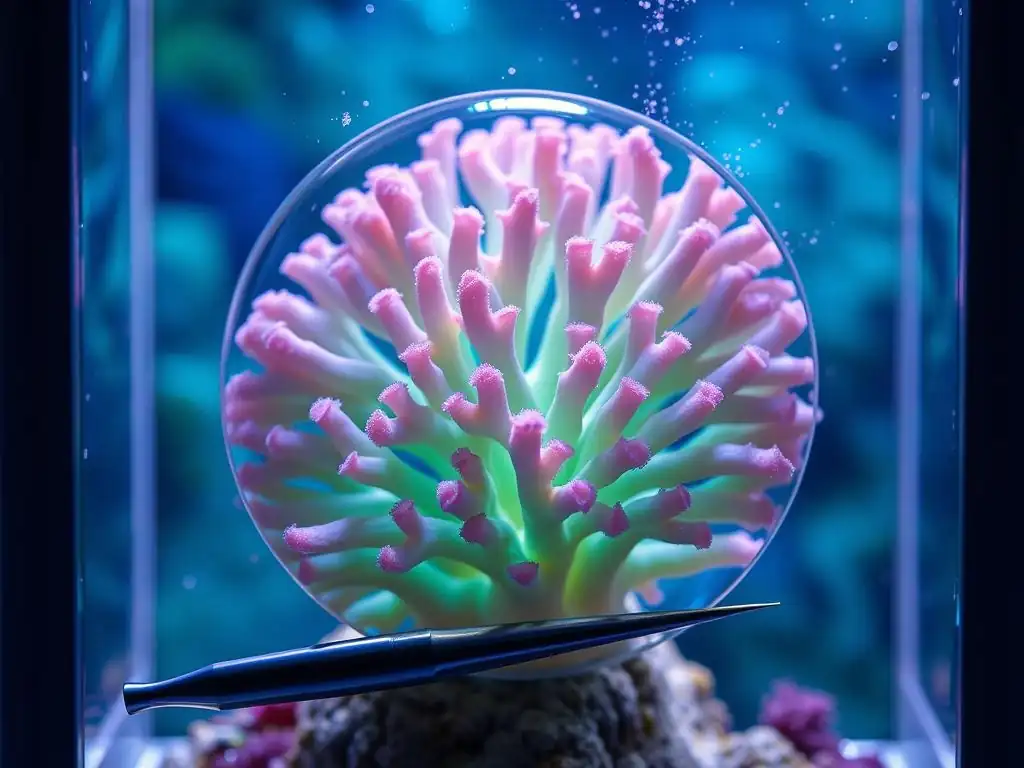
The success of Birdsnest coral propagation hinges on selecting the right parent material. Choose a branch or section of the Seriatopora colony that exhibits robust health, vibrant coloration, and excellent polyp extension. Avoid any areas showing signs of tissue recession, bleaching, or disease, as these weakened sections are unlikely to survive the fragging process.
Look for a branch that is at least 1 to 2 inches (2.5-5 cm) long, as smaller frags may have reduced viability due to insufficient photosynthetic tissue or energy reserves. A healthy, actively growing tip is often ideal, as it contains the most vigorous growth cells. Carefully observe the colony to identify branches that are slightly separated from the main body, making them easier to cut without causing excessive damage to the parent colony.
Step 2: Removing the Coral from the Aquarium
Once you have identified the branch to frag, carefully remove the entire Birdsnest coral colony from the aquarium. Handle it gently to avoid accidental breakage or damage to its delicate polyps and branches. Minimize its exposure to air; ideally, transfer it immediately into a clean container filled with water from your display tank. This prevents desiccation and thermal shock, which can severely stress the coral.
Ensure the container is large enough to comfortably hold the coral while allowing you room to maneuver your tools. Keeping the coral submerged during the fragging process, or at least quickly transferring it between the main tank and the fragging container, is crucial for maintaining its hydration and overall health, setting the stage for successful Birdsnest coral propagation steps.
Step 3: Making the Cut: Birdsnest Coral Fragging Techniques
With the coral safely in your fragging container, it's time to make the cut. Work quickly and precisely to minimize the coral's time out of ideal conditions. If possible, keep the section you are cutting submerged in the tank water during the actual cut, or at least keep it wet.
Using Bone Cutters for Clean Breaks
Bone cutters are ideal for fragging thinner, more brittle branches of Seriatopora. Position the cutters firmly around the chosen branch, aiming for a quick, decisive snap. The goal is a clean break with minimal crushing of the coral tissue. Aim for frags that are roughly 1 to 2 inches (2.5-5 cm) in length, as this size generally provides a good balance between viability and ease of handling. This method is quick and causes minimal stress if executed correctly, making it a preferred technique for many Birdsnest coral propagation steps.
Employing a Dremel Tool for Precise Cuts: Minimizing Stress on Delicate Branches
For thicker bases, more established branches, or when a very precise cut is needed, a Dremel rotary tool with a diamond-coated cutting wheel is highly effective. It allows for controlled, smooth cuts that reduce the risk of shattering the delicate coral skeleton. When using a Dremel, it is crucial to either submerge the coral completely in water or continuously run water over the cutting area.
This dissipates heat generated by the friction and flushes away coral dust, both of which can harm the coral tissue. While more advanced, this technique can significantly minimize stress on the coral, leading to better outcomes in Birdsnest coral propagation.
Step 4: Securing the Birdsnest Coral Frag to a Plug or Rock
After making the cut, the next vital Birdsnest coral propagation step is to securely attach the new frag to a frag plug, a small piece of live rock rubble, or a ceramic disc. A stable attachment is crucial for the frag's healing and subsequent growth, preventing it from being tumbled by water flow or falling into crevices where it may perish.
Super Glue Gel Method: Ensuring a Secure and Stable Bond
The most common and effective method for securing Birdsnest coral frags is using aquarium-safe super glue gel (cyanoacrylate). First, gently dab the base of the frag with a paper towel to remove excess water, allowing for better adhesion. Apply a small, pea-sized bead of the super glue gel to the frag plug or the base of the frag itself.
Then, firmly press the frag onto the plug for 10-30 seconds until a secure bond forms. Avoid using excessive glue, as large amounts can release heat and potentially harm the coral tissue. This method creates a strong, quick bond, essential for the immediate stability of your new frags.
Using Epoxy Putty: Creating a Natural-Looking Base
Epoxy putty provides an alternative or complementary method for securing frags, particularly useful for larger frags or when you want to integrate the frag more naturally into your aquascape without a visible plug. Knead the two-part epoxy putty until it is thoroughly mixed and pliable, typically turning a uniform color. Form the putty around the base of the frag, creating a stable platform.
You can then press this epoxy-encased frag onto a frag plug or directly onto a piece of live rock. For added security, many aquarists will apply a dab of super glue gel to the epoxy before pressing the frag into place. While epoxy takes longer to cure (several hours to a day), it offers a robust and natural-looking base, which can be advantageous for the long-term aesthetic integration of your Birdsnest coral frags.
Step 5: Acclimation and Observation of New Birdsnest Coral Frags
Once securely mounted, the new Birdsnest coral frags should be immediately returned to the prepared acclimation tank or designated low-stress area in your main display. Place them in an area with lower light intensity and indirect, gentle water flow initially. This helps the frags recover from the stress of fragging without being overwhelmed by strong currents or intense illumination.
Over the next few days to a week, closely observe the frags for any signs of stress, such as tissue recession, bleaching (loss of color), or prolonged polyp retraction. Ensure that water parameters remain stable and optimal. A healthy frag will typically begin to extend its polyps within a few hours to a day and may show signs of encrusting onto its plug within a week or two. Consistent monitoring is crucial for identifying and addressing any issues promptly, ensuring the success of your Birdsnest coral propagation efforts.
Post-Fragging Care for Birdsnest Coral Frags
Optimizing Water Parameters for Frag Growth
Maintaining pristine and stable water parameters is paramount for the successful growth and recovery of new Birdsnest coral frags. These delicate organisms are particularly sensitive to fluctuations. Regular testing and consistent dosing are key.
Maintaining Alkalinity, Calcium, and Magnesium
Birdsnest corals, as SPS corals, require consistent levels of alkalinity, calcium, and magnesium for skeletal growth. Aim to maintain alkalinity between 8-10 dKH, calcium between 400-450 ppm, and magnesium between 1300-1400 ppm. These elements are the building blocks for their aragonite skeletons. Daily or every-other-day testing of alkalinity is recommended, as it is consumed rapidly, and consistent dosing (e.g., using a two-part solution or calcium reactor) prevents swings that can cause tissue loss or stunted growth.
The Importance of Stable Salinity
Salinity stability is equally critical. A specific gravity of 1.025-1.026 (or 35 ppt) is ideal for Birdsnest coral frags. Fluctuations, even minor ones, can induce osmotic stress, leading to tissue damage or complete frag loss. Utilize an accurate refractometer for testing, calibrating it regularly with a 35 ppt standard solution. An auto top-off (ATO) system is highly recommended to replenish evaporated water with fresh RODI water, thereby maintaining consistent salinity levels throughout the day and night.
Providing Adequate Lighting and Flow for Birdsnest Coral Frags
After fragging, careful consideration of lighting and water flow is essential for the recovery and growth of Birdsnest coral frags. Initially, it's best to place frags in an area with moderate light and indirect flow to allow them to acclimate without additional stress.
Birdsnest corals generally thrive under strong lighting, typically requiring PAR levels between 250-400, depending on the specific fixture and tank depth. However, new frags should be introduced to high light gradually. Start them in a lower PAR zone (e.g., 150-200 PAR) for the first week or two, then slowly move them higher in the tank or increase light intensity over several weeks as they show signs of recovery and encrustment. For water flow, Birdsnest corals prefer moderate to strong, turbulent flow.
This prevents detritus from settling on their delicate branches, delivers essential nutrients, and promotes gas exchange. Avoid direct, laminar flow, which can cause tissue erosion. Instead, aim for random, chaotic flow patterns that gently sway the polyps.
Monitoring for Signs of Stress or Infection: Recognizing and Addressing Potential Problems
Vigilant monitoring of new Birdsnest coral frags is crucial for early detection of stress or infection, which can quickly lead to frag loss. Common signs of distress include tissue recession, where the coral tissue pulls back from its skeleton, often starting from the base or cut edge. Bleaching, indicated by a loss of color and a translucent appearance, suggests too much light or thermal stress. Prolonged polyp retraction, where polyps remain closed for extended periods, is another warning sign.
If these symptoms appear, immediately check all water parameters for stability and optimal ranges. Adjust lighting or flow if they appear too intense or insufficient. If tissue recession is localized and spreading, it might indicate a bacterial infection; in such cases, an iodine-based coral dip (following product instructions carefully) can sometimes help. Prompt action is key to saving compromised frags and ensuring successful Birdsnest coral propagation.
Troubleshooting Common Issues in Birdsnest Coral Propagation
Addressing Tissue Necrosis: Identifying Causes and Implementing Solutions
Tissue necrosis, often appearing as a white band of dead tissue spreading across the coral, is a common and concerning issue in Birdsnest coral propagation. It can stem from various causes, including poor water quality (e.g., high nitrates or phosphates), excessive stress during fragging, insufficient water flow around the frag, rapid changes in parameters, or bacterial infections.
If observed, first re-evaluate all water parameters and ensure they are stable and optimal. Increase water flow around the affected frag to help remove dead tissue and improve oxygenation. If the necrosis is localized, you can attempt to frag the healthy portion of the coral above the affected area, effectively creating a new frag. For suspected bacterial infections, an antiseptic coral dip (e.g., with an iodine solution) can be administered, strictly following dosage instructions. Addressing the underlying cause promptly is critical for stopping the spread of necrosis.
Preventing Algae Growth on Frags
New Birdsnest coral frags, particularly their exposed plugs or bases, are highly susceptible to nuisance algae growth. This occurs primarily due to elevated nutrient levels (nitrate and phosphate) in the water, combined with sufficient light. Algae can quickly smother delicate coral tissue, impeding growth and potentially leading to frag loss.
To prevent algae, maintain ultra-low nutrient levels through regular water changes (e.g., 10-15% bi-weekly), effective filtration (e.g., protein skimmer, refugium, GFO/carbon), and careful feeding practices. Ensure adequate water flow around the frag to prevent detritus accumulation, which fuels algae growth. If algae begins to appear, gently brush it off the frag plug using a soft brush or toothbrush. Introducing a diverse clean-up crew, such as snails (e.g., Trochus, Nerite) or hermit crabs, can also help graze on developing algae.
Dealing with Pests and Predators: Protecting Frags from Common Threats
While Birdsnest corals are generally less prone to specific pests than some other SPS corals, new frags are vulnerable to general reef pests and predators. Common threats include various types of flatworms, nudibranchs (though Montipora-eating nudibranchs are distinct), and predatory snails (e.g., sundial snails). These organisms can feed on coral tissue, causing recession or complete frag loss.
Prevention is key in Birdsnest coral propagation. Always thoroughly inspect new frags and parent colonies for any visible pests before introducing them to your tank. Many aquarists perform a prophylactic coral dip with commercial solutions designed to kill common pests, carefully following the manufacturer's instructions. Maintaining a healthy and balanced ecosystem with a diverse clean-up crew can also help keep pest populations in check. If a specific pest is identified, research its targeted removal methods, which may involve manual removal, targeted chemical treatments, or introducing natural predators.
Tips for Successful Birdsnest Coral Propagation
Optimizing Placement of Birdsnest Coral Frags in the Acclimation Tank
The initial placement of Birdsnest coral frags in the acclimation tank or a dedicated recovery area is crucial for their survival and subsequent growth. Begin by positioning frags in an area with lower light intensity, typically at the bottom of the tank or in a shaded spot, to prevent light shock. Ensure they receive indirect, moderate water flow, avoiding direct laminar flow that can stress their healing tissue.
As the frags show signs of recovery, such as polyp extension and initial encrustment onto their plugs (usually within 1-2 weeks), you can gradually move them to higher positions in the tank or areas with increased light and stronger, turbulent flow. This gradual acclimation process allows the coral to adjust to more intense conditions, mimicking its preferred environment as it matures.
Feeding Birdsnest Coral Frags: Providing Essential Nutrients for Growth
While Birdsnest corals primarily derive energy from photosynthesis through their symbiotic zooxanthellae, supplemental feeding can significantly boost growth and recovery, especially for new frags. These corals are micro-predators, benefiting from fine particulate foods and zooplankton.
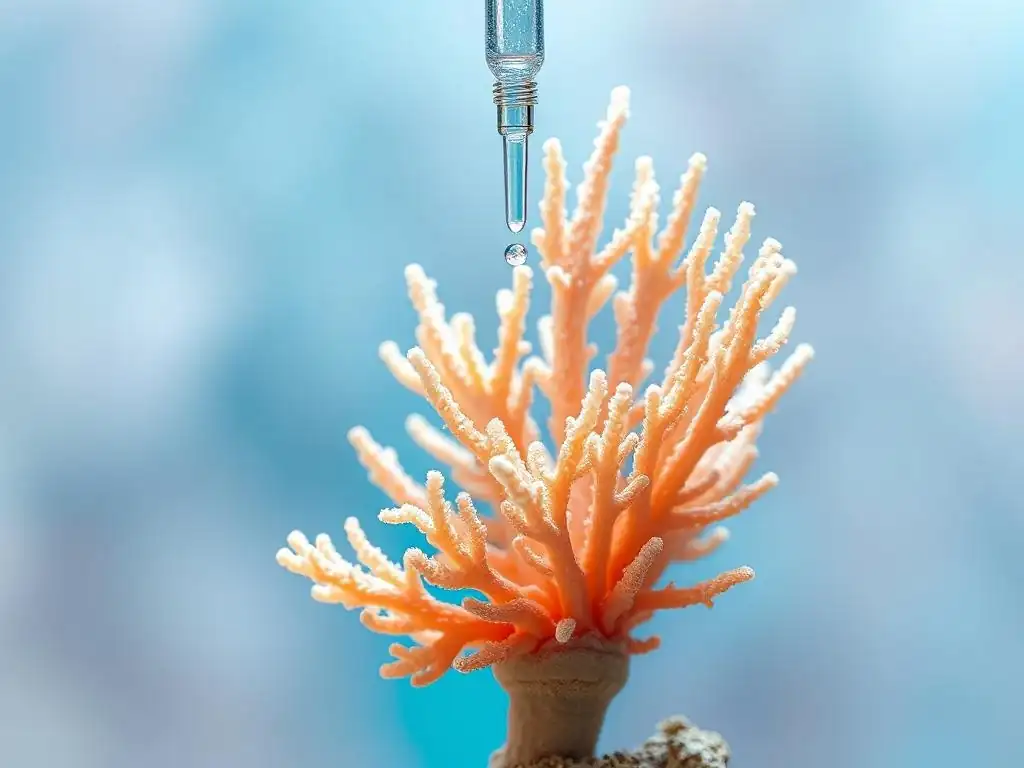
Offer specialized coral foods designed for SPS corals, such as powdered marine snow, zooplankton suspensions, or liquid amino acid solutions. Feed sparingly, perhaps 2-3 times per week, during the night or when polyps are extended, to minimize nutrient spikes in the water. Target feeding directly to the frags using a pipette can ensure they receive the nutrients without polluting the entire tank. This additional nutritional support can accelerate the healing process and promote robust growth for your Birdsnest coral propagation efforts.
Maintaining a Healthy Reef Environment for Optimal Growth
The overarching factor for successful Birdsnest coral propagation and long-term health is a stable and healthy reef environment. This extends beyond just the immediate post-fragging period to the overall well-being of your aquarium. Consistent water parameters, as previously discussed, are non-negotiable. Regular water changes, typically 10-15% bi-weekly, replenish trace elements and remove accumulated pollutants.
Maintain a stable temperature, ideally between 76-78°F (24.5-25.5°C), using reliable heaters and chillers if necessary. A robust filtration system, including a properly sized protein skimmer and efficient mechanical and biological filtration, is vital for nutrient control. Furthermore, a diverse and balanced clean-up crew helps manage algae and detritus. A thriving, balanced ecosystem provides the best foundation for your Birdsnest coral frags to grow into magnificent colonies.
Conclusion: Mastering Birdsnest Coral Propagation for a Thriving Reef Aquarium
Mastering the art of Birdsnest coral propagation is a rewarding endeavor that empowers aquarists to expand their collections sustainably and contribute to the vibrant reef-keeping community. By meticulously following the Birdsnest coral propagation steps outlined, from careful preparation and precise fragging techniques to diligent post-fragging care, you can significantly increase your success rate.
The journey involves understanding the delicate needs of Seriatopora Hystrix, equipping yourself with the right tools, and committing to maintaining pristine and stable water parameters. Vigilant observation, quick troubleshooting, and providing optimal lighting, flow, and supplemental feeding are all integral components. With practice and patience, these Birdsnest coral propagation steps will enable you to cultivate thriving colonies, enhance the beauty of your reef aquarium, and share the joy of this fascinating SPS coral with fellow enthusiasts.
Frequently Asked Questions
How do I know when my Birdsnest coral is ready for fragging?
Your Birdsnest coral is ready when it's healthy and actively growing, and has branches that are large enough to be safely removed and attached to a new surface. Look for vibrant color and consistent growth as indicators.
What tools do I need for Birdsnest coral propagation?
You'll need coral cutters or bone cutters, a container of aquarium water, coral glue or epoxy, and a frag plug or rock rubble for attaching the new frag. Ensure all tools are clean and aquarium-safe.
What are the key steps in the fragging process?
The main steps involve carefully cutting a healthy branch, gluing it to a frag plug, and placing the frag in a suitable location in your aquarium with good water flow and lighting.
How long does it take for a Birdsnest coral frag to attach to a plug?
Typically, a Birdsnest coral frag will begin to attach to a frag plug within a few days to a week. Monitor the frag for signs of tissue growth and stable attachment.
What are the common mistakes to avoid when fragging Birdsnest coral?
Avoid stressing the coral too much during the process, ensuring good water quality, and providing adequate lighting and flow for the new frag. Also, be mindful of proper handling.
Final Reflection: Cultivating Growth and Resilience
The journey of birdsnest coral propagation, as detailed in this article, extends far beyond the simple act of fragging. It's a testament to our ability to nurture and sustain the delicate ecosystems that thrive beneath the waves. The meticulous steps outlined are not just instructions; they are an invitation to participate in the ongoing effort to preserve the beauty and biodiversity of our reefs, one carefully cultivated fragment at a time.
This practice, while seemingly small in scale, has profound implications. It reminds us of the interconnectedness of life and the responsibility we bear to protect vulnerable species. We are tied to the ocean. And when we go back to the sea, whether it is to sail or to watch it, we are going back from whence we came.
- John F. Kennedy. This quote underscores the deep connection we have with the ocean and highlights the importance of engaging in practices that promote its health and longevity, like responsible coral propagation.
As you consider the potential of birdsnest coral propagation, I encourage you to reflect on the broader implications of your actions. How can you extend this mindful approach to other aspects of your life? How can you cultivate growth and resilience, not just in your aquarium, but in your community and in the world around you? Let the delicate beauty of the birdsnest coral inspire you to become a steward of our planet, fostering a future where both nature and humanity can flourish.
Unleash Your Inner Reef Keeper!
Thank you for diving into the art of fragging Seriatopora! We hope you found the insights valuable and are ready to expand your coral collection. Now's the time to put that newfound knowledge into action.
Here are a few next steps to consider:
- Boldly Begin: Take the plunge and carefully frag a small piece of your Seriatopora to start your propagation journey. Remember to document your progress!
- Explore Further: Research different mounting techniques for your newly fragged corals for optimal growth and aesthetics in your reef tank.
- Share Your Success: Post a picture of your first Seriatopora frag on social media using #AquariumMastery – inspire others with your reefing skills!
What’s the most creative place you envision placing your new Seriatopora frag in your aquarium? Share your idea in the comments below!