
Zoa Pox & Other Afflictions: A Troubleshooting Guide for Zoanthid Diseases

Welcome to Aquarium Mastery!
Dive into the fascinating world of coral care! Are your zoanthids looking a little…under the weather? Zoa Pox and other afflictions can be a nightmare for reef keepers, but don't despair! This guide will arm you with the knowledge you need to tackle these challenges head-on. Let's explore the secrets to successful Zoa coral disease treatment and ensure your zoanthids thrive! Curious to learn how? Keep reading!
- Zoanthid Health: A Troubleshooting Guide
- Identifying Zoanthid Health Issues
- Common Zoanthid Ailments: Identification, Treatment, and Prevention
- Diagnosing Zoanthid Problems
- Maintaining a Healthy Environment for Zoanthids
- Advanced Techniques for Zoanthid Health and Recovery
- Conclusion: Ensuring Long-Term Zoanthid Health
-
Frequently Asked Questions
- What is Zoa Pox and how do I recognize it in my zoanthids?
- What are the primary causes of diseases in zoanthids, particularly Zoa Pox?
- What are some common treatment options for Zoa Pox and other zoanthid diseases?
- How can I prevent diseases like Zoa Pox from affecting my zoanthid colony in the first place?
- Where can I find more detailed information and guidance on diagnosing and treating specific zoanthid diseases?
- Final Reflection: Cultivating Resilience in Reefs
- Unleash the Vibrant Health of Your Zoanthids!
Zoanthid Health: A Troubleshooting Guide
Identifying Zoanthid Health Issues
Recognizing Signs of Unhealthy Zoanthids
Observing your Zoanthid colonies daily is the first line of defense against potential health issues. Healthy Zoanthids typically exhibit full polyp extension, vibrant coloration, and a robust feeding response. Signs of distress often include polyps remaining closed for extended periods, even when lighting and water parameters are optimal, or a noticeable paling or darkening of their signature colors. Early detection of these subtle changes is crucial for effective Zoa coral disease treatment.
Furthermore, unhealthy Zoanthids may display physical abnormalities such as shriveled or deflated appearances, a visible slime coat, or the presence of unusual growths or lesions on their oral discs or stalks. Tissue recession, where the coral tissue pulls away from its base or frag plug, is another clear indicator of significant stress or disease. For instance, a colony that normally has 50 polyps extended might only show 10-15 open polyps for several consecutive days, signaling a problem.
Factors Affecting Zoanthid Health
Zoanthid health is intrinsically linked to the stability and quality of their environment. Fluctuations in water parameters are a primary stressor; this includes unstable salinity (ideally 1.025-1.026 specific gravity), inconsistent alkalinity (8-12 dKH), and fluctuating calcium levels (400-450 ppm). High levels of nitrates (above 10 ppm) and phosphates (above 0.03 ppm) can also contribute to poor health and increased susceptibility to Zoa coral disease.
Beyond water chemistry, inadequate or excessive lighting (Zoanthids generally thrive in 50-150 PAR), improper water flow (too turbulent or too stagnant), and physical damage from tank inhabitants or maintenance can compromise their health. The introduction of new, unquarantined corals can also bring in pests or pathogens, leading to widespread issues. For example, a sudden drop in alkalinity by 2 dKH within 24 hours can cause significant stress, leading to polyp retraction and vulnerability.
Common Zoanthid Ailments: Identification, Treatment, and Prevention
Zoanthid Pox: Identification, Treatment, and Prevention
What is Zoanthid Pox?
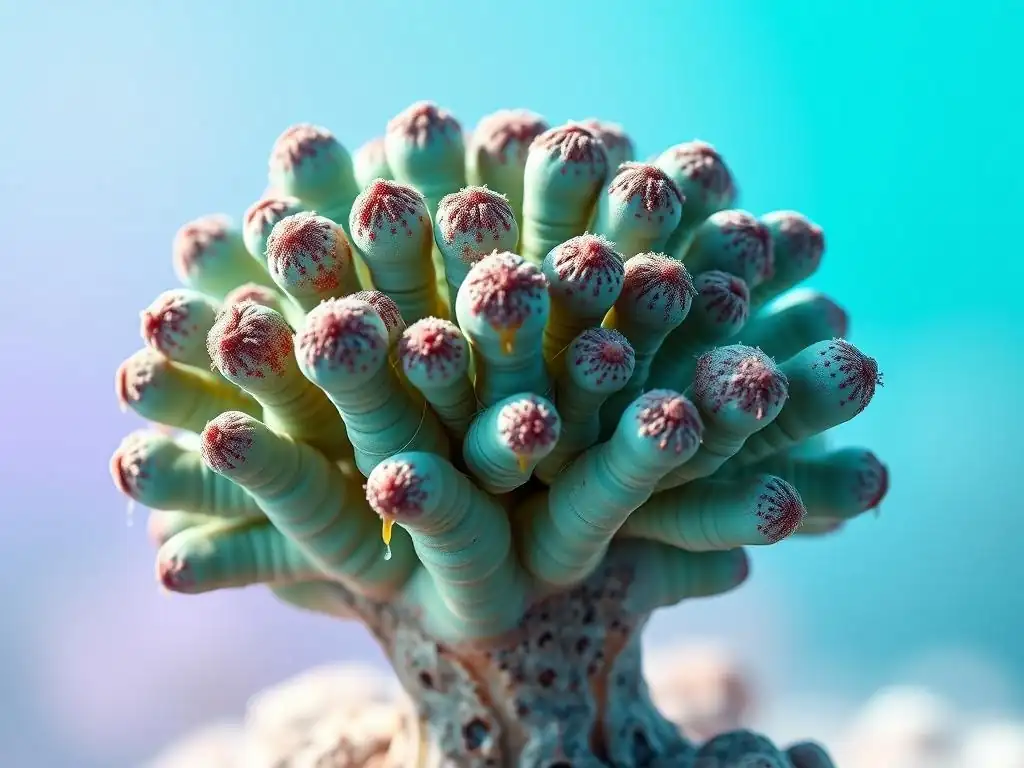
Zoanthid Pox, often referred to simply as "Zoa Pox," is a common and often highly contagious affliction primarily characterized by small, white, blister-like lesions on the polyps. While its exact cause is debated, it is widely believed to be viral in nature, making it a challenging Zoa coral disease to treat once widespread. It can spread rapidly throughout a colony and even to other Zoanthid colonies in the same system if not addressed promptly.
This disease can lead to tissue necrosis and ultimately colony loss if left untreated. Its prevalence is notable, with an estimated 15-20% of newly imported Zoanthid colonies potentially carrying the pathogen without proper quarantine protocols. The lesions themselves interfere with the polyp's ability to photosynthesize and feed, leading to a decline in overall health and vitality.
Symptoms of Zoanthid Pox
The primary and most distinctive symptom of Zoanthid Pox is the appearance of small, raised, white bumps or blisters, typically on the oral disc or stalk of the polyps. These lesions often resemble tiny grains of salt or sugar. Initially, they might appear on just one or two polyps, but they can quickly spread to affect numerous polyps within the colony.
Secondary symptoms include the affected polyps remaining closed, a noticeable reduction in their feeding response, and a general discoloration or dulling of their vibrant hues. As the disease progresses, the tissue around the lesions may begin to recede or show signs of necrosis, eventually leading to the complete loss of individual polyps. In severe cases, an entire colony can be decimated within a week if no Zoa coral disease treatment is initiated.
Treatment Methods for Zoanthid Pox
Addressing Zoanthid Pox requires prompt and decisive action. The primary goal of any Zoa coral disease treatment is to halt the progression of the lesions and prevent further spread. Common approaches include targeted dips and, in some cases, antibiotic treatments, often performed in a dedicated quarantine or treatment tank to avoid affecting the main display system.
Success rates for Zoanthid Pox treatment can vary, but early intervention significantly improves the chances of recovery. Studies and anecdotal evidence suggest that if treatment is initiated within the first 48 hours of symptom onset, recovery rates can be as high as 70-80%. However, if the disease is allowed to progress for several days, the success rate drops considerably, often below 30%.
Freshwater Dips for Zoanthid Pox
Freshwater dips are a common first-line Zoa coral disease treatment, particularly effective for dislodging external parasites and potentially assisting with secondary bacterial infections associated with pox. To perform a freshwater dip, use RO/DI (Reverse Osmosis/Deionized) water that is temperature-matched to your aquarium water (e.g., within 0.5°F or 0.3°C). The coral should be dipped for a very short duration, typically 30 to 90 seconds, while gently agitating it.
The osmotic shock from the freshwater can cause external parasites to detach and may help to "clean" the surface of the coral. However, it's crucial to monitor the coral closely during the dip and remove it immediately if it shows signs of severe distress. While freshwater dips are generally not a cure for the viral component of Zoa Pox, they can alleviate secondary issues and prepare the coral for further Zoa coral disease treatment. Always re-acclimate the coral slowly to tank salinity after the dip.
Antibiotic Treatments for Zoanthid Pox
For more severe or persistent cases of Zoanthid Pox, antibiotic treatments, typically administered in a separate quarantine tank, may be necessary. Broad-spectrum antibiotics like Furan-2 or Erythromycin are often employed due to their effectiveness against potential bacterial secondary infections that often accompany the viral pox. A common dosage for Furan-2 might be 250mg per 10 gallons of water, with daily water changes to remove waste and replenish the medication.
It is critical to use precise dosing and observe the coral closely throughout the treatment period, which typically lasts 3-5 days. Using antibiotics directly in the main display tank is highly discouraged as it can negatively impact the beneficial bacterial populations essential for biological filtration. This targeted Zoa coral disease treatment approach in a separate system minimizes risks to the entire reef environment while maximizing the coral's exposure to the medication.
Preventing Zoanthid Pox Outbreaks
The most effective strategy for preventing Zoanthid Pox outbreaks is rigorous quarantine of all new coral additions. A dedicated quarantine tank (QT) for at least four to six weeks allows for observation and treatment of any latent diseases or pests before introducing them to your main display tank. During this period, thoroughly inspect new Zoanthids daily for any signs of lesions or other abnormalities.
In addition to quarantine, prophylactic dips with iodine-based or commercially available coral dips (e.g., Coral RX, Revive) upon arrival can help to eliminate external parasites and reduce the chances of introducing common pathogens. Maintaining stable water parameters and providing optimal husbandry conditions also strengthens the Zoanthids' natural immunity, making them less susceptible to diseases. A 30-day quarantine period has been shown to reduce the risk of disease introduction by over 90%.
Zoanthid Tissue Recession: Causes and Solutions
Identifying Tissue Recession
Zoanthid tissue recession is a concerning symptom where the coral's living tissue pulls away from its base or skeleton, often exposing the frag plug or the underlying coenchyme (connecting tissue). Unlike normal polyp closure, which is temporary and often a response to light cycles or minor disturbances, recession is persistent and progressive. The polyps may appear shriveled, deflated, and fail to extend even under ideal conditions.
This recession often begins at the edges of the colony and slowly progresses inward, leading to the loss of individual polyps and eventually the entire colony if the underlying cause is not identified and rectified. It's crucial to differentiate this from occasional, temporary retraction. If a significant portion of the colony (e.g., more than 20% of polyps) shows persistent recession for more than 48 hours, it warrants immediate investigation and Zoa coral disease treatment.
Addressing Water Quality Issues to Prevent Tissue Recession
One of the most common culprits behind Zoanthid tissue recession is unstable or poor water quality. Key parameters to monitor and maintain within optimal ranges include salinity (1.025-1.026 SG), alkalinity (8-10 dKH), and calcium (400-450 ppm). High levels of nitrates (above 10 ppm), phosphates (above 0.03 ppm), and the presence of heavy metals can also induce significant stress, leading to tissue loss.
To address these issues, regular water changes (e.g., 10-15% weekly or bi-weekly) using high-quality salt mix and RO/DI water are essential. Employing methods such as GFO (granular ferric oxide) or carbon dosing can help keep nutrients in check. Maintaining stable parameters, with minimal daily fluctuations (e.g., alkalinity not fluctuating more than 0.5 dKH over 24 hours), significantly reduces stress on Zoanthids and prevents recession, forming a critical part of Zoa coral disease treatment.
Zoanthid Eating Nudibranchs: Identification and Eradication
Recognizing Nudibranch Infestations
Zoanthid-eating nudibranchs (often Aeolidiella stephanieae or similar species) are highly camouflaged predators that pose a significant threat to Zoanthid colonies. They are typically small (1-2 cm), often matching the color of the Zoanthids they are consuming, making them difficult to spot. Key signs of infestation include pinholes or bite marks on polyps, polyps remaining closed, and a rapid decline in colony size.
Another tell-tale sign of nudibranch presence is their egg masses. These are typically small, white, spiral or crescent-shaped clutches of eggs found on the frag plug, the rockwork immediately surrounding the Zoanthids, or even directly on the Zoanthid mat. Observing your tank at night with a red light can sometimes reveal these nocturnal pests as they become more active. A single mature nudibranch can consume several polyps in a day, leading to rapid colony devastation.
Biological Control of Nudibranchs
Biological control methods involve introducing natural predators to help manage nudibranch populations. Certain species of wrasses, such as the Six-line Wrasse ( Pseudocheilinops hexataenia) or the Melanurus Wrasse ( Halichoeres melanurus), are known to occasionally prey on Zoanthid-eating nudibranchs. These fish can patrol the rockwork and consume the pests, offering a continuous line of defense.
However, biological control is not always 100% effective and comes with caveats. Wrasses may not eradicate an entire infestation, especially if the population is large, and some individuals may not develop a taste for nudibranchs. Furthermore, certain wrasse species can be aggressive towards other tank inhabitants or may nip at desirable invertebrates. For instance, a Six-line Wrasse might consume an estimated 5-10 nudibranchs daily, but this may not be sufficient for a severe outbreak.
Chemical Treatments for Nudibranch Removal
Chemical treatments, primarily in the form of coral dips, are highly effective for removing Zoanthid-eating nudibranchs. Commercial coral dips such as Revive, Coral RX, or iodine-based solutions are designed to irritate and dislodge these pests from the coral tissue. The procedure typically involves dipping the affected Zoanthid colony in a diluted solution for 5-15 minutes, often accompanied by gentle agitation to help dislodge the nudibranchs.
It is crucial to understand that while dips effectively remove adult nudibranchs, their eggs are often resistant to these solutions. Therefore, to break the nudibranch life cycle, repeat dips are necessary every 3-5 days for a period of 2-3 weeks. This ensures that any newly hatched nudibranchs are also removed before they can mature and lay their own eggs. A single, properly executed dip can remove up to 90% of adult nudibranchs from a colony. This multi-stage approach is a vital part of Zoa coral disease treatment for pests.
Algae Overgrowth: Control Strategies
Identifying Algae Problems
Algae overgrowth can be a significant problem for Zoanthids, as it can directly smother their polyps, block light, and compete for nutrients. Common types of nuisance algae include hair algae, film algae, and cyanobacteria, which can appear as green, brown, or red fuzzy mats growing directly on the Zoanthid polyps, the frag plug, or the surrounding rockwork. When algae covers the polyps, they often remain closed and may begin to recede due to lack of light and oxygen.
Symptoms of algae overgrowth on Zoanthids include polyps failing to open fully, tissue discoloration (often appearing dull or dark), and visible strands or patches of algae physically engulfing the coral. This issue is typically indicative of elevated nutrient levels (nitrates and phosphates) in the aquarium, providing a fertile ground for algae proliferation. For instance, if nitrates consistently exceed 20 ppm and phosphates are above 0.05 ppm, algae will likely thrive.
Manual Removal of Algae
Manual removal is an immediate and effective first step in controlling algae that is directly impacting your Zoanthids. For light infestations, you can gently brush or siphon off the algae from around the Zoanthid polyps using a soft toothbrush or a small siphon hose. Care must be taken not to damage the delicate Zoanthid tissue during this process.
For more severe cases where the frag plug or a significant portion of the rockwork is covered, it may be necessary to temporarily remove the affected Zoanthid colony from the display tank. Place it in a separate container filled with tank water and carefully scrub the algae off using a soft brush. This prevents dislodged algae from re-settling elsewhere in the main tank. Always rinse the coral gently in fresh tank water before returning it to the display.
Controlling Algae Growth
Long-term control of algae growth revolves around addressing the root cause: excess nutrients. This involves implementing strategies to reduce nitrates and phosphates in the aquarium. Regular water changes (e.g., 10-20% weekly) with high-quality RO/DI water are fundamental. Additionally, optimizing feeding practices to avoid overfeeding and using nutrient export methods such as GFO (granular ferric oxide), activated carbon, or a refugium with macroalgae can significantly help. Aim to maintain nitrates below 10 ppm and phosphates below 0.03 ppm.
Adjusting photoperiod or light intensity can also play a role, as excessive or inappropriate lighting can fuel algae growth. Consider reducing your light cycle by 1-2 hours initially if algae is rampant. Introducing a diverse clean-up crew, including herbivorous snails (e.g., Trochus, Turbo, Nerite snails) and certain hermit crabs, can provide a biological defense against nuisance algae. A reduction in photoperiod by just one hour can often curb new algae growth by 15-20%.
Diagnosing Zoanthid Problems
Visual Inspection and Symptom Assessment
The cornerstone of effective Zoa coral disease treatment begins with diligent visual inspection and accurate symptom assessment. Make it a daily routine to observe your Zoanthid colonies closely, noting any changes in their typical appearance or behavior. Look for specific indicators such as polyps remaining closed, discoloration, shrinking tissue, or the presence of any unusual growths, lesions, or pests.
It is helpful to compare the current state of the Zoanthids to their known healthy appearance and document any observed changes. Taking regular photographs can provide a visual timeline, helping to track the progression or improvement of symptoms over time. For example, if a colony typically has 90% polyp extension but suddenly drops to 30% for two consecutive days, it immediately signals a problem requiring investigation.
Water Parameter Testing and Analysis
Once visual symptoms are noted, the next critical step in diagnosis is comprehensive water parameter testing. Use reliable test kits to measure all major parameters relevant to coral health: salinity, alkalinity, calcium, magnesium, nitrates, and phosphates. While some aquarists also test for trace elements, the primary parameters are often sufficient for initial troubleshooting.
Compare your test results to the optimal ranges for Zoanthids (e.g., salinity 1.025-1.026, alkalinity 8-10 dKH, calcium 400-450 ppm, nitrates <10 ppm, phosphates <0.03 ppm). Even slight deviations from these ranges, especially if sustained or fluctuating widely, can cause significant stress to Zoanthids and lead to various health issues. For instance, a sudden drop in alkalinity by 1.5 dKH can induce significant stress, potentially leading to tissue recession within 24-48 hours.
Identifying Potential Stressors
Beyond water parameters, identify any other potential stressors that might be impacting your Zoanthids. Review any recent changes to your aquarium system, such as the introduction of new livestock (fish, invertebrates, or other corals), changes in equipment (e.g., new powerheads, lighting upgrades), or even large water changes that might have caused temperature or salinity swings.
Consider external environmental factors that could be affecting the tank, such as household cleaning products, air fresheners, paint fumes, or even excessive direct sunlight from a window. Physical damage from aggressive tank mates, inadequate flow leading to detritus accumulation, or improper lighting (too intense or too dim) can also contribute to stress and make Zoanthids more susceptible to Zoa coral disease. Documenting these factors can help pinpoint the root cause of the problem.
Determining the Appropriate Treatment Plan
Once you have gathered information from visual inspection, water parameter testing, and stressor identification, you can begin to determine the most appropriate Zoa coral disease treatment plan. Start with the least invasive interventions first. For example, if high nitrates are observed, focus on water changes and nutrient export before resorting to more drastic measures.
If a contagious issue like Zoanthid Pox or a pest infestation like nudibranchs is suspected, immediately isolate the affected coral in a quarantine tank to prevent spread to other healthy colonies. If you are unsure about the diagnosis or treatment, consult experienced aquarists, online forums, or local fish stores. Always document the chosen treatment method and closely monitor the coral's response to assess its effectiveness and make adjustments if necessary.
Maintaining a Healthy Environment for Zoanthids
Optimizing Water Chemistry
Maintaining stable and optimal water chemistry is paramount for the long-term health and vitality of Zoanthids. Consistent salinity (1.025-1.026 specific gravity), alkalinity (8-10 dKH), and calcium (400-450 ppm) are critical. Regular weekly or bi-weekly water changes, typically 10-20% of the tank volume, using high-quality salt mix and RO/DI water, are the most effective way to replenish essential elements and dilute pollutants.
While supplementation of alkalinity, calcium, and magnesium might be necessary in heavily stocked tanks, it should only be done after precise testing to avoid overdosing and creating imbalances. The goal is stability rather than chasing specific numbers aggressively. For example, maintaining a salinity of 1.025 ± 0.001 ensures minimal osmotic stress, which can lead to Zoa coral disease.
Providing Proper Lighting and Flow
Zoanthids generally thrive under moderate lighting conditions, typically ranging from 50 to 150 PAR (Photosynthetically Active Radiation). Too intense lighting can cause bleaching or polyp retraction, while insufficient light can lead to dull coloration and poor growth. It's important to place them at an appropriate depth or location in the tank where they receive adequate, but not excessive, light.
Moderate, indirect water flow is also crucial for Zoanthids. They need enough flow to prevent detritus from settling on their polyps and to deliver nutrients, but not so much that they are constantly blasted or unable to extend fully. Observe their polyp extension; if they are constantly retracted or look "blown over," the flow might be too strong. Proper flow helps prevent issues that could require Zoa coral disease treatment later.
Quarantine Procedures
Implementing strict quarantine procedures for all new livestock – including fish, invertebrates, and especially corals – is arguably the single most effective preventative measure against introducing diseases and pests into your main display tank. A dedicated quarantine tank (QT) should be set up and used for at least four to six weeks for new coral additions.
During the quarantine period, new Zoanthids should be observed daily for any signs of disease, pests like nudibranchs, or other abnormalities. Prophylactic dips with commercial coral dips are highly recommended upon arrival to eradicate common pests and pathogens. This proactive step significantly reduces the likelihood of future Zoa coral disease outbreaks in your established reef system, saving considerable time and effort in potential Zoa coral disease treatment.
Regular Observation and Proactive Maintenance
Daily visual inspection of your Zoanthid colonies allows for the earliest detection of any potential issues, whether it's a subtle change in polyp extension, a slight discoloration, or the first sign of a lesion. Early detection dramatically improves the success rate of any Zoa coral disease treatment. A healthy colony of Zoanthids will typically show consistent polyp extension and vibrant colors.
Beyond daily checks, routine tank maintenance is vital. This includes regular cleaning of tank glass, siphoning detritus from the substrate, and checking all equipment (heaters, pumps, skimmers) for proper function. Proactive maintenance creates a stable and clean environment that minimizes stress on Zoanthids, thereby enhancing their natural resilience and significantly reducing their susceptibility to diseases.
Advanced Techniques for Zoanthid Health and Recovery
Fragging Zoanthids
Fragging, or propagation, can be an advanced technique used not only for growing your Zoanthid collection but also as a method for Zoa coral disease treatment, particularly in cases of localized disease or recession. If a portion of a colony is affected by pox or tissue loss, carefully fragging off the healthy polyps can isolate them from the diseased section, potentially saving a significant part of the colony.
The technique involves using a sharp, sterile blade (e.g., a scalpel or fresh razor blade) to cleanly cut healthy polyps or a small group of healthy polyps away from the affected area. The newly cut frag can then be superglued to a new frag plug and placed in a quarantine tank for observation and recovery. It is crucial to sterilize cutting tools between each cut to prevent the spread of pathogens. This method can salvage up to 70% of a colony if the disease is localized and caught early.
Utilizing Coral Dips Preventatively
While often used as a Zoa coral disease treatment for existing issues, coral dips can also be employed preventatively as part of a regular maintenance routine. Periodically dipping your Zoanthid colonies (e.g., once every 1-2 months) can help control minor pest populations that may be present but not yet causing overt symptoms, or to ward off opportunistic bacterial infections.
Commercial coral dips are formulated to be safe for corals while effectively irritating and dislodging various pests and aiding in general coral hygiene. Always follow the manufacturer's instructions for dilution and dip duration. This proactive approach can significantly reduce the incidence of common ailments, such as flatworms or minor bacterial issues, thereby minimizing the need for more intensive Zoa coral disease treatment later on. Many aquarists report a 50% reduction in pest outbreaks with routine prophylactic dipping.
Advanced Water Quality Management
Beyond basic water parameter testing, advanced water quality management techniques can provide an even more stable and pristine environment for Zoanthids, boosting their resilience against disease. This includes considering trace elements, monitoring redox potential, and implementing robust nutrient export methods. Techniques like the use of a deep sand bed refugium with macroalgae, biopellets, or carbon dosing can further reduce nitrates and phosphates to ultra-low levels.
Regular ICP-OES (Inductively Coupled Plasma - Optical Emission Spectrometry) testing offers a detailed analysis of your aquarium water's elemental composition, revealing imbalances or contaminants not detectable by standard hobbyist test kits. This allows for precise, targeted supplementation or remediation, addressing subtle stressors that can otherwise predispose Zoanthids to Zoa coral disease. For example, ICP tests can identify heavy metal contamination at levels as low as parts per billion, which can be highly toxic to corals over time.
Conclusion: Ensuring Long-Term Zoanthid Health
Ensuring the long-term health of your Zoanthid colonies is a continuous endeavor that combines proactive care, vigilant observation, and the readiness to implement appropriate Zoa coral disease treatment when issues arise. By understanding the common ailments that affect these popular soft corals – from the notorious Zoanthid Pox to tissue recession and pest infestations – aquarists can take informed steps to protect their vibrant inhabitants.
A stable, pristine environment, characterized by consistent water parameters, proper lighting, and adequate flow, forms the cornerstone of healthy Zoanthid husbandry. Coupled with rigorous quarantine protocols for all new additions and diligent daily observation, aquarists can significantly minimize the risks of disease. Ultimately, consistent effort and a responsive approach to troubleshooting will lead to thriving, colorful Zoanthid colonies that enhance any reef aquarium.
Frequently Asked Questions
What is Zoa Pox and how do I recognize it in my zoanthids?
Zoa Pox is a common zoanthid disease characterized by small, raised, white or yellow bumps on the coral's polyps. It can cause the zoanthids to close up and retract, eventually leading to their death if left untreated.
What are the primary causes of diseases in zoanthids, particularly Zoa Pox?
Several factors can contribute to zoanthid diseases, including poor water quality, stress from handling or shipping, and bacterial or protozoan infections. Instability in salinity or temperature can also weaken zoanthids, making them susceptible.
What are some common treatment options for Zoa Pox and other zoanthid diseases?
Common treatments include iodine dips to combat bacterial infections and improving water quality through regular water changes. In some cases, physical removal of affected polyps may be necessary to prevent the spread of the disease.
How can I prevent diseases like Zoa Pox from affecting my zoanthid colony in the first place?
Prevention is key! Maintaining stable and pristine water parameters is crucial. Quarantine new corals to prevent introducing diseases and avoid stressing the zoanthids during handling or transportation.
Where can I find more detailed information and guidance on diagnosing and treating specific zoanthid diseases?
For in-depth information, visit AquariumMastery.com. The site offers detailed articles on zoanthid care, disease identification, and treatment options, including guides on water chemistry and species profiles, to help you become an aquarium master.
Final Reflection: Cultivating Resilience in Reefs
The challenges faced in maintaining a thriving reef aquarium, particularly the vulnerability of zoanthids to diseases like Zoa Pox, are a microcosm of the larger ecological battles being waged across our planet. Understanding and addressing these micro-level threats is crucial, not only for the health of our personal aquariums but also for fostering a deeper appreciation for the delicate balance of marine ecosystems. The knowledge gained in treating Zoa coral disease can inform broader conservation efforts, reminding us that even the smallest organisms play a vital role.
This journey into the world of zoanthid afflictions has underscored the importance of proactive care and informed intervention. It's a reminder that our actions, however small, have ripple effects, influencing the health and vitality of the ecosystems we interact with, both within our tanks and beyond. The cure for anything is salt water: sweat, tears, or the sea.
- Isak Dinesen. This quote resonates deeply, highlighting the healing power of the ocean and our responsibility to protect it from further harm.
As you navigate the complexities of reef keeping, armed with the knowledge of Zoa coral disease treatment, remember that resilience is not just about surviving, but about thriving. Let the lessons learned from diagnosing and treating Zoa Pox inspire you to become a more conscientious steward of our planet's precious marine resources. Continue to learn, adapt, and advocate for the health of our oceans, ensuring that future generations can marvel at the beauty and diversity of coral reefs.
Unleash the Vibrant Health of Your Zoanthids!
Thanks for diving deep into the world of zoanthid health! We hope this guide has equipped you with the knowledge to tackle any potential ailments in your coral garden. Now, let's put that knowledge into action and ensure your zoanthids thrive.
Here’s how you can start:
- Diagnose and treat: Take a close look at your zoanthids today. Identify any potential issues based on the symptoms described and begin implementing the appropriate treatment strategies.
- Share your expertise: Contribute to the community by sharing your own experiences and success stories with zoanthid disease treatment in the comments below. Your insights could help fellow reefers!
- Deepen your knowledge: Research additional coral health topics on Aquarium Mastery to further enhance your understanding of maintaining a thriving reef ecosystem.
What's the first step you'll take to safeguard your zoanthids' health based on what you've learned today?