
Can You Keep Plants with Mbuna Cichlids? Tough Species That Might Survive

Welcome to Aquarium Mastery!
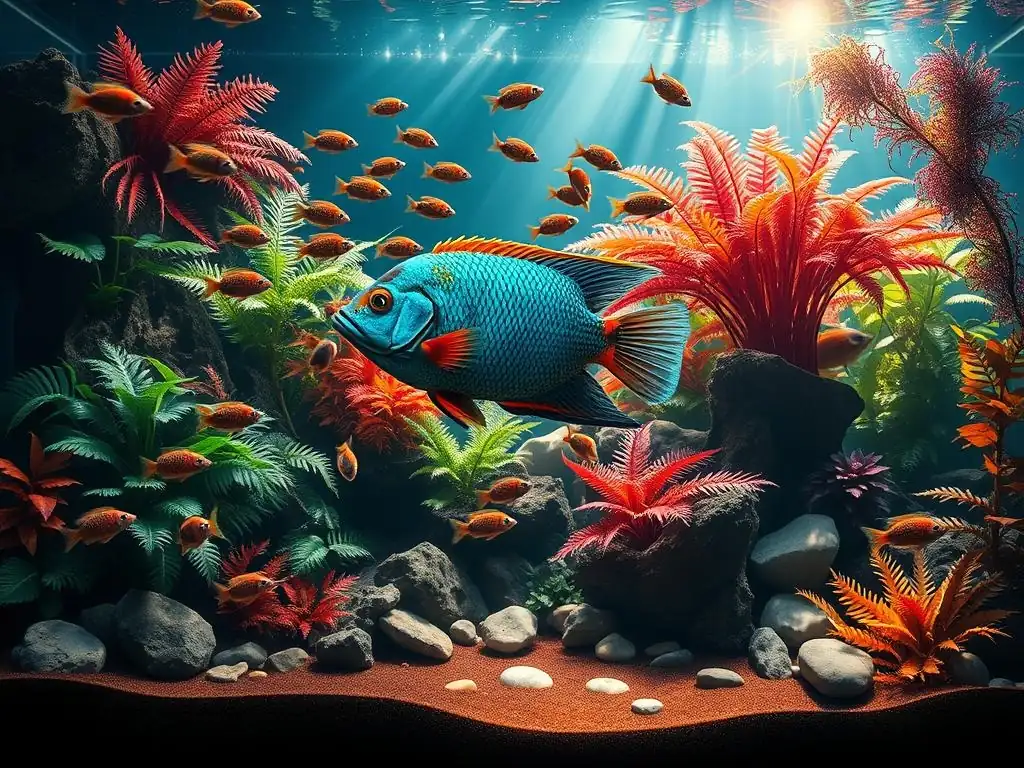
Ever wondered if you could introduce some greenery to your Mbuna cichlid tank? These feisty fish are notorious for uprooting and nibbling on plants, but don't lose hope just yet. Discover which tough plant species stand a chance against these vibrant, rock-dwelling cichlids and unlock the secrets to a thriving, beautifully planted Mbuna aquarium. Keep reading to find out how!
- Can You Keep Plants with Mbuna Cichlids? Selected Species and Strategies
- Understanding Mbuna Cichlids and Plant Compatibility
- Plant Selection for Mbuna Cichlid Aquariums: Choosing Resilient Species
- Creating a Planted Mbuna Cichlid Tank: Practical Strategies
- Water Parameters and Plant Growth in Mbuna Cichlid Tanks
- Mbuna Cichlid Plant Compatibility: Successes and Failures
- Alternative Aquascaping Options for Mbuna Cichlid Tanks
- Conclusion: Balancing Aesthetics and Mbuna Cichlid Needs in Your Aquarium
-
Frequently Asked Questions
- What makes Mbuna cichlids a challenging species to keep with aquarium plants?
- Are there any specific plant species that are more likely to survive in a Mbuna cichlid tank?
- How can I protect aquarium plants from Mbuna cichlids?
- What are some alternatives to live plants for Mbuna cichlid tanks?
- How does water chemistry impact the success of keeping plants with Mbuna cichlids?
- Final Reflection: Cultivating Harmony in the Mbuna Tank
- Ignite Your Cichlid Tank: Grow, Explore, Connect!
Can You Keep Plants with Mbuna Cichlids? Selected Species and Strategies
Understanding Mbuna Cichlids and Plant Compatibility
The Herbivorous and Territorial Nature of Mbuna Cichlids: A Challenge for Planted Tanks
Mbuna cichlids, originating from the rocky shores of Lake Malawi, are renowned for their vibrant colors, active behavior, and distinct dietary and territorial habits. In their natural habitat, these fish primarily graze on aufwuchs – a biofilm composed of algae and microorganisms scraped from rocks. This constant grazing behavior translates directly to their aquarium environment, posing a significant challenge for maintaining a planted tank. Their instinct to forage means they will readily pick at, or even consume, softer-leaved aquatic plants, mistaking them for their natural food source.
Beyond their diet, Mbuna are highly territorial and possess a strong digging instinct. Species such as Pseudotropheus saulosi or Metriaclima zebra frequently rearrange substrate to establish territories or create spawning sites. This incessant digging activity is highly detrimental to the stability of rooted plants, often leading to their uprooting and subsequent floating or decay. Therefore, achieving successful Mbuna cichlid plant compatibility requires careful consideration of both their dietary preferences and their inherent behavioral patterns.
Exploring the Typical Mbuna Cichlid Diet and its Impact on Plants
The natural diet of Mbuna cichlids is predominantly herbivorous, consisting largely of the periphyton found on submerged rocks. This diet is rich in fiber and relatively low in protein. In captivity, it is crucial to replicate this diet using high-quality spirulina-based flakes or pellets to ensure their health and reduce their inclination to graze on aquarium plants. Without proper nutrition, or if their dietary needs are not fully met, Mbuna are more likely to view live plants as a supplementary food source.
Even when well-fed, the innate grazing behavior of Mbuna cichlids means they will often "clean" the surfaces of plants, much like they would scrape algae from rocks in the wild. This constant picking, even if not intended for consumption, can cause significant damage to plant leaves, leading to tears, holes, and overall plant stress. For instance, a group of Maylandia estherae (Red Zebra Mbuna) can quickly defoliate a patch of delicate stem plants within days, highlighting the importance of selecting robust species when considering Mbuna cichlid plant compatibility.
Plant Selection for Mbuna Cichlid Aquariums: Choosing Resilient Species
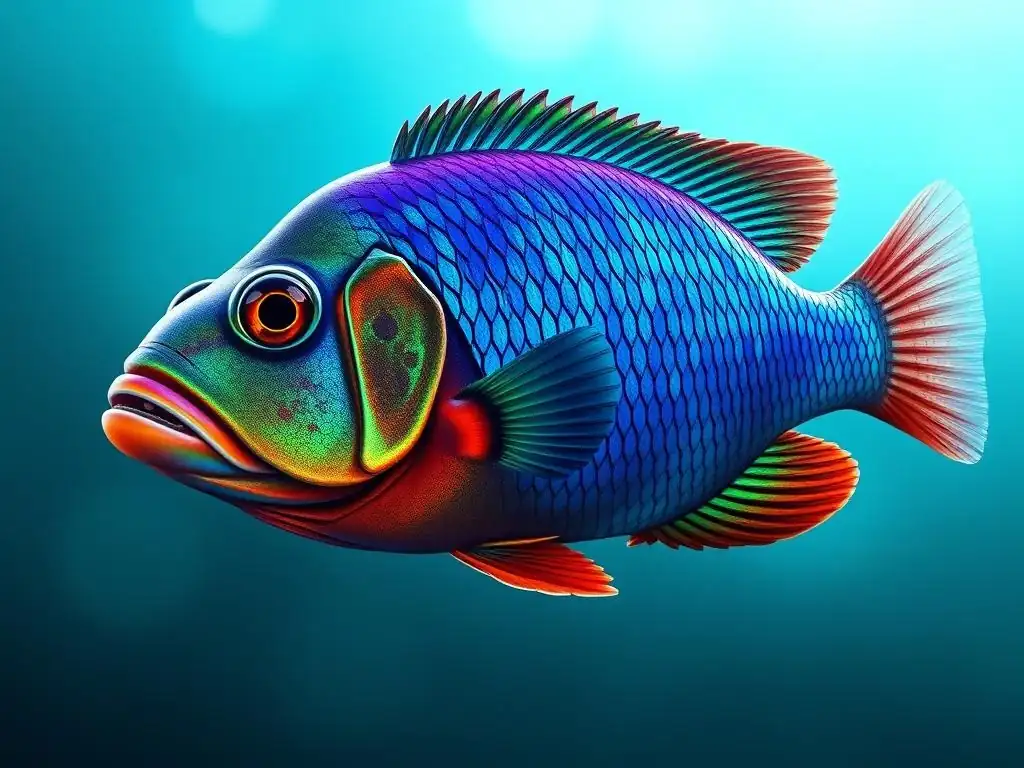
Resilient Aquatic Plants That May Withstand Mbuna Cichlid Activity
When attempting to combine live plants with Mbuna cichlids, the primary criterion for plant selection must be resilience. This means choosing species with tough, leathery leaves, robust root systems or rhizomes that do not require deep substrate burial, and an ability to tolerate the specific water parameters of a Mbuna tank (high pH and hardness).
Delicate stem plants, fine-leaved species, or plants that are particularly palatable to herbivorous fish are almost guaranteed to fail. The goal is to find plants that are either too physically tough to be easily damaged or too unappetizing to be considered a primary food source.
Successfully integrating plants in a Mbuna setup revolves around selecting species known for their durability and low palatability. While 100% success is never guaranteed due to individual fish temperament, certain plants offer a significantly higher chance of survival. These resilient species typically attach to hardscapes, minimizing disruption from digging, and possess leaves that are not readily consumed. This careful selection is key to achieving a degree of Mbuna cichlid plant compatibility.
Java Fern (Microsorum pteropus): Anchoring and Low Maintenance
Java Fern is consistently recommended as one of the most suitable plants for Mbuna cichlid tanks due to its unique growth habit and tough foliage. Its defining characteristic is its rhizome, a horizontal stem from which roots and leaves emerge. Crucially, this rhizome must not be buried in the substrate; instead, it should be attached to rocks or driftwood using fishing line or super glue gel.
This anchoring method prevents Mbuna from uprooting the plant, a common cause of failure for other species. Its leathery, dark green leaves are generally unappetizing to Mbuna, making it less prone to grazing damage.
This plant is remarkably adaptable, tolerating a wide range of water parameters, including the hard, alkaline conditions preferred by Mbuna (pH 7.5-8.5, GH 10-20 dGH). Java Fern is a slow-growing plant, typically reaching heights of 10-30 cm (4-12 inches) depending on the variety, such as 'Narrow Leaf' or 'Windeløv'. Its low light requirements (approximately 15-25 PAR) mean it thrives without intense illumination, reducing the risk of excessive algae growth that could further tempt Mbuna. While not entirely immune to curious nibbles, its robustness ensures a high probability of survival, making it a cornerstone for Mbuna cichlid plant compatibility.
Anubias Species: Rhizome Placement and Slow Growth Advantages
Anubias species, including popular varieties like Anubias barteri and Anubias nana, are another excellent choice for Mbuna cichlid aquariums. Their primary advantage lies in their extremely thick, tough, and leathery leaves, which are largely unpalatable to most herbivorous fish, including Mbuna. Like Java Fern, Anubias possesses a rhizome that must remain exposed to the water column, attached to rocks, driftwood, or other decor. This prevents the plant from being uprooted by the active digging habits of Mbuna, ensuring its stability within the tank.
The slow growth rate of Anubias species, often producing only one new leaf every few weeks, means they require minimal nutrients from the water column and are less susceptible to rapid decline if conditions are not perfectly optimized. They are highly tolerant of a broad range of water parameters, including the high pH and hardness typical of Mbuna tanks. Varieties range from the tiny Anubias nana 'Petite' (2-5 cm) to larger forms like Anubias barteri var.
barteri (up to 40 cm), offering various aesthetic options. Studies and extensive aquarist experience suggest a success rate exceeding 80% for Anubias in well-managed Mbuna setups, making them a top contender for Mbuna cichlid plant compatibility.
Vallisneria: Rapid Growth and Potential for Nutrient Competition
Vallisneria, commonly known as "Vals," such as Vallisneria spiralis or Vallisneria gigantea, presents a more nuanced option for Mbuna cichlid plant compatibility. While its long, strap-like leaves are softer than Anubias or Java Fern, its vigorous growth rate and ability to reproduce rapidly via runners can sometimes outpace the grazing activities of Mbuna. Vallisneria gigantea, in particular, can grow to impressive lengths of over 1 meter (3 feet), quickly forming a dense background in larger tanks. This plant also tolerates hard, alkaline water conditions well, aligning with Mbuna habitat requirements.
The strategy with Vallisneria is based on volume and recovery. Although Mbuna may indeed graze on its leaves, especially the tender new shoots, the plant's prolific nature allows it to recover and spread, potentially absorbing excess nitrates from the water column in heavily stocked Mbuna tanks.
Success with Vallisneria in Mbuna setups is more variable than with Anubias or Java Fern, with reported success rates ranging from 40-60%, depending heavily on the specific Mbuna species' temperament and the consistency of their diet. It requires deeper substrate for its roots to establish, which can be challenging with digging Mbuna, but surrounding the base with rocks can offer some protection.
Creating a Planted Mbuna Cichlid Tank: Practical Strategies
Overstocking with Caution: Diluting Aggression
The concept of "overstocking with caution" is a common strategy employed by experienced cichlid keepers to manage aggression, which indirectly benefits Mbuna cichlid plant compatibility. By introducing a higher number of Mbuna into a sufficiently sized aquarium (e.g., 20-30 juvenile to sub-adult Mbuna in a 75-gallon tank), the aggression is diffused among many individuals rather than being concentrated on a few. This dilutes territorial disputes, as no single fish can establish absolute dominance over the entire tank, reducing the intensity of chasing, nipping, and, crucially, the constant digging and uprooting of plants.
However, this strategy carries significant risks and demands meticulous husbandry. An increased bioload necessitates robust filtration systems, such as an external canister filter rated for at least 2-3 times the tank volume (e.g., an FX6 for a 125-gallon tank), and frequent, substantial water changes (e.g., 50% weekly) to maintain pristine water quality. Without diligent maintenance, ammonia and nitrite levels can rapidly become toxic, leading to severe stress, disease outbreaks, and high mortality rates among the fish. This approach is not for beginners and requires a deep understanding of water chemistry and filtration.
Providing Ample Hiding Places: Rockwork and Caves for Shelter and Territory
Extensive rockwork is arguably the most critical element for a successful Mbuna cichlid aquarium, regardless of whether plants are present. Mbuna are naturally rock-dwelling fish, and providing numerous caves, crevices, and visual breaks mimics their natural Lake Malawi habitat. This intricate hardscape allows each fish to establish a small territory and provides ample opportunities for submissive fish to escape aggression. When fish feel secure in their own spaces, their overall stress levels decrease, which can, in turn, reduce their tendency to engage in destructive behaviors like incessant digging or plant destruction.
From a Mbuna cichlid plant compatibility perspective, strategic rock placement can also protect plants. By firmly wedging plants like Anubias or Java Fern into rock crevices, or attaching them directly to large, stable rocks, they become less accessible for uprooting. Creating rock structures that extend from the substrate to near the water surface can provide visual barriers that further define territories, diverting the Mbuna's natural territorial instincts towards the rocks rather than the planted areas. Using heavy, inert rocks such as lava rock or Texas holey rock also prevents them from being easily undermined by the fish's digging.
Using Plant Protectors: Physical Barriers to Minimize Plant Damage
While not a foolproof solution, implementing physical barriers can significantly enhance the survival rate of plants in a Mbuna cichlid tank. One effective method involves placing a ring of smaller, heavy rocks around the base of rooted plants like Vallisneria. This creates a physical deterrent that makes it more difficult for Mbuna to dig around the plant's roots and uproot it. For plants that are attached to decor, ensuring they are firmly secured with fishing line or super glue gel prevents them from being dislodged or dragged around the tank.
Another technique involves planting resilient species in small, weighted clay pots or plastic mesh baskets, which are then partially buried in the substrate. The mesh allows water circulation and root growth but contains the root ball, making it much harder for Mbuna to pull the entire plant out. While these protectors do not prevent grazing on exposed leaves, they are highly effective against uprooting, which accounts for a significant portion of plant loss in Mbuna tanks. Aquarists report that these methods can increase the survival rate of otherwise compatible plants by an estimated 20-30% in challenging Mbuna environments.
Water Parameters and Plant Growth in Mbuna Cichlid Tanks
Maintaining Optimal Water Chemistry for Both Cichlids and Plants
A fundamental challenge in achieving Mbuna cichlid plant compatibility lies in reconciling the differing water parameter requirements of the fish and most aquatic plants. Mbuna cichlids thrive in hard, alkaline water with a pH typically ranging from 7.8 to 8.6, a General Hardness (GH) of 10-20 dGH, and a Carbonate Hardness (KH) of 10-18 dKH. The temperature should be maintained between 76-82°F (24-28°C). These conditions are crucial for their long-term health and to prevent issues like Malawi Bloat. Most common aquarium plants, however, prefer softer, more acidic water.
Fortunately, the resilient plants identified for Mbuna tanks, such as Anubias, Java Fern, and Vallisneria, are exceptions to this rule. These species are known for their adaptability and ability to tolerate a wide spectrum of water parameters, including the higher pH and hardness levels required by Mbuna. The key to success is not only selecting tolerant plants but also maintaining stable water parameters. Fluctuations can be highly stressful for both fish and plants, making regular water testing (e.g., weekly checks for pH, ammonia, nitrite, and nitrate) an indispensable part of tank maintenance.
Balancing pH Levels and Hardness for a Thriving Ecosystem
The high pH and hardness levels characteristic of Mbuna cichlid habitats are essential for their physiological well-being, aiding in osmoregulation and preventing disease. While these conditions are generally outside the preferred range for many plant species, the chosen resilient plants have evolved to be highly adaptable. Inert substrates like aragonite sand or crushed coral can naturally help buffer the water, maintaining the necessary high pH and hardness without the need for constant chemical adjustments, which can be unstable and detrimental.
In high pH environments, the availability of certain plant nutrients, particularly iron, can be reduced. However, the selected tough plants are generally low-light, slow-growing species that are not heavy nutrient feeders. They can typically derive sufficient nutrients from fish waste and the decaying organic matter in the water column.
Adding liquid fertilizers or root tabs is generally not recommended in Mbuna tanks due to the risk of altering water chemistry, promoting excessive algae growth (which Mbuna will actively graze, potentially stripping the tank of beneficial algae), or causing harm to the fish. Focus should remain on stable, appropriate water chemistry for the fish.
The Importance of Lighting for Plant Growth in a Mbuna Aquarium
While Mbuna cichlids do not have specific lighting requirements beyond what is necessary for observation and to simulate a natural day-night cycle, plants require adequate light for photosynthesis and healthy growth. For low-light plants like Anubias and Java Fern, moderate lighting is sufficient, typically around 15-25 PAR (Photosynthetically Active Radiation) at the substrate level, provided for 8-10 hours daily. Excessive or overly intense lighting can be counterproductive in a Mbuna tank, as it can stimulate rapid algae growth, which, while a food source for Mbuna, can quickly become an aesthetic nuisance if not managed.
Balancing the lighting for both plant health and algae management is crucial. A moderate lighting regime helps promote steady plant growth without overwhelming the tank with nuisance algae. For Mbuna, a consistent 10-12 hour light cycle is common and aligns well with the needs of low-light plants. Modern LED lights with adjustable intensity offer flexibility, allowing aquarists to fine-tune the light output to achieve an optimal balance, ensuring the Mbuna cichlid plant compatibility is supported by appropriate environmental conditions.
Mbuna Cichlid Plant Compatibility: Successes and Failures
Examples of Planted Mbuna Cichlid Aquariums Using Specific Plant Combinations
Despite the challenges, numerous aquarists have achieved success in creating aesthetically pleasing planted Mbuna cichlid aquariums. A notable example involves a 125-gallon tank housing a diverse group of Labidochromis caeruleus (Electric Yellow), Pseudotropheus saulosi, and Cynotilapia afra. In this setup, large, established clumps of Anubias barteri were securely attached to extensive lava rock formations, mimicking rocky outcrops.
Additionally, mature Java Fern was allowed to proliferate on driftwood pieces, providing lush green accents. The success in this instance was attributed to a combination of factors: mature, robust plants, a slight overstocking strategy to diffuse aggression among the 25-30 fish, and a consistent diet rich in spirulina to satisfy their herbivorous needs, thereby reducing their inclination to graze on the plants.
Another successful approach involved a 75-gallon tank with Melanochromis johannii and Maylandia estherae, where Vallisneria gigantea was used as a dense background plant. While some occasional grazing on the Vallisneria was observed, its incredibly rapid growth and ability to send out numerous runners allowed it to recover quickly and maintain its presence.
The key to this particular success was the sheer volume of Vallisneria, which meant that localized damage did not significantly impact the overall health or appearance of the plant mass. These real-world examples demonstrate that achieving Mbuna cichlid plant compatibility is feasible with careful planning and plant selection.
Common Mistakes to Avoid When Combining Mbuna Cichlids and Plants
Several common mistakes can lead to rapid failure when attempting to combine Mbuna cichlids with live plants. One of the most frequent errors is introducing delicate, soft-leaved plant species such as Cabomba, Ludwigia, or Cryptocoryne. These plants are highly palatable and easily uprooted or consumed by Mbuna due to their tender structure.
Another critical mistake, regardless of the plant species, is burying the rhizome of plants like Anubias or Java Fern. This invariably leads to rhizome rot and the rapid death of the plant, irrespective of fish activity. Furthermore, insufficient rockwork or providing too few hiding places can exacerbate aggression, leading to increased stress for the fish and more destructive behavior towards any plants present.
Beyond plant selection and placement, dietary and maintenance errors also contribute to failure. Not providing a proper, high-fiber, spirulina-based diet for Mbuna can significantly increase their inclination to graze on aquarium plants as they seek alternative food sources. Neglecting regular, substantial water changes and allowing nitrate levels to climb can stress both fish and plants, making the ecosystem less resilient.
Lastly, attempting to introduce plants that require high-tech setups, such as CO2 injection or intense lighting, is generally ill-advised. These conditions are difficult to maintain in a high-pH, high-hardness Mbuna tank and are unnecessary for the specific, resilient plant species that actually stand a chance of survival.
Alternative Aquascaping Options for Mbuna Cichlid Tanks
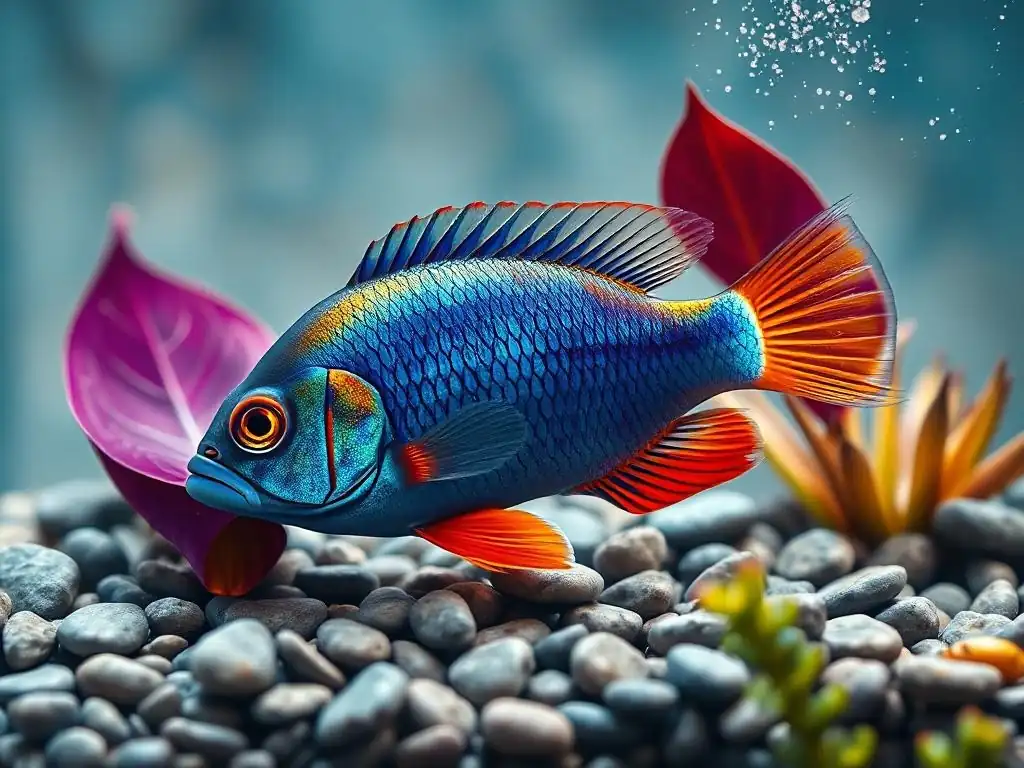
Rockscapes and Substrate Choices: Creating a Natural Habitat
For aquarists prioritizing the authenticity of a Mbuna cichlid habitat or those who prefer a low-maintenance approach without live plants, a rock-dominated aquascape is the ideal alternative. This involves creating extensive rock formations with numerous caves, tunnels, and visual breaks that closely mimic the rocky shores of Lake Malawi.
Using inert rocks such as lava rock, Texas holey rock, slate, or granite is crucial, as these materials do not significantly alter water chemistry. Such structures provide essential territories, reduce inter-fish aggression, and offer abundant hiding places for all tank inhabitants, fostering a more natural and less stressful environment for the Mbuna.
Regarding substrate, fine sand (e.g., aragonite sand or specialized cichlid sand) is highly recommended. Mbuna cichlids are natural diggers and sifting through sand is a crucial part of their natural behavior. Sand is gentle on their sensitive gills and allows them to perform these innate actions without injury.
A substrate depth of at least 2-3 inches (5-7.5 cm) is advisable to accommodate their digging habits and prevent constant exposure of the tank bottom. Avoiding sharp gravel is paramount, as it can cause abrasions and infections to the fish. This focus on rockscapes and sand substrates ensures the Mbuna's natural needs are met, even without live plants.
Artificial Plants and Decorations: A Low-Maintenance Approach
For aquarists who desire the aesthetic appeal of a green, lush aquarium but wish to avoid the challenges associated with Mbuna cichlid plant compatibility, high-quality artificial plants and decorations offer a practical and low-maintenance solution. Modern artificial plants are often crafted from realistic-looking, fish-safe materials like silicone or soft plastics, providing a natural appearance without the need for specific lighting, fertilizers, or precise water parameters. They are completely impervious to Mbuna grazing, uprooting, or any form of damage, ensuring a consistently attractive display.
When selecting artificial plants and decor, it is important to choose products specifically designed for aquarium use to ensure they are non-toxic and durable. Avoid any items with sharp edges or rough textures that could potentially injure fish.
Artificial decorations, such as resin caves, plastic logs, or synthetic rock formations, can also be strategically placed to supplement natural rockwork, providing additional hiding spots and visual interest. While artificial elements do not offer the biological benefits of live plants (such as nitrate absorption), they provide a stress-free way to enhance the aquarium's appearance and fulfill the aquarist's aesthetic desires without compromising the Mbuna's well-being.
Conclusion: Balancing Aesthetics and Mbuna Cichlid Needs in Your Aquarium
Ultimately, successfully keeping plants with Mbuna cichlids is a challenging but achievable endeavor that requires careful planning, specific plant selection, and dedicated husbandry. The key to Mbuna cichlid plant compatibility lies in understanding their inherent herbivorous nature and territorial digging habits. By focusing on robust, unpalatable species like Anubias and Java Fern, securely anchoring them, and providing ample rockwork for territorial establishment, aquarists can significantly increase their chances of success.
While the natural beauty of a heavily planted tank may be difficult to fully realize with Mbuna, a thoughtfully designed aquascape can still offer a vibrant, green aesthetic that complements the fish. Prioritizing the Mbuna's specific needs for hard, alkaline water, a spirulina-rich diet, and a stable, aggression-diffused environment is paramount. Whether opting for resilient live plants or high-quality artificial alternatives, the goal remains to create a thriving, visually appealing habitat that caters to the unique behaviors and requirements of these magnificent African cichlids.
Frequently Asked Questions
What makes Mbuna cichlids a challenging species to keep with aquarium plants?
Mbuna cichlids are herbivorous fish known for their aggressive digging and grazing habits. This combination often leads to plants being uprooted, eaten, or damaged in the aquarium.
Are there any specific plant species that are more likely to survive in a Mbuna cichlid tank?
Yes, certain hardy plant species with tough leaves and strong root systems have a better chance. Examples include Anubias, Java Fern, and Bolbitis heudelotii.
How can I protect aquarium plants from Mbuna cichlids?
You can protect plants by attaching them to rocks or driftwood using aquarium-safe glue or thread. This prevents the cichlids from uprooting them and makes it harder to reach the leaves.
What are some alternatives to live plants for Mbuna cichlid tanks?
Artificial plants are a safe and low-maintenance alternative. They provide the visual appeal of plants without the risk of being eaten or destroyed by the Mbuna cichlids.
How does water chemistry impact the success of keeping plants with Mbuna cichlids?
Mbuna cichlids thrive in alkaline water conditions, which some plants may not tolerate. It's crucial to research the specific water parameter needs of both the fish and plants to ensure a compatible environment.
Final Reflection: Cultivating Harmony in the Mbuna Tank
The exploration of Mbuna cichlid plant compatibility reveals more than just horticultural challenges; it highlights the delicate balance between aggression and serenity within the aquarium ecosystem. Understanding which tough species might survive the relentless curiosity of these vibrant fish is a testament to our dedication to creating enriching and sustainable environments for our aquatic companions. This knowledge empowers aquarists to move beyond mere survival and strive for thriving, visually stunning displays.
This journey into the world of Mbuna and plants has underscored the importance of adaptability and resilience – qualities mirrored in both the plants that endure and the aquarists who persevere. The pursuit of a harmonious tank reflects a deeper desire for balance in our own lives, reminding us that even in seemingly incompatible environments, beauty and growth can flourish. The best way to observe a fish is to become a fish.
- Jacques Cousteau. This quote encapsulates the need to understand the Mbuna's world to truly create a suitable environment.
Now, armed with this knowledge of Mbuna cichlid plant compatibility, I invite you to reflect on your own aquascaping journey. Consider how you can apply these lessons of resilience and adaptability to create not just a beautiful tank, but a thriving ecosystem that reflects your own commitment to balance and harmony. Let your aquarium be a testament to the power of perseverance and the beauty that can emerge even in the most challenging environments.
Ignite Your Cichlid Tank: Grow, Explore, Connect!
Thanks for diving into the world of Mbuna and plants! We hope you've found some inspiration and practical tips for creating a thriving aquarium. Now, let's take that knowledge and turn it into action!
Here are a few ideas to get you started:
- Take the plunge and introduce a hardy plant variety, like Anubias or Java Fern, to your Mbuna tank, carefully observing its resilience. This is the ultimate test!
- Research less-common, cichlid-compatible plants such as Vallisneria or Bolbitis heudelotii and document your findings in a forum. You might discover the next Mbuna-proof wonder!
- Share photos of your Mbuna tank setup – plants or no plants – in the comments below. Let’s inspire each other's aquascaping adventures!
Ready to experiment and see what flourishes in your unique Mbuna environment?