
Quarantine Protocol: Protecting Your Tank from Catfish Diseases

Welcome to Aquarium Mastery!
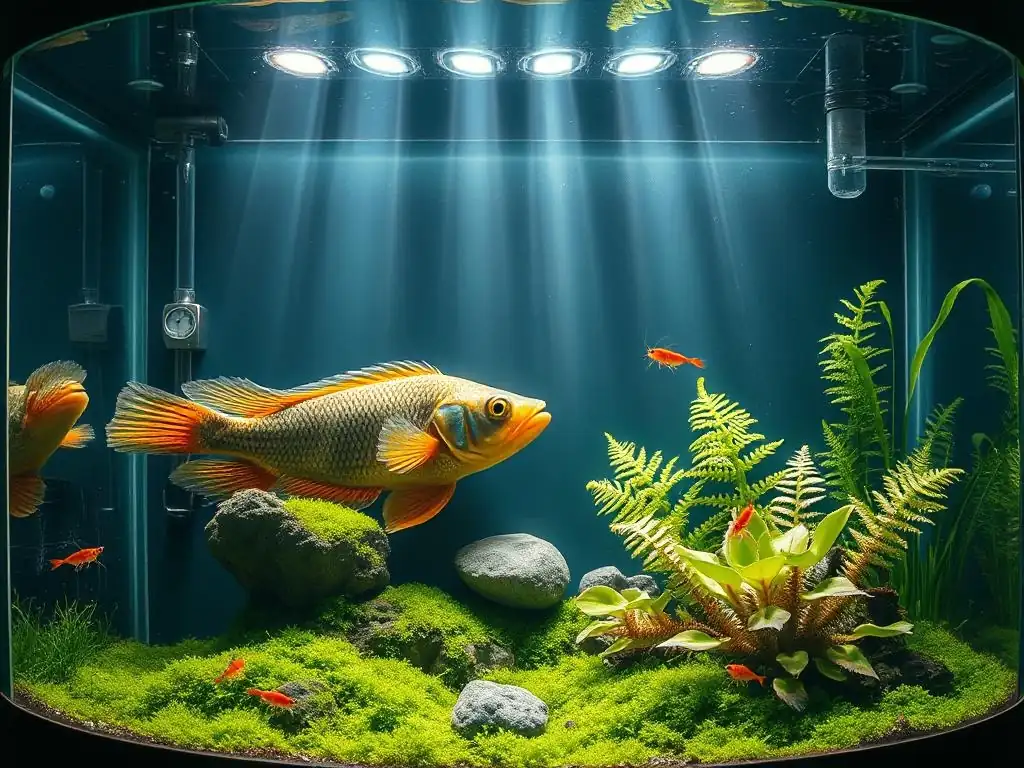
Ever wondered if that adorable new catfish might be carrying a hidden threat to your established tank? Dive in to uncover the secrets of a proper " Catfish quarantine protocol setup." Learn how to safeguard your aquatic ecosystem and ensure your finned friends thrive in a healthy, disease-free environment. Curious how to create the perfect quarantine haven? Read on to discover the essential steps!
- Quarantine Protocol: Protecting Your Tank from Fish Diseases
- Understanding the Importance of Fish Quarantine Protocol
-
Fish Quarantine Protocol Setup: A Step-by-Step Guide
- Step 1: Setting Up Your Quarantine Tank for Fish
- Step 2: Preparing the Quarantine Tank Water
- Step 3: Introducing New Fish to the Quarantine Tank
- Step 4: Observing Your Fish for Signs of Disease
- Step 5: Treatment Options for Sick Fish in Quarantine
- Step 6: Determining When Fish are Safe to Introduce to the Main Tank
- Maintaining a Healthy Quarantine Tank for Fish
- Advanced Quarantine Techniques for Sensitive Fish Species
- Troubleshooting Common Quarantine Issues for Fish
- Post-Quarantine: Integrating Healthy Fish into Your Main Aquarium
- Conclusion: Ensuring a Healthy Aquarium with Proper Fish Quarantine Practices
-
Frequently Asked Questions
- How long should I quarantine a new catfish before introducing it to my main aquarium?
- What size quarantine tank is appropriate for a new catfish?
- What water parameters should I maintain in the quarantine tank?
- What are some common signs of disease to watch for during catfish quarantine?
- What should I do if my quarantined catfish shows signs of illness?
- Final Reflection: Safeguarding Aquatic Life
- Dive Deeper: Unlock the Secrets to a Thriving Catfish Tank!
Quarantine Protocol: Protecting Your Tank from Fish Diseases
Understanding the Importance of Fish Quarantine Protocol
Why Quarantine New Fish is Crucial for Aquarium Health
Introducing new fish into an established aquarium without a proper quarantine period is akin to playing Russian roulette with your entire aquatic ecosystem. Even seemingly healthy fish can carry dormant parasites, bacteria, or viruses that, once introduced, can quickly decimate an entire tank population. A study by the American Veterinary Medical Association highlighted that up to 70% of new fish introductions without quarantine result in disease outbreaks within the main tank within two months, leading to significant fish loss and considerable financial and emotional strain for aquarists.
The primary goal of a well-executed fish quarantine protocol is to isolate new arrivals, allowing any latent diseases to manifest and be treated in a controlled environment. This protective measure prevents the spread of pathogens to your existing, healthy fish, which may lack immunity to new strains. For species like catfish, including popular Plecos, Corydoras, and Ancistrus, which can be sensitive to certain medications or stress, identifying and treating issues in a dedicated quarantine tank is far less stressful and more effective than attempting to medicate an entire display tank, which could harm invertebrates or beneficial bacteria.
Preventing Disease Introduction: The Role of a Proper Quarantine Tank
A dedicated quarantine tank acts as an essential buffer zone, a sterile environment where new fish can be observed and treated without risking the health of your main aquarium inhabitants. This isolated setup allows aquarists to monitor the fish closely for signs of stress or illness, such as clamped fins, labored breathing, or unusual spots, which might otherwise go unnoticed in a bustling community tank. By containing potential pathogens, you safeguard your long-term investment in your aquarium, protecting both your fish and the beneficial bacterial colonies that maintain water quality.
Furthermore, a proper quarantine tank facilitates targeted treatment. If a new catfish, for instance, develops Ich (white spot disease), it can be treated with appropriate medication without exposing your main tank's sensitive inhabitants or disrupting its carefully balanced biological filtration. Many medications, while effective against parasites or bacteria, can harm beneficial filter bacteria, live plants, or certain invertebrates like snails and shrimp. The quarantine tank ensures that treatments are applied only where and when necessary, preserving the integrity of your display aquarium and making the entire Catfish quarantine protocol setup a cornerstone of responsible fishkeeping.
Fish Quarantine Protocol Setup: A Step-by-Step Guide
Step 1: Setting Up Your Quarantine Tank for Fish
Choosing the Right Size Quarantine Tank for Fish
The ideal size for your fish quarantine tank depends primarily on the size and number of fish you intend to quarantine. For most small to medium-sized freshwater fish, including many common catfish species like Corydoras or Otocinclus, a 10-gallon (approximately 38-liter) aquarium is often sufficient.
This size provides enough space for observation and treatment without being overly cumbersome. However, if you plan to quarantine larger catfish, such as adult Plecos (e.g., a common Pleco can grow over 18 inches or 45 cm), a 20-gallon (75-liter) or even 30-gallon (114-liter) tank might be necessary to accommodate their size and waste production, ensuring adequate space for comfort and reducing stress during the Catfish quarantine protocol setup.
It's crucial to select a tank that allows for easy monitoring and maintenance. Avoid overly complex setups with elaborate decorations, as these can harbor pathogens or make it difficult to observe fish behavior and symptoms. A bare-bottom tank, or one with a thin layer of inert substrate, is highly recommended for a quarantine setup. This simplicity facilitates easy cleaning and waste removal, which are critical for maintaining pristine water quality during the quarantine period and for effectively administering any necessary medications without absorption into the substrate.
Essential Equipment for a Fish Quarantine Setup: Filter, Heater, and Air Pump
A basic, yet effective, set of equipment is vital for a successful fish quarantine protocol setup. For filtration, a simple sponge filter or a small hang-on-back (HOB) filter with sponge media is ideal.
Sponge filters are highly recommended because they provide excellent biological filtration, are easy to clean, and do not create strong currents that could stress sick or delicate fish, which is particularly beneficial for catfish that prefer calmer waters. If using a new sponge filter, it's beneficial to "seed" it with media from an established filter in your main tank to kickstart the nitrogen cycle, though daily water changes will be the primary method for managing ammonia and nitrite initially.
An adjustable aquarium heater is indispensable to maintain a stable water temperature, crucial for reducing stress and supporting the fish's immune system. Aim to match the temperature of your main display tank, typically between 74-80°F (23-27°C) for most tropical freshwater fish, including catfish. Lastly, an air pump with an airstone is essential for oxygenation, especially important when fish are stressed or if medications deplete oxygen levels. This simple trio—filter, heater, and air pump—forms the backbone of an effective and manageable Catfish quarantine protocol setup, providing the necessary life support without unnecessary complexity.
Step 2: Preparing the Quarantine Tank Water
Maintaining Optimal Water Parameters for Quarantining Fish
Maintaining stable and optimal water parameters is paramount in a fish quarantine tank, even more so than in a display tank, as stressed or sick fish are more susceptible to poor water quality. Before introducing any fish, the quarantine tank should be filled with dechlorinated water that closely matches the pH, temperature, and hardness of the water from the fish's original environment (e.g., the store bag) and, ultimately, your main display tank.
For most freshwater catfish, a pH between 6.5 and 7.5 is generally suitable, with ammonia and nitrite levels at zero parts per million (ppm), and nitrates below 20 ppm.
Regular testing with a reliable liquid test kit for ammonia, nitrite, and nitrate is critical, especially since a quarantine tank often isn't fully cycled. Ammonia and nitrite are highly toxic to fish, even in small concentrations, and can quickly build up from fish waste and uneaten food. Daily monitoring allows you to proactively address any spikes through water changes or the temporary use of ammonia-detoxifying agents. Consistency in water parameters minimizes stress on the fish, making them more resilient to potential diseases and more receptive to any necessary treatments during their Catfish quarantine protocol setup.
The Importance of Water Changes in a Fish Quarantine Tank
Frequent and partial water changes are the most effective tool for managing water quality in an uncycled or lightly cycled quarantine tank. Unlike a well-established display tank with robust biological filtration, a quarantine setup often relies heavily on manual intervention to keep harmful nitrogenous compounds in check. For instance, performing a 25-50% water change daily or every other day, depending on the bioload and water test results, is a common practice to keep ammonia and nitrite levels at negligible concentrations.
These regular water changes not only dilute harmful toxins but also replenish essential minerals and maintain consistent water chemistry, which is vital for the fish's immune system. When performing water changes, ensure the new water is dechlorinated and temperature-matched to avoid shocking the fish. For a new Catfish quarantine protocol setup, diligent water changes are non-negotiable, acting as the primary line of defense against water quality issues that could exacerbate stress or illness in already vulnerable new arrivals.
Step 3: Introducing New Fish to the Quarantine Tank
Acclimating Fish to the Quarantine Tank Environment
Proper acclimation is a critical first step when introducing new fish to any tank, including a quarantine setup, as it minimizes stress from sudden changes in water parameters. The drip acclimation method is highly recommended, especially for sensitive species like many catfish or those that have endured long shipping times. This involves slowly adding water from the quarantine tank into the fish's transport bag or container over a period of 30-60 minutes, allowing the fish to gradually adjust to the new temperature, pH, and hardness.
To perform drip acclimation, float the sealed bag in the quarantine tank for 15-20 minutes to equalize temperature. Then, open the bag, secure it so it doesn't sink, and use airline tubing with a knot to create a slow drip from the quarantine tank into the bag.
Once the volume of water in the bag has tripled, carefully net the fish (avoiding transferring the bag water into the quarantine tank) and release it into the quarantine tank. This meticulous approach significantly reduces osmotic shock and stress, paving the way for a smoother transition into their temporary home during the Catfish quarantine protocol setup.
Monitoring Fish Behavior During Acclimation
Once the fish are released into the quarantine tank, close observation of their immediate behavior is crucial. Healthy fish, even if initially shy, should eventually begin to explore their new surroundings, albeit cautiously. Look for signs of immediate distress such as rapid gill movement (indicating stress or poor oxygenation), darting frantically, rubbing against surfaces, or remaining motionless at the bottom or surface. These behaviors can indicate shock from improper acclimation, poor water quality, or an underlying health issue exacerbated by the move.
Pay particular attention to how catfish behave; many species are bottom-dwellers and might initially hide. However, after a short period, they should typically begin to forage or move around. If a fish continues to exhibit extreme lethargy, loss of balance, or persistent clamped fins hours after introduction, it warrants immediate investigation into water parameters or a closer look for physical signs of illness. Early detection of stress or disease symptoms during this initial phase can significantly impact the success of the entire Catfish quarantine protocol setup.
Step 4: Observing Your Fish for Signs of Disease
Common Fish Diseases: Identification and Symptoms
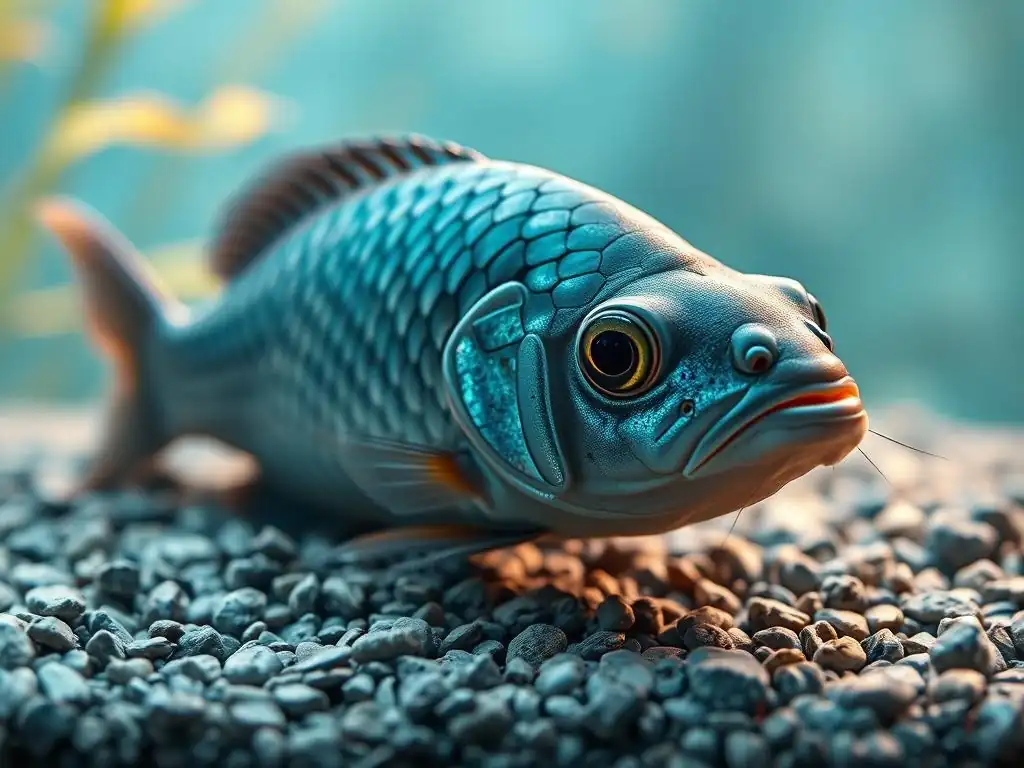
During the quarantine period, diligent observation is your most powerful tool for identifying potential health issues. Several common fish diseases can manifest within the typical 2-4 week quarantine window. Ich (Ichthyophthirius multifiliis), often called white spot disease, is characterized by small, salt-grain-like white spots on the body and fins, accompanied by flashing (rubbing against tank objects) and rapid breathing. Fin rot, a bacterial infection, presents as frayed, ragged, or disintegrating fins, sometimes with a red or white edge.
Fungal infections appear as cotton-like growths on the body or fins, often secondary to injuries or other infections. Velvet disease, caused by Oodinium parasites, gives the fish a dusty, yellowish-gold appearance, resembling velvet, along with rapid gill movement. For catfish, specific attention should be paid to their barbels and fins, which are sensitive and prone to infection. Recognizing these distinct symptoms early is vital for prompt and effective treatment, ensuring the success of your Catfish quarantine protocol setup and the safety of your main tank.
Recognizing Early Warning Signs in Quarantined Fish
Beyond the obvious symptoms of specific diseases, several subtle behavioral and physical changes can serve as early warning signs that a fish is unwell. Watch for changes in swimming patterns, such as listlessness, erratic darting, or difficulty maintaining buoyancy. A healthy fish generally maintains an upright posture and moves fluidly. Any deviation, like lying on its side or resting on the bottom for extended periods (unless it's a naturally resting bottom-dweller like some catfish), should raise a red flag.
Changes in appetite are also a key indicator; a healthy fish should eagerly accept food, while a fish refusing to eat or spitting out food might be ill. Observe the fish's coloration; faded colors, dark spots, or unusual blotches can signal stress or disease. Additionally, look for swelling, sunken bellies, pop-eye, or unusual growths. Even subtle changes in gill movement or frequency of breathing can indicate respiratory distress. These early observations are crucial, as they allow for intervention before a condition becomes severe, enhancing the efficacy of your Catfish quarantine protocol setup.
Step 5: Treatment Options for Sick Fish in Quarantine
Treating Ich in Quarantined Fish
Ich is one of the most common ailments observed during quarantine, and fortunately, it's highly treatable. For scaleless fish like many catfish, caution is advised as they are more sensitive to certain medications. A common and effective treatment involves raising the quarantine tank temperature slowly to 82-86°F (28-30°C) over 24 hours, combined with adding aquarium salt (non-iodized) at a concentration of 1 tablespoon per 5 gallons (19 liters) of water. The elevated temperature speeds up the Ich life cycle, making it more vulnerable to treatment, while the salt helps the fish with osmoregulation and irritates the parasite.
Alternatively, several commercially available Ich medications contain active ingredients like malachite green or formalin. When using these, always follow the manufacturer's instructions precisely, and be particularly mindful of dosage for scaleless fish, often recommending a half dose. Continue treatment for at least 7-10 days, even if symptoms disappear, to ensure all stages of the parasite are eradicated. Consistent water changes and gravel vacuuming (if substrate is used) during treatment help remove free-swimming Ich trophonts, further aiding the effectiveness of your Catfish quarantine protocol setup.
Addressing Fungal Infections in Quarantined Fish
Fungal infections, often appearing as white or grayish cotton-like growths on the fish's body, fins, or mouth, are typically secondary infections that take advantage of weakened fish or existing injuries. They are commonly caused by Saprolegnia or Achlya species. Effective treatment in a quarantine tank usually involves antifungal medications specifically formulated for aquariums. Common active ingredients include phenoxyethanol, methylene blue, or malachite green.
Before administering medication, it's crucial to perform a significant water change (e.g., 50%) and ensure excellent water quality, as poor conditions can exacerbate fungal issues. Follow the medication's instructions carefully, as some require daily dosing with water changes in between. For localized infections, a gentle salt dip (1 tablespoon per gallon for 5-10 minutes) can sometimes be used as a supplementary treatment, but this should be done with extreme care, especially for sensitive catfish species. Addressing the underlying cause, such as poor water quality or stress, is also vital for preventing recurrence during the Catfish quarantine protocol setup.
Bacterial Infections in Quarantined Fish: Treatment Protocols
Bacterial infections in quarantined fish can manifest in various ways, including fin rot (as previously mentioned), body ulcers, red streaks, clamped fins, or general lethargy and loss of appetite. These infections often arise from poor water quality, stress, or injuries. Treating bacterial infections typically requires broad-spectrum antibacterial medications designed for aquarium use. Common active ingredients include erythromycin, furan-2, or oxytetracycline, which target a wide range of gram-positive and gram-negative bacteria.
It is paramount to accurately diagnose the type of bacterial infection if possible, as different antibiotics are effective against different bacterial strains. If unsure, a broad-spectrum option is a good starting point. Always remove activated carbon from the filter during treatment, as it will absorb the medication.
Maintain pristine water quality with daily partial water changes to minimize stress and aid recovery. Treatment duration can range from 5 to 10 days, or as directed by the medication, and should be completed even if symptoms improve quickly to prevent resistant strains. This meticulous approach is central to a successful Catfish quarantine protocol setup.
Step 6: Determining When Fish are Safe to Introduce to the Main Tank
The Quarantine Period: How Long Should You Quarantine Fish?
The duration of the quarantine period is a critical factor in the success of your fish quarantine protocol setup. A commonly recommended minimum is 2-4 weeks (14-28 days). This timeframe allows sufficient time for most common diseases, such as Ich, velvet, or bacterial infections, to manifest their symptoms. If a disease appears, the treatment period extends the quarantine. For example, if a fish develops Ich and requires a 10-day treatment, the 2-4 week observation period should restart after the successful completion of the treatment and recovery.
For more sensitive or wild-caught fish, including some catfish species that might be more prone to internal parasites or stress-induced illnesses, extending the quarantine to 6-8 weeks can provide an even greater margin of safety. During this entire period, the fish should exhibit no signs of disease, should be eating well, and behaving normally. Patience during this phase is paramount; rushing the process can jeopardize your entire main tank and undermine the purpose of the Catfish quarantine protocol setup.
Final Health Check Before Introducing Fish
Before making the final decision to transfer your quarantined fish to the main display tank, conduct a thorough final health check. The fish should appear vibrant, with clear eyes, intact fins (fully regrown if there was fin rot), and no visible spots, growths, or lesions. Their breathing should be regular and unlabored, and they should be actively swimming and feeding with enthusiasm. Observe their waste to ensure it is firm and normal, without signs of internal parasites (e.g., stringy white feces).
It's also beneficial to observe the fish for a few days after all treatments have ceased and the water parameters have been stable and optimal. This ensures that the fish is truly healthy and not just temporarily symptom-free due to medication. If any lingering doubts or minor symptoms persist, it is always safer to extend the quarantine period. This final, comprehensive assessment is the last crucial step in the Catfish quarantine protocol setup, ensuring that only truly healthy fish join your established aquatic community.
Maintaining a Healthy Quarantine Tank for Fish
Regular Water Testing and Maintenance
Maintaining impeccable water quality in a quarantine tank is non-negotiable, as stressed or recovering fish are highly susceptible to poor conditions. Daily water testing for ammonia, nitrite, and nitrate is paramount, especially if the tank is not fully cycled. Ammonia and nitrite should always read 0 ppm. If levels rise, immediate action, such as a 25-50% water change, is required. Nitrates should be kept below 20 ppm, also managed through consistent partial water changes.
Beyond testing, regular maintenance includes siphoning any uneaten food and fish waste from the bottom of the tank daily. This is particularly important in bare-bottom quarantine tanks, where waste accumulates visibly and quickly breaks down into harmful compounds. Cleaning the filter media gently (in old tank water) when flow diminishes is also important to prevent clogging, but avoid aggressive cleaning that could remove beneficial bacteria. Diligent attention to these details ensures that the environment supports healing and recovery, making your Catfish quarantine protocol setup as effective as possible.
Preventing Cross-Contamination Between Quarantine and Main Tank
One of the most critical aspects of a successful fish quarantine protocol setup is preventing cross-contamination between the quarantine tank and your main display aquarium. This means strictly segregating all equipment used for each tank. Dedicate separate nets, buckets, siphon hoses, algae scrubbers, and even towels for the quarantine tank. Never use equipment from the quarantine tank in your main tank, and vice-versa, without thorough disinfection.
Always wash your hands thoroughly with soap and water before and after handling fish or equipment from either tank. Ideally, attend to the main tank first, then the quarantine tank. If you must reach into both, wash your hands meticulously between tanks. This disciplined approach minimizes the risk of transferring pathogens, ensuring that the protective barrier of the quarantine tank remains intact and that your diligent Catfish quarantine protocol setup effectively safeguards your entire aquatic community.
Advanced Quarantine Techniques for Sensitive Fish Species
Special Considerations for Quarantining Discus
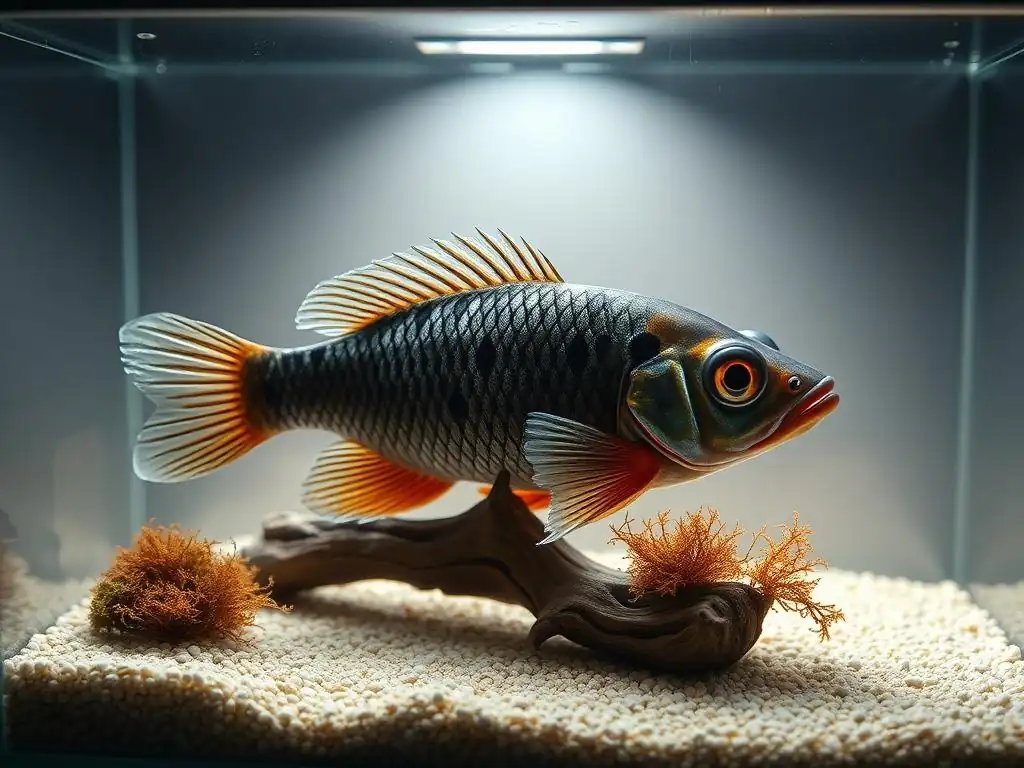
Discus fish are renowned for their beauty but equally for their sensitivity and susceptibility to disease, making their quarantine a more rigorous process. They thrive in pristine, warm water, typically between 82-86°F (28-30°C), and require extremely stable water parameters with zero ammonia and nitrite, and very low nitrates. Daily, large-volume water changes (50% or more) are often necessary to maintain these conditions, especially in a quarantine tank.
Furthermore, Discus are prone to internal parasites and can be carriers of "Discus Plague" (likely a viral infection), which may only manifest under stress or when introduced to new water parameters. A longer quarantine period, often 6-8 weeks, is recommended, sometimes including prophylactic treatments for common internal parasites and bacterial infections under veterinary guidance. Providing ample hiding spots and dim lighting can help reduce stress for these shy fish, making their advanced quarantine a critical component for their long-term health.
Special Considerations for Quarantining Wild-Caught Fish
Quarantining wild-caught fish, which can include various catfish species like some L-number Plecos or wild Corydoras, presents unique challenges compared to tank-bred specimens. These fish are often subjected to significant stress during capture and transport, making them more vulnerable to disease. They are also more likely to carry a wider array of internal and external parasites, as well as bacterial and fungal infections, that are endemic to their natural environments.
A prolonged quarantine period of 6-8 weeks or even longer is highly advisable for wild-caught fish. Prophylactic treatments for common parasites (e.g., praziquantel for flukes, metronidazole for internal flagellates) and broad-spectrum antibiotics might be considered, but always with careful research and understanding of the fish's tolerance. Observing their feeding habits and offering a variety of appropriate foods is crucial, as wild-caught fish may initially refuse common aquarium fare. Patience and meticulous observation are paramount to successfully acclimatize and treat these often more delicate and disease-prone new arrivals.
Troubleshooting Common Quarantine Issues for Fish
Dealing with Ammonia Spikes in the Quarantine Tank
Ammonia spikes are a frequent and dangerous issue in uncycled or newly set up quarantine tanks, posing a significant threat to the health of new fish. These spikes occur when fish waste and uneaten food break down, and there aren't enough beneficial bacteria to convert the ammonia into less toxic compounds. The primary immediate solution to an ammonia spike (any reading above 0 ppm) is to perform a large water change, typically 50% or more, using dechlorinated, temperature-matched water.
In addition to water changes, you can use ammonia-detoxifying products, which temporarily neutralize ammonia while allowing the beneficial bacteria to catch up. Reducing feeding to a minimal amount (or even fasting for a day) can also help decrease the bioload. Ensuring adequate aeration with an air pump and airstone helps fish cope with ammonia stress. Consistent daily testing and immediate action are crucial to prevent ammonia poisoning, which can severely damage gills and internal organs, jeopardizing your entire Catfish quarantine protocol setup.
Addressing Stress in Quarantined Fish
Stress is a major contributor to disease susceptibility in fish, and new arrivals in a quarantine tank are particularly vulnerable. Signs of stress include clamped fins, faded coloration, hiding excessively, rapid breathing, or erratic swimming. To mitigate stress, ensure the quarantine tank environment is as stable and peaceful as possible. Maintain consistent water parameters (temperature, pH) and keep ammonia and nitrite at zero.
Provide simple hiding spots, such as PVC pipes (great for catfish), ceramic pots, or plastic plants, to give fish a sense of security. Keep the lighting dim or use ambient room light, and avoid sudden movements or loud noises near the tank. Feed a high-quality, varied diet to support their immune system, but avoid overfeeding. A calm and stable environment significantly reduces stress, allowing the fish's immune system to function optimally and increasing the chances of a successful Catfish quarantine protocol setup.
What to Do if a Fish Dies During Quarantine
The unfortunate event of a fish dying during quarantine, while disheartening, provides crucial information for the health of your remaining fish and the success of your quarantine protocol. Immediately remove the deceased fish from the tank to prevent further water quality degradation. Carefully examine the fish for any visible signs of disease (e.g., spots, lesions, swelling, fin rot) that might indicate the cause of death. This observation can guide treatment for the remaining fish in the quarantine tank.
Following a death, perform a large water change (50% or more) and retest all water parameters to ensure they are optimal. Even if the cause of death seems clear, it's wise to assume a contagious pathogen might be present. Therefore, continue the quarantine period for the remaining fish, closely observing them for any symptoms that match those of the deceased fish. If a specific disease is suspected, initiate appropriate treatment for the survivors. This proactive approach helps to contain potential outbreaks and refine your Catfish quarantine protocol setup for future use.
Post-Quarantine: Integrating Healthy Fish into Your Main Aquarium
Gradual Introduction to the Main Tank Environment
After a successful quarantine period, the integration of new fish into your main aquarium should be a gradual process to minimize stress and prevent territorial disputes. Start by dimming the lights in your main tank to reduce initial aggression from existing inhabitants. Acclimate the quarantined fish to the main tank's water parameters using the drip acclimation method, similar to their initial introduction to the quarantine tank. This ensures a smooth transition in terms of temperature, pH, and hardness.
Once acclimated, release the new fish into the main tank, ideally in the evening or when the lights are low. This gives them time to explore and find hiding spots before the established fish become fully active. For social fish, consider introducing them in groups if they were quarantined together. Providing extra hiding spots temporarily in the main tank can also help new fish feel secure. This careful approach helps the new fish settle in without undue stress, which is crucial after a diligent Catfish quarantine protocol setup.
Monitoring for Any Delayed Symptoms After Integration
Even after a successful quarantine and gradual introduction, continued vigilance is essential during the first few weeks after integrating new fish into the main aquarium. Some diseases can have long incubation periods or may only manifest under the stress of a new environment. Closely observe the new fish for any signs of illness, such as changes in appetite, clamped fins, scratching, or unusual spots. Pay attention to their interactions with existing tank mates; bullying or undue stress can weaken their immune system.
Also, monitor your existing fish for any new or unusual symptoms, as a small percentage of diseases might still slip through quarantine or latent issues could become active. If any symptoms arise, be prepared to isolate the affected fish back into the quarantine tank for treatment. This ongoing observation provides a final layer of protection for your entire aquarium ecosystem, ensuring that the significant effort put into your Catfish quarantine protocol setup truly results in a healthy and thriving community.
Conclusion: Ensuring a Healthy Aquarium with Proper Fish Quarantine Practices
The Long-Term Benefits of a Diligent Quarantine Protocol
Implementing a diligent fish quarantine protocol setup is arguably the single most important preventative measure an aquarist can take to safeguard the health and longevity of their aquatic inhabitants. While it requires an initial investment of time, space, and resources, the long-term benefits far outweigh the inconvenience. A proper quarantine period significantly reduces the risk of introducing devastating diseases like Ich, velvet, or bacterial infections into your established display tank, protecting your existing fish population from unnecessary stress, illness, and mortality.
Beyond disease prevention, a robust Catfish quarantine protocol setup provides a controlled environment for new fish to recover from the stress of transport, acclimate to new water parameters, and begin feeding regularly. This ensures that only robust, healthy specimens are added to your main aquarium, contributing to a more stable, vibrant, and enjoyable aquatic ecosystem. Ultimately, a committed approach to quarantine translates into a healthier, more resilient aquarium, fewer emergencies, and a more rewarding experience for every dedicated aquarist.
Frequently Asked Questions
How long should I quarantine a new catfish before introducing it to my main aquarium?
The recommended quarantine period for new catfish is typically 4-6 weeks. This allows sufficient time to observe for any signs of disease or parasites and prevent them from spreading to your established tank.
What size quarantine tank is appropriate for a new catfish?
The quarantine tank should be adequately sized for the specific catfish species you're quarantining. A general guideline is to provide at least 10 gallons of water per inch of catfish length, ensuring ample swimming space and water quality.
What water parameters should I maintain in the quarantine tank?
Maintain water parameters similar to your main aquarium, including temperature, pH, and ammonia/nitrite/nitrate levels. Regular water changes are crucial during quarantine to prevent buildup of harmful substances.
What are some common signs of disease to watch for during catfish quarantine?
Observe for signs such as lethargy, fin clamping, white spots (Ich), cloudy eyes, unusual swimming behavior, or difficulty breathing. Any unusual symptoms warrant further investigation and potential treatment.
What should I do if my quarantined catfish shows signs of illness?
If your catfish exhibits signs of illness, immediately consult with a veterinarian specializing in aquatic animals. They can help diagnose the problem and recommend appropriate medication and treatment protocols.
Final Reflection: Safeguarding Aquatic Life
The principles of responsible fishkeeping are more critical now than ever, as the interconnectedness of the global aquarium trade can inadvertently facilitate the rapid spread of diseases. Understanding and implementing a robust catfish quarantine protocol setup, as we've explored, is not merely a suggestion, but a necessary step in protecting the health and biodiversity of our aquatic ecosystems, both within our tanks and beyond.
This topic has profoundly influenced my own approach to fishkeeping, shifting from a casual hobby to a mindful practice. The responsibility we bear as custodians of these delicate creatures is immense, and the potential consequences of neglecting quarantine procedures are far-reaching. The greatness of a nation and its moral progress can be judged by the way its animals are treated.
- Mahatma Gandhi. This quote, while often applied to terrestrial animals, resonates deeply with the ethical considerations of keeping aquatic life.
As you consider the information presented, I encourage you to reflect on your own practices. Are you truly doing everything you can to ensure the health and well-being of your catfish and the broader aquatic community? Let the knowledge gained here inspire you to refine your quarantine protocol setup, becoming a more conscientious and responsible aquarist. The future of our hobby, and the health of our aquatic ecosystems, depends on it.
Dive Deeper: Unlock the Secrets to a Thriving Catfish Tank!
Thank you for exploring the world of catfish health with us! We hope this article has empowered you with valuable knowledge to safeguard your aquatic friends. Now, let's put that knowledge into action and ensure your catfish thrive.
Here's how you can take the next steps:
- Implement a rigorous quarantine protocol for all new catfish before introducing them to your main tank. This is your first and best line of defense!
- Share this guide with fellow aquarium enthusiasts to help them protect their catfish from disease outbreaks.
- Research specific catfish breeds you own and how their origins influence the water parameters to adapt in your tank.
What's one simple change you can make to your quarantine process today to improve the health of your entire tank?