
Acclimating Saltwater Snails: A Gentle Approach for Sensitive Species

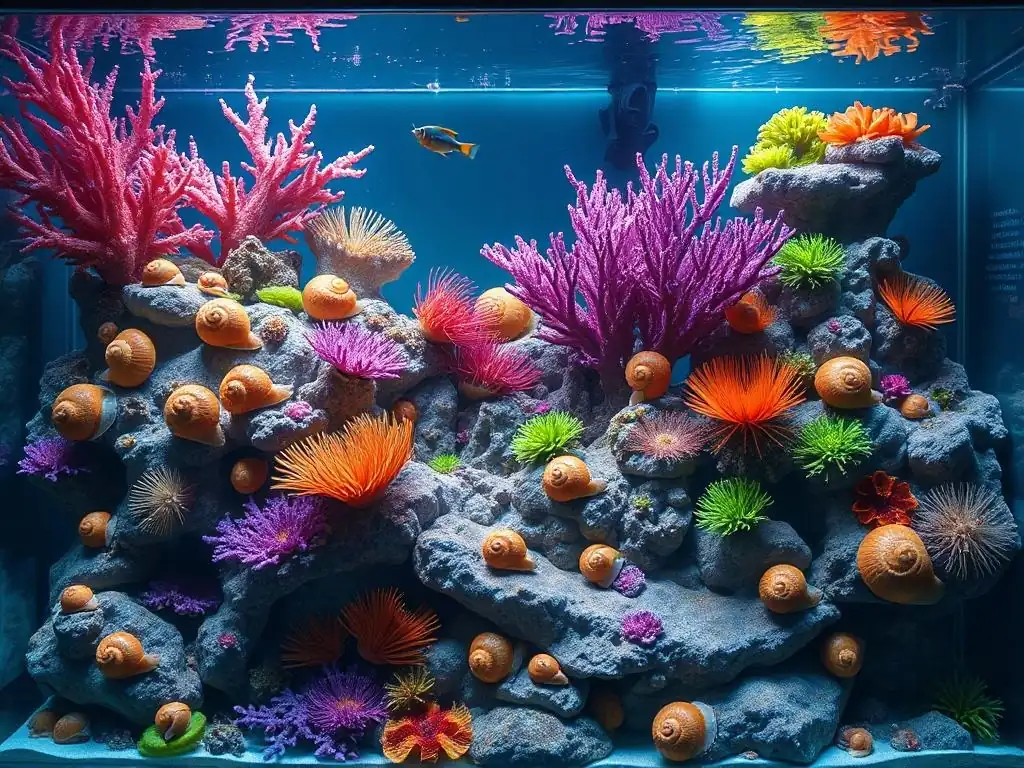
Welcome to Aquarium Mastery, your ultimate guide to thriving aquatic ecosystems!
Ever wondered if you're really giving your saltwater snails the best possible start in their new home? The secret lies in the saltwater snail acclimation process, and getting it right can mean the difference between a happy, healthy cleaner crew and a heartbreaking loss. Dive in to discover our gentle, step-by-step approach to ensuring your sensitive invertebrates thrive!
- Acclimating Saltwater Snails: A Gentle Approach
- Introduction to Saltwater Snail Acclimation
- The Saltwater Snail Acclimation Process: A Step-by-Step Guide
- Common Acclimation Mistakes to Avoid
- Identifying Signs of Stress
- Choosing the Right Snails
- Advanced Acclimation Techniques
- Maintaining a Healthy Environment Post-Acclimation
- Conclusion: Mastering Snail Acclimation
-
Frequently Asked Questions
- How crucial is proper acclimation for saltwater snails?
- What is the drip acclimation method, and why is it recommended for saltwater snails?
- How long should the saltwater snail acclimation process typically take?
- What are some signs that a saltwater snail is not acclimating well during the process?
- After acclimation, where is the best place to initially release the saltwater snail in the aquarium?
- Final Reflection: Nurturing Life in Miniature Oceans
- Embark on Your Reef Journey: Guide Your New Snails Home!
Acclimating Saltwater Snails: A Gentle Approach
Introduction to Saltwater Snail Acclimation
Why Proper Acclimation is Crucial
The journey from a marine environment to a shipping bag, and then to a new aquarium, is incredibly stressful for saltwater invertebrates, especially snails. They endure rapid changes in temperature, salinity, pH, and often experience elevated ammonia levels during transit. Proper acclimation is not merely a formality; it's a critical procedure that minimizes this stress, allowing the snail's delicate internal systems to gradually adjust to the new water parameters of your display or quarantine tank. Bypassing or rushing this process dramatically increases the likelihood of osmotic shock, metabolic collapse, and ultimately, mortality.
Implementing a meticulous saltwater snail acclimation process offers significant long-term benefits. It dramatically improves survival rates, ensuring that your investment in these valuable clean-up crew members is protected. Healthy, well-acclimated snails are more active, less prone to disease, and integrate seamlessly into your aquarium's ecosystem, contributing effectively to algae control and nutrient cycling. This careful approach lays the groundwork for a thriving, balanced marine environment.
Understanding Snail Sensitivity
Saltwater snails are exquisitely sensitive to changes in their environment, far more so than many fish species. Their osmoregulation, the process by which they maintain the balance of water and salts within their bodies, is particularly vulnerable to sudden shifts in salinity or pH. Unlike some fish that can tolerate minor fluctuations, snails can suffer irreversible cellular damage from even small, rapid changes, making them susceptible to shock and death. Their lack of gills for active respiration also makes them more prone to oxygen deprivation and ammonia poisoning in transport water.
Common clean-up crew snails such as Nassarius (e.g., Nassarius vibex), Astrea (e.g., Astrea tecta), Turbo (e.g., Turbo fluctuosa), and Cerith (e.g., Cerithium atratum) are staples in reef tanks, yet each, despite their hardiness in an established tank, requires a careful saltwater snail acclimation process. While some, like Nassarius, may appear more robust due to their burying habits, even they can succumb to rapid parameter changes. Their relatively slow metabolism means they take longer to adjust to new conditions, underscoring the need for a patient and gradual transition into their new home.
The Saltwater Snail Acclimation Process: A Step-by-Step Guide
Step 1: Preparing for Arrival - Tank Readiness
Ensuring Optimal Water Parameters
Before your saltwater snails even arrive, the most crucial step is to ensure your display tank or quarantine tank possesses stable and optimal water parameters. This foundational readiness directly impacts the success of the saltwater snail acclimation process. Key parameters to verify include salinity (ideally between 1.023 and 1.026 specific gravity, or 32-35 ppt), temperature (consistent at 75-78°F), pH (stable at 8.1-8.4), and zero levels of ammonia (0 ppm) and nitrite (0 ppm). Nitrate levels should also be kept below 20 ppm to prevent long-term stress.
Beyond the basic nitrogen cycle parameters, ensure your alkalinity (8-12 dKH) and calcium (400-450 ppm) levels are within ideal ranges. These are vital for snail shell growth and overall health. Any significant deviation in these parameters between the shipping water and your tank will compound the stress on the snails during acclimation. A stable, mature environment is the ultimate goal, providing a welcoming and safe haven for your new invertebrates.
Quarantine Tank Setup
Establishing a dedicated quarantine tank (QT) is highly recommended for all new marine livestock, especially invertebrates like snails. A QT, typically a smaller tank of 5-10 gallons, allows you to observe new arrivals for signs of disease or parasites without risking the health of your established display tank. It also provides a controlled environment where the initial saltwater snail acclimation process can occur with minimal disturbance from existing tank inhabitants. A basic QT setup includes a small heater, a simple sponge filter or hang-on-back filter, and a few pieces of inert PVC pipe or live rock rubble for shelter.
The benefits of using a quarantine tank extend beyond initial observation. It allows for extended acclimation and recovery from shipping stress over several days or even weeks, especially if the snails show signs of weakness. This isolation prevents the introduction of common pests like flatworms or unwanted hitchhikers that might come with live rock or substrate from the supplier. By ensuring the snails are robust and healthy before joining your main system, you significantly enhance their chances of long-term survival and prevent potential issues in your established reef.
Step 2: Temperature Acclimation - Floating the Bag
Duration of Float Time
The first hands-on step in the saltwater snail acclimation process is temperature equalization. Place the sealed bag containing the snails directly into your display or quarantine tank. The goal is to allow the water temperature inside the bag to slowly match the temperature of your tank, preventing thermal shock.
A typical float time of 15-30 minutes is generally sufficient for most temperature differences encountered during shipping. It's crucial not to float the bag for an excessively long period, as oxygen levels within the sealed bag will steadily deplete, and ammonia levels from snail waste will continue to rise, potentially causing more harm than good.
While the bag is floating, resist the urge to open it. Opening the bag prematurely allows for gas exchange, which can cause a rapid increase in pH as accumulated carbon dioxide dissipates. This pH swing can be just as detrimental as a temperature shock. Monitor the ambient temperature of your tank and ensure the bag is fully submerged to maximize heat transfer. This initial, gentle temperature adjustment sets the stage for the more comprehensive water parameter equalization to follow.
Avoiding Temperature Shock
Temperature shock occurs when an organism is suddenly exposed to a water temperature significantly different from its current environment. For saltwater snails, this can lead to severe physiological stress, metabolic collapse, and even death. Their delicate systems are highly sensitive to rapid thermal shifts, which can damage cells and organs that rely on specific temperature ranges to function correctly. Even a difference of just a few degrees Fahrenheit can be enough to induce stress, causing snails to become lethargic, retract into their shells, or fail to move.
Therefore, ensuring a gradual temperature transition is a non-negotiable component of any effective saltwater snail acclimation process. The floating bag method allows for this passive and safe equalization without directly exposing the snails to the new water chemistry. This gentle introduction to the new thermal environment is paramount for their immediate survival and subsequent ability to adapt to other parameter changes, ensuring they are not compromised before the next critical steps of acclimation begin.
Step 3: Drip Acclimation: The Preferred Method
Setting Up a Drip System
Drip acclimation is widely considered the gold standard for sensitive marine invertebrates due to its gradual and controlled nature. To set up a drip system, carefully open the shipping bag and pour its contents (snails and shipping water) into a clean, appropriately sized container or bucket. Next, using a piece of airline tubing, create a siphon from your display or quarantine tank into the container with the snails.
You can control the drip rate by tying a loose knot in the tubing, using an airline valve, or simply adjusting the height of the tubing. Ensure the tubing is secured so it doesn't accidentally siphon all the water out of your tank.
The purpose of this method is to slowly introduce your tank's water into the shipping water, gradually altering the salinity, pH, and other parameters in the snail's immediate environment. This slow, steady infusion allows the snails' cells to adapt to the changing osmotic pressure, significantly reducing the risk of shock. This controlled equalization is the most effective approach to the saltwater snail acclimation process, minimizing stress and maximizing survival rates for even the most delicate species.
Drip Rate
The optimal drip rate is crucial for successful acclimation. For most saltwater snails, a rate of 1 to 2 drips per second is recommended. This allows for a sufficiently slow and steady change in water parameters. For particularly sensitive species, or if there's a significant known difference in water parameters (e.g., salinity difference of 0.003 or more specific gravity), a slower rate of 1 drip every 2-3 seconds might be more appropriate. The goal is to allow the volume of water in the acclimation container to approximately double or triple over a period of 45 to 90 minutes.
For extremely delicate species or when shipping water parameters are vastly different from your tank, extending the drip acclimation period to 2-3 hours, allowing the water volume to quadruple, can be beneficial. This extended, slow exchange ensures that the snails experience minimal osmotic stress as they adjust to their new environment. Patience during this phase of the saltwater snail acclimation process is key to their long-term health.
Monitoring Water Parameters
Throughout the drip acclimation process, it is highly advisable to periodically monitor the water parameters in the acclimation container. Using reliable test kits, check the salinity and pH of the water in the container every 15-30 minutes. The objective is to observe the gradual shift of these parameters towards those of your main display tank. This hands-on monitoring ensures that the acclimation is proceeding as intended and allows you to adjust the drip rate if necessary.
Continue the drip acclimation until the salinity in the acclimation container is within 0.001 to 0.002 specific gravity of your display tank's salinity, and the pH is within 0.1 to 0.2 units. Reaching this near-equilibrium signifies that the snails have sufficiently adjusted to the new water chemistry. This diligent monitoring is a critical step in a successful saltwater snail acclimation process, providing assurance that your invertebrates are ready for their new home.
Step 4: Alternative Acclimation Method: The Slow Add Method
When to Use the Slow Add Method
The slow add method is an alternative to drip acclimation, generally considered less ideal but sometimes necessary when a drip system isn't feasible. It involves manually adding small amounts of tank water to the shipping water over time. This method is typically reserved for more robust snail species (though even they benefit from drip acclimation) or in situations where equipment is limited. It offers less precise control over the rate of parameter change compared to drip acclimation.
While simpler to execute, the slow add method introduces water in larger, less continuous increments, which can potentially be more stressful for sensitive invertebrates. It also requires more frequent manual intervention, increasing the risk of disturbing the snails. Therefore, for delicate or expensive species, the drip acclimation method remains the superior choice for a thorough saltwater snail acclimation process.
Slowly Adding Water
If you must use the slow add method, begin by floating the sealed bag for temperature acclimation as described earlier. After 15-30 minutes, carefully open the bag and pour its contents into a clean container. Every 5-10 minutes, add approximately 1/4 to 1/2 cup of water from your main display or quarantine tank to the container with the snails. Discard an equal amount of the original shipping water before each addition once the volume becomes too large, but always ensure the snails remain fully submerged.
Continue this process until the volume of water in the container has roughly quadrupled, which typically takes between 45 and 60 minutes. This gradual addition aims to slowly equalize the water parameters, though less precisely than a continuous drip. Always discard the original shipping water before introducing the snails to the tank, as it may contain high levels of ammonia, nitrates, or other undesirable compounds.
Step 5: Post-Acclimation: Introducing Snails
Gently Releasing Snails
Once the saltwater snail acclimation process is complete, it's time to introduce your new inhabitants to the tank. Using a clean net, gently scoop the snails out of the acclimation container. Avoid transferring any of the acclimation water into your display tank, as it still contains diluted shipping water, which may harbor ammonia, nitrates, or other contaminants from their journey. Carefully place the snails directly onto the sandbed, a stable piece of live rock, or the glass, ensuring they land upright.
Avoid dropping snails from a height, as they can suffer internal damage or shell fractures upon impact. For snails that commonly attach to vertical surfaces like Astrea or Turbo, gently place them foot-down onto the glass or rockwork. This careful handling minimizes further stress and allows them to immediately begin exploring their new environment.
Observing Snail Behavior
After introduction, close observation of your new snails is crucial for the first few hours and days. Healthy, well-acclimated snails should begin to move around, extend their foot, and start grazing on algae or sifting through the substrate within an hour or two. Look for active movement and attachment to surfaces. If a snail remains inactive, stays retracted into its shell, or falls onto its back and cannot right itself after several hours, it may still be stressed.
Gently right any snails that remain upside down. If they do not reattach or move after being righted multiple times, or if they exhibit a milky appearance or foul odor, they may be in severe distress or deceased. Continued monitoring ensures that the saltwater snail acclimation process has been successful and allows for early intervention if any issues arise, though at this stage, options are limited if severe distress is present.
Common Acclimation Mistakes to Avoid
Rapid Temperature Changes
One of the most detrimental mistakes in the saltwater snail acclimation process is failing to adequately equalize temperature. Rapid temperature changes, even differences of just a few degrees Fahrenheit (e.g., moving a snail from a 68°F shipping bag directly into a 78°F tank), induce severe thermal shock. This shock can cause immediate and irreversible damage to the snail's delicate internal organs, disrupt metabolic processes, and lead to cellular collapse. The snail's body simply cannot cope with such an abrupt shift in its thermal environment.
This oversight is a leading cause of immediate post-arrival mortality in marine invertebrates. Always prioritize the temperature acclimation phase by floating the sealed shipping bag in the destination tank for 15-30 minutes. This simple, passive step is critical and non-negotiable for their survival, ensuring that the snail's physiological systems are not overwhelmed before the more complex water chemistry adjustments begin.
Direct Exposure to Lighting
After spending hours or even days in a dark shipping container, saltwater snails are highly sensitive to sudden, intense light exposure. Directly introducing them into a brightly lit aquarium can cause significant stress, leading them to retract into their shells, become lethargic, or hide. Many species are naturally crepuscular or nocturnal, meaning they are most active during dawn, dusk, or night, and bright light can disorient or overwhelm them.
To minimize this stress, it is highly recommended to keep your aquarium lights off or significantly dimmed for the first few hours after introducing new snails, or even for the entire first day. This allows them to gradually adjust to their new surroundings without the added burden of intense illumination. Providing a period of darkness or low light helps facilitate a smoother and less stressful saltwater snail acclimation process, encouraging them to emerge and explore when they feel secure.
Ignoring Water Chemistry
A critical error is neglecting the importance of slowly equalizing water chemistry parameters, particularly salinity and pH. Saltwater snails are highly sensitive to osmotic pressure changes. When moved abruptly from water with one salinity to water with a significantly different salinity, their cells can either swell excessively (in lower salinity) or shrivel (in higher salinity), leading to severe osmotic shock and cellular damage. Similarly, sudden pH shifts can disrupt their internal acid-base balance, impacting enzyme function and overall health.
Therefore, simply floating the bag for temperature and then dumping the snails directly into the tank is a recipe for disaster. Testing both the shipping water and your tank water to understand the parameter differences is vital. A proper drip saltwater snail acclimation process is designed specifically to address these chemical disparities gradually, ensuring that the snails' delicate systems can adapt without suffering irreversible damage. Failing to manage these changes is a primary cause of post-acclimation decline.
Rushing the Process
Impatience is perhaps the most common and damaging mistake when acclimating saltwater snails. The temptation to shorten the saltwater snail acclimation process to just a few minutes, or to skip crucial steps like drip acclimation, significantly increases the risk of mortality. While it might seem tedious, the time invested in a slow, careful acclimation pays dividends in the long-term health and survival of your invertebrates. Snails, by their nature, are slow to react and slow to adapt; their physiology is not designed for rapid environmental shifts.
A truly effective acclimation can take anywhere from 45 minutes to 3 hours, depending on the species' sensitivity and the disparity between the shipping and tank water parameters. Rushing this critical period denies the snails the necessary time for their bodies to physiologically adjust, often leading to delayed stress responses or immediate death. Remember, the goal is not just to get them into the tank, but to get them into the tank alive and thriving. Patience is the most valuable tool in any aquarist's kit.
Identifying Signs of Stress
Behavioral Changes
Observing your snails' behavior immediately after and in the days following the saltwater snail acclimation process is crucial for identifying stress. Healthy saltwater snails are typically active, moving around the tank, grazing on surfaces, or sifting through the sandbed, with their siphons extended. Signs of stress include prolonged inactivity, remaining in one spot for many hours without movement, or staying completely retracted into their shells with their operculum (trapdoor) tightly closed.
Other concerning behaviors include repeatedly falling off rocks or the glass and being unable to right themselves. If a snail remains upside down for more than a few minutes, it indicates significant distress. While some snails might initially be shy, a complete lack of exploratory behavior or a consistent state of being "closed up" for over 12-24 hours after introduction are strong indicators that the snail is struggling and may not recover.
Physical Signs
Beyond behavioral cues, saltwater snails can exhibit several physical signs of stress or decline. A milky or cloudy appearance around the snail's foot or within its shell aperture is a severe indicator of internal distress, often preceding death. If a snail is deceased, it will typically emit a strong, foul odor, which is unmistakable. A living snail, even if stressed, will not produce this smell. Another sign of severe stress is when a snail's operculum is tightly sealed for an extended period, or if it appears to be "gaping" with its operculum partially open but no movement.
For species like Turbo or Astrea snails, a common physical sign of severe stress or death is when they detach from surfaces and fall to the substrate, lying motionless on their backs. While a healthy snail can often right itself, a stressed or dying snail will remain inverted. Shell erosion or unusual discoloration on the shell can also be indicators of chronic stress or poor water quality, though these are less immediate signs of post-acclimation distress.
Addressing Distress
If you observe signs of stress in your newly acclimated snails, prompt action is necessary, though success is not guaranteed. First, gently right any snails that are upside down. If they do not reattach or show signs of movement after repeated attempts, their prognosis is poor. Immediately re-test your aquarium's water parameters (salinity, temperature, pH, ammonia, nitrite, nitrate) to ensure they are stable and optimal. Any significant deviation could be the cause of distress.
If you have a quarantine tank available with stable, ideal parameters, moving the distressed snail there for closer observation and recovery in a less competitive environment can sometimes help. However, severe stress, especially if accompanied by physical signs like a milky appearance or foul odor, often indicates that the snail is beyond recovery. The best approach to managing distress is preventing it through a meticulous and patient saltwater snail acclimation process from the outset.
Choosing the Right Snails
Researching Species Needs
Before even initiating the saltwater snail acclimation process, thorough research into the specific needs of the snail species you intend to purchase is paramount. Different snail species have varying requirements regarding ideal tank size, preferred temperature ranges, optimal salinity, and specific dietary needs. For example, Nassarius snails are primarily detritivores and sand-sifters, requiring a sandbed of at least 1-2 inches for their natural behavior, while Astrea and Turbo snails are primarily herbivorous grazers that prefer to consume algae from rockwork and glass.
Understanding these requirements ensures that your tank can adequately support the chosen species. Research their typical adult size, maximum lifespan (many clean-up crew snails live 1-3 years), and any known sensitivities to specific water parameters or tank conditions. This pre-purchase diligence is a crucial step in ensuring the long-term health and success of your snails, complementing a successful acclimation by placing them in an environment where they can truly thrive.
Considering Tank Compatibility
Beyond water parameters and dietary needs, considering tank compatibility is vital for the long-term success of your snails. Many common aquarium inhabitants can pose a threat to snails. Predatory fish such as puffers, triggerfish, some wrasses (e.g., six-line wrasse if food is scarce), and certain types of crabs (e.g., emerald crabs, if not well-fed, or larger hermit crabs) are known to prey on snails, often flipping them over to access their soft bodies.
Evaluate your existing tank inhabitants to ensure there are no aggressive species that might harass or consume your new snails. Also consider potential competition for food with other herbivores, such as tangs or other algae-eating invertebrates. A compatible and safe environment significantly improves the chances of your snails living out their full lifespan, making the efforts of the saltwater snail acclimation process worthwhile.
Advanced Acclimation Techniques
Using Acclimation Solutions
For aquarists seeking to provide every possible advantage during the saltwater snail acclimation process, specialized acclimation solutions are available. These products typically contain compounds like mild electrolytes, stress coat ingredients (e.g., aloe vera extracts), or vitamins designed to reduce osmotic stress, protect the snail's delicate slime coat, and aid in recovery from the rigors of shipping. They are added to the acclimation water during the drip process.
While these solutions can offer an extra layer of protection, it's crucial to understand that they are supplements to, not replacements for, the fundamental principles of gradual temperature and water parameter equalization. Always follow the manufacturer's instructions precisely, as overuse or improper application can be detrimental. These solutions are best used as an enhancement for particularly sensitive species or in situations where shipping conditions were unusually stressful, rather than as a routine requirement for all snail introductions.
Adjusting Acclimation Based on Species
While the drip acclimation method is generally recommended for all saltwater snails, experienced aquarists may adjust the duration and drip rate based on the specific species' known sensitivity. For instance, extremely delicate or rare species, such as certain types of fancy Nassarius or exotic conchs, might benefit from an even slower drip rate (e.g., 1 drip every 3-4 seconds) and an extended acclimation period of 3-4 hours, allowing for the most gradual parameter shifts possible.
Conversely, more robust and common species, such as common Nerite snails (Nerita spp.) or larger Turbo snails, might tolerate a slightly faster drip rate or even the slow add method with a marginally reduced risk. However, it's generally advisable to err on the side of caution and patience, as even "hardy" snails can succumb to rapid changes. Understanding the individual needs of each species allows for a more tailored and effective saltwater snail acclimation process.
Maintaining a Healthy Environment Post-Acclimation
Regular Water Testing and Maintenance
The successful saltwater snail acclimation process is merely the first step in ensuring the long-term health and survival of your snails. Ongoing success hinges on consistent adherence to regular water testing and maintenance routines. Conduct weekly tests for key parameters such as salinity, alkalinity, calcium, pH, and nitrates. Perform partial water changes, typically 10-20% bi-weekly, to replenish essential elements and dilute accumulated pollutants.
Stable water parameters are paramount; fluctuations can cause chronic stress, weakening snails and making them susceptible to shell erosion, disease, or overall decline. A well-maintained tank, free from sudden swings in chemistry, ensures that the benefits gained from the careful acclimation process are sustained, allowing your snails to thrive and effectively contribute to the health of your reef ecosystem.
Providing Adequate Food
While many clean-up crew snails are valued for their ability to graze on nuisance algae and consume detritus, it's a common misconception that they will always find sufficient food in an established aquarium. In pristine, well-maintained tanks with low algae growth, snails can quickly deplete their natural food sources. Starvation is a frequent cause of decline in snail populations post-acclimation.
Therefore, providing supplemental feeding is often necessary. Offer high-quality marine algae wafers, spirulina flakes, or blanched vegetables (e.g., zucchini, romaine lettuce) a few times a week, especially if you observe your snails becoming less active or appearing thin. Ensuring a consistent and adequate food supply prevents chronic hunger, supports healthy shell growth, and maintains the vitality of your snails long after the initial saltwater snail acclimation process is complete.
Conclusion: Mastering Snail Acclimation
The Importance of Patience
Mastering the saltwater snail acclimation process ultimately boils down to one critical virtue: patience. The temptation to rush, to cut corners, or to shorten the necessary steps is a leading cause of loss for these valuable invertebrates. Understanding that snails, by their very nature, require a slow and gentle transition to new environments is key. A few hours spent on careful, methodical acclimation is a minimal investment when weighed against the potential loss of livestock and the disruption to your aquarium's ecosystem.
Embrace the deliberate pace of the acclimation process. Each drip, each minute of temperature equalization, contributes significantly to the snail's ability to adapt and thrive. This patient approach not only ensures their immediate survival but also sets them up for a long, healthy life in your aquarium, where they can effectively perform their vital roles as clean-up crew members.
Achieving Long-Term Success
Achieving long-term success with saltwater snails is a testament to an aquarist's dedication and understanding of their delicate needs. A meticulously executed saltwater snail acclimation process, combined with ongoing vigilance in maintaining optimal tank conditions and a commitment to researching species-specific requirements, forms the cornerstone of a thriving snail population. These small invertebrates are not merely decorative; they are indispensable workers that contribute significantly to algae control, detritus removal, and nutrient cycling within the closed confines of an aquarium.
By mastering the art of snail acclimation, you ensure that these vital members of your clean-up crew are introduced to their new home with the least possible stress, allowing them to quickly integrate and begin their important work. This holistic approach, from careful introduction to consistent care, is the hallmark of a successful and responsible marine aquarist.
Frequently Asked Questions
How crucial is proper acclimation for saltwater snails?
Acclimating saltwater snails properly is absolutely essential. They are sensitive to rapid changes in water parameters like salinity and temperature, leading to shock and potential death. Failure to acclimate correctly is a very common cause of snail mortality.
What is the drip acclimation method, and why is it recommended for saltwater snails?
Drip acclimation is a slow, gradual process where aquarium water is slowly dripped into the bag containing the snail. It's recommended because it minimizes the shock of sudden changes in water chemistry, allowing the snail to adjust at a safe pace.
How long should the saltwater snail acclimation process typically take?
The ideal acclimation time is usually between one to three hours, depending on the differences in water parameters. The goal is to gradually equalize the water in the bag with the water in your aquarium to minimize stress.
What are some signs that a saltwater snail is not acclimating well during the process?
Signs of distress include the snail remaining completely inactive, retracting far into its shell, or releasing large amounts of mucus. If you observe these signs, slow down the drip rate or consider pausing acclimation briefly.
After acclimation, where is the best place to initially release the saltwater snail in the aquarium?
Release the snail near the bottom of the aquarium and ideally near a rock or algae patch. This allows it to immediately access food and find a secure location to adjust to its new environment, reducing stress from potential predators or strong currents.
Final Reflection: Nurturing Life in Miniature Oceans
The delicate dance of introducing new life into our aquariums, as highlighted throughout this article, underscores the profound responsibility we bear as keepers of these miniature ecosystems. The success of the saltwater snail acclimation process hinges not merely on following steps, but on cultivating a deep understanding and respect for the fragility of life. This understanding is more crucial than ever, as the popularity of reef keeping continues to grow, demanding a more conscientious approach to the well-being of these often-overlooked creatures.
The impact of proper acclimation extends far beyond the survival of individual snails; it contributes to the overall health and stability of the entire aquarium environment. Witnessing a thriving snail population, diligently cleaning algae and contributing to the biological balance, is a testament to the power of patience and informed care. This connection to the natural world, even within the confines of a glass tank, fosters a deeper appreciation for the interconnectedness of all living things. In the end, we will conserve only what we love; we will love only what we understand; and we will understand only what we are taught.
- Baba Dioum. This quote perfectly encapsulates the importance of education and mindful practice in responsible reef keeping.
As you embark on your own saltwater snail acclimation journey, remember that each drip, each careful adjustment, is an act of stewardship. Let the principles outlined in this article serve as a guide, not just for the technical aspects of acclimation, but for cultivating a deeper connection with the delicate ecosystems you are creating. Embrace the patience required, observe with intention, and allow the success of your snails to be a reflection of your commitment to nurturing life in miniature oceans.
Embark on Your Reef Journey: Guide Your New Snails Home!
Thank you for diving deep into the world of saltwater snail acclimation! We hope you found the guidance to confidently care for these crucial members of your reef tank ecosystem. Now, let's turn that knowledge into action and ensure a thriving environment for your new companions.
Here's what you can do next:
- Prioritize their well-being: Initiate the Drip Acclimation Method.: This gentle process is the cornerstone of a successful transition, especially for sensitive species.
- Share the snail love: Start a thread on our Aquarium Mastery forum, showcasing your acclimation techniques and asking any questions you might have.
- Consider setting up a quarantine tank for all new additions, not just snails. Observe them for a few weeks before introducing them to your main display tank, minimizing the risk of parasites and diseases spreading.
What specific observations will you make during the drip acclimation process to ensure your snails are adapting well?