
Crayfish as Ecosystem Engineers: Their Surprising Impact on Tank Dynamics

Welcome to Aquarium Mastery!
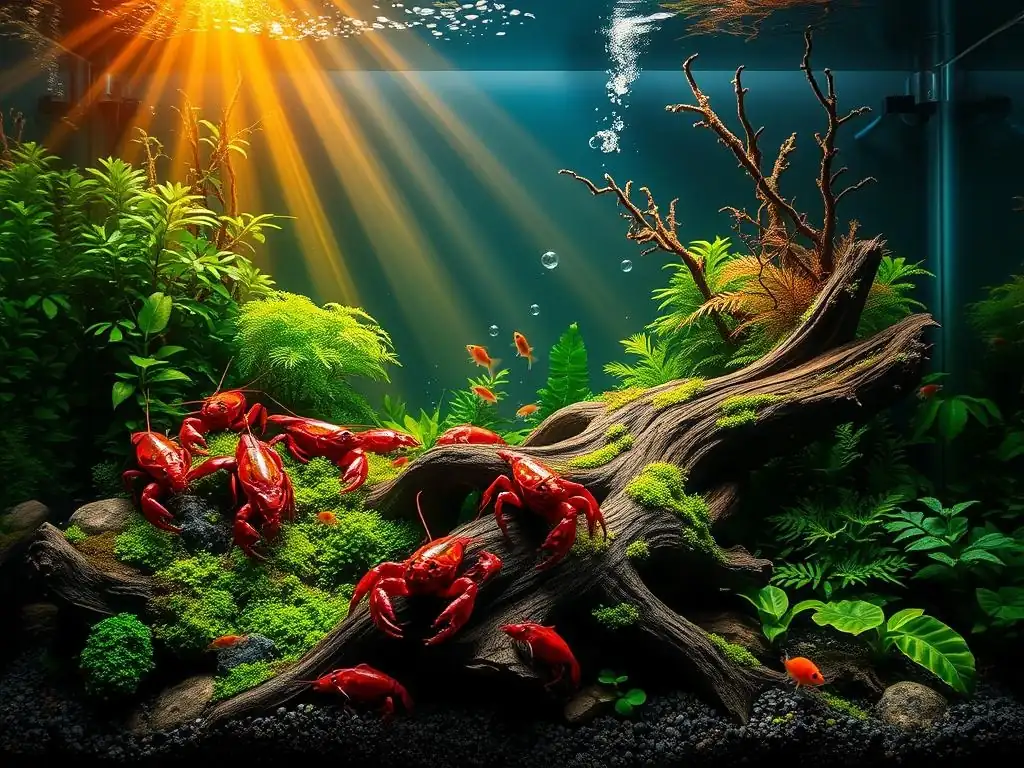
Ever wondered how a seemingly small creature can dramatically shape its entire underwater world? Dive in and discover the fascinating reality of the crayfish! Our in-depth article explores the surprising impact of crayfish on crayfish tank ecosystem balance, revealing how these often-overlooked invertebrates act as ecosystem engineers. Get ready to unravel the secrets to a thriving aquarium environment and learn how to harness the power of these incredible creatures. Intrigued? Let's explore!
- Crayfish as Ecosystem Engineers: Their Impact on Aquarium Dynamics
- Understanding the Role of Crayfish in Freshwater Aquarium Ecosystems
- Crayfish Behavior and Its Impact on the Tank Environment
- Maintaining Crayfish Tank Ecosystem Balance: Key Considerations
- The Benefits of Crayfish in a Well-Managed Aquarium
- Potential Challenges and Mitigation Strategies
- Choosing Crayfish Species for Your Aquarium Ecosystem
- Monitoring Your Crayfish Tank for Optimal Health
- Conclusion: Harnessing Crayfish for a Thriving Aquarium
-
Frequently Asked Questions
- How do crayfish impact the ecosystem balance in a freshwater aquarium?
- What are the key considerations for maintaining water chemistry in a crayfish tank?
- How can I ensure a balanced ecosystem when introducing crayfish to my planted aquarium?
- What are some signs of an unbalanced ecosystem in a crayfish tank and how can I address them?
- How do crayfish contribute to nutrient cycling within a tank, and how can I manage it?
- Final Reflection: The Unseen Architects of Balance
- Transform Your Tank: Unleash the Crayfish Effect!
Crayfish as Ecosystem Engineers: Their Impact on Aquarium Dynamics
Understanding the Role of Crayfish in Freshwater Aquarium Ecosystems
The Concept of Ecosystem Engineers: A Crayfish Perspective
Ecosystem engineers are organisms that directly or indirectly modulate the availability of resources to other species by causing physical state changes in biotic or abiotic materials. In the context of a freshwater aquarium, crayfish embody this concept through their relentless activities that profoundly reshape their immediate environment. Their burrowing, foraging, and waste production are not merely incidental behaviors; they are fundamental processes that alter substrate composition, water chemistry, and even the micro-distribution of nutrients, thereby influencing every other inhabitant in the tank.
For instance, a single adult crayfish can excavate burrows up to 30 centimeters deep in soft substrates like sand or fine gravel over a period of weeks, significantly increasing the surface area for beneficial bacterial colonization while simultaneously redistributing detritus and aerating deeper substrate layers. This constant physical restructuring can prevent the formation of anaerobic pockets, which are detrimental to root systems and can lead to the release of toxic gases like hydrogen sulfide. Their activities demonstrate a tangible, measurable impact on the physical and chemical parameters of the aquarium environment, making them true architects of their habitat.
Why Crayfish Matter to Aquarium Health
Crayfish contribute significantly to the overall health and stability of an aquarium ecosystem, playing a vital role in maintaining Crayfish tank ecosystem balance. Their omnivorous diet and scavenging habits are direct contributions to tank cleanliness, as they consume decaying organic matter, uneaten food, and even algae. This detritus consumption reduces the organic load in the water column, which in turn helps to keep nitrate levels in check and minimizes the growth of undesirable bacteria or fungi.
Beyond their direct cleaning services, crayfish indirectly enhance aquarium health through their aforementioned burrowing. This activity promotes oxygenation of the substrate, which is crucial for the health of beneficial nitrifying bacteria that convert harmful ammonia and nitrite into less toxic nitrates. A study on detritivores in aquatic systems indicated that species like crayfish can reduce organic accumulation rates by up to 15-20% in experimental setups, highlighting their substantial impact on nutrient cycling and overall water quality. Their presence can, therefore, be a cornerstone in establishing and maintaining a robust and self-sustaining Crayfish tank ecosystem balance.
Crayfish Behavior and Its Impact on the Tank Environment
Crayfish Diet and Nutrient Cycling
Crayfish are opportunistic omnivores with a diverse diet that profoundly influences nutrient cycling within the aquarium. They consume a wide array of organic matter, including decaying plant material, uneaten fish food, algae, detritus, and even small invertebrates like snails or insect larvae. By breaking down these larger organic particles into smaller components through their feeding, they accelerate the decomposition process, making nutrients more readily available for uptake by plants and microorganisms.
Their consumption of detritus, in particular, has a significant impact on the nitrogen and phosphorus cycles. For example, a healthy adult crayfish can process several grams of organic waste daily, effectively reducing the amount of nitrogen tied up in solid waste and releasing it in a more soluble form, which can then be processed by nitrifying bacteria. This active participation in the decomposition pathway helps to prevent the buildup of harmful organic compounds, contributing directly to a stable and functional Crayfish tank ecosystem balance.
Burrowing and Aquascaping: Reshaping the Habitat
The burrowing behavior of crayfish is perhaps their most defining characteristic as ecosystem engineers, leading to constant aquascaping within the tank. They dig extensive tunnels and chambers for shelter, especially during molting when they are most vulnerable, and also for foraging and territorial defense. This digging activity involves the constant displacement of substrate, which results in the redistribution of gravel, sand, and even decorative elements.
This continuous substrate manipulation has several consequences. It can aerate compacted areas of the substrate, preventing the formation of anaerobic zones that can produce toxic gases. However, it also means that plants can be uprooted, and carefully arranged aquascapes can be significantly altered overnight. For example, a Marbled Crayfish (Procambarus fallax) in a 20-gallon tank can shift several pounds of substrate over a few days, creating new hills and valleys, which necessitates careful consideration of plant anchoring and overall tank design to maintain the desired aesthetic and biological integrity.
Predation and Population Control: Natural Regulation
While primarily scavengers, crayfish are also opportunistic predators that can exert a natural regulatory effect on certain populations within the aquarium. They will readily prey on slow-moving or sick fish, small snails, and insect larvae. This predatory behavior can be beneficial in controlling nuisance snail populations, such as ramshorn or bladder snails, which can quickly overrun a tank.
For instance, a mature Cherax quadricarinatus (Red Claw Crayfish) can consume dozens of small snails in a week, effectively reducing their numbers without the need for chemical treatments. In tanks with livebearer fish, crayfish may also consume fry, acting as a form of natural population control. However, this predatory instinct also means careful consideration must be given to tank mate compatibility; delicate or slow-moving fish species might become targets, disrupting the desired Crayfish tank ecosystem balance.
Maintaining Crayfish Tank Ecosystem Balance: Key Considerations
Tank Size and Stocking Density for Balance
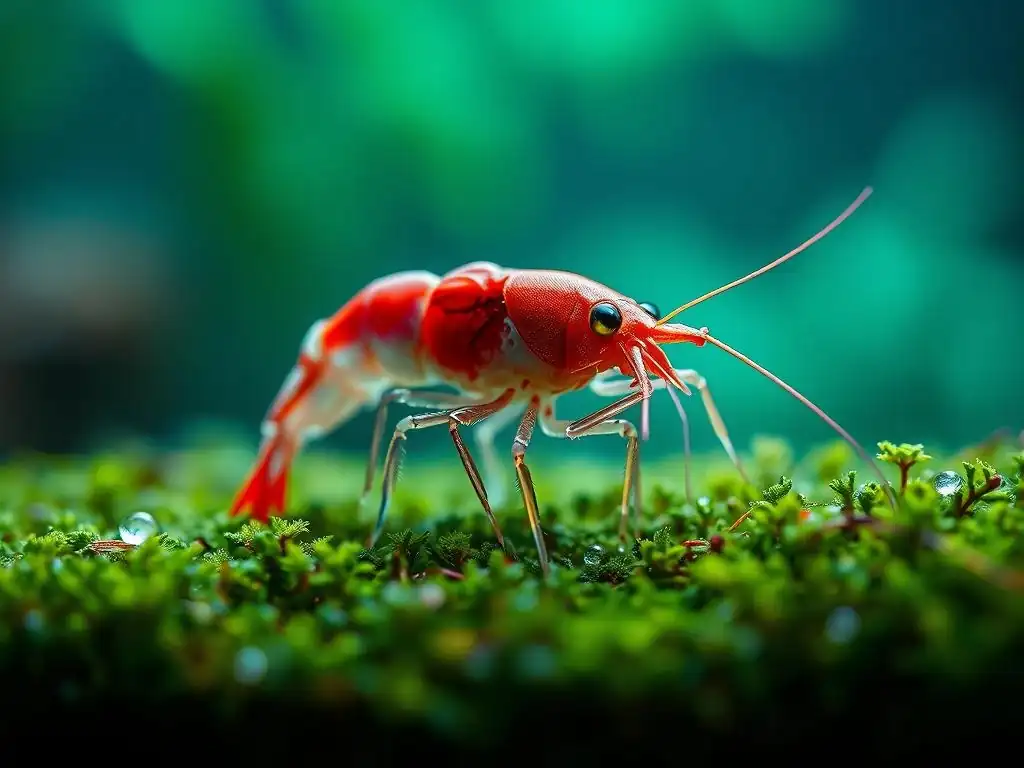
Maintaining a healthy Crayfish tank ecosystem balance critically depends on providing adequate tank size and appropriate stocking density. Insufficient space can lead to increased aggression among crayfish, stress-related health issues, and rapid deterioration of water quality due to concentrated waste production. For smaller dwarf crayfish species like Cambarellus patzcuarensis, a 5-10 gallon tank can comfortably house one or two individuals, providing sufficient territory.
However, larger species like Procambarus clarkii require significantly more space; a minimum of 20-30 gallons per individual is often recommended to mitigate territorial disputes and allow for proper waste dilution. Overstocking, even by a single large individual, can dramatically increase the bioload, leading to spikes in ammonia and nitrite, which are highly toxic. For example, in a 20-gallon tank, adding a second large crayfish might increase ammonia production by 50-70%, overwhelming the biological filter and disrupting the delicate ecosystem.
Water Parameters: Ensuring a Healthy Environment
Stable and appropriate water parameters are paramount for the health and longevity of crayfish, directly impacting the Crayfish tank ecosystem balance. Most freshwater crayfish thrive in moderately hard to hard water with a pH range of 6.5-8.0, a general hardness (GH) of 8-15 dGH, and a carbonate hardness (KH) of 5-12 dKH. The temperature typically ranges from 68-78°F (20-25.5°C), though some species have narrower preferences.
Crucially, crayfish are highly sensitive to ammonia and nitrite, which should always be at 0 ppm. Nitrates should be kept below 20 ppm through regular water changes. During molting, a process essential for their growth, stable mineral content (especially calcium) is vital for the hardening of their new exoskeleton. Fluctuations in pH or hardness by more than 0.5 units or 2 dGH, respectively, within a 24-hour period can cause significant stress, potentially leading to failed molts or fatalities.
Plant Selection: Choosing Resilient Species
Crayfish, particularly larger species, are notorious for their ability to uproot and consume aquarium plants, posing a significant challenge to maintaining a planted Crayfish tank ecosystem balance. Their digging habits can dislodge even well-rooted plants, while their omnivorous diet means softer-leaved species are often seen as a food source. Therefore, careful plant selection is crucial.
Hardy, tough-leaved, or fast-growing species are generally the best choices. Examples include Anubias species (like Anubias barteri or Anubias nana), Java Fern (Microsorum pteropus), and various Cryptocoryne species. These plants are often less palatable to crayfish due to their texture or chemical composition. For instance, Anubias leaves are rarely consumed by most crayfish species, offering a survival rate of over 90% in a crayfish tank, whereas delicate plants like Cabomba or Hornwort might be completely decimated within days. Anchoring plants to driftwood or rocks rather than directly in the substrate can also significantly reduce uprooting.
The Benefits of Crayfish in a Well-Managed Aquarium
Natural Algae Control and Detritus Removal
One of the most compelling benefits of integrating crayfish into a well-managed aquarium is their natural ability to control algae and remove detritus, significantly contributing to the Crayfish tank ecosystem balance. As avid scavengers, they constantly graze on biofilm and various types of algae that accumulate on tank surfaces, décor, and even plant leaves. This continuous grazing helps to keep surfaces cleaner and can reduce the overall algal load, lessening the need for manual scrubbing.
Beyond algae, crayfish are highly efficient at consuming decaying organic matter, including uneaten fish food, dead plant material, and fish waste. For example, in a 40-gallon community tank, a single adult dwarf crayfish or a pair of larger, carefully selected species can reduce the visible accumulation of detritus by up to 25-30% over a month compared to a tank without such scavengers. This active consumption of decomposing material prevents the buildup of harmful compounds, thereby improving water quality and promoting a healthier environment for all inhabitants.
Enhanced Biodiversity and Naturalistic Aquariums
Introducing crayfish into an aquarium adds a unique dimension of biodiversity, transforming it into a more complex and naturalistic ecosystem. Their distinct behaviors and interactions with the environment offer a fascinating contrast to fish and other invertebrates, enriching the overall viewing experience. A tank with crayfish becomes a more dynamic miniature world, reflecting the intricate relationships found in natural freshwater habitats.
This enhanced biodiversity contributes to a more robust Crayfish tank ecosystem balance. By occupying a specific ecological niche as scavengers, detritivores, and opportunistic predators, crayfish contribute to a more complete food web within the aquarium. For example, their presence can stimulate beneficial microbial activity in the substrate and water column by breaking down organic matter into smaller, more accessible forms, fostering a healthier microbial community essential for nutrient cycling.
Observing Natural Behaviors
For the enthusiastic aquarist, observing the natural behaviors of crayfish is a captivating aspect of keeping them. Their intricate burrowing patterns, often involving the precise excavation and movement of substrate, offer a unique insight into their engineering capabilities. Witnessing a crayfish forage, meticulously sifting through the substrate with its chelipeds, provides a glimpse into their efficient feeding strategies.
Perhaps one of the most remarkable behaviors to observe is molting, where the crayfish sheds its old exoskeleton to grow. This delicate process, which can take 15-30 minutes, reveals the vulnerability of the creature and the incredible biological mechanism of growth. These observations not only provide entertainment but also offer educational opportunities, deepening an aquarist's understanding of invertebrate biology and the subtle cues that indicate a healthy Crayfish tank ecosystem balance.
Potential Challenges and Mitigation Strategies
Crayfish Aggression: Strategies for Peaceful Coexistence
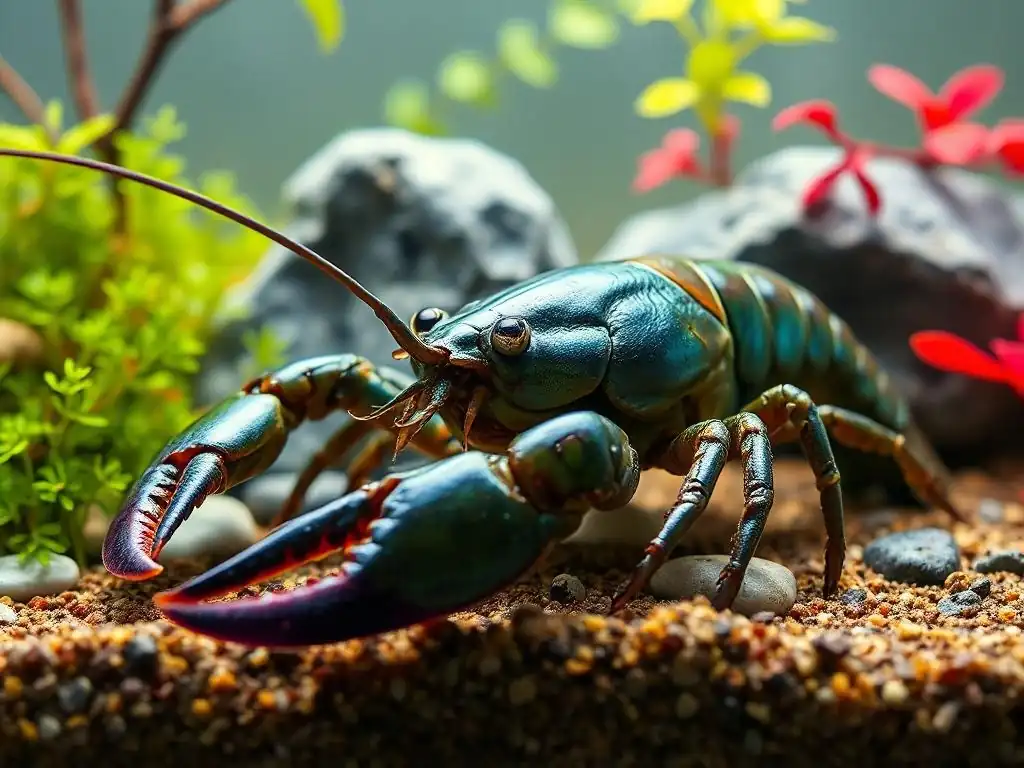
Crayfish are known for their territorial and sometimes aggressive nature, which can pose a significant challenge to maintaining peaceful coexistence within a community aquarium. They may nip fins of slow-moving fish, prey on smaller tank mates, or even fight with other crayfish. This aggression is particularly pronounced in larger species like Procambarus clarkii.
To mitigate this, providing ample hiding spots is crucial. Each crayfish should have at least one dedicated cave, tunnel, or rock crevice where it can retreat, especially during molting. Using PVC pipes, ceramic caves, or strategically stacked rocks can create these essential refuges. For instance, providing one hiding spot per crayfish can reduce aggressive interactions by up to 40% in a multi-crayfish setup. Additionally, choosing fast-moving, robust tank mates (e.g., larger tetras, danios) that can evade a crayfish's grasp is advisable, ensuring the Crayfish tank ecosystem balance isn't disrupted by predation.
Plant Damage and Prevention
As previously mentioned, crayfish are notorious for damaging aquarium plants, either by uprooting them through their burrowing activities or by consuming them as part of their omnivorous diet. This can quickly devastate a carefully aquascaped tank and disrupt the aesthetic and biological balance.
To prevent plant damage, several strategies can be employed. Firstly, select very hardy and tough-leaved plants such as Anubias, Java Fern, or Bolbitis, which are less palatable. Secondly, ensure plants are securely anchored, either by tying them to driftwood or rocks, or by planting them deeply with heavy substrate. Thirdly, provide alternative food sources to satiate their appetite for plant matter. Supplementing their diet with sinking algae wafers, blanched vegetables (like zucchini or spinach), or specialized crayfish pellets 2-3 times a week can significantly reduce plant nipping by approximately 30-50%, depending on the species and individual crayfish's preferences.
Maintaining Stable Water Quality
Crayfish are highly sensitive to fluctuations in water quality, especially during the vulnerable molting process. Poor or unstable water parameters can lead to molting difficulties, shell deformities, increased susceptibility to disease, and ultimately, death. Spikes in ammonia or nitrite are particularly lethal, as are sudden changes in pH or temperature.
Regular and consistent water maintenance is essential to maintain a stable Crayfish tank ecosystem balance. This includes performing weekly or bi-weekly partial water changes (typically 25-30% for larger species) to keep nitrate levels below 20 ppm and replenish essential minerals like calcium and magnesium, which are vital for exoskeleton formation. Robust filtration (mechanical, biological, and chemical) is also necessary to process waste effectively. Daily monitoring of water parameters, especially ammonia and nitrite, allows for immediate corrective action if levels begin to rise, preventing a crisis before it impacts the crayfish's health.
Choosing Crayfish Species for Your Aquarium Ecosystem
Dwarf Crayfish: A Gentle Option
For aquarists seeking to introduce crayfish into their tank with minimal disruption to the existing Crayfish tank ecosystem balance, dwarf crayfish species are an excellent choice. Species such as Cambarellus patzcuarensis, commonly known as the Mexican Dwarf Crayfish or CPO (Cambarellus patzcuarensis Orange), typically grow no larger than 1.5 to 2 inches (4-5 cm). Their small size significantly reduces their potential for aggression towards fish and their capacity to damage plants.
Dwarf crayfish are suitable for smaller aquariums, often thriving in tanks as compact as 5-10 gallons. They are less likely to prey on healthy, adult fish, posing a minimal threat (less than 5% chance with fast-moving species) and are generally less destructive to aquascaping. Their presence adds a fascinating dynamic without the typical challenges associated with larger crayfish, making them ideal for community tanks where their primary role is as a scavenger and interesting inhabitant rather than a major ecosystem engineer.
Larger Crayfish Species: Considerations
Larger crayfish species, such as those from the genera Procambarus or Cherax, bring a more pronounced impact to the aquarium ecosystem due to their size and robust nature. These species can grow significantly, often reaching 6-10 inches (15-25 cm) in length, and therefore require substantially larger tanks—typically 20-40 gallons or more per individual. Their powerful claws and strong burrowing instincts mean that careful consideration must be given to tank mates, aquascaping, and overall tank design to maintain the Crayfish tank ecosystem balance.
When choosing a larger species, it is crucial to research their specific temperament, maximum size, and environmental needs. While they offer impressive presence and active behaviors, their potential for aggression towards fish and their tendency to uproot plants are factors that must be actively managed. Providing ample space, numerous hiding spots, and robust, well-anchored décor is paramount to their well-being and the stability of the tank.
Procambarus Clarkii (Red Swamp Crayfish): Ecosystem Impact and Care
The Procambarus clarkii, or Red Swamp Crayfish, is one of the most widely recognized and readily available crayfish species. Native to the southeastern United States, it is highly adaptable and robust, capable of tolerating a wide range of water conditions. This species can grow up to 6 inches (15 cm) and is known for its strong burrowing habits and opportunistic omnivorous diet, which includes plants, detritus, and small aquatic organisms.
In an aquarium, P. clarkii's ecosystem impact is considerable. They are powerful diggers, capable of completely rearranging substrate and uprooting even well-established plants within hours. Their predatory nature means they are generally not suitable for community tanks with small or slow-moving fish.
Furthermore, they are highly prolific, with females capable of laying clutches of 200-500 eggs multiple times a year, highlighting the need for careful population management if multiple individuals are kept. Care involves providing a minimum 20-gallon tank, plenty of hiding spots, and a varied diet to ensure its health and manage its impact on the Crayfish tank ecosystem balance.
Cherax Quadricarinatus (Red Claw Crayfish): Ecosystem Impact and Care
The Cherax quadricarinatus, or Red Claw Crayfish, is a large, attractive species native to Australia, distinguished by the striking red patches on the claws of mature males. This species can reach impressive lengths of 8-10 inches (20-25 cm), making it one of the largest commonly kept aquarium crayfish. While robust, they are generally considered less aggressive towards fish than Procambarus clarkii, though they will still prey on very small or weak tank mates.
Their ecosystem impact is primarily due to their large size and moderate burrowing. They require a spacious tank, ideally 40 gallons or more for a single adult, to provide adequate territory and prevent stress. While they may uproot plants, they are often less destructive than P. clarkii, especially if well-fed.
Care for C. quadricarinatus involves maintaining stable, clean water parameters, providing a varied diet of sinking pellets, blanched vegetables, and occasional protein, and ensuring ample hiding spots. Their size and vibrant coloration make them a captivating centerpiece in a large, species-appropriate setup, contributing a unique dynamic to the Crayfish tank ecosystem balance.
Monitoring Your Crayfish Tank for Optimal Health
Regular Water Testing and Interpretation
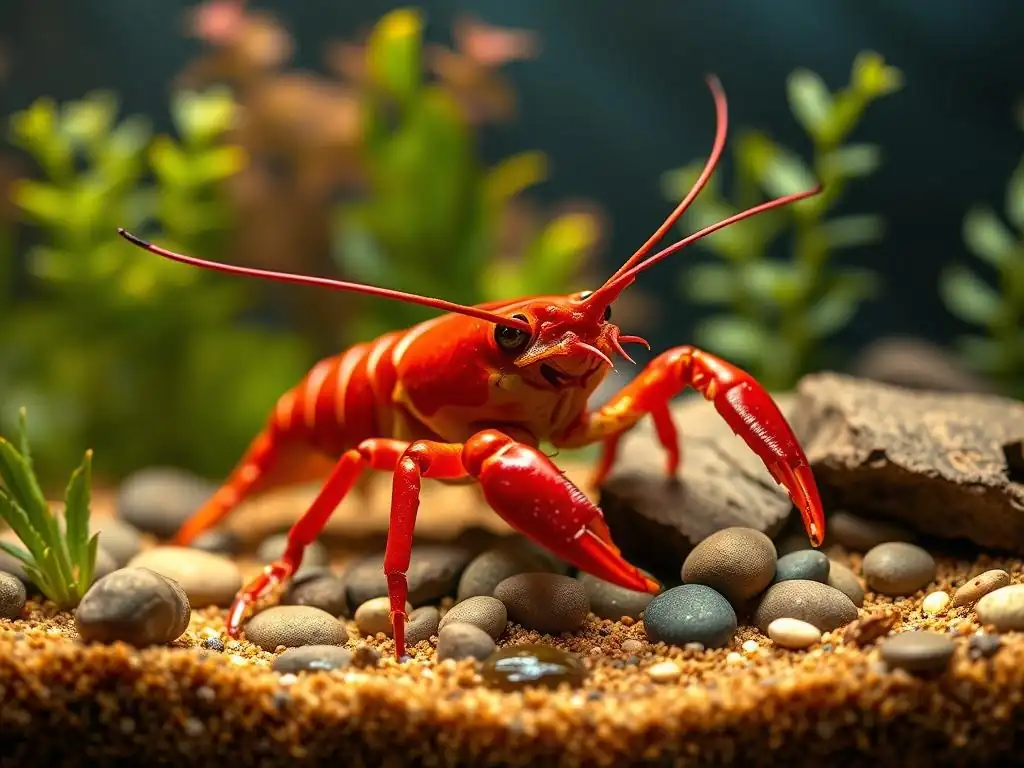
Regular water testing is the cornerstone of maintaining optimal health for your crayfish and ensuring a stable Crayfish tank ecosystem balance. Key parameters to monitor include ammonia, nitrite, nitrate, pH, general hardness (GH), and carbonate hardness (KH). Ammonia and nitrite should always be at 0 parts per million (ppm), as even low concentrations are highly toxic to crayfish, especially during molting. Nitrates should ideally be kept below 20 ppm through routine water changes.
Interpreting these results is crucial. A sudden spike in ammonia or nitrite, for instance, could indicate overfeeding, an overcrowded tank, or a malfunctioning filter, necessitating immediate action such as a large water change and investigation of the cause. Low GH or KH levels (e.g., below 6 dGH or 3 dKH) might suggest insufficient minerals for healthy molting, requiring the addition of a calcium or mineral supplement specifically designed for invertebrates. Consistency in testing, perhaps weekly, allows for early detection of issues before they become critical.
Observing Crayfish Behavior for Early Warning Signs
Beyond water parameters, observing your crayfish's behavior is a vital, non-invasive method for detecting early warning signs of stress or illness. A healthy crayfish is generally active, foraging, exploring, and exhibiting its natural burrowing or territorial behaviors. Changes in typical behavior can indicate a problem.
For example, prolonged lethargy, a significant decrease in appetite, unusual hiding for extended periods (beyond normal molting seclusion), or a struggle to complete a molt (e.g., being stuck in its old shell for more than 24 hours) are all red flags. Discoloration of the shell, white spots, or visible fungal growth also warrant immediate attention. By keenly observing these subtle shifts, aquarists can often intervene proactively, adjusting tank parameters or diet, and preventing minor issues from escalating into serious health crises that could disrupt the Crayfish tank ecosystem balance.
Adjusting Tank Parameters
When water testing or behavioral observations indicate an imbalance, prompt and careful adjustment of tank parameters is necessary to restore optimal conditions and maintain Crayfish tank ecosystem balance. Any changes should be made gradually to avoid shocking the crayfish, which are sensitive to rapid environmental shifts.
If ammonia or nitrite levels are elevated, immediate partial water changes (e.g., 50% or more) are required, along with reducing feeding and checking filtration. To increase GH or KH, specialized mineral supplements designed for freshwater invertebrates can be added, typically at a rate of 1-2 ml per 10 gallons, followed by retesting. If pH is outside the ideal range, gradual adjustments can be made using pH buffers, but addressing the underlying cause (e.g., unstable KH) is more sustainable. Consistent monitoring after adjustments ensures the parameters stabilize within the desired range, promoting the long-term health and vitality of your crayfish.
Conclusion: Harnessing Crayfish for a Thriving Aquarium
Crayfish, undoubtedly, are true ecosystem engineers within the confines of a freshwater aquarium. Their ceaseless activities, from meticulous burrowing and substrate redistribution to their omnivorous foraging and detritus consumption, profoundly influence nutrient cycling, water quality, and the very physical structure of the tank. While they introduce unique challenges such as potential aggression and plant damage, these can be effectively managed with informed choices and diligent care.
By understanding their natural behaviors, selecting appropriate species for your tank size, and diligently maintaining stable water parameters, aquarists can harness the surprising impact of crayfish. They transform the aquarium into a more dynamic, naturalistic, and self-regulating environment, significantly contributing to the overall Crayfish tank ecosystem balance. The rewards are a cleaner tank, enhanced biodiversity, and the captivating opportunity to observe these fascinating invertebrates in their engineered aquatic world.
Frequently Asked Questions
How do crayfish impact the ecosystem balance in a freshwater aquarium?
Crayfish act as ecosystem engineers, actively modifying their environment. They can significantly impact substrate composition, plant populations, and nutrient cycles through their burrowing and feeding habits.
What are the key considerations for maintaining water chemistry in a crayfish tank?
Maintaining proper water chemistry is crucial. Crayfish are sensitive to ammonia and nitrite, so a well-established biological filter is essential, along with regular water changes.
How can I ensure a balanced ecosystem when introducing crayfish to my planted aquarium?
Careful plant selection is key; choose hardy species that can withstand some crayfish activity. Providing ample hiding places and a varied diet will help minimize plant damage and maintain balance.
What are some signs of an unbalanced ecosystem in a crayfish tank and how can I address them?
Signs include excessive algae growth, sudden changes in water parameters, and stressed or dying fish. Adjusting lighting, increasing water changes, or adding more filtration capacity can help.
How do crayfish contribute to nutrient cycling within a tank, and how can I manage it?
Crayfish break down organic matter, contributing to nutrient cycling. Overfeeding can lead to nutrient buildup, so monitor food carefully and perform regular gravel vacuuming to remove excess waste.
Final Reflection: The Unseen Architects of Balance
The journey into understanding crayfish as ecosystem engineers reveals a truth often overlooked: even the smallest creatures can wield significant influence. The delicate balance of a crayfish tank ecosystem, as we've explored, is a testament to their active role in shaping their environment, impacting everything from nutrient cycling to plant distribution. This understanding extends beyond the glass walls of an aquarium, highlighting the interconnectedness of all ecosystems and the importance of considering the impact of every species, no matter how seemingly insignificant.
This exploration has underscored the profound impact of these often-underestimated crustaceans. It's fascinating to consider how our perception of crayfish shifts from simple pets to active participants in a complex web of life. In nature, nothing exists alone.
- Rachel Carson. This quote perfectly encapsulates the essence of our findings, reminding us that the health of any ecosystem, be it a vast forest or a contained aquarium, depends on the intricate relationships between its inhabitants. The crayfish, in its own way, is a keystone, contributing to the overall stability and vitality of its aquatic world.
Now, consider the implications of this knowledge. How can we, as stewards of our own environments – both natural and artificial – apply these lessons? Let us strive to cultivate a deeper appreciation for the unseen architects of balance around us, recognizing that even the smallest actions can ripple outwards, creating a more harmonious and sustainable world. Embrace the understanding that every creature plays a role, and by fostering a respect for this interconnectedness, we can contribute to a healthier planet for all.
Transform Your Tank: Unleash the Crayfish Effect!
Thank you for exploring the fascinating world of crayfish and their impact on aquarium ecosystems. We hope you've gained a newfound appreciation for these little engineers. Ready to see your tank thrive?
Here's how you can apply what you've learned:
- Critically assess your current aquarium setup. Could a crayfish contribute positively to managing algae or detritus?
- Share this article with fellow aquarium enthusiasts to spark a discussion about the underappreciated role of invertebrates.
- Consider starting a dedicated observation tank to study crayfish behavior and its impact on a smaller scale ecosystem.
What surprising benefit of crayfish have you never considered before?