
The Best Invertebrates for Controlling Cyanobacteria in Saltwater Tanks

Welcome to Aquarium Mastery!
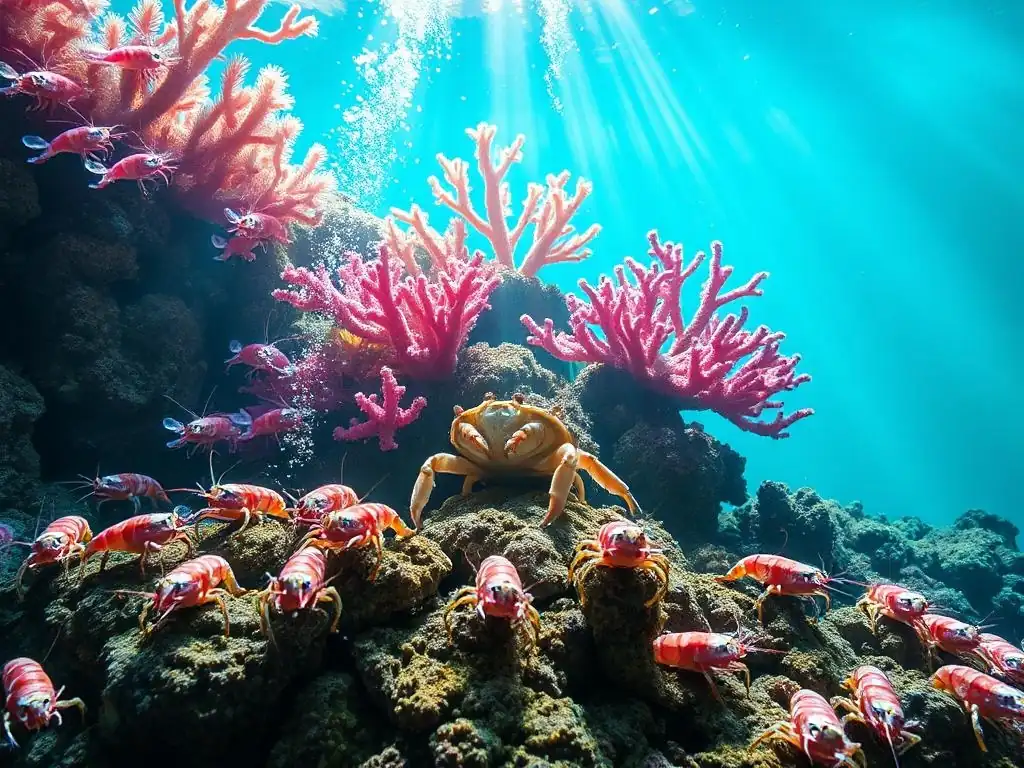
Ever wondered if there's a natural way to combat that pesky cyanobacteria plaguing your saltwater tank? You're in the right place! Dive in and discover the secret world of invertebrates that can become your ultimate allies in saltwater tank cyanobacteria control. Prepare to meet the fascinating creatures that can help you reclaim a thriving and beautiful reef aquarium. What are these amazing creatures, and how can they help? Let's explore!
- Understanding Cyanobacteria in Saltwater Aquariums
- Saltwater Invertebrates for Natural Cyanobacteria Control
-
Top Invertebrate Species for Saltwater Tank Cyanobacteria Control
- Turbo Snails: Effective Algae Eaters & Cyanobacteria Grazers
- Cerith Snails: Detritus and Cyanobacteria Control Specialists
- Nassarius Snails: Sand Bed Cleaners and Cyanobacteria Reducers
- Sea Cucumbers: Detritus Vacuum Cleaners and Cyanobacteria Prevention
- Brittle Starfish: Scavengers and Cyanobacteria Preventers
- Integrating Invertebrates for Effective Saltwater Tank Cyanobacteria Control
- Beyond Invertebrates: A Holistic Approach to Cyanobacteria Management
- Preventing Future Cyanobacteria Blooms in Your Saltwater Aquarium
- Conclusion: Achieving a Cyanobacteria-Free Saltwater Aquarium with Invertebrates
-
Frequently Asked Questions
- How effective are invertebrates at controlling cyanobacteria in a saltwater tank?
- Which types of invertebrates are most recommended for cyanobacteria control?
- What size invertebrate population is needed to effectively control cyanobacteria?
- What are the other benefits of having invertebrates in a saltwater aquarium?
- Are there any risks associated with using invertebrates for cyanobacteria control?
- Final Reflection: The Delicate Dance of Balance
- Unleash the Power of Invertebrates!
Understanding Cyanobacteria in Saltwater Aquariums
What is Cyanobacteria and Why is it a Problem?
Cyanobacteria, often mistakenly called "red slime algae" or "blue-green algae," are not true algae but ancient prokaryotic organisms. They are a type of photosynthetic bacteria that can form unsightly, slimy mats in saltwater aquariums. While some strains are harmless, their rapid proliferation can quickly smother corals, live rock, and sand beds, blocking light and potentially leading to the decline of photosynthetic organisms. In severe cases, they can produce toxins, though this is less common in home aquariums.
The aggressive growth rate of cyanobacteria makes them a significant nuisance for aquarists. A minor patch can expand to cover a substantial portion of a 50-gallon tank's substrate and decor within just a few days if conditions are favorable. This rapid takeover not only detracts from the aesthetic appeal of the aquarium but also indicates underlying imbalances in the tank's ecosystem, necessitating effective saltwater tank cyanobacteria control measures.
Factors Contributing to Cyanobacteria Blooms in Marine Tanks
Several environmental factors contribute to the proliferation of cyanobacteria in marine aquariums. High levels of nitrates, often exceeding 10-20 ppm (ideally below 5 ppm for reef tanks), and phosphates, even slightly above 0.03 ppm, are primary culprits, providing the necessary nutrients for their rapid growth. These nutrients often stem from overfeeding, decaying organic matter, and insufficient water changes.
Beyond nutrient availability, poor water circulation creates "dead spots" where detritus can accumulate, offering a fertile ground for cyanobacteria. Inadequate or aged lighting, particularly those with a shifted spectrum towards the red or yellow, can also fuel their growth. A combination of these factors creates an environment where cyanobacteria can outcompete beneficial algae and bacteria, making robust saltwater tank cyanobacteria control challenging without addressing the root causes.
Identifying Cyanobacteria in Your Saltwater Aquarium
Accurate identification of cyanobacteria is crucial for effective saltwater tank cyanobacteria control. Cyanobacteria typically appear as a dark red, maroon, brown, or sometimes even green, slimy film or mat that spreads across the sand bed, live rock, and tank equipment. Unlike true algae, which often have a more fibrous or stringy texture, cyanobacteria mats are distinctly slimy and can be easily siphoned off in sheets.
They tend to form in areas of low flow and can quickly re-establish if the underlying conditions are not resolved. While some other types of nuisance algae, like diatoms, can appear brownish, diatoms typically feel powdery or dusty, whereas cyanobacteria are distinctly gelatinous. In severe cases, disturbing the mats might release a faint earthy or sulfurous odor, further confirming their presence.
Saltwater Invertebrates for Natural Cyanobacteria Control
The Role of Invertebrates in a Clean-Up Crew
Invertebrates, collectively known as the "clean-up crew" (CUC), play a vital role in maintaining the ecological balance of a saltwater aquarium. This diverse group, including snails, crabs, and starfish, consumes detritus, uneaten food, and various forms of algae, thereby reducing the organic load and improving water quality. Their continuous grazing and scavenging activities help prevent the accumulation of nutrients that fuel nuisance outbreaks like cyanobacteria.
For saltwater tank cyanobacteria control, specific invertebrate species are particularly effective. Some directly graze on the cyanobacteria mats, while others contribute indirectly by consuming the organic matter and detritus that provide nutrients for cyanobacteria growth. Utilizing a balanced CUC offers a natural, chemical-free approach to managing these bacterial blooms, complementing other husbandry practices.
Key Considerations When Choosing Invertebrates for Cyanobacteria Control
Selecting the right invertebrates for saltwater tank cyanobacteria control requires careful consideration of several factors. Tank size and maturity are paramount; a newly established tank might not have enough microalgae or detritus to sustain a large CUC, while a mature tank can support a greater diversity. Compatibility with existing fish and corals is also critical; some crabs, for instance, might become predatory towards corals or smaller fish.
It's important to understand that no single invertebrate species will completely eradicate a severe cyanobacteria outbreak. Instead, a diverse clean-up crew working in concert offers the best chance for long-term control. Consider the specific areas of your tank affected (sand bed, rocks, glass) and choose species that specialize in cleaning those regions. Always ensure proper acclimation to minimize stress and maximize the invertebrates' effectiveness in their mission of saltwater tank cyanobacteria control.
Top Invertebrate Species for Saltwater Tank Cyanobacteria Control
Turbo Snails: Effective Algae Eaters & Cyanobacteria Grazers
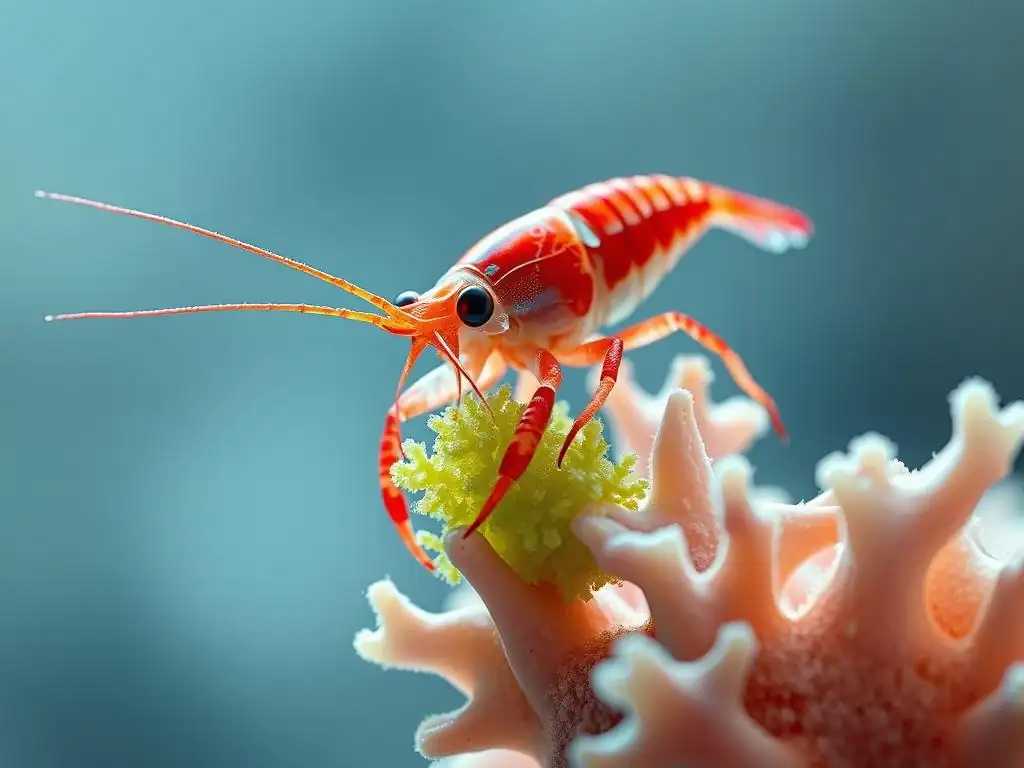
Turbo snails, particularly species like the Mexican Turbo Snail ( Turbo fluctuosa) or Astrea Snails ( Astrea tecta), are highly valued in saltwater aquariums for their voracious appetite for various forms of nuisance algae, including film algae, diatoms, and certain types of cyanobacteria. These robust herbivores can grow up to 2 inches in diameter and possess strong radulae that allow them to scrape clean surfaces effectively. They typically have a lifespan of 1 to 2 years in a well-maintained system.
Benefits of Turbo Snails for Cyanobacteria Removal
Turbo snails are direct grazers of cyanobacteria mats, actively scraping them off glass, live rock, and even some sand surfaces. A single Mexican Turbo Snail, for example, can clear a patch of red slime algae several inches square within 24 to 48 hours, depending on the thickness of the mat. Their consistent movement disrupts the established cyanobacteria colonies, preventing them from forming widespread, thick blankets. They are generally considered reef-safe, posing no threat to corals or other invertebrates, making them an excellent choice for direct saltwater tank cyanobacteria control.
Considerations for Keeping Turbo Snails
While highly effective, Turbo snails have specific needs. They are prone to flipping over, especially on uneven rockwork or if dislodged by strong currents. If a snail remains upside down for an extended period and cannot right itself, it will perish, so manual intervention by the aquarist is often necessary. They also prefer cooler water temperatures, thriving best between 72-78°F (22-26°C); higher temperatures can shorten their lifespan. Furthermore, once the primary algae and cyanobacteria sources are depleted, these snails may starve, requiring supplemental feeding with dried seaweed or spirulina if the tank is exceptionally clean.
Cerith Snails: Detritus and Cyanobacteria Control Specialists
Cerith snails, primarily Cerithium species, are smaller, elongated snails typically reaching 0.5 to 1 inch in length. They are excellent additions to a clean-up crew due to their dual role as detritivores and herbivores. These snails are particularly adept at burrowing into the sand bed, making them invaluable for maintaining substrate health. Their lifespan can extend to 2-3 years under optimal conditions.
How Cerith Snails Help Maintain a Clean Substrate
Cerith snails tirelessly burrow through the sand bed, consuming trapped detritus, uneaten food, and decaying organic matter that settles beneath the surface. This constant sifting activity aerates the substrate, preventing the formation of anaerobic pockets that can release harmful compounds and contribute to nutrient buildup, which directly fuels cyanobacteria. A healthy population of Cerith snails, often recommended at one snail per gallon for effective sand bed maintenance, significantly reduces the nutrient load. Additionally, they directly graze on cyanobacteria patches that form on the sand and rock surfaces, preventing widespread mats and aiding in comprehensive saltwater tank cyanobacteria control.
Creating the Right Environment for Cerith Snails
For Cerith snails to be most effective, a sand bed of at least 1-2 inches in depth is essential to allow for their natural burrowing behavior. They are less impactful in bare-bottom tanks. These snails are generally hardy and compatible with most reef inhabitants, posing no threat to corals or fish. While they consume detritus and nuisance algae, if the tank is exceptionally clean, supplemental feeding with algae wafers or sinking pellets might be necessary to ensure their long-term health and continued contribution to saltwater tank cyanobacteria control.
Nassarius Snails: Sand Bed Cleaners and Cyanobacteria Reducers
Nassarius snails, such as Nassarius vibex or Nassarius distortus, are small, conical-shelled snails, typically growing to 0.5-1 inch. They are renowned for their scavenging abilities and their role as essential sand bed cleaners. These snails are primarily carnivorous detritivores, often remaining buried in the sand until they detect food. They can live for 2 to 5 years, providing long-term benefits to the aquarium ecosystem.
Nassarius Snails' Role in Preventing Cyanobacteria Buildup
Nassarius snails are exceptional at burrowing through the sand bed, consuming uneaten food, decaying organic matter, and other detritus that accumulates there. This activity directly reduces the primary fuel sources (nitrates and phosphates) for cyanobacteria, thereby preventing outbreaks. Their constant movement also aerates the sand, preventing anaerobic zones that can release nutrients and hydrogen sulfide.
While not direct grazers of cyanobacteria mats, their diligent consumption of organic waste significantly contributes to saltwater tank cyanobacteria control by addressing the root cause of nutrient accumulation. A stocking density of 1 Nassarius snail per 1-2 gallons is often recommended for effective sand bed maintenance.
Caring for Nassarius Snails in Your Saltwater Tank
To thrive, Nassarius snails require a sand bed of at least 1 inch deep, allowing them to bury themselves and emerge only when food is present. They are highly opportunistic feeders and will quickly emerge from the substrate when food is introduced into the tank, making them a fascinating addition to observe. These snails are very hardy, adaptable to a wide range of conditions, and compatible with virtually all reef inhabitants. Ensure there is sufficient detritus or uneaten food for them to scavenge; in very clean tanks, occasional supplemental feeding with sinking pellets may be beneficial.
Sea Cucumbers: Detritus Vacuum Cleaners and Cyanobacteria Prevention
Sea cucumbers, particularly sand-sifting species like the Tiger Tail Sea Cucumber ( Holothuria hilla) or the Sand Sifting Sea Cucumber ( Holothuria scabra), are unique and powerful additions to a large, mature clean-up crew. These deposit feeders consume vast amounts of sand, extracting organic particles and detritus. Depending on the species, they can range from a few inches to over a foot in length and can live for several years.
Sea Cucumbers' Impact on Nutrient Levels and Cyanobacteria
Sea cucumbers act as continuous, living vacuum cleaners for the sand bed. A single medium-sized sea cucumber can process an impressive volume of substrate, often sifting through 10-20 pounds of sand per week. By ingesting sand and digesting the organic matter within it, they significantly reduce the detritus and nutrient buildup (nitrates and phosphates) that fuels cyanobacteria blooms. This constant processing and aeration of the sand bed directly contribute to long-term saltwater tank cyanobacteria control by eliminating a primary food source for the bacteria and preventing anoxic conditions.
Selecting and Caring for Sea Cucumbers
Sea cucumbers require a mature tank with a deep sand bed (at least 3-4 inches) and exceptionally stable water parameters, as they are highly sensitive to sudden fluctuations in salinity, temperature, and pH. Acclimation must be slow and precise, often over several hours using a drip method. A critical consideration is their ability to release toxins (holothurin) if severely stressed or dying, which can be lethal to other tank inhabitants.
Therefore, careful selection of non-toxic species (like the Tiger Tail Sea Cucumber, which is generally considered safer than species like the Leopard Sea Cucumber, Bohadschia graeffei) and maintaining stable conditions are paramount. They are not suitable for smaller tanks (under 50 gallons) due to their potential size and waste production.
Brittle Starfish: Scavengers and Cyanobacteria Preventers
Brittle starfish, including species like the Spiny Brittle Star ( Ophiocoma echinata) or various mini brittle stars, are highly efficient scavengers and detritivores. With their long, slender arms, they can reach into tight crevices and under rocks, consuming uneaten food, decaying organic matter, and other detritus. Their arm span can range from an inch to over a foot, and they are remarkably long-lived, often surviving for 5-10 years or more in a well-maintained aquarium.
Brittle Starfish Contribution to a Healthy Reef Ecosystem
Brittle starfish are invaluable members of the clean-up crew, particularly for their ability to access and clean areas that other invertebrates cannot reach. They actively consume organic waste that might otherwise accumulate and break down into nutrients, directly fueling cyanobacteria growth. Their predominantly nocturnal activity ensures continuous cleanup, complementing the efforts of diurnal grazers. By efficiently removing excess nutrients in the form of organic waste, brittle starfish indirectly but significantly contribute to saltwater tank cyanobacteria control, helping to maintain a cleaner, healthier reef ecosystem.
Important Considerations for Brittle Starfish Care
Most commonly available brittle starfish species are considered reef-safe and pose no threat to corals or fish, though very large species might occasionally opportunistically prey on very small, slow-moving invertebrates or fish if extremely hungry. They are generally very hardy and adaptable to a wide range of tank conditions.
As they are cryptic, often hiding during the day, ensure there is sufficient detritus or uneaten food for them to scavenge; if the tank is exceptionally clean, supplemental feeding with sinking pellets may be necessary. Care should be taken during handling to avoid breaking their delicate arms, and ensure powerheads are covered to prevent them from getting caught.
Integrating Invertebrates for Effective Saltwater Tank Cyanobacteria Control
Creating a Balanced Clean-Up Crew for Optimal Results
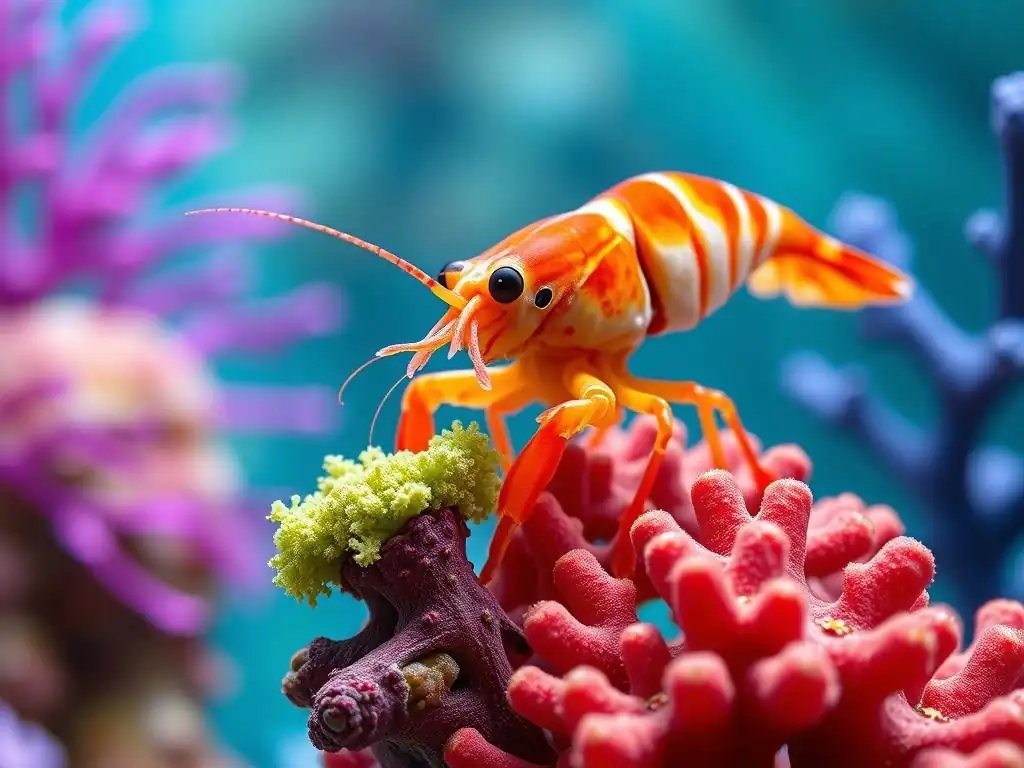
Achieving effective saltwater tank cyanobacteria control through invertebrates hinges on creating a balanced and diverse clean-up crew (CUC). No single species can tackle all types of organic waste or cover all areas of the tank. A well-rounded CUC should include species that specialize in different roles and locations: for example, Turbo snails for glass and rock scraping, Cerith and Nassarius snails for sand bed sifting, and hermit crabs for general scavenging.
Consider a stocking density that is appropriate for your tank size and bioload. Starting conservatively, perhaps one snail per 5-10 gallons for initial CUC, allows you to observe their effectiveness and add more as needed. Overstocking can lead to starvation once nuisance algae and detritus are under control. A thoughtfully assembled and diverse CUC works synergistically to keep nutrient levels low and surfaces clean, providing comprehensive saltwater tank cyanobacteria control.
Acclimation and Introduction of Invertebrates to Your Tank
Proper acclimation is critical for the survival and long-term health of invertebrates, as they are highly sensitive to sudden changes in salinity, pH, and temperature. Drip acclimation is the preferred method, allowing the invertebrates to slowly adjust to your tank's water parameters over 1-2 hours. This gradual process minimizes stress and significantly reduces mortality rates.
During transfer, always ensure that invertebrates, especially snails and starfish, remain submerged in water to avoid air exposure, which can be fatal. Introduce them gently to the tank, placing them on the sand bed or a stable rock rather than simply dropping them in. If introducing a large number of invertebrates, consider adding them in smaller batches over several days or weeks to allow the tank's ecosystem to adjust and prevent a sudden spike in bioload, ensuring they can effectively contribute to saltwater tank cyanobacteria control.
Monitoring Invertebrate Health and Performance
Regularly monitoring the health and performance of your clean-up crew is essential for ongoing saltwater tank cyanobacteria control. Observe their activity levels: healthy invertebrates should be actively grazing, burrowing, or scavenging. Inactivity, being upside down for extended periods (for snails), or signs of shell erosion can indicate stress or starvation.
Continuously assess the levels of cyanobacteria and other nuisance algae in your tank. If cyanobacteria persists or worsens despite the CUC's efforts, it suggests that the underlying nutrient issues are too severe for the invertebrates alone to handle, or the CUC might be insufficient in number or species diversity. Regularly replace any invertebrates lost due to natural attrition to maintain an effective cleaning force. A vigilant approach ensures your CUC remains a robust line of defense against cyanobacteria.
Beyond Invertebrates: A Holistic Approach to Cyanobacteria Management
Maintaining Optimal Water Parameters for Cyanobacteria Prevention
While invertebrates are valuable tools for saltwater tank cyanobacteria control, a holistic approach that includes maintaining optimal water parameters is crucial for long-term success. Consistent salinity (1.025-1.026 specific gravity), stable temperature (75-78°F or 24-25.5°C), and a steady pH (8.1-8.4) are fundamental. Fluctuations in these parameters stress tank inhabitants and can make the environment more favorable for nuisance organisms.
Beyond the basics, maintaining stable alkalinity (8-12 dKH), calcium (400-450 ppm), and magnesium (1250-1350 ppm) is vital for the health of corals and coralline algae. Healthy corals and coralline algae can outcompete cyanobacteria for resources, making the tank less hospitable for outbreaks. Regular testing with reliable kits and prompt adjustments are indispensable for preventing the conditions that lead to cyanobacteria proliferation.
The Importance of Proper Lighting and Flow
Proper lighting and water flow are critical, yet often overlooked, factors in saltwater tank cyanobacteria control. Ensure your lighting system provides the correct spectrum (typically 10,000K to 20,000K for reef tanks) and is on for an appropriate duration (8-10 hours daily). Old or incorrect lighting, especially with too much red or yellow spectrum, can actively promote cyanobacteria growth. Replacing bulbs or adjusting LED settings as needed can make a significant difference.
Adequate and turbulent water flow is equally important. Create random flow patterns throughout the tank to eliminate "dead spots" where detritus can settle and cyanobacteria can thrive. Aim for a turnover rate of 10-20 times the tank volume per hour, ensuring that detritus remains suspended for mechanical filtration and that cyanobacteria cannot establish themselves easily on surfaces. Strong flow helps starve the bacteria of settled nutrients and prevents their attachment, greatly assisting in saltwater tank cyanobacteria control.
Reducing Nutrient Levels to Minimize Cyanobacteria Growth
Directly reducing nutrient levels is perhaps the most impactful strategy for long-term saltwater tank cyanobacteria control. The primary nutrients fueling cyanobacteria are nitrates and phosphates. Start by identifying and eliminating sources of excess nutrients, such as overfeeding, decaying organic matter (dead fish or invertebrates), and using tap water without proper purification (RODI water is essential).
Implement robust filtration methods: frequently change mechanical filtration (filter socks, sponges) to export trapped detritus before it breaks down. Utilize a high-quality protein skimmer to remove organic compounds before they contribute to nutrient buildup. Chemical filtration, such as Granular Ferric Oxide (GFO) for phosphate removal or activated carbon for organic pollutants, can be highly effective. Furthermore, cultivating nutrient-exporting macroalgae (e.g., Chaetomorpha) in a refugium can significantly reduce nitrates, with a well-maintained refugium capable of exporting 20-50 ppm of nitrate per week in a typical reef tank, providing a continuous defense against cyanobacteria.
Preventing Future Cyanobacteria Blooms in Your Saltwater Aquarium
Regular Maintenance and Water Changes
Consistent and diligent regular maintenance is the cornerstone of preventing future cyanobacteria blooms and achieving effective saltwater tank cyanobacteria control. Perform weekly or bi-weekly water changes, typically 10-20% of your tank volume, using only high-quality RODI (Reverse Osmosis De-Ionized) water mixed with a reputable marine salt. This practice dilutes accumulated nutrients and replaces trace elements.
During water changes, use a gravel vacuum to siphon detritus from the sand bed and clean any visible buildup on live rock. Regularly clean aquarium equipment such as powerheads, heaters, and protein skimmers, as these can accumulate organic film that contributes to nutrient cycling. Adhering to a strict maintenance schedule ensures a consistently clean environment, drastically reducing the likelihood of cyanobacteria outbreaks.
Avoiding Overfeeding and Detritus Accumulation
Overfeeding is one of the most common causes of nutrient buildup and subsequent cyanobacteria blooms in saltwater aquariums. Only feed what your fish and corals can consume within 2-3 minutes, usually once or twice daily. Avoid broadcasting large amounts of food that settle on the substrate and rocks, where it will decompose and release phosphates and nitrates.
For corals that require target feeding, ensure the food is consumed efficiently and minimize any excess. Promptly siphon out any large pieces of uneaten food or decaying organic matter (e.g., a dead snail or fish) as soon as they are noticed. By minimizing the introduction of excess organic material, you directly starve the cyanobacteria of their primary fuel source, making it easier to achieve long-term saltwater tank cyanobacteria control.
Utilizing Phosphate and Nitrate Reduction Methods
Proactive nutrient reduction methods are essential for preventing cyanobacteria. Chemical media, such as Granular Ferric Oxide (GFO), are highly effective at adsorbing phosphates from the water column. Ensure GFO is used in a media reactor for optimal contact time and replace it as directed by the manufacturer, typically every 2-4 weeks, as its absorption capacity diminishes over time.
For nitrate reduction, consider biological methods such as biopellets or carbon dosing (e.g., vodka, vinegar). These methods foster beneficial bacteria that consume nitrates. Algae scrubbers, either DIY or commercial units, also provide an excellent way to export nutrients by cultivating and then harvesting nuisance algae from the scrubber screen. For advanced users, denitrators can offer significant nitrate reduction. Combining these methods with excellent husbandry provides a robust strategy for consistent saltwater tank cyanobacteria control.
Conclusion: Achieving a Cyanobacteria-Free Saltwater Aquarium with Invertebrates
Achieving a cyanobacteria-free saltwater aquarium is a tangible goal for any aquarist, and the strategic deployment of a diverse clean-up crew is a powerful component of this endeavor. Invertebrates like Turbo, Cerith, and Nassarius snails, along with specialized detritivores such as sea cucumbers and brittle starfish, offer natural and effective saltwater tank cyanobacteria control by directly grazing on the bacteria or by diligently consuming the organic matter that fuels its growth.
However, it is crucial to recognize that invertebrates are part of a broader, holistic strategy. Sustainable saltwater tank cyanobacteria control requires a multi-faceted approach that integrates proper invertebrate selection and care with meticulous husbandry practices. This includes maintaining optimal water parameters, ensuring adequate lighting and flow, diligently reducing nutrient levels through careful feeding and robust filtration, and committing to a consistent maintenance schedule. By understanding the causes of cyanobacteria and implementing these comprehensive strategies, aquarists can cultivate a vibrant, healthy, and visually appealing marine ecosystem, free from the unsightly presence of red slime.
Frequently Asked Questions
How effective are invertebrates at controlling cyanobacteria in a saltwater tank?
Invertebrates can be highly effective at controlling cyanobacteria, especially when combined with good water quality management and nutrient control. They offer a natural, less aggressive solution compared to chemical treatments.
Which types of invertebrates are most recommended for cyanobacteria control?
Certain snails like Nerite snails and Cerith snails are known to graze on cyanobacteria. Additionally, some sea stars and sea cucumbers can also contribute to its reduction.
What size invertebrate population is needed to effectively control cyanobacteria?
The ideal population depends on the size of your tank and the severity of the cyanobacteria bloom. Start with a small group and gradually increase the number, observing their impact on the algae.
What are the other benefits of having invertebrates in a saltwater aquarium?
Beyond cyanobacteria control, invertebrates help maintain a balanced ecosystem by consuming detritus, uneaten food, and other algae. This contributes to overall tank health and water quality.
Are there any risks associated with using invertebrates for cyanobacteria control?
Some invertebrates might not be compatible with all fish or corals. It's crucial to research the specific needs and temperaments of each species to ensure a harmonious aquarium environment.
Final Reflection: The Delicate Dance of Balance
The insights shared throughout this article underscore the critical role of invertebrates in maintaining a healthy saltwater ecosystem, particularly in the ongoing battle against cyanobacteria. The delicate balance within a saltwater tank hinges on understanding and harnessing the power of these often-overlooked creatures. This knowledge is more crucial than ever, as hobbyists strive for sustainable and natural solutions to combat the persistent challenge of cyanobacteria blooms.
This journey into the world of invertebrate allies has profoundly shaped my understanding of reef keeping. It's a constant reminder that we are not just curators of a beautiful display, but stewards of a complex and interconnected ecosystem. In nature, nothing exists alone.
- Rachel Carson. This quote resonates deeply, highlighting the importance of considering the holistic impact of our actions within the closed environment of a saltwater tank. The success of saltwater tank cyanobacteria control relies on understanding and respecting the natural processes at play.
Now, as you consider the information presented, I encourage you to reflect on your own approach to reef keeping. How can you incorporate these natural solutions into your own tank management strategies? Embrace the power of observation, experiment with these invertebrate allies, and contribute to a more sustainable and thriving reefing community. Your commitment to understanding and implementing these principles will not only benefit your own tank, but also contribute to a deeper appreciation for the intricate beauty and resilience of the marine world.
Unleash the Power of Invertebrates!
Thank you for diving into the world of cyanobacteria control! We hope you've discovered some valuable insights for keeping your saltwater tank pristine. Now it's time to put that knowledge into action.
Here are a few things you can do right now:
- Prioritize establishing a thriving population of snails, specifically Nerite or Trochus snails, in your tank to graze on early-stage cyanobacteria blooms.
- Explore different lighting strategies, such as adjusting the red/blue light ratio, to discourage cyanobacteria growth. Experiment and document your findings!
- Share this article with fellow reefing enthusiasts to help them combat cyanobacteria challenges. Let's build a community of healthy tanks!
What's one small adjustment you can make to your tank today to shift the balance against cyanobacteria?