
Caring for Tube Worms: Filtration, Flow, and Feeding

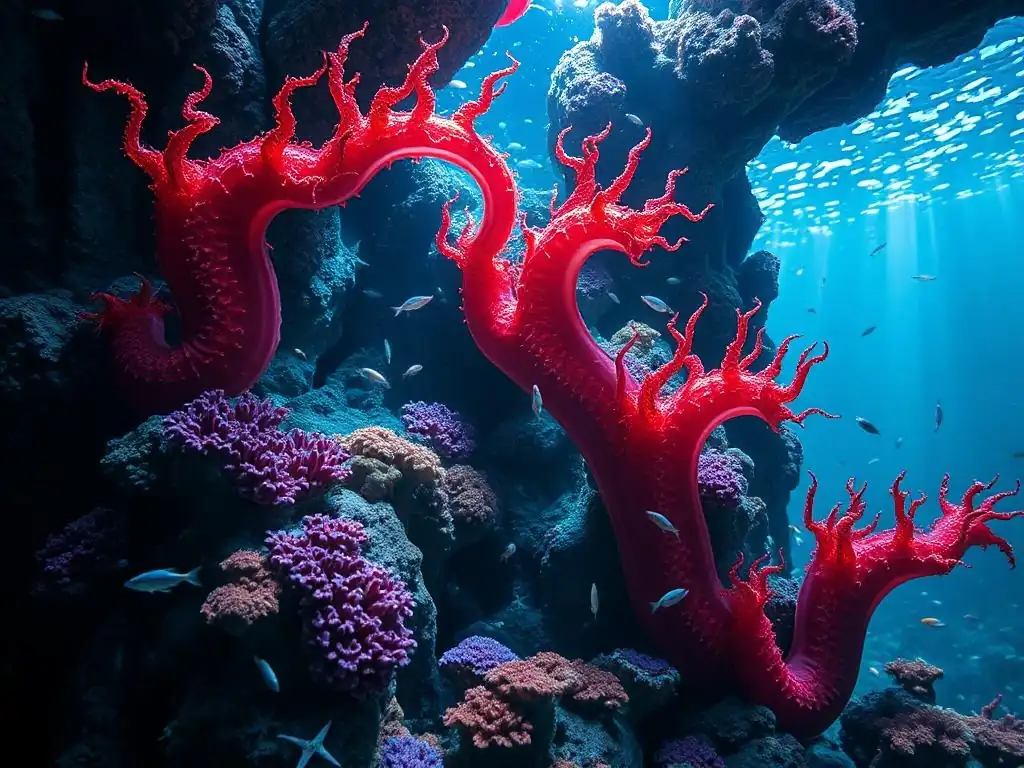
Welcome to Aquarium Mastery, your ultimate guide to thriving underwater worlds!
Ever been captivated by the delicate beauty of Tube Worms swaying in the current? Unlocking the secrets to their care can be surprisingly rewarding. Dive into our comprehensive guide on Tube Worm Care Tips to discover the essential elements of filtration, flow, and feeding that will keep these fascinating invertebrates flourishing. Ready to create a thriving reef ecosystem? Let's get started!
- Caring for Feather Duster Worms: Filtration, Flow, and Feeding for a Thriving Aquarium
- Introduction to Feather Duster Worm Care in Saltwater Aquariums
- Essential Feather Duster Worm Care Tips: A Comprehensive Guide
- Optimizing Water Parameters for Feather Duster Worm Health
- Filtration Requirements for Feather Duster Worms: Ensuring Water Quality
- Water Flow: Providing Adequate Circulation for Feather Duster Worms
- Feeding Feather Duster Worms: Meeting Their Nutritional Needs
- Preventing Common Feather Duster Worm Care Problems
- Troubleshooting Common Feather Duster Worm Issues
- Advanced Feather Duster Worm Care Techniques
- Conclusion: Mastering Feather Duster Worm Care for a Stunning Reef Aquarium
-
Frequently Asked Questions
- What are the key factors to consider when setting up a tube worm aquarium?
- What type of filtration is best for tube worms?
- How important is water flow for tube worms, and what flow rate is recommended?
- What do tube worms eat, and how often should I feed them?
- What are some common problems encountered when caring for tube worms, and how can they be addressed?
- Final Reflection: The Delicate Dance of Ecosystem Preservation
- Unleash the Reef Master Within!
Caring for Feather Duster Worms: Filtration, Flow, and Feeding for a Thriving Aquarium
Introduction to Feather Duster Worm Care in Saltwater Aquariums
Understanding Feather Duster Worm Biology and Aquarium Compatibility
Feather duster worms, scientifically belonging to the family Sabellidae, are fascinating marine invertebrates characterized by their elaborate, feathery crowns (radioles) used for filter feeding and respiration. These sedentary polychaetes construct a leathery or calcareous tube, often embedded in substrate or attached to rockwork, from which they extend their delicate crowns. Their biological structure makes them excellent candidates for reef aquariums, as they primarily consume microscopic particles from the water column and do not actively predate on corals or fish.
There are numerous species of feather duster worms, ranging from the small, common Hawaiian feather duster ( Sabellastarte spectabilis) to the larger, more ornate Magnificent Feather Duster ( Sabellastarte magnifica). While generally peaceful and compatible with most reef inhabitants, their delicate nature requires a stable environment free from aggressive tank mates that might nip at their crowns, such as certain angelfish, butterflyfish, or some large hermit crabs. Understanding their natural habitat – typically calm to moderate flow areas with abundant plankton – is crucial for successful feather duster worm care in a home aquarium setting.
Importance of Proper Feather Duster Worm Care for a Healthy Reef Tank
Proper feather duster worm care is paramount not only for the survival and longevity of these unique invertebrates but also for contributing to the overall health and aesthetic appeal of a reef aquarium. As efficient filter feeders, feather duster worms play a natural role in water purification by consuming suspended organic matter and uneaten food particles, thereby helping to maintain water clarity and reduce nutrient accumulation. A thriving population of these worms indicates a well-balanced ecosystem and good water quality.
Neglecting essential tube worm care tips, such as inadequate feeding, improper water flow, or poor water parameters, can lead to stress, retraction, loss of plumage, or even death. A healthy feather duster worm will display vibrant colors, fully extended crowns, and react swiftly by retracting into its tube when disturbed. Their presence adds dynamic movement and natural beauty to the reef scape, making them a popular choice for aquarists dedicated to replicating a slice of the ocean's biodiversity within their tanks.
Essential Feather Duster Worm Care Tips: A Comprehensive Guide
Choosing the Right Feather Duster Species for Your Reef Aquarium
When embarking on feather duster worm care, selecting the appropriate species is a foundational step. Different feather duster species vary significantly in size, color, and specific environmental needs, which can impact their suitability for a particular reef tank. For instance, the common Hawaiian feather duster ( Sabellastarte spectabilis) is a robust choice, growing up to 6-8 inches in length with a crown diameter of 4-6 inches, making it suitable for tanks with moderate space and consistent feeding. Its resilience makes it a good option for beginners seeking effective tube worm care tips.
Larger species like the Magnificent Feather Duster ( Sabellastarte magnifica) can reach impressive sizes, with crowns up to 10-12 inches across, requiring more substantial tanks (e.g., 50 gallons or more) and a more dedicated feeding regimen. Conversely, smaller species, often hitchhiking on live rock, may be less demanding but also less visually prominent. Researching the specific mature size, feeding habits, and preferred flow conditions for any feather duster worm before purchase is crucial to ensure it thrives in your existing aquarium setup and aligns with your long-term tube worm care goals.
Acclimation Strategies for New Feather Duster Worms
Proper acclimation is a critical, yet often overlooked, aspect of feather duster worm care that significantly impacts their initial survival and long-term well-being. Feather duster worms are highly sensitive to sudden changes in water parameters, including salinity, temperature, and pH. A drip acclimation method is highly recommended to slowly equalize the water chemistry between the transport bag and the aquarium. This process should ideally take 1 to 2 hours, allowing the worm to gradually adjust to its new environment without experiencing osmotic shock.
During drip acclimation, ensure the worm remains submerged and undisturbed. Once acclimated, gently transfer the worm to a chosen location in the tank, preferably a spot with established rockwork or substrate where it can secure its tube. Avoid forcing the worm into a position or handling it excessively, as this can cause stress and encourage it to detach from its tube, a common issue in poor tube worm care. Observe the worm closely in the first few days for signs of stress, such as prolonged retraction or plumule detachment, which may indicate issues with acclimation or tank conditions.
Optimizing Water Parameters for Feather Duster Worm Health
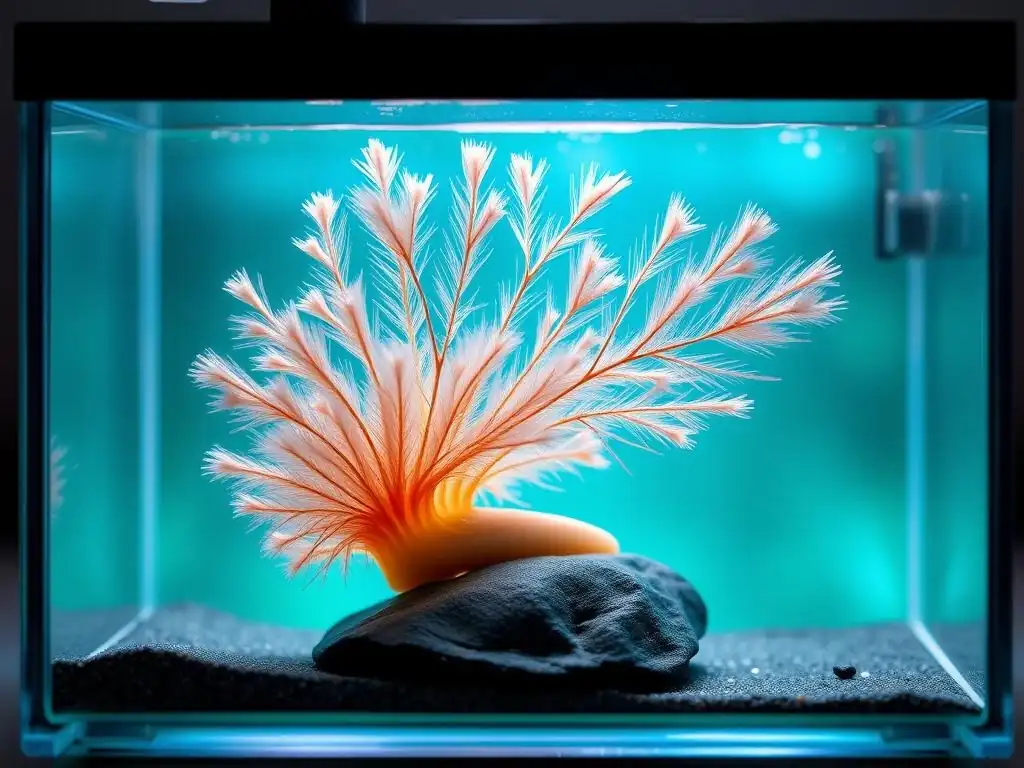
Maintaining Ideal Salinity Levels for Feather Duster Worms
Maintaining stable and appropriate salinity levels is fundamental to successful feather duster worm care, as these invertebrates are osmoconformers, meaning their internal fluid salinity largely matches that of their surrounding water. The ideal specific gravity range for most feather duster worms in a reef aquarium is between 1.023 and 1.026. Fluctuations outside this range can cause significant physiological stress, impacting their ability to filter feed and maintain their delicate body structures.
Consistent monitoring with a reliable refractometer is essential to ensure salinity remains within this optimal window. Regular top-offs with RODI (Reverse Osmosis Deionized) water are necessary to counteract evaporation, which naturally increases salinity over time. Sudden drops or spikes in salinity, often caused by large water changes with improperly mixed saltwater or rapid evaporation without top-off, can lead to feather duster worm retraction, loss of crown, or even death, underscoring the importance of diligent tube worm care tips regarding water stability.
The Role of pH and Alkalinity in Feather Duster Worm Care
pH and alkalinity are interconnected water parameters that play a vital role in the health and calcification processes of feather duster worms, particularly for species that build calcareous tubes. A stable pH range of 8.1 to 8.4 is generally considered ideal for reef tanks, supporting the overall biological functions of marine organisms. Significant pH swings can stress feather duster worms, impacting their metabolic processes and making them more susceptible to disease.
Alkalinity, measured in dKH (degrees of carbonate hardness), directly influences pH stability and provides the necessary carbonates for tube building. An optimal alkalinity range of 8 to 12 dKH is recommended. Low alkalinity can lead to pH instability and hinder the worm's ability to repair or extend its tube, while excessively high levels can also be detrimental. Regular testing and the use of buffer solutions or two-part dosing systems can help maintain these crucial parameters, ensuring robust feather duster worm care and a thriving environment.
Filtration Requirements for Feather Duster Worms: Ensuring Water Quality
Mechanical Filtration for Removing Particulate Matter
Mechanical filtration is a cornerstone of effective feather duster worm care, as it directly impacts the clarity of the water and the availability of appropriate food particles. Feather duster worms are filter feeders, but they thrive in water that is clean and free of large, suspended debris that could clog their delicate feeding apparatus. Mechanical filters, such as filter socks, filter floss, or sponges, physically remove detritus, uneaten food, and other particulate matter from the water column.
Regular cleaning or replacement of mechanical filter media is crucial. Clogged media can become a nitrate factory, degrading water quality and potentially leading to harmful algae blooms that compete with or irritate the worms. For optimal tube worm care, aim to change filter socks every few days or rinse filter floss weekly, depending on the bioload of your tank. This practice not only keeps the water crystal clear but also prevents the accumulation of organic waste that can contribute to poor water parameters.
Biological Filtration: The Nitrogen Cycle and Feather Duster Worms
Biological filtration is indispensable for any saltwater aquarium, and its efficiency directly influences the success of feather duster worm care. This process relies on beneficial bacteria that convert toxic ammonia, produced by fish waste and decaying organic matter, into less harmful nitrite, and then into relatively harmless nitrate. A robust biological filter, typically established on live rock, live sand, and specialized media, ensures the nitrogen cycle functions effectively, maintaining stable water chemistry vital for feather duster health.
High levels of ammonia or nitrite are acutely toxic to feather duster worms, causing immediate stress, retraction, and potentially death. Even elevated nitrate levels, while less immediately lethal, can contribute to chronic stress and poor long-term health. Regular water changes (e.g., 10-20% bi-weekly) and avoiding overfeeding are key tube worm care tips that support the biological filter and prevent the accumulation of harmful nitrogenous compounds, safeguarding the delicate balance required for these sensitive invertebrates.
Chemical Filtration: Using Activated Carbon and Other Media
Chemical filtration plays a supplementary yet important role in comprehensive feather duster worm care by removing dissolved organic compounds (DOCs), odors, and certain pollutants that mechanical and biological filtration cannot address. Activated carbon is the most common chemical filtration media, effectively adsorbing yellowing compounds, phenols, and other impurities that can degrade water quality and inhibit light penetration. Using high-quality activated carbon in a media bag or reactor can significantly improve water clarity and reduce the burden on the biological filter.
Other chemical media, such as phosphate removers (e.g., GFO - Granular Ferric Oxide), can also be beneficial, especially if phosphate levels are a concern. High phosphates can lead to nuisance algae growth, which can smother feather duster worm tubes or compete for nutrients. While not directly toxic to the worms in moderate amounts, poor water clarity and excessive algae are detrimental to overall reef health. Regular replacement of chemical media (typically monthly for carbon, or as needed for phosphate removers based on test results) is a key aspect of advanced tube worm care tips for maintaining pristine water conditions.
Water Flow: Providing Adequate Circulation for Feather Duster Worms
Importance of Water Movement for Feeding and Respiration
Water movement is a critical environmental factor for feather duster worm care, directly impacting their ability to feed and respire. As sessile filter feeders, these worms rely on water currents to bring food particles, such as phytoplankton and zooplankton, directly to their feathery crowns. Insufficient flow means fewer food particles pass by their filtering apparatus, leading to starvation and a decline in health. Studies suggest that a gentle, consistent flow is optimal for efficient feeding, allowing the worms to capture particles without being overwhelmed.
Beyond feeding, proper water flow is essential for the exchange of gases and the removal of waste products. The feathery radioles not only capture food but also serve as gills, facilitating oxygen uptake and carbon dioxide release. Stagnant water can lead to oxygen depletion around the worm's crown and an accumulation of metabolic waste, creating an unhealthy microenvironment. Therefore, ensuring adequate, non-turbulent flow is a fundamental tube worm care tip that supports both their nutritional needs and respiratory functions.
Achieving Optimal Water Flow Patterns in the Reef Tank
Achieving optimal water flow patterns for feather duster worm care involves creating a gentle to moderate, indirect current that mimics their natural habitat. Direct, strong currents can physically damage their delicate crowns, causing them to retract frequently or even detach from their tubes due to stress. Instead, aim for broad, laminar flow that sweeps across the tank without creating turbulent hotspots directly on the worms. This can be accomplished using multiple powerheads positioned strategically or by employing wavemakers that create oscillating flow patterns.
For an average 50-gallon reef tank with feather duster worms, aiming for a total flow turnover of 10-20 times the tank volume per hour, distributed gently, is a good starting point. This means a total of 500-1000 gallons per hour of flow, though actual water movement around the worms should feel like a gentle sway. Positioning powerheads to bounce water off tank walls or rockwork can help diffuse the flow. Observing the feather duster's crown extension and retraction frequency can provide visual cues for adjusting flow, making this a crucial aspect of practical tube worm care tips.
Avoiding Excessive Flow That Can Stress Feather Duster Worms
While water flow is vital, excessive or turbulent flow can be highly detrimental to feather duster worms, leading to chronic stress and poor health. When the current is too strong, the worm may struggle to keep its crown extended, constantly retracting into its tube to protect itself. This constant retraction prevents effective feeding, leading to starvation over time. Furthermore, the physical force of strong currents can damage the delicate radioles, making them prone to breakage or infections.
Signs of excessive flow include a feather duster worm that is perpetually retracted, or one that extends its crown only partially or hesitantly. If the worm's crown appears "blown back" or constantly buffeted, the flow is likely too intense. Adjusting powerhead positions, reducing their output, or adding flow diffusers can help mitigate this issue. Careful observation and thoughtful placement are key tube worm care tips to ensure that water movement supports, rather than harms, these beautiful filter feeders.
Feeding Feather Duster Worms: Meeting Their Nutritional Needs
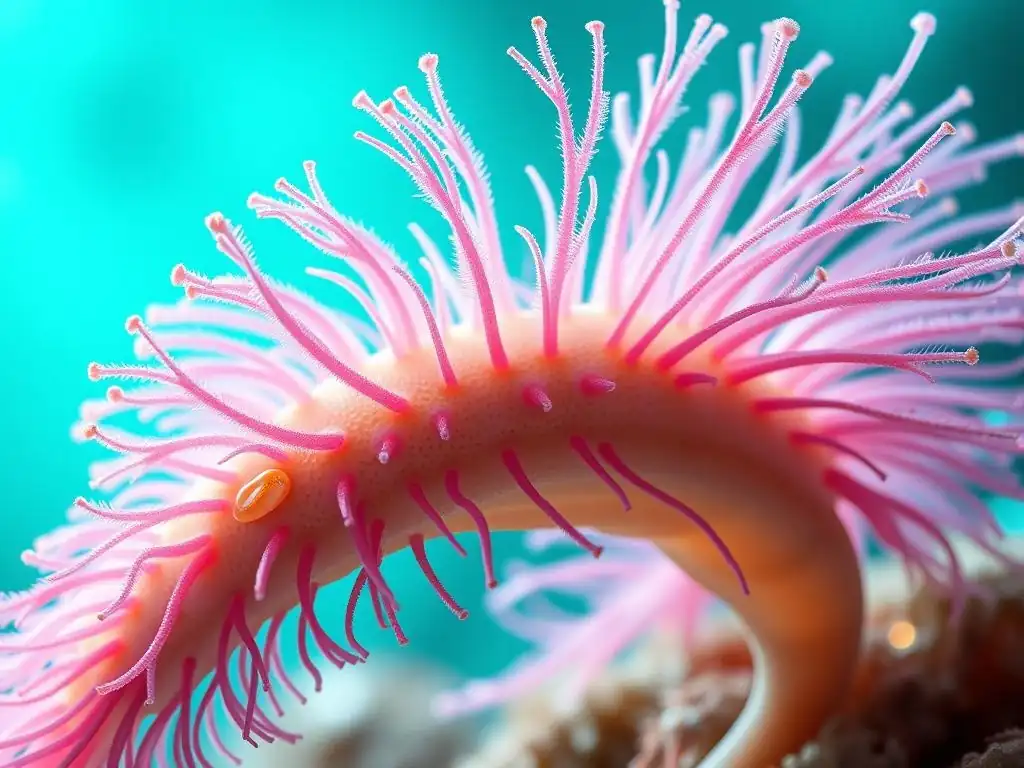
Understanding Feather Duster Worm Feeding Mechanisms
Feather duster worms are highly specialized filter feeders, utilizing their elaborate, feathery crowns (radioles) to capture microscopic food particles from the water column. Each radiole is covered in tiny cilia that create currents to draw water towards the crown. As water passes through the intricate network of the radioles, food particles, primarily phytoplankton and small zooplankton, become trapped in mucus. These particles are then transported down grooves on the radioles to the worm's mouth for ingestion.
This sophisticated feeding mechanism highlights why proper feather duster worm care must include consistent and appropriate feeding. They cannot actively hunt for food; instead, they rely entirely on the availability of suspended nutrients in their environment. The size of the food particle is also crucial; typically, feather duster worms efficiently capture particles ranging from 1 to 20 microns. Understanding this mechanism is fundamental to selecting the right food and ensuring their nutritional requirements are met in a captive environment.
Selecting Appropriate Food for Feather Duster Worms
Selecting appropriate food is perhaps the most critical aspect of feather duster worm care. Given their filter-feeding nature, the primary diet for feather duster worms in an aquarium should consist of high-quality liquid phytoplankton and potentially some very fine zooplankton. Commercially available phytoplankton blends, often containing species like Nannochloropsis, Tetraselmis, or Chlorella, are excellent choices as they provide a broad spectrum of necessary nutrients and are within the ideal particle size range (typically 2-20 microns).
When choosing products, look for refrigerated phytoplankton concentrates, as these generally maintain their nutritional value better than shelf-stable varieties. Some aquarists also report success with very fine powdered foods designed for filter feeders, but these must be truly microscopic to be ingested effectively. Avoid feeding large, chunky foods or relying solely on detritus from fish feeding, as these are insufficient and can foul the water. Consistent and appropriate feeding is one of the most impactful tube worm care tips for ensuring their long-term health.
Supplementing with Liquid Foods and Phytoplankton
Regular supplementation with liquid foods, particularly phytoplankton, is essential for meeting the continuous nutritional demands of feather duster worms. Even in a well-stocked reef tank, the natural plankton population may not be sufficient to sustain these dedicated filter feeders. A common feeding regimen involves daily or every-other-day dosing of a high-quality liquid phytoplankton product. The dosage should follow the manufacturer's recommendations, adjusted for your tank's volume and the number of filter feeders.
For a typical 50-gallon reef tank with a few feather duster worms, starting with 1-2 ml of concentrated phytoplankton daily, or every other day, is a reasonable approximation. It's best to turn off protein skimmers and strong powerheads for about 15-30 minutes during feeding to allow the phytoplankton to remain suspended in the water column and be consumed by the worms rather than being skimmed out or immediately dispersed. This consistent supplementation is a key component of effective tube worm care tips, preventing starvation and promoting vibrant health.
Target Feeding Techniques for Specific Feather Duster Worm Species
While broadcast feeding phytoplankton benefits all filter feeders, target feeding can be a highly effective technique for specific feather duster worm species, especially larger or more sensitive ones, or in tanks with high competition for food. Target feeding allows for precise delivery of food directly to the worm's vicinity, ensuring it receives an adequate amount of nutrition. This method is particularly useful for species like the Magnificent Feather Duster ( Sabellastarte magnifica) which have higher caloric demands.
To target feed, use a turkey baster or a specialized feeding syringe to gently release a small cloud of phytoplankton or fine liquid food directly upstream of the feather duster's crown. The current will then carry the food particles towards the worm. Perform this carefully to avoid startling the worm and causing it to retract. Target feeding can be done once or twice a week in addition to regular broadcast feeding. This specialized approach to tube worm care tips ensures even the most demanding species receive the nourishment they need to thrive.
Preventing Common Feather Duster Worm Care Problems
Identifying and Treating Feather Duster Worm Diseases
Feather duster worms, while generally hardy once established, can suffer from various issues often categorized as "diseases" though they are more frequently symptoms of environmental stress or poor water quality. Bacterial infections can manifest as a cloudy or decaying appearance on the crown, or a general malaise leading to retraction. Fungal infections are less common but might appear as fuzzy growths. The most effective "treatment" for these issues in feather duster worm care is almost always improving water parameters and conditions.
This involves meticulously testing for ammonia, nitrite, nitrate, pH, alkalinity, and salinity to ensure they are within optimal ranges. Increasing water flow slightly (if it was previously too low) to improve oxygenation, and ensuring consistent, appropriate feeding are also crucial. In rare, severe cases of bacterial infection, some aquarists have attempted very mild, short-duration dips in diluted iodine solutions, but this is highly risky and generally not recommended as a first line of defense. Focusing on preventative tube worm care tips through stable, pristine water is paramount.
Addressing Feather Duster Worm Detachment from Their Tubes
One of the most concerning problems in feather duster worm care is when the worm detaches from its tube. This is a severe stress response, often triggered by extremely poor water quality, sudden drastic changes in parameters (e.g., temperature shock, rapid salinity drop), persistent harassment by tank mates (e.g., nipping fish, aggressive crabs), or prolonged starvation. Once detached, the worm is highly vulnerable and typically has a very low chance of survival outside its protective tube.
If a feather duster worm detaches, the immediate action is to thoroughly check all water parameters and identify any stressors. Remove any aggressive tank mates if they are suspected culprits. While some aquarists attempt to place the detached worm in a small container with fresh, clean water from the main tank in a low-flow area, it is rarely successful. The best approach to this problem is proactive prevention through diligent tube worm care tips: maintaining stable water conditions, providing adequate food, and ensuring a peaceful environment.
Dealing with Algae Growth on Feather Duster Worm Tubes
Algae growth on feather duster worm tubes is a common aesthetic issue and can sometimes indicate underlying water quality problems. While a thin film of harmless green or brown algae might not directly harm the worm, excessive growth of nuisance algae like hair algae, cyanobacteria, or bryopsis can smother the tube, irritate the worm, and potentially block its ability to extend fully or secure itself to the substrate. This issue is usually a symptom of elevated nutrients, particularly nitrates and phosphates.
To address algae on tubes as part of effective feather duster worm care, focus on nutrient control:
- Reduce feeding: Ensure you are not overfeeding fish or corals, as excess food breaks down into nutrients.
- Increase water changes: Regular water changes (e.g., 10-20% bi-weekly) help export nutrients.
- Utilize chemical filtration: GFO (Granular Ferric Oxide) can effectively remove phosphates. Activated carbon helps remove dissolved organics.
- Improve mechanical filtration: Regularly clean or replace filter socks/floss to remove particulate matter before it breaks down.
- Increase clean-up crew: Consider adding more herbivorous snails or hermit crabs (if compatible with the worm) to graze on algae.
Adhering to these tube worm care tips helps create an environment less conducive to nuisance algae.
Troubleshooting Common Feather Duster Worm Issues
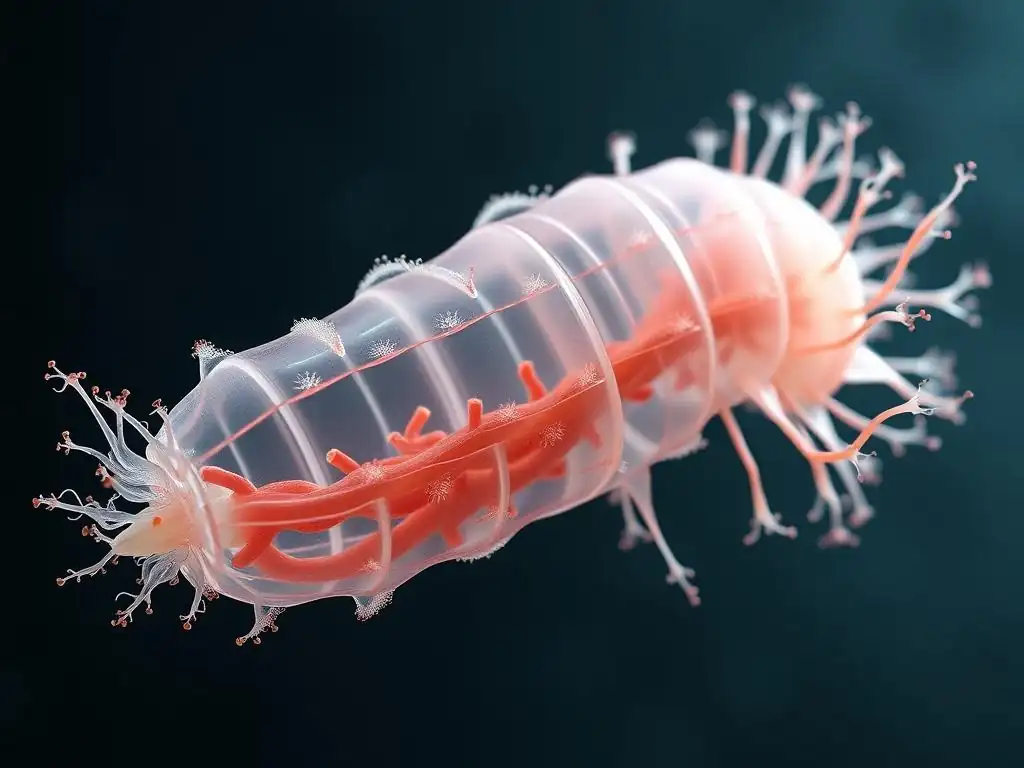
Troubleshooting: Feather Duster Worm Retracted
A feather duster worm that is constantly or frequently retracted into its tube is a clear sign of stress and requires immediate investigation. This behavior is a defensive mechanism, indicating that the worm perceives a threat or an unfavorable environmental condition. Possible causes and troubleshooting steps include:
- Water Quality Issues:
- High Ammonia/Nitrite: Test immediately. If detected, perform a large water change (30-50%) and check biological filtration.
- High Nitrate/Phosphate: Test. Perform water changes, reduce feeding, and consider GFO/carbon.
- Incorrect Salinity/pH/Alkalinity: Test and slowly adjust to optimal ranges (1.023-1.026 SG, 8.1-8.4 pH, 8-12 dKH).
- Temperature Fluctuations: Ensure stable temperature (72-78°F).
- Inadequate Flow:
- Too Strong: Observe if the crown is being violently buffeted. Redirect powerheads or reduce flow.
- Too Weak: Observe if detritus settles on the crown. Increase gentle flow to bring food and oxygen.
- Predation/Harassment:
- Nipping Fish: Watch for fish (e.g., certain angelfish, butterflyfish, some wrasses) nipping the crown. Consider relocating the fish or the worm.
- Aggressive Invertebrates: Check for crabs or snails crawling on or disturbing the worm.
- Lack of Food:
- Ensure consistent, appropriate feeding with phytoplankton or fine liquid foods.
- Consider target feeding if competition is high.
Addressing these potential issues comprehensively is key to successful tube worm care tips and encouraging the worm to extend its beautiful crown.
Troubleshooting: Feather Duster Worm Loss of Plumage
Loss of plumage, where the feathery crown detaches partially or entirely from the worm, is a severe symptom of extreme stress or prolonged poor conditions. While some species can regenerate their crowns, it is a highly energy-intensive process that leaves the worm vulnerable and significantly reduces its ability to feed. Common causes and troubleshooting actions for this critical feather duster worm care problem include:
- Acute Water Parameter Swings: Sudden drops in salinity, rapid temperature changes, or spikes in ammonia/nitrite are often culprits. Check all parameters immediately and stabilize them slowly.
- Severe Starvation: Prolonged lack of appropriate food will eventually lead to the worm sacrificing its crown to conserve energy. Implement a consistent and rich feeding regimen.
- Physical Damage: Direct nipping by fish, being sucked into a powerhead, or being physically knocked can cause crown loss. Identify and remove sources of physical trauma.
- Chronic Stress: Long-term exposure to suboptimal conditions (e.g., persistent high nitrates, low pH, or constant harassment) can lead to crown shedding as a last resort. Review all aspects of tube worm care tips and address any ongoing deficiencies.
If the plumage is lost, maintain pristine water quality, provide consistent feeding, and minimize disturbances. Hope for regeneration, which can take several weeks to months, depending on the severity and the worm's underlying health.
Advanced Feather Duster Worm Care Techniques
Providing Substrate for Tube Building
While many feather duster worms are purchased already established in their tubes, providing suitable substrate for tube building or re-attachment is an advanced feather duster worm care technique that can greatly enhance their long-term health and stability. Some species, especially those that build calcareous tubes or those that have detached, require a stable surface to secrete their new tube or adhere their existing one. This can include:
- Live Rock Crevices: Offering small, secure crevices within the live rock structure where the worm can wedge its tube.
- Sand Bed: For species that prefer to burrow partially, a deep, fine sand bed (at least 3-4 inches) can provide the necessary stability.
- Frag Plugs/Discs: Attaching the base of the tube to a small frag plug with reef-safe epoxy (ensuring no epoxy contacts the worm itself) can provide a stable, movable base, which is particularly useful for smaller worms or those that come unattached.
Ensuring a secure foundation prevents the worm from being dislodged by currents or tank mates, reducing stress and allowing it to focus energy on feeding and growth rather than constantly re-securing its home. This proactive approach is a valuable addition to standard tube worm care tips.
Recognizing Signs of Stress
Recognizing the subtle and overt signs of stress is paramount for proactive feather duster worm care, allowing aquarists to intervene before problems become severe. Beyond constant retraction or loss of plumage, other indicators of stress include:
- Reduced Crown Extension: The worm extends its crown only partially or hesitantly, even when conditions appear normal.
- Fading Colors: The vibrant colors of the crown may become dull or washed out, indicating poor health or nutrient deficiency.
- Excessive Mucus Production: While some mucus is normal for feeding, an unusual amount of stringy or cloudy mucus around the crown can signify irritation or infection.
- Sluggish or No Reaction to Disturbance: A healthy feather duster worm will rapidly retract when a shadow passes over it or it is gently touched. A slow or absent reaction suggests severe stress or weakness.
- Tube Degradation: The worm's tube may appear brittle, disintegrating, or show signs of abnormal growth or excessive algae/detritus accumulation that the worm isn't clearing.
Regular observation of these subtle cues is a critical, yet often overlooked, aspect of advanced tube worm care tips. Early detection allows for prompt adjustment of parameters, flow, or feeding, significantly improving the worm's chances of recovery and long-term vitality.
Conclusion: Mastering Feather Duster Worm Care for a Stunning Reef Aquarium
Recap of Essential Feather Duster Worm Care Practices
Mastering feather duster worm care hinges on a few fundamental practices that ensure these beautiful filter feeders thrive in a home aquarium. Firstly, maintaining pristine and stable water parameters is non-negotiable, including consistent salinity (1.023-1.026 SG), stable pH (8.1-8.4), and optimal alkalinity (8-12 dKH), while keeping ammonia, nitrite, and nitrate levels as low as possible. Regular testing and consistent water changes are the bedrock of this stability.
Secondly, providing appropriate and consistent feeding with high-quality liquid phytoplankton is crucial, as feather duster worms are specialized filter feeders. Daily or every-other-day dosing, potentially combined with target feeding, ensures their nutritional needs are met. Thirdly, establishing gentle to moderate water flow that brings food and oxygen without causing physical stress is vital for both feeding and respiration. Avoiding direct, turbulent currents is key. Finally, choosing compatible tank mates and providing a secure substrate for their tubes minimizes stress and prevents physical damage. Adhering to these tube worm care tips will lead to a thriving, vibrant display.
Further Resources for Feather Duster Worm Enthusiasts
For those passionate about delving deeper into feather duster worm care and expanding their knowledge, a wealth of resources is available to enhance their expertise. Online forums dedicated to reef aquariums, such as Reef2Reef or The Ultimate Reef, offer invaluable community insights, troubleshooting advice, and discussions on specific challenges or successes experienced by other aquarists. These platforms often contain detailed threads on advanced husbandry techniques and species-specific tube worm care tips.
Furthermore, reputable aquarium literature, including books on invertebrate husbandry and reef tank setup, provides comprehensive scientific background and practical guidelines. Many marine biology resources and university extension programs also offer detailed information on the natural history and ecological roles of polychaete worms, which can deepen an aquarist's understanding of their captive needs. Engaging with these resources can transform an interest in feather duster worms into true mastery, fostering a more successful and rewarding reef keeping experience.
Frequently Asked Questions
What are the key factors to consider when setting up a tube worm aquarium?
The key factors include establishing a stable environment with proper filtration and water flow, and ensuring appropriate substrate for tube worm attachment.
What type of filtration is best for tube worms?
Tube worms thrive with a combination of filtration methods. Aim for mechanical filtration to remove particulate matter and biological filtration to maintain water quality.
How important is water flow for tube worms, and what flow rate is recommended?
Water flow is vital for tube worms, as it brings them food particles and removes waste. A moderate flow rate is generally recommended to prevent stressing the worms.
What do tube worms eat, and how often should I feed them?
Tube worms are filter feeders and consume microscopic organisms and detritus. Supplement their diet with liquid invertebrate food or fine particulate food 1-2 times per week.
What are some common problems encountered when caring for tube worms, and how can they be addressed?
Common problems include tube retraction due to stress or poor water quality. Address this by ensuring stable water parameters and minimizing disturbances in the aquarium.
Final Reflection: The Delicate Dance of Ecosystem Preservation
The insights shared in this article, focusing on the nuances of tube worm care, are not merely about maintaining a fascinating aquarium specimen; they represent a microcosm of the larger challenge facing our planet: understanding and preserving delicate ecosystems. The principles of filtration, flow, and feeding, meticulously applied to these fascinating invertebrates, echo the broader responsibility we have to safeguard the intricate web of life that sustains us all.
The journey into tube worm care has profoundly impacted my perspective, revealing the interconnectedness of even the smallest creatures within their environment. Witnessing their resilience and fragility underscores the importance of responsible stewardship. In the end, we will conserve only what we love; we will love only what we understand; and we will understand only what we are taught.
- Baba Dioum's words resonate deeply, reminding us that education and understanding are the cornerstones of conservation.
As you reflect on the principles outlined in this guide, I invite you to consider how these lessons extend beyond the aquarium. How can you apply the same dedication to balance and sustainability in your own life, contributing to the health of our planet's larger ecosystems? Let the delicate dance of tube worm care inspire you to become a more conscious and compassionate steward of the natural world.
Unleash the Reef Master Within!
Thank you for diving deep into the fascinating world of tube worms! We hope you've gained valuable insights into creating the perfect environment for these unique creatures. Now, let's put that knowledge into action.
Here's how you can elevate your reef aquarium game:
- Boldly begin your journey: Research and identify the perfect tube worm species: for your current aquarium setup. This is crucial for their survival and your success!
- Share your newfound knowledge! Start a thread on an aquarium forum discussing the challenges and rewards of keeping tube worms. Let's learn together!
- Get creative! Design a custom rockscape feature specifically tailored to your tube worm's needs, enhancing both their habitat and your aquarium's aesthetics.
Ready to transform your aquarium into a thriving reef ecosystem with these captivating creatures?