
Sea Hares: The Ultimate Hair Algae Eaters (But With a Catch)

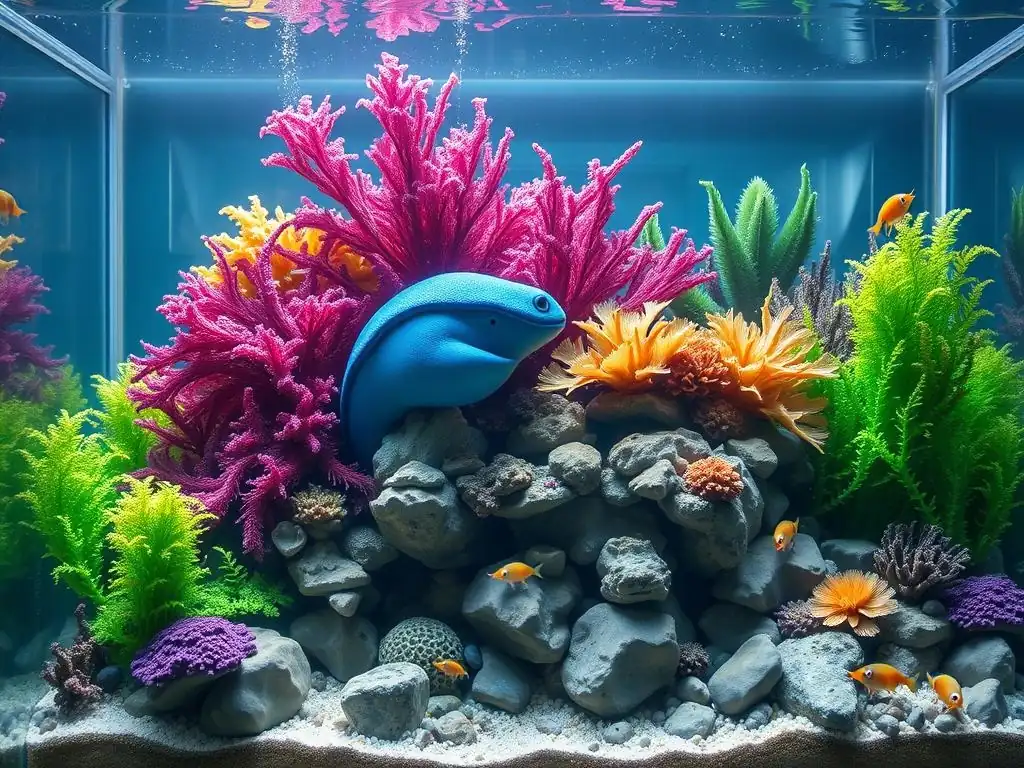
Welcome to Aquarium Mastery, your go-to source for thriving aquatic ecosystems! Intrigued by the prospect of a natural algae solution? Our latest guide dives deep into the world of Sea hares, exploring their effectiveness as algae eaters in aquariums. But, there's more to these fascinating creatures than meets the eye. Discover the "catch" and unlock the secrets to successful Sea hare aquarium care as you journey through this captivating profile. Get ready to master the art of aquarium keeping!
- Sea Hares: Natural Algae Control for Saltwater Aquariums
- Introduction to Sea Hares in Reef Tanks
- Popular Sea Hare Species for Home Aquariums
- Benefits of Using Sea Hares for Algae Control
- Potential Drawbacks of Sea Hares
- Sea Hare Aquarium Care: A Comprehensive Guide
- Introducing Sea Hares to Your Aquarium
- Managing Populations and Lifespan in Captivity
- Sea Hare vs. Other Algae Eaters: A Comparison
- Troubleshooting Common Problems
- Are Sea Hares Right for Your Aquarium? Weighing Pros and Cons
- Conclusion: Mastering Sea Hare Care
-
Frequently Asked Questions
- What exactly are Sea Hares, and are they suitable for all aquariums?
- Why are Sea Hares called "The Ultimate Hair Algae Eaters," and what kind of algae do they prefer?
- What are the potential downsides or "catches" associated with keeping Sea Hares in an aquarium?
- What specific water parameters are crucial for successful Sea Hare aquarium care, and how often should I test them?
- Besides algae, what other food sources can I offer my Sea Hare to prevent starvation, and what are the best methods for supplemental feeding?
- Final Reflection: Embracing Nature's Solutions, Responsibly
- Dive Deeper: Supercharge Your Algae Control Now!
Sea Hares: Natural Algae Control for Saltwater Aquariums
Introduction to Sea Hares in Reef Tanks
What are Sea Hares and Why Consider Them?
Sea hares, scientifically classified as opisthobranch mollusks within the order Anaspidea, are fascinating marine gastropods named for their rabbit-like oral tentacles. Often resembling a nudibranch, these unique invertebrates are gaining popularity among saltwater aquarists primarily for their insatiable appetite for nuisance algae, especially hair algae. Unlike many other clean-up crew members, sea hares are highly specialized grazers capable of consuming vast quantities of filamentous algae, making them a powerful biological solution for tanks struggling with severe outbreaks. Their distinct appearance and effective grazing habits make them a compelling, albeit temporary, addition to a reef ecosystem.
Considering a sea hare for your aquarium typically stems from a persistent hair algae problem that other methods haven't resolved. While they might appear docile, their grazing efficiency is remarkable. Many aquarists report significant reductions in hair algae coverage within days or weeks of introducing a healthy sea hare. This makes them a targeted solution for specific algae challenges, allowing hobbyists to avoid harsher chemical treatments and maintain a more natural balance within their captive reef environments. Effective sea hare aquarium care begins with understanding their primary role as dedicated algae consumers.
Understanding Their Role in Algae Management
The primary role of sea hares in a saltwater aquarium is that of an extremely efficient algae grazer. Unlike snails or hermit crabs that often browse on a variety of detritus and different algae types, sea hares are particularly adept at consuming large, dense mats of hair algae (filamentous algae). They possess a unique radula, a chitinous ribbon of teeth, which they use to scrape and ingest algae rapidly. This specialized feeding mechanism allows them to clear areas that other, smaller clean-up crew members might struggle with.
Their effectiveness lies in their sheer volume of consumption. A single adult sea hare, depending on its species and size, can graze several square inches of thick hair algae daily. This makes them ideal for quickly bringing an out-of-control algae bloom back to manageable levels. However, it's crucial to understand that their role is often temporary; once the primary algae food source is depleted, their usefulness diminishes, and their sea hare aquarium care requirements shift dramatically, often necessitating supplemental feeding or rehoming. They are a tool for a specific problem, not a permanent part of the general clean-up crew.
Popular Sea Hare Species for Home Aquariums
Identifying Suitable Species for Reef Environments
The world of sea hares is diverse, encompassing hundreds of species, but only a select few are commonly available and suitable for home reef aquariums. The primary factors determining suitability include their typical adult size, specific dietary preferences, and tolerance to typical aquarium water parameters. It's crucial for aquarists to accurately identify the species they are acquiring to ensure proper sea hare aquarium care, as requirements can vary significantly between temperate and tropical species. Responsible sourcing from reputable dealers is paramount to ensure the health of the animal and its compatibility with your tank.
For instance, some larger species might grow too big for typical home aquariums, potentially knocking over rockwork or requiring an impractical amount of algae. Others might specialize in consuming macroalgae that you wish to keep in your display tank. The most commonly imported and recommended species for tropical reef tanks are generally smaller and more tolerant of standard reef tank temperatures. Always inquire about the specific species and its origin before purchase to prevent compatibility issues and ensure you can meet its long-term needs.
California Sea Hare (Aplysia californica): Characteristics and Care
The California Sea Hare ( Aplysia californica) is one of the most well-known species, extensively studied in neurobiology due to its large neurons. While commonly available, it's important to note that this species is temperate, naturally found along the Pacific coast of North America from California to Baja California. In the wild, they can grow quite large, sometimes exceeding 12 inches (30 cm) in length, though captive specimens typically remain smaller, around 6-8 inches (15-20 cm). Their coloration is variable, often mottled brown, green, or reddish, blending with their algal diet.
Due to their temperate origin, Aplysia californica prefer cooler water temperatures, ideally between 60-70°F (15-21°C). This makes them less suitable for typical tropical reef tanks, which usually run at 72-78°F (22-26°C), as prolonged exposure to higher temperatures can stress them and shorten their lifespan. Their diet primarily consists of various macroalgae, including Ulva (sea lettuce) and Gracilaria, but they are also effective on filamentous hair algae. Providing adequate space, a minimum of 50-75 gallons for a single specimen, and maintaining appropriate water temperatures are critical aspects of their sea hare aquarium care.
Spotted Sea Hare (Aplysia dactylomela): A Detailed Look
The Spotted Sea Hare ( Aplysia dactylomela) is arguably the most common and suitable sea hare species for tropical home aquariums. Easily identifiable by its distinctive dark rings or spots on a pale, often greenish or brownish body, this species is widespread in tropical and subtropical waters worldwide, including the Caribbean, Indo-Pacific, and Atlantic. They typically reach a more manageable size in captivity, usually between 4-8 inches (10-20 cm), making them a better fit for tanks starting from 30-50 gallons.
Aplysia dactylomela is a highly effective grazer of various nuisance algae, particularly filamentous hair algae, diatoms, and even some cyanobacteria. They thrive in standard reef tank parameters: temperatures between 72-78°F (22-26°C), salinity of 1.023-1.026 SG, and a pH of 8.1-8.4. Their ability to consume large quantities of algae quickly makes them a popular choice for targeted algae control. Providing a consistent food source, whether natural algae or supplemental feeding, is a key component of their specific sea hare aquarium care requirements, especially given their voracious appetite.
Benefits of Using Sea Hares for Algae Control
Efficient Hair Algae Removal: How They Excel
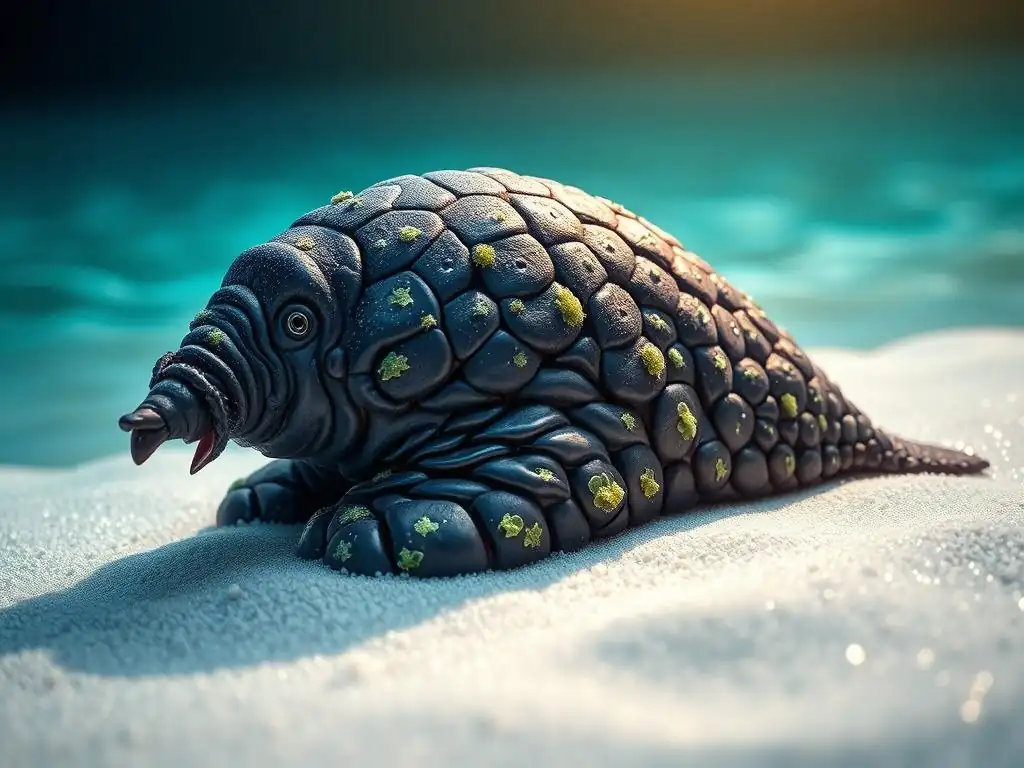
Sea hares stand out among clean-up crews for their unparalleled efficiency in removing hair algae. Their large body size, combined with a specialized feeding apparatus, allows them to consume filamentous algae at a rate far exceeding most snails or crabs. A healthy 4-inch Spotted Sea Hare, for instance, can often clear an area of dense hair algae several square inches in size within a single day. This rapid grazing capability makes them an ideal choice for aquarists facing significant, widespread hair algae outbreaks that are overwhelming other methods of control.
Their method of consumption involves a continuous, methodical grazing pattern. They move slowly across surfaces, systematically devouring algae mats, leaving behind a clean substrate or rockwork. This systematic approach ensures thorough removal, rather than just sporadic nibbling. For tanks experiencing a "green carpet" effect from hair algae, a sea hare can provide a dramatic visual improvement in a relatively short timeframe, often within 1-2 weeks for a moderate outbreak, making them a highly effective and visually rewarding solution for specific algae issues.
Natural Algae Control: Reducing Chemical Use
Opting for a sea hare as an algae control method represents a significant step towards natural reefkeeping and away from chemical interventions. Chemical algaecides, while sometimes effective in the short term, can introduce unwanted substances into the aquarium environment, potentially stressing corals, fish, and beneficial bacteria. They can also lead to rapid oxygen depletion as the dead algae decomposes, posing a significant risk to tank inhabitants. Furthermore, chemicals often address only the symptom (algae) without tackling the underlying nutrient imbalance.
Sea hares, conversely, provide a biological solution that aligns with the principles of a balanced ecosystem. By consuming algae, they naturally export nutrients from the system when their waste is removed, or indirectly by reducing the biomass that would otherwise decompose. This natural approach helps maintain a more stable and healthy environment for all inhabitants, reducing reliance on artificial treatments and promoting a more resilient reef system. Successful sea hare aquarium care integrates them into a holistic approach to tank health.
Promoting a Healthy Reef Ecosystem
Beyond mere algae removal, the presence of sea hares can contribute to the overall health and stability of a reef ecosystem. By efficiently grazing down excessive algae, they prevent the algae from outcompeting corals for light and space, which is a common issue in nutrient-rich tanks. Reduced algae loads also mean less decomposition, which in turn helps to maintain lower nitrate and phosphate levels, crucial for sensitive corals and invertebrates.
Furthermore, a clean, algae-free environment enhances water clarity and allows for better light penetration, benefiting photosynthetic corals and clams. The active grazing of sea hares helps to keep surfaces clean, which can prevent the build-up of detritus and anaerobic pockets. Their natural behavior encourages a more dynamic and balanced biological system, supporting the intricate web of life within the aquarium and contributing to a more vibrant and thriving reef display.
Potential Drawbacks of Sea Hares
Dietary Needs: What Happens When Algae is Gone?
The primary "catch" with sea hares, as alluded to in the title, is their highly specialized and voracious dietary requirement for algae. While this is their strength in combating algae outbreaks, it becomes a significant drawback once the nuisance algae has been consumed. Unlike generalist snails or crabs that can subsist on detritus or supplemental foods, sea hares require a consistent and substantial supply of plant matter. Once the hair algae is depleted, they face starvation very quickly.
A sea hare that runs out of food will rapidly decline in health. Symptoms include lethargy, shrunken appearance, and eventually, death. This short-term utility means that sea hares are often considered a temporary solution for an algae problem, rather than a permanent member of the clean-up crew. Responsible sea hare aquarium care dictates that aquarists must have a plan for what happens when the algae is gone, whether it involves supplemental feeding with macroalgae or dried nori, or rehoming the animal to another tank with an algae issue.
Size and Tank Compatibility Considerations
While many sea hare species are relatively small when purchased, some, like the California Sea Hare, can grow quite large, potentially exceeding 8-10 inches in length. Even the more common Spotted Sea Hare can reach 6-8 inches. This size can be a factor in smaller tanks, where a large sea hare might inadvertently knock over unsecured rockwork or delicate coral frags as it grazes. They require ample open grazing surfaces and space to move without constantly bumping into obstacles.
Compatibility with other tank inhabitants is another important consideration. While sea hares themselves are peaceful and pose no threat to corals or fish, they can be vulnerable to predation. Certain fish species, particularly pufferfish, triggerfish, and some larger wrasses (e.g., specific predatory wrasses), are known to prey on sea hares. Even seemingly docile fish might nip at their soft bodies, causing stress or injury. Before introducing a sea hare, thorough research into the compatibility of all existing tank mates is essential to ensure a safe environment.
Ink Release and Potential Toxicity Concerns
Sea hares possess a unique defense mechanism: when severely stressed or threatened, they can release a purple or reddish-purple ink cloud into the water. This ink, composed of brominated organic compounds, is intended to deter predators in the wild by creating a visual screen and potentially acting as a mild irritant. In the confines of a closed aquarium system, however, this ink release can become a concern.
While rarely fatal in larger, well-maintained systems, the ink can irritate the gills of fish and corals, potentially causing stress or temporary respiratory distress, especially in smaller tanks (under 50 gallons) or if filtration is insufficient. The ink can also temporarily stain silicone or equipment.
If an ink release occurs, immediate action is advised: perform a significant water change (25-50%) and activate carbon filtration to rapidly remove the compounds. Understanding the circumstances that trigger ink release – such as rough handling, aggressive tank mates, or severe stress from poor water quality – is crucial for proper sea hare aquarium care and prevention.
Sea Hare Aquarium Care: A Comprehensive Guide
Setting Up the Ideal Environment
Establishing the right environment is fundamental to successful sea hare aquarium care. While specific needs vary slightly by species, a general rule of thumb for tropical sea hares like Aplysia dactylomela is a minimum tank size of 30-50 gallons for smaller specimens, increasing to 75-100+ gallons for larger species or multiple individuals. The aquarium should feature ample live rock and open substrate areas covered with the nuisance algae they are intended to consume. Securely aquascape your live rock to prevent it from being dislodged by a large, actively grazing sea hare.
Water flow should be moderate and non-turbulent, avoiding direct, strong currents that could dislodge or stress the sea hare. They need areas where they can easily move and graze without being constantly buffeted. Good lighting is important for the growth of the algae they consume, but direct, intense light might not be preferred by the sea hare itself; they often graze in shaded areas or at night. Ensure a stable and mature tank environment before introduction, as sudden changes can be detrimental to their sensitive physiology.
Water Parameters for Optimal Health
Maintaining stable and appropriate water parameters is paramount for the health and longevity of sea hares. For tropical species commonly kept in reef aquariums, the ideal temperature range is 72-78°F (22-26°C). Salinity should be kept stable between 1.023 and 1.026 specific gravity, ideally at 1.025 SG. A pH level of 8.1-8.4 is optimal, consistent with typical reef tank standards.
Alkalinity should be maintained between 8-12 dKH, and calcium levels around 400-450 ppm. While sea hares don't build a hard shell, stable alkalinity and calcium contribute to overall water stability. Most critically, ammonia and nitrite should be undetectable (0 ppm). Nitrates and phosphates should be kept as low as possible, ideally below 10 ppm and 0.03 ppm respectively, but not entirely zero, as they need some nutrients to fuel algae growth. Consistent monitoring of these parameters through regular testing is a vital component of robust sea hare aquarium care.
Feeding Strategies: Supplementing Diet
The most critical aspect of long-term sea hare aquarium care is ensuring a consistent food supply. While their primary purpose is to eradicate nuisance hair algae, once that food source diminishes, supplemental feeding becomes essential to prevent starvation. The preferred supplemental food source for most grazing sea hares is dried seaweed, specifically nori (the type used for sushi). This can be offered by attaching a small piece to a rock with a veggie clip or rubber band, allowing the sea hare to graze on it.
Other suitable options include cultured macroalgae like Chaetomorpha or Gracilaria if available from a refugium or another tank, or high-quality spirulina flakes or algae wafers. It's crucial to observe if the sea hare is actively consuming the offered food. Offer small amounts initially to avoid fouling the water, increasing as needed. If the sea hare is not eating supplemental food and the natural algae supply is exhausted, it indicates significant stress and a need for immediate intervention or rehoming.
Preventing Starvation
Preventing starvation is the single most important challenge in sea hare aquarium care. These animals are voracious eaters, and their natural lifespan in captivity is often cut short due to a lack of adequate food once the initial algae bloom is consumed. Vigilant observation of the sea hare's body condition is key: a healthy sea hare will appear plump and active, while a starving one will look shrunken, lethargic, and may retract its mantle.
Once the hair algae in the tank is noticeably reduced, begin offering supplemental foods immediately, even if there's still some algae present. Don't wait until the algae is completely gone. If the sea hare refuses supplemental food and continues to show signs of starvation, the most humane course of action is to rehome it to another aquarium with a significant algae problem or a public aquarium that can provide specialized care. Planning for this eventuality before acquiring a sea hare is a responsible part of their care.
Introducing Sea Hares to Your Aquarium
Acclimation Procedures
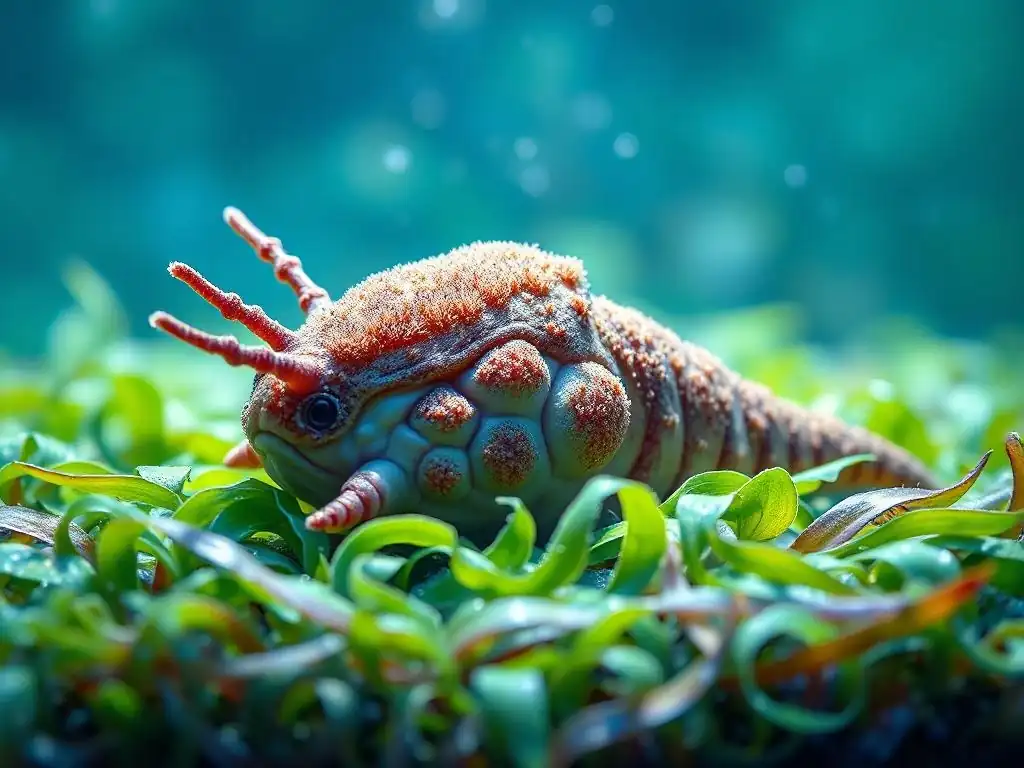
Proper acclimation is crucial for sea hares, as they are sensitive to sudden changes in water parameters, particularly salinity and pH. Drip acclimation is the recommended method to slowly equalize the water chemistry between the shipping bag and the aquarium. Begin by floating the bag in the sump or a separate container for 15-20 minutes to equalize temperature. Then, open the bag and secure it in a bucket or container, ensuring the sea hare remains submerged.
Using airline tubing, set up a slow drip from your display tank into the container, aiming for about 1-2 drips per second. Allow the water volume in the container to slowly double over a period of 1 to 2 hours. Once acclimated, gently net the sea hare (avoiding exposure to air as much as possible) and transfer it to the display tank. Discard the acclimation water; do not add it to your main system. Turning off aquarium lights during and for several hours after acclimation can help reduce stress on the newly introduced animal.
Monitoring Behavior After Introduction
After introducing a sea hare, close observation of its behavior for the first 24-48 hours is essential. A healthy sea hare should begin to move around the tank within a few hours, exploring its new environment and, most importantly, starting to graze on available algae. Look for signs of active movement across rockwork and glass, and visible grazing marks. Initial shyness or resting in a secluded spot is normal, but prolonged inactivity, remaining in one spot for extended periods, or curling up indicates stress.
Pay close attention to how other tank inhabitants react to the new addition. While sea hares are generally peaceful, some fish might exhibit curiosity or even aggression. Ensure no fish are nipping at the sea hare's mantle or tentacles. Consistent monitoring allows for early detection of problems, enabling prompt intervention to address any issues related to water quality, tank mate aggression, or lack of food. This initial monitoring period is a key aspect of successful sea hare aquarium care.
Identifying Signs of Stress
Recognizing signs of stress in a sea hare is vital for timely intervention and preventing decline. One of the most common indicators of stress is lethargy or prolonged inactivity; a healthy sea hare should be actively moving and grazing. A shrunken or deflated appearance, where the body seems to lose its turgidity and looks smaller than usual, is a clear sign of poor health, often due to starvation or declining water quality.
Other signs of stress include excessive ink release (beyond the initial acclimation or handling), rapid or unusual mantle movements, or a reluctance to extend its oral tentacles. If a sea hare consistently stays in one spot, especially if it's not actively grazing, it's a cause for concern. Should any of these signs be observed, immediately check water parameters, assess the available food supply, and consider a partial water change. Addressing these issues promptly is crucial for effective sea hare aquarium care and improving the animal's chances of survival.
Managing Populations and Lifespan in Captivity
Breeding in Aquariums: Is it Possible?
Breeding sea hares in home aquariums is generally not practical or commonly achieved by hobbyists. While sea hares are hermaphroditic (possessing both male and female reproductive organs), they typically require a second individual for successful reproduction. When conditions are favorable, a pair may mate, and the sea hare will lay long, spaghetti-like strings of eggs, often in a characteristic spiral pattern, on rockwork or substrate. These egg masses can contain thousands of tiny eggs.
However, the larval stage of most sea hares is planktonic, meaning the larvae drift in the water column and require specific, often microscopic, food sources and precise water conditions that are extremely difficult to replicate in a typical home aquarium. The vast majority of sea hares available in the aquarium trade are wild-caught. Therefore, aquarists should not rely on captive breeding to sustain a sea hare population or to provide a continuous source of algae control.
Understanding Lifespan Expectations
The lifespan of sea hares, both in the wild and in captivity, is generally quite short, often ranging from 9 to 12 months, and rarely exceeding 18 months. Many species are semelparous, meaning they reproduce once and then die shortly thereafter. This natural life cycle means that even with optimal sea hare aquarium care, they are not long-term inhabitants like many fish or corals.
In a home aquarium setting, their lifespan can be even shorter if their specific needs, particularly their dietary requirements, are not consistently met. Starvation due to the depletion of their primary algae food source is the most common cause of premature death in captivity. This short lifespan reinforces the idea that sea hares are best viewed as a temporary, targeted solution for severe algae outbreaks, rather than a permanent fixture in the clean-up crew. Aquarists should be prepared for their relatively brief stay.
Rehoming Considerations
Given their short lifespan and the ethical imperative to prevent starvation, planning for rehoming is a critical aspect of responsible sea hare aquarium care. Once the nuisance algae in your tank has been significantly reduced or entirely consumed, and if supplemental feeding is not feasible or effective, rehoming the sea hare becomes the most humane option. Releasing a captive-bred or wild-caught sea hare into the natural environment is strictly prohibited and irresponsible, as it can introduce non-native species, diseases, or genetic pollution to local ecosystems.
Instead, explore options such as rehoming it to another aquarist with a significant hair algae problem in their tank, donating it to a local fish store that specializes in marine livestock, or contacting a public aquarium that might be able to provide long-term specialized care. Always ensure the receiving party understands the specific sea hare aquarium care requirements, including its dietary needs and short lifespan. Proactive planning for their eventual departure ensures their well-being and promotes ethical animal husbandry.
Sea Hare vs. Other Algae Eaters: A Comparison
Sea Hares vs. Snails: Which is Better for Hair Algae?
When tackling hair algae, sea hares and snails offer distinct advantages. Sea hares are undeniably superior for rapid, large-scale removal of dense hair algae mats. Their large size and voracious appetite allow them to clear significant patches of filamentous algae in days to weeks. For severe outbreaks, a sea hare is the more effective "shock troop." For example, a single 5-inch sea hare can out-graze a dozen Turbo snails on a dense hair algae patch.
Snails, such as Turbo, Trochus, Nerite, and Nassarius snails, are better suited for continuous, low-level algae control, cleaning glass, rock surfaces, and consuming detritus. They are generally smaller, longer-lived, and less prone to starvation in a typical reef tank. While some snails will graze on hair algae, they rarely make a significant dent in a widespread, thick bloom. Therefore, sea hares are a specialized tool for specific hair algae problems, while snails are a foundational, long-term component of the clean-up crew.
Sea Hares vs. Hermit Crabs: Algae Control Effectiveness
Comparing sea hares to hermit crabs for algae control reveals significant differences in their effectiveness and roles. Hermit crabs (e.g., Blue Leg, Red Leg, Dwarf Zebra) are opportunistic scavengers and omnivores. While they do consume some algae, their diet is more varied, including detritus, uneaten food, and sometimes even other small invertebrates or snails. They are far less specialized in algae consumption than sea hares and are generally ineffective against dense, widespread hair algae outbreaks. A collection of hermit crabs might nibble at algae, but they won't clear large areas like a sea hare.
Furthermore, some hermit crabs can become destructive, knocking over corals or preying on snails if not adequately fed. Sea hares, in contrast, are dedicated grazers that focus almost exclusively on plant matter. For targeted hair algae removal, sea hares are vastly more effective and pose no threat to other clean-up crew members. Hermit crabs are better suited as general detritivores and scavengers, complementing a diverse clean-up crew, rather than being primary algae controllers.
Sea Hares vs. Chemical Treatments: A Natural Approach
The choice between a sea hare and chemical algaecides for algae control highlights a fundamental difference in aquarium management philosophy. Chemical treatments offer a quick, often temporary, fix for algae problems. However, they carry significant risks: potential harm to corals and fish, disruption of beneficial bacterial populations, and the risk of oxygen depletion as dead algae decomposes. They often address only the symptom, not the underlying cause of the algae bloom (e.g., high nutrients). A study on the effects of algaecides showed that even at recommended doses, some products could inhibit calcification in corals by up to 20%.
Sea hares, conversely, represent a natural, biological approach. They consume the algae directly, effectively exporting nutrients from the system when their waste is removed. This method avoids introducing potentially harmful compounds into the tank and promotes a more balanced, self-sustaining ecosystem. While sea hares require specific sea hare aquarium care and are temporary, they offer a safer and more environmentally friendly way to manage algae, aligning with long-term reef health rather than short-term fixes.
Troubleshooting Common Problems
Addressing Starvation and Weight Loss
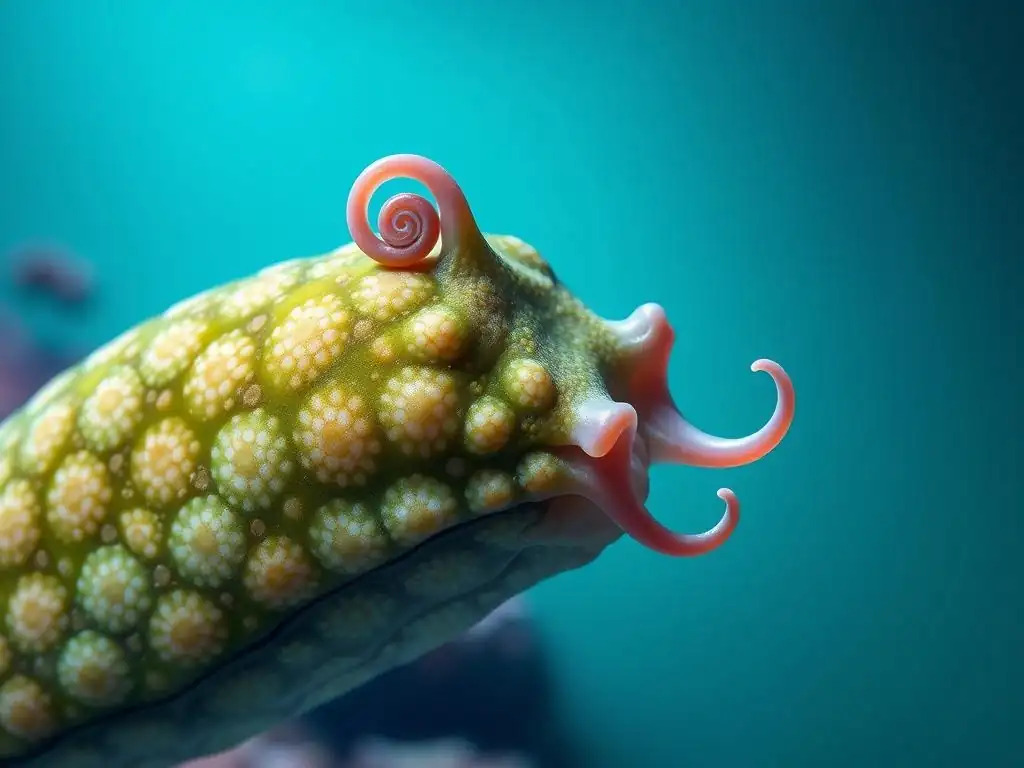
Starvation is the most prevalent issue in sea hare aquarium care and manifests as significant weight loss and a shrunken, deflated appearance. A healthy sea hare should appear plump and firm. If you notice your sea hare looking smaller, lethargic, or inactive, it's a strong indication of insufficient food. The first step is to immediately offer supplemental foods like dried nori (seaweed), attaching it to a rock in an area the sea hare frequents. Observe closely to ensure it is actually consuming the food.
If the sea hare is too weak to graze, or if it consistently refuses supplemental food, its chances of recovery diminish rapidly. In such cases, if you cannot provide a consistent and adequate food source (e.g., by culturing macroalgae in a separate tank), the most humane option is to rehome the animal to an aquarium with a significant algae problem or a public facility equipped for specialized care. Regular monitoring of its body condition is the best preventative measure.
Dealing with Ink Release
While fascinating, ink release by a sea hare is a sign of severe stress or perceived threat. The ink, which creates a purple cloud, is generally not highly toxic in large, well-filtered aquariums, but it can cause irritation to fish and invertebrates, especially in smaller tanks. If you observe an ink release, immediate action is recommended.
First, perform a significant water change, ideally 25-50%, to dilute and remove the ink compounds from the water column. Second, ensure your protein skimmer is running efficiently, and add fresh activated carbon to your filtration system. Activated carbon is highly effective at adsorbing organic compounds, including the ink. Finally, identify and address the stressor: was the sea hare handled roughly? Is a tank mate harassing it? Are water parameters suddenly off? Preventing stress is key to avoiding ink release in the first place, and understanding this behavior is part of comprehensive sea hare aquarium care.
Preventing Predation
Sea hares, with their soft bodies and slow movements, can be tempting targets for certain predatory fish. The most common predators to watch out for in a reef tank include pufferfish, triggerfish, and some larger, more aggressive wrasses (e.g., specific hogfish or predatory wrasses). Housing a sea hare with these types of fish is generally ill-advised, as they are likely to be viewed as a food source.
To prevent predation, thoroughly research the compatibility of all existing tank inhabitants before introducing a sea hare. If you have any fish known to nip at or consume invertebrates, it's best to avoid adding a sea hare. Providing ample hiding spots within the rockwork can offer some refuge, but it's not a guaranteed solution against determined predators. Observation during the first few days after introduction is crucial to ensure peaceful cohabitation and to take corrective action if any aggression is noted.
Are Sea Hares Right for Your Aquarium? Weighing Pros and Cons
Considering Tank Size and Algae Issue
Deciding if a sea hare is right for your aquarium heavily depends on two critical factors: your tank size and the nature of your algae problem. Sea hares are most beneficial for tanks experiencing a significant, widespread outbreak of filamentous hair algae. If you have a minor algae issue or just a few patches, a sea hare might be overkill and will quickly exhaust its food source, leading to starvation. A tank with an algae problem that covers 30-50% of the rockwork is a good candidate for a sea hare.
Furthermore, consider the sea hare's potential adult size. While a Spotted Sea Hare might be suitable for a 30-gallon tank with a severe algae issue, a larger California Sea Hare would require a tank of 75 gallons or more to thrive and move freely. Introducing a sea hare to a tank too small for its eventual size, even if it has an algae problem, is not conducive to good sea hare aquarium care and can lead to stress and premature death.
Evaluating Tank Compatibility
Tank compatibility extends beyond just the presence of algae. It involves assessing all other inhabitants and the overall tank environment. The absence of known predators (like puffers, triggers, or certain wrasses) is non-negotiable. Even seemingly peaceful fish can sometimes nip at a sea hare out of curiosity, causing stress. Ensure your aquascaping is stable and secure, as a larger sea hare can inadvertently dislodge loosely placed rocks or corals.
Consider the long-term commitment. Are you prepared to supplement their diet with nori or other macroalgae once the primary nuisance algae is gone? Do you have a plan for rehoming if you can no longer provide for them? A sea hare is a specialized tool, not a permanent fixture, and requires specific sea hare aquarium care considerations that differ from typical clean-up crew members. A thorough evaluation of these factors will help determine if your tank is truly suitable.
Making an Informed Decision
Making an informed decision about acquiring a sea hare requires a balanced assessment of their remarkable algae-eating capabilities against their unique and demanding care requirements. They are unparalleled in their ability to clear severe hair algae outbreaks, offering a natural and effective solution. However, this benefit comes with the significant "catch" of their short lifespan, high dietary needs, and the risk of starvation once the algae is gone. For example, many aquarists find that a sea hare clears their algae in 2-4 weeks, after which their care becomes a challenge.
Therefore, a sea hare is best suited for aquarists who have a specific, significant hair algae problem, possess a sufficiently sized tank, have no predatory tank mates, and are prepared for the animal's short lifespan and potential need for rehoming or diligent supplemental feeding. They are not a general clean-up crew member but rather a targeted, temporary solution. Understanding these pros and cons thoroughly is essential for responsible sea hare aquarium care and ensuring the well-being of this fascinating invertebrate.
Conclusion: Mastering Sea Hare Care
Recap of Benefits and Challenges
Sea hares stand out as an exceptional biological solution for severe hair algae outbreaks in saltwater aquariums, offering an unparalleled efficiency in consuming large quantities of troublesome filamentous algae. Their natural grazing habits promote a healthier reef ecosystem by reducing nutrient loads and minimizing the need for chemical interventions. This makes them a valuable, albeit temporary, asset for aquarists struggling with persistent green plagues.
However, mastering sea hare aquarium care also means acknowledging their distinct challenges. Their voracious appetite means they can quickly deplete their food source, leading to rapid starvation if not consistently supplemented or rehomed. Their short natural lifespan, sensitivity to water parameters, potential for ink release under stress, and vulnerability to certain predators all require diligent attention and proactive planning. They are not a set-and-forget solution but a specialized tool demanding dedicated oversight.
Resources for Further Learning
To truly master sea hare aquarium care and ensure the well-being of these unique invertebrates, continuous learning is invaluable. Beyond this guide, aquarists are encouraged to delve deeper into marine biology texts focusing on opisthobranch mollusks, which can provide detailed insights into their physiology, behavior, and specific environmental needs. Online reefkeeping forums and communities are excellent resources for connecting with experienced aquarists who can share first-hand accounts and troubleshooting tips.
Furthermore, consulting scientific literature on Aplysia species, particularly those relevant to their diet and lifecycle, can offer a more profound understanding. Reputable marine livestock suppliers and public aquariums may also provide valuable species-specific information and best practices for their care. By leveraging these diverse resources, aquarists can enhance their knowledge and ensure they provide the best possible environment for their sea hares, contributing to both the health of the animal and the stability of their reef system.
Frequently Asked Questions
What exactly are Sea Hares, and are they suitable for all aquariums?
Sea Hares are a type of sea slug renowned for their algae-eating abilities. They are not suitable for all aquariums, especially smaller ones or those lacking sufficient algae growth.
Why are Sea Hares called "The Ultimate Hair Algae Eaters," and what kind of algae do they prefer?
They are called this due to their voracious appetite for hair algae, a common nuisance in saltwater aquariums. They primarily consume filamentous algae, including hair algae and string algae.
What are the potential downsides or "catches" associated with keeping Sea Hares in an aquarium?
One downside is their tendency to release ink when stressed, potentially harming other aquarium inhabitants. They can also starve if the algae is depleted, requiring supplemental feeding.
What specific water parameters are crucial for successful Sea Hare aquarium care, and how often should I test them?
Maintaining stable water parameters is essential. Key parameters include salinity (1.024-1.026), temperature (72-78°F), and pH (8.1-8.4). Test weekly to ensure stability.
Besides algae, what other food sources can I offer my Sea Hare to prevent starvation, and what are the best methods for supplemental feeding?
You can supplement their diet with nori seaweed attached to a clip or seaweed pellets. Offer small amounts regularly to ensure they are getting enough nutrition.
Final Reflection: Embracing Nature's Solutions, Responsibly
The intricate dance between natural solutions and responsible implementation, as explored in the context of sea hares and aquarium algae control, is more relevant than ever. Our pursuit of sustainable practices must always be tempered with a deep understanding of the ecosystems we seek to manipulate. The potential benefits of these fascinating creatures are undeniable, but only through informed and cautious application can we truly harness their power without causing unintended harm.
The journey into understanding sea hares has highlighted the delicate balance within our aquariums and, by extension, the larger marine environment. This exploration has reinforced the importance of continuous learning and ethical consideration in our interactions with nature. Look deep into nature, and then you will understand everything better.
- Albert Einstein. This quote resonates deeply as we consider the potential and the pitfalls of introducing any organism, even one as seemingly beneficial as the sea hare, into a closed ecosystem.
As you consider the information presented, I encourage you to reflect on your own role in promoting responsible aquarium keeping. Are you prepared to provide the necessary care and environment for a sea hare to thrive? Are you committed to researching and understanding the potential consequences of your actions? The future of our hobby, and indeed the health of our oceans, depends on our collective commitment to informed and ethical practices. Let us strive to be not just keepers of aquariums, but stewards of the marine world.
Dive Deeper: Supercharge Your Algae Control Now!
Thank you for exploring the fascinating world of sea hares with us! We hope you've gained valuable insights into these unique algae eaters and their potential role in your aquarium. Now, let's put that knowledge into action!
- Carefully Consider introducing a sea hare to your aquarium based on your specific algae needs and tank size, and remember to supplement their diet when algae are scarce. This is your primary action!
- Share this article with fellow reefing enthusiasts who might benefit from learning about sea hares. Let's spread the knowledge!
- Research compatible tank mates for sea hares to ensure a peaceful and thriving aquarium environment.
Ready to assess your algae situation and determine if a sea hare is the right fit for your reef?