
Sulawesi Snails (Tylomelania): A Colorful Array from Ancient Lakes Explored

Welcome to Aquarium Mastery!
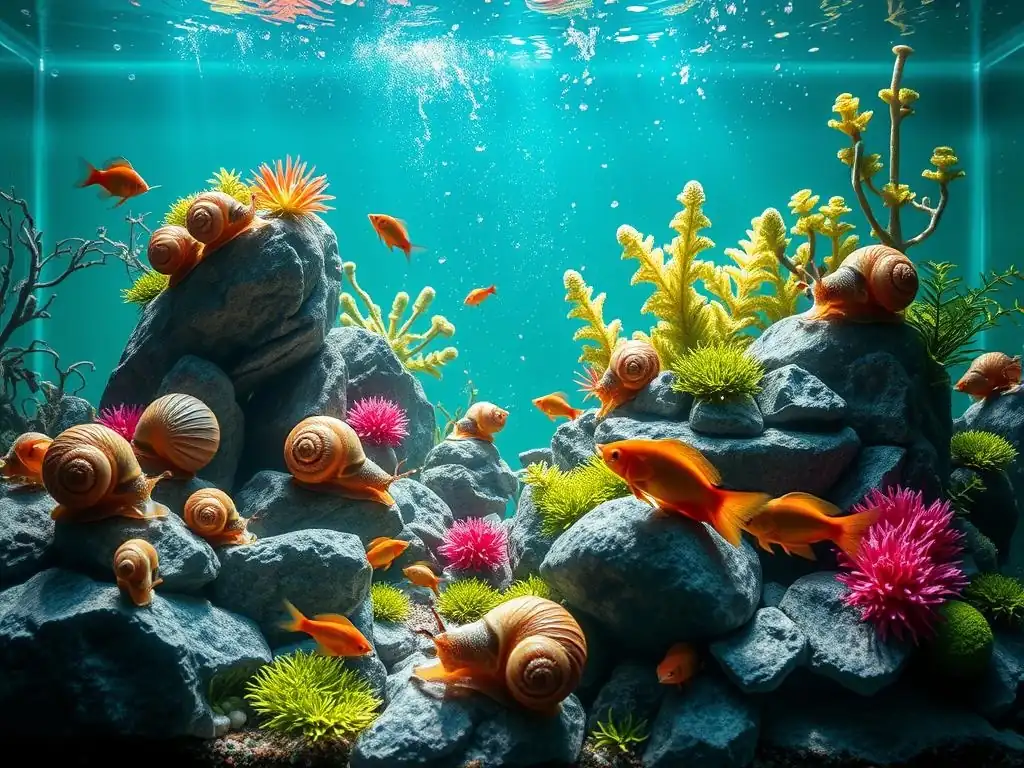
Ever wondered about adding a touch of the exotic to your freshwater aquarium? Dive into the vibrant world of Sulawesi snails – fascinating creatures with stunning colors and unique behaviors. This Sulawesi snail care guide unlocks the secrets to successfully keeping these gems from ancient lakes. Get ready to explore their specific needs and create a thriving habitat where they can truly flourish. Intrigued? Let's uncover the mysteries of these remarkable invertebrates!
- Sulawesi Snails (Tylomelania): A Colorful Array from Ancient Lakes
- Introduction to Sulawesi Snails: Unveiling the Wonders of Tylomelania
- Sulawesi Snail Care Guide: Essential Information for Aquarists
- Setting Up the Ideal Sulawesi Snail Tank Environment
- Sulawesi Snail Diet and Feeding Habits: Ensuring Optimal Nutrition
- Sulawesi Snail Tank Mates: Choosing Compatible Species
- Sulawesi Snail Breeding: A Guide to Reproduction in Captivity
- Common Sulawesi Snail Problems and Solutions: Troubleshooting Guide
- Different Varieties of Sulawesi Snails: Exploring the Diversity of Tylomelania
- Purchasing Sulawesi Snails: Selecting Healthy Specimens
- Conclusion: Mastering Sulawesi Snail Care for a Thriving Aquarium
-
Frequently Asked Questions
- What are Sulawesi snails, and what makes them unique?
- What are the key considerations when setting up a Sulawesi snail aquarium?
- What do Sulawesi snails eat, and how often should they be fed?
- Are Sulawesi snails compatible with other aquarium inhabitants?
- What are some common problems encountered with Sulawesi snails, and how can they be addressed?
- Final Reflection: Unveiling the Wonders of Sulawesi Snails
- Unleash the Beauty of Sulawesi in Your Aquarium!
Sulawesi Snails (Tylomelania): A Colorful Array from Ancient Lakes
Introduction to Sulawesi Snails: Unveiling the Wonders of Tylomelania
What are Sulawesi Snails (Tylomelania)? A Brief Overview
Sulawesi snails, scientifically classified under the genus Tylomelania, are a fascinating group of freshwater snails originating from the ancient, biodiverse lakes of Sulawesi, Indonesia. These unique gastropods are primarily found in the Malili Lake system (e.g., Lake Matano, Lake Towuti) and Lake Poso, which are renowned for their stable, warm, and highly alkaline water conditions.
Unlike many common aquarium snails, Tylomelania species are characterized by their distinctive, elongated, conical shells that can exhibit a wide array of textures, from smooth to heavily ridged or spiked, and vibrant body colors ranging from bright yellows and oranges to deep chocolates and blacks.
These snails are relatively large compared to other freshwater aquarium snails, with many species reaching an average adult size of 2 to 4 inches (5 to 10 cm), though some can grow up to 5 inches (12.5 cm) or more. Their slow, deliberate movement and peaceful demeanor make them a unique addition to the freshwater aquarium. Understanding the specific environmental needs of these unique creatures is paramount, making a comprehensive Sulawesi snail care guide essential for any aquarist considering them.
The Allure of Sulawesi Snails: Why They're Popular in Aquariums
The captivating appearance of Sulawesi snails is undoubtedly a primary reason for their growing popularity within the aquarium hobby. Their striking body colors and diverse shell patterns transform them into living ornaments, adding a dynamic aesthetic element to any well-maintained freshwater tank. Beyond their visual appeal, these snails also serve a practical role as efficient detritivores, diligently consuming decaying plant matter, biofilm, and leftover food, thereby contributing to a cleaner and healthier aquarium environment.
Their peaceful temperament ensures they are excellent candidates for community tanks, coexisting harmoniously with a wide array of non-aggressive fish and other invertebrates. Furthermore, their unique viviparous reproduction, where they give birth to fully formed miniature snails rather than laying eggs, adds another layer of intrigue for aquarists observing their life cycle. This combination of beauty, utility, and fascinating biology underscores why a detailed Sulawesi snail care guide is frequently sought after by enthusiasts eager to successfully keep these magnificent invertebrates.
Sulawesi Snail Care Guide: Essential Information for Aquarists
Understanding Tylomelania Snail Needs: A Comprehensive Guide
Successful Sulawesi snail care hinges on replicating the stable and specific conditions of their natural habitat. These snails originate from ancient lakes characterized by consistently warm temperatures and hard, alkaline water, which are crucial for their overall health and particularly for the integrity of their shells. Unlike some more adaptable snail species, Tylomelania are sensitive to sudden fluctuations in water chemistry, making stability a cornerstone of their care.
A well-established and mature aquarium is highly beneficial for Sulawesi snails, as it provides a stable biological filter and a consistent source of biofilm and micro-organisms for them to graze upon. Their diet is primarily detritus-based, necessitating a consistent supply of decaying organic matter, supplemented with appropriate foods. Adhering to a detailed Sulawesi snail care guide that emphasizes stable parameters, appropriate diet, and a calm environment will significantly increase the likelihood of these snails thriving in captivity.
Key Parameters for Sulawesi Snail Tank Setup
Maintaining precise water parameters is the most critical aspect of any effective Sulawesi snail care guide. These snails require consistently warm, hard, and alkaline water to flourish. The ideal temperature range for most Tylomelania species is between 78°F and 86°F (25.5°C to 30°C), with stability being more important than hitting an exact number. A stable temperature prevents stress and supports their metabolic processes.
The pH level should be maintained in the alkaline range, typically between 7.8 and 8.5. General Hardness (GH) is crucial for shell development and should be kept high, ideally between 8-15 dGH (degrees of General Hardness), which translates to approximately 140-260 ppm. Carbonate Hardness (KH) should also be robust, ranging from 5-10 dKH (90-180 ppm), as it acts as a buffer, preventing sudden pH drops.
Furthermore, like all aquatic inhabitants, Sulawesi snails are intolerant of ammonia and nitrite, which should always be at zero, while nitrates should be kept below 20 ppm through regular water changes. Consistent monitoring with reliable test kits is indispensable for adhering to this vital Sulawesi snail care guide.
Setting Up the Ideal Sulawesi Snail Tank Environment
Tank Size and Substrate Considerations for Tylomelania Snails
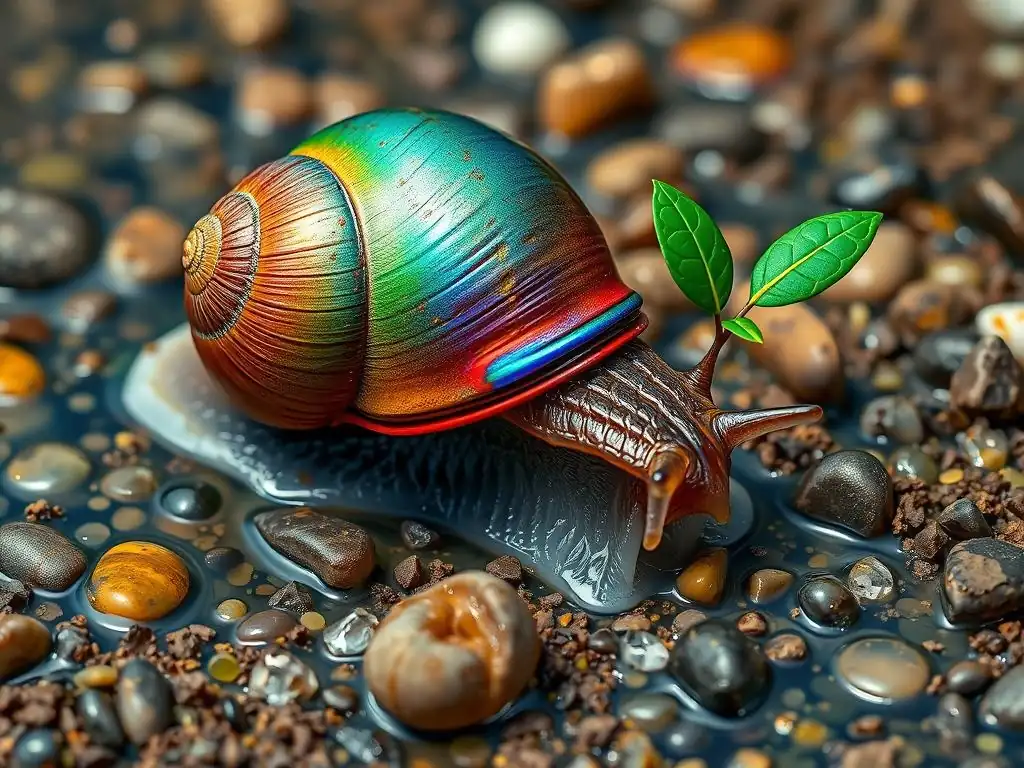
When setting up an aquarium for Sulawesi snails, tank size is an important consideration, particularly given their relatively large adult size. While a single snail might temporarily inhabit a 5-gallon tank, a minimum of 10 gallons is recommended for a pair, and a 20-gallon or larger aquarium is ideal for a small colony, providing greater stability and space for foraging. Larger tanks also allow for more consistent water parameters, which is a critical component of a successful Sulawesi snail care guide.
The choice of substrate is equally important. Sulawesi snails spend a significant amount of time foraging along the bottom and can occasionally burrow shallowly. Therefore, a fine, smooth substrate such as sand or very fine, smooth gravel is highly recommended. Sharp or coarse gravel can potentially damage their soft foot or delicate antennae as they move. Substrates like CaribSea Super Naturals Aquarium Sand or Seachem Flourite Black Sand are excellent choices, providing a safe and comfortable environment for these unique snails to explore and feed.
Water Chemistry: Achieving Optimal Conditions for Sulawesi Snails
Achieving and maintaining the specific water chemistry required by Sulawesi snails is fundamental to their long-term health. As previously noted in this Sulawesi snail care guide, these snails necessitate warm, hard, and alkaline conditions. For aquarists with naturally soft or acidic tap water, several methods can be employed to adjust parameters. Incorporating crushed coral, aragonite sand, or specialized mineral supplements designed for invertebrates (such as Seachem Equilibrium or SaltyShrimp GH/KH+) into the substrate or filter can gradually increase both GH and KH, providing essential minerals for shell development.
Regular, small water changes of 10-20% weekly are crucial for maintaining water quality and preventing the buildup of harmful nitrates. It is imperative that the new water is meticulously temperature-matched and treated with a dechlorinator. Furthermore, when introducing new snails, a slow drip acclimation process, extending over several hours, is highly recommended to minimize stress from sudden changes in water parameters, ensuring a smooth transition into their new habitat.
Filtration and Aeration for a Healthy Sulawesi Snail Habitat
Effective filtration is a cornerstone of any comprehensive Sulawesi snail care guide, ensuring the removal of waste products and maintenance of clear water without creating excessive currents. Sponge filters are an excellent choice for Sulawesi snail tanks due to their gentle flow, efficient biological filtration, and snail-safe design, preventing smaller snails or babies from being sucked in. Hang-on-back (HOB) filters can also be used, but it's advisable to add a pre-filter sponge over the intake to protect the snails.
While Sulawesi snails do not require vigorous aeration, a gentle surface agitation from the filter outflow or the addition of an air stone can provide beneficial oxygenation, especially in warmer water where oxygen solubility is lower. The primary goal is to maintain excellent water quality and provide adequate biological filtration to process ammonia and nitrites, ensuring a stable and healthy environment that mimics their natural lake habitats.
Lighting Requirements for Sulawesi Snail Tank
Regarding lighting, Sulawesi snails themselves do not have specific illumination requirements. Their activity patterns are often observed to be higher during dimmer conditions or at night, suggesting they are not particularly light-dependent. Therefore, the lighting setup in a Sulawesi snail tank is primarily dictated by the needs of any live plants that may be present or simply for aesthetic viewing purposes.
Moderate lighting is generally sufficient for most planted tanks that are suitable for these snails. It is advisable to avoid excessively bright or prolonged lighting, as this can encourage the proliferation of undesirable algae species, such as green spot algae or hair algae, which may not be a primary food source for Tylomelania or could simply detract from the tank's appearance. A typical 8-10 hour light cycle is usually adequate for both plants and the snails' comfort.
Sulawesi Snail Diet and Feeding Habits: Ensuring Optimal Nutrition
What Do Sulawesi Snails Eat? A Detailed Look at Their Diet
Sulawesi snails are primarily detritivores and scavengers, naturally grazing on biofilm, algae, decaying plant matter, and any leftover food particles in their environment. In the aquarium, a varied and balanced diet is crucial for their long-term health and vibrant coloration. While they will consume some forms of algae, they are not highly effective algae eaters like some other snail species; instead, they prefer softer, decaying organic material.
Their diet should be supplemented with sinking foods specifically designed for invertebrates or omnivorous bottom dwellers. Excellent options include high-quality algae wafers (e.g., Hikari Sinking Wafers), spirulina flakes, and blanched vegetables such as zucchini slices, spinach, or kale. Specialized snail foods that incorporate a blend of plant matter and calcium are also highly beneficial. Offering a diverse range of these foods ensures they receive all necessary nutrients, a key aspect of a comprehensive Sulawesi snail care guide.
Supplementing Your Sulawesi Snail's Diet: Essential Nutrients
Beyond their primary diet of detritus and prepared foods, supplementing essential nutrients is vital, particularly calcium, which is indispensable for maintaining strong, healthy shells. Inadequate calcium can lead to shell erosion, pitting, or even cracks, significantly impacting the snail's health and lifespan. Aquarists can provide calcium through various methods: incorporating a piece of cuttlebone into the tank, feeding calcium-rich vegetables like blanched broccoli, or offering specialized snail foods that are fortified with calcium.
While calcium is paramount, a small amount of protein is also beneficial for their overall health and growth. This can be provided through occasional feedings of specialized invertebrate pellets or small amounts of high-quality fish food that sinks. It is important to remember that all additions to their diet should be done in moderation, ensuring that the water quality remains pristine. This careful attention to nutrition is a cornerstone of any effective Sulawesi snail care guide.
Avoiding Overfeeding: Maintaining Water Quality and Snail Health
One of the most common pitfalls in aquarium keeping, and particularly in Sulawesi snail care, is overfeeding. While it might seem beneficial to offer an abundance of food, overfeeding quickly leads to an accumulation of uneaten food, which decomposes and releases harmful ammonia and nitrites into the water. This rapid degradation of water quality can severely stress Sulawesi snails, making them susceptible to illness and even leading to fatalities.
To prevent overfeeding, offer food in small quantities, observing how quickly it is consumed. A good practice is to provide only what the snails can finish within a few hours. Any uneaten food should be promptly removed from the tank to prevent it from fouling the water. Maintaining excellent water quality through responsible feeding practices and regular water changes is paramount for the health of your Sulawesi snails and is a critical point emphasized in every reliable Sulawesi snail care guide.
Sulawesi Snail Tank Mates: Choosing Compatible Species
Best Tank Mates for Sulawesi Snails: A Community Tank Guide
Selecting appropriate tank mates is crucial for a thriving Sulawesi snail habitat, as their peaceful and relatively slow-moving nature makes them vulnerable to aggressive or predatory species. The best tank mates for Sulawesi snails are small, non-aggressive fish that share similar water parameter preferences, particularly tolerating warm, hard, and alkaline water. Ideal choices include various peaceful tetras such as Neon Tetras, Ember Tetras, or Glowlight Tetras, as well as Rasboras like Harlequin Rasboras or Chili Rasboras.
Small, peaceful bottom dwellers like Otocinclus catfish or Corydoras catfish (provided the water is warm enough for Corydoras) can also coexist harmoniously. Other excellent invertebrate companions include various species of freshwater shrimp, such as Amano shrimp or Neocaridina shrimp (e.g., Cherry Shrimp, Blue Dream Shrimp), which pose no threat to the snails and contribute to tank cleanliness. The core principle of this Sulawesi snail care guide section is to choose species that will not harass, outcompete, or prey upon your snails.
Incompatible Species: Protecting Your Tylomelania Snails
Understanding which species are incompatible with Sulawesi snails is just as important as knowing the best tank mates. Introducing aggressive, predatory, or overly boisterous fish can lead to stress, injury, or even death for your peaceful Tylomelania. Fish known for their snail-eating habits, such as most species of loaches (e.g., Clown Loaches, Yoyo Loaches), pufferfish, and many larger cichlids, should be strictly avoided. These fish can easily prey on Sulawesi snails, especially smaller or younger specimens.
Additionally, certain fish that are prone to nipping at fins or antennae, such as some larger barbs or gouramis, could potentially harass Sulawesi snails, causing them to retreat into their shells and become stressed, impacting their feeding and overall well-being. While other fast-breeding snail species might not directly harm Tylomelania, they could outcompete them for food resources, making it harder for your Sulawesi snails to thrive. A critical aspect of any comprehensive Sulawesi snail care guide is to safeguard these unique invertebrates from unsuitable tank companions.
Sulawesi Snail Breeding: A Guide to Reproduction in Captivity
Understanding Sulawesi Snail Reproduction: Viviparous Nature
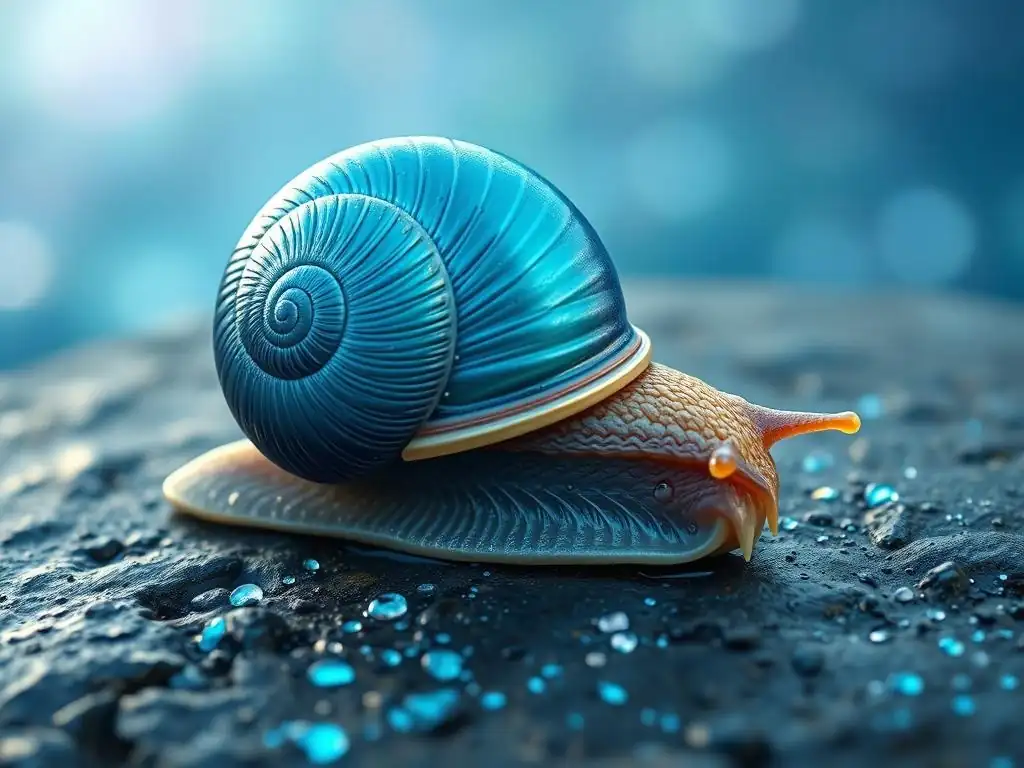
One of the most fascinating aspects of Sulawesi snails is their unique reproductive strategy: they are viviparous. Unlike many other freshwater snails that lay clutches of eggs on surfaces, Tylomelania females carry their eggs internally, where they develop until they are ready to be born as fully formed, miniature versions of the adult snails. This live-bearing nature means aquarists will never find egg clutches scattered throughout their tank.
The reproduction rate of Sulawesi snails is relatively slow compared to prolific egg-laying species. A female will typically give birth to a single baby snail every few weeks to months, depending on the species, environmental conditions, and individual health. Distinguishing between male and female Sulawesi snails visually is generally impossible, as there are no obvious external differences. This slow, viviparous reproduction makes them a more manageable species for preventing overpopulation in an aquarium, a point often highlighted in a thorough Sulawesi snail care guide.
Creating Breeding Conditions: Encouraging Tylomelania Reproduction
While Sulawesi snails are not prolific breeders, they will reproduce naturally in a well-maintained aquarium that consistently meets their specific environmental needs. The key to encouraging Tylomelania reproduction lies in providing stable, optimal water parameters—specifically warm, hard, and alkaline conditions—as detailed earlier in this Sulawesi snail care guide. A stable environment minimizes stress, which is crucial for successful breeding.
Beyond water chemistry, a consistent and abundant food supply is paramount. Well-fed snails are healthier and more likely to reproduce. Ensuring a varied diet, as discussed in the feeding section, provides the necessary nutrients for reproductive health. A mature tank with plenty of biofilm for grazing and adequate hiding spots also contributes to a low-stress environment conducive to breeding. While you cannot "force" them to breed, maintaining ideal conditions will naturally encourage healthy adult snails to reproduce over time.
Caring for Baby Sulawesi Snails: Ensuring Their Survival
The care of baby Sulawesi snails is relatively straightforward, as they emerge as miniature replicas of the adults and require the same fundamental conditions. Their primary needs revolve around access to food and protection from predation or harsh tank conditions. Immediately upon birth, baby snails will begin to forage, so ensuring there is plenty of fine particulate matter, biofilm, and crushed high-quality food (like algae wafers or spirulina) available on the substrate is important.
Protection from filtration systems is also critical; if using a filter with an exposed intake, a sponge pre-filter should be used to prevent the tiny snails from being sucked in. Providing ample hiding spots among decor, smooth rocks, or live plants will offer refuge from larger tank mates, even peaceful ones, and allow them to feel secure. Due to their slow growth rate, patience is key when raising baby Sulawesi snails, but successful rearing is a rewarding aspect of following a comprehensive Sulawesi snail care guide.
Common Sulawesi Snail Problems and Solutions: Troubleshooting Guide
Shell Problems in Sulawesi Snails: Causes and Treatments
Shell problems are among the most common issues encountered in Sulawesi snail care, often signaling underlying environmental deficiencies. Shell erosion or pitting is a frequent concern, typically caused by insufficient calcium in the water, water that is too soft, or acidic pH levels. To treat this, aquarists should increase the General Hardness (GH) and Carbonate Hardness (KH) using crushed coral, aragonite, or mineral supplements, and ensure the pH remains in the alkaline range (7.8-8.5). Supplementing their diet with calcium-rich foods also helps.
Cracked or damaged shells can result from physical injury, such as being dropped or crushed, or from extreme, rapid fluctuations in water parameters that weaken the shell structure. Prevention involves maintaining a stable tank environment, ensuring a smooth substrate, and careful handling. While minor shell damage can sometimes repair over time, severe damage can be fatal.
White spots or a fuzzy film on the shell often indicate fungal or bacterial issues, usually stemming from poor water quality. The solution involves improving water quality through diligent water changes and reducing organic waste by avoiding overfeeding. Addressing these issues promptly is vital for a thorough Sulawesi snail care guide.
Sulawesi Snail Behavior: Recognizing Signs of Stress or Illness
Observing the behavior of your Sulawesi snails is a critical component of proactive Sulawesi snail care, as it can provide early warnings of stress or illness. Prolonged inactivity or a significant lack of movement can be a strong indicator of poor water quality, inadequate food, or disease. Healthy snails are typically active foragers, constantly moving across surfaces or burrowing slightly into the substrate. If a snail remains motionless for extended periods and does not respond to gentle stimuli (like a light touch), it warrants immediate investigation of water parameters (ammonia, nitrite, nitrate, pH, GH, KH, temperature) and food availability.
Retreating deeply into their shell for extended periods without emerging for food or exploration is another sign of stress or discomfort. This could be due to unsuitable water conditions, aggressive tank mates, or the presence of harmful chemicals. In severe cases, a snail might lose its operculum (the "trapdoor" that seals its shell) or exhibit a shriveled foot, which are often signs of severe distress or imminent death and are difficult to reverse. Recognizing these behavioral cues quickly, as highlighted in this Sulawesi snail care guide, allows for timely intervention to correct environmental issues.
Preventing Parasites and Diseases: Maintaining a Healthy Snail Population
Preventing parasites and diseases is a crucial aspect of maintaining a healthy Sulawesi snail population. The most effective preventative measure is to quarantine all new aquatic inhabitants, including snails, fish, and plants, for a period of 2-4 weeks in a separate tank. This allows you to observe them for any signs of illness, parasites (such as planaria or hydra), or external growths before introducing them to your main display tank, thereby preventing the spread of potential pathogens.
Beyond quarantine, maintaining excellent water quality through consistent water changes, proper filtration, and avoiding overfeeding is the best defense against most diseases. A clean, stable environment reduces stress on the snails' immune systems, making them less susceptible to opportunistic infections. It is also paramount to avoid using medications toxic to invertebrates in a Sulawesi snail tank.
Many common fish medications, particularly those containing copper or certain dyes, are lethal to snails. Always check product labels carefully. Finally, a proper diet ensures the snails have strong immune systems, further reducing their vulnerability, reinforcing a core tenet of this Sulawesi snail care guide.
Different Varieties of Sulawesi Snails: Exploring the Diversity of Tylomelania
Chocolate Rabbit Snail (Tylomelania gemmifera): A Popular Variety
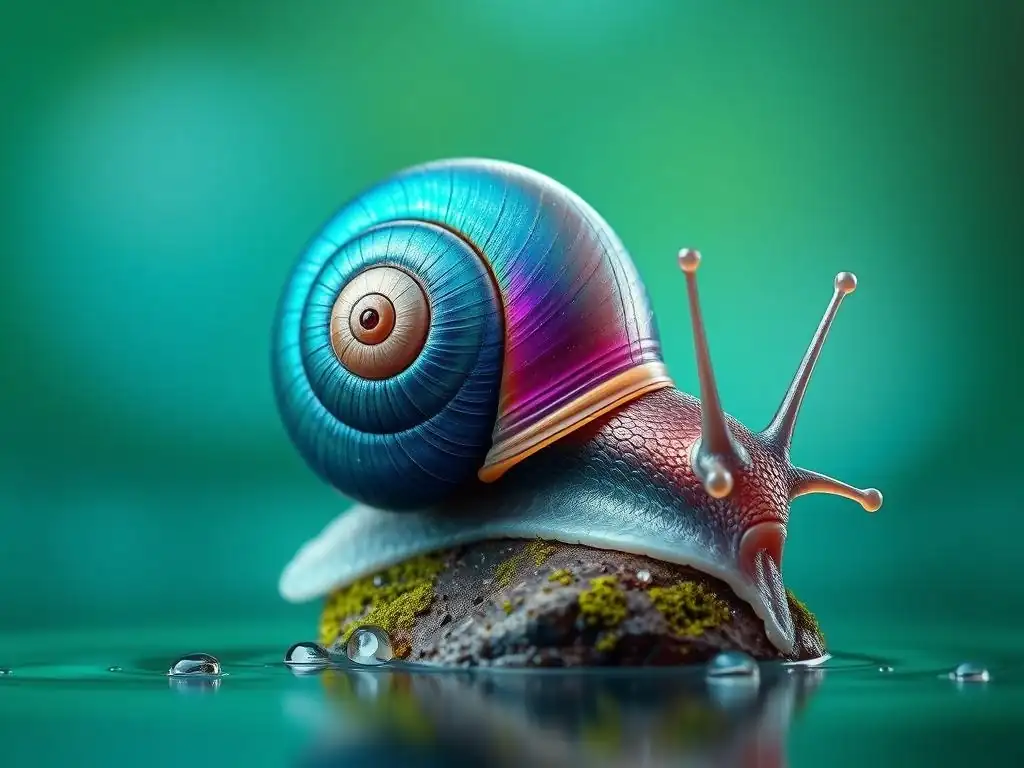
The Chocolate Rabbit Snail, scientifically known as Tylomelania gemmifera, is one of the most recognized and popular varieties of Sulawesi snails in the aquarium hobby. This species is celebrated for its distinctive appearance, featuring a dark brown or black body that often displays subtle lighter speckles or stripes, contrasting with its typically dark, elongated conical shell. The shell itself can vary in texture but often has a relatively smooth finish, sometimes exhibiting a prominent siphon that resembles a "rabbit ear," giving rise to its common name.
Originating primarily from the Lake Poso system and surrounding areas in Sulawesi, Tylomelania gemmifera can reach an impressive adult size of 3 to 4 inches (7.5 to 10 cm). They are active scavengers, constantly exploring the tank substrate and decor in search of food. Their robust nature and relatively straightforward care requirements, assuming the specific water parameters outlined in this Sulawesi snail care guide are met, contribute to their status as an excellent choice for aquarists interested in Tylomelania species.
Yellow Poso Snail (Tylomelania perfecta): Another Attractive Sulawesi Snail
The Yellow Poso Snail, identified as Tylomelania perfecta, is another highly attractive and sought-after species among Sulawesi snail enthusiasts. This variety is instantly recognizable by its striking, vibrant yellow or bright orange body, which creates a stunning contrast against its dark, often black or deep brown, conical shell. The shell typically remains smooth, devoid of significant ridges or spikes, further highlighting the snail's brilliant body coloration.
Endemic to Lake Poso in Sulawesi, Tylomelania perfecta generally reaches a size of 2 to 3 inches (5 to 7.5 cm), making it slightly smaller than some of its rabbit snail counterparts. Like other Tylomelania species, they are peaceful and spend their time foraging on various surfaces within the aquarium. Their captivating color makes them a focal point in any tank, and their care requirements align perfectly with the comprehensive Sulawesi snail care guide provided, demanding warm, hard, and alkaline water for optimal health.
Orange Poso Snail (Tylomelania sp. ): A Vibrant Addition
The Orange Poso Snail, often referred to as Tylomelania sp. (indicating it may be an undescribed species or a complex of similar species), is a truly vibrant addition to the Sulawesi snail lineup. This variety is prized for its intense orange to reddish-orange body coloration, which stands out dramatically against its typically dark brown to black, conical shell. The shell texture can vary from relatively smooth to slightly rough, adding to its unique charm.
While its exact origin within the Sulawesi lake system might be less precisely identified than T. perfecta, it is generally believed to hail from the Lake Poso system or nearby waters. Orange Poso Snails can grow to a considerable size, often reaching 3 to 4 inches (7.5 to 10 cm).
Their striking coloration and peaceful nature make them a popular choice for aquarists looking to add a splash of color and unique invertebrate life to their tanks. All the general principles of this Sulawesi snail care guide, including specific water parameters and diet, apply equally to this beautiful and captivating variety.
Purchasing Sulawesi Snails: Selecting Healthy Specimens
Where to Buy Sulawesi Snails: Reputable Sources
When considering adding Sulawesi snails to your aquarium, selecting healthy specimens from reputable sources is paramount for their long-term well-being and to prevent introducing diseases into your established tank. Specialized online invertebrate stores are often the best choice, as they typically have experience with Tylomelania species, understand their specific needs, and often provide detailed information about their origin and care. Examples of such sources include dedicated aquatic invertebrate retailers known for their quality livestock.
Local fish stores (LFS) can also be a good option, but it's crucial to choose an LFS with a strong reputation for invertebrate care. Observe the conditions of their tanks, ask about their water parameters for the snails, and inquire about their acclimation and quarantine procedures. Avoid impulse buys from sources where the snails appear stressed or the tanks are poorly maintained. Purchasing from private breeders or at aqua swap meets can also be viable, provided the seller is knowledgeable and transparent about their stock and care practices, aligning with the principles of a responsible Sulawesi snail care guide.
Identifying Healthy Sulawesi Snails: What to Look For
Identifying healthy Sulawesi snails before purchase is a crucial step in ensuring a successful addition to your aquarium. A healthy snail should be active and mobile, either moving around the tank, exploring surfaces, or clinging firmly to decor. Avoid snails that are lying upside down and unresponsive to touch, as this can be a sign of severe stress or even death.
Examine the shell condition carefully. It should appear solid, without significant cracks, deep pitting, or excessive erosion. While minor cosmetic imperfections can occur, extensive damage indicates poor previous care. The snail's body condition should also be robust; the foot should appear plump, not shriveled, and there should be no visible signs of damage, fungal growths, or external parasites on the body or antennae.
The operculum (the "trapdoor") should be intact and firmly attached. A strong foul odor emanating from a snail is a definitive sign of death, so avoid such specimens. Adhering to these inspection points is a vital part of any practical Sulawesi snail care guide.
Conclusion: Mastering Sulawesi Snail Care for a Thriving Aquarium
The Rewards of Keeping Sulawesi Snails: Beauty and Functionality
Mastering Sulawesi snail care truly unlocks a world of beauty and practical benefits for the freshwater aquarium enthusiast. These unique invertebrates, with their striking array of colors and distinctive shell patterns, serve as captivating living decorations, adding a dynamic and exotic aesthetic to any tank. Beyond their visual appeal, their role as diligent detritivores contributes significantly to a cleaner and more balanced aquarium ecosystem, as they tirelessly graze on biofilm, decaying plant matter, and leftover food, reducing the need for manual cleaning in certain areas.
The satisfaction derived from successfully maintaining a thriving colony of these fascinating creatures, observing their peaceful behaviors and unique viviparous reproduction, is immensely rewarding. While their specific requirements for warm, hard, and alkaline water demand attention, the detailed guidance provided in this Sulawesi snail care guide ensures that aquarists can provide an optimal habitat, leading to robust health and a long lifespan for these remarkable inhabitants.
Further Resources for Sulawesi Snail Enthusiasts
For those passionate about delving deeper into the intricate world of Sulawesi snails, a wealth of further resources is available to enhance your knowledge and refine your Sulawesi snail care practices. Engaging with online forums and dedicated communities focused on freshwater invertebrates and specific Tylomelania species can provide invaluable insights, peer support, and opportunities to learn from experienced aquarists. These platforms often share real-world experiences, troubleshooting tips, and even opportunities to acquire rare varieties.
Additionally, consulting specialized books on freshwater invertebrates or scientific articles related to the Tylomelania genus can offer a more profound understanding of their biology, natural habitats, and specific species variations. Websites like Aquarium Mastery, with their detailed species profiles and care guides, serve as comprehensive starting points for aquarists at all levels. Continuous learning and active participation in the aquatic community are key to excelling in Sulawesi snail care and fully appreciating these ancient lake inhabitants.
Frequently Asked Questions
What are Sulawesi snails, and what makes them unique?
Sulawesi snails, scientifically known as Tylomelania, are a group of freshwater snails native to the ancient lakes of Sulawesi, Indonesia. They are admired for their vibrant colors and unique shell shapes.
What are the key considerations when setting up a Sulawesi snail aquarium?
Setting up a Sulawesi snail aquarium requires attention to water parameters. Maintaining a stable pH, proper hardness, and warm temperature is crucial for their health. A sandy substrate is also preferred.
What do Sulawesi snails eat, and how often should they be fed?
Sulawesi snails are primarily detritivores and algae eaters. Supplement their diet with algae wafers and blanched vegetables to ensure they receive adequate nutrition. Feed them a couple of times a week.
Are Sulawesi snails compatible with other aquarium inhabitants?
Sulawesi snails are generally peaceful but are slow-moving, so they shouldn’t be housed with aggressive fish. Avoid fish that might nibble on their antennae. Peaceful tank mates are recommended for successful cohabitation.
What are some common problems encountered with Sulawesi snails, and how can they be addressed?
Common problems include shell erosion due to low calcium levels and sensitivity to copper. Ensure proper water parameters and avoid medications containing copper. Proper water quality is essential.
Final Reflection: Unveiling the Wonders of Sulawesi Snails
The vibrant tapestry of life within Sulawesi's ancient lakes, as we've explored, underscores the fragility and beauty of endemic species. The unique Tylomelania snails, with their diverse forms and captivating colors, are not merely aquarium inhabitants, but living testaments to the power of evolution and the importance of conservation in the face of habitat loss and unsustainable practices. Their existence is a stark reminder of our responsibility to protect these delicate ecosystems.
The allure of these snails extends beyond the aquarium hobby; it touches upon our understanding of biodiversity and the interconnectedness of life. Personally, I find their resilience and adaptability within such a specialized environment incredibly inspiring, highlighting the hidden wonders that exist in often-overlooked corners of the world. In the end, we will conserve only what we love; we will love only what we understand; and we will understand only what we are taught.
- Baba Dioum. This quote perfectly encapsulates the need for education and awareness to safeguard these remarkable creatures.
Now, armed with a deeper understanding of Sulawesi snail care and the broader context of their existence, I invite you to reflect on your own role in preserving biodiversity. Consider the choices you make, the products you consume, and the impact you have on the environment. Let the vibrant colors and unique forms of the Tylomelania snails inspire you to become a steward of our planet, ensuring that future generations can marvel at the wonders of Sulawesi's ancient lakes.
Unleash the Beauty of Sulawesi in Your Aquarium!
Thank you for diving into the captivating world of Sulawesi snails! We hope you've found inspiration in their vibrant colors and unique behaviors. Now, let's translate that inspiration into action.
- Start Planning Your Sulawesi Snails' Paradise: Research tank parameters, suitable tank mates, and ideal decorations to create a thriving habitat for these captivating creatures.
- Share this article with fellow aquarium enthusiasts and spark a conversation about the wonders of Sulawesi snails.
- Explore sustainable sourcing options for your snails to ensure their health and contribute to the conservation of their natural habitat.
What fascinating aspect of Sulawesi snails will you bring to your aquarium first?