
The Hidden Lives of Saltwater Shrimp: Behaviors to Watch For

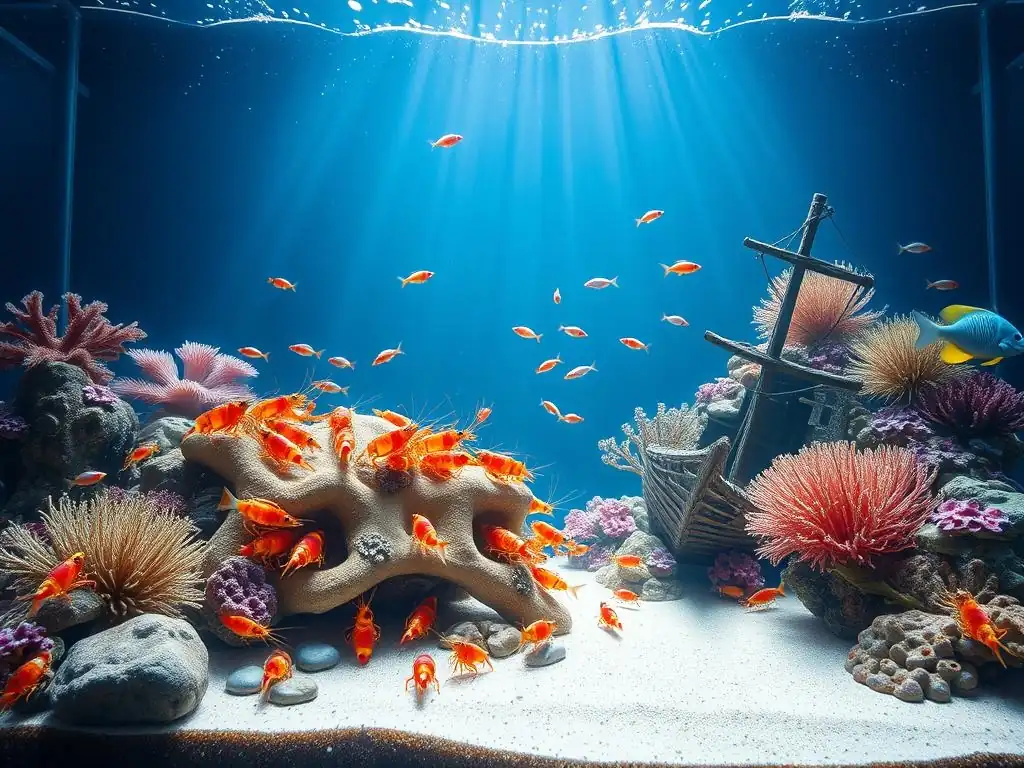
Welcome to Aquarium Mastery! Ever wondered what your saltwater shrimp are really thinking? Uncover the fascinating, and sometimes quirky, world of saltwater shrimp behavioral patterns in our latest deep dive. Understanding these behaviors is key to a thriving aquarium – so, what secrets are your shrimp trying to tell you? Let's find out!
- Understanding Saltwater Shrimp Behavioral Patterns in Your Aquarium
- Pre-Purchase Saltwater Shrimp Behavior Considerations
-
Common Saltwater Shrimp Behavioral Patterns Explained
- Molting Behavior: Recognizing the Signs and What to Expect
- Feeding Behaviors: How Saltwater Shrimp Hunt and Consume Food
- Social Interactions: Shrimp Community Dynamics and Aggression
- Cleaning Behavior: The Role of Shrimp in Aquarium Maintenance
- Mating Rituals: Identifying Breeding Behavior in Saltwater Shrimp
- Decoding Unusual Saltwater Shrimp Behavioral Patterns: Problem Solving
- Saltwater Shrimp Behavior and Water Quality: The Connection
- Advanced Saltwater Shrimp Behavior: Beyond the Basics
- Ensuring Optimal Saltwater Shrimp Behavior: Tank Setup and Maintenance
- Conclusion: Observing Saltwater Shrimp for a Healthy Aquarium
-
Frequently Asked Questions
- What are some common behavioral patterns exhibited by saltwater shrimp in a home aquarium?
- How can I tell if my saltwater shrimp is stressed or unhealthy based on its behavior?
- What is the significance of molting in saltwater shrimp, and how does it affect their behavior?
- Do different species of saltwater shrimp exhibit different behavioral patterns, and if so, how can I identify them?
- How can I encourage natural foraging behaviors in my saltwater shrimp to maintain a healthy aquarium ecosystem?
- Final Reflection: Unveiling the Secrets of the Shallows
- Uncover the Secrets: Dive Deeper into Shrimp Keeping!
Understanding Saltwater Shrimp Behavioral Patterns in Your Aquarium
Observing the intricate saltwater shrimp behavioral patterns within your marine aquarium is not just a fascinating pastime; it's a critical aspect of successful invertebrate husbandry. Shrimp are often the unsung heroes of the reef tank, acting as part of the clean-up crew, providing cleaning services to fish, and adding vibrant movement. Their health and well-being are directly reflected in their actions, making a keen eye for their natural behaviors essential for any aquarist.
Understanding these complex saltwater shrimp behavioral patterns allows you to proactively identify potential issues, from subtle signs of stress or illness to impending molts or even breeding activity. By recognizing normal activity versus deviations, you can ensure a thriving environment for these delicate creatures and, by extension, the entire ecosystem of your aquarium.
Pre-Purchase Saltwater Shrimp Behavior Considerations
Selecting Healthy Shrimp: Observing Key Indicators
When selecting saltwater shrimp for your aquarium, careful observation of their behavior in the store tank is paramount to ensuring you bring home a healthy specimen. Look for shrimp that are actively moving, foraging on the substrate or rockwork, and displaying a curious demeanor. Healthy shrimp typically exhibit vibrant, clear coloration appropriate for their species, without any dullness or opaque patches on their exoskeleton.
Their antennae should be intact and constantly twitching, indicating awareness of their surroundings. Avoid shrimp that are lethargic, sitting motionless for extended periods, or those with visible damage to their bodies, such as missing legs or claws (unless it's a freshly molted specimen, which should still be active).
A good indicator of robust health is consistent activity; for instance, a healthy cleaner shrimp might actively pick at detritus or extend its antennae for 70-80% of its observation time, pausing only briefly. Similarly, a healthy peppermint shrimp will be seen meticulously investigating crevices for food sources. If a shrimp appears stressed, is exhibiting rapid gill movement, or is completely withdrawn into a corner, it's best to pass on that individual, as these are early warning signs of underlying health issues that could impact their long-term saltwater shrimp behavioral patterns.
Acclimation Behavior: What's Normal and What's Not
The acclimation process is a critical period where saltwater shrimp behavioral patterns can give you immediate clues about their comfort level. Upon introduction to your tank water (after a slow drip acclimation of at least 1-2 hours), it's normal for shrimp to be somewhat shy and seek immediate hiding spots. They may remain still for the first few hours, gradually beginning to explore their new environment after 24 to 48 hours. This initial reclusiveness is a natural stress response as they adjust to new water parameters, lighting, and tank mates.
However, certain behaviors during acclimation signal distress. Rapid, erratic darting movements, twitching, or swimming upside down are strong indicators of severe stress or even toxicity from trace elements like copper, which is highly lethal to invertebrates. Complete immobility or immediate molting within the first few hours of introduction can also be a sign of extreme stress, as the shrimp attempts to shed perceived toxins or unfavorable conditions.
While a successful molt is a good sign eventually, one occurring immediately after introduction often suggests the shrimp was pushed to its physiological limits. Monitoring these initial saltwater shrimp behavioral patterns is crucial for early intervention.
Common Saltwater Shrimp Behavioral Patterns Explained
Molting Behavior: Recognizing the Signs and What to Expect
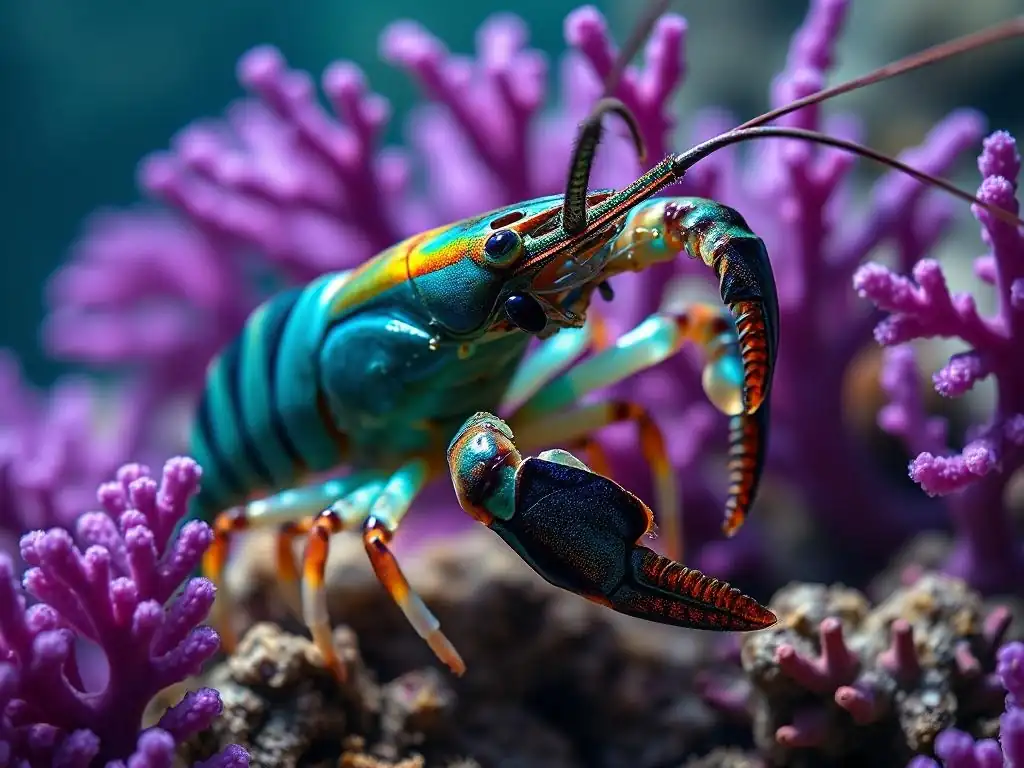
Molting is a vital and recurring saltwater shrimp behavioral pattern, essential for their growth and health. As shrimp grow, their rigid exoskeleton becomes too small, necessitating its shedding. Prior to a molt, you might observe a shrimp becoming less active, seeking out secluded hiding spots, and sometimes appearing slightly duller in coloration.
This pre-molt phase can last from a few hours to a couple of days as the shrimp absorbs water to swell and creates a new, soft exoskeleton underneath the old one. The actual shedding process is remarkably quick, often taking just a few minutes, after which the shrimp will emerge from its old shell.
Post-molt, the shrimp is extremely vulnerable due to its new, soft exoskeleton. It will typically remain hidden for 24 to 72 hours, allowing its new shell to harden. During this time, it's common for the shrimp to consume its old exoskeleton, which provides valuable calcium and other minerals needed for the hardening process. Healthy adult shrimp typically molt every 3 to 6 weeks, depending on their growth rate, diet, and water parameters, with younger, faster-growing shrimp molting more frequently. Observing this natural cycle of saltwater shrimp behavioral patterns is a strong indicator of their well-being.
Feeding Behaviors: How Saltwater Shrimp Hunt and Consume Food
Saltwater shrimp exhibit a diverse range of feeding behaviors, reflecting their roles as scavengers, omnivores, and even specialized predators within the aquarium. Most species, like Peppermint shrimp and Cleaner shrimp, are opportunistic feeders, constantly sifting through substrate, picking at detritus on live rock, or scavenging leftover food particles. They use their antennae to locate food and their small claws (chelipeds) to grasp and manipulate it, bringing it to their mouthparts. Observing them actively foraging for at least 60% of their awake hours is a sign of good health and natural saltwater shrimp behavioral patterns.
Specific species display unique feeding methods. For example, filter-feeding shrimp, such as certain Anemone shrimp, use specialized feathery appendages to filter plankton and microscopic particles from the water column. Cleaner shrimp, such as the Skunk Cleaner Shrimp, are renowned for their symbiotic cleaning behavior, attracting fish by waving their antennae and then meticulously removing parasites and dead skin from the fish's body, effectively "eating" these external organisms.
A healthy cleaner shrimp might service 10-15 fish per day in an active reef tank, meticulously inspecting fins and gills for up to 5 minutes per fish. This specialized feeding interaction is a hallmark of their beneficial saltwater shrimp behavioral patterns.
The social dynamics among saltwater shrimp vary significantly by species, ranging from solitary and territorial to communal and schooling. Many species, particularly cleaner shrimp (e.g., Lysmata amboinensis), are generally peaceful and can coexist with others of their kind, especially in larger tanks. For instance, in a 50-gallon or larger aquarium, 2-3 cleaner shrimp might coexist peacefully, establishing their own cleaning stations.
However, some species, like Pistol shrimp (Alpheus spp. ), are highly territorial and will aggressively defend their burrows, often forming symbiotic relationships with gobies rather than other shrimp. A Pistol shrimp might defend a burrow radius of 12-18 inches from other pistol shrimp.
Aggression among shrimp is typically displayed through claw waving, chasing, or even physical altercations, especially if space is limited or food is scarce. While minor skirmishes are sometimes observed, persistent aggression can lead to stress, injury, or even death, particularly after a molt when shrimp are vulnerable. Understanding these social saltwater shrimp behavioral patterns is crucial when considering how many and what types of shrimp to house together, ensuring adequate space and resources to minimize conflict and promote harmonious coexistence.
Cleaning Behavior: The Role of Shrimp in Aquarium Maintenance
Cleaning behavior is one of the most celebrated and beneficial saltwater shrimp behavioral patterns, particularly evident in species like the Skunk Cleaner Shrimp (Lysmata amboinensis) and the Blood Red Fire Shrimp (Lysmata debelius). These shrimp establish "cleaning stations" on live rock or prominent areas of the tank, where they wave their long antennae to attract fish. When a fish approaches, the shrimp will climb onto its body, meticulously removing external parasites, dead skin, and mucus. This symbiotic relationship provides a vital service to the fish, improving their health and preventing disease, while the shrimp gains a reliable food source.
Beyond direct fish cleaning, many shrimp species contribute significantly to the aquarium's overall cleanliness. Peppermint shrimp (Lysmata wurdemanni) are highly valued for their predation on nuisance Aiptasia anemones, actively seeking out and consuming these pests, often working at night. Other shrimp, such as certain Anemone shrimp, act as detritivores, constantly sifting through the sand bed and picking at algae and organic debris on live rock. This continuous scavenging helps to maintain water quality and reduce the accumulation of undesirable substances, highlighting the multifaceted and indispensable role of these saltwater shrimp behavioral patterns in a healthy marine ecosystem.
Mating Rituals: Identifying Breeding Behavior in Saltwater Shrimp
Observing mating rituals and breeding behavior in saltwater shrimp is a rewarding aspect of their husbandry, indicative of a healthy and thriving population. The most common sign of a female shrimp preparing to breed is the presence of eggs, which she carries under her abdomen, typically in a cluster of green, yellow, or orange spheres, depending on the species and stage of development. This state is often referred to as being "berried."
The male shrimp will often be seen closely following the female, touching her with his antennae, and engaging in courtship dances. Mating usually occurs shortly after the female molts, as her new exoskeleton is still soft, making fertilization easier.
Once fertilized, the female will carry the eggs for a period, typically 2-3 weeks, constantly fanning them with her pleopods (swimmerets) to ensure proper oxygenation and prevent fungal growth. As the eggs develop, they may change color, becoming clearer just before hatching. The release of larvae, often hundreds or even thousands, usually occurs at night, to maximize their chances of survival from predators.
Some species, like Peppermint shrimp, can reproduce every 2-3 weeks under optimal conditions, releasing hundreds of larvae per brood. Recognizing these specific saltwater shrimp behavioral patterns related to reproduction confirms a stable and conducive environment for their life cycle.
Decoding Unusual Saltwater Shrimp Behavioral Patterns: Problem Solving
Hiding Behavior: When is it a Cause for Concern?
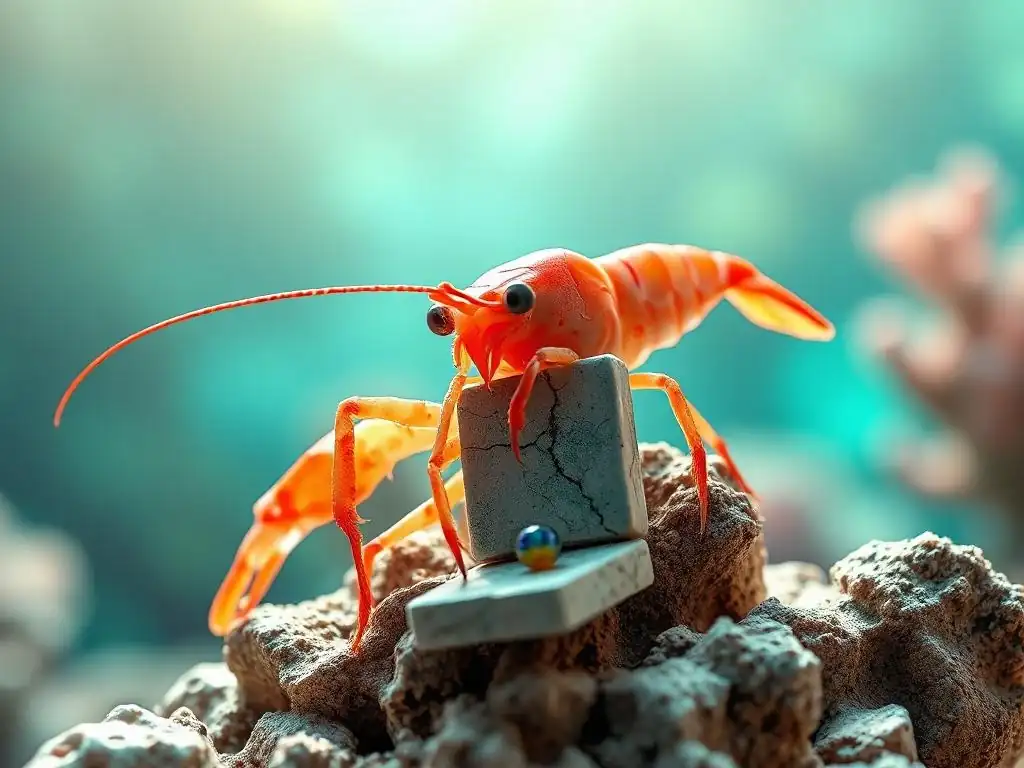
While some level of hiding is a normal saltwater shrimp behavioral pattern, especially after introduction to a new tank or immediately following a molt, excessive or prolonged hiding can be a cause for concern. It is normal for a newly introduced shrimp to hide for 24-48 hours while it acclimates, or for a recently molted shrimp to remain hidden for up to 72 hours until its new exoskeleton hardens. Brief periods of hiding throughout the day are also common, as shrimp seek refuge from bright lights or boisterous tank mates.
However, if a normally active shrimp, such as a cleaner shrimp, remains consistently hidden for more than 48 hours without a recent molt, it often signals an underlying issue. This could indicate significant stress from poor water quality, the presence of an aggressive predator, illness, or even starvation if it's too scared to forage. Observing prolonged hiding, especially when combined with other abnormal behaviors like loss of appetite or lethargy, warrants immediate investigation into water parameters, tank mate compatibility, and overall tank health to address these unusual saltwater shrimp behavioral patterns.
Erratic Swimming: Potential Causes and Solutions
Erratic swimming, characterized by darting movements, twitching, or swimming upside down, is a highly concerning saltwater shrimp behavioral pattern that typically indicates severe distress or toxicity. Unlike occasional rapid movements during foraging, erratic swimming is uncontrolled and often frantic, suggesting the shrimp is struggling to maintain equilibrium or reacting to an acute irritant. This behavior is frequently observed when shrimp are exposed to sudden and significant changes in water parameters, such as rapid drops in salinity, or more commonly, the presence of toxic substances like ammonia, nitrite, or copper.
Even trace amounts of copper, which is often found in fish medications, can be lethal to shrimp and trigger immediate erratic swimming. Ammonia spikes, even at levels as low as 0.25 ppm, can cause severe neurological distress. If you observe these abnormal saltwater shrimp behavioral patterns, immediate action is required: perform a comprehensive water test for ammonia, nitrite, nitrate, pH, and salinity.
If any parameters are off, conduct a rapid partial water change (e.g., 25-30%) using properly mixed saltwater and consider adding activated carbon to remove potential toxins. Identifying and rectifying the cause quickly is vital for the shrimp's survival.
Loss of Appetite: Troubleshooting Feeding Issues in Shrimp
A healthy saltwater shrimp typically exhibits a robust appetite, constantly foraging and readily accepting offered foods. A noticeable loss of appetite or complete refusal to eat is a significant deviation from normal saltwater shrimp behavioral patterns and a strong indicator of an underlying problem. This can manifest as the shrimp ignoring food particles that drift nearby, or not actively seeking out food where it typically would.
Common causes for a shrimp losing its appetite include high stress levels, poor water quality (especially elevated ammonia or nitrite), illness, or an unsuitable diet. Overcrowding, aggressive tank mates, or even a lack of sufficient hiding places can induce stress that suppresses a shrimp's desire to eat. To troubleshoot, first, test all water parameters immediately to rule out water quality issues.
Second, observe tank mates for aggression. Third, try offering a variety of high-quality foods, such as mysis shrimp, brine shrimp, or specialized invertebrate pellets, to see if a change in diet stimulates interest. A healthy shrimp should respond to food within 30-60 seconds of it being introduced, so prolonged disinterest signals a need for intervention to address these concerning saltwater shrimp behavioral patterns.
Color Changes: Understanding Stress and Health Indicators
Changes in a saltwater shrimp's coloration can be a powerful visual cue regarding its health and stress levels, offering insights into its saltwater shrimp behavioral patterns. Healthy shrimp typically display vibrant, consistent colors characteristic of their species. For instance, a Skunk Cleaner Shrimp should have distinct red and white stripes, while a Blood Red Fire Shrimp should exhibit a deep, rich red.
A noticeable fading or dulling of colors, or the appearance of opaque white patches on the exoskeleton, often indicates stress, poor nutrition, or impending illness. For example, if a Skunk Cleaner Shrimp loses 30-40% of its vibrant red and white coloration, it can be a clear sign of significant stress or disease. Conversely, some shrimp might temporarily darken or become more mottled as a natural camouflage response to their environment, or just before a molt.
If color changes are accompanied by other abnormal saltwater shrimp behavioral patterns, such as lethargy, hiding, or loss of appetite, it's crucial to investigate water parameters, diet, and potential diseases. Maintaining stable conditions and providing a varied, nutritious diet are key to preserving their natural vibrancy and healthy appearance.
Saltwater Shrimp Behavior and Water Quality: The Connection
Ammonia and Nitrite Toxicity: How Water Parameters Affect Shrimp Behavior
Ammonia and nitrite are highly toxic compounds for all aquatic life, but saltwater shrimp are particularly sensitive, making their behavioral patterns excellent indicators of water quality issues. Even trace amounts can cause significant distress. Ammonia (NH3) forms from decaying organic matter and fish waste, and nitrite (NO2-) is its less toxic but still harmful byproduct during the nitrogen cycle. Both interfere with a shrimp's ability to absorb oxygen and can damage its delicate gill tissues.
When exposed to elevated ammonia or nitrite levels (even as low as 0.1 ppm for ammonia or 0.25 ppm for nitrite), shrimp will exhibit immediate and severe behavioral changes. These include rapid gill movement, lethargy, loss of appetite, erratic swimming, twitching, and attempting to jump out of the water. They may also become opaque or cloudy as their tissues are damaged. These saltwater shrimp behavioral patterns are critical warning signs that demand immediate action, such as large partial water changes (e.g., 50%) and the addition of a detoxifying agent, to prevent irreversible damage or death.
pH Imbalances: Behavioral Changes to Watch For
Maintaining a stable pH (potential of hydrogen) is crucial for the health of saltwater shrimp, as significant fluctuations or prolonged imbalances can severely impact their well-being and alter their saltwater shrimp behavioral patterns. The ideal pH range for most marine aquariums housing shrimp is between 8.1 and 8.4. This range is vital for proper biological processes, including the calcification necessary for exoskeleton formation.
When pH levels drop too low (acidosis) or rise too high (alkalosis) outside this optimal range, shrimp can experience severe stress. Behavioral signs of pH imbalance include reduced activity, lethargy, difficulty molting (as calcification is impaired), and even erratic movements if the change is sudden and drastic.
A sudden pH drop of 0.3 units or more (e.g., from 8.3 to 8.0) can induce noticeable stress and abnormal saltwater shrimp behavioral patterns within hours. Consistent monitoring of pH and maintaining stable alkalinity and calcium levels are essential to prevent these detrimental shifts and ensure the shrimp's comfort and proper physiological function.
Salinity Fluctuations: Impact on Saltwater Shrimp Health and Activity
Salinity, the measure of dissolved salts in the water, is one of the most critical parameters for saltwater shrimp, and even minor fluctuations can profoundly impact their health and saltwater shrimp behavioral patterns. The ideal specific gravity (SG) for most marine aquariums, particularly those with invertebrates, ranges from 1.023 to 1.026. Shrimp are osmoconformers, meaning their internal salt concentration closely matches that of the surrounding water, making them highly susceptible to osmotic shock from rapid salinity changes.
Sudden drops or increases in salinity (e.g., a change of 0.002 SG within 24 hours) can cause severe stress. Behavioral signs of salinity fluctuations include lethargy, twitching, difficulty moving, and a general lack of coordination. In severe cases, shrimp may appear shriveled or swollen as their cells struggle to maintain osmotic balance, leading to organ failure. Consistent use of a reliable refractometer or hydrometer, along with careful monitoring of evaporation and the salinity of top-off water, is essential to maintain stable conditions and prevent these detrimental saltwater shrimp behavioral patterns that indicate physiological distress.
Advanced Saltwater Shrimp Behavior: Beyond the Basics
Species-Specific Behavioral Traits: Pistol Shrimp Snapping and Communication
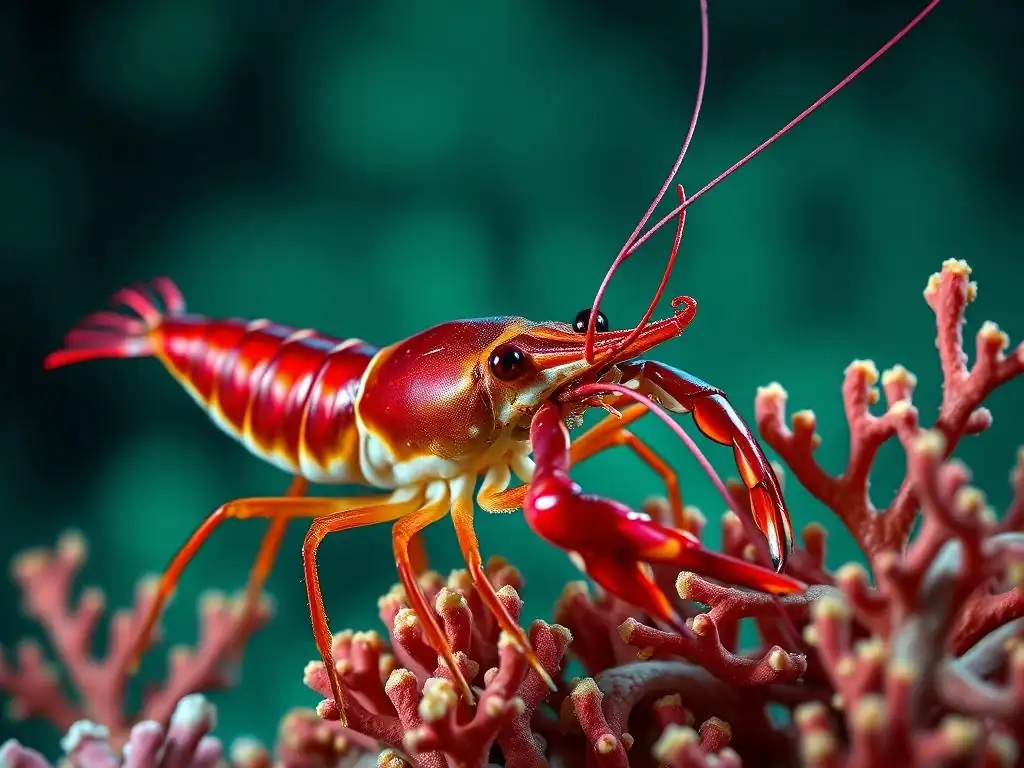
Beyond general behaviors, certain saltwater shrimp species exhibit fascinating, unique traits. The Pistol shrimp (Alpheus spp. ), also known as the Snapping shrimp, is renowned for its extraordinary ability to create a cavitation bubble using a specialized claw. This bubble collapses with immense force, generating a shockwave that can reach over 200 decibels – louder than a jet engine at takeoff – powerful enough to stun or kill small prey within a 6-inch radius. This "snap" is not only used for hunting but also for defense and communication within their burrows.
Many Pistol shrimp form symbiotic relationships with gobies. The goby acts as a lookout, perching near the burrow entrance and signaling danger by flicking its tail. In response, the shrimp, which has poor eyesight, retreats into the burrow, often maintaining physical contact with the goby via its antennae. This intricate partnership showcases a highly evolved form of interspecies communication and cooperation, making their specific saltwater shrimp behavioral patterns a captivating study in any reef tank. Observing the shrimp maintaining contact with its goby partner or hearing the characteristic "snap" are clear indicators of their unique presence.
The Impact of Lighting on Saltwater Shrimp Activity
Lighting plays a significant role in influencing saltwater shrimp behavioral patterns, affecting their activity levels, foraging habits, and even their reproductive cycles. Most shrimp species are more active during the daylight hours when aquarium lights are on, participating in cleaning activities, foraging, and social interactions. However, some species, like certain types of Peppermint shrimp or Harlequin shrimp, are more crepuscular or nocturnal, becoming most active during dusk or after the main lights have turned off.
Maintaining a stable photoperiod, typically 10-12 hours of light per day, helps to establish natural rhythms and minimize stress. Too much light can cause some shrimp to become reclusive and hide excessively, while an insufficient photoperiod might suppress their natural foraging instincts. Observing when your shrimp are most active can provide clues about their preferred lighting conditions and overall comfort. For instance, if your Skunk Cleaner Shrimp are consistently hiding during peak light hours, it might indicate the light is too intense, impacting their natural saltwater shrimp behavioral patterns and potentially their willingness to engage in cleaning activities.
Peppermint Shrimp Behavior in a Reef Tank Environment
The Peppermint shrimp (Lysmata wurdemanni) is a highly valued inhabitant of reef tanks primarily for its distinctive saltwater shrimp behavioral patterns related to Aiptasia control. Aiptasia are nuisance anemones that can quickly proliferate and sting corals. Peppermint shrimp are known to actively seek out and consume these pests, often making a significant impact on Aiptasia populations within an aquarium. Their foraging behavior involves meticulously exploring live rock and substrate, using their antennae to locate the anemones.
When a Peppermint shrimp finds an Aiptasia, it will typically begin to pick at and consume it, often starting from the tentacles and working its way down. Small Aiptasia can be consumed within hours, while larger ones may take several days.
This behavior is most commonly observed during the evening or night hours, or in dimly lit parts of the tank, as the shrimp feel more secure. Observing a Peppermint shrimp actively picking at rockwork, especially in areas where Aiptasia were previously present, is a strong indicator of its beneficial saltwater shrimp behavioral patterns and effectiveness in controlling these unwanted anemones.
Ensuring Optimal Saltwater Shrimp Behavior: Tank Setup and Maintenance
Providing Adequate Hiding Places and Substrate
To encourage natural and healthy saltwater shrimp behavioral patterns, providing an abundance of adequate hiding places and a suitable substrate is paramount. Shrimp, particularly after molting, are vulnerable and instinctively seek refuge from predators and stress. Live rock structures with numerous caves, crevices, and overhangs offer ideal secure retreats. Additionally, a fine-grained sand bed provides an excellent substrate for many shrimp species to forage, burrow, or simply sift through for detritus.
A tank with at least 1 pound of live rock per gallon often provides sufficient hiding spots for multiple shrimp species, reducing competition for prime real estate. The presence of these safe havens significantly reduces stress levels, allowing shrimp to exhibit their natural foraging, cleaning, and social behaviors more readily. Without sufficient hiding places, shrimp may become perpetually stressed, leading to suppressed appetites, excessive hiding, and a general decline in their overall health and vitality, preventing them from displaying their full range of saltwater shrimp behavioral patterns.
Maintaining a Balanced Ecosystem for Natural Behaviors
A balanced and stable ecosystem is fundamental to ensuring optimal saltwater shrimp behavioral patterns. This involves maintaining consistent water parameters, providing appropriate tank mates, and ensuring a diverse and healthy clean-up crew. Stable water quality (consistent temperature, salinity, pH, and undetectable ammonia/nitrite) prevents stress and allows shrimp to thrive. Regular water testing and adherence to a consistent maintenance schedule are critical for this stability.
Appropriate tank mates are equally important; aggressive fish or large predators can intimidate or even consume shrimp, leading to constant hiding and suppressed natural behaviors. Conversely, peaceful fish encourage shrimp to be more active and engage in their cleaning services. A well-established tank, cycled for at least 6-8 weeks, with stable parameters (e.g., nitrates below 10 ppm), fosters an environment where shrimp feel secure enough to express their natural foraging, cleaning, and social interactions, embodying healthy saltwater shrimp behavioral patterns.
Avoiding Overcrowding to Reduce Stress and Aggression
Overcrowding is a common issue in aquariums that can severely disrupt natural saltwater shrimp behavioral patterns, leading to increased stress, aggression, and reduced health. When too many shrimp or other inhabitants are housed in a limited space, competition for resources like food, hiding places, and territory intensifies. This can manifest as shrimp constantly chasing each other, aggressive posturing, or even physical altercations, especially among territorial species.
To prevent overcrowding, research the adult size and territorial needs of each shrimp species before purchase. For example, a 20-gallon nano tank might comfortably house 1-2 smaller shrimp species (e.g., a single Cleaner or a pair of Peppermint shrimp), while larger tanks can accommodate more. Providing ample space ensures each shrimp has its own territory and access to resources without constant competition. Reducing overcrowding directly contributes to a more peaceful environment, allowing shrimp to exhibit their natural foraging, molting, and social saltwater shrimp behavioral patterns without undue stress.
Conclusion: Observing Saltwater Shrimp for a Healthy Aquarium
Understanding and diligently observing saltwater shrimp behavioral patterns is an invaluable skill for any marine aquarist. These fascinating invertebrates provide clear insights into the health of your aquarium, acting as sensitive bio-indicators of water quality, tank mate compatibility, and overall environmental stability. From the subtle signs of an impending molt to the frantic darting of a stressed specimen, every action tells a story about their well-being.
By becoming attuned to these natural saltwater shrimp behavioral patterns—their feeding habits, social interactions, cleaning rituals, and responses to their environment—you gain the ability to proactively identify and address potential issues before they escalate. This detailed observational approach not only ensures the optimal health and longevity of your shrimp but also contributes significantly to the vitality and balance of your entire marine ecosystem. Embrace the hidden lives of these remarkable creatures, and your aquarium will undoubtedly flourish.
Frequently Asked Questions
What are some common behavioral patterns exhibited by saltwater shrimp in a home aquarium?
Saltwater shrimp display a variety of behaviors, including molting, scavenging for food, and social interactions with other shrimp and tank inhabitants. Observing these patterns helps ensure a healthy aquarium environment.
How can I tell if my saltwater shrimp is stressed or unhealthy based on its behavior?
Signs of stress in saltwater shrimp can include lethargy, loss of appetite, and erratic swimming. Also, look for unusual coloration or difficulty molting.
What is the significance of molting in saltwater shrimp, and how does it affect their behavior?
Molting is a crucial process where shrimp shed their exoskeletons to grow. During and after molting, they are vulnerable and often hide and become less active until their new shell hardens.
Do different species of saltwater shrimp exhibit different behavioral patterns, and if so, how can I identify them?
Yes, different species have unique behaviors. Some are more social, while others are more solitary. Researching specific species profiles on sites like AquariumMastery.com is crucial for proper care.
How can I encourage natural foraging behaviors in my saltwater shrimp to maintain a healthy aquarium ecosystem?
Provide a varied diet and plenty of hiding places like rocks and plants. This encourages them to actively search for food, contributing to a balanced and clean aquarium environment.
Final Reflection: Unveiling the Secrets of the Shallows
The intricate world of saltwater shrimp, often overlooked in the vastness of the ocean, reveals a captivating tapestry of behaviors that are directly tied to the health and balance of our marine ecosystems. Understanding these Saltwater shrimp behavioral patterns is no longer just an academic exercise, but a crucial step towards responsible aquarium keeping and informed conservation efforts. By recognizing the subtle cues and complex interactions within these miniature societies, we gain a deeper appreciation for the interconnectedness of life beneath the waves.
This exploration into the hidden lives of saltwater shrimp has profoundly impacted my own perspective, highlighting the importance of mindful observation and the responsibility we bear as stewards of the marine environment. Witnessing their intricate dances of courtship, their diligent scavenging, and their vulnerability to environmental changes underscores the fragility of these ecosystems. In the end, we will conserve only what we love; we will love only what we understand; and we will understand only what we are taught.
- Baba Dioum. This quote resonates deeply, reminding us that education and understanding are the cornerstones of effective conservation.
Now, armed with a newfound awareness of Saltwater shrimp behavioral patterns, I invite you to look closer. Observe the inhabitants of your own aquarium, or seek out opportunities to learn more about the marine life in your local waters. By fostering a deeper connection with these fascinating creatures, you can contribute to a future where their hidden lives are not only understood, but also protected and cherished for generations to come.
Uncover the Secrets: Dive Deeper into Shrimp Keeping!
Thanks for exploring the fascinating world of saltwater shrimp with us. We hope you’ve gained valuable insights into their hidden lives and are ready to take your shrimp-keeping to the next level. Now, let’s put that knowledge into action!
- Start observing: dedicate time each day for intensive observation of your shrimp, focusing on the behaviors discussed in the article. Keep a small log of any changes or things you've never seen before.
- Share your findings! Connect with other aquarium enthusiasts on forums or social media groups to discuss your observations and learn from their experiences.
- Go unconventional: Try introducing a small mirror near your tank to observe how your shrimp react to their own reflection—you might witness some intriguing territorial displays!
What unique behaviors have you witnessed in your shrimp that surprised you the most, and how did you interpret them?