
How to Introduce and Acclimate Your New Saltwater CleanUp Crew Safely

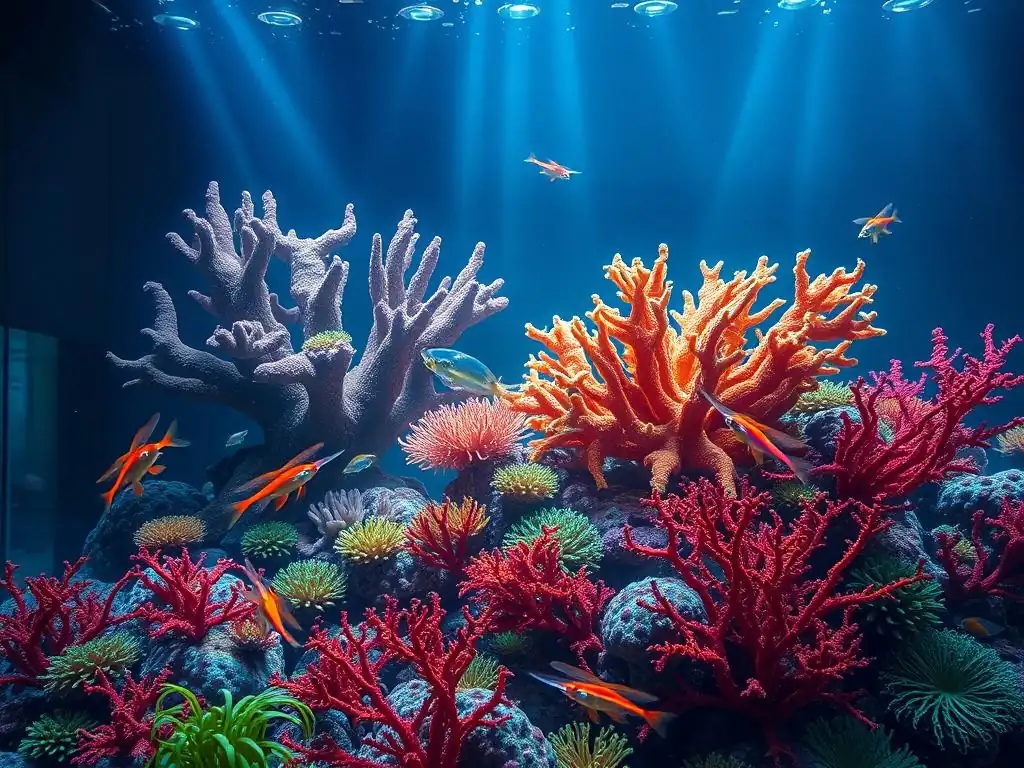
Welcome to Aquarium Mastery! Ever wondered if you're really doing everything you can to ensure your new saltwater cleanup crew thrives in its new home? This guide dives deep into the saltwater cleanup crew acclimation process, offering essential tips and tricks you won't find anywhere else. Prepare to unlock the secrets to a healthy and vibrant reef tank! Intrigued? Let's get started!
- Understanding the Importance of Proper Acclimation for Saltwater CleanUp Crews
- Essential Equipment for Saltwater CleanUp Crew Acclimation
- Step-by-Step Guide: The Saltwater CleanUp Crew Acclimation Process
- Best Practices for Introducing Your CleanUp Crew to the Saltwater Aquarium
- Maintaining a Healthy Environment for Your Saltwater CleanUp Crew
- Common Mistakes to Avoid During the Saltwater CleanUp Crew Acclimation Process
- Troubleshooting Acclimation Issues for Saltwater Invertebrates
- Selecting the Right Saltwater CleanUp Crew for Your Aquarium
- Post-Acclimation Care and Monitoring for Saltwater CleanUp Crews
-
Frequently Asked Questions
- How long should I float the bag with my new saltwater cleanup crew in the aquarium before acclimation?
- Why is acclimation so important for a saltwater cleanup crew?
- What is the drip acclimation method, and why is it preferred?
- How quickly should I drip the water during drip acclimation?
- What should I do with the water from the shipping bag after acclimation?
- Final Reflection: Nurturing a Thriving Ecosystem
- Unleash a Thriving Ecosystem!
Understanding the Importance of Proper Acclimation for Saltwater CleanUp Crews
Why a Gradual Acclimation Process is Crucial for Invertebrates
A gradual acclimation process is paramount for the successful introduction of any saltwater invertebrate, especially your new saltwater cleanup crew. Unlike many fish, invertebrates such as snails, hermit crabs, and starfish are incredibly sensitive to rapid changes in water parameters like temperature, pH, and most critically, salinity.
Their internal osmoregulation systems are delicate and cannot cope with sudden shifts, which can lead to severe osmotic shock, causing irreversible cellular damage or immediate death. For instance, a sudden drop or rise in salinity by even a few parts per thousand (ppt) can stress the cellular membranes of a Nassarius snail, leading to metabolic collapse.
The biological mechanisms within invertebrates are finely tuned to their specific environments. When transported from a fish store or online vendor, they often experience fluctuating conditions in their shipping bags. Introducing them directly into a stable home aquarium without a slow transition can overwhelm their systems. This gradual approach allows their bodies to slowly adjust to the new water chemistry, minimizing the physiological stress and ensuring a higher survival rate. It's a fundamental step in the overall saltwater cleanup crew acclimation process, safeguarding your investment and the health of your entire reef ecosystem.
The Dangers of Shock and Stress During Introduction to a Saltwater Tank
Introducing a saltwater cleanup crew without proper acclimation exposes them to significant dangers, primarily in the form of various types of shock. Temperature shock occurs when the water in the shipping bag is significantly different from the aquarium water, leading to rapid changes in metabolic rate and potentially organ failure.
Salinity shock, arguably the most common and dangerous for invertebrates, causes osmotic imbalance, where water either floods into or rapidly leaves the animal's cells, leading to severe dehydration or cellular rupture. For instance, a common mistake is a direct "plop" from a bag with 1.018 specific gravity into a tank at 1.025, which can be fatal for many snails and shrimp within minutes.
Beyond immediate mortality, the stress induced by improper introduction can have long-term detrimental effects. Stressed invertebrates are more susceptible to disease, have weakened immune systems, and may exhibit lethargic behavior, failing to perform their essential cleanup duties like consuming algae or detritus. This can lead to an accumulation of waste in the aquarium, potentially causing spikes in undesirable compounds like nitrates and phosphates.
Furthermore, dead or dying invertebrates can decompose, releasing ammonia and nitrite, thereby compromising the water quality for other inhabitants. Ensuring a meticulous saltwater cleanup crew acclimation process is not just about saving the individual animals but about preserving the stability and health of your entire marine environment.
Essential Equipment for Saltwater CleanUp Crew Acclimation
Gathering the Necessary Tools: Buckets, Air Stones, and Drip Acclimation Kits
To execute a safe and effective saltwater cleanup crew acclimation process, having the right equipment on hand is crucial. A clean, dedicated 5-gallon bucket (or several, depending on the volume of animals) is essential for holding the invertebrates during the acclimation period.
These buckets should ideally never have been used for household chemicals or detergents, as even trace residues can be toxic to marine life. An air stone connected to an air pump is highly recommended to provide vital oxygenation to the water in the bucket, especially during longer acclimation periods, preventing oxygen deprivation which can stress or kill sensitive creatures like sea stars or certain shrimp.
For the most precise and safest acclimation, a drip acclimation kit is invaluable. This typically consists of an airline tube, a rigid air line, and an adjustable valve or clamp. This system allows for a slow, controlled transfer of water from your display tank into the acclimation bucket, gradually adjusting the parameters. While a simple knot in airline tubing can work in a pinch to control the drip rate, a dedicated valve offers superior control and consistency. Having a reliable refractometer or hydrometer is also non-negotiable for accurately measuring salinity, ensuring the acclimation process achieves the desired parameter match.
Ensuring Optimal Water Parameters Before Acclimation: Temperature, Salinity, pH, Ammonia, Nitrite, Nitrate
Before you even begin the saltwater cleanup crew acclimation process, it is absolutely critical to ensure your aquarium's water parameters are stable and within the optimal range for marine invertebrates. The temperature should ideally be between 75°F and 80°F (24°C-27°C), as significant fluctuations can cause thermal shock. Salinity is perhaps the most vital parameter for invertebrates, typically ranging from 1.023 to 1.026 specific gravity (or 32-35 parts per thousand). Drastic differences between the shipping water and tank water salinity are the primary cause of invertebrate mortality during introduction.
Furthermore, your tank's pH should be stable, generally between 8.0 and 8.4, and most importantly, ammonia and nitrite levels must be undetectable (0 ppm). Even trace amounts of these toxic compounds can be lethal to invertebrates, which are often more sensitive than fish.
Nitrate levels should also be as low as possible, ideally below 20 ppm, though many aquarists strive for less than 10 ppm for a thriving reef. Using reliable test kits to verify these parameters prior to receiving your cleanup crew is a proactive measure that significantly increases the success rate of the entire saltwater cleanup crew acclimation process.
Step-by-Step Guide: The Saltwater CleanUp Crew Acclimation Process
Step 1: Floating the Bag for Temperature Acclimation
The very first step in the saltwater cleanup crew acclimation process is to equalize the temperature between the shipping water and your aquarium water. Upon receiving your new invertebrates, place the sealed shipping bag containing the animals directly into your sump or display tank. Allow the bag to float undisturbed for approximately 15 to 20 minutes. This passive method enables the water inside the bag to slowly adjust to the temperature of your aquarium, preventing thermal shock when the animals are eventually introduced.
It's crucial not to open the bag during this temperature equalization phase, as doing so would introduce air from your room, which could contain contaminants or alter the CO2 levels in the bag, potentially affecting pH. This initial temperature adjustment is a simple yet vital preliminary step that sets the stage for the more complex salinity adjustment to follow, ensuring the creatures are not subjected to an immediate thermal shock when their water is mixed with the tank water.
Step 2: Gradual Water Exchange: Drip Acclimation Method Explained
The drip acclimation method is widely regarded as the safest and most effective way to introduce new saltwater invertebrates, especially during the crucial saltwater cleanup crew acclimation process. This technique involves slowly adding water from your display tank into the acclimation container, allowing for a gradual adjustment of salinity and other parameters. It minimizes stress by giving the invertebrates ample time to physiologically adapt to their new environment.
Setting Up a Drip Acclimation System for Sensitive Invertebrates
To set up a drip acclimation system, first, carefully empty the contents of the shipping bag (invertebrates and shipping water) into a clean, dedicated bucket or container. Ensure the container is large enough to hold the animals comfortably and accommodate the increasing volume of water. Position this bucket below your aquarium or sump.
Next, take a piece of airline tubing and siphon water from your display tank into the acclimation bucket. You can initiate the siphon by sucking on one end of the tubing (being careful not to ingest saltwater) or by fully submerging the tubing in the tank, plugging one end, and quickly transferring it to the bucket.
Once the siphon is established, use an airline control valve or a simple knot in the tubing to regulate the drip rate. The goal is a very slow, consistent drip, typically one to three drips per second. For highly sensitive invertebrates like starfish, sea cucumbers, or certain types of shrimp, a slower drip rate is always preferable. Allow the drip to continue until the volume of water in the acclimation bucket has quadrupled or quintupled, which can take anywhere from 45 minutes to 2 hours, depending on the initial water volume and drip rate.
Monitoring Salinity and Temperature During Drip Acclimation
Throughout the drip acclimation process, diligent monitoring of both salinity and temperature is paramount to the success of your saltwater cleanup crew acclimation. While the initial floating step addresses temperature, it's still wise to periodically check the temperature in the acclimation bucket to ensure it remains stable and matches the main tank. More critically, you must regularly measure the salinity in the acclimation bucket using a calibrated refractometer or hydrometer.
The objective is to slowly bring the salinity in the acclimation bucket to match that of your display tank. Depending on the initial salinity difference in the shipping water, this might take a significant amount of time. For example, if your tank is at 1.025 specific gravity and the shipping water is at 1.018, you'll need a prolonged drip to equalize.
Once the salinity in the bucket is within 0.001-0.002 specific gravity of your main tank, the drip acclimation process can be considered complete. This meticulous monitoring ensures the invertebrates undergo a smooth transition, minimizing the risk of osmotic shock and maximizing their chances of survival and long-term health.
Step 3: Plop and Pray: When it's NOT Recommended
The "plop and pray" method, where animals are simply netted from their shipping bag and immediately dropped into the main aquarium, is emphatically not recommended for saltwater invertebrates. While some highly robust fish might tolerate such an abrupt introduction, the delicate physiology of snails, crabs, shrimp, and other cleanup crew members makes them exceptionally vulnerable to rapid changes in water parameters. This method bypasses the essential gradual adjustment of salinity and temperature, directly exposing them to severe osmotic and thermal shock.
The immediate consequences of using "plop and pray" on invertebrates are often dire, leading to rapid decline, lethargy, and often, death within minutes or hours. The sudden shift can overwhelm their osmoregulation systems, leading to internal cellular damage that is irreversible. For instance, a snail subjected to this method might immediately retract into its shell and never emerge, or a hermit crab might abandon its shell due to the extreme stress. Therefore, for any part of the saltwater cleanup crew acclimation process, this shortcut should be entirely avoided in favor of the drip acclimation method.
Best Practices for Introducing Your CleanUp Crew to the Saltwater Aquarium
Gentle Release Techniques to Minimize Stress
Once the saltwater cleanup crew acclimation process is complete and the water parameters in the acclimation bucket closely match those of your main display tank, the final step is the gentle introduction of your new inhabitants. Avoid simply dumping the animals and the acclimation water into your tank. Instead, carefully net each invertebrate from the acclimation bucket, minimizing exposure to air as much as possible. Many aquarists prefer to use their hands (ensuring they are clean and free of soaps or lotions) to gently place snails, crabs, and shrimp onto the substrate or a piece of live rock.
For extremely sensitive species or those that might be easily dislodged, such as certain starfish or sea cucumbers, it's beneficial to place them in a low-flow area of the tank or directly onto a stable surface where they can immediately orient themselves. This reduces the chance of them being swept away by strong currents before they can get a footing, which can cause additional stress or injury. Dispose of the acclimation water, as it may contain ammonia or other waste products from shipping, and should never be added to your main system.
Observing Your CleanUp Crew After Introduction: Signs of Stress and How to Respond
After the gentle release of your new saltwater cleanup crew members, continuous observation is crucial for the next several hours and days. This post-introduction monitoring is an integral part of the overall saltwater cleanup crew acclimation process. Look for signs of normal activity specific to each species; for example, snails should begin moving and grazing on algae within an hour or two, hermit crabs should explore and seek food, and shrimp should be actively cleaning or foraging.
Signs of stress or distress include:
- Snails: Remaining retracted into their shells for extended periods (e.g., more than 4-6 hours), falling off the glass, or lying upside down without righting themselves.
- Hermit Crabs: Remaining motionless, abandoning their shells entirely, or exhibiting unusual twitching.
- Shrimp: Lethargy, erratic swimming, or rapid, uncontrolled shedding (molting).
- Starfish/Cucumbers: Loss of turgor (appearing deflated), unusual discoloration, or failure to attach to surfaces.
If you observe these signs, first re-check your tank's water parameters (temperature, salinity, pH, ammonia, nitrite, nitrate) to ensure they are stable and optimal. If parameters are off, take immediate corrective action, such as a small water change. In severe cases of distress for an individual animal, you might consider isolating it in a small quarantine tank with pristine water conditions for recovery, though this is often difficult for invertebrates once they are severely stressed. Prompt intervention can sometimes save an animal, but prevention through proper acclimation is always the best approach.
Maintaining a Healthy Environment for Your Saltwater CleanUp Crew
Providing Adequate Food and Hiding Places
Once your saltwater cleanup crew has successfully acclimated and settled into your aquarium, ongoing care is essential for their long-term health and effectiveness. Providing adequate food sources is paramount. While many cleanup crew members, like snails and hermit crabs, primarily graze on algae and detritus, their natural food supply in a new or young tank might be insufficient.
Supplement their diet with algae wafers, spirulina flakes, or small pieces of quality marine pellet food, especially in tanks with minimal algae growth or a large cleanup crew population. Over time, observing their activity will indicate if they are finding enough natural food. For instance, a small 20-gallon nano reef might only support a few snails naturally, requiring supplementation for more.
Equally important are ample hiding places. Many invertebrates, particularly hermit crabs and various shrimp species, are prey animals and require crevices, caves, and live rock structures to feel secure and to hide during molting. Hermit crabs also need a continuous supply of appropriately sized empty shells to move into as they grow; a lack of suitable shells can lead to aggression among them or even predation on snails for their shells. Providing these environmental enrichments reduces stress, encourages natural behaviors, and significantly contributes to the longevity and productivity of your saltwater cleanup crew.
Monitoring Water Quality and Performing Regular Water Changes
Consistent monitoring of water quality and performing regular water changes are fundamental pillars for maintaining a healthy environment for your saltwater cleanup crew, extending well beyond the initial saltwater cleanup crew acclimation process. Invertebrates are highly sensitive to declining water quality, particularly elevated levels of nitrates, phosphates, and any detectable ammonia or nitrite. Routine testing of these parameters, ideally weekly or bi-weekly, allows you to identify and address issues before they become detrimental to your cleanup crew's health. For example, consistent nitrate levels above 20 ppm can stress snails, leading to reduced activity and a shorter lifespan.
Regular water changes, typically 10-20% bi-weekly or monthly, are essential for replenishing vital trace elements, removing accumulated nitrates and other pollutants, and maintaining stable alkalinity and calcium levels, which are crucial for the shell growth of snails and crabs. Using high-quality salt mix and RO/DI water for your water changes ensures you're not introducing unwanted contaminants. A stable and pristine aquatic environment directly translates to a thriving, active, and long-lived saltwater cleanup crew, which in turn contributes significantly to the cleanliness and stability of your entire reef aquarium.
Common Mistakes to Avoid During the Saltwater CleanUp Crew Acclimation Process
Avoiding Direct Introduction Without Acclimation
One of the most frequent and detrimental mistakes made by new aquarists is the direct introduction of saltwater cleanup crew members into the display tank without any form of acclimation. This "plop and pray" method, as previously discussed, subjects delicate invertebrates to immediate and severe osmotic shock, temperature shock, and pH shock. The water parameters in a shipping bag, which can include fluctuating salinity due to temperature changes or even slight evaporation, are almost certainly different from the stable conditions of a well-maintained home aquarium.
For instance, a difference of just 0.003-0.005 specific gravity between the shipping water (e.g., 1.020) and the tank water (e.g., 1.025) can be instantly lethal to many snails, shrimp, and especially more sensitive species like sea stars. The internal systems of these animals cannot cope with such rapid osmotic shifts, leading to cellular damage and often immediate death. Always commit to a thorough saltwater cleanup crew acclimation process, preferably drip acclimation, to ensure the highest survival rates and prevent unnecessary loss of your valuable invertebrates.
Overcrowding the Acclimation Container
Another common mistake during the saltwater cleanup crew acclimation process is overcrowding the acclimation container. While it might seem convenient to place all new invertebrates into a single small bucket, doing so can lead to several problems. A densely packed container quickly depletes oxygen levels, especially if no air stone is used, and can lead to a rapid buildup of ammonia from the animals' waste products. Invertebrates, particularly during stress, can excrete more waste, and without adequate water volume to dilute it, these toxins become highly concentrated.
For example, packing a dozen snails, five hermit crabs, and a few shrimp into a 1-gallon container for an hour-long drip acclimation can quickly turn the water toxic. The limited surface area for gas exchange, combined with the metabolic activity of multiple animals, can lead to oxygen deprivation and ammonia poisoning, even before they are introduced into the main tank. Always use a container of appropriate size, allowing ample space for each animal, and consider dividing larger shipments into multiple buckets to ensure sufficient water volume and oxygenation during the entire saltwater cleanup crew acclimation process.
Ignoring Water Parameter Differences
A critical error that undermines the entire saltwater cleanup crew acclimation process is ignoring or underestimating the significance of water parameter differences between the shipping water and the aquarium water. Many aquarists may focus solely on temperature, believing that once temperatures are equalized, the animals are ready for introduction. However, salinity and pH are equally, if not more, vital for invertebrates. Shipping water can have a wide range of salinity, often lower than typical reef tank parameters (e.g., 1.018-1.020 SG vs. 1.025 SG in the tank), due to the vendor's practices or even slight evaporation during transit.
Failing to test and gradually adjust for these differences can lead to severe osmotic shock, which is the leading cause of invertebrate mortality during introduction. Similarly, significant pH discrepancies, while less common than salinity issues, can also stress animals. Always use a reliable refractometer to precisely measure the salinity of both the shipping water and your tank water before and during the drip acclimation. This diligent approach to monitoring and adjusting for all key water parameters is the cornerstone of a successful saltwater cleanup crew acclimation process.
Troubleshooting Acclimation Issues for Saltwater Invertebrates
Identifying Potential Problems: Sudden Death, Lethargy, or Unusual Behavior
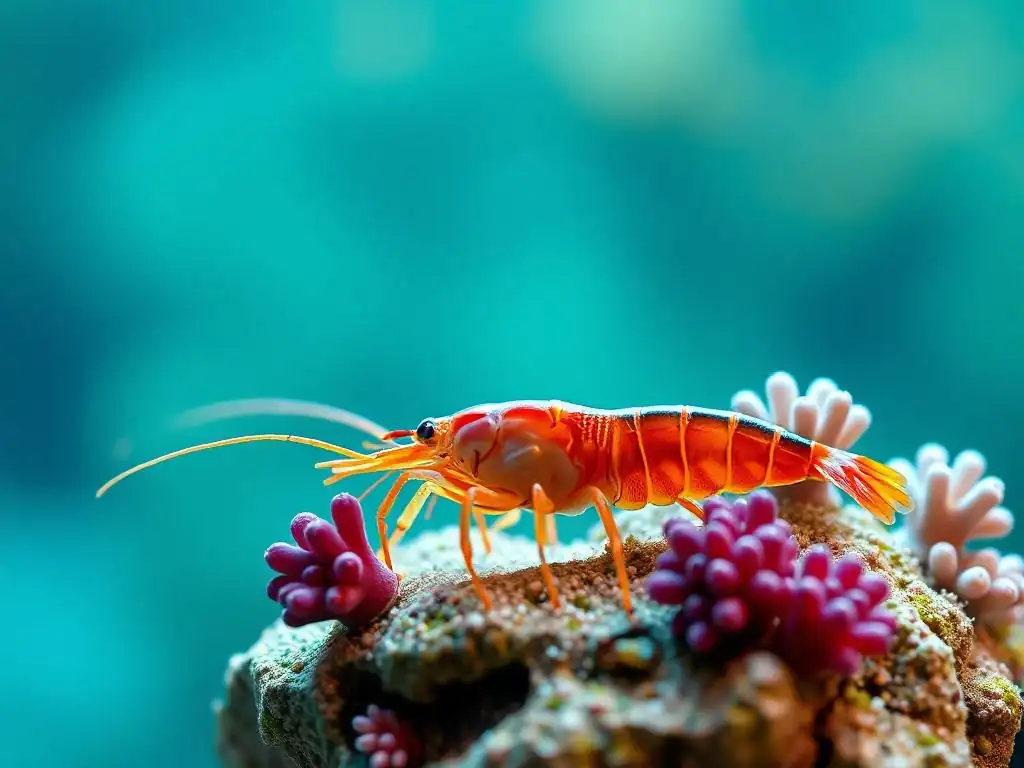
Even with meticulous attention to the saltwater cleanup crew acclimation process, issues can occasionally arise. Identifying potential problems early is crucial for intervention. The most obvious sign of a severe issue is sudden death, often occurring within minutes to a few hours of introduction. However, more subtle signs of distress include extreme lethargy, where animals remain motionless for extended periods, fail to respond to stimuli, or do not attempt to move or feed. For example, a Nassarius snail should burrow within minutes; if it lies inert on the substrate for hours, it's a clear sign of distress.
Unusual behavior is also a key indicator. This can manifest as a hermit crab abandoning its shell and remaining exposed, shrimp exhibiting erratic swimming patterns or rapid, uncontrolled molting (which is often a stress response), or snails falling off the glass repeatedly. For sea stars, a common sign of distress is a loss of turgor, where they appear deflated, or a failure to attach their tube feet to surfaces. Any deviation from what is considered normal activity for that specific species warrants immediate investigation into water parameters and potential stressors.
Solutions for Common Acclimation Challenges
When faced with acclimation challenges, prompt and informed action can sometimes mitigate losses. If you observe signs of stress or distress, the first and most critical step is to re-test your aquarium's water parameters immediately. Verify temperature, salinity, pH, and crucially, ammonia, nitrite, and nitrate levels. Oftentimes, an unexpected parameter swing in the main tank, or a pre-existing parameter issue that was overlooked, is the root cause. If ammonia or nitrite are detectable, even in small amounts, a large, immediate water change (25-50%) with properly mixed and temperature-matched saltwater is imperative.
If salinity is suspected to be the issue (e.g., the animal was introduced to a tank with significantly higher or lower salinity than its shipping water), and the animal is still alive but stressed, you might attempt a carefully controlled re-acclimation in a separate container with pristine water matched to the animal's last known 'safe' salinity, then slowly drip acclimate it again to the tank's current salinity. However, re-acclimation is often very stressful and not always successful once an animal is already compromised.
For general lethargy without clear parameter issues, ensuring ample hiding spots, reducing bright lights, and minimizing tank disturbances for a few hours can sometimes help. Ultimately, preventing these issues through a thorough initial saltwater cleanup crew acclimation process is always the best solution.
Selecting the Right Saltwater CleanUp Crew for Your Aquarium
Choosing Species Based on Tank Size and Needs
Selecting the right saltwater cleanup crew is as important as the saltwater cleanup crew acclimation process itself, ensuring they thrive and effectively manage your aquarium's ecosystem. The primary consideration should always be your tank's size and its specific needs. For instance, a small nano tank (10-20 gallons) generally requires fewer and smaller cleanup crew members than a large reef system (100+ gallons). Overstocking, even with cleanup crew, can lead to insufficient food, increased waste, and competition.
Consider the primary issues you want your cleanup crew to address. For diatom algae, small snails like Nassarius, Cerith, or Trochus snails are excellent choices. For hair algae, larger Turbo snails or Emerald Crabs can be effective.
Sand sifting goby pairs or various sand-sifting starfish are ideal for maintaining a clean sand bed in larger tanks (over 30 gallons) but require substantial substrate to thrive. A diverse cleanup crew, typically comprising a mix of snails, hermit crabs (ensure they have extra shells), and possibly shrimp, offers a more comprehensive approach to waste management. For example, a 50-gallon reef tank might benefit from 10-15 snails (mixed species), 3-5 small hermit crabs, and a few peppermint or cleaner shrimp.
Avoiding Aggressive or Incompatible Species
Beyond tank size and needs, it's crucial to avoid aggressive or incompatible species when assembling your saltwater cleanup crew. Not all cleanup crew members are benign; some can pose threats to other inhabitants or even to each other. For example, certain larger hermit crabs, like the large red-legged or Halloween hermit crabs, can become predatory as they grow, preying on smaller snails for their shells or even nipping at corals or fish. Similarly, Arrow Crabs, while effective at consuming bristle worms, can also be opportunistic predators of small fish or shrimp.
Researching the compatibility and adult size of each potential cleanup crew member is vital. Avoid species that grow too large for your tank or are known to be aggressive towards other invertebrates or corals. For instance, some larger starfish, while beautiful, can consume corals or other sessile invertebrates. By carefully selecting species that are peaceful and well-suited to your tank's specific environment, you ensure a harmonious and efficient cleanup crew that contributes positively to your aquarium's long-term health, building upon the success of the initial saltwater cleanup crew acclimation process.
Post-Acclimation Care and Monitoring for Saltwater CleanUp Crews
Regular Observation for Signs of Illness or Predation
Even after a successful saltwater cleanup crew acclimation process and initial introduction, ongoing regular observation is paramount for the long-term health and survival of your invertebrates. This continuous monitoring allows you to quickly identify any signs of illness, stress, or predation. Dedicate a few minutes each day to observe your cleanup crew's activity levels, feeding behaviors, and overall appearance. Healthy snails should be actively grazing; hermit crabs should be exploring and sifting; and shrimp should be cleaning or foraging.
Look for specific warning signs:
- Snails: Prolonged inactivity, failure to attach to surfaces, falling over without righting themselves, or empty shells appearing frequently.
- Hermit Crabs: Abandoning shells (especially without a new one available), lethargy, or missing limbs (often a sign of aggression or difficult molting).
- Shrimp: Listlessness, unusual coloration, or incomplete molts where the old exoskeleton remains attached.
- Starfish: Loss of turgor, lesions, or disintegration of arms.
- Predation: Unexplained disappearances of cleanup crew members, especially smaller snails or shrimp, can indicate a predatory fish or a rogue crab.
Promptly investigate any unusual observations. This might involve re-testing water parameters, inspecting live rock for hidden predators, or isolating a distressed animal if possible.
Supplementing Diet as Needed for a Thriving CleanUp Crew
While the primary role of a saltwater cleanup crew is to consume algae and detritus, relying solely on natural food sources in your aquarium may not be sufficient for their long-term well-being, especially in tanks with low nutrient levels or a very efficient protein skimmer. Supplementing their diet as needed is a key aspect of post-acclimation care to ensure a thriving cleanup crew. Many cleanup crew species, particularly snails and hermit crabs, benefit from targeted feeding.
Offer high-quality algae wafers, spirulina flakes, or small pieces of marine pellet food a few times a week, especially if you notice a decline in algae growth or if your cleanup crew members appear less active. Calcium and alkalinity are also vital for shell and exoskeleton growth; regular monitoring and supplementation of these parameters, especially in reef tanks, will directly benefit your snails, crabs, and shrimp.
For example, a 50-gallon tank with a healthy cleanup crew might consume 0.5-1.0 dKH of alkalinity per week. By providing adequate nutrition and maintaining stable water chemistry, you ensure your saltwater cleanup crew remains robust, active, and effective in its vital role of maintaining your aquarium's cleanliness and balance.
Frequently Asked Questions
How long should I float the bag with my new saltwater cleanup crew in the aquarium before acclimation?
You should float the bag for approximately 15-30 minutes to equalize the water temperature. This helps prevent temperature shock to the invertebrates.
Why is acclimation so important for a saltwater cleanup crew?
Acclimation is crucial because it gradually introduces the crew to the aquarium's water chemistry. Sudden changes can cause stress or even death in sensitive invertebrates.
What is the drip acclimation method, and why is it preferred?
Drip acclimation involves slowly dripping aquarium water into a container with the cleanup crew, gradually changing the water parameters. It's preferred because it's a gentle and controlled way to adjust them to the new environment.
How quickly should I drip the water during drip acclimation?
The drip rate should be slow, about 1-2 drops per second. This allows for a very gradual adjustment to the pH, salinity, and other parameters.
What should I do with the water from the shipping bag after acclimation?
You should discard the water from the shipping bag. It often contains ammonia and other undesirable substances that could harm your aquarium's ecosystem.
Final Reflection: Nurturing a Thriving Ecosystem
The journey of introducing a saltwater cleanup crew is more than just adding snails and crabs to a tank; it's about fostering a delicate ecosystem, a miniature ocean within our homes. Understanding the saltwater cleanup crew acclimation process is paramount to their survival and the overall health of the aquarium. This isn't merely a checklist of steps, but a commitment to responsible reefkeeping, ensuring these vital creatures thrive and contribute to a balanced aquatic environment.
This process, often overlooked, highlights the interconnectedness of life within our aquariums and mirrors the fragility of natural reef systems. The success of our cleanup crew directly reflects our understanding and respect for these miniature ecosystems. In the end, we will conserve only what we love; we will love only what we understand; and we will understand only what we are taught.
- Baba Dioum. This quote resonates deeply, reminding us that informed care is the foundation of conservation, even within the confines of our glass boxes.
As you embark on or continue your reefkeeping journey, remember that patience and diligence are key. Take the time to understand the specific needs of your cleanup crew, meticulously follow the acclimation process, and observe their behavior closely. By doing so, you not only ensure their well-being but also contribute to a healthier, more vibrant, and ultimately more rewarding reef aquarium experience. Let's all strive to be responsible stewards of these miniature oceans, fostering life and beauty for years to come.
Unleash a Thriving Ecosystem!
Thank you for diving into the world of saltwater cleanup crews! We hope this article has empowered you with the knowledge to create a healthy and balanced aquarium environment. Now, let's put that knowledge into action!
Here are a few things you can do next:
- Carefully acclimate your new cleanup crew members using the drip method, ensuring their smooth transition and long-term health.
- Share your success story! Post a photo of your thriving cleanup crew on social media using #AquariumMastery and inspire other aquarists.
- Brainstorm innovative ways to enhance your aquarium's environment based on your new cleanup crew's specific needs.
What unique challenges have you faced with your cleanup crew, and what solutions did you discover?