
What Eats What? Matching CleanUp Crew Invertebrates to Tank Problems

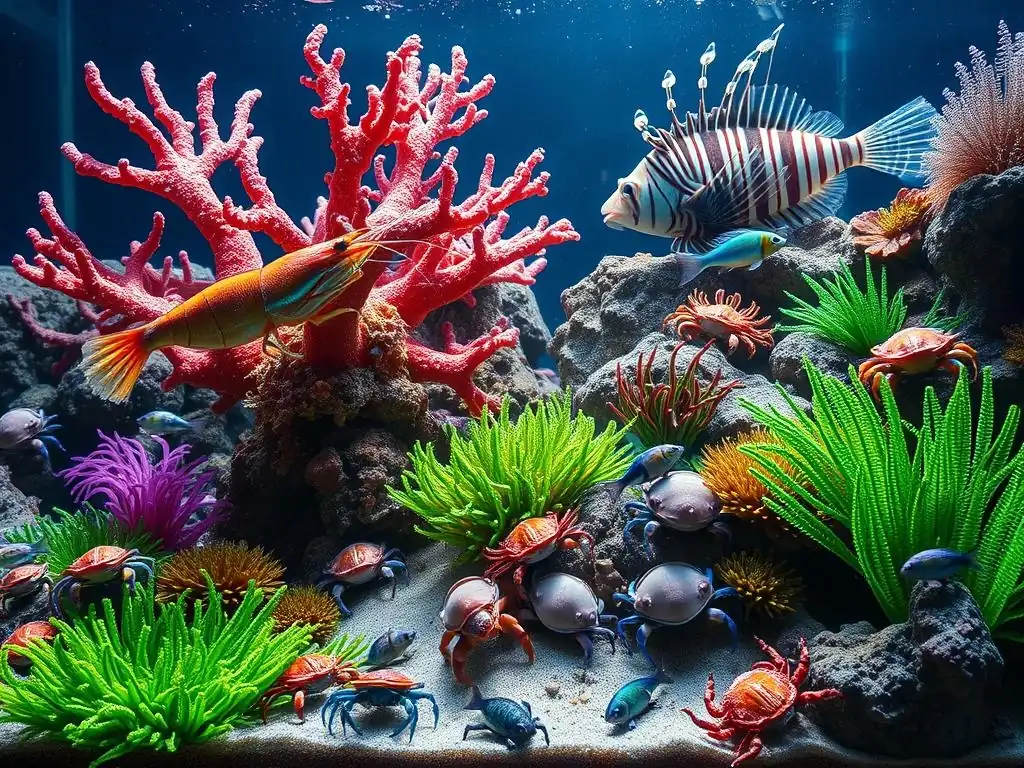
Welcome to Aquarium Mastery!
Dive into the captivating world of saltwater aquariums and uncover the secrets to a thriving ecosystem. Ever wondered how to maintain a pristine tank naturally? Our guide to Saltwater Tank Cleanup Crews is your key! Discover which industrious invertebrates are the perfect match for your specific tank challenges, and get ready to witness a beautifully balanced aquarium. Curious to learn more about these tiny titans of cleanliness? Let's explore!
- Understanding the Saltwater Tank Cleanup Crew Ecosystem
- Identifying Your Saltwater Aquarium's Specific Needs
- Matching Invertebrates to Specific Aquarium Issues: The CleanUp Crew Guide
- Building the Ideal Saltwater Tank Cleanup Crew
- Maintaining a Healthy Cleanup Crew Population
- Troubleshooting Common Cleanup Crew Problems
- Advanced Saltwater Cleanup Crew Strategies
- Conclusion: Achieving a Balanced Saltwater Aquarium Ecosystem with the Right Cleanup Crew.
- Frequently Asked Questions
- Final Reflection: The Living Symphony of the Reef
- Unleash Your Inner Reef Guardian!
Understanding the Saltwater Tank Cleanup Crew Ecosystem
The Vital Role of Invertebrates in Saltwater Aquariums
Invertebrates are the unsung heroes of a thriving saltwater aquarium, forming the backbone of what is commonly known as the saltwater tank cleanup crew. These diligent organisms play a crucial role in maintaining ecological balance by performing essential tasks such as consuming nuisance algae, breaking down detritus, and aerating the substrate. Their collective actions significantly reduce the accumulation of organic waste, which, if left unchecked, can lead to elevated nutrient levels like nitrates and phosphates, ultimately compromising water quality and the health of fish and corals.
Beyond their practical benefits, these invertebrates mimic the natural processes observed in wild reef ecosystems. They contribute to nutrient cycling, converting waste products into forms that can be reabsorbed or processed by beneficial bacteria. A well-established saltwater tank cleanup crew acts as a biological filter, preventing unsightly algae blooms and the buildup of harmful compounds, thereby creating a more stable and resilient environment for all inhabitants and reducing the manual labor required for tank maintenance.
Defining a Successful Saltwater Cleanup Crew
A successful saltwater tank cleanup crew is not merely a collection of random invertebrates; it is a carefully curated team designed to address specific needs within your aquarium. Success is measured by the crew's ability to proactively prevent common issues like excessive algae growth and detritus accumulation, rather than merely reacting to severe outbreaks. This proactive approach ensures a cleaner, healthier tank with stable water parameters, minimizing stress on fish and corals.
The hallmark of an effective saltwater tank cleanup crew lies in its diversity and appropriate stocking density, tailored to the tank's size, bioload, and specific challenges. A truly successful crew comprises a variety of species, each specializing in different cleaning tasks and inhabiting different areas of the tank – from sand-sifting snails to rock-grazing crabs. This comprehensive coverage ensures that all niches are addressed, contributing to a consistently pristine and balanced marine environment.
Key Invertebrate Groups for a Thriving Aquarium
The core of any effective saltwater tank cleanup crew is typically comprised of several key invertebrate groups, each with distinct roles. Snails, such as Turbo, Trochus, and Nassarius species, are primarily herbivorous or detritivorous, excelling at grazing various types of algae from rockwork and glass, or scavenging uneaten food from the substrate. They are often the first line of defense against nuisance algae.
Crabs, including Emerald Crabs and various hermit crab species, offer a broader spectrum of cleaning services, acting as omnivores that consume algae, detritus, and even some pest organisms. Shrimp, such as Peppermint Shrimp, are valued for their scavenging abilities and, in some cases, their specialized predation on pests like Aiptasia anemones. Lastly, sea stars, like the Sand Sifting Sea Star, play a vital role in aerating and cleaning the sand bed, preventing the buildup of anaerobic pockets and consuming buried detritus.
Identifying Your Saltwater Aquarium's Specific Needs
Diagnosing Common Saltwater Tank Problems
Accurately diagnosing common problems in your saltwater aquarium is the critical first step before assembling or augmenting your saltwater tank cleanup crew. Visual observation is key: distinguishing between different types of algae, identifying areas of detritus accumulation, and recognizing the presence of pest organisms like Aiptasia. A deep understanding of these issues allows for a targeted approach in selecting the most effective invertebrates.
Misdiagnosis can lead to the introduction of an ineffective saltwater tank cleanup crew, wasting resources and potentially exacerbating the problem. For instance, adding algae-eating snails to combat cyanobacteria, which is a bacterium, will yield minimal results. Therefore, taking the time to correctly identify the specific challenge your aquarium faces ensures that the chosen cleanup crew members can genuinely contribute to a healthier environment.
Algae Blooms: Types and Causes
Algae blooms in a saltwater aquarium can manifest in several forms, each with distinct appearances and underlying causes. Green Hair Algae (GHA) often appears as stringy green strands and typically indicates an excess of nitrates and phosphates, often coupled with strong lighting. Diatom Algae, a brown, dusty film, is common in new tanks as silicates become available, but can also signify excess nutrients in mature systems. Film Algae, a pervasive green coating on glass and rocks, is a general indicator of available nutrients and light.
Detritus Buildup and Nutrient Imbalances
Detritus is the accumulation of uneaten food, fish waste, decaying plant matter, and other organic debris. This material settles on the substrate and within rockwork, serving as a continuous source of dissolved organic compounds. As detritus breaks down, it releases nitrates and phosphates into the water column, leading to nutrient imbalances that fuel nuisance algae growth and can negatively impact water quality, stressing corals and fish.
Cyanobacteria (Red Slime Algae) Issues
Cyanobacteria, often referred to as Red Slime Algae, is not true algae but a photosynthetic bacterium that forms slimy, dark red, purple, or even black mats over surfaces. Unlike true algae, it's often linked to low flow areas, high phosphates, and sometimes a lack of specific trace elements or an imbalance in the bacterial population. It can rapidly spread and smother corals if left unaddressed.
Aiptasia and Other Pest Anemones
Aiptasia anemones are a notorious pest in saltwater aquariums, characterized by their translucent bodies and long, stinging tentacles. They reproduce rapidly, can outcompete and sting corals, and are notoriously difficult to eradicate once established. Other pest anemones, while less common, can also pose threats by stinging corals or consuming small invertebrates.
Matching Invertebrates to Specific Aquarium Issues: The CleanUp Crew Guide
Algae Eaters: Tackling Different Types of Algae
Snails for Algae Control: Turbo Snails for Green Hair Algae
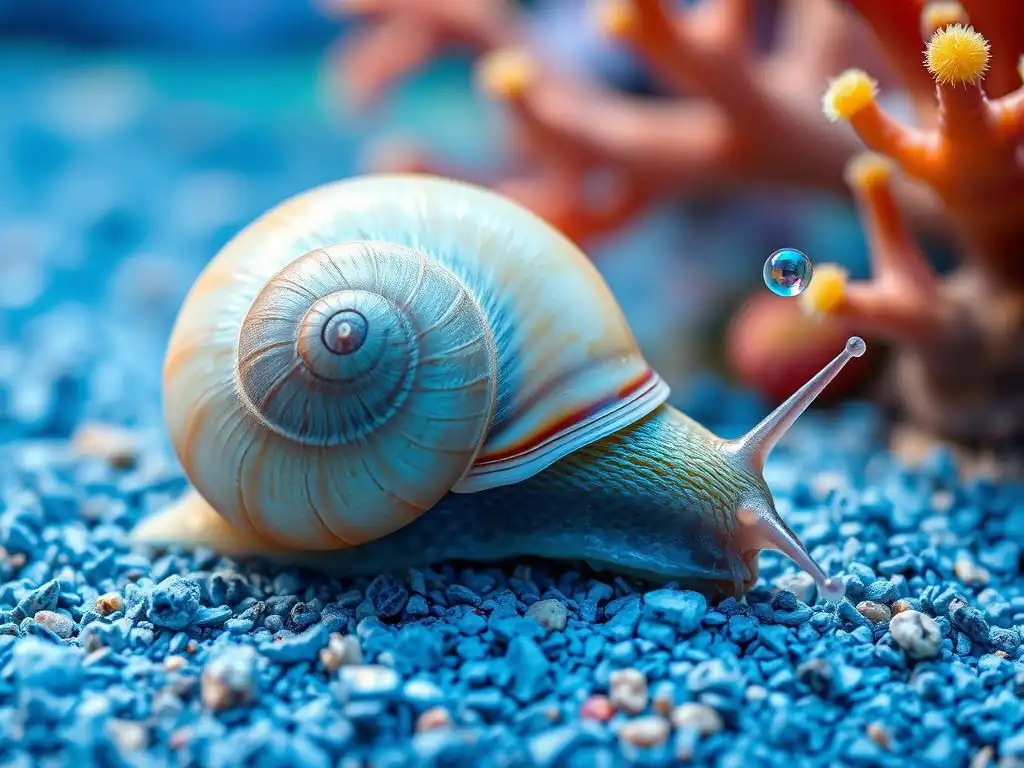
Turbo Snails, particularly species like Astrea undosa or various Turban Snails, are highly effective members of a saltwater tank cleanup crew, renowned for their voracious appetite for green hair algae and various types of film algae. These robust snails, typically ranging from 1 to 2 inches in size, actively graze on rockwork and glass, efficiently removing unsightly algal growth. A single healthy Turbo Snail can clear several square inches of dense green hair algae per day in a moderately lit aquarium, making them indispensable for maintaining clean surfaces.
While exceptionally effective at grazing, it's important to note that Turbo Snails can struggle to right themselves if they fall upside down, especially on flat sand beds. Other beneficial snails include Trochus snails, which have a pyramid shape and are excellent for cleaning both glass and rock surfaces, and Cerith snails, smaller and more versatile, grazing on detritus and algae across various substrates. Nerite snails are also hardy and particularly effective at cleaning glass and flat surfaces, though they do not reproduce in freshwater aquariums.
Crabs as Algae Consumers: Emerald Crabs vs. Hermit Crabs
Emerald Crabs ( Mithraculus sculptus) are a valuable addition to a saltwater tank cleanup crew, specifically prized for their ability to consume bubble algae ( Valonia spp.), a common and stubborn nuisance algae. These crabs, usually growing up to 2 inches in size, will actively pick at and consume the green spheres of bubble algae, significantly reducing outbreaks within weeks. While generally considered reef-safe, occasional reports suggest they might nip at soft corals if food sources are scarce, so observation is key.
Hermit Crabs, such as the popular Blue Leg ( Clibanarius tricolor) and Red Leg ( Paguristes cadenati) Hermits, are omnivorous scavengers that contribute to algae control, particularly diatoms and film algae. However, their primary role within a saltwater tank cleanup crew is often detritus consumption. It's crucial to provide them with an ample supply of appropriately sized empty shells as they grow, as a lack of new shells can lead them to attack and evict snails from their own shells, potentially harming other cleanup crew members.
Sea Hares: Effective Macroalgae Removal
Sea Hares, such as Aplysia californica, are highly specialized grazers capable of consuming large quantities of nuisance macroalgae, including stubborn varieties like Bryopsis. These fascinating mollusks, which can grow quite large (some species reaching over 12 inches), are voracious eaters and can dramatically reduce significant patches of macroalgae in a relatively short period, often clearing a substantial area in a 50-gallon tank within days.
Despite their effectiveness, Sea Hares are generally considered temporary additions to a saltwater tank cleanup crew. Their large bioload means they produce a significant amount of waste, and once their target algae supply is exhausted, they will quickly starve. It is crucial to monitor their food source and plan for their removal or rehoming once the macroalgae problem is under control to prevent their starvation and subsequent decomposition, which can negatively impact water quality.
Detritus and Waste Management: Keeping Your Tank Clean
Sand Sifting Stars: Maintaining a Healthy Substrate
Sand Sifting Sea Stars, such as Archaster typicus, are invaluable members of a saltwater tank cleanup crew for maintaining a healthy and aerated sand bed. These stars continuously burrow and sift through the substrate, consuming detritus and uneaten food particles that settle there. Their constant movement prevents the formation of anaerobic pockets, which can release harmful hydrogen sulfide gas into the aquarium. For optimal health, a sand sifting star requires a mature, deep sand bed of at least 3-4 inches to find sufficient food.
A single mature sand sifting star can effectively process several square feet of sand surface daily, making a significant contribution to nutrient export and overall substrate health. However, they are highly susceptible to starvation in smaller or newly established tanks where the food source in the sand bed is insufficient. Therefore, careful consideration of tank size and age is crucial before introducing these specialized detritivores to your saltwater tank cleanup crew.
Nassarius Snails: Scavengers for Uneaten Food
Nassarius Snails, including popular species like Nassarius vibex and Nassarius obsoletus, are exceptional scavengers and an essential component of any efficient saltwater tank cleanup crew. These small snails, typically ranging from 0.5 to 1 inch, spend most of their time burrowed beneath the sand surface, only emerging rapidly when they detect the presence of uneaten food or decaying organic matter. Their quick response helps prevent food from rotting and polluting the water column.
By diligently consuming uneaten food, fish waste, and general detritus, Nassarius snails play a crucial role in maintaining pristine water quality. Their constant activity in the substrate also contributes to sand aeration, further preventing the buildup of harmful anaerobic conditions. Their relatively small size, high activity level, and effective scavenging make them a highly recommended addition for any saltwater aquarium, significantly reducing the burden of organic waste.
Brittle Stars: Efficient Detritus Removal
Brittle Stars, encompassing a wide variety of species, are highly efficient detritivores that make an excellent, often hidden, contribution to a saltwater tank cleanup crew. These nocturnal scavengers typically hide within the rockwork during the day, extending their long, flexible arms to sweep the surrounding areas for uneaten food, fish waste, and other decaying organic matter. Their ability to access tight crevices makes them invaluable for cleaning areas inaccessible to other cleanup crew members.
Most common brittle star species are entirely reef-safe and pose no threat to corals or other invertebrates, making them ideal additions to a coral-dominated display. While some larger species can reach an arm span of 8-10 inches, they remain primarily hidden, emerging only when food is present. Their discreet yet highly effective detritus removal capabilities help maintain water clarity and reduce nutrient loads, making them a quiet but powerful asset to your saltwater tank cleanup crew.
Controlling Cyanobacteria (Red Slime Algae) with Cleanup Crew
Snails That Graze on Cyanobacteria: Cerith Snails and Nerite Snails
While no single invertebrate can completely eradicate a severe cyanobacteria outbreak, certain members of the saltwater tank cleanup crew can help manage its initial stages or prevent its resurgence. Cerith Snails ( Cerithium atratum) are versatile scavengers that graze on small patches of cyanobacteria, along with diatoms and other film algae. Their ability to move across both sand and rock surfaces makes them useful for disrupting the early formation of cyanobacterial mats.
Nerite Snails ( Nerita spp.) are also known for their hardiness and effectiveness in consuming diatoms and some forms of film algae. In some cases, they will also graze on nascent patches of cyanobacteria, particularly on glass surfaces. However, it is crucial to understand that these snails are not a standalone solution for significant cyanobacteria problems, as this issue often stems from underlying water quality or flow imbalances that require direct intervention.
Dealing with Severe Cyanobacteria Blooms: Manual Removal and Water Changes
For severe cyanobacteria blooms, relying solely on a saltwater tank cleanup crew is insufficient. The most effective immediate action is manual removal, typically achieved by siphoning the slimy mats directly from the rockwork and substrate during a water change. This physical removal directly exports the bacteria and associated nutrients from the system, providing immediate relief and preventing further spread.
Beyond manual removal, addressing the root causes of cyanobacteria is paramount. This includes improving water circulation in stagnant areas with powerheads, reducing nutrient input through less feeding and consistent use of RO/DI water for top-offs and water changes, and ensuring proper filtration. Regular water changes, typically 10-20% weekly, are essential for diluting accumulated nutrients and maintaining stable water parameters, creating an environment less favorable for cyanobacteria proliferation.
Aiptasia and Pest Anemone Control: Natural Predators
Peppermint Shrimp: Aiptasia Assassins
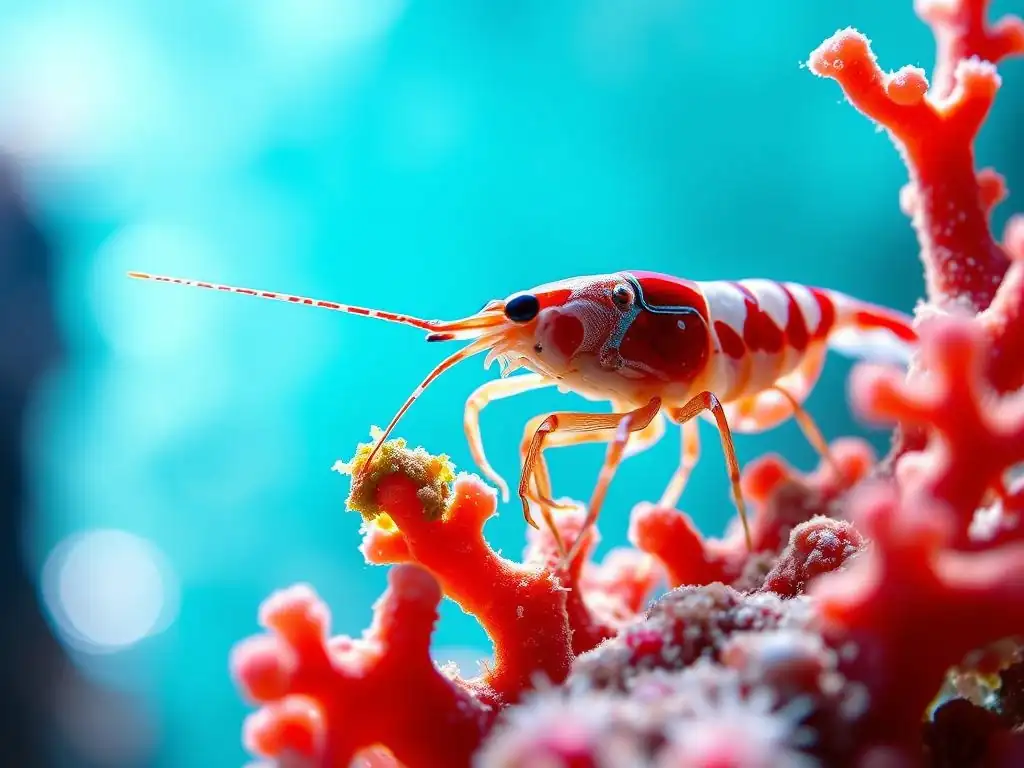
Peppermint Shrimp ( Lysmata wurdemanni) are widely recognized as one of the most effective natural predators for Aiptasia anemones, making them a popular addition to a saltwater tank cleanup crew specifically for pest control. These small, generally reef-safe shrimp, typically growing 1-2 inches, are known to actively seek out and consume Aiptasia, especially smaller individuals. Their effectiveness can vary between individual shrimp, with some being voracious Aiptasia eaters and others less so.
For moderate Aiptasia infestations, introducing a group of 2-3 Peppermint Shrimp can significantly reduce the population. Success rates are often reported around 70-80% for tanks with mild to moderate issues. While highly beneficial for Aiptasia control, ensuring they have sufficient hiding spots and are not preyed upon by aggressive fish in the tank will increase their chances of success and longevity within your saltwater tank cleanup crew.
Filefish: A Specialized Aiptasia Predator
For more severe or persistent Aiptasia problems, certain specialized fish like the Aiptasia-eating Filefish ( Acreichthys tomentosus) can be introduced as a targeted solution. These filefish are known for their voracious appetite for Aiptasia, often decimating large populations rapidly when other methods have failed. They are a highly effective, albeit more aggressive, option for dealing with widespread infestations.
However, caution is advised when introducing a Filefish to a reef aquarium. While highly effective against Aiptasia, some individuals may develop a taste for corals, particularly LPS (Large Polyp Stony) corals, or even soft corals. Therefore, they are often considered a "last resort" or are best suited for fish-only tanks with severe Aiptasia issues where coral safety is not a primary concern. Careful observation after introduction is crucial to ensure they do not become a problem themselves.
Building the Ideal Saltwater Tank Cleanup Crew
Considering Tank Size and Water Parameters
When building your ideal saltwater tank cleanup crew, tank size is a primary consideration for determining appropriate stocking levels. Overstocking can lead to rapid depletion of food sources, resulting in starvation and subsequent death of invertebrates, which then contributes to nutrient spikes. A general guideline for snails might be 1-2 snails per gallon for smaller tanks (under 50 gallons) and 1 snail per 2-3 gallons for larger systems, adjusting for bioload and specific algae issues. Crabs and shrimp stocking depends heavily on their species and potential for aggression.
Stable water parameters are paramount for the health and longevity of your saltwater tank cleanup crew. Invertebrates are often more sensitive to fluctuations than fish. Consistent salinity (typically 1.024-1.026 SG), temperature (75-80°F), pH (8.1-8.4), alkalinity (8-12 dKH), calcium (400-450 ppm), and magnesium (1250-1350 ppm) are crucial. Sudden changes or prolonged exposure to suboptimal conditions, especially high nitrates or phosphates, can severely stress or kill cleanup crew members.
Compatibility: Ensuring Harmony Among Invertebrates and Fish
Ensuring compatibility between your chosen saltwater tank cleanup crew and existing tank inhabitants is vital for a harmonious ecosystem. Certain fish species, such as puffers, triggerfish, some large wrasses, and even some hawkfish, are known predators of snails, crabs, and shrimp. Thorough research into the dietary habits of your current fish population is essential before introducing new invertebrates to avoid them becoming expensive snacks.
Beyond fish-invertebrate interactions, compatibility among the invertebrates themselves must be considered. Some larger hermit crabs, particularly certain aggressive species, may attack and kill snails to acquire their shells, even if empty shells are provided. Similarly, some larger shrimp or crabs might prey on smaller, more vulnerable cleanup crew members. A balanced saltwater tank cleanup crew prioritizes species that can coexist peacefully, minimizing predation and competition for resources.
Quarantine Procedures for New Invertebrates
Implementing a quarantine procedure for all new invertebrates entering your saltwater tank cleanup crew is a critical step in preventing the introduction of diseases, parasites, and unwanted hitchhikers. A dedicated quarantine tank, even a simple 10-gallon setup with basic filtration and some cured live rock, allows you to observe new arrivals for a period of 2-4 weeks. During this time, you can monitor for signs of illness, unusual behavior, or the presence of predatory worms or other undesirable organisms that may have come in on the invertebrate or its shell.
Quarantining protects your established display tank from potential threats. For instance, a small mantis shrimp, a notorious hitchhiker, could decimate your entire saltwater tank cleanup crew if introduced directly. Similarly, a diseased snail could introduce pathogens that harm other tank inhabitants. This proactive measure, while requiring patience, significantly reduces the risk of costly and frustrating problems down the line, safeguarding the health of your entire aquarium ecosystem.
Gradual Introduction of Cleanup Crew Members
Introducing your saltwater tank cleanup crew members gradually, rather than all at once, is a recommended practice that benefits both the invertebrates and the overall aquarium stability. Adding a large number of organisms simultaneously can cause a sudden spike in the bioload, potentially overwhelming the beneficial bacteria in your filtration system and leading to ammonia or nitrite spikes, which are highly toxic to all marine life, especially sensitive invertebrates.
A phased introduction, perhaps adding a few snails one week, then some crabs the next, allows the aquarium's biological filtration to slowly adjust to the increased waste production. It also provides an opportunity to observe the behavior of existing inhabitants towards the new cleanup crew members and assess their initial effectiveness. This gradual approach minimizes stress on the entire system and ensures a smoother, more successful integration of your diligent saltwater tank cleanup crew.
Maintaining a Healthy Cleanup Crew Population
Providing Supplemental Feeding When Necessary
While the primary role of a saltwater tank cleanup crew is to consume nuisance organisms and detritus, in very clean or mature tanks, their natural food sources may become insufficient. This can lead to starvation, weakening, and eventual death of your valuable invertebrates. Monitoring their activity levels and body condition is crucial; inactive snails or overly thin crabs are indicators of insufficient food.
To prevent starvation, providing supplemental feeding is often necessary. This can include dropping in algae wafers, sinking pellets designed for bottom feeders, or small pieces of dried nori. Distribute the food widely to ensure all members of the saltwater tank cleanup crew have an opportunity to feed. Regularly assessing the available algae and detritus in your tank will help you determine when and how much supplemental feeding is required to keep your crew thriving.
Monitoring Water Quality and Nutrient Levels
Consistent monitoring of water quality and nutrient levels is paramount for the health and longevity of your saltwater tank cleanup crew. Invertebrates are highly sensitive to sudden changes and prolonged exposure to poor conditions. Regular testing for ammonia, nitrite, nitrate, and phosphate levels is essential. While a healthy cleanup crew helps process waste, persistently high nutrient levels indicate an underlying imbalance (e.g., overfeeding, insufficient water changes) that will stress and eventually harm them.
Conversely, extremely low nutrient levels, particularly in very clean, mature reef tanks, can also be a sign that your saltwater tank cleanup crew might be running out of food, leading to starvation. Maintaining stable parameters within recommended ranges (e.g., nitrates below 10-20 ppm, phosphates below 0.03 ppm for reef tanks) ensures a safe environment. Regular water changes and proper filtration complement the cleanup crew's efforts, supporting their health and the overall stability of your marine ecosystem.
Preventing Overgrazing and Starvation
Preventing both overgrazing and starvation is a delicate balance crucial for maintaining a healthy saltwater tank cleanup crew. Overstocking your tank with too many cleanup crew members, especially in relation to the available algae and detritus, will lead to rapid depletion of their food sources. Once natural food is exhausted, the invertebrates will begin to starve, leading to their decline and death. A mass die-off of cleanup crew can then cause a sudden ammonia spike, jeopardizing the entire tank.
Conversely, an understocked cleanup crew may not be able to keep up with the bioload, leading to unchecked algae growth and detritus buildup. The key is to gradually introduce a diverse saltwater tank cleanup crew and observe their effectiveness, adjusting numbers as needed. A balanced approach ensures they have sufficient food to thrive without becoming so numerous that they exhaust their resources, promoting a stable and self-sustaining cleaning force in your aquarium.
Troubleshooting Common Cleanup Crew Problems
Invertebrate Deaths: Identifying Potential Causes
Invertebrate deaths within your saltwater tank cleanup crew can be distressing and often indicate an underlying problem in your aquarium. Common causes include starvation, especially in tanks with minimal algae or detritus, or if the crew is overstocked. Poor water quality is another major culprit; sudden ammonia or nitrite spikes, rapid swings in salinity or temperature, or prolonged exposure to high nitrates can be fatal. Predation by certain fish or other invertebrates (like hungry hermit crabs) is also a possibility.
Prompt removal of any dead invertebrates is crucial to prevent their decomposition from further polluting the water and causing an ammonia spike. Once removed, it's important to investigate the potential cause to prevent further losses. This may involve re-evaluating feeding habits, testing water parameters rigorously, observing tank inhabitants for predatory behavior, or reviewing recent additions or changes to the tank environment. A healthy saltwater tank cleanup crew is a reflection of a healthy tank.
Algae Overgrowth Despite Cleanup Crew Presence
If you observe persistent algae overgrowth despite having a seemingly adequate saltwater tank cleanup crew, it typically signifies that the underlying nutrient problem is too severe for the crew to manage alone, or that the crew itself is insufficient in numbers or species diversity for the specific type of algae. Algae growth is fundamentally fueled by excess nutrients (nitrates, phosphates) and light.
In such cases, it's essential to re-evaluate your aquarium husbandry practices. This includes reducing feeding amounts, ensuring your RO/DI water source is producing zero TDS water, increasing the frequency or volume of water changes, and optimizing your lighting schedule and intensity. While a saltwater tank cleanup crew is an invaluable tool, it cannot compensate for systemic issues leading to nutrient accumulation. They are part of the solution, not the sole solution.
Cleanup Crew Predation: Protecting Your Invertebrates
Cleanup crew predation is a common problem in mixed-reef or fish-only tanks, where certain fish or even other invertebrates may view your diligent saltwater tank cleanup crew as a food source. Fish like triggerfish, puffers, certain wrasses (e.g., six-line wrasse may pick at small snails), and larger hawkfish are known to prey on snails, crabs, and shrimp. Even some larger hermit crabs can become predatory towards smaller snails if not adequately fed or if empty shells are scarce.
To protect your valuable cleanup crew, it's crucial to research the compatibility of all tank inhabitants before introduction. If predation is occurring, identifying the culprit is the first step. Providing ample hiding spots within the rockwork for smaller invertebrates can offer some refuge. In severe cases, rehoming the predatory fish or carefully selecting only the most robust and less vulnerable cleanup crew members may be necessary to maintain a thriving saltwater tank cleanup crew.
Advanced Saltwater Cleanup Crew Strategies
Utilizing Multiple Invertebrate Species for Comprehensive Cleaning
An advanced strategy for maintaining a pristine saltwater aquarium involves utilizing multiple invertebrate species within your saltwater tank cleanup crew to achieve comprehensive cleaning. Different species specialize in different tasks and inhabit various areas of the tank, ensuring all niches are covered. For instance, Turbo snails excel at grazing hard surfaces, while Nassarius snails are masters of the sand bed, and Cerith snails offer versatility across both.
By combining these specialists, you create a synergistic cleaning force that addresses a wider spectrum of algae types, detritus, and waste products. This diversity ensures that no area of the tank becomes a perpetual problem spot. A well-chosen, multi-species saltwater tank cleanup crew is far more effective than a large monoculture of a single species, providing a robust and resilient biological cleaning system for your marine environment.
Rotational Grazing: Moving Invertebrates to Different Areas of the Tank
In larger aquariums, or tanks with isolated patches of stubborn algae, an advanced strategy known as rotational grazing can be employed with your saltwater tank cleanup crew. This involves manually moving certain invertebrates, particularly snails like Turbo snails or larger hermit crabs, to specific areas where algae or detritus buildup is most prevalent. This concentrates their grazing efforts where they are most needed, providing targeted relief.
This technique is particularly useful for managing localized algae outbreaks or ensuring that all areas of a sprawling rockscape receive attention. By periodically relocating your cleanup crew members, you can maximize their efficiency and prevent them from exhausting food sources in one area while other parts of the tank remain neglected. Rotational grazing helps maintain an active and well-fed saltwater tank cleanup crew while effectively managing specific problem zones.
Reef Safe Options: Choosing the Right Crew for a Coral Environment
When maintaining a coral reef aquarium, selecting "reef safe" options for your saltwater tank cleanup crew is paramount to ensure the well-being of your corals and other sessile invertebrates. Most commonly available cleanup crew snails (e.g., Turbo, Trochus, Nassarius, Cerith, Nerite) and shrimp (e.g., Peppermint, Skunk Cleaner) are considered reef-safe and pose no threat to corals. They primarily consume algae, detritus, or parasites.
However, caution is advisable with certain crabs and specialized predators. While many hermit crabs are generally safe, some larger or more aggressive species might opportunistically nip at corals or outcompete them for space. Similarly, while Filefish are excellent for Aiptasia control, some individuals may develop a taste for corals. Always research specific species thoroughly and observe their behavior closely after introduction to ensure they remain a truly reef-safe saltwater tank cleanup crew.
Conclusion: Achieving a Balanced Saltwater Aquarium Ecosystem with the Right Cleanup Crew.
Achieving a balanced and thriving saltwater aquarium ecosystem hinges significantly on the strategic selection and maintenance of the right saltwater tank cleanup crew. These indispensable invertebrates are not just janitors; they are integral components of the biological filtration system, diligently working to control nuisance algae, break down detritus, and maintain pristine water quality. By carefully matching specific invertebrate species to your aquarium's unique challenges, you empower your tank with a natural, efficient, and aesthetically pleasing solution to common problems.
The journey to a healthy marine environment is an ongoing process of observation, understanding, and adaptation. A well-chosen and diligently cared-for saltwater tank cleanup crew will significantly reduce the need for manual intervention, prevent common pitfalls, and contribute immensely to the stability and beauty of your underwater world. Investing in the right cleanup crew is investing in the long-term health and vibrancy of your entire saltwater aquarium, transforming it into a self-sustaining and endlessly fascinating slice of the ocean.
Frequently Asked Questions
What exactly is a "Saltwater Tank Cleanup Crew"?
A saltwater tank cleanup crew is a collection of invertebrates such as snails, crabs, and starfish, that consume detritus, algae, and uneaten food in your aquarium. This helps to maintain a healthy and balanced environment.
Why is a cleanup crew important for my saltwater aquarium?
Cleanup crews play a vital role in nutrient cycling and waste removal. They prevent the buildup of harmful substances like nitrates and phosphates, which can lead to algae blooms and other problems.
How do I choose the right cleanup crew for my specific tank?
Consider the size of your tank, the types of algae or detritus you need to control, and the compatibility of the invertebrates with your existing fish and corals. Research each species carefully before introducing them.
What are some common mistakes people make when adding a cleanup crew?
Overstocking or understocking the cleanup crew is a frequent error. Also, introducing them too early into a new tank or failing to acclimate them properly can lead to their demise.
How often should I replace or supplement my cleanup crew?
The lifespan of cleanup crew members varies, and some may be consumed by tank inhabitants. Regularly monitor their population and supplement as needed to maintain optimal cleaning performance, usually every 6-12 months.
Final Reflection: The Living Symphony of the Reef
The delicate balance within a saltwater aquarium, as we've explored, hinges on the effectiveness of its cleanup crew. Understanding the specific needs of your tank and matching the right invertebrates to those needs is not merely about aesthetics; it's about fostering a thriving, miniature ecosystem that mirrors the complexity and resilience of the ocean itself. The ongoing popularity of saltwater aquariums underscores the enduring human fascination with these underwater worlds, and the crucial role these often-overlooked creatures play in maintaining their health.
The impact of a well-chosen cleanup crew extends far beyond simply removing algae or detritus. It's about cultivating a sustainable environment where corals flourish, fish thrive, and the entire system operates in harmony. The knowledge shared here empowers aquarists to move beyond reactive problem-solving and embrace proactive reef stewardship. In nature, there is no such thing as waste. Everything is food for something else.
This principle, so elegantly demonstrated in the natural world, is equally applicable within the confines of our saltwater tanks.
Now, armed with this understanding of the intricate relationships within your saltwater aquarium, I encourage you to reflect on your own role as a reef keeper. Consider the specific challenges your tank faces and the potential solutions that lie within the diverse world of cleanup crew invertebrates. Embrace the opportunity to create not just a beautiful display, but a vibrant, self-sustaining ecosystem that reflects the beauty and complexity of the ocean we all share. Let your tank be a testament to the power of informed stewardship and the magic of a balanced reef.
Unleash Your Inner Reef Guardian!
Thanks for diving deep into the world of reef cleanup crews! We hope you’ve gained the knowledge to build a thriving, balanced ecosystem. Now, let's put that knowledge into action and create the reef of your dreams.
- Identify a specific algae or pest issue plaguing your aquarium and choose one invertebrate from this article to tackle it head-on. Observe its effectiveness over the next week.
- Share this guide with a fellow reef enthusiast to spread the word about effective cleanup crew strategies. Let's build a community of thriving tanks!
- Consider creating a "cleanup crew wishlist" based on potential future issues your tank might face, preparing you for anything that comes your way.
What's the first step you're going to take to optimize your reef cleanup crew?