
Peppermint Shrimp (Lysmata wurdemanni): Care, Aiptasia Control & More

Welcome to Aquarium Mastery!
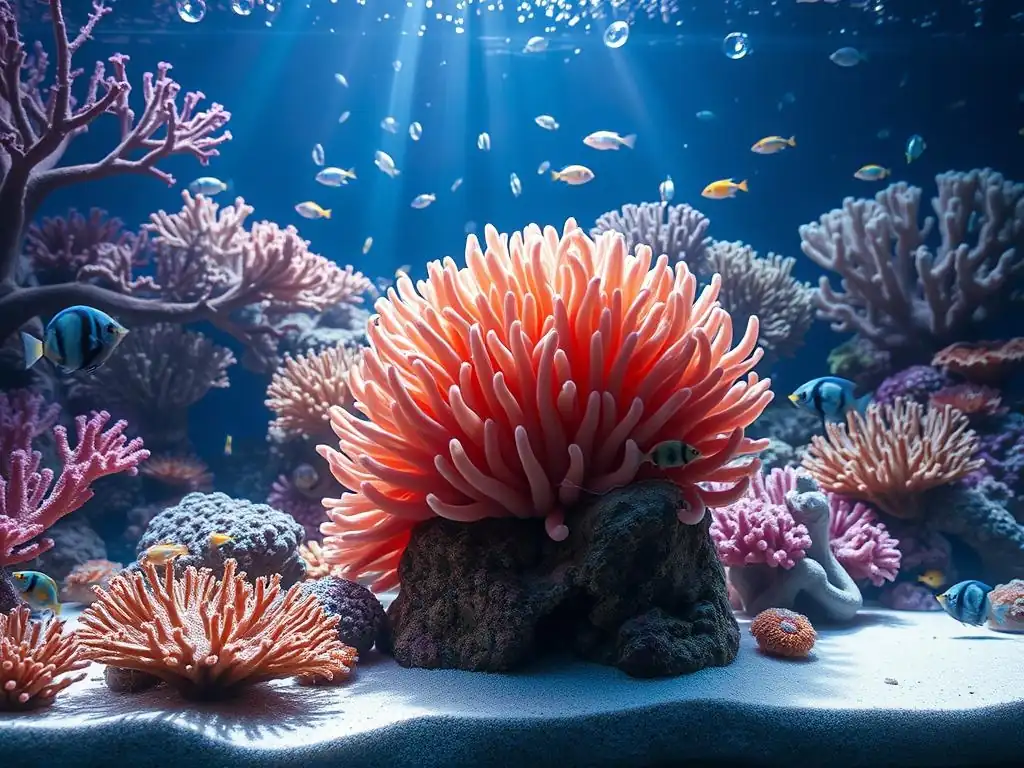
Ever wondered if there was a natural, effective solution to those pesky Aiptasia anemones in your saltwater aquarium? Dive in and uncover the secrets to successful Peppermint Shrimp care, the amazing invertebrate known for its voracious appetite for these unwanted pests. This isn't just about pest control, though – discover everything you need to know to keep your Lysmata wurdemanni thriving, from ideal water parameters to compatible tank mates. Ready to master the art of Peppermint Shrimp keeping? Let's get started!
- Peppermint Shrimp (Lysmata wurdemanni): The Ultimate Care Guide for Aiptasia Control & More
- Introduction to Peppermint Shrimp
- Understanding Peppermint Shrimp: Lysmata wurdemanni
- Peppermint Shrimp Care Guide: Essential Information
- Aiptasia Control with Peppermint Shrimp: A Natural Solution
- Breeding Peppermint Shrimp: A Detailed Guide
- Purchasing Peppermint Shrimp: What to Look For
- Common Issues and Solutions in Peppermint Shrimp Care
- Conclusion: Mastering Peppermint Shrimp Care and Aiptasia Control
- Frequently Asked Questions
- Final Reflection: The Tiny Guardians of Our Reefs
- Transform Your Tank: Conquer Aiptasia Now!
Peppermint Shrimp (Lysmata wurdemanni): The Ultimate Care Guide for Aiptasia Control & More
Introduction to Peppermint Shrimp
The Peppermint Shrimp, scientifically known as Lysmata wurdemanni, is a popular and beneficial invertebrate in the saltwater aquarium hobby. Renowned for its distinctive appearance and, more importantly, its appetite for nuisance Aiptasia anemones, this small crustacean has become a staple for many reef tank enthusiasts. Beyond its natural pest control abilities, the Peppermint shrimp is also an active scavenger, contributing to the overall cleanliness of a marine environment.
This comprehensive Peppermint shrimp care guide aims to provide aquarists with all the necessary information to successfully keep Lysmata wurdemanni. From understanding their natural behaviors and optimal tank conditions to leveraging their Aiptasia control capabilities and even exploring breeding, this guide covers every aspect of their husbandry. Whether you're a beginner planning your first saltwater tank or an experienced reefer seeking a natural solution to Aiptasia outbreaks, mastering Peppermint shrimp care is a valuable skill.
Understanding Peppermint Shrimp: Lysmata wurdemanni
Identifying Peppermint Shrimp: Physical Characteristics
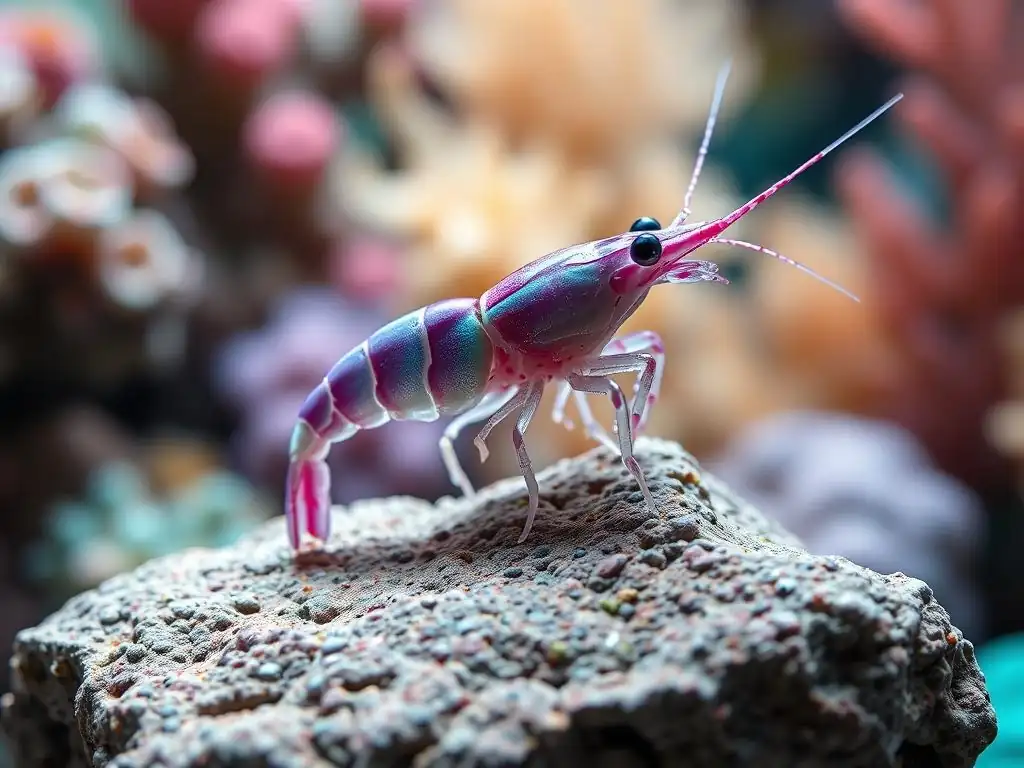
Lysmata wurdemanni is typically characterized by its translucent to light-red body, adorned with several broken or irregular reddish-orange bands running horizontally along its carapace and abdomen. These bands often appear as a series of dots or dashes rather than solid lines, a key distinguishing feature from other Lysmata species. Adults usually reach a size of approximately 2 to 3 inches (5 to 7.5 cm) in length, making them a manageable size for most home aquariums.
Their long, white antennae are also quite prominent, constantly moving as they explore their surroundings and search for food. The legs and tail fan are generally translucent, matching the body color. When considering a Peppermint shrimp care guide, proper identification is crucial, as some similar-looking species, like Lysmata californica, do not share the same propensity for consuming Aiptasia anemones.
Natural Habitat and Behavior of Peppermint Shrimp
In their natural environment, Peppermint shrimp are found throughout the Caribbean Sea and the Gulf of Mexico, inhabiting rocky crevices and coral rubble on shallow reefs. They are typically nocturnal, emerging from their hiding spots at dusk to forage for food. Their natural diet consists of detritus, uneaten food, small invertebrates, and algae, making them valuable members of the ocean's clean-up crew.
In a home aquarium, Lysmata wurdemanni exhibit similar behaviors, often remaining hidden during the day, especially when first introduced or if they feel threatened. As they become more comfortable, they will venture out more frequently, particularly during feeding times. Their scavenging nature is a significant benefit to tank health, as they diligently search for leftover food and decaying matter. This natural behavior is a cornerstone of effective Peppermint shrimp care.
Benefits of Keeping Peppermint Shrimp in Your Saltwater Aquarium
The primary and most celebrated benefit of keeping Peppermint shrimp in a saltwater aquarium is their natural predation of Aiptasia anemones. These pest anemones can quickly multiply and become a significant nuisance, stinging corals and overrunning the tank. A well-acclimated group of Peppermint shrimp can effectively control Aiptasia populations, often clearing out small to medium infestations within weeks.
Beyond Aiptasia control, Lysmata wurdemanni also serve as excellent general scavengers. They will tirelessly pick at detritus, consume uneaten food that falls into crevices, and even graze on undesirable algae. This contributes to a cleaner tank environment and can help reduce nutrient levels, making them a valuable addition to any clean-up crew. Their active foraging behavior makes them an engaging and beneficial component of a thriving reef system, emphasizing the importance of a detailed Peppermint shrimp care guide.
Peppermint Shrimp Care Guide: Essential Information
Setting Up the Ideal Peppermint Shrimp Tank Environment
Establishing the correct environment is fundamental to the long-term success of Lysmata wurdemanni in a home aquarium. A stable and mature tank is always preferable, as it provides consistent water parameters and established microfauna for the shrimp to graze on. Proper setup ensures these invertebrates thrive and perform their beneficial roles effectively.
The ideal setup for Peppermint shrimp focuses on providing ample hiding spaces and maintaining pristine water quality. They are relatively hardy once established but are sensitive to sudden changes in their environment. Adhering to specific guidelines for tank size, water parameters, and decor will significantly improve your Peppermint shrimp care success rate.
Tank Size Requirements for Peppermint Shrimp
While Peppermint shrimp are relatively small, a minimum tank size of 10 gallons (approximately 38 liters) is recommended for a single specimen to ensure stable water conditions. For a small group of 2-3 shrimp, which is often more effective for Aiptasia control and allows for more natural social behavior, a tank of 20-30 gallons (approximately 75-115 liters) or larger is ideal. Larger tanks offer greater stability in water parameters and more space for foraging.
It's important to remember that shrimp, like all invertebrates, are sensitive to ammonia, nitrite, and nitrate spikes. Therefore, a larger, more established tank with efficient filtration will inherently provide a more stable and forgiving environment, which is crucial for successful Peppermint shrimp care. Overcrowding should be avoided, as it can lead to stress and reduced foraging efficiency.
Water Parameters: Maintaining Optimal Conditions
Maintaining stable and optimal water parameters is the most critical aspect of Peppermint shrimp care. Fluctuations can lead to stress, molting issues, and ultimately, mortality. The ideal parameters for Lysmata wurdemanni are:
- Salinity: 1.023-1.025 specific gravity. Consistent salinity is vital; fluctuations of even 0.002 can be detrimental.
- Temperature: 72-78°F (22-26°C). A stable temperature within this range is preferred.
- pH: 8.1-8.4. Regular monitoring and maintaining this slightly alkaline range is important.
- Alkalinity (dKH): 8-12 dKH. Adequate alkalinity supports shell development and overall health.
- Calcium: 400-450 ppm. Calcium is essential for their exoskeleton formation, particularly during molting.
- Magnesium: 1200-1350 ppm. Magnesium helps maintain calcium levels and overall water chemistry balance.
- Nitrates: As low as possible, ideally below 10 ppm. While shrimp are more tolerant than some corals, low nitrates indicate good water quality.
- Ammonia & Nitrite: 0 ppm. These are highly toxic to all invertebrates, including Peppermint shrimp.
Regular water changes, typically 10-20% bi-weekly or monthly depending on tank bioload, are essential for maintaining these parameters and replenishing trace elements. Using a reliable test kit for accurate readings is also paramount for effective Peppermint shrimp care.
Substrate and Decor for Peppermint Shrimp
For Peppermint shrimp, the choice of substrate is less critical than the provision of adequate decor. They will happily forage on various substrates, from bare bottom to deep sand beds. However, a sand bed can provide a habitat for beneficial microfauna that the shrimp may graze upon. The most important decor element is live rock.
Live rock offers numerous crevices, caves, and overhangs that serve as essential hiding spots for Lysmata wurdemanni. As nocturnal creatures, they appreciate places to retreat during daylight hours or when feeling threatened. A well-structured aquascape with plenty of nooks and crannies will make your Peppermint shrimp feel secure, reducing stress and encouraging natural behavior. This security is a key component of successful Peppermint shrimp care.
Acclimation Process: Introducing Peppermint Shrimp to Your Aquarium
The acclimation process is a critical step that significantly impacts the survival and long-term health of newly acquired Peppermint shrimp. Due to their sensitivity to changes in salinity, pH, and temperature, a slow and gradual introduction is paramount. Rushing this process can lead to osmotic shock, stress, and even death.
A drip acclimation method is highly recommended for Lysmata wurdemanni. This involves slowly introducing tank water into the bag containing the shrimp over an extended period, allowing them to gradually adjust to the new water parameters. This careful procedure is a cornerstone of responsible Peppermint shrimp care.
To perform drip acclimation:
- Float the sealed bag in the sump or tank for 15-20 minutes to equalize temperature.
- Open the bag and pour the shrimp and original water into a clean bucket or container. Ensure the shrimp are fully submerged.
- Using airline tubing and an air valve, create a slow drip from your display tank into the bucket. Aim for approximately 2-3 drips per second.
- Allow the drip process to continue for at least 30-60 minutes, or until the volume of water in the bucket has at least doubled.
- Carefully net the shrimp and gently place them into your display tank. Discard the water from the bucket; do not add it to your aquarium.
- Turn off strong lights for a few hours after introduction to reduce stress.
Peppermint Shrimp Diet and Feeding Habits
Peppermint shrimp are opportunistic omnivores and highly efficient scavengers. In a well-established reef tank, they will constantly forage for detritus, uneaten fish food, and nuisance algae. However, relying solely on tank scraps may not always provide sufficient nutrition, especially if the Aiptasia population is low or non-existent.
A balanced diet is crucial for their growth, molting success, and overall vitality. Understanding their dietary needs and providing appropriate supplementation is a vital aspect of comprehensive Peppermint shrimp care.
What Do Peppermint Shrimp Eat?
In the wild and in the aquarium, Peppermint shrimp consume a variety of food sources. Their natural diet includes:
- Detritus: Decaying organic matter, a common component of reef environments.
- Uneaten Food: Leftover flakes, pellets, or frozen foods from fish.
- Algae: They will graze on various forms of nuisance algae, though they are not primarily herbivorous.
- Aiptasia Anemones: Their most famous dietary preference, particularly smaller specimens.
- Small Invertebrates: They may occasionally consume very small, weak, or dying invertebrates.
Their scavenging nature means they are constantly searching for food, making them an excellent addition to the clean-up crew. However, if their primary food source ( Aiptasia) is scarce, supplemental feeding becomes important for proper Lysmata wurdemanni care.
Supplementing Their Diet: High-Quality Flake Food, Frozen Mysis Shrimp
When Aiptasia is not abundant, or if you keep a larger group of Peppermint shrimp, supplemental feeding is necessary to ensure they receive adequate nutrition. High-quality protein-rich foods are best.
Recommended supplemental foods include:
- High-quality marine flake or pellet food: Small, sinking pellets or crushed flakes are readily accepted.
- Frozen Mysis shrimp: A favorite among many marine invertebrates, Mysis shrimp are rich in protein and beneficial fatty acids. They should be thawed before feeding.
- Frozen Brine shrimp: While less nutritious than Mysis, they can be offered occasionally.
- Chopped clam or fish flesh: Very small pieces can be offered as an occasional treat.
Offer food near their hiding spots or where they typically forage. Overfeeding should be avoided, as it can lead to poor water quality.
Feeding Frequency and Portion Control
The frequency and quantity of feeding depend largely on the availability of natural food sources in your aquarium, particularly Aiptasia. If you have a significant Aiptasia problem, you might intentionally reduce supplemental feeding to encourage the shrimp to focus on the anemones.
Generally, when Aiptasia is scarce, feed Peppermint shrimp 2-3 times per week. Offer small portions – enough that they can consume within a few minutes without leaving significant excess food to decay. For example, a few small flakes or 1-2 pieces of Mysis shrimp per individual. Observe their behavior; if they are constantly foraging and appear thin, increase feeding slightly. If food is left uneaten, reduce the portion. This careful management is key to their long-term health and a successful Peppermint shrimp care guide.
Peppermint Shrimp Compatibility: Tank Mates to Consider
Compatibility with other tank inhabitants is a crucial consideration when planning your Peppermint shrimp care strategy. While generally peaceful, they can become prey for larger, more aggressive fish. Careful selection of tank mates ensures the shrimp can thrive and perform their duties without undue stress or predation.
The goal is to provide a safe environment where the shrimp feel secure enough to forage openly. Introducing them into a tank with known shrimp predators is likely to result in their disappearance shortly after introduction.
Suitable Tank Mates for Peppermint Shrimp
Peppermint shrimp are compatible with a wide array of peaceful marine fish and invertebrates. Ideal tank mates are those that are not predatory towards small crustaceans and do not compete aggressively for food or territory.
Excellent choices for tank mates include:
- Peaceful Gobies: Such as Watchman Gobies, Clown Gobies, or Yellow Watchman Gobies.
- Blennies: Most species of blennies, like Tailspot Blennies or Lawnmower Blennies.
- Clownfish: All species of clownfish are generally peaceful towards shrimp.
- Damsels: Smaller, less aggressive damsel species can coexist, but caution is advised with some.
- Dartfish: Firefish and other dartfish are very peaceful.
- Snails and Hermit Crabs: Most common clean-up crew invertebrates are perfectly compatible.
- Other Peaceful Shrimp: Such as Skunk Cleaner Shrimp, although care should be taken to ensure adequate food for all.
When planning your Peppermint shrimp care guide, always research potential tank mates thoroughly to ensure they are not known predators of small invertebrates.
Fish and Invertebrates to Avoid
Certain fish and invertebrates are known predators of shrimp and should be strictly avoided when keeping Peppermint shrimp. Introducing them into a tank with these species will almost certainly result in the shrimp becoming a meal.
Species to avoid include:
- Triggerfish: All species are highly predatory and will actively hunt shrimp.
- Pufferfish: Known for their appetite for crustaceans and invertebrates.
- Large Wrasses: Many larger wrasse species, especially those in the Coris or Halichoeres genera, can prey on shrimp.
- Lionfish and Groupers: Any large predatory fish will view shrimp as food.
- Mantis Shrimp: Extremely aggressive and powerful predators of all crustaceans.
- Large Crabs: Many larger crab species, especially emerald crabs, can be opportunistic predators of shrimp, particularly during molting.
- Certain Anemones: Larger anemones, while not directly predatory on shrimp, can trap and consume them if they wander too close.
Thorough research on fish compatibility is a non-negotiable part of responsible Peppermint shrimp care.
Common Peppermint Shrimp Diseases and Health Issues
While Peppermint shrimp are generally hardy, they are not entirely immune to health issues. Most problems stem from poor water quality, stress, or improper diet, which can lead to molting difficulties or general decline. Unlike fish, specific treatments for shrimp diseases are limited, making prevention the best strategy in Peppermint shrimp care.
Understanding the signs of distress and taking prompt action can significantly improve the chances of recovery. A healthy environment is their best defense.
Recognizing Symptoms of Illness
Observing your Peppermint shrimp regularly can help you identify signs of illness early. Common symptoms indicating a problem include:
- Lethargy or Inactivity: Spending unusually long periods hidden or motionless, especially during expected active times.
- Loss of Color: Fading or dulling of their vibrant reddish-orange bands.
- Refusal to Eat: Lack of interest in offered food, even preferred items like Mysis shrimp.
- Abnormal Molting: Incomplete molts, difficulty shedding their exoskeleton, or becoming stuck in their old shell. This is often indicated by a shrimp struggling or appearing partially covered by its old skin.
- White Spots or Patches: Though less common than in fish, unusual spots on the exoskeleton can indicate bacterial or fungal issues.
- Missing Appendages: While sometimes due to aggression or a successful molt, a sudden loss of multiple legs or antennae without a recent molt can be a sign of stress or disease.
Any deviation from their typical active scavenging behavior warrants attention in your Peppermint shrimp care routine.
Preventing and Treating Common Diseases
Prevention is the cornerstone of Peppermint shrimp care when it comes to health. Maintaining pristine and stable water parameters (as outlined in the "Water Parameters" section) is the most effective way to prevent stress and disease. Regular water changes, proper filtration, and avoiding sudden parameter swings are crucial.
A high-quality, varied diet ensures they receive all necessary nutrients for a strong immune system and successful molting. Supplementing with iodine, calcium, and magnesium (if levels are low) can help with molting issues, as these minerals are vital for exoskeleton formation. For example, if calcium levels drop below 380 ppm, molting can become problematic.
Unfortunately, specific medicinal treatments for shrimp diseases are scarce and often harmful to other invertebrates or the beneficial bacteria in the tank. If a shrimp shows signs of severe illness, isolating it in a small quarantine tank with stable, pristine water might be the only option, but recovery is often challenging. Focus on prevention by providing the best possible Lysmata wurdemanni care environment.
Aiptasia Control with Peppermint Shrimp: A Natural Solution
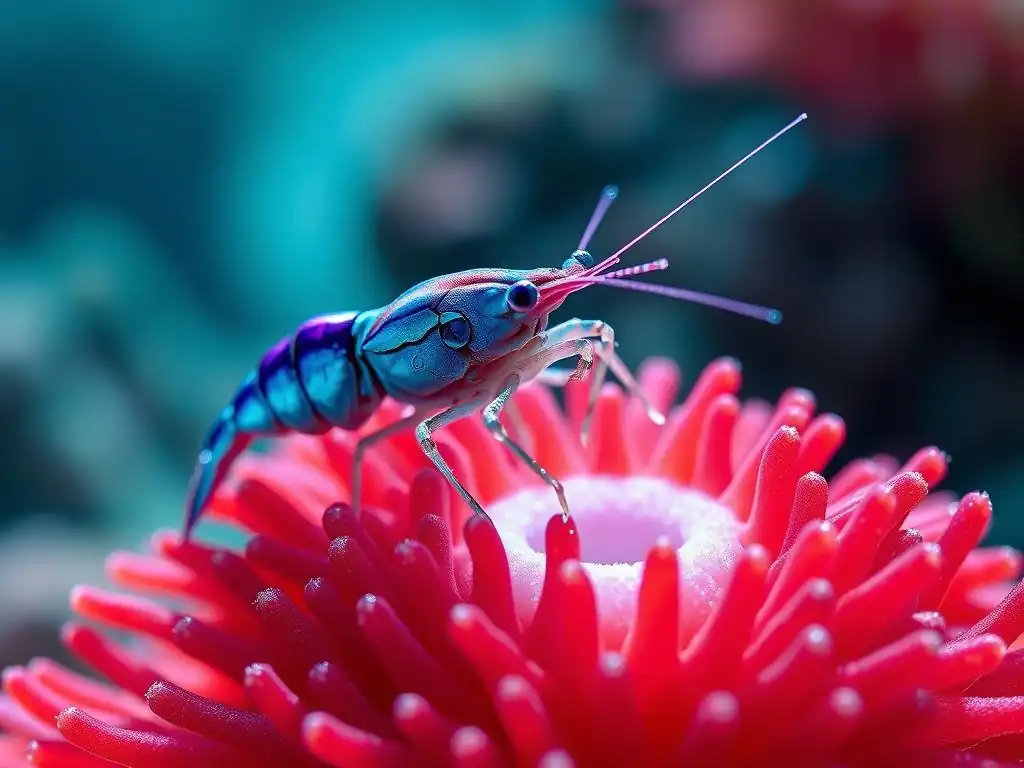
One of the most compelling reasons for aquarists to include Lysmata wurdemanni in their clean-up crew is their remarkable ability to control Aiptasia anemones. These pest anemones are a persistent problem in many reef tanks, capable of stinging corals and quickly multiplying, becoming an unsightly and damaging nuisance. Peppermint shrimp offer a natural, chemical-free solution to this common issue.
Their effectiveness, however, can vary, and understanding the nuances of how they interact with Aiptasia is crucial for maximizing their impact. This section delves into how Peppermint shrimp can be an invaluable tool in your Aiptasia management strategy, a key highlight of this Peppermint shrimp care guide.
Understanding Aiptasia Anemones
Aiptasia anemones are small, often translucent or brownish anemones that are considered pests in the marine aquarium hobby. They typically enter tanks as hitchhikers on live rock or corals. Their rapid asexual reproduction, primarily through pedal laceration (where pieces of the foot detach and grow into new anemones) and budding, allows them to quickly colonize tank surfaces.
They possess stinging nematocysts, similar to corals, which they use to capture food and defend themselves. These stings can irritate or even kill corals and other sessile invertebrates if Aiptasia grow too close. Their ability to thrive in various conditions and their prolific reproduction make them a challenging problem for many reef tank owners, leading many to seek natural predators like the Peppermint shrimp.
How Peppermint Shrimp Control Aiptasia
Peppermint shrimp control Aiptasia by actively consuming them. They are known to graze on the tentacles and body of the anemones, eventually leading to their complete disappearance. Anecdotal evidence suggests that a group of 2-3 Peppermint shrimp can clear a moderate Aiptasia infestation in a 50-gallon tank within a few weeks, provided they are sufficiently motivated. They generally prefer smaller Aiptasia (under 1 cm in diameter) but will tackle larger ones if other food sources are scarce.
The exact mechanism of their preference for Aiptasia over other foods is not fully understood, but it is a well-documented behavior that makes them a highly sought-after solution. Their nocturnal nature means they often do their work under the cover of darkness, so you might not always observe them in action, but the gradual reduction in Aiptasia numbers will be evident. This specific predatory behavior is a defining feature of Lysmata wurdemanni care.
Maximizing Aiptasia Consumption: Tips and Tricks
To encourage your Peppermint shrimp to focus on Aiptasia and maximize their effectiveness, consider the following strategies:
- Reduce Supplemental Feeding: If you are overfeeding your fish or other tank inhabitants, the shrimp may be too well-fed to bother with Aiptasia. Reducing the amount of flake or frozen food offered can make Aiptasia a more attractive food source. Aim to feed fish only what they consume in 1-2 minutes.
- Introduce a Group: While a single shrimp might work, a small group of 2-3 Peppermint shrimp for every 20-30 gallons (approximately 75-115 liters) of tank volume increases the likelihood of having effective Aiptasia eaters. Not all individual shrimp are equally diligent Aiptasia consumers.
- Ensure Proper Identification: As mentioned, ensure you have true Lysmata wurdemanni and not a similar-looking species that does not eat Aiptasia.
- Target Feeding (Indirectly): While you can't target feed Aiptasia to shrimp directly, ensure the shrimp are hungry enough to seek out the anemones.
By implementing these tips, you can significantly improve the chances of your Peppermint shrimp effectively controlling your Aiptasia problem, making your Peppermint shrimp care guide even more successful.
When Peppermint Shrimp Won't Eat Aiptasia: Troubleshooting
Despite their reputation, there are instances where Peppermint shrimp might not consume Aiptasia. This can be frustrating for aquarists, but understanding the reasons can help in troubleshooting.
Common reasons why Lysmata wurdemanni might ignore Aiptasia include:
- Already Well-Fed: This is the most common reason. If ample alternative food sources (like uneaten fish food, detritus, or other algae) are available, the shrimp may simply not be hungry enough to tackle the Aiptasia. As noted earlier, reducing supplemental feeding is the primary solution.
- Misidentification: You might have purchased a shrimp that looks similar to Lysmata wurdemanni but is not the true Aiptasia-eating species. Lysmata californica is a common misidentification that does not consume Aiptasia. Ensure the shrimp has the characteristic broken, irregular reddish-orange stripes.
- Individual Preference: Like all animals, individual shrimp can have varying preferences. Some Peppermint shrimp are simply more diligent Aiptasia eaters than others. If you have a group, one or two might be doing all the work, while others are less interested.
- Size of Aiptasia: Very large Aiptasia anemones (over 1-2 cm) can be intimidating or too difficult for smaller shrimp to consume. In such cases, manual removal or other methods might be necessary for the larger specimens before the shrimp can tackle the smaller ones.
If your shrimp are not eating Aiptasia, carefully review your feeding habits and confirm the shrimp's identity. Sometimes, patience or adding another shrimp to the group can also help.
Breeding Peppermint Shrimp: A Detailed Guide
Breeding Peppermint shrimp ( Lysmata wurdemanni) in a home aquarium is a fascinating endeavor, though it presents a significant challenge due to the specific requirements for raising their microscopic larval stages. Unlike some other aquarium inhabitants, successful Lysmata wurdemanni breeding requires dedication to providing live, appropriately sized food for the zoea (larvae).
However, the effort can be rewarding, offering insights into their life cycle and potentially providing a sustainable source of these beneficial invertebrates. This section outlines the steps involved in their reproduction, a more advanced aspect of Peppermint shrimp care.
Setting Up a Breeding Tank for Peppermint Shrimp
To attempt breeding Peppermint shrimp, a dedicated breeding tank is highly recommended. A small, separate aquarium, typically 5-10 gallons (approximately 19-38 liters), is sufficient. This allows for controlled conditions and prevents the larvae from being eaten by other tank inhabitants or sucked into filtration systems.
The breeding tank setup should include:
- Sponge Filter: Provides gentle filtration without risking the tiny larvae. Air-driven sponge filters are ideal.
- Heater: To maintain stable temperature (72-78°F or 22-26°C).
- Dim Lighting: Not essential, but avoids stressing the shrimp and can help with rotifer culture if done in the same tank.
- No Substrate: A bare bottom tank makes cleaning easier and prevents larvae from getting trapped.
- Hiding Places: A few small pieces of PVC pipe or inert rock for the adult shrimp to feel secure.
Ensure the breeding tank water parameters match the main display tank during transfer, and maintain pristine conditions throughout the breeding process.
Identifying Male and Female Peppermint Shrimp
Peppermint shrimp are protandric hermaphrodites, meaning they start as males and can transition into females later in life, or they can function as simultaneous hermaphrodites, possessing both male and female reproductive organs at the same time. This makes traditional male/female identification less straightforward than in other species. However, when observed in pairs or groups, one can often discern roles based on size and presence of eggs.
Generally, a shrimp that is ready to lay eggs will be larger and more robust. Females, or shrimp acting as females, will carry eggs (often referred to as "berries") under their abdomen, between their swimmerets. These eggs will be visible as a yellowish-green or brownish mass. A smaller, more slender shrimp is likely functioning as a male. In a group, they will naturally pair up for reproduction.
Mating and Egg Development
Peppermint shrimp reproduce regularly in captivity if conditions are favorable. Mating typically occurs shortly after the female molts. The male transfers sperm to the female, who then fertilizes her eggs and attaches them to her pleopods (swimmerets) under her tail. The eggs are initially bright green or yellow and gradually darken as they develop, turning brownish or greyish.
The gestation period for the eggs is approximately 2-3 weeks, depending on water temperature. During this time, the female will fan the eggs with her swimmerets to ensure proper oxygenation and prevent fungal growth. She will continue to carry the eggs until they are ready to hatch, usually at night. A female can produce hundreds of eggs in a single clutch, and healthy shrimp can lay eggs every few weeks.
Raising Peppermint Shrimp Larvae: Providing Rotifers and Green Water
Raising Peppermint shrimp larvae (zoea) is the most challenging aspect of their breeding. The larvae are planktonic and extremely tiny, requiring specific live foods for survival. They pass through multiple larval stages before metamorphosing into a miniature adult shrimp.
- First 2-3 days: The newly hatched zoea are very small, approximately 1-2 mm, and require highly concentrated, small live food. Rotifers ( Brachionus plicatilis) are the primary food source for this initial stage. They need to be cultured separately and added to the larval tank at high densities (e.g., 10-15 rotifers per mL).
- Green Water: Cultured phytoplankton (often referred to as "green water") is often added alongside rotifers. While the larvae may not directly consume the phytoplankton, it serves as food for the rotifers, keeping them alive and nutritious for the zoea.
- Later Stages: As the larvae grow (typically after a week or two), they will require larger live foods, such as newly hatched Artemia nauplii (brine shrimp). This transition is critical and often where hobbyists face difficulties.
- Water Quality: Maintaining pristine water quality in the larval tank is paramount. Daily small water changes (10-20%) using aged, aerated saltwater are necessary, taking extreme care not to siphon out the larvae. A small air stone provides gentle circulation.
The entire larval development can take 3-6 weeks, depending on temperature and food availability. The high mortality rate during these stages makes successful breeding a significant achievement in Peppermint shrimp care.
Purchasing Peppermint Shrimp: What to Look For
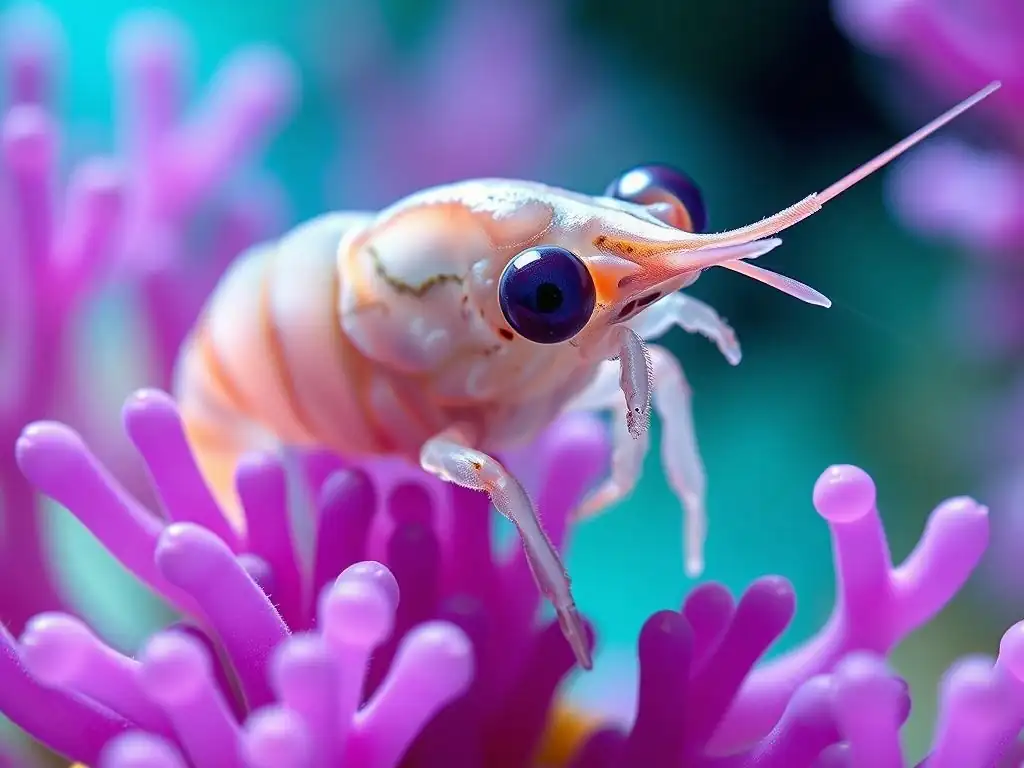
When purchasing Peppermint shrimp, careful selection is vital to ensure you acquire healthy specimens that will thrive in your aquarium and, if desired, effectively control Aiptasia. The market sometimes sees misidentification, so knowing what to look for can save you from acquiring the wrong species.
This section provides practical advice on how to select the best shrimp and where to source them, an essential part of responsible Peppermint shrimp care.
Selecting Healthy Peppermint Shrimp
A healthy Peppermint shrimp is an active and vibrant addition to your tank. When inspecting shrimp at a local fish store or receiving them from an online retailer, look for the following signs of health:
- Activity: The shrimp should be active and moving around, exploring its surroundings. Avoid lethargic or unresponsive individuals.
- Clear Exoskeleton: The shell should be clear and free of any cloudy patches, opaque spots, or signs of damage. A healthy exoskeleton indicates a successful recent molt and good overall health.
- Intact Appendages: Check for all legs, antennae, and mouthparts. While a missing leg or antenna can regenerate after a molt, it might indicate recent stress or aggression.
- Good Coloration: The characteristic reddish-orange bands should be distinct and vibrant. Faded or dull coloration can be a sign of stress or poor health.
- No Signs of Parasites: Visually inspect for any external parasites, although these are rare on shrimp.
- Clear Eyes: The eyes should be clear and not cloudy.
Choosing robust individuals is a fundamental step in ensuring successful Peppermint shrimp care for your aquarium.
Avoiding Misidentification: True vs. False Peppermint Shrimp
One of the most common pitfalls when purchasing Peppermint shrimp is misidentification. Several species of Lysmata shrimp look very similar to Lysmata wurdemanni but do not share its Aiptasia-eating tendencies. The most frequently mistaken species is Lysmata californica, which is sometimes sold as a "Peppermint shrimp."
To ensure you are getting a true Lysmata wurdemanni, focus on the pattern of the reddish-orange stripes:
- Lysmata wurdemanni (True Peppermint Shrimp): Characterized by broken, irregular, or dashed reddish-orange stripes running along its body. These stripes often appear as segments rather than solid lines.
- Lysmata californica (False Peppermint Shrimp): Often has more solid, continuous, and often wider reddish-orange stripes. The pattern is generally more uniform.
Always inspect the shrimp closely before purchase. If possible, ask the vendor to confirm the species. This careful identification is paramount for effective Aiptasia control and overall Peppermint shrimp care.
Reputable Sources for Buying Peppermint Shrimp
Sourcing your Peppermint shrimp from reputable suppliers is crucial for obtaining healthy, properly identified specimens. This reduces the risk of introducing diseases or acquiring a shrimp that won't perform its intended function.
Consider the following sources:
- Local Fish Stores (LFS) with Good Reputation: Visit your local fish store and observe their tanks. Are they clean? Are the animals healthy and active? A good LFS will have knowledgeable staff who can accurately identify species and provide advice on Peppermint shrimp care.
- Online Retailers with Live Arrival Guarantees: Many reputable online marine livestock retailers specialize in shipping invertebrates. Look for those with strong customer reviews, clear policies on live arrival guarantees, and detailed species information. They often have better selection and can provide specific species.
- Aqua-cultured vs. Wild-Caught: While most Peppermint shrimp are wild-caught, some aqua-cultured options are becoming available. Aqua-cultured shrimp are often more robust and less prone to disease, as they are accustomed to aquarium conditions from birth. If available, they are an excellent choice for a Peppermint shrimp care guide.
Always research the seller's reputation before making a purchase to ensure the best outcome for your new shrimp.
Common Issues and Solutions in Peppermint Shrimp Care
Even with diligent Peppermint shrimp care, aquarists may encounter a few common issues. These often relate to molting, aggression, or unexplained disappearances. Understanding the potential causes and solutions can help prevent problems from escalating and ensure the long-term health of your Lysmata wurdemanni.
Addressing these issues promptly is key to maintaining a thriving shrimp population in your aquarium.
Peppermint Shrimp Molting Problems
Molting, or ecdysis, is a natural and essential process for shrimp growth. It involves shedding their old, rigid exoskeleton to allow for new growth. However, molting can be a vulnerable time, and problems can arise, often indicated by an incomplete molt where the shrimp struggles to shed its old shell, or dies during the process.
Common causes of molting problems include:
- Poor Water Quality: Fluctuations in salinity, pH, or high nitrates can stress the shrimp and interfere with the molting process.
- Insufficient Minerals: Lack of essential minerals like calcium, magnesium, and particularly iodine can weaken the new exoskeleton or prevent the old one from detaching properly. For instance, if magnesium drops below 1100 ppm, calcium cannot be properly utilized, leading to soft shells.
- Stress: Aggression from tank mates, rapid environmental changes, or inadequate hiding spots can cause chronic stress, impacting their ability to molt successfully.
Solutions:
- Maintain Stable Parameters: Regularly test and maintain optimal water parameters as outlined in the "Water Parameters" section.
- Supplement Minerals: If your test kits indicate low levels, consider supplementing calcium, magnesium, and a quality iodine supplement specifically formulated for marine aquariums. Follow dosage instructions carefully.
- Provide Hiding Spots: Ensure plenty of live rock crevices for the shrimp to retreat to during molting, as they are very vulnerable during this period.
- Avoid Harassment: Ensure tank mates are compatible and not harassing the shrimp.
Observing molting success is a good indicator of overall Peppermint shrimp care quality.
Aggression Towards Other Invertebrates: Zoanthids, Small Feather Dusters
While Peppermint shrimp are primarily peaceful and known for their Aiptasia consumption, there have been occasional reports of them nipping at or irritating other desirable invertebrates, such as zoanthids, palythoa, or small feather duster worms. This behavior is relatively uncommon but can be concerning when it occurs.
Possible reasons for this aggression or nipping include:
- Food Scarcity: If the shrimp are not receiving enough food from Aiptasia or supplemental feeding, they may become desperate and start picking at other sessile invertebrates for sustenance.
- Misidentification: Again, a non- Lysmata wurdemanni species might have been introduced that has different dietary preferences or behaviors.
- Individual Variation: Like humans, individual shrimp can have unique personalities or dietary quirks.
Solutions:
- Increase Supplemental Feeding: Ensure the shrimp are well-fed with appropriate foods like Mysis shrimp or high-quality flakes. This is often the most effective solution.
- Observe Closely: Confirm it is indeed the Peppermint shrimp causing the issue. Sometimes other tank inhabitants might be the culprit.
- Relocate if Persistent: If the behavior persists and causes significant damage, the shrimp may need to be relocated to a different tank where it cannot harm other invertebrates.
This issue is a less common aspect of Peppermint shrimp care, but important to be aware of.
Peppermint Shrimp Disappearing: Possible Causes and Solutions
The sudden disappearance of a Peppermint shrimp is a common concern for aquarists. Often, it doesn't mean the shrimp has vanished into thin air, but rather has succumbed to a hidden threat or found an unexpected hiding spot.
Common causes for disappearance include:
- Predation: The most common reason. If you have any fish or invertebrates known to prey on shrimp (e.g., triggerfish, puffers, large wrasses, mantis shrimp, or even opportunistic large crabs), the shrimp likely became a meal.
- Dying Unnoticed: Shrimp can die and be quickly consumed by the clean-up crew or hidden within the live rock structure, leaving no trace.
- Jumping Out: Shrimp are known jumpers, especially if startled or if water quality is poor. Check the floor around your tank.
- Hiding: A newly introduced or stressed shrimp might hide for extended periods (days or weeks) before feeling secure enough to emerge. They are nocturnal by nature.
- Molting: During molting, shrimp are very vulnerable and will hide. Their shed exoskeleton might be mistaken for a dead shrimp.
Solutions:
- Review Tank Mates: Re-evaluate your tank's inhabitants for any potential predators. If a predator is present, consider removing it or accepting the risk.
- Check Surroundings: Look around the tank for any dried-up shrimp.
- Ensure Lid Security: Make sure your tank has a tight-fitting lid or screen to prevent jumping.
- Provide Hiding Spots: Ensure ample live rock and crevices for security, especially for new shrimp.
- Check Water Parameters: If multiple shrimp disappear or seem stressed, re-check all water parameters for stability and optimal conditions.
While a disappearing shrimp can be disheartening, understanding these possibilities can help in your ongoing Peppermint shrimp care efforts.
Conclusion: Mastering Peppermint Shrimp Care and Aiptasia Control
The Peppermint shrimp ( Lysmata wurdemanni) is an invaluable addition to many saltwater aquariums, primarily celebrated for its natural ability to control nuisance Aiptasia anemones. Beyond this specialized role, their diligent scavenging habits contribute significantly to the overall cleanliness and health of the reef environment. Mastering Peppermint shrimp care involves understanding their unique needs, from precise water parameters and appropriate tank mates to a balanced diet and a gentle acclimation process.
By adhering to the guidelines outlined in this comprehensive Peppermint shrimp care guide, aquarists can ensure these fascinating invertebrates not only survive but thrive. Their relatively small size, peaceful demeanor, and beneficial contributions make them an excellent choice for both beginner and experienced reef keepers seeking a natural and effective solution to common aquarium challenges. With proper care, Lysmata wurdemanni will be a productive and engaging member of your aquatic ecosystem for years to come.
Frequently Asked Questions
How difficult is it to care for Peppermint Shrimp?
Peppermint Shrimp are generally considered easy to care for, making them a great choice for beginner to intermediate aquarists. They are relatively hardy and adaptable to a range of aquarium conditions.
What do Peppermint Shrimp eat?
While they are known for consuming Aiptasia anemones, Peppermint Shrimp are omnivores. They will also eat leftover food, detritus, and other small invertebrates in the aquarium.
Are Peppermint Shrimp reef safe?
Generally, yes. Peppermint Shrimp are considered reef safe. However, some individuals may occasionally nip at soft corals or polyps, so observation is important.
What are the ideal water parameters for Peppermint Shrimp?
Maintaining stable water parameters is crucial. Aim for a temperature of 72-78°F (22-26°C), a salinity of 1.023-1.025 SG, and a pH of 8.1-8.4.
How many Peppermint Shrimp should I add to my aquarium?
It depends on the size of your aquarium and the amount of Aiptasia. A general guideline is 1-2 shrimp per 20 gallons to control Aiptasia. Overcrowding can lead to competition for food.
Final Reflection: The Tiny Guardians of Our Reefs
The journey through understanding the delicate balance of reef ecosystems and the role of the peppermint shrimp underscores a vital truth: even the smallest creatures can have a profound impact. As we've explored the intricacies of Lysmata wurdemanni care and its remarkable ability to control Aiptasia anemones, it becomes clear that responsible reef keeping extends far beyond simply maintaining water parameters. It's about appreciating the interconnectedness of life within our aquariums and the responsibility we bear as stewards of these miniature underwater worlds.
This exploration has not only deepened our understanding of peppermint shrimp, but also highlighted the broader implications of our choices in reef keeping. The success of a reef aquarium often hinges on the symbiotic relationships we foster, and the peppermint shrimp serves as a powerful reminder of this. In nature, nothing exists alone.
- Rachel Carson. This quote encapsulates the essence of reef ecosystems, where every organism, no matter how small, plays a crucial role in the overall health and stability of the environment.
Now, as you embark on your own reef keeping journey, consider the lessons learned about the peppermint shrimp. Reflect on the power of natural solutions and the importance of understanding the needs of every member of your aquatic community. Let this guide inspire you to cultivate not just a beautiful reef, but a thriving ecosystem where every creature, from the smallest shrimp to the most vibrant coral, can flourish. Embrace the responsibility, nurture the balance, and witness the wonders that unfold within your own slice of the ocean.
Transform Your Tank: Conquer Aiptasia Now!
Thanks for diving into the fascinating world of Peppermint Shrimp! We hope you've gained valuable insights into their care and their incredible ability to control Aiptasia anemones. Now, let's put that knowledge into action!
Here's how you can make the most of what you've learned:
- Immediately consider adding a Peppermint Shrimp to your aquarium if you're struggling with an Aiptasia infestation. Observe its behavior closely to ensure it's actively targeting the anemones.
- Explore the possibility of breeding your own Peppermint Shrimp! While challenging, successfully raising these fascinating creatures can contribute to a more sustainable aquarium hobby.
- Share this article with fellow aquarium enthusiasts facing Aiptasia problems. Help them discover this natural and effective solution!
What specific challenges are you facing with Aiptasia, and how might Peppermint Shrimp be the answer for your tank?