
Perfecting Your Crayfish Feeding Schedule: How Often and How Much?

Welcome to Aquarium Mastery!
Curious about keeping your crayfish happy and healthy? Dive in! Discover the secrets to a thriving aquarium with our detailed guidance. We're excited to help you master the art of aquariums!
Are you struggling to figure out the perfect crayfish feeding schedule? Unlock the mysteries of feeding your shelled friend with our comprehensive guide, and learn how to provide the ideal diet for a vibrant and active crayfish. Keep reading to learn how often and how much you should be feeding your crayfish!
- Understanding Crayfish Dietary Needs for a Healthy Aquarium
- Establishing Your Crayfish Feeding Schedule: A Comprehensive Guide
- Best Food Options for Your Crayfish: A Nutritional Breakdown
- Implementing Your Crayfish Feeding Plan: Practical Tips and Tricks
- Troubleshooting Common Crayfish Feeding Problems
- Optimizing Your Crayfish Feeding Routine for Long-Term Success
- Crayfish Feeding Schedule Guide: Key Takeaways for Aquarium Keepers
-
Frequently Asked Questions
- What is the ideal feeding frequency for crayfish in an aquarium?
- How much food should I give my crayfish during each feeding?
- What types of food are suitable for crayfish in an aquarium setting?
- How can I tell if I am overfeeding my crayfish?
- Do juvenile crayfish require a different feeding schedule compared to adult crayfish?
- Final Reflection: Nurturing Life, One Meal at a Time
- Dive Deeper: Master Your Crayfish Care!
Understanding Crayfish Dietary Needs for a Healthy Aquarium
The Importance of a Balanced Diet for Crayfish Health
A balanced diet is absolutely crucial for the overall health, vibrant coloration, robust growth, and disease resistance of your aquarium crayfish. Like all living creatures, crayfish require a specific array of nutrients, including high-quality proteins for muscle development and molting, essential fats for energy, carbohydrates for fuel, and a rich supply of vitamins and minerals, particularly calcium for their exoskeleton. Without these vital components, a crayfish's ability to thrive is severely compromised, impacting everything from their activity levels to their lifespan.
Failing to provide a complete and balanced diet can lead to a multitude of health problems for your crayfish. Common issues include stunted growth, making them appear smaller than their species' average size, and lethargy, indicating a lack of energy. More critically, nutritional deficiencies can result in failed molts, where the crayfish cannot successfully shed its old exoskeleton, often leading to death. An imbalanced diet also weakens their immune system, leaving them highly susceptible to bacterial infections and parasitic infestations. Therefore, implementing a well-thought-out crayfish feeding schedule is not just about sustenance, but about ensuring their long-term vitality.
Natural Crayfish Feeding Habits: What They Eat in the Wild
In their natural habitats, which span a diverse range of freshwater environments from swift-flowing streams to stagnant ponds, crayfish are highly adaptable omnivores and opportunistic scavengers. Their wild diet is incredibly varied, consisting primarily of detritus, decaying plant matter, and algae. However, they also actively hunt or scavenge for small invertebrates suchles as insect larvae, worms, and snails. Some larger species may even prey on small fish or amphibians if the opportunity arises, demonstrating their versatile predatory capabilities.
Understanding these natural feeding habits is fundamental to establishing an effective crayfish feeding schedule in an aquarium. The diverse diet they consume in the wild highlights the importance of offering a variety of food sources in captivity, rather than relying solely on a single type of commercial food. Mimicking their natural foraging behavior by providing both plant and protein-based options, and allowing them to scavenge for hidden morsels, contributes significantly to their physical health and mental enrichment. This varied approach ensures they receive a full spectrum of nutrients mirroring their ancestral diet.
Establishing Your Crayfish Feeding Schedule: A Comprehensive Guide
Determining the Optimal Crayfish Feeding Frequency
Establishing the optimal feeding frequency for your crayfish is not a one-size-fits-all approach, as it depends on several factors including their age, species, the presence of tank mates, and prevailing water parameters. The overarching goal is to provide sufficient nutrition for healthy growth and activity without introducing excess food that can degrade water quality. Generally, adult crayfish thrive on a less frequent feeding regimen compared to their juvenile counterparts, reflecting their differing metabolic rates and growth demands.
While there's variation, a common guideline suggests that most adult crayfish benefit from being fed approximately 3-4 times per week. However, younger crayfish, undergoing rapid growth and frequent molts, typically require more consistent nutrition, often necessitating daily or every-other-day feedings. Careful observation of your crayfish's appetite and the time it takes for them to consume their food will be your best indicator for fine-tuning this crucial aspect of your crayfish feeding schedule.
Juvenile Crayfish Feeding Schedule: Meeting Growth Demands
Juvenile crayfish are in a critical phase of rapid growth and development, undergoing frequent molts to increase in size. This accelerated metabolism and the constant need for new exoskeleton material mean they require a higher and more consistent intake of nutrients. For young crayfish, typically those under 2 inches in length, a daily or every-other-day feeding schedule is often recommended. This consistent supply of food supports their intense growth spurts and ensures they have the necessary building blocks for successful and frequent molts, which can occur every 1-2 weeks in very young specimens.
The type of food offered to juvenile crayfish should also be considered. Smaller, easily consumable pieces of high-protein commercial pellets or finely crushed flakes are ideal. Supplementing with tiny portions of protein-rich natural foods, such as a few bloodworms or a small piece of blanched spinach, can further support their development. Monitoring their growth rate and ensuring they are actively foraging after each feeding will help confirm that this juvenile crayfish feeding schedule is meeting their demanding nutritional requirements.
Adult Crayfish Feeding Schedule: Maintaining Health and Color
Adult crayfish, having reached their mature size, have a significantly slower growth rate than juveniles. Their feeding regimen shifts from supporting rapid development to maintaining overall health, vibrant coloration, successful molting, and reproductive capabilities. For most adult crayfish species, feeding 3-4 times per week is generally sufficient. This frequency provides adequate nutrition without the risk of overfeeding, which can quickly lead to detrimental water quality issues in the aquarium.
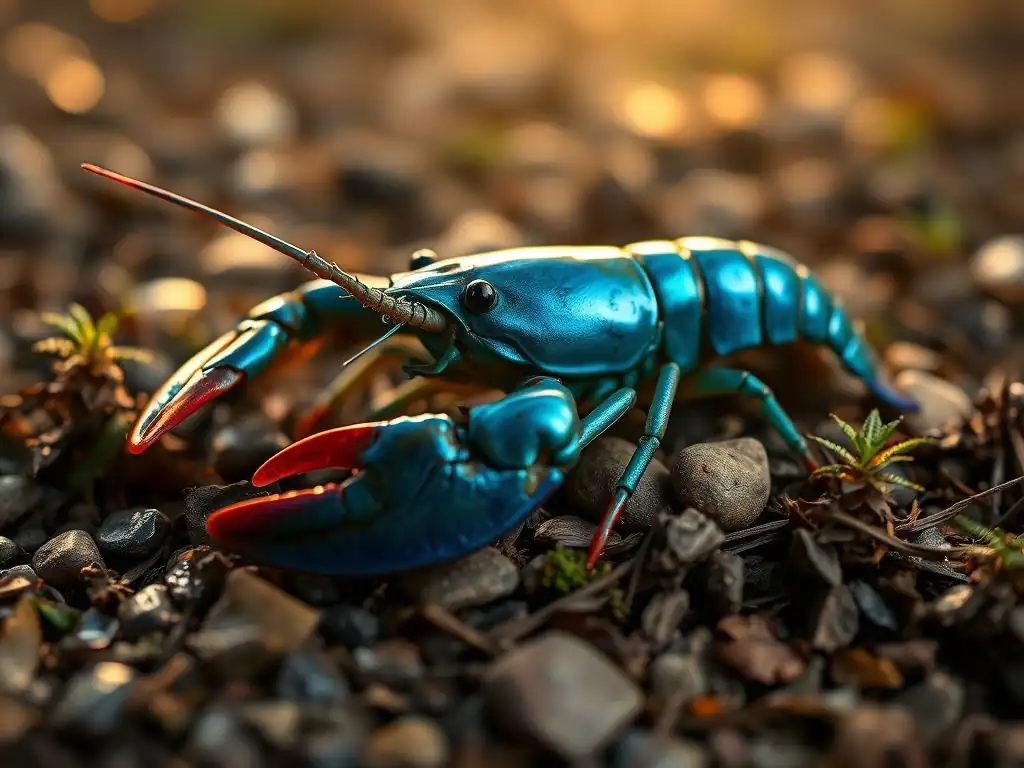
The portion size for adult crayfish will naturally be larger than for juveniles, but the principle of feeding only what they can consume within 15-20 minutes remains paramount. Species like the Procambarus alleni (Electric Blue Crayfish), which can reach 6 inches, will require more substantial portions than a dwarf Cambarellus patzcuarensis, which rarely exceeds 2 inches. A well-managed adult crayfish feeding schedule ensures they remain active, display their characteristic colors, and continue to molt successfully, typically every 4-8 weeks depending on the species and individual.
Calculating the Right Amount of Food for Your Crayfish
Calculating the precise amount of food for your crayfish can seem daunting, but a simple rule of thumb is to offer only what they can consume within a 15-20 minute timeframe. This guideline is crucial for preventing overfeeding, which is a common pitfall in aquarium keeping. It requires careful observation during feeding times to gauge their appetite and the speed at which they consume the food.
The exact quantity will naturally vary based on the individual crayfish's size, species, age, and even its hunger level on a given day. It is always safer to start with a smaller portion and gradually add more if it is consumed quickly, rather than dumping in a large amount from the outset. This careful approach minimizes the risk of uneaten food accumulating and decaying, thereby maintaining optimal water quality in your aquarium and ensuring an effective crayfish feeding schedule.
Avoiding Overfeeding: Identifying the Signs
Overfeeding is one of the most common mistakes in aquarium husbandry and poses significant risks to your crayfish's health and the overall tank environment. When excess food is introduced, it quickly decomposes, leading to a dangerous spike in ammonia and nitrite levels, followed by an accumulation of nitrates. These compounds are highly toxic to crayfish, causing stress, weakening their immune system, and in severe cases, leading to illness or death.
Beyond water parameter fluctuations, visible signs of overfeeding include uneaten food accumulating on the substrate after the designated feeding time, cloudy water, and an increase in nuisance algae blooms. You might also notice an unpleasant odor emanating from the tank. Regularly testing your water parameters for ammonia, nitrite, and nitrate is a proactive measure to detect the early signs of water quality degradation caused by an excessive crayfish feeding schedule.
Underfeeding Risks: Recognizing Deficiency Symptoms
While overfeeding is a significant concern, underfeeding also carries substantial risks for your crayfish. A consistent lack of adequate nutrition can lead to stunted growth, where the crayfish fails to reach its species' typical size, and a noticeable lack of energy, manifesting as lethargy or reduced activity. Their vibrant colors may become dull, and their overall appearance can seem emaciated.
Inadequate feeding also increases the likelihood of aggression among tank mates, as crayfish may become more competitive for scarce resources, potentially leading to injuries. Furthermore, a perpetually underfed crayfish will have a weakened immune system, making it more susceptible to diseases. In extreme cases, they might resort to consuming tank plants or even preying on small, slow-moving fish or snails out of desperation. Observing these symptoms indicates that your current crayfish feeding schedule needs to be adjusted to provide more consistent and ample nutrition.
Best Food Options for Your Crayfish: A Nutritional Breakdown
Commercial Crayfish Food: Pellets, Flakes, and Wafers
Commercial crayfish foods are specifically formulated to provide a complete and balanced diet, making them a convenient and reliable staple for your aquarium inhabitants. For crayfish, sinking pellets, wafers, or granules are generally preferred over flakes, as crayfish are bottom-dwellers and these types of foods are more readily accessible to them. When selecting a commercial food, look for options that are specifically designed for crustaceans or omnivorous bottom feeders. These typically boast a protein content ranging from 35% to 45%, which is crucial for growth and molting.
High-quality commercial foods will list ingredients like fish meal, spirulina, shrimp meal, and calcium carbonate among their primary components. These ingredients ensure a good source of protein, essential fatty acids, and the vital calcium needed for exoskeleton development. It's advisable to avoid foods with excessive fillers or artificial colors. While commercial foods form the backbone of a robust crayfish feeding schedule, they should ideally be supplemented with natural options to provide dietary variety and enrichment.
Natural Food Sources for Crayfish: A Varied Diet
Supplementing commercial foods with natural food sources is highly beneficial for crayfish, providing a wider spectrum of nutrients and mimicking their diverse foraging habits in the wild. This varied diet contributes significantly to their overall health, enhances their coloration, and provides mental stimulation, preventing boredom and encouraging natural behaviors. Incorporating natural foods into your crayfish feeding schedule helps ensure they receive a full range of vitamins, minerals, and trace elements that might be less abundant in processed foods.
The key to offering natural foods is moderation and proper preparation. While crayfish are opportunistic eaters, not all foods are safe or beneficial. Introducing a mix of plant-based and protein-rich options will provide a comprehensive nutritional profile. Always remove any uneaten natural food promptly to prevent water contamination, as these items tend to decompose more rapidly than commercial pellets.
Vegetables for Crayfish: Safe and Nutritious Choices
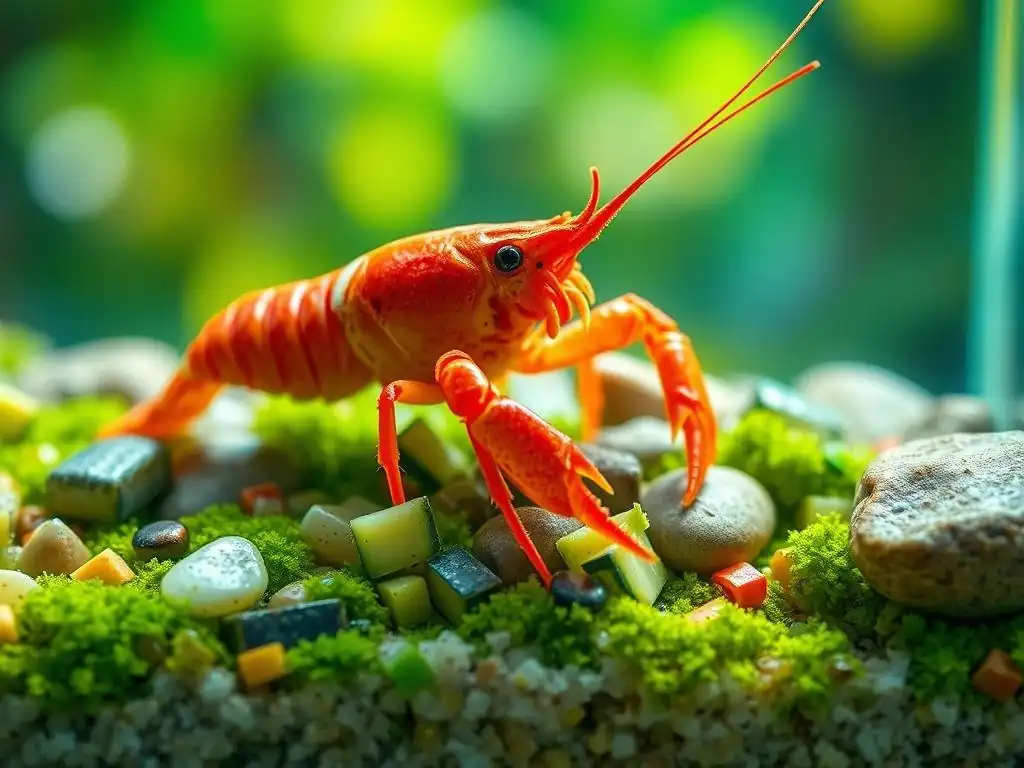
Many common vegetables can serve as excellent and nutritious supplements to your crayfish's diet, offering essential vitamins, fiber, and trace elements. Safe and popular choices include blanched zucchini slices, cucumber, spinach, and shelled peas. Carrots, once boiled until soft, can also be offered in small pieces. It is crucial to blanch vegetables (briefly boil and then cool) to soften them, making them easier for the crayfish to consume and digest, and also to kill any potential surface bacteria or pesticides.
When introducing vegetables into your crayfish feeding schedule, always offer them in small quantities. A piece roughly the size of a fingernail for an adult crayfish is often sufficient. It is paramount to remove any uneaten vegetable matter within a few hours (typically 4-6 hours) to prevent it from decaying and fouling the aquarium water, which could lead to ammonia spikes. Vegetables can be offered 1-2 times per week as part of a varied diet.
Protein Sources for Crayfish: Live and Frozen Options
Protein is a vital component of a crayfish's diet, particularly for growth, successful molting, and reproductive health. A variety of protein sources can be offered, including both live and frozen options. Popular choices include bloodworms, brine shrimp, and daphnia, which are readily available in frozen cube form at most pet stores. Small pieces of unseasoned, cooked or raw shrimp, or lean white fish (like cod or tilapia) can also be offered as occasional treats. Live insect larvae or small earthworms (sourced from pesticide-free environments) can provide excellent enrichment and natural hunting opportunities.
While protein is essential, it's important not to overdo it, as excessive protein can lead to digestive issues and contribute to poor water quality. Feeding protein sources 1-2 times per week is generally sufficient for most adult crayfish as part of a balanced crayfish feeding schedule. Always ensure that any live foods are free from parasites or diseases, and remove any uneaten portions of frozen or fresh protein quickly to prevent bacterial growth and water contamination.
Supplementing Your Crayfish's Diet: Vitamins and Minerals
While a diverse and balanced diet of commercial and natural foods usually meets most of a crayfish's nutritional needs, specific supplementation can be beneficial, particularly for calcium. Calcium is absolutely vital for the formation and hardening of their exoskeleton, making it crucial for successful molting. If your tap water is soft or you notice molting difficulties, adding a source of calcium to the tank is highly recommended. Options include placing a small piece of cuttlebone (often sold for birds) in the tank, using calcium carbonate blocks specifically designed for aquariums, or adding liquid calcium supplements formulated for invertebrates.
Beyond calcium, general aquarium vitamin supplements designed for fish or invertebrates can also be considered, especially if you suspect your crayfish's diet is less varied than ideal. However, these should be used sparingly and strictly according to the manufacturer's instructions, as over-supplementation can be harmful. The primary focus of any crayfish feeding schedule should always be on a varied and high-quality food regimen, with supplements serving as a targeted boost rather than a dietary cornerstone.
Implementing Your Crayfish Feeding Plan: Practical Tips and Tricks
Observing Your Crayfish's Feeding Behavior: Adjusting as Needed
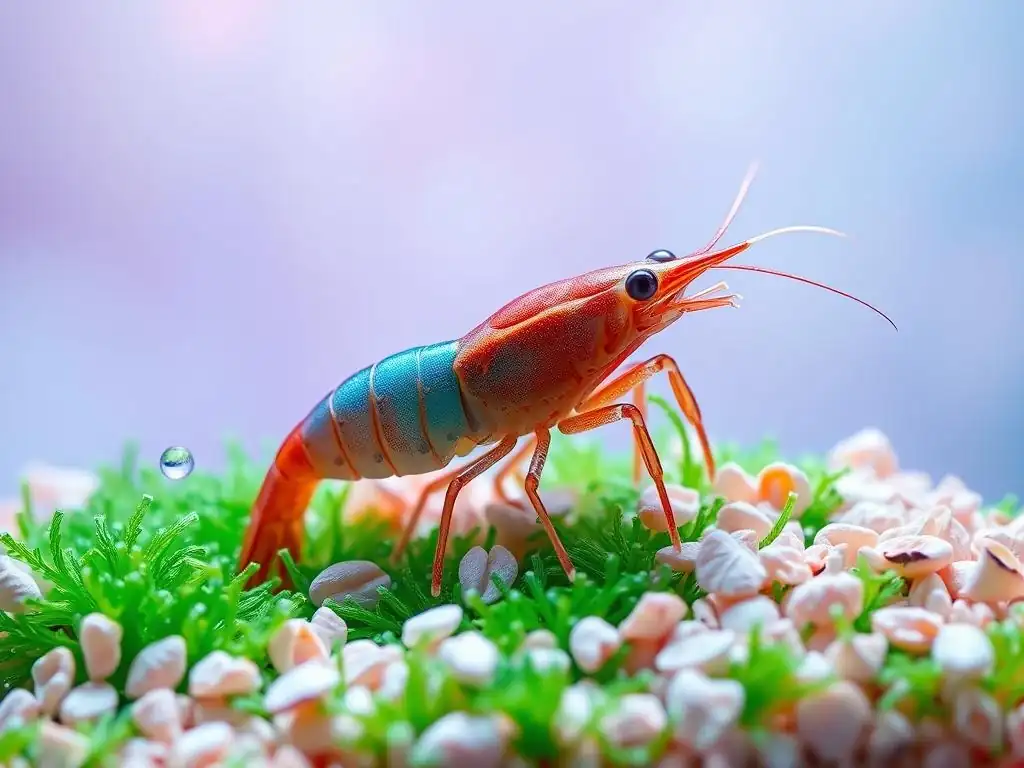
Successful implementation of your crayfish feeding plan hinges on careful and consistent observation of your crayfish's feeding behavior. Pay close attention to how quickly they consume the food you offer, whether they show a preference for certain items over others, and their overall activity levels during and after feeding. A healthy crayfish will typically be eager for food and will actively forage for it.
If you consistently find uneaten food remaining after the 15-20 minute feeding window, it's a clear sign that you are offering too much, and the amount should be reduced at the next feeding. Conversely, if your crayfish seems to be constantly searching for food, appears overly aggressive towards tank mates during feeding times, or consumes everything almost instantly, you might consider slightly increasing the portion size or even the frequency of feeding. Each crayfish is an individual, and their appetite can vary, making ongoing observation a key component of any effective crayfish feeding schedule guide.
Maintaining Water Quality During and After Feeding
Maintaining pristine water quality is paramount for the health of your crayfish, and feeding practices play a significant role in this. Uneaten food is one of the primary culprits behind deteriorating water conditions in an aquarium. As food decomposes, it releases ammonia, a highly toxic compound, which then converts to nitrite (also toxic) and finally to nitrate. While nitrates are less harmful in small quantities, high levels can still stress crayfish and promote excessive algae growth.
Therefore, diligent practices during and after feeding are essential. A robust filtration system, including mechanical, biological, and chemical filtration, helps to manage dissolved organic waste. However, manual intervention is equally critical. Regular water testing for ammonia, nitrite, and nitrate levels will provide insight into the effectiveness of your water quality management in conjunction with your crayfish feeding schedule.
Removing Uneaten Food: Preventing Ammonia Spikes
The most effective way to prevent ammonia spikes caused by feeding is the prompt removal of any uneaten food. After the designated 15-20 minute feeding period, carefully inspect the tank for any leftover pellets, vegetable pieces, or protein morsels. Utilize tools such as a gravel vacuum during routine water changes, a turkey baster, or even a small net to physically remove these decaying organic materials from the substrate and any crevices.
This proactive approach is critical because even small amounts of decomposing food can rapidly elevate ammonia levels, especially in smaller tanks or those with less robust filtration. Ammonia and nitrite should always register at zero parts per million (ppm) in a healthy aquarium. By meticulously removing uneaten food, you directly mitigate the risk of toxic water conditions, making this a non-negotiable step in any comprehensive crayfish feeding schedule.
Water Changes and Their Impact on Feeding
Regular partial water changes are a cornerstone of aquarium maintenance and directly impact the overall success of your crayfish feeding schedule. While filtration systems handle much of the waste, dissolved organic compounds and nitrates accumulate over time and can only be effectively removed through water changes. Performing weekly or bi-weekly water changes of 20-30% of the tank volume helps to dilute these pollutants, ensuring the water remains healthy and stable for your crayfish.
Water changes also help to replenish essential trace minerals that might be depleted over time and provide fresh, oxygenated water. By keeping the water parameters stable and clean, water changes reduce stress on your crayfish, making them more receptive to food and less susceptible to disease. This proactive water management is an integral part of supporting a consistent and healthy crayfish feeding schedule.
Crayfish Feeding Schedule Examples: Tailored to Different Species
Feeding Schedule for Cambarellus patzcuarensis (Dwarf Crayfish)
The Cambarellus patzcuarensis, commonly known as the Dwarf Mexican Crayfish, is a popular choice for smaller aquariums due to its modest size, typically reaching only 1.5 to 2 inches. Despite their small stature, they are active foragers with a relatively high metabolism. For these dwarf species, a consistent crayfish feeding schedule is beneficial. Offer small sinking pellets or wafers specifically designed for crustaceans 4-5 times per week. The portion size should be very small, perhaps just one or two miniature pellets, ensuring it is consumed within minutes.
To provide a varied diet, supplement their staple commercial food with tiny pieces of blanched vegetables like spinach or zucchini 2 times per week. Occasional protein boosts, such as a single frozen bloodworm or a minuscule piece of high-quality shrimp, can be offered once a week. Due to their small bioload, water quality is less prone to rapid deterioration from feeding, but prompt removal of any uneaten food remains crucial. This tailored crayfish feeding schedule guide supports their active lifestyle and frequent molting.
Feeding Schedule for Procambarus alleni (Electric Blue Crayfish)
The Procambarus alleni, or Electric Blue Crayfish, is a larger and more robust species, capable of reaching up to 6 inches in length. Their size and activity level necessitate a more substantial crayfish feeding schedule compared to their dwarf counterparts. For adult Electric Blue Crayfish, feeding 3-4 times per week is generally appropriate. Offer larger sinking pellets or wafers specifically formulated for crayfish or bottom feeders, ensuring the portion is consumed within 15-20 minutes.
Their diet should be significantly varied. Provide blanched vegetables, such as a small slice of zucchini or a piece of romaine lettuce, 2-3 times per week. High-protein sources are also vital; offer a few frozen bloodworms, brine shrimp, or small pieces of unseasoned shrimp 1-2 times per week. Electric Blue Crayfish are active scavengers and will also graze on algae and detritus in the tank. Monitoring their vibrant coloration and consistent molting (typically every 4-6 weeks for adults) will indicate the effectiveness of their crayfish feeding schedule.
Troubleshooting Common Crayfish Feeding Problems
Crayfish Refusing Food: Potential Causes and Solutions
A crayfish refusing food can be a cause for concern, but it's often linked to several common factors. One of the most frequent reasons is an impending or recent molt; crayfish typically stop eating a few days before shedding their exoskeleton and may not resume for 1-3 days afterward. Poor water quality is another primary culprit; always test ammonia, nitrite, and nitrate levels immediately if your crayfish isn't eating. High levels of these toxins will stress them and suppress their appetite.
Other potential causes include illness, stress from aggressive tank mates, or simply being full if overfed previously. To address food refusal, first, perform a partial water change and re-test parameters. If a molt is suspected, simply wait patiently. If water quality is good and no molt is apparent, try offering a different type of food to tempt them, such as a favorite protein or vegetable. If refusal persists for more than 2-3 days without a clear reason, investigate for other signs of illness like lethargy or unusual spots.
Aggression During Feeding: Managing Tank Dynamics
Crayfish, especially larger species or those kept in crowded conditions, can exhibit aggression, particularly during feeding times. This territorial behavior can lead to disputes over food, potentially resulting in injuries to tank mates or even to other crayfish. If you observe excessive nipping or fighting when food is introduced, it's a clear sign that feeding dynamics need to be managed.
To mitigate aggression, try scattering food in multiple locations across the tank. This distributes the food, reducing direct competition and allowing all crayfish (and other bottom-dwelling tank mates) access to sustenance without confrontation. Ensuring there are ample hiding spots and territories within the tank also helps reduce overall stress and territorial disputes. For tanks with multiple aggressive crayfish, increasing the feeding frequency slightly to ensure constant availability of food might also reduce aggression rooted in perceived scarcity. In extreme cases, separating highly aggressive individuals during feeding or considering individual tanks may be necessary for their safety.
Crayfish Molting and Feeding: Adjustments During the Process
Molting is a critical and vulnerable period for crayfish, and their feeding behavior undergoes significant changes during this time. Typically, a crayfish will stop eating a few days before it is due to molt. This cessation of feeding is a natural part of the molting process, as they prepare to shed their old, rigid exoskeleton. After successfully molting, they may not resume eating for another 1-3 days while their new, soft exoskeleton hardens.
It is crucial to avoid feeding your crayfish during this sensitive period. Any uneaten food will simply decay, polluting the water and potentially stressing the already vulnerable crayfish. Once they have shed their old shell, you might observe them consuming it; this is a natural behavior as they reabsorb valuable calcium and other minerals from the discarded exoskeleton. Leave the old shell in the tank for a day or two unless it's clearly causing water quality issues. Resume your regular crayfish feeding schedule only once you observe them actively foraging and moving around with their new, hardened shell.
Optimizing Your Crayfish Feeding Routine for Long-Term Success
Seasonal Variations in Crayfish Feeding Habits
In their natural environments, crayfish feeding habits can exhibit seasonal variations influenced by factors such as water temperature, food availability, and breeding cycles. For instance, in cooler temperatures, their metabolism tends to slow down, potentially leading to a reduced appetite. Conversely, during warmer periods or seasons of abundant food, their activity and feeding might increase.
However, for most home aquariums, significant seasonal adjustments to the crayfish feeding schedule are rarely necessary. This is because aquarium environments are generally kept stable with consistent temperatures and readily available food sources. While you might observe very subtle shifts in appetite related to ambient room temperature changes or even the intensity of tank lighting, these are usually minor. The key remains consistent observation; if your crayfish's appetite noticeably changes, first rule out water quality issues or an impending molt before considering environmental factors.
Breeding Crayfish and Adjusting the Feeding Schedule
When crayfish are breeding, especially females carrying eggs (referred to as "berried"), their nutritional demands increase significantly. The development of eggs requires substantial energy and specific nutrients, particularly protein and calcium. A female carrying eggs will also undergo a molt shortly before or after releasing her young, further increasing her need for calcium and other minerals.
To support successful breeding and the health of the berried female, it is essential to adjust the crayfish feeding schedule. Increase the frequency of feedings to daily or every-other-day, and ensure a higher proportion of high-quality protein sources, such as bloodworms, shrimp pellets, or small pieces of unseasoned shrimp. Supplementation with calcium-rich foods or calcium additives (like cuttlebone) is also highly recommended during this period. This enhanced nutrition supports both the mother's health and the successful development of her offspring.
Creating a Sustainable and Enriching Crayfish Feeding Environment
Optimizing your crayfish feeding routine for long-term success goes beyond just the food itself; it encompasses creating a sustainable and enriching environment that encourages natural foraging behaviors and minimizes stress. A properly designed tank setup with ample hiding spots, appropriate substrate (like gravel or sand), and good water flow provides a secure habitat where crayfish feel comfortable enough to feed consistently. Hiding places reduce stress from tank mates or bright lights, making them more likely to emerge and eat.
Furthermore, consider incorporating elements that offer supplemental food sources and mental enrichment. Live aquarium plants (if compatible with your crayfish species, as some will graze on them) or the addition of natural leaf litter, such as Indian almond leaves, can provide continuous low-level grazing opportunities and a natural source of detritus. These elements not only contribute to a holistic crayfish feeding schedule but also create a more natural and stimulating environment, promoting healthier and more active crayfish.
Crayfish Feeding Schedule Guide: Key Takeaways for Aquarium Keepers
Mastering the crayfish feeding schedule is a cornerstone of successful crayfish keeping, ensuring their long-term health, vitality, and vibrant appearance. The fundamental principles revolve around attentive observation, offering a diverse diet, and maintaining pristine water quality. It's crucial to remember that overfeeding poses a greater risk than underfeeding, as excess food rapidly degrades water quality, leading to toxic conditions that can severely harm your crayfish.
By understanding their natural omnivorous habits, tailoring feeding frequency and portion sizes to their age and species, and diligently removing uneaten food, you create an optimal environment for your crayfish to thrive. A well-executed crayfish feeding schedule, complemented by regular water changes and a stimulating habitat, will result in active, healthy, and colorful crustaceans that bring endless fascination to your aquarium.
Frequently Asked Questions
What is the ideal feeding frequency for crayfish in an aquarium?
The ideal feeding frequency for crayfish is typically every other day or every third day. Overfeeding can lead to water quality issues and health problems.
How much food should I give my crayfish during each feeding?
Offer only as much food as your crayfish can consume within a few minutes. A good rule of thumb is to provide a portion that is slightly smaller than the size of its carapace or head.
What types of food are suitable for crayfish in an aquarium setting?
Crayfish are omnivores and thrive on a varied diet. Suitable foods include sinking pellets, algae wafers, blanched vegetables, and the occasional protein source like bloodworms.
How can I tell if I am overfeeding my crayfish?
Signs of overfeeding include uneaten food accumulating in the tank, cloudy water, and a potential spike in ammonia or nitrate levels.
Do juvenile crayfish require a different feeding schedule compared to adult crayfish?
Yes, juvenile crayfish generally require more frequent feedings to support their rapid growth. Feed them small portions daily or every other day until they reach a more mature size.
Final Reflection: Nurturing Life, One Meal at a Time
The intricacies of a crayfish feeding schedule, as we've explored, extend far beyond simply providing sustenance. They represent a commitment to understanding and respecting the delicate balance within a miniature ecosystem, a microcosm of the larger world where mindful stewardship is paramount. The health and vitality of these fascinating creatures hinge on our ability to provide consistent and appropriate nourishment, mirroring the responsibility we bear towards all living things.
This journey into the world of crayfish care has underscored the profound impact of our actions, however small, on the lives of others. It's a reminder that even the seemingly simple act of feeding can be an act of profound connection and care. The greatness of a nation and its moral progress can be judged by the way its animals are treated.
- Mahatma Gandhi. This quote, though often applied to larger animals, holds equal weight when considering the well-being of our aquatic companions.
Now, armed with this knowledge, I encourage you to reflect on your own relationship with the natural world. Consider how you can apply the principles of mindful care and responsible stewardship, not only to your crayfish, but to all aspects of your life. Embrace the opportunity to create a more nurturing and balanced environment, one feeding schedule, one act of kindness, at a time.
Dive Deeper: Master Your Crayfish Care!
Thank you for exploring the nuances of crayfish feeding with us! We hope you've gained valuable insights into keeping your shelled friend happy and healthy. Now, let's turn that knowledge into action!
- Prioritize a Consistent Schedule: Set a feeding reminder, and observe your crayfish's behavior to fine-tune the quantity and frequency that works best for your unique pet.
- Uncover Hidden Talents: Photograph or videotape your crayfish during feeding time. Share your discoveries on social media or in aquarist forums - you might just unveil a previously unknown feeding behaviour!
- Contribute to the Community: Document your feeding habits and results in a spreadsheet, and present it to the aquarium mastery community, so others can use it as a reference.
What surprising feeding behaviour have you observed in your crayfish?