
The "Reef Safe" Label for Invertebrates: What Aquarium Mastery Readers Must Know

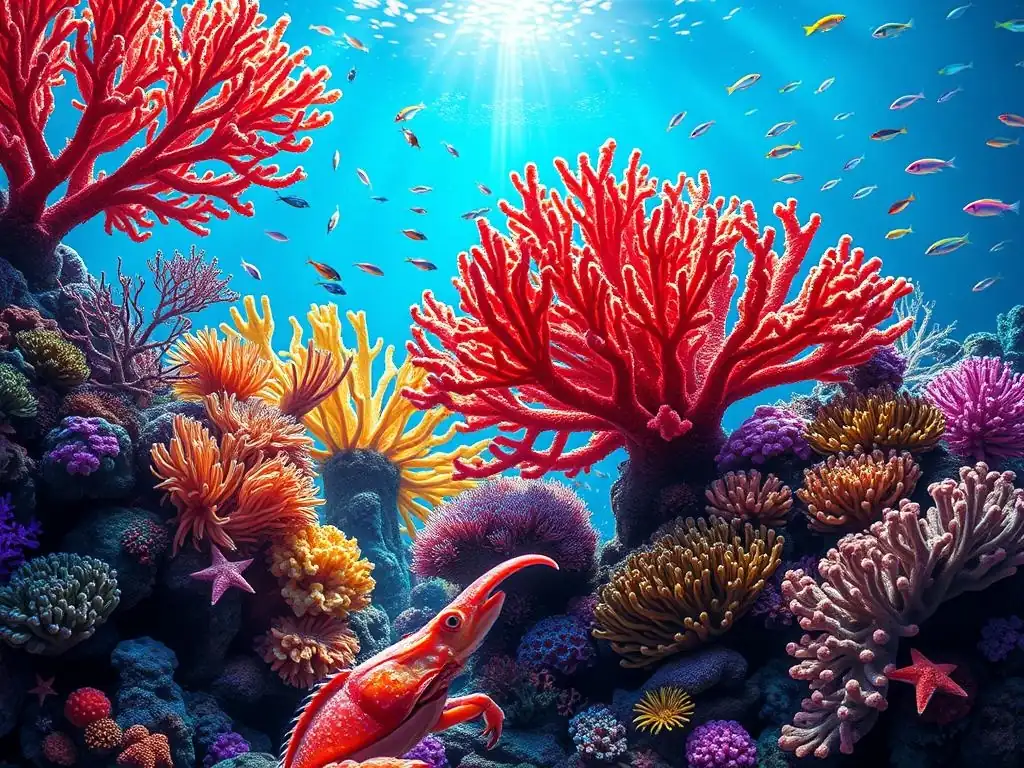
Welcome to Aquarium Mastery! Ever wondered if that colorful crab or fascinating starfish is truly "reef safe"? Dive into our latest article, "The 'Reef Safe' Label for Invertebrates: What Aquarium Mastery Readers Must Know", and unlock the secrets to selecting the perfect invertebrate additions for your thriving reef tank. Are you ready to discover the truth behind the label and ensure a harmonious ecosystem? Let's explore together!
- Understanding "Reef Safe": A Vital Guide for Saltwater Aquarium Keepers
- What Does "Reef Safe" Really Mean for Invertebrates in Your Saltwater Tank?
- Common Misconceptions About Reef Safe Invertebrates
- Key Considerations When Selecting Reef Safe Invertebrates
- Top Reef Safe Invertebrates for a Balanced Aquarium Ecosystem
- Invertebrates to Avoid: Potential Threats to a Reef Aquarium
- How to Acclimate New Invertebrates to Your Reef Tank
- Maintaining a Healthy Reef Tank Environment for Invertebrates
- Choosing the Right Invertebrates: A Key to Reef Aquarium Success
-
Frequently Asked Questions
- How reliable is the "reef safe" label when purchasing invertebrates?
- What factors besides the "reef safe" label should I consider when choosing invertebrates?
- How can I ensure the invertebrates I choose won't harm my corals?
- What are some examples of invertebrates often mislabeled as "reef safe"?
- Where can I find accurate information about the reef compatibility of specific invertebrates?
- Final Reflection: The Enduring Responsibility of Reef Keepers
- Dive Deeper: Ignite Your Reef-Keeping Passion!
Understanding "Reef Safe": A Vital Guide for Saltwater Aquarium Keepers
The term "reef safe" is a cornerstone concept for anyone maintaining a saltwater aquarium that houses corals. It signifies that a particular species, whether fish or invertebrate, is highly unlikely to harm corals or other sessile invertebrates within a reef environment. For new and experienced aquarists alike, navigating the vast array of available marine life requires a deep understanding of this label to prevent costly mistakes and ensure a thriving, stable ecosystem. A comprehensive reef safe invertebrates guide is essential for making informed decisions.
Establishing a truly harmonious reef tank depends heavily on the compatibility of its inhabitants. Introducing a non-reef safe invertebrate can lead to devastating consequences, from the outright consumption of expensive coral colonies to the disruption of the delicate biological balance that takes months or even years to establish. Therefore, discerning the true meaning of "reef safe" and applying diligent research is paramount for the long-term success and health of your saltwater sanctuary.
What Does "Reef Safe" Really Mean for Invertebrates in Your Saltwater Tank?
Defining "Reef Safe" in the Context of Invertebrates and Coral Health
When an invertebrate is labeled "reef safe," it primarily implies that the species will not actively consume, damage, or harass corals, whether they are stony corals (like SPS and LPS) or soft corals. This includes avoiding direct predation on polyps, stinging mechanisms, or excessive physical disturbance. For instance, a Lysmata amboinensis (Pacific Cleaner Shrimp) is considered reef safe because its diet consists mainly of parasites and detritus, posing no threat to coral tissue.
Beyond direct predation, the "reef safe" designation also considers an invertebrate's overall impact on the enclosed ecosystem. This encompasses their feeding habits (e.g., not competing aggressively for food with corals or consuming beneficial microfauna), their size and movement patterns (e.g., not knocking over frag plugs or established coral colonies), and their general temperament towards other tank inhabitants. A true reef safe invertebrate contributes positively or neutrally to the reef environment without causing stress or harm.
The Importance of Choosing Reef Safe Invertebrates for a Thriving Ecosystem
The careful selection of reef safe invertebrates is fundamental to cultivating a balanced and robust reef aquarium. These creatures often play vital roles in the tank's clean-up crew, consuming nuisance algae, detritus, and uneaten food, thereby reducing nutrient levels and preventing outbreaks of undesirable organisms. For example, Nassarius vibex snails are excellent sand stirrers, preventing anaerobic pockets and consuming detritus, contributing to the overall health of the substrate.
Furthermore, a well-chosen community of reef safe invertebrates enhances the biodiversity and visual appeal of the aquarium. They can add intriguing behaviors, vibrant colors, and functional benefits without risking the integrity of your coral collection. Neglecting the "reef safe" principle can lead to a domino effect of issues, from coral recession and death to persistent water quality problems, ultimately undermining the stability and beauty of your entire reef system.
Common Misconceptions About Reef Safe Invertebrates
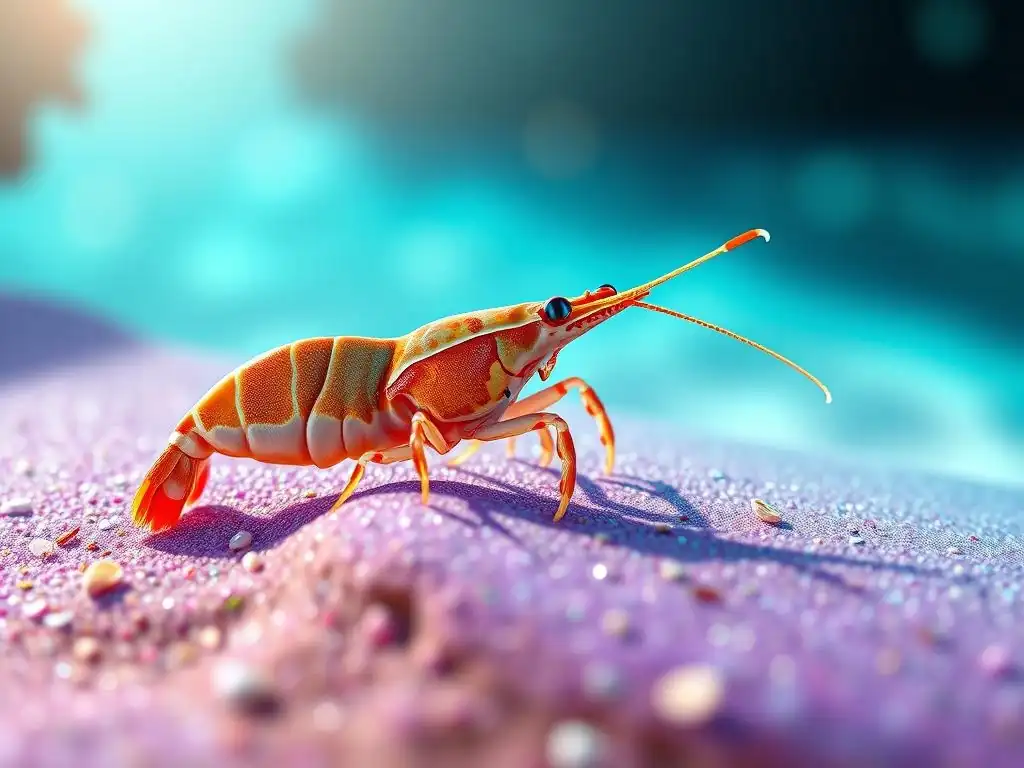
Myth: All Invertebrates Sold as "Reef Safe" Are Truly Harmless
A prevalent misconception among aquarists, particularly those new to the hobby, is that any invertebrate marketed as "reef safe" by a local fish store or online vendor is universally harmless. This is often not the case. The term can be used loosely, and some species, while generally safe, may exhibit opportunistic behaviors under certain conditions, such as insufficient feeding or overcrowding. For example, some species of emerald crabs ( Mithraculus sculptus) are often sold as reef safe for bubble algae control, but if food is scarce, they may nip at soft corals or even clam mantles.
Another factor contributing to this myth is the sheer diversity within invertebrate groups. Not all species within a genus share the same dietary or behavioral traits. A classic example is the broad category of "crabs"; while some, like the Scarlet Reef Hermit ( Paguristes cadenati), are generally excellent clean-up crew members, others, such as certain gorilla crabs or larger decorator crabs, can be highly predatory towards fish, corals, or other invertebrates. Always verify the specific species and its known behaviors.
Reality: Careful Research is Crucial Before Introducing Any Invertebrate
The undeniable reality is that thorough, independent research is the single most critical step before adding any invertebrate to a reef tank. Relying solely on a vendor's label can lead to significant regrets. Aquarists should consult multiple reputable sources, including scientific databases, well-established aquarium forums with experienced hobbyists, and comprehensive reef safe invertebrates guides. Pay close attention to the invertebrate's adult size, natural diet, typical temperament, and specific care requirements.
Consider the example of the "Electric Blue Hermit Crab" ( Calcinus elegans). While small individuals are often harmless, larger specimens can become opportunistic and aggressive, potentially preying on snails or small fish if not adequately fed or if suitable shells are unavailable. This highlights the necessity of understanding potential growth, dietary shifts, and behavioral nuances that may not be immediately apparent or widely advertised. A proactive approach to research minimizes risk and promotes a healthier, more stable reef environment.
Key Considerations When Selecting Reef Safe Invertebrates
Assessing the Invertebrate's Diet and Potential Impact on Corals
The dietary habits of an invertebrate are perhaps the most critical factor in determining its reef safety. Herbivorous invertebrates, such as Trochus niloticus snails, are highly valued for their ability to graze on nuisance algae, including diatoms and green film algae, without harming corals. Conversely, species that are known to be corallivores, even facultatively, pose a direct threat. For instance, certain nudibranchs, like those in the genus Phestilla, specialize in consuming specific coral types (e.g., Montipora), making them highly detrimental to a reef tank.
It is also important to differentiate between primary diets and opportunistic feeding. Some invertebrates might primarily consume detritus or algae but will nip at coral polyps if their preferred food source is scarce or if they are simply curious. Understanding these nuances requires delving beyond a simple "herbivore" or "carnivore" label and examining detailed species profiles. For example, some larger brittle stars, while generally detritivores, can become opportunistic predators of small fish or invertebrates if not well-fed, underscoring the need for supplemental feeding.
Understanding Invertebrate Behavior: Will it Knock Over Decorations or Stress Coral?
Beyond diet, an invertebrate's physical behavior and movement patterns within the tank are crucial considerations for reef safety. Larger, more active invertebrates can inadvertently cause significant damage by knocking over unsecured frags, dislodging rockwork, or irritating sensitive corals. A large Tylodina fungina sea hare, for instance, while an excellent algae eater, might inadvertently bulldoze smaller corals in a confined space due to its size and movement.
Furthermore, some invertebrates may exhibit behaviors that, while not directly predatory, can stress corals. Burrowing invertebrates, like certain types of shrimp or worms, can stir up the substrate excessively, leading to cloudy water and sediment settling on corals, which can inhibit their light absorption and cause tissue necrosis if persistent. Even seemingly benign actions, such as a large Tectus fenestratus snail repeatedly crawling over a delicate SPS coral, can lead to localized tissue recession over time.
Compatibility with Other Tank Inhabitants: Fish, Corals, and Other Invertebrates
The concept of "reef safe" extends beyond just coral protection; it also encompasses compatibility with other tank inhabitants, including various fish species and fellow invertebrates. An invertebrate might be perfectly harmless to corals but aggressive towards smaller fish or compete fiercely for food with other clean-up crew members. For example, certain larger species of pistol shrimp, while fascinating, can create loud snapping sounds that stress fish or even damage equipment, and some are known to prey on smaller invertebrates.
Moreover, the introduction of new invertebrates can sometimes disrupt established territories or food chains. Aggressive hermit crabs, if not provided with sufficient empty shells, may attack and kill snails for their shells. Symbiotic relationships also need consideration; for instance, clownfish require an anemone host, and while some anemones are not strictly "reef safe" due to their stinging capabilities, a careful selection of host anemones in an appropriate setup can still be part of a successful reef system. A comprehensive reef safe invertebrates guide must address these complex interactions.
Top Reef Safe Invertebrates for a Balanced Aquarium Ecosystem
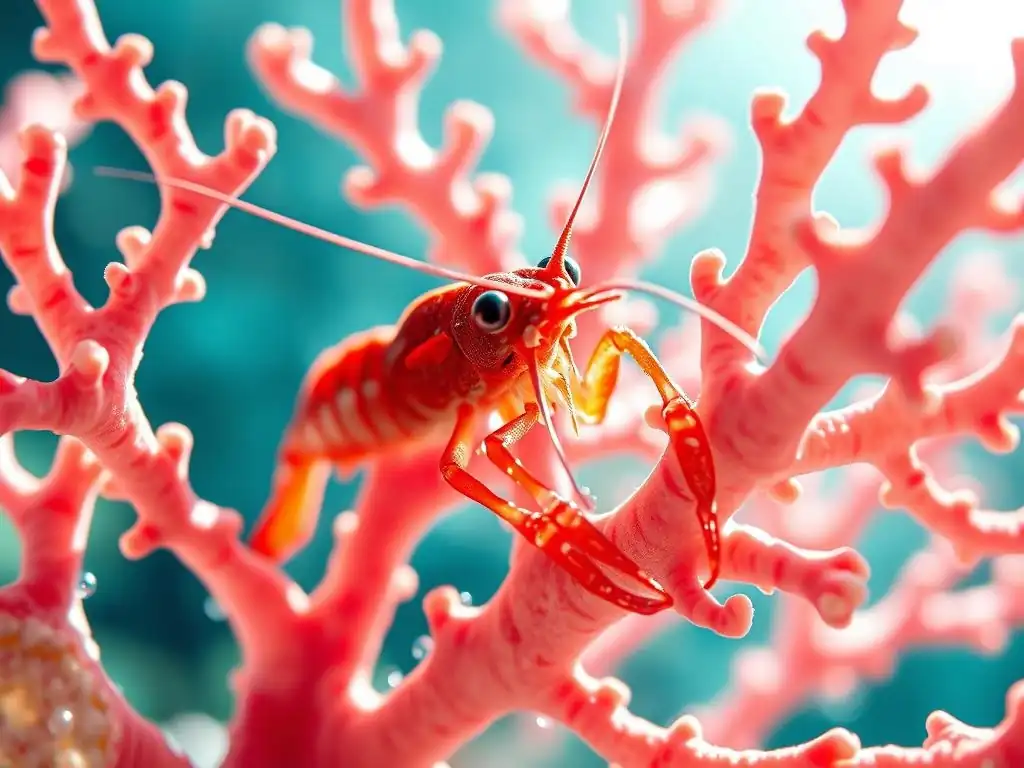
Popular Reef Safe Clean-Up Crew Invertebrates: Snails, Hermit Crabs, and Starfish
A robust clean-up crew (CUC) is indispensable for maintaining a healthy reef aquarium, and many of its most effective members are invertebrates. These creatures work tirelessly to consume nuisance algae, detritus, and uneaten food, significantly contributing to nutrient export and overall tank stability. Selecting the right mix of species for your CUC is a cornerstone of a successful reef safe invertebrates guide.
Detailed Look at Reef Safe Snail Species: Cerith Snails, Nassarius Snails, Trochus Snails
- Cerith Snails (Cerithium spp.): These are small, active snails, typically reaching 0.5 to 1 inch in length. They are excellent grazers on diatoms, cyanobacteria, and film algae found on rockwork and glass. Their conical shells allow them to navigate tight spaces effectively, and they also perform some sand sifting, making them versatile members of the clean-up crew. A common stocking density is 1-2 per gallon for effective algae control.
- Nassarius Snails (Nassarius vibex): Known for their distinctive "snoopy" snouts, these snails primarily inhabit the sand bed, where they tirelessly burrow through the substrate, consuming detritus and uneaten food. This activity prevents the buildup of anaerobic pockets, which can release harmful toxins. They are highly responsive to food, quickly emerging from the sand when feeding time approaches. Stocking rates often range from 1 per 2-3 gallons, especially in tanks with a deep sand bed.
- Trochus Snails (Trochus niloticus): These larger, pyramid-shaped snails can grow up to 2 inches and are highly effective at consuming various types of algae, including tougher green hair algae, from rock surfaces and glass. Unlike some other snails, they have a strong "righting reflex," meaning they can flip themselves over if they fall, reducing losses. They are long-lived and robust, making them a staple in many reef tanks, with a suggested density of 1 per 5-10 gallons depending on algae growth.
Reef Safe Hermit Crab Options: Scarlet Reef Hermit Crabs, Blue Leg Hermit Crabs and Considerations
- Scarlet Reef Hermit Crabs (Paguristes cadenati): Easily identifiable by their bright red legs and yellow faces, these hermits are among the most popular and generally well-behaved reef safe invertebrates. They are primarily scavengers, consuming detritus, uneaten food, and some nuisance algae, including red slime algae (cyanobacteria). They typically remain small, around 1 inch, and are less prone to bothering other tank inhabitants compared to some other hermit species. Always provide a variety of empty snail shells for them to move into as they grow.
- Blue Leg Hermit Crabs (Clibanarius tricolor): These small, vibrant blue-legged hermits are also excellent scavengers, targeting detritus, uneaten food, and various types of nuisance algae. They are highly active and contribute significantly to turning over the sand bed. Like Scarlet Reef Hermits, they require a continuous supply of appropriately sized empty shells to prevent them from preying on snails for their homes. While generally peaceful, some individuals can become opportunistic if not adequately fed or if shell availability is low. A common recommendation is 1-2 per 5 gallons, with ample shell choices.
Starfish Varieties: Which Are Truly Reef Safe? Brittle Stars, Serpent Stars
- Brittle Stars (Ophiolepsis superba): These fascinating invertebrates are highly effective detritivores, sifting through the sand and rockwork for decaying organic matter and uneaten food. They are generally nocturnal and hide during the day, emerging at night to feed. Their long, slender arms can reach into tight crevices, making them efficient cleaners. They are considered very reef safe and can reach arm spans of 6-8 inches.
- Serpent Stars (Ophioderma rubicundum): Similar to brittle stars but with smoother, less spiny arms, serpent stars are also excellent scavengers. They are robust, long-lived, and come in various colors, including red, green, and brown. Both brittle and serpent stars are generally harmless to corals and fish, making them valuable additions to the clean-up crew. Avoid larger, more predatory species like the Green Brittle Star ( Ophiarachna incrassata), which can consume fish.
Reef Safe Shrimp Species: Adding Color and Utility to Your Reef Tank
Shrimp are beloved additions to reef tanks, offering vibrant colors, intriguing behaviors, and practical benefits. Their active nature and often symbiotic relationships with other tank inhabitants make them highly desirable reef safe invertebrates.
Cleaner Shrimp: Benefits and Care Requirements
- Pacific Cleaner Shrimp (Lysmata amboinensis) and Fire Shrimp (Lysmata debelius): These are perhaps the most popular and undeniably reef safe shrimp species. They are renowned for their symbiotic cleaning behavior, setting up "cleaning stations" where they remove parasites, dead skin, and detritus from fish, often even entering the mouths and gill plates of larger fish without fear. This service significantly contributes to the health of the fish population in a reef tank.
- Care requirements for cleaner shrimp are relatively straightforward. They need stable water parameters (salinity 1.025-1.026 SG, temperature 75-78°F, dKH 8-11), and while they will scavenge for uneaten food and detritus, supplemental feeding with small pellets or frozen mysis shrimp is beneficial, especially in newer tanks or those with minimal fish waste. They typically grow to about 2-3 inches and are peaceful towards corals and most fish, though they may occasionally nip at very small, slow-moving fish.
Peppermint Shrimp: Aiptasia Control and Reef Compatibility
- Peppermint Shrimp (Lysmata wurdemanni): These small, translucent shrimp with red stripes are highly valued for their natural ability to consume Aiptasia anemones, a common and often problematic pest in reef tanks. While not every individual will be a diligent Aiptasia eater, they are generally considered the most effective biological control for these pests. They typically grow to about 1.5-2 inches.
- Peppermint shrimp are entirely reef compatible and pose no threat to corals or other desirable invertebrates. They are nocturnal by nature, often hiding during the day and emerging at night to scavenge. Like cleaner shrimp, they require stable water conditions and will benefit from supplemental feeding. Introducing 2-3 individuals per 20 gallons is often recommended for effective Aiptasia control, although results can vary between individual shrimp.
Other Beneficial Reef Safe Invertebrates: Feather Duster Worms, Coco Worms
Beyond the clean-up crew and shrimp, several other reef safe invertebrates offer unique aesthetic and functional benefits to a reef aquarium, contributing to its overall biodiversity and health.
- Feather Duster Worms (Sabellastarte magnifica): These beautiful filter feeders are characterized by their large, feathery crowns, which they extend to capture plankton and particulate matter from the water column. They come in various colors and sizes, with crowns reaching up to 6 inches in diameter. They are completely reef safe, posing no threat to corals or fish, and contribute to water clarity by removing suspended particles. They require stable water quality and benefit from supplemental feeding with liquid plankton or fine particulate foods.
- Coco Worms (Spirobranchus giganteus): Also known as Christmas Tree Worms due to their distinctive twin spiral crowns, these fascinating invertebrates bore into living coral (often Porites) or calcareous rock. They are filter feeders, using their colorful crowns to capture food particles. Coco worms are entirely reef safe and add a unique visual element to the tank. They are sensitive to water quality fluctuations and require a constant supply of microplankton or similar fine foods. Their crowns can be retracted rapidly when disturbed, adding to their intrigue.
Invertebrates to Avoid: Potential Threats to a Reef Aquarium
While many invertebrates are beneficial, some pose significant risks to a reef aquarium, either by preying on corals, disrupting the ecosystem, or harming other inhabitants. Understanding which species to avoid is as crucial as knowing which to select.
Invertebrates Known to Consume Coral: Butterflyfish, Some Nudibranchs
Direct coral predation is one of the most destructive behaviors an invertebrate can exhibit in a reef tank. While some Butterflyfish are known corallivores (e.g., Copperband Butterflyfish, though often introduced for Aiptasia control, can pick at corals), there are specific invertebrate species that are equally, if not more, dangerous to coral health. For example, certain Nudibranchs, particularly those from the genus Phestilla, are obligate corallivores specializing in consuming stony corals like Montipora. If inadvertently introduced, often as hitchhikers on new coral frags, they can decimate a coral colony rapidly.
Another example includes some species of crabs that are not strictly "reef safe." While Mithrax sculptus (Emerald Crab) is generally safe and helps with bubble algae, many other crab species, especially those identified only as "hitchhiker crabs," can be highly opportunistic predators of coral polyps, small fish, or other desirable invertebrates. Their nocturnal nature often means the damage is done before the perpetrator is even identified, leading to unexplained coral recession or loss. Always quarantine new corals and invertebrates to prevent the introduction of these harmful species.
Invertebrates That May Disrupt the Substrate and Upset the Ecosystem: Sea Cucumbers
While some sea cucumbers, like the Tiger Tail Cucumber ( Holothuria scabra), are considered relatively safe detritivores that help aerate the sand bed, many other species of sea cucumbers pose a significant risk to a reef aquarium. Their primary danger lies in their defense mechanism: when stressed or dying, many species can release a potent toxin called holothurin into the water column. This toxin is highly lethal to fish, corals, and other invertebrates, and a single dying sea cucumber can wipe out an entire tank within hours.
Furthermore, some larger sea cucumber species can be disruptive to the substrate, stirring up excessive amounts of detritus and sediment, which can smother corals and reduce water clarity. While their detritus-eating habits might seem beneficial, the potential for catastrophic toxin release far outweighs any cleaning benefits for most home aquarists. For instance, the Leopard Sea Cucumber ( Bohadschia argus) is known for its large size and toxic potential, making it unsuitable for the average reef tank.
Aggressive Invertebrates That Can Harm Other Tank Inhabitants: Mantis Shrimp, Pistol Shrimp
Certain invertebrates possess powerful adaptations that make them highly dangerous to other tank inhabitants, despite potentially being fascinating creatures in their own right. The most infamous example is the Stomatopoda, commonly known as the Mantis Shrimp. These highly intelligent and aggressive crustaceans possess either powerful smashing clubs or sharp spearing claws, capable of breaking aquarium glass, killing fish, and dismembering other invertebrates with astonishing speed and force. They are almost never reef safe and are typically housed in species-specific tanks due to their predatory nature.
Similarly, some species of Pistol Shrimp ( Alpheus genus), while often kept for their symbiotic relationship with gobies, can be problematic in a mixed reef. While smaller, less aggressive species like the Tiger Pistol Shrimp ( Alpheus bellulus) are generally considered reef safe, larger or more territorial species can produce powerful snapping sounds that stress fish, disrupt rockwork, or even injure other invertebrates. It is crucial to research the specific species of pistol shrimp, as some are known to occasionally kill smaller fish or shrimp, making them a risky addition to a community reef tank.
How to Acclimate New Invertebrates to Your Reef Tank
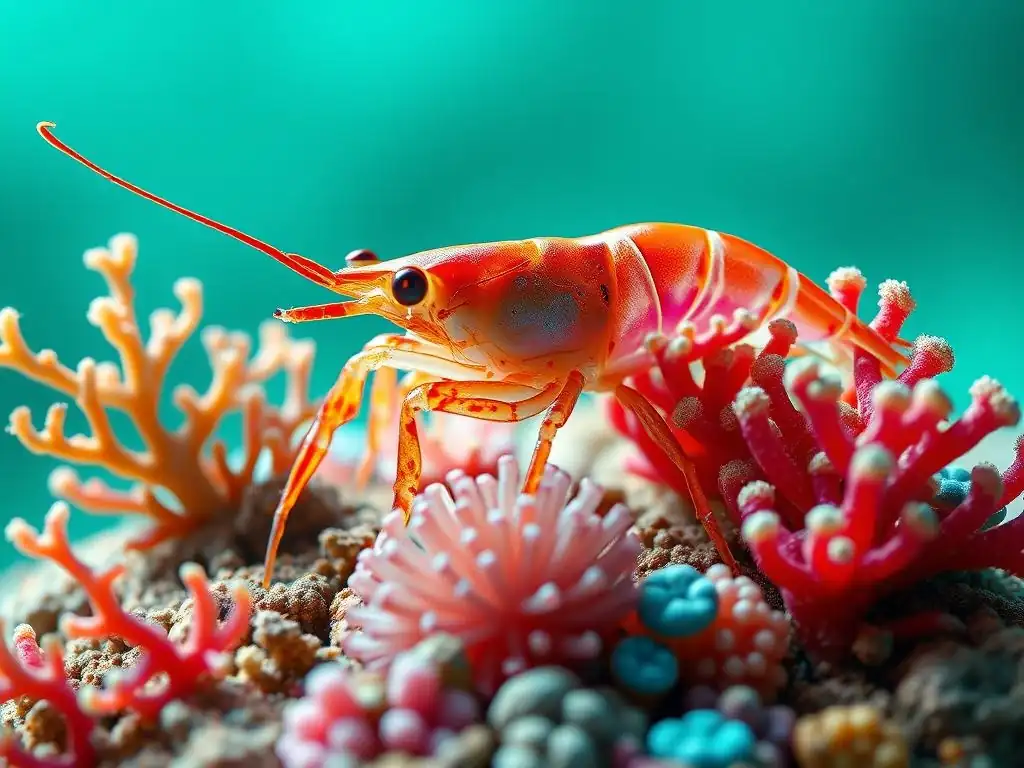
Proper acclimation is a critical step in ensuring the survival and long-term health of any new invertebrate introduced to your reef tank. Invertebrates are particularly sensitive to sudden changes in water parameters, making a gradual approach essential.
Gradual Acclimation: Minimizing Stress and Ensuring Survival
The most widely recommended method for acclimating new reef safe invertebrates is the drip acclimation technique. This process slowly introduces water from the display tank into the bag containing the new invertebrate, allowing for a gradual adjustment to differences in pH, salinity, and temperature. Begin by floating the sealed bag in your sump or display tank for 15-20 minutes to equalize temperature. Then, open the bag, pour its contents (invertebrate and shipping water) into a clean, appropriately sized container, ensuring the invertebrate is fully submerged.
Next, use an airline tubing and an air valve to create a slow drip from your display tank into the container. A drip rate of approximately 1-2 drops per second is ideal, allowing the volume of water in the container to slowly double over a period of 45-60 minutes. Once the water volume has doubled, carefully net the invertebrate and transfer it to the display tank, discarding the old water. This slow transition significantly reduces the shock and stress on the invertebrate, dramatically increasing its chances of survival and successful integration into your reef ecosystem.
Quarantine Procedures: Preventing the Introduction of Pests and Diseases
While often overlooked for invertebrates, a dedicated quarantine procedure is highly recommended, especially when building a comprehensive reef safe invertebrates guide. Many common reef tank pests, such as Aiptasia anemones, flatworms, or parasitic nudibranchs, often hitchhike on new invertebrates or their shells. Introducing an infected invertebrate directly into your main display tank can lead to widespread infestations that are incredibly difficult and costly to eradicate.
A quarantine tank (QT) for invertebrates does not need to be elaborate; a simple 10-20 gallon tank with a small powerhead for circulation, a heater, and a piece of inert PVC pipe for hiding is sufficient. Maintain stable water parameters identical to your main display. Observe the invertebrate in the QT for a period of 2-4 weeks. During this time, you can monitor for any signs of disease, parasites, or undesirable hitchhikers. This allows you to treat any issues in isolation or remove pests before they can contaminate your established reef, safeguarding your investment in corals and other inhabitants.
Maintaining a Healthy Reef Tank Environment for Invertebrates
Even the most carefully selected reef safe invertebrates require a stable and optimal environment to thrive. Consistent water quality and appropriate feeding strategies are paramount for their long-term health and contribution to the ecosystem.
Optimal Water Parameters for Reef Safe Invertebrates
Maintaining stable water parameters is non-negotiable for the health of reef safe invertebrates, as fluctuations can cause significant stress and lead to decline. The ideal parameters closely mirror those required by corals:
- Salinity: Maintain a stable specific gravity (SG) of 1.025-1.026, or 35 ppt. Consistent salinity prevents osmotic shock.
- Temperature: A steady temperature range of 75-78°F (24-25.5°C) is generally optimal. Avoid rapid temperature swings.
- Alkalinity (dKH): Aim for 8-11 dKH. This parameter is crucial for the calcification of shells and exoskeletons.
- Calcium (Ca): Keep calcium levels between 400-450 ppm. Essential for shell and skeletal growth.
- Magnesium (Mg): Maintain 1300-1400 ppm. Magnesium helps stabilize alkalinity and calcium levels.
- Nitrates (NO3) & Phosphates (PO4): Keep nitrates below 10 ppm and phosphates below 0.03 ppm. While invertebrates are generally more tolerant of nutrients than corals, excessively high levels can promote nuisance algae growth, which can outcompete and smother them. Regular testing and consistent water changes are critical for parameter stability.
Feeding Requirements and Supplemental Feeding Strategies
While many reef safe invertebrates, particularly members of the clean-up crew, primarily feed on detritus, algae, and uneaten fish food, supplemental feeding is often necessary to ensure their optimal health and activity, especially in tanks with low bioloads or efficient filtration systems. For instance, Nassarius vibex snails, while excellent detritivores, will be more active and prolific if occasionally offered small sinking pellets or frozen mysis shrimp.
Filter feeders like feather duster worms and coco worms rely entirely on particulate matter in the water column and will require regular target feeding with liquid plankton, phytoplankton, or fine particulate foods. Even scavenger shrimp like Lysmata amboinensis (Cleaner Shrimp) benefit from small pieces of frozen food, such as mysis or brine shrimp, offered a few times a week. Providing adequate and varied nutrition prevents them from becoming opportunistic and potentially nipping at corals or other tank inhabitants due to hunger.
Regular Observation: Monitoring Invertebrate Health and Behavior
Consistent and careful observation of your reef safe invertebrates is a vital aspect of their care. Changes in behavior, appearance, or activity levels can be early indicators of stress, disease, or unsuitable tank conditions. For example, snails that remain retracted in their shells for extended periods or hermits that abandon their shells frequently without finding a new one may be experiencing poor water quality or a lack of suitable shells.
Monitoring feeding behavior is also important; a normally active scavenger that suddenly refuses food or shows lethargy could be ill. Look for signs of external parasites, unusual growths, or changes in coloration. Early detection of issues allows for prompt intervention, whether it involves adjusting water parameters, providing supplemental food, or, in rare cases, removing a stressed or diseased individual to prevent further problems in the reef ecosystem. Regular observation is a cornerstone of any effective reef safe invertebrates guide.
Choosing the Right Invertebrates: A Key to Reef Aquarium Success
The journey of building a thriving reef aquarium is a rewarding one, and the careful selection of reef safe invertebrates plays an indispensable role in its long-term success. Their contributions to the ecosystem, from nutrient control to aesthetic enhancement, are invaluable.
The Long-Term Benefits of Selecting Compatible and Reef Safe Species
Investing time in researching and selecting truly reef safe invertebrates yields significant long-term benefits for your aquarium. A well-chosen clean-up crew effectively manages nuisance algae and detritus, reducing the frequency of manual cleaning and improving water quality. This proactive approach minimizes the risk of sudden nutrient spikes or pest outbreaks, creating a more stable and less stressful environment for your corals and fish. For instance, a robust population of Cerithium and Trochus snails can significantly curb the growth of film algae, maintaining clear viewing panels and healthy rockwork for months.
Moreover, a harmonious community of compatible invertebrates contributes to the overall resilience of the reef ecosystem. When each inhabitant contributes positively without causing harm, the tank becomes more self-sustaining and less prone to the cascading failures that can result from a single incompatible addition. This leads to a more enjoyable and aesthetically pleasing display, where corals can flourish without threat and fish can exhibit natural behaviors.
Ensuring a Sustainable and Thriving Reef Ecosystem with Responsible Invertebrate Choices
Ultimately, the commitment to selecting only reef safe invertebrates is a testament to responsible aquarism. It reflects an understanding that a reef tank is a delicate, interconnected ecosystem, where every addition has a profound impact. This approach not only protects your investment in corals and other marine life but also fosters a sustainable environment where species can thrive for years.
By diligently following a comprehensive reef safe invertebrates guide and prioritizing the well-being of all tank inhabitants, aquarists can create a vibrant, balanced, and enduring slice of the ocean in their homes. This responsible stewardship ensures that the beauty and biological complexity of the reef are preserved and enjoyed, making the hobby truly rewarding for both the aquarist and the marine life within their care.
Frequently Asked Questions
How reliable is the "reef safe" label when purchasing invertebrates?
The "reef safe" label isn't always entirely reliable. It often represents a general guideline rather than a guarantee. Always research a specific invertebrate species before introducing it to your reef tank.
What factors besides the "reef safe" label should I consider when choosing invertebrates?
Consider the invertebrate's feeding habits, potential size, and its compatibility with other inhabitants. Also, understand its specific environmental needs, like water parameters and lighting.
How can I ensure the invertebrates I choose won't harm my corals?
Thorough research is essential! Look for information about the specific invertebrate's potential for coral predation or nipping. Observe their behavior in a quarantine tank before adding them to your main reef.
What are some examples of invertebrates often mislabeled as "reef safe"?
Certain types of shrimp, crabs, and starfish can be problematic. For example, some bristle worms can become pests, and certain mantis shrimp are notoriously destructive.
Where can I find accurate information about the reef compatibility of specific invertebrates?
Consult reputable sources like AquariumMastery.com, as well as experienced reef keepers and scientific literature. Cross-reference information from multiple sources for a more comprehensive understanding.
Final Reflection: The Enduring Responsibility of Reef Keepers
The journey through understanding the "reef safe" label for invertebrates highlights a crucial point: informed decision-making is paramount in responsible reef keeping. The complexities we've explored, from individual species behaviors to the delicate balance of the reef ecosystem, underscore the need to move beyond simplistic labels and embrace a deeper understanding of the animals we introduce to our tanks.
This understanding extends beyond our aquariums and into the broader world. The choices we make as reef keepers directly impact the health of wild reefs, and the "reef safe" label, while imperfect, serves as a constant reminder of our responsibility to minimize harm. We are tied to the ocean. And when we go back to the sea, whether it is to sail or to watch it, we are going back from whence we came.
- John F. Kennedy. This quote reminds us that our connection to the ocean is profound, and our actions must reflect a commitment to its preservation.
Now, armed with this knowledge, I urge you to reflect on your own practices. Consider the long-term consequences of your choices and strive to create a thriving reef ecosystem, not just within your tank, but also through your responsible stewardship. Let this "reef safe invertebrates guide" be more than just information; let it be a catalyst for a deeper connection with the ocean and a commitment to its future.
Dive Deeper: Ignite Your Reef-Keeping Passion!
Thank you for exploring the crucial world of reef-safe labels and invertebrate care with us. We hope this article has empowered you with knowledge to make informed decisions for your aquarium. Now, it's time to take action and elevate your reef-keeping journey!
Here are a few ways to continue:
- Commit to only purchasing invertebrates from reputable sources who can guarantee their collection methods and the products they use are truly reef-safe.
- Share this article with fellow reef enthusiasts to spread awareness and encourage responsible practices within the aquarium community.
- Explore alternative reef-safe products and share your findings or experience in the comments below – what solutions have you discovered?
What specific steps will you take this week to ensure your reef ecosystem remains vibrant and healthy for years to come?