
Cappuccino Spike Snails (Faunus ater): The Dark Knight of Freshwater Tanks?

Welcome to Aquarium Mastery, where underwater worlds come to life!
Ever wondered how to add a touch of dark, mysterious elegance to your freshwater aquarium? Dive in and uncover the secrets of the Cappuccino Spike Snail (Faunus ater) in our comprehensive Cappuccino Snail Care Guide. Could this intriguing invertebrate be the perfect clean-up crew and a stunning visual addition to your tank? Let's find out!
- Introduction to Cappuccino Snails: A Unique Freshwater Invertebrate
- Cappuccino Snail Care Guide: Essential Information for Aquarists
- Cappuccino Snail Tank Mates: Compatibility and Considerations
- Cappuccino Snail Breeding: Understanding Reproduction in Captivity
- Common Cappuccino Snail Problems and Solutions
- Identifying and Selecting Healthy Cappuccino Snails
- The Benefits of Cappuccino Snails in a Freshwater Ecosystem
- Where to Buy Cappuccino Snails: Finding Reputable Sources
- Cappuccino Snails vs. Other Freshwater Snails: A Comparison
- Conclusion: The Cappuccino Snail - A Valuable Addition to Your Aquarium
-
Frequently Asked Questions
- What are Cappuccino Spike Snails (Faunus ater) and why are they called "Cappuccino"?
- What are the ideal water parameters for Cappuccino Spike Snails?
- What do Cappuccino Spike Snails eat, and how often should I feed them?
- Are Cappuccino Spike Snails compatible with other aquarium inhabitants?
- How do I troubleshoot common issues like shell erosion or inactivity in my Cappuccino Spike Snails?
- Final Reflection: The Enduring Allure of the Cappuccino Snail
- Embrace the Dark Knight: Transform Your Tank Today!
Introduction to Cappuccino Snails: A Unique Freshwater Invertebrate
What are Cappuccino Spike Snails (Faunus ater)? Unveiling the Mystery
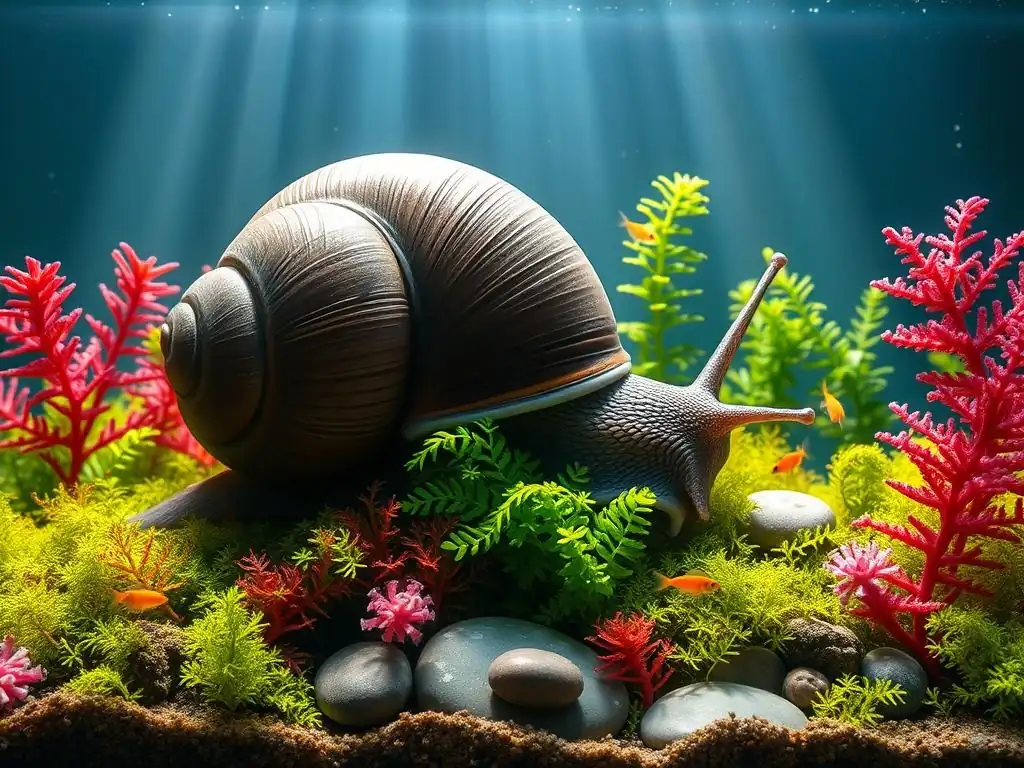
The Cappuccino Spike Snail, scientifically known as Faunus ater, is a truly distinctive and elegant freshwater invertebrate gaining popularity among aquarists. Originating from brackish and freshwater environments across Southeast Asia, particularly in Indonesia and the Philippines, these snails boast a striking appearance. Their elongated, conical shells, often reaching impressive lengths of up to 3 inches (approximately 7.5 cm), are typically a rich, dark brown to deep black, resembling a freshly brewed cappuccino, hence their common name. Unlike many common aquarium snails, Faunus ater is not considered a pest and offers a unique aesthetic to any tank.
Belonging to the Pachychilidae family, Faunus ater stands apart from the more commonly encountered Ramshorn or Malaysian Trumpet Snails. A key distinguishing feature is their robust operculum, a protective trapdoor that allows them to seal themselves off from external threats or adverse conditions. These snails are primarily detritivores, meaning they play a vital role in consuming decaying organic matter, and their peaceful nature makes them excellent community tank inhabitants. Under optimal conditions, a well-cared-for Cappuccino snail can live for several years, often between 2 to 5 years, becoming a long-term resident in your aquatic setup.
Why Choose Cappuccino Snails for Your Freshwater Aquarium?
Choosing Cappuccino snails for your freshwater aquarium brings both aesthetic appeal and practical benefits. Their sleek, dark shells provide a sophisticated contrast against vibrant green plants or colorful fish, adding a touch of understated elegance to the aquascape. Their moderate size ensures they are easily visible without overwhelming smaller tank setups, and their calm, deliberate movements as they forage offer an interesting focal point for observation. They are active explorers, constantly sifting through the substrate and grazing on surfaces, which adds dynamic life to the bottom layers of your tank.
Beyond their visual charm, Cappuccino snails are highly valued for their role as efficient tank cleaners. As dedicated detritivores, they diligently consume uneaten fish food, decaying plant material, and various types of biofilm, significantly contributing to a cleaner and healthier aquatic environment. This natural scavenging ability helps reduce the accumulation of waste, which in turn can help maintain stable water parameters and reduce the risk of harmful ammonia and nitrite spikes. Their beneficial cleaning habits make them an excellent choice for a Cappuccino snail care guide focused on maintaining a pristine freshwater aquarium.
Cappuccino Snail Care Guide: Essential Information for Aquarists
Optimal Tank Conditions for Healthy Cappuccino Snails
Ideal Water Parameters: Temperature, pH, and Hardness for Faunus ater
Maintaining stable and appropriate water parameters is paramount for the health and longevity of your Cappuccino snails. These tropical invertebrates thrive in water temperatures ranging from 72-82°F (22-28°C), mirroring their natural Southeast Asian habitats. Consistent temperatures are crucial to prevent stress, which can lead to inactivity or susceptibility to illness. Regarding pH, Faunus ater prefers slightly alkaline to neutral conditions, with an ideal range of 7.0-8.0. Highly acidic water (below pH 6.5) can be detrimental, leading to shell erosion and overall poor health.
Water hardness is another critical factor in a comprehensive Cappuccino snail care guide. Cappuccino snails require moderately hard to hard water to support healthy shell growth and maintenance, typically preferring a General Hardness (GH) of 8-15 dGH (approximately 140-270 ppm) and a Carbonate Hardness (KH) of 5-10 dKH (approximately 90-180 ppm). Calcium, abundant in harder water, is essential for their shells, and insufficient levels can lead to pitting or thinning. Regular partial water changes, around 25-30% weekly, are vital to maintain stable parameters and replenish essential minerals, ensuring a thriving environment for your Faunus ater.
Substrate and Decor: Creating a Suitable Habitat for Cappuccino Snails
The choice of substrate is particularly important for Cappuccino snails due to their natural burrowing instincts. They prefer soft, fine-grained substrates such as sand or very fine gravel, which allows them to easily sift through and burrow without damaging their delicate foot. A substrate depth of at least 2-3 inches (5-7.5 cm) is recommended to accommodate their burrowing behavior, which also contributes to substrate aeration and prevents the formation of anaerobic pockets. Coarse or sharp gravel should be avoided as it can cause abrasions and injury.
When it comes to decor, providing plenty of surfaces for grazing and hiding spots will greatly benefit your Cappuccino snails. Driftwood, smooth river rocks, and live plants offer excellent opportunities for them to explore, graze on biofilm, and seek refuge. Ensure all decor is stable and free of sharp edges that could harm the snails. A well-decorated tank not only enhances the aesthetics but also provides environmental enrichment and a sense of security, which are vital components of an effective Cappuccino snail care guide aimed at promoting natural behaviors and overall well-being.
Diet and Feeding Habits of Cappuccino Snails
What Do Cappuccino Snails Eat? A Comprehensive Dietary Guide
Cappuccino snails are primarily detritivores, meaning their natural diet consists largely of decaying organic matter, uneaten fish food, and biofilm. They are excellent scavengers, constantly sifting through the substrate and grazing on tank surfaces to find their next meal. While they will consume some soft algae, they are not primarily algae eaters in the same vein as Nerite snails; their main role in the aquarium ecosystem is to break down and consume general detritus. This makes them invaluable members of the clean-up crew, as they help prevent the buildup of harmful waste products.
To ensure optimal nutrition, it is important to supplement their diet, especially in tanks with minimal detritus. High-quality sinking algae wafers, blanched vegetables such as zucchini, spinach, or cucumber, and specialized invertebrate pellets are excellent choices. Offer small amounts to avoid overfeeding, which can lead to water quality issues. A varied diet ensures they receive all necessary nutrients, contributing to a robust shell and overall health, a crucial aspect of any detailed Cappuccino snail care guide.
Supplementing Their Diet: Ensuring Optimal Nutrition for Faunus ater
Beyond their primary diet of detritus and biofilm, supplementing your Cappuccino snails' nutrition is essential, particularly for maintaining strong, healthy shells. Calcium is a critical mineral for shell development and integrity. If your aquarium water is naturally soft or if you observe signs of shell degradation like pitting or thinning, consider adding calcium-rich supplements. Options include specialized calcium blocks for invertebrates, small pieces of cuttlebone, or even crushed eggshells, which can be placed directly in the tank or added to the filter.
While primarily detritivores, Faunus ater can also benefit from occasional protein supplementation. Small, sinking protein-rich foods, such as a tiny portion of bloodworms or brine shrimp (ensure they are sinking to be accessible), can be offered sparingly. A diverse diet not only prevents nutritional deficiencies but also promotes active foraging behavior and contributes to the snail's overall vitality and lifespan. Providing a well-rounded diet is a cornerstone of any effective Cappuccino snail care guide, ensuring your snails remain active and healthy.
Cappuccino Snail Tank Mates: Compatibility and Considerations
Suitable Fish Tank Mates for Cappuccino Snails
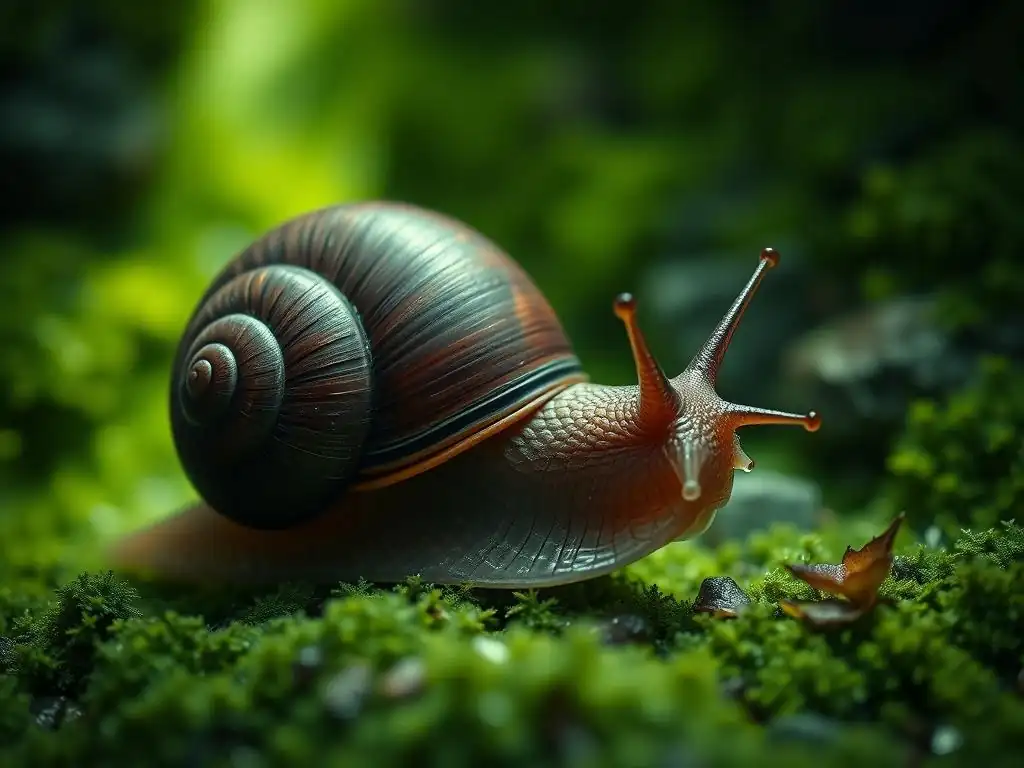
When selecting tank mates for your Cappuccino snails, the primary consideration is their peaceful and non-aggressive nature. Ideal fish companions include small, docile species that will not nip at the snails' antennae or attempt to consume them. Excellent choices often found in community tanks include various species of Tetras (such as Neon Tetras, Cardinal Tetras, Ember Tetras), peaceful Rasboras (like Harlequin Rasboras or Chili Rasboras), and livebearers such as Guppies, Mollies, and Platies. Bottom-dwelling, non-predatory fish like Corydoras catfish and Otocinclus catfish also make suitable companions, as they occupy different tank strata and pose no threat.
Conversely, aggressive or predatory fish should be strictly avoided. This includes most species of Cichlids, especially larger and more territorial varieties like Oscars or Jack Dempseys, which are known to prey on snails. Loaches, particularly Clown Loaches ( Chromobotia macracanthus) and Yo-Yo Loaches ( Botia almorhae), are notorious snail eaters and will quickly decimate a snail population. Pufferfish ( Tetraodon species) are also highly predatory towards snails and must never be housed with Faunus ater. Prioritizing the safety of your snails is paramount for a harmonious community aquarium.
Invertebrate Companions: Compatible Snails, Shrimp, and Crayfish
Cappuccino snails generally coexist peacefully with other non-aggressive invertebrate species. Compatible snail companions include Nerite snails, Mystery snails, and Ramshorn snails, as they share similar care requirements and do not compete aggressively for resources or territory. These pairings can create a diverse and active clean-up crew in your aquarium.
When it comes to shrimp, most dwarf freshwater shrimp species, such as Amano shrimp ( Caridina multidentata), Cherry shrimp ( Neocaridina davidi), and Ghost shrimp ( Palaemonetes paludosus), are excellent tank mates. They are peaceful, occupy different niches, and contribute to the tank's cleanliness without posing a threat to the snails.
However, caution must be exercised with crayfish and crabs. While some dwarf crayfish species might be considered, even they can be opportunistic predators, especially when hungry or during periods of vulnerability like molting. Larger freshwater crayfish (e.g., Procambarus species) and most freshwater crabs are generally unsuitable tank mates for Cappuccino snails. Their powerful claws and predatory instincts make them a significant threat to slow-moving snails, often resulting in injury or death. It is best to avoid these pairings to ensure the well-being of your Faunus ater.
Avoiding Unsuitable Tank Mates: Fish and Invertebrates to Avoid
To reiterate, certain fish species are entirely unsuitable as tank mates for Cappuccino snails due to their predatory nature. Any fish known to consume snails, such as various Loach species (e.g., Clown Loaches, Yo-Yo Loaches, Dwarf Chain Loaches), all Pufferfish species, and many larger, more aggressive Cichlids (e.g., Oscars, Jack Dempseys, Green Terrors), should never be housed with Faunus ater. These fish view snails as a food source and will actively hunt them, leading to severe stress, injury, or consumption of your Cappuccino snails.
Regarding other invertebrates, most large freshwater crabs (e.g., Fiddler Crabs, Red Claw Crabs) and all large freshwater crayfish species (e.g., Electric Blue Crayfish, Marbled Crayfish) are highly problematic. Their powerful claws can easily crush snail shells, and their territorial or predatory behaviors make them a direct threat. Even some larger, more robust shrimp, though generally peaceful, might occasionally bother smaller or weaker snails, though this is less common. The key to successful community keeping with Cappuccino snails is to select tank mates known for their peaceful temperament and lack of predatory instincts towards invertebrates.
Cappuccino Snail Breeding: Understanding Reproduction in Captivity
Can Cappuccino Snails Breed in Freshwater Aquariums? Debunking the Myths
One of the most common questions regarding Faunus ater is about their breeding habits in captivity. Unlike many common aquarium snails such as Malaysian Trumpet Snails or Ramshorn Snails, Cappuccino snails are gonochoristic, meaning they have separate sexes (male and female) and are not hermaphroditic. This in itself makes reproduction more complex, as you need both a male and a female present for successful fertilization. However, the primary reason why Cappuccino snails rarely, if ever, breed in typical freshwater aquariums lies in their larval development.
While adult Cappuccino snails thrive and live long lives in freshwater environments, their reproductive cycle has a crucial requirement: their larvae must develop in brackish water. After eggs are laid (often in freshwater), they hatch into microscopic, free-swimming veliger larvae. This planktonic larval stage requires a specific salinity range to survive, feed, and metamorphose into juvenile snails. Without these precise brackish conditions, the veligers will not develop, and thus, successful breeding and population growth of Faunus ater in a purely freshwater home aquarium are virtually impossible.
Breeding Challenges: Why Faunus ater Reproduction is Rare in Captivity
The challenges associated with breeding Faunus ater in captivity are significant, primarily due to the specific environmental needs of their larval stage. Replicating the exact brackish water parameters required for veliger development is exceedingly difficult in a typical home aquarium setup. The precise salinity level, which can vary by species or even population, is often unknown or hard to maintain consistently, and even slight fluctuations can prove fatal to the delicate larvae. Furthermore, the transition of adult snails from freshwater to brackish for egg-laying, and potentially back, adds another layer of complexity.
Beyond the salinity requirements, the planktonic nature of the veliger larvae presents additional hurdles. These microscopic organisms require specific types of microscopic food sources, often phytoplankton, and precise water flow conditions to thrive. Providing these conditions in a controlled manner within a home aquarium is a task typically reserved for specialized aquaculturists with dedicated breeding setups. For the average aquarist, the inability to provide the necessary brackish conditions and specialized larval care means that Faunus ater will not reproduce, making them an excellent choice for those who want snails without the risk of overpopulation.
Common Cappuccino Snail Problems and Solutions
Shell Degradation: Causes and Prevention in Faunus ater
Shell degradation is one of the most common issues faced by Cappuccino snails, and it can significantly impact their health and lifespan. The primary causes are insufficient calcium in the water or diet, and low pH (acidic water). When water is too acidic (typically below pH 6.5), it can actively dissolve the snail's calcium carbonate shell, leading to visible pitting, thinning, or even holes. Similarly, soft water that lacks essential minerals, even if the pH is neutral, will not provide enough calcium for the snail to maintain or grow a strong shell.
To prevent and address shell degradation, maintaining stable and appropriate water parameters is paramount, as detailed in any good Cappuccino snail care guide. Ensure your aquarium water is consistently hard and slightly alkaline, with a pH between 7.0-8.0 and a GH of 8-15 dGH.
Supplementing calcium through their diet is also crucial: offer calcium-rich foods like specialized snail pellets, blanched leafy greens, or even a small piece of cuttlebone placed in the tank. Adding crushed coral or aragonite to the filter or substrate can also help buffer the water and provide a slow release of calcium, promoting robust shell health.
Inactivity and Lethargy: Identifying and Addressing Potential Issues
Inactivity and lethargy in Cappuccino snails can be indicators of underlying problems in their environment or health. A healthy Faunus ater should be active, constantly moving, exploring the tank, and grazing on surfaces or sifting through the substrate. If your snail retracts into its shell for extended periods (more than a day or two), remains motionless, floats frequently, or shows a general lack of interest in food, it's time to investigate. Common causes include poor water quality (spikes in ammonia, nitrite, or high nitrates), incorrect water temperature, insufficient food, or stress from unsuitable tank mates.
The first step in addressing inactivity is to immediately test your water parameters (ammonia, nitrite, nitrate, pH, temperature, GH, KH). Perform a partial water change (e.g., 25-30%) if any parameters are off. Double-check that your tank temperature is within the ideal range of 72-82°F (22-28°C).
Ensure they are receiving adequate and appropriate food, offering a variety of sinking pellets, blanched vegetables, and calcium supplements. Observe tank mates for any signs of aggression or harassment towards the snail. Addressing these issues promptly can often revive a lethargic snail, making proactive monitoring a key part of effective Cappuccino snail care guide practices.
Algae Control: Utilizing Cappuccino Snails for a Clean Aquarium
While Cappuccino snails are not the most aggressive algae eaters compared to species like Nerite snails, they do contribute significantly to algae control in a freshwater aquarium, particularly concerning certain types of algae and biofilm. They are effective at grazing on soft, thin layers of algae that accumulate on glass, rocks, driftwood, and plant leaves. They are especially adept at consuming brown diatom algae, which often appears in newer tanks or tanks with excess silicates. Their constant movement across surfaces helps keep them clean and prevents the initial buildup of algal films.
However, it's important to set realistic expectations: Faunus ater will not eradicate heavy outbreaks of green spot algae or hair algae. For severe algae problems, a multi-faceted approach involving reducing light intensity, controlling nutrient levels, and potentially introducing dedicated algae-eating fish or shrimp might be necessary. Nevertheless, their consistent, low-level grazing action makes them a valuable part of the general cleaning crew, contributing to overall tank cleanliness and aesthetic appeal. Their role in maintaining a tidy environment is a beneficial aspect covered in any detailed Cappuccino snail care guide.
Identifying and Selecting Healthy Cappuccino Snails
What to Look for When Buying Cappuccino Snails
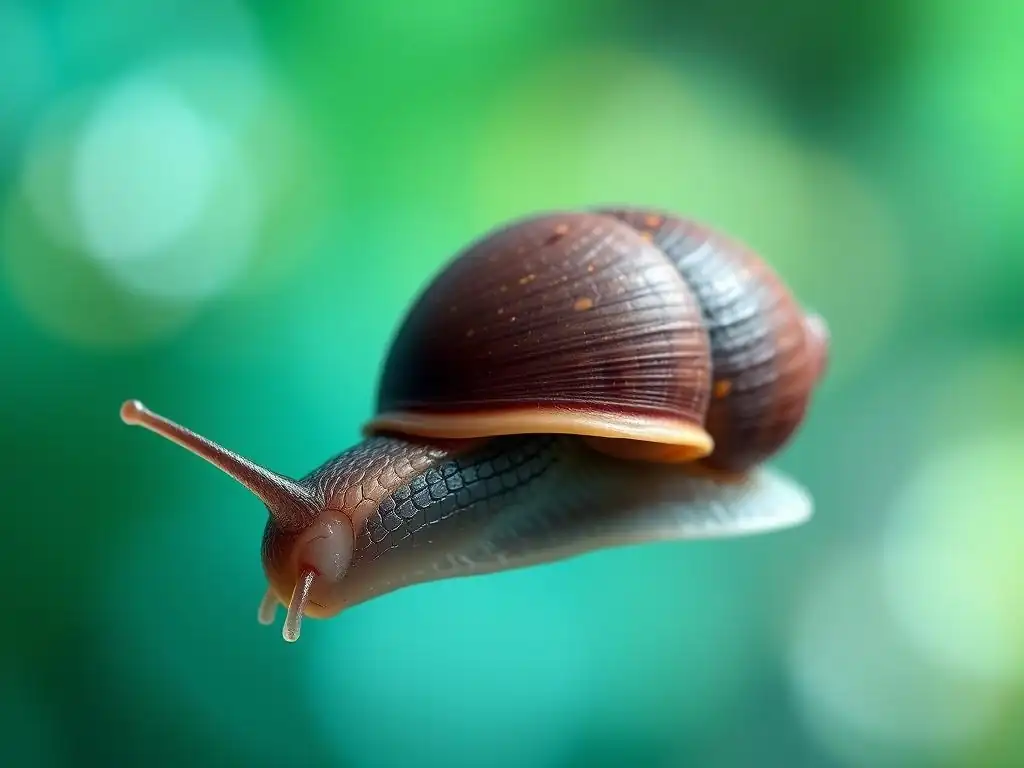
When purchasing Cappuccino snails, careful observation is key to ensuring you bring home healthy specimens. First, inspect their shell meticulously. A healthy Cappuccino snail should have a smooth, intact shell without any signs of pitting, cracks, or excessive white erosion spots. The operculum (trapdoor) should be present and fit snugly when the snail retracts. Avoid snails with significant shell damage, as this can indicate poor water quality in their previous environment or chronic calcium deficiency.
Next, observe their activity level and overall appearance. A healthy Faunus ater should be active, moving around the tank, or at least responsive when gently touched, retracting into its shell. Its foot should appear plump, moist, and free of any lesions, discoloration, or signs of decay. Avoid snails that are motionless for extended periods, floating aimlessly at the surface (unless they are temporarily exploring a new environment), or appear shriveled or withdrawn deep within their shell. These can be signs of illness, stress, or imminent demise.
Avoiding Common Diseases and Parasites in Faunus ater
While generally hardy, like any aquatic invertebrate, Cappuccino snails can occasionally be susceptible to or carry certain diseases and parasites. Although specific snail diseases are less commonly discussed than fish diseases, they can sometimes carry internal parasites like trematodes, which might manifest as unusual growths or lethargy. Fungal infections can also affect their foot or shell, appearing as fuzzy patches. Thorough inspection before purchase is your first line of defense.
To minimize the risk of introducing diseases or parasites into your established aquarium, it is highly recommended to quarantine new Cappuccino snails in a separate tank for a few weeks (e.g., 2-4 weeks) before adding them to your main display tank. During this period, observe them closely for any signs of illness, unusual behavior, or external parasites. This crucial step in a responsible Cappuccino snail care guide allows you to treat any potential issues in isolation without jeopardizing the health of your existing fish and invertebrates, ensuring a safer and healthier transition for your new aquatic additions.
The Benefits of Cappuccino Snails in a Freshwater Ecosystem
Algae Control: A Natural Cleaning Crew for Your Aquarium
Cappuccino snails offer a valuable, natural solution for algae control in freshwater aquariums. While they may not be the primary weapon against heavy, stubborn algae outbreaks, their consistent grazing activity significantly contributes to maintaining a cleaner tank. They diligently consume the thin layers of biofilm and soft algae that accumulate on various surfaces, including the aquarium glass, driftwood, rocks, and plant leaves. This continuous cleaning action helps prevent the initial buildup of unsightly algal films, reducing the need for manual scraping and scrubbing.
Moreover, their ability to navigate and graze in tight spaces and crevices that are often inaccessible to other tank inhabitants makes them particularly effective. They can reach behind decor, under rocks, and within dense plant foliage, ensuring a more comprehensive clean. By keeping surfaces clear, they also promote better light penetration for plants and enhance the overall aesthetic appeal of your aquarium. Their role as a persistent, natural cleaning crew is a significant advantage highlighted in any detailed Cappuccino snail care guide.
Detritus Removal: Keeping Your Tank Clean and Healthy
One of the most significant contributions of Cappuccino snails to a freshwater ecosystem is their exceptional ability as detritivores. They are highly efficient scavengers, constantly sifting through the substrate and grazing on any decaying organic matter they encounter. This includes uneaten fish food, dead plant leaves, and other general waste that accumulates at the bottom of the tank. By actively consuming this detritus, they prevent its buildup, which is crucial for maintaining optimal water quality.
The removal of organic waste by Faunus ater directly reduces the bioload on your aquarium's filtration system. Less decaying matter means lower levels of ammonia and nitrite, and a reduction in the rate at which nitrates accumulate. This natural waste management contributes to a more stable and healthy aquatic environment, minimizing the risk of harmful water parameter spikes that can stress or harm fish and other invertebrates. Their diligent detritus removal makes them an indispensable part of a balanced aquarium, a key benefit emphasized in any comprehensive Cappuccino snail care guide.
Aeration and Substrate Turnover: Improving Water Quality
A unique benefit of Cappuccino snails, stemming from their burrowing nature, is their contribution to substrate aeration and turnover. As they tirelessly sift through sandy or fine gravel substrates, they effectively "till" the bottom layers of the aquarium. This constant movement helps to prevent the formation of anaerobic pockets, which are areas within the substrate that lack oxygen. These anaerobic zones can become breeding grounds for harmful bacteria that produce toxic gases like hydrogen sulfide, identifiable by a rotten egg smell, which are extremely detrimental to aquatic life.
By aerating the substrate, Cappuccino snails also help distribute beneficial nitrifying bacteria throughout the bottom layers, improving overall biological filtration within the tank. This natural "plowing" action enhances nutrient cycling and ensures a healthier substrate environment for plant roots and beneficial microorganisms. This active substrate management is a distinct advantage of Faunus ater, providing a natural and continuous method of improving overall water quality and contributing to a thriving ecosystem.
Where to Buy Cappuccino Snails: Finding Reputable Sources
Finding Reputable Sellers: Online and Local Options
When you decide to add Cappuccino snails to your aquarium, finding a reputable seller is crucial for ensuring you acquire healthy specimens. Online retailers specializing in aquatic livestock are often a good source, as they typically have a wider selection and better availability of less common invertebrates like Faunus ater. When choosing an online seller, look for those with consistently positive customer reviews, clear policies regarding live arrival guarantees (DOA policies), and detailed information about their livestock's origin and care. Ensure their shipping methods prioritize the well-being of the snails, especially during temperature extremes.
Local fish stores can also be an excellent option, particularly those with a focus on invertebrates or unusual species. Buying locally allows you to inspect the snails directly before purchase, observing their activity, shell condition, and overall health in person. This hands-on approach can help you assess the quality of the store's husbandry practices. Don't hesitate to ask staff about their snail care routines and sourcing to gauge their expertise and commitment to healthy livestock.
Ensuring Healthy Snails: Questions to Ask Before Purchasing
To ensure you're bringing home healthy Cappuccino snails, engage with the seller and ask pertinent questions. Inquire about the water parameters (temperature, pH, and hardness) the snails were kept in at their facility. This information is vital for smoothly acclimating them to your aquarium's conditions, minimizing stress. Ask about their feeding regimen and how long the snails have been in their care; established snails that have been eating well are generally more robust.
Furthermore, clarify the seller's policy regarding dead on arrival (DOA) or any health guarantees for a short period after purchase. A reputable seller will stand behind their livestock and offer solutions in case of unforeseen issues. Understanding their return or replacement policy provides peace of mind. Taking these proactive steps, as part of a diligent Cappuccino snail care guide, significantly increases your chances of acquiring healthy, thriving Faunus ater that will become valuable additions to your freshwater aquarium.
Cappuccino Snails vs. Other Freshwater Snails: A Comparison
Cappuccino Snails vs. Malaysian Trumpet Snails: Key Differences and Similarities
Cappuccino snails ( Faunus ater) and Malaysian Trumpet Snails (MTS, Melanoides tuberculata) share some superficial similarities but possess crucial differences that impact their suitability for various aquariums. Both are burrowing snails with conical shells that help aerate the substrate and consume detritus, making them excellent members of the clean-up crew.
However, the most striking difference is size: Cappuccino snails are considerably larger, reaching up to 3 inches (7.5 cm), and are typically a uniform dark brown or black. MTS, in contrast, are much smaller, usually growing to only about 1 inch (2.5 cm), and feature varied patterns of brown, black, or grey.
The most significant distinction lies in their reproductive habits. MTS are notoriously prolific live-bearers, capable of reproducing rapidly and parthenogenetically (without a mate) in freshwater conditions, often leading to overpopulation if food is abundant. This can be a concern for aquarists who wish to avoid a "snail explosion." Cappuccino snails, conversely, do not reproduce in freshwater aquariums due to their requirement for a brackish larval stage. This makes them an ideal choice for aquarists who desire the benefits of a burrowing detritivore without the risk of an overwhelming snail population, a key consideration for any Cappuccino snail care guide.
Cappuccino Snails vs. Nerite Snails: Which is Right for Your Tank?
Comparing Cappuccino snails to Nerite snails ( Neritina species) highlights their differing primary functions and aesthetic qualities. Nerite snails are renowned for their exceptional algae-eating capabilities, particularly effective against tough green spot algae and diatom algae on glass, rocks, and decor. They come in a wide array of beautiful shell patterns (e.g., Zebra, Tiger, Olive) and have a rounded, low-spired shell, generally smaller than Faunus ater. Cappuccino snails, with their elongated, dark, conical shells, are primarily detritivores and excellent substrate aerators, consuming decaying organic matter rather than being dedicated algae scrubbers.
In terms of reproduction, neither species breeds easily in freshwater aquariums, making both good choices for those concerned about overpopulation. However, Nerite snails will lay hard, white, sesame-seed-like eggs (opercula) on tank surfaces, which are often infertile in freshwater and can be unsightly or difficult to remove.
Cappuccino snails, on the other hand, will not lay viable eggs in freshwater at all. The choice between these two excellent invertebrates depends on your tank's specific needs: if your priority is aggressive algae removal, a Nerite is ideal; if you need a detritivore that also aerates the substrate and won't reproduce, the Cappuccino snail is the perfect fit, as detailed in this Cappuccino snail care guide.
Conclusion: The Cappuccino Snail - A Valuable Addition to Your Aquarium
Frequently Asked Questions
What are Cappuccino Spike Snails (Faunus ater) and why are they called "Cappuccino"?
Cappuccino Spike Snails, scientifically known as Faunus ater, are freshwater snails prized for their dark brown to black shells and elongated, conical shape. The "Cappuccino" name likely comes from the color variations some exhibit, reminiscent of a cappuccino drink.
What are the ideal water parameters for Cappuccino Spike Snails?
These snails thrive in water temperatures between 72-82°F (22-28°C), with a pH of 7.0-8.0. Maintaining stable water chemistry is crucial, including appropriate levels of hardness and alkalinity for shell health.
What do Cappuccino Spike Snails eat, and how often should I feed them?
Cappuccino Spike Snails are primarily detritivores and algae eaters. They'll graze on algae and decaying organic matter in your tank, but supplement their diet with algae wafers or blanched vegetables if necessary.
Are Cappuccino Spike Snails compatible with other aquarium inhabitants?
They are generally peaceful and compatible with most non-aggressive freshwater fish and invertebrates. Avoid housing them with species known to nip at snails or have a predatory nature.
How do I troubleshoot common issues like shell erosion or inactivity in my Cappuccino Spike Snails?
Shell erosion often indicates low calcium levels in the water. Inactivity can be a sign of poor water quality or stress. Test your water parameters and consider adding calcium supplements or performing a water change.
Final Reflection: The Enduring Allure of the Cappuccino Snail
The preceding exploration of Faunus ater, the Cappuccino Spike Snail, reveals more than just a comprehensive Cappuccino snail care guide; it highlights the growing fascination with the often-overlooked biodiversity within our own aquariums. These unassuming creatures, with their striking shells and algae-eating prowess, represent a microcosm of the larger ecological balance we strive to understand and protect. Their increasing popularity underscores a shift towards more sustainable and enriching aquarium keeping practices.
This journey into the world of Faunus ater has underscored the profound impact even seemingly small creatures can have on our understanding of aquatic ecosystems. The dedication and passion of aquarists, fueled by a desire to provide optimal care, directly translates into a deeper appreciation for the intricate web of life that connects us all. In the end, we will conserve only what we love; we will love only what we understand; and we will understand only what we are taught.
- Baba Dioum's words resonate deeply, reminding us that knowledge and care are the cornerstones of conservation.
Now, dear reader, armed with this newfound knowledge and appreciation, consider the role you play in this aquatic narrative. Reflect on the choices you make in your own aquarium, and beyond. Embrace the opportunity to learn, to share, and to contribute to a future where even the smallest creatures, like the Cappuccino Spike Snail, thrive and inspire. Let their story be a reminder that even in the darkest corners of our tanks, beauty and balance can flourish with a little care and understanding.
Embrace the Dark Knight: Transform Your Tank Today!
Thanks for diving into the world of Cappuccino Spike Snails! Hopefully, you've now got a solid understanding of these fascinating creatures and their potential benefits for your aquarium. Ready to take the next step?
Here are a few things you can do to keep the momentum going:
- Introduce a Cappuccino Spike Snail to your tank and experience the natural algae control firsthand! Carefully monitor your water parameters and enjoy watching them work their magic.
- Share this article with fellow aquarium enthusiasts who might also benefit from learning about these incredible snails. Help spread the word!
- Research compatible tank mates for your Cappuccino Spike Snail to ensure a thriving and balanced ecosystem. Consider less common options like small schooling fish that won't compete for algae.
What's the first step you'll take to welcome these beneficial snails into your aquarium? Share your plans in the comments below!