
Tiger Tail Sea Cucumbers: Are They Right for Your Aquarium?

Welcome to Aquarium Mastery!
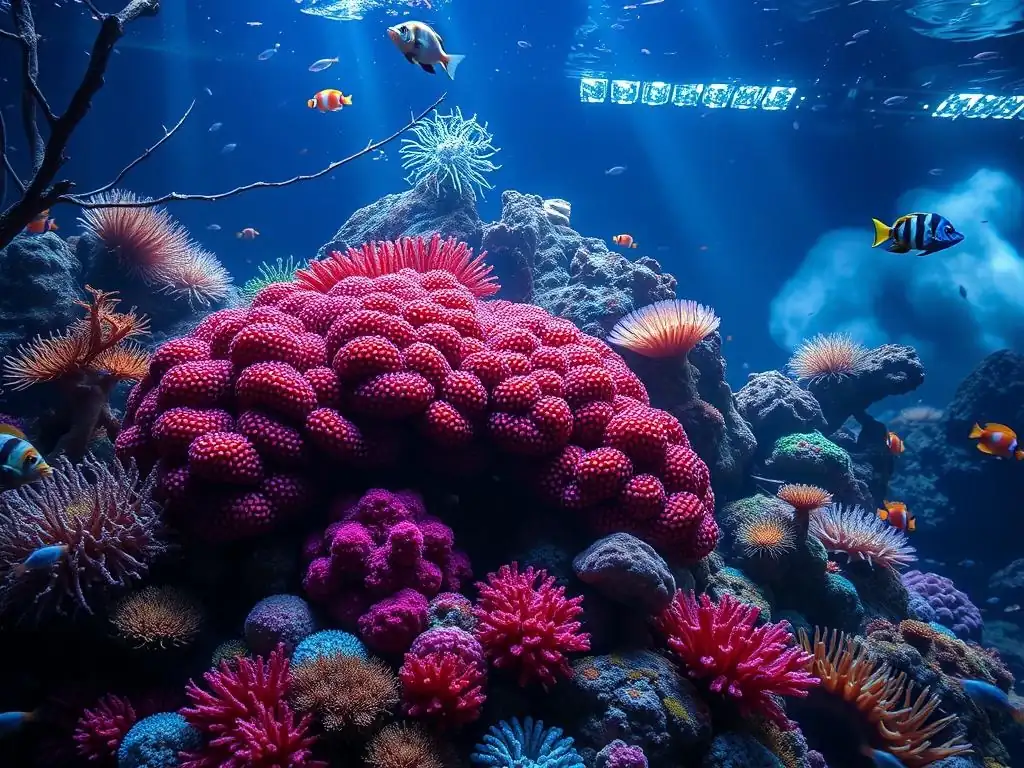
Ever wondered if those fascinating, bottom-dwelling creatures could thrive in your saltwater aquarium? We're diving deep into the world of invertebrates, and today, we're unlocking the secrets to successful Saltwater Sea Cucumber Care. Are Tiger Tail Sea Cucumbers the perfect clean-up crew you've been searching for, or are they a hidden challenge? Let's explore what you need to know to decide if these intriguing animals are a good fit for your tank!
- Understanding Holothuria Hilla: An Introduction
- The Pros and Cons of Keeping Holothuria Hilla
- Saltwater Sea Cucumber Care: Essential Guidelines for Holothuria Hilla
- Identifying and Addressing Common Holothuria Hilla Problems
- Is a Holothuria Hilla Right for Your Aquarium? A Final Assessment
-
Frequently Asked Questions
- What are the key considerations when introducing a Tiger Tail Sea Cucumber to my saltwater aquarium?
- What are the specific water parameter requirements for maintaining a healthy Tiger Tail Sea Cucumber?
- What type of substrate and flow rate are ideal for a Tiger Tail Sea Cucumber's environment?
- How can I prevent my Tiger Tail Sea Cucumber from releasing toxins and potentially harming my tank inhabitants?
- What are some common signs of illness or distress in a Tiger Tail Sea Cucumber, and how can I address them?
- Final Reflection: Embracing the Delicate Balance of Marine Life
- Ignite Your Reef Tank's Potential!
Understanding Holothuria Hilla: An Introduction
What are Holothuria Hilla? [Scientific Name: Holothuria hilla & Origins: Indo-Pacific]
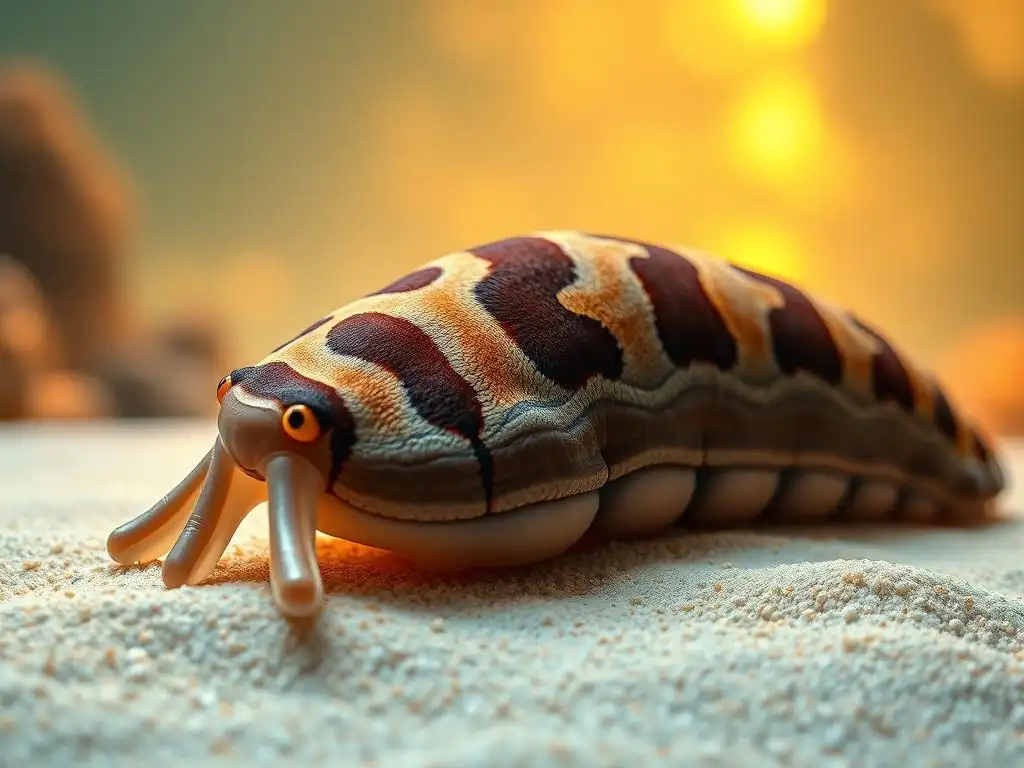
The Tiger Tail Sea Cucumber, scientifically known as Holothuria hilla, is a fascinating and often sought-after member of the marine clean-up crew. These echinoderms are characterized by their elongated, cylindrical bodies, which can reach impressive lengths of 10 to 12 inches (approximately 25-30 cm) in a mature aquarium. Their distinctive coloration, typically a mottled pattern of brown, black, and cream, gives them their common "tiger tail" moniker, often blending seamlessly with the sandy substrate they inhabit.
Native to the vast Indo-Pacific region, Holothuria hilla thrives in shallow, protected areas such as coral reefs, lagoons, and sandy flats. In their natural environment, they are crucial detritivores, constantly sifting through the sand to consume organic debris. While their lifespan in the wild can extend for several years, potentially 5 to 10 years, their longevity in captivity largely depends on the stability and maturity of the aquarium environment, making diligent saltwater sea cucumber care essential.
Why Consider a Holothuria Hilla for Your Saltwater Tank?
Aquarists often consider adding a Tiger Tail Sea Cucumber primarily for its exceptional abilities as a natural detritus remover. These industrious invertebrates spend their days tirelessly sifting through the aquarium's sand bed, consuming uneaten food, fish waste, and other decaying organic matter. This continuous sifting action significantly contributes to maintaining pristine water quality and a healthier overall tank environment.
Beyond their practical benefits, Holothuria hilla also offers a unique aesthetic appeal. Their distinctive appearance and methodical movements add an interesting dynamic to a marine aquarium, providing a focal point for observation. Furthermore, their burrowing activities naturally aerate the substrate, preventing the formation of harmful anaerobic pockets, which is a vital aspect of comprehensive saltwater sea cucumber care.
The Pros and Cons of Keeping Holothuria Hilla
Benefits of Holothuria Hilla in a Marine Aquarium
Natural Detritus Removal: The Role of Sea Cucumbers in Tank Cleaning
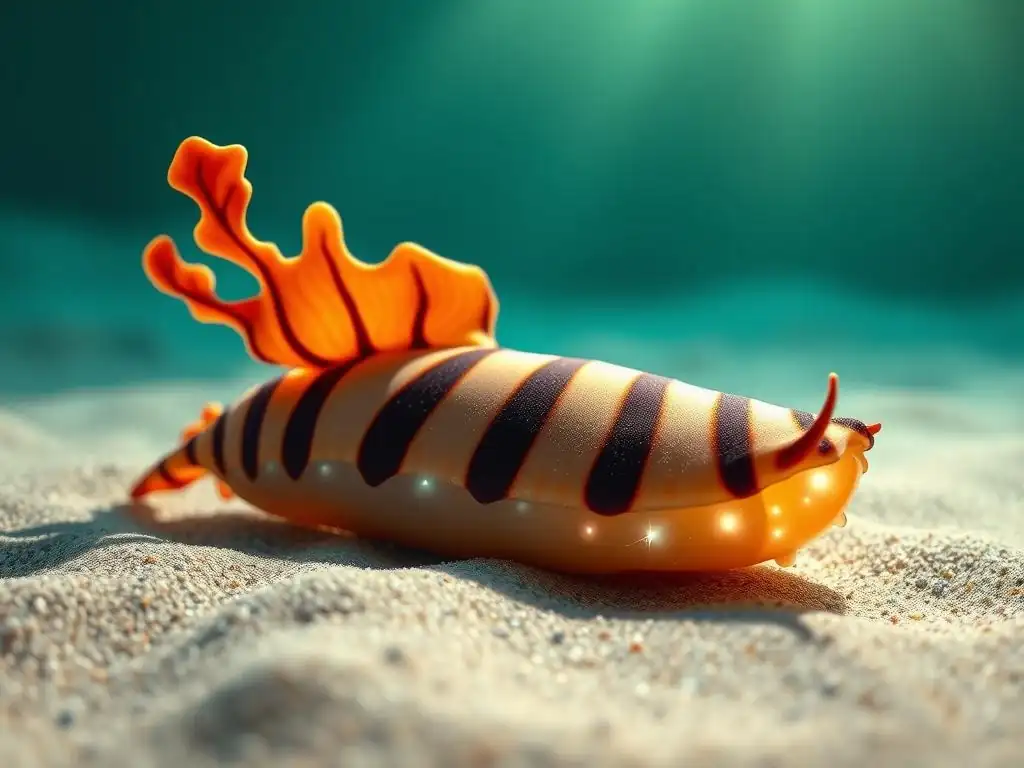
The primary benefit of introducing a Tiger Tail Sea Cucumber to your marine aquarium is its unparalleled efficiency in detritus removal. Holothuria hilla are obligate detritivores, meaning their diet consists almost entirely of the organic waste found within the sand bed. They continuously ingest sand, digest the organic particles, and expel clean sand, acting as a living vacuum cleaner for your substrate. In a well-established tank, a single specimen can process several cubic feet of sand per week, significantly reducing the accumulation of harmful organic matter.
This constant sifting has a direct and profound impact on water quality. By removing decaying organic material, Holothuria hilla helps to reduce nutrient loads, specifically nitrates and phosphates, which are common culprits behind nuisance algae blooms. Their diligent work results in clearer water and a more stable chemical environment, alleviating the burden on mechanical filtration and contributing to the overall success of saltwater sea cucumber care.
Algae Control Assistance: How Holothuria Hilla Contribute
While Tiger Tail Sea Cucumbers are not considered primary algae eaters like some snails or tangs, their continuous sifting activity indirectly aids in algae control. As they process the sand, they disturb settled algae spores and consume microscopic algae that are mixed with the detritus. This prevents the initial establishment and growth of certain types of benthic algae on the substrate surface.
It is important to manage expectations; Holothuria hilla will not eradicate a widespread algae problem. Instead, they serve as a valuable supplementary tool in maintaining a clean and healthy substrate, preventing large patches of detritus-fed algae from forming. Their constant movement helps keep the sand bed agitated, hindering the conditions favorable for many types of nuisance algae.
Aeration of Substrate: Promoting a Healthy Tank Environment
One of the most critical, yet often overlooked, contributions of Holothuria hilla is their role in substrate aeration. As these sea cucumbers burrow and sift through the sand, they prevent the compaction of the substrate. This natural "tilling" action introduces oxygen into deeper layers of the sand bed, inhibiting the formation of anaerobic pockets.
Anaerobic zones are highly undesirable in an aquarium as they can lead to the production of toxic hydrogen sulfide gas, which is lethal to fish and invertebrates. By ensuring proper oxygenation throughout the sand bed, Tiger Tail Sea Cucumbers promote the proliferation of beneficial aerobic bacteria, which are essential for processing waste products in the nitrogen cycle. This natural process is a cornerstone of effective saltwater sea cucumber care, contributing significantly to a stable and thriving marine ecosystem.
Potential Drawbacks of Holothuria Hilla
Toxicity Risk: Saponin Release and Tank Health
The most significant concern associated with keeping Tiger Tail Sea Cucumbers is their ability to release a potent toxin called holothurin (a type of saponin) when severely stressed, injured, or dying. This toxin is incredibly dangerous and can rapidly wipe out an entire tank's population, particularly fish and other invertebrates, within a matter of hours. Instances have been reported where a single stressed sea cucumber led to the loss of a 100-gallon tank's inhabitants overnight.
Triggers for saponin release include sudden drastic changes in water parameters, aggressive tank mates, being sucked into a pump intake, physical damage during handling, or prolonged starvation. Once released, the milky substance diffuses quickly, and its removal is challenging. This inherent risk necessitates extreme caution and preparedness from the aquarist, making it a critical consideration in saltwater sea cucumber care.
Compatibility Issues: Tank Mates and Sea Cucumber Safety
While Holothuria hilla itself is a peaceful invertebrate, its delicate nature makes it vulnerable to certain aggressive tank mates. Fish species such as triggerfish, puffers, large wrasses (e.g., Coris or adult Halichoeres species), and some larger angelfish are known to nip at or attempt to consume sea cucumbers. Such interactions not only injure the sea cucumber but also significantly increase the likelihood of toxin release, endangering the entire tank.
Furthermore, aquarists must consider the sea cucumber's own impact on very small or extremely delicate motile invertebrates that might be inadvertently ingested during their constant sifting. They are also not suitable for tanks with overly fine, non-compacted sand where they might struggle to move or become stuck, leading to stress. Careful selection of tank mates is paramount for successful saltwater sea cucumber care.
Specific Water Parameter Requirements: Maintaining a Suitable Habitat
Tiger Tail Sea Cucumbers are exceptionally sensitive to fluctuations in water quality and require highly stable and pristine conditions to thrive. They are intolerant of swings in salinity (ideal range 1.024-1.026), temperature (consistent 72-78°F or 22-26°C), and pH (8.1-8.4). Critically, they are highly susceptible to elevated levels of nitrates and phosphates; nitrates above 10-20 ppm can quickly cause stress and lead to decline.
Maintaining these strict parameters demands diligent and consistent aquarium maintenance, including regular water changes (e.g., 10-20% bi-weekly), robust filtration (such as a high-quality protein skimmer and a substantial sump), and routine water testing. New or unstable tanks are generally unsuitable for Holothuria hilla, as even minor parameter shifts can prove fatal, highlighting the demanding nature of their saltwater sea cucumber care.
Saltwater Sea Cucumber Care: Essential Guidelines for Holothuria Hilla
Setting Up the Ideal Aquarium Environment for Holothuria Hilla
Tank Size Requirements for Holothuria Hilla
Providing adequate space is crucial for the long-term health and well-being of a Tiger Tail Sea Cucumber. Due to their potential adult size of up to 12 inches and their constant need to sift through a substantial sand bed for food, a minimum tank size of 50-75 gallons (approximately 190-280 liters) is recommended for a single specimen. Larger tanks, ideally 100 gallons or more, offer greater stability in water parameters and provide a more expansive foraging area, reducing the likelihood of starvation.
Ample tank volume ensures that there is sufficient detritus available to sustain the sea cucumber's diet over time. In smaller tanks, even with excellent filtration, the limited amount of substrate and organic material might not be enough to support their feeding requirements, leading to eventual decline. Therefore, choosing an appropriately sized aquarium is a foundational element of effective saltwater sea cucumber care.
Substrate Considerations: Creating a Suitable Burrowing Environment
The type and depth of the substrate are perhaps the most critical environmental factors for Holothuria hilla. A deep sand bed of at least 3-4 inches (7.5-10 cm) is absolutely necessary to allow them to burrow and sift effectively. The sand itself should be fine to medium grain, such as aragonite sand with a particle size between 0.5 mm and 2 mm. This texture facilitates their movement and feeding, allowing them to easily ingest and process the substrate.
Coarse gravel or crushed coral should be strictly avoided. These types of substrates can injure the sea cucumber's delicate body as it attempts to burrow, leading to abrasions and potential infections. Furthermore, a mature sand bed, established for at least 6-12 months, is highly beneficial as it contains a thriving population of microfauna and accumulated detritus, providing an immediate and continuous food source vital for successful saltwater sea cucumber care.
Water Chemistry: Maintaining Optimal Saltwater Parameters
Maintaining pristine and stable water chemistry is non-negotiable for the survival of Holothuria hilla. Key parameters to monitor rigorously include salinity (specific gravity 1.024-1.026), temperature (consistent 72-78°F or 22-26°C), and pH (8.1-8.4). Additionally, alkalinity should be maintained at 8-12 dKH, calcium at 400-450 ppm, and magnesium at 1200-1350 ppm. Most importantly, nitrates must be kept extremely low, ideally below 10 ppm, with near-zero levels being optimal.
To achieve and maintain these conditions, regular water changes (e.g., 10-20% bi-weekly) are essential, along with robust filtration systems, including a highly efficient protein skimmer. Avoid any sudden fluctuations in these parameters, as even minor shifts can induce severe stress in the sea cucumber, increasing the risk of toxin release. Diligent monitoring and consistent maintenance are the cornerstones of responsible saltwater sea cucumber care.
Feeding Your Holothuria Hilla: Diet and Nutritional Needs
Natural Food Sources: Detritus and Organic Matter
The primary diet of the Tiger Tail Sea Cucumber consists of detritus, decaying organic matter, and the rich array of microscopic organisms (such as bacteria, protozoa, and diatoms) that inhabit the sand bed. They are true sand-sifters, constantly ingesting the substrate to extract these nutritional components. Therefore, a well-established and mature aquarium with a substantial sand bed is absolutely crucial, as it provides a continuous and natural food supply.
Unlike many other aquarium inhabitants, Holothuria hilla does not consume prepared foods like flakes or pellets. Their specialized feeding mechanism involves processing large volumes of sand to filter out the necessary nutrients. This means that if your tank is too "clean" or lacks sufficient organic accumulation, the sea cucumber will slowly starve. Ensuring a consistent supply of natural food sources in the substrate is non-negotiable for their long-term health and is a fundamental aspect of saltwater sea cucumber care.
Supplementing Their Diet: [Phytoplankton or Detritus-Based Supplements]
In some cases, particularly in tanks with a very efficient clean-up crew, limited detritus, or multiple sand-sifting inhabitants, supplemental feeding may become necessary for your Tiger Tail Sea Cucumber. High-quality liquid phytoplankton or detritus-based suspensions can be used. These supplements can be spot-fed directly near the sea cucumber using a turkey baster or syringe, or broadcast into the water column during off-peak hours to allow for settling.
It is vital to exercise caution when supplementing, as overfeeding can quickly degrade water quality. Observe your sea cucumber regularly; a healthy specimen will appear plump and be actively sifting. If it appears shrunken or less active, it may indicate insufficient food availability, signaling the need for supplemental feeding. This proactive approach to nutrition is a key component of comprehensive saltwater sea cucumber care.
Tank Mates: Choosing Compatible Species for Your Sea Cucumber
Fish Compatibility: Species to Avoid and Recommendations
Selecting appropriate tank mates is paramount to the safety and well-being of your Tiger Tail Sea Cucumber. Aggressive fish species known to nip at or consume invertebrates pose a significant threat. This includes, but is not limited to, triggerfish (e.g., Picasso, Clown Triggerfish), puffers (e.g., Dogface Puffer, Porcupine Puffer), certain large wrasses (such as Coris or large Halichoeres species), and some larger angelfish. Any interaction that causes physical damage or severe stress can trigger the release of their potent toxin, endangering the entire aquarium.
Recommended tank mates are generally peaceful community fish that do not exhibit predatory behavior towards invertebrates. Good choices include most gobies, blennies, clownfish, tangs, cardinalfish, and most damselfish (with caution, as some can be territorial). Ensure that any fish chosen do not compete excessively for the same food source or disturb the sea cucumber's burrowing activities. Thoughtful fish selection is a critical component of successful saltwater sea cucumber care.
Invertebrate Compatibility: Ensuring a Peaceful Ecosystem
When it comes to other invertebrates, Holothuria hilla is generally compatible with most peaceful species. This includes various types of snails (such as Nassarius, Trochus, and Turbo snails), small to medium-sized hermit crabs (like Blue Leg or Scarlet Hermit Crabs), and most brittle stars. These invertebrates often contribute to the overall clean-up crew without posing a threat to the sea cucumber.
However, caution should be exercised with large, predatory crabs or starfish (e.g., Chocolate Chip Starfish) that might view the sea cucumber as a food source. Also, consider the total bioload and competition for food if introducing multiple sand-sifting invertebrates in a smaller tank. A balanced clean-up crew that complements each other's roles without excessive competition is ideal for maintaining a peaceful and healthy ecosystem, which is vital for effective saltwater sea cucumber care.
Identifying and Addressing Common Holothuria Hilla Problems
Recognizing Signs of Stress or Illness in Sea Cucumbers
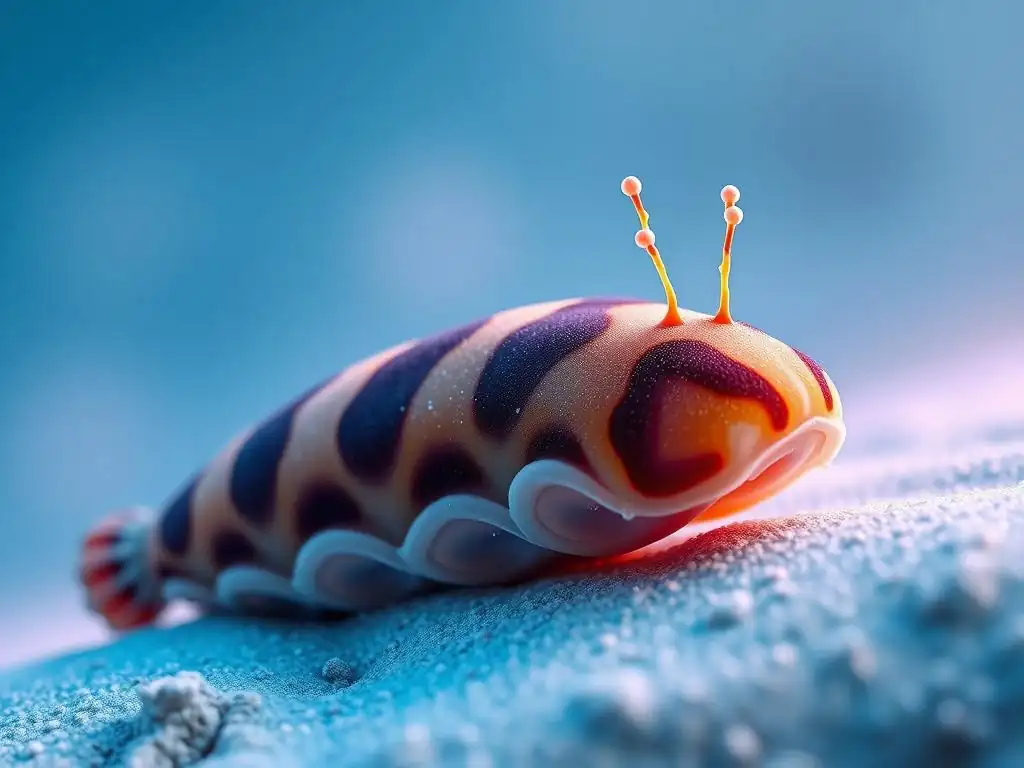
Early recognition of stress or illness is crucial for the survival of your Tiger Tail Sea Cucumber, though intervention options are limited. Key indicators that your Holothuria hilla is in distress include a noticeable shrinking in size, prolonged inactivity or a complete lack of movement and burrowing, and unusual discoloration that deviates from its typical mottled pattern. A healthy sea cucumber will appear plump, actively extend its feeding tentacles, and be constantly sifting the substrate.
Perhaps the most alarming sign of severe stress is evisceration, where the sea cucumber expels its internal organs. This is often a precursor to death and can also lead to the release of toxins. Any deviation from normal behavior, especially prolonged periods of inactivity or a "melting" appearance, warrants immediate investigation of water parameters and overall tank conditions. Prompt observation is a vital aspect of proactive saltwater sea cucumber care.
Common Health Issues and Treatment Options
Dealing with Saponin Release: Emergency Procedures
The most severe and immediate health crisis associated with Holothuria hilla is the release of saponin (holothurin). This event is often indicated by a milky cloud appearing in the water, followed by fish gasping at the surface, rapid death of other invertebrates, and a strong, unpleasant odor. If saponin release occurs, immediate and decisive action is critical to save other tank inhabitants.
The primary emergency procedure is to perform massive water changes, ideally 50-70% or more, as quickly as possible. This should be repeated multiple times if the water remains cloudy or if fish continue to show signs of distress. Simultaneously, remove the stressed or deceased sea cucumber from the tank immediately. While activated carbon can help absorb some toxins, large water changes are paramount. Be prepared for potential losses, as the toxin acts very quickly and is highly potent, making this a critical emergency protocol for saltwater sea cucumber care.
Preventing and Treating Infections: [Quarantine and Observation]
Prevention is by far the most effective strategy for managing potential health issues in Tiger Tail Sea Cucumbers, as specific treatments for their infections are rare and often unsuccessful due to their delicate nature and sensitivity to medications. Always quarantine new sea cucumbers for at least 3-4 weeks in a separate, established tank with stable parameters before introducing them to the main display. This allows for observation of any signs of disease, parasites, or stress without risking the entire ecosystem.
During quarantine, closely monitor the sea cucumber for any changes in appearance, activity, or feeding behavior. Maintaining optimal water quality, stable parameters, and a stress-free environment in both the quarantine and main tank is the best "treatment" available. Avoiding physical damage, aggressive tank mates, and ensuring a consistent food supply will significantly reduce the likelihood of stress-induced health problems, which is the cornerstone of responsible saltwater sea cucumber care.
Is a Holothuria Hilla Right for Your Aquarium? A Final Assessment
Evaluating Your Tank's Suitability for Saltwater Sea Cucumbers
Before introducing a Tiger Tail Sea Cucumber to your aquarium, a thorough evaluation of your tank's suitability is essential. Key considerations include the maturity of your tank (it should be at least 6-12 months old to ensure sufficient detritus and stability), consistently stable water parameters (low nitrates, stable salinity, temperature, and pH), and the complete absence of aggressive fish species known to prey on or harass invertebrates. Critically, your tank must feature a deep, fine sand bed, as this is their primary habitat and food source.
Ultimately, Holothuria hilla is not an ideal choice for beginner aquarists or for tanks that are prone to instability or frequent parameter fluctuations. It demands a dedicated aquarist who is prepared for diligent saltwater sea cucumber care, understands their specific needs, and is fully aware of the potential risks associated with their delicate nature and toxin release. A realistic assessment of your tank's conditions and your commitment level is paramount.
Alternative Clean-Up Crew Options: [Snails, Hermit Crabs, Brittle Stars]
For aquarists who are unable to meet the specific, demanding requirements of a Tiger Tail Sea Cucumber, or who are unwilling to accept the potential toxicity risk, several excellent and safer alternative clean-up crew options are available. Snails, such as Nassarius, Trochus, and Turbo snails, are highly effective at consuming nuisance algae and detritus from various surfaces, including rocks and glass. Hermit crabs, particularly Blue Leg and Scarlet Hermit Crabs, are diligent scavengers that consume uneaten food and detritus while also keeping the sand bed stirred.
Brittle stars are another fantastic option for detritus removal, especially those that hide within live rock crevices. They are generally peaceful, hardy, and less problematic than sea cucumbers. Each of these alternatives offers specific benefits for different niches within the aquarium, allowing aquarists to build a robust and effective clean-up crew without the unique challenges associated with advanced saltwater sea cucumber care.
Conclusion: Making an Informed Decision About Holothuria Hilla Care
The Tiger Tail Sea Cucumber ( Holothuria hilla) offers unique and valuable benefits to a marine aquarium, primarily through its exceptional abilities as a detritivore and substrate aerator. Its continuous sifting of the sand bed contributes significantly to nutrient export and the prevention of harmful anaerobic zones, leading to a healthier and more stable ecosystem.
However, the delicate nature of this species, coupled with the inherent risk of saponin release when stressed, makes it a choice that requires advanced saltwater sea cucumber care. Aquarists must weigh these significant pros and cons carefully against their tank's specific conditions, maturity, and their own level of experience and preparedness. An informed, well-researched decision is crucial to ensure the well-being of not only the sea cucumber itself but also the entire, intricate ecosystem of your marine aquarium.
Frequently Asked Questions
What are the key considerations when introducing a Tiger Tail Sea Cucumber to my saltwater aquarium?
The primary concern is tank stability and maturity. Tiger Tail Sea Cucumbers require a well-established ecosystem with a stable nutrient cycle and ample detritus for grazing.
What are the specific water parameter requirements for maintaining a healthy Tiger Tail Sea Cucumber?
They need pristine water conditions, typically including a specific gravity of 1.024-1.026, a pH of 8.1-8.4, and very low levels of nitrates and phosphates. Proper water chemistry is crucial for their survival.
What type of substrate and flow rate are ideal for a Tiger Tail Sea Cucumber's environment?
A sandy substrate is essential for them to sift through for food. Aim for a moderate flow rate to distribute detritus without overwhelming them, and allow them to graze the substrate effectively.
How can I prevent my Tiger Tail Sea Cucumber from releasing toxins and potentially harming my tank inhabitants?
Avoid physical trauma or drastic changes in water parameters, as stress can cause them to release toxins. Ensure the tank is spacious enough to prevent accidental damage and monitor water quality closely.
What are some common signs of illness or distress in a Tiger Tail Sea Cucumber, and how can I address them?
Signs include lethargy, discoloration, or expulsion of internal organs. If observed, immediately isolate the cucumber and address any underlying issues with water quality or tank mates.
Final Reflection: Embracing the Delicate Balance of Marine Life
The exploration of Tiger Tail Sea Cucumbers and their place in our aquariums underscores a crucial point: responsible marine stewardship is paramount. While these fascinating creatures can contribute to a healthy reef ecosystem, their specific needs and potential impact on water quality demand careful consideration. Ignoring these factors can lead to devastating consequences, not just for the cucumber itself, but for the entire aquarium environment.
The allure of adding a unique species like the Tiger Tail Sea Cucumber to our tanks is undeniable, yet it's vital to remember that we are custodians of a miniature ocean. This responsibility extends beyond simply providing food and water; it requires a deep understanding of the animal's natural habitat and the delicate balance within our closed systems. In the end, we will conserve only what we love; we will love only what we understand; and we will understand only what we are taught.
- Baba Dioum. This quote resonates deeply, reminding us that informed decisions are the cornerstone of ethical aquarium keeping.
Now, as you consider the information presented, ask yourself: are you truly prepared to provide the specialized care a Tiger Tail Sea Cucumber requires? Can you ensure a stable and thriving environment that mimics its natural habitat? Let this article serve not just as a guide to saltwater sea cucumber care, but as a catalyst for mindful choices. Let's strive to be informed and responsible aquarists, ensuring the well-being of these incredible creatures and the preservation of the delicate marine ecosystems they represent.
Ignite Your Reef Tank's Potential!
Thank you for diving into the world of Tiger Tail Sea Cucumbers! We hope you've gained valuable insights into whether these fascinating creatures are a good fit for your aquarium. Now, it's time to put that knowledge into action and elevate your reef-keeping journey.
Here's how you can take the next step:
- Carefully assess your aquarium's health and stability before even considering introducing a Tiger Tail Sea Cucumber. A stable environment is paramount!
- Explore responsible sourcing options by connecting with local aquarium clubs or forums to find reputable breeders or hobbyists.
- Share this article with fellow reef enthusiasts and start a discussion on your favorite unique aquarium inhabitants!
Ready to transform your reef tank into a thriving ecosystem? What's one aspect of your aquarium's ecosystem you'll prioritize improving this week?