
Top 10 BeginnerFriendly Saltwater Invertebrates for a New Tank

Welcome to Aquarium Mastery!
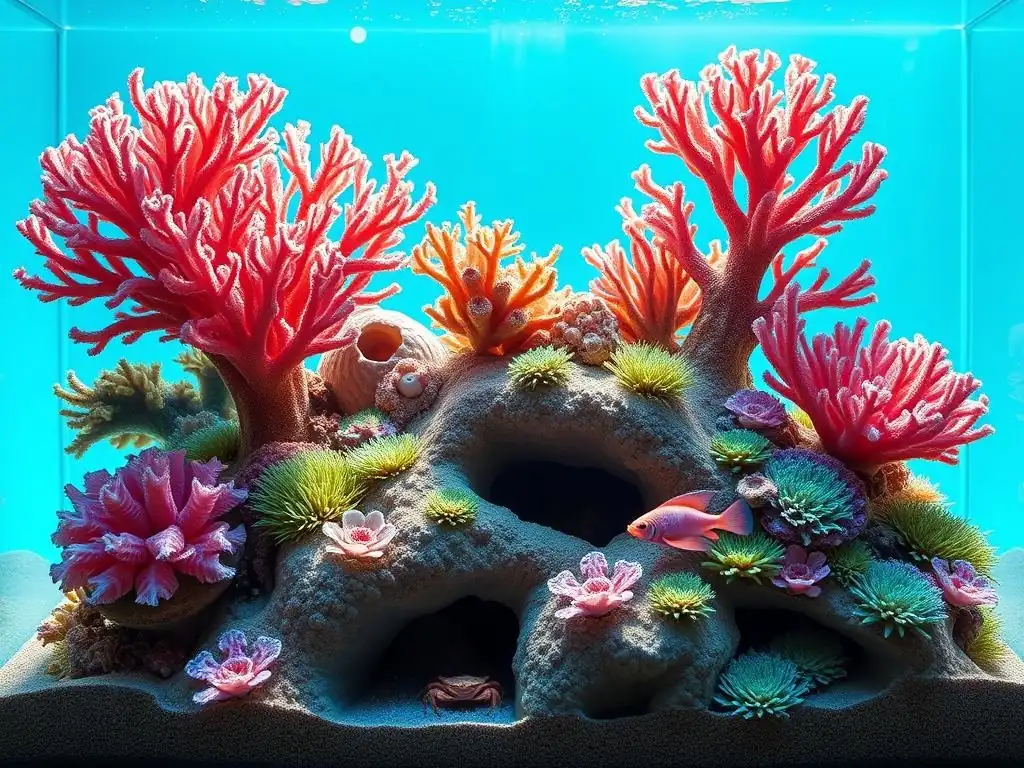
Ever dreamed of a vibrant saltwater aquarium teeming with fascinating life, but felt intimidated by the complexity? You're in the right place! Get ready to dive into the world of saltwater invertebrates with our guide to building an easy saltwater invertebrates beginner tank. Discover the top 10 beginner-friendly creatures that will transform your aquarium into a captivating underwater paradise. Intrigued? Let's explore the possibilities!
- Introduction to Easy Saltwater Invertebrates for Beginner Aquariums
-
Top 10 Easiest Saltwater Invertebrates for Beginners
- 1. Hermit Crabs: The Reef Tank Clean-Up Crew Heroes
- 2. Snails: Essential Algae Eaters for a Healthy Aquarium
- 3. Emerald Crabs: Controlling Bubble Algae
- 4. Peppermint Shrimp: Aiptasia Control Experts
- 5. Cleaner Shrimp: The Aquarium's Personal Care Team
- 6. Feather Duster Worms: Adding Beauty and Filtration
- 7. Brittle Starfish: Detritus Removal Specialists
- 8. Coral Banded Shrimp: A Striking Addition to Your Tank
- 9. Mushroom Anemones (Corallimorphs): Beginner-Friendly Corals
- 10. Zoanthids: Colorful and Easy-to-Keep Soft Corals
- Setting Up Your Saltwater Tank for Invertebrates
- Maintaining a Healthy Invertebrate Aquarium
- Conclusion: Enjoying Your Beginner-Friendly Saltwater Invertebrate Tank
-
Frequently Asked Questions
- What makes an invertebrate suitable for a beginner saltwater tank?
- What are some examples of easy-to-care-for saltwater invertebrates for a new tank?
- Why are invertebrates important for a saltwater aquarium?
- What water parameters are crucial for keeping saltwater invertebrates healthy?
- How often should I feed my saltwater invertebrates?
- Final Reflection: Embracing the Wonders of the Reef
- Dive Deeper: Begin Your Saltwater Adventure Now!
Introduction to Easy Saltwater Invertebrates for Beginner Aquariums
Why Choose Invertebrates for Your First Saltwater Tank?
Choosing invertebrates for your initial saltwater aquarium offers a unique blend of visual appeal and practical benefits, making the journey into marine aquaria less daunting. Unlike some fish species that can be highly sensitive to slight water parameter fluctuations, many easy saltwater invertebrates beginner tank options demonstrate remarkable resilience, often tolerating minor inconsistencies as the tank matures. Their diverse forms, from the intricate patterns of shrimp to the vibrant hues of soft corals, add dynamic beauty without the constant monitoring sometimes required for more delicate fish.
Furthermore, invertebrates play crucial roles in maintaining a healthy aquarium ecosystem. They contribute significantly to the biological filtration process by consuming detritus, leftover food, and various forms of algae, effectively acting as a natural clean-up crew. This inherent ability to keep the tank pristine reduces the workload for new aquarists, providing a more forgiving environment and helping to establish a stable foundation for an easy saltwater invertebrates beginner tank.
Benefits of Invertebrates in a Reef Aquarium
The inclusion of invertebrates in a reef aquarium extends far beyond their aesthetic contributions; they are vital components of a thriving marine ecosystem. Many species, particularly various snails and hermit crabs, are indispensable as part of the clean-up crew, diligently grazing on nuisance algae, including film algae, diatoms, and even some types of bubble algae. This natural control mechanism helps prevent unsightly algal blooms and maintains clear viewing panes and healthy live rock. For instance, a small tank of 20 gallons might benefit from 5-10 small snails and 2-3 hermit crabs to keep algae in check.
Beyond algae control, invertebrates contribute to nutrient cycling by consuming uneaten food and detritus, converting waste products into less harmful forms. Certain species, like various shrimp, also perform symbiotic cleaning services for fish, removing parasites and dead tissue, which is a fascinating behavior to observe. Their varied activities add complexity and natural balance to the aquarium, making it a more self-sustaining and engaging environment, perfectly suited for an easy saltwater invertebrates beginner tank.
Understanding the Needs of Saltwater Invertebrates
While many invertebrates are considered robust additions for an easy saltwater invertebrates beginner tank, they still require specific environmental conditions to thrive. Paramount among these is stable water quality. Invertebrates are particularly sensitive to sudden shifts in salinity, pH, and temperature. An ideal specific gravity range of 1.023 to 1.026, a stable temperature between 75-80°F (24-27°C), and a pH level of 8.1-8.4 are crucial. Additionally, maintaining low levels of nitrates (ideally below 10-20 ppm) and phosphates (below 0.03 ppm) is essential, as elevated nutrients can stress invertebrates and promote unwanted algae growth.
Beyond water parameters, the physical environment of the tank must also cater to their needs. Adequate live rock provides essential hiding spots and grazing surfaces, mimicking their natural habitats. Some invertebrates, like sand-sifting snails, benefit from a deep sand bed (at least 2-3 inches) for burrowing and foraging. Proper water flow is also important, ensuring that food particles are distributed and waste is carried away, without being so strong as to dislodge or stress delicate species.
Top 10 Easiest Saltwater Invertebrates for Beginners
1. Hermit Crabs: The Reef Tank Clean-Up Crew Heroes
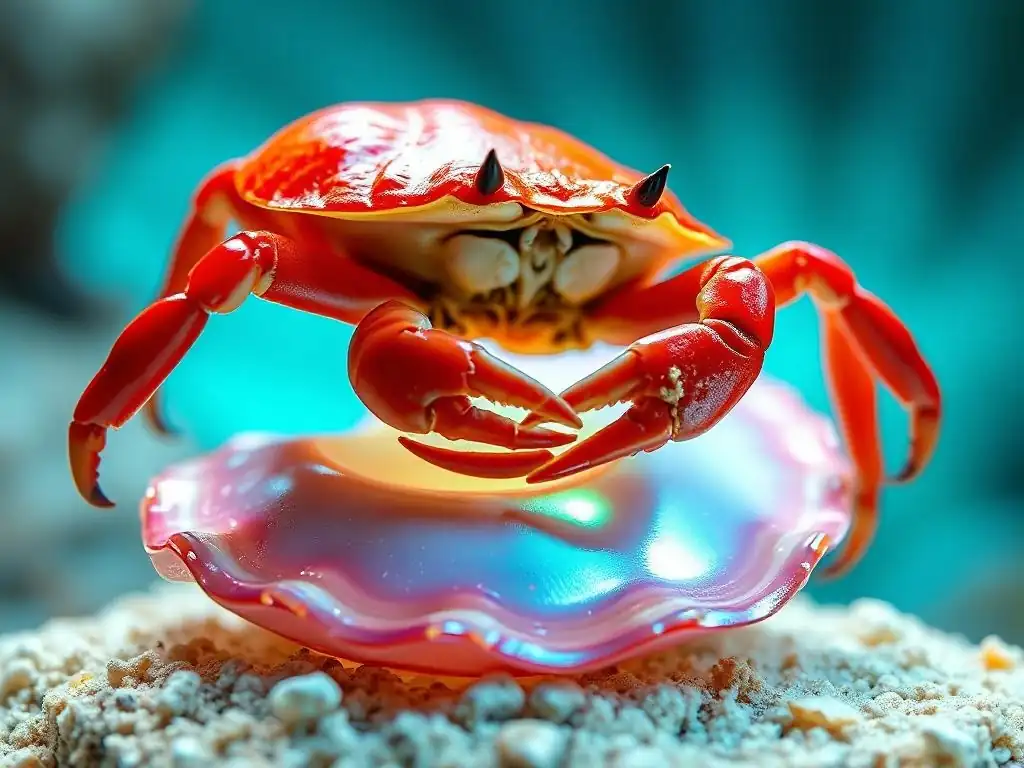
Hermit crabs are arguably the most iconic and indispensable members of any clean-up crew in a saltwater aquarium, making them a top choice for an easy saltwater invertebrates beginner tank. These diligent scavengers tirelessly patrol the tank, consuming various forms of nuisance algae, including film algae and diatoms, as well as leftover food and detritus that settles on the substrate and live rock. Their constant activity helps to keep the tank clean and reduces the accumulation of organic waste, which is crucial for maintaining stable water parameters in a new setup.
A unique characteristic of hermit crabs is their reliance on discarded snail shells for shelter and protection. As they grow, they require larger shells, and providing a variety of empty shells in the tank is essential to prevent them from potentially preying on snails for their shells. A general guideline is to provide at least 1-2 empty shells per hermit crab, slightly larger than their current one, to ensure they always have suitable options available.
Types of Hermit Crabs Suitable for Beginners
Among the various species, Blue Leg Hermit Crabs ( Clibanarius tricolor) are perhaps the most popular and suitable for an easy saltwater invertebrates beginner tank. These small, active crustaceans typically grow to about 1 inch in size and are highly efficient algae eaters, particularly effective against hair algae. They are generally peaceful and pose minimal threat to other tank inhabitants, making them excellent community tank members. For a 20-gallon tank, 3-5 Blue Legs can provide effective clean-up without overpopulating.
Another excellent choice is the Red Leg Hermit Crab ( Paguristes cadenati). Similar in size and temperament to their blue-legged counterparts, Red Legs are also voracious detritus and algae consumers. Dwarf Zebra Hermit Crabs ( Calcinus laevimanus) are also highly recommended for their small size and diligent cleaning habits. These species are hardy and adapt well to various tank conditions, solidifying their status as ideal first invertebrates.
Hermit Crab Care Tips: Diet and Tank Mates
While hermit crabs are primarily scavengers and will consume most of the leftover food, algae, and detritus naturally present in the tank, supplemental feeding can be beneficial, especially in very clean aquariums. Offering sinking pellets, dried seaweed, or small pieces of meaty foods like mysis shrimp a few times a week ensures they receive adequate nutrition. This also helps curb any potential aggressive tendencies, such as attempting to take shells from live snails, which can occur if food resources are scarce.
In terms of tank mates, hermit crabs are generally compatible with most peaceful fish and other invertebrates. However, it is advisable to avoid housing them with very large, predatory fish that might view them as a food source. While they are usually not a threat to corals, very large hermit crabs might occasionally knock over small coral frags if not properly secured. Providing plenty of live rock and empty shells helps minimize potential conflicts and ensures a harmonious environment.
2. Snails: Essential Algae Eaters for a Healthy Aquarium
Snails are indispensable members of any saltwater clean-up crew, especially for an easy saltwater invertebrates beginner tank, due to their unparalleled efficiency in controlling various forms of nuisance algae. They relentlessly graze on surfaces, including aquarium glass, live rock, and even sand, consuming film algae, diatoms, and some filamentous algae that can quickly overwhelm a new system. Their continuous grazing helps maintain visual clarity and prevents the buildup of organic matter, which contributes to better water quality.
Beyond their direct algae consumption, many snail species also play a vital role in aerating the sand bed. By burrowing through the substrate, they prevent the formation of anaerobic pockets, which can release harmful gases like hydrogen sulfide. This activity promotes a healthier sand bed environment, crucial for the overall well-being of the aquarium.
Turbo Snails: Voracious Algae Consumers
Turbo Snails, including species like Astrea Snails ( Astrea tecta) and Mexican Turbo Snails ( Turbo fluctuosa), are renowned for their voracious appetite for algae, making them a cornerstone for an easy saltwater invertebrates beginner tank. These larger snails, often reaching 2-3 inches in diameter, are particularly effective against tough film algae and brown diatoms that commonly plague new tanks. Their strong shells and robust nature make them quite hardy, capable of navigating challenging rockwork.
A key consideration for Turbo Snails is their inability to right themselves if they fall upside down, particularly on flat sand. Aquarists should periodically check on them and flip them over if necessary, as prolonged exposure in an inverted position can lead to starvation or predation. Providing a textured substrate or ample live rock can help minimize this issue.
Nerite Snails: Hardy and Effective Algae Grazers
Nerite Snails ( Neritina pulligera and similar species) are another excellent choice for beginners, known for their hardiness and efficiency in consuming green film algae from glass and smooth rock surfaces. These smaller snails, typically growing to 0.5-1 inch, are highly active and can quickly clear unsightly algae from the front viewing panel of the aquarium. Their small size makes them suitable for even nano tanks, where larger snails might be cumbersome.
A significant advantage of Nerite Snails is that they do not reproduce in saltwater, meaning you won't face an overpopulation issue in your display tank. While they may lay small, white, sesame-seed-like eggs on surfaces, these will not hatch in a marine environment. This characteristic makes them a worry-free addition for continuous algae control.
Other Beginner-Friendly Snail Species
Beyond Turbo and Nerite snails, several other species contribute effectively to an easy saltwater invertebrates beginner tank. Nassarius Snails ( Nassarius vibex) are exceptional sand-sifting detritivores. These small, conically shelled snails bury themselves in the sand, emerging quickly when food is introduced, consuming uneaten food and detritus, and keeping the sand bed aerated. A typical 30-gallon tank could benefit from 5-10 Nassarius snails.
Cerith Snails ( Cerithium spp.) are also highly versatile. Ranging from 1 to 2 inches, they graze on various algae types on rock and glass, and some varieties also burrow into the sand, contributing to detritus removal and aeration. Their adaptability and comprehensive cleaning habits make them a valuable addition to any beginner's clean-up crew.
3. Emerald Crabs: Controlling Bubble Algae
Emerald Crabs ( Mithraculus sculptus) are a highly sought-after invertebrate for an easy saltwater invertebrates beginner tank primarily due to their reputation for consuming nuisance bubble algae ( Valonia spp.). This distinctive green crab, typically growing to 1-2 inches across, is a valuable addition to tanks struggling with this stubborn form of algae, which can rapidly spread and detract from the aquarium's appearance. While they will also consume other forms of algae and detritus, their specific appetite for bubble algae makes them a unique and effective clean-up crew member.
Beyond their specialized diet, Emerald Crabs are also efficient general scavengers. They will graze on film algae, cyanobacteria, and leftover food, contributing to the overall cleanliness of the tank. Their relatively small size and often cryptic nature, as they tend to hide among live rock, make them an unobtrusive yet highly beneficial inhabitant for a new aquarist.
Emerald Crab Care Requirements
Emerald Crabs are relatively hardy and adaptable, making them suitable for an easy saltwater invertebrates beginner tank. They thrive in established tanks with stable water parameters, similar to other clean-up crew members: salinity between 1.023-1.026, temperature 75-80°F (24-27°C), and low nitrates. Providing ample live rock with crevices and hiding spots is crucial, as they are nocturnal and prefer to retreat during the day. This also helps minimize any potential territorial disputes with other bottom-dwellers.
Their diet is primarily omnivorous, consisting of algae, detritus, and any uneaten fish food. If the tank is exceptionally clean or lacking in bubble algae, supplemental feeding with small sinking pellets or dried seaweed can ensure they remain well-fed and less likely to nip at corals or other invertebrates. Overfeeding should be avoided to prevent water quality issues.
Considerations Before Adding an Emerald Crab
While generally peaceful, Emerald Crabs can occasionally exhibit aggression, particularly towards other crabs or small, slow-moving invertebrates if food is scarce or territory is limited. It's advisable to introduce them into tanks of at least 20 gallons to provide adequate space. Although rare, some individuals have been known to nip at soft corals, especially if not adequately fed, but this behavior is not typical of the species as a whole.
It's also important to note that while they are excellent at consuming bubble algae, they may not eradicate every single patch, especially in large infestations. For severe cases, manual removal might still be necessary in conjunction with the crab's efforts. Introducing 1-2 Emerald Crabs into a tank is usually sufficient for most home aquariums.
4. Peppermint Shrimp: Aiptasia Control Experts
Peppermint Shrimp ( Lysmata wurdemanni) are highly valued in the saltwater aquarium hobby, particularly for their remarkable ability to consume Aiptasia anemones, a common and often problematic pest. These small, translucent shrimp, characterized by their distinctive red or pinkish stripes, are a natural and effective solution for controlling Aiptasia outbreaks without resorting to chemicals. Their preference for these nuisance anemones makes them an invaluable addition for an easy saltwater invertebrates beginner tank struggling with this pervasive issue.
Beyond their pest control capabilities, Peppermint Shrimp are also general scavengers, diligently cleaning up leftover food and detritus from the substrate and live rock. Their active foraging behavior contributes to the overall cleanliness and health of the aquarium. They typically grow to about 1.5-2 inches and are relatively shy, often seen foraging during dimmer lighting conditions.
Peppermint Shrimp Care and Compatibility
Peppermint Shrimp are relatively easy to care for, thriving in established tanks with stable water parameters consistent with other invertebrates: salinity 1.023-1.026, temperature 75-80°F (24-27°C), and low nitrates. They require ample live rock with crevices and caves to provide hiding spots, especially during molting periods when they are most vulnerable. They are generally peaceful and compatible with most fish and other invertebrates, making them suitable for community tanks.
While their primary diet in many tanks is Aiptasia, they will also readily consume sinking pellets, flake food, and small meaty foods like mysis shrimp or brine shrimp. If your tank has a limited Aiptasia population, supplemental feeding is crucial to ensure they receive adequate nutrition and remain healthy. They can be kept individually or in small groups, with 2-3 shrimp often sufficient for a 30-gallon tank with an Aiptasia problem.
Identifying True Peppermint Shrimp
A common challenge for new aquarists is correctly identifying Lysmata wurdemanni and distinguishing them from similar-looking species, particularly the Camel Shrimp ( Rhynchocinetes durbanensis). Camel Shrimp are often mislabeled as Peppermint Shrimp but do not consume Aiptasia and can sometimes nip at corals. The key distinguishing feature is the Camel Shrimp's distinct hump on its back and often more pronounced white spots, whereas true Peppermint Shrimp have a straighter body and more uniform stripes.
Purchasing from a reputable local fish store or online vendor who can guarantee the species is Lysmata wurdemanni is essential to ensure you acquire the correct Aiptasia-eating variety. Observing the shrimp's body shape and stripe patterns closely before purchase can help prevent misidentification and ensure you get the beneficial pest control you seek for your easy saltwater invertebrates beginner tank.
5. Cleaner Shrimp: The Aquarium's Personal Care Team
Cleaner Shrimp, most notably the Skunk Cleaner Shrimp ( Lysmata amboinensis) and the Fire Shrimp ( Lysmata debelius), are among the most popular and captivating invertebrates for an easy saltwater invertebrates beginner tank. Their vibrant colors and unique symbiotic relationship with fish make them a fascinating addition. These shrimp are renowned for their "cleaning" behavior, where they set up cleaning stations and remove parasites, dead skin, and uneaten food from the bodies of fish that approach them.
Beyond their cleaning services, Cleaner Shrimp are also excellent scavengers, diligently foraging for leftover food and detritus in the aquarium. Their active and visible presence adds dynamic movement and interest to the tank, and they are generally hardy, adapting well to a range of tank conditions. A single Skunk Cleaner Shrimp can live for 2-3 years, becoming a long-term fixture in your aquarium.
Cleaner Shrimp Benefits and Behavior
The primary benefit of Cleaner Shrimp is their natural pest control through cleaning fish. Observing fish, even typically shy ones, lining up to be cleaned by the shrimp is a truly unique and rewarding experience for any aquarist. This behavior not only helps maintain the health of your fish by reducing parasite loads but also highlights the intricate ecological relationships within a reef tank. They will often wave their antennae to signal their cleaning services.
In addition to their symbiotic role, Cleaner Shrimp are highly effective at maintaining tank hygiene. They will actively pick at the sand bed and live rock, consuming detritus and any small food particles missed by fish. This contributes to better water quality and a cleaner aesthetic. Their bright coloration, particularly the bold red and white stripes of the Skunk Cleaner, makes them a striking focal point in the aquarium.
Maintaining a Healthy Cleaner Shrimp
Maintaining a healthy Cleaner Shrimp requires stable water parameters, especially consistent salinity (1.023-1.026 SG) and temperature (75-80°F or 24-27°C). Iodine is a crucial trace element for all crustaceans, as it is essential for successful molting. While regular water changes typically provide sufficient iodine, some aquarists may choose to supplement with an iodine additive, especially if their shrimp are struggling with molts.
Providing ample live rock and crevices for hiding is vital, particularly during molting. After shedding their old exoskeleton, shrimp are vulnerable and will seek shelter until their new shell hardens, a process that can take several hours to a day. Cleaner Shrimp are not picky eaters and will readily accept small meaty foods like mysis shrimp, brine shrimp, and even high-quality flake or pellet food, ensuring they remain well-nourished even in very clean tanks.
6. Feather Duster Worms: Adding Beauty and Filtration
Feather Duster Worms, members of the Sabellidae family, are captivating and easy saltwater invertebrates beginner tank inhabitants that offer both aesthetic appeal and practical benefits. Their most striking feature is their feathery, fan-like crown, which is used to filter microscopic food particles from the water column. These crowns come in a variety of vibrant colors, including white, red, brown, and striped patterns, adding a unique texture and visual interest to the aquarium.
Beyond their beauty, Feather Duster Worms are efficient filter feeders, contributing to water clarity by consuming suspended particulate matter, phytoplankton, and zooplankton. This natural filtration process helps remove excess nutrients from the water, promoting a healthier environment for all tank inhabitants. They build a leathery tube within the sand or attached to live rock, from which their crown extends.
Feather Duster Worm Care and Placement
Feather Duster Worms are relatively hardy, making them a good choice for an easy saltwater invertebrates beginner tank, provided they are placed in a stable, established aquarium. They require good water quality with low nitrates and phosphates, and consistent salinity (1.023-1.026 SG) and temperature (75-80°F or 24-27°C). Placement is crucial: they prefer areas with moderate, indirect water flow that delivers food particles without being so strong as to cause their crown to constantly retract in stress.
They need a stable substrate to anchor their tube, whether it's embedded in the sand bed or securely attached to a piece of live rock. Once settled, they should not be moved frequently. While they can grow quite large, with crowns reaching 4-6 inches in diameter, smaller varieties are more common for home aquariums.
Understanding Feather Duster Worm Feeding
As filter feeders, Feather Duster Worms primarily derive their nutrition from microscopic food particles in the water. In a well-fed reef tank, they may find sufficient sustenance from leftover fish food, detritus, and naturally occurring plankton. However, supplemental feeding with liquid filter feeder foods, phytoplankton, or fine zooplankton suspensions can significantly enhance their health and growth. These foods should be directed towards the worm's crown using a pipette, ensuring they capture the nutrients.
It's common for Feather Duster Worms to retract their crowns suddenly if disturbed by movement, shadows, or even a slight change in water chemistry. This is a natural defense mechanism. If they remain retracted for extended periods, it may indicate stress from poor water quality, insufficient food, or excessive flow, prompting the aquarist to investigate potential issues.
7. Brittle Starfish: Detritus Removal Specialists
Brittle Starfish, particularly the smaller and more common varieties, are excellent detritus removal specialists and a valuable addition to an easy saltwater invertebrates beginner tank. These fascinating echinoderms, characterized by their long, slender, and often spiny arms, are primarily nocturnal scavengers. They tirelessly comb through the sand bed and crevices within live rock, consuming leftover food, detritus, and decaying organic matter that might otherwise contribute to poor water quality.
Their cryptic nature means they are often hidden during the day, with only their arms visible as they explore their surroundings. However, their contribution to tank cleanliness is significant, as they effectively reach areas that other clean-up crew members might miss. A typical 30-gallon tank could benefit from 1-2 small brittle starfish, which will generally remain out of sight but actively working.
Brittle Starfish Care Considerations
Brittle Starfish are relatively hardy but require an established tank with stable water parameters, especially consistent salinity (1.023-1.026 SG) and temperature (75-80°F or 24-27°C). They are particularly sensitive to sudden changes in these parameters, so slow acclimation via drip method is crucial upon introduction. Ample live rock with plenty of hiding spots is essential for their well-being, as they prefer to stay out of direct light during the day.
Their diet consists mainly of detritus and uneaten food found within the substrate. In a well-fed tank with fish, they will usually find sufficient sustenance. However, in very clean tanks, supplemental feeding with small sinking pellets or meaty foods like mysis shrimp can be beneficial. They should not be directly exposed to air during transfer, as this can be harmful.
Choosing the Right Brittle Starfish Species
While many brittle starfish species are excellent scavengers, it's crucial for an easy saltwater invertebrates beginner tank to select the right kind, as some larger species can be predatory. The Green Brittle Starfish ( Ophiarachna incrassata), for example, can grow quite large (up to 8 inches in arm span) and may prey on small fish or other invertebrates, making it unsuitable for most community tanks.
Instead, opt for smaller, non-predatory species like Micro Brittle Stars or Dwarf Brittle Stars (e.g., Ophiocoma echinata or Ophiactis savignyi). These species typically have arm spans of only a few inches and are entirely reef-safe, focusing solely on detritus and leftover food. They are often sold as "hitchhikers" on live rock due to their small size and ability to reproduce asexually, indicating their hardiness and suitability for beginners.
8. Coral Banded Shrimp: A Striking Addition to Your Tank
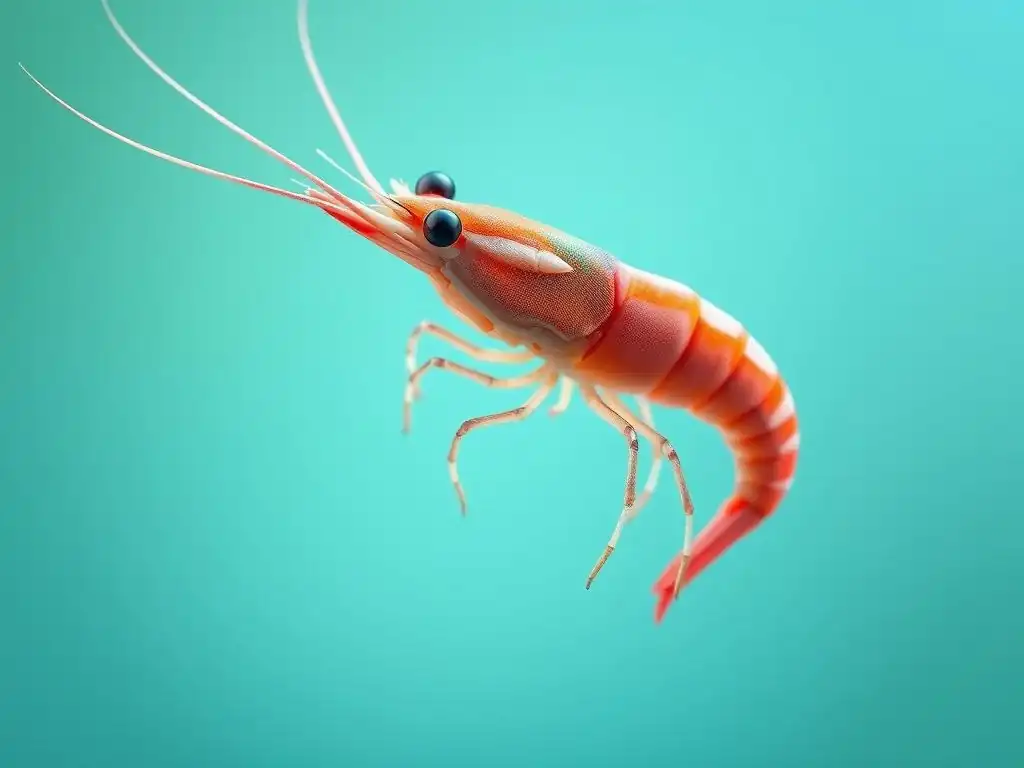
The Coral Banded Shrimp ( Stenopus hispidus) is a visually striking invertebrate that adds a touch of elegance and activity to an easy saltwater invertebrates beginner tank. Characterized by its distinctive red and white banded body and unusually large, prominent claws, this shrimp is often a focal point in the aquarium. While it does not perform the same cleaning services as Lysmata species, it is an active scavenger and contributes to the overall cleanliness of the tank.
These shrimp are relatively hardy and can adapt well to various tank conditions, provided water parameters are stable. They typically grow to about 2-3 inches in body length, with their claws extending significantly further. Their unique appearance and interesting behavior, such as waving their antennae from their hiding spots, make them a popular choice for aquarists looking for something beyond the typical clean-up crew.
Coral Banded Shrimp Behavior and Compatibility
Coral Banded Shrimp are generally solitary and can be territorial, especially towards other shrimp species, including their own kind, unless introduced as a mated pair. In smaller tanks (under 50 gallons), it's best to keep only one individual or a confirmed male-female pair to avoid aggression. They can be aggressive towards smaller, slower-moving invertebrates if not well-fed or if their territory is encroached upon, though this is rare.
They are compatible with most fish that are not large enough to view them as prey. However, caution should be exercised with very aggressive or predatory fish. While they might occasionally pick at fish, this is generally limited to removing parasites or injured tissue, similar to cleaner shrimp, but they are not as dedicated to this role. They will readily accept a variety of meaty foods.
Providing Shelter for Coral Banded Shrimp
Providing ample live rock with plenty of crevices, caves, and overhangs is crucial for the well-being of Coral Banded Shrimp. They are nocturnal by nature and prefer to spend their days hidden in sheltered spots, emerging primarily at night or when food is introduced. These hiding spots also offer essential protection during their molting process, when they shed their exoskeleton and are particularly vulnerable to predation.
Their diet consists mainly of leftover fish food, detritus, and small invertebrates found in the tank. Supplemental feeding with meaty foods like mysis shrimp, brine shrimp, or small pieces of chopped seafood is highly recommended to ensure they receive adequate nutrition and reduce the likelihood of them bothering other tank inhabitants. They are not picky eaters and will readily come out for food.
9. Mushroom Anemones (Corallimorphs): Beginner-Friendly Corals
Mushroom Anemones, also known as Corallimorphs, are an excellent choice for an easy saltwater invertebrates beginner tank, often considered the hardiest and most forgiving of the soft corals. Despite their name, they are not true anemones but rather a type of coral that lacks a stony skeleton. They come in an astonishing array of colors, patterns, and textures, from smooth, vibrant discs to hairy, textured variations, adding significant visual appeal to any reef setup.
Their resilience stems from their adaptability to a wide range of lighting and water flow conditions, and their ability to derive much of their energy from photosynthesis, reducing the need for direct feeding. This makes them a perfect stepping stone for new aquarists looking to venture into coral keeping without the complexities associated with more demanding species.
Mushroom Anemone Care and Placement
Mushroom Anemones thrive under low to moderate lighting and low to moderate water flow. Placing them on live rock where they can attach and slowly spread is ideal. They are relatively tolerant of fluctuating water parameters compared to many other corals, but consistent salinity (1.023-1.026 SG), temperature (75-80°F or 24-27°C), and low nitrates/phosphates are still important for optimal health and growth. They do not require specific calcium or alkalinity dosing in a beginner tank, as they don't build a skeleton.
While primarily photosynthetic, deriving energy from the symbiotic zooxanthellae within their tissues, they can also absorb dissolved organic nutrients from the water. Direct feeding is generally not necessary, but occasional offerings of very fine zooplankton or liquid coral foods can encourage faster growth and more vibrant coloration. They are generally peaceful but can sting other corals if they come into direct contact, so provide adequate spacing.
Mushroom Anemone Propagation
One of the most appealing aspects of Mushroom Anemones for an easy saltwater invertebrates beginner tank is their ease of propagation. They reproduce naturally by budding or splitting, forming new "baby" mushrooms around the parent. Under good conditions, a single mushroom can quickly multiply and spread across a rock, creating a beautiful colony. This natural propagation allows aquarists to easily grow their collection or even trade/sell frags to other hobbyists.
Their relatively fast growth rate means that a small initial purchase can lead to a significant display over time. While they can spread, they are generally not considered invasive in the way some true anemones might be, as their movement is limited once attached. This makes them a predictable and rewarding addition for those looking to experience coral growth without significant challenge.
10. Zoanthids: Colorful and Easy-to-Keep Soft Corals
Zoanthids are another fantastic entry-level soft coral for an easy saltwater invertebrates beginner tank, celebrated for their incredible diversity in color, pattern, and form. These colonial polyps grow in mats or encrusting colonies on live rock, offering a kaleidoscope of hues from neon greens and blues to fiery reds and oranges. Their small size (typically 0.25-0.5 inches per polyp) allows for dense, vibrant displays even in smaller tanks.
Their hardiness and forgiving nature make them a popular choice for both new and experienced aquarists. Zoanthids can thrive in a range of conditions, making them more tolerant of slight parameter fluctuations than many other coral species. They add significant visual impact and dynamic life to the aquarium with their polyps opening and closing in response to light and water flow.
Zoanthid Care and Lighting Requirements
Zoanthids generally prefer moderate lighting and moderate water flow, though they can adapt to lower or higher conditions within reason. Placing them on live rock where they can attach and spread is ideal. They require stable water parameters: salinity 1.023-1.026 SG, temperature 75-80°F (24-27°C), and low nitrates/phosphates. While they are resilient, consistent parameters promote the best coloration and growth.
Like Mushroom Anemones, Zoanthids host symbiotic zooxanthellae and derive most of their energy from photosynthesis. Direct feeding is not strictly necessary but can enhance growth and color. They will benefit from occasional spot feeding with very fine zooplankton or liquid coral foods. It's important to be aware that some Zoanthid species can produce palytoxin, a potent neurotoxin. While exposure is unlikely in a well-maintained tank, always handle Zoanthids with gloves and eye protection, especially if fragging, to prevent skin contact or accidental ingestion.
Zoanthid Fragging and Placement
Zoanthids are among the easiest corals to frag, meaning they can be cut or separated to create new colonies. This ease of propagation makes them highly desirable for hobbyists looking to expand their coral collection or share with others. Frags can be glued to small frag plugs or directly to live rock, where they will attach and begin to grow new polyps within a few weeks.
When placing Zoanthids, ensure they have enough space to grow without immediately encroaching on other corals, as some species can be mildly aggressive with their stinging tentacles if they come into direct contact. Providing a dedicated area on a rock for them to colonize will allow them to flourish and create a stunning display. Their rapid growth under optimal conditions makes them a highly rewarding soft coral for an easy saltwater invertebrates beginner tank.
Setting Up Your Saltwater Tank for Invertebrates
Essential Equipment for a Beginner Invertebrate Tank
Setting up an easy saltwater invertebrates beginner tank requires foundational equipment to ensure a stable and healthy environment. A tank size of at least 20 gallons is recommended for a diverse clean-up crew, with larger tanks (e.g., 40-50 gallons) offering more stability and space for a wider variety of invertebrates, including soft corals.
Filtration is paramount; options include a hang-on-back (HOB) filter for smaller tanks or a sump system for larger setups, providing mechanical, biological, and chemical filtration. A protein skimmer, while not strictly mandatory for very small tanks, is highly recommended for any beginner reef system 30 gallons and above, as it efficiently removes organic waste before it breaks down into nitrates.
Beyond the core filtration, essential equipment includes a reliable heater to maintain a stable temperature between 75-80°F (24-27°C), along with a thermometer for accurate monitoring. Powerheads or wavemakers are crucial for creating adequate water circulation, preventing dead spots and distributing food and oxygen. A specific gravity hydrometer or, preferably, a more accurate refractometer is indispensable for consistently monitoring salinity, a critical parameter for invertebrate health. Finally, a comprehensive set of water test kits (ammonia, nitrite, nitrate, pH, alkalinity, calcium) is vital for monitoring water quality during the cycling process and ongoing maintenance.
Water Parameters for Optimal Invertebrate Health
Maintaining precise and stable water parameters is the cornerstone of success for an easy saltwater invertebrates beginner tank. Salinity is perhaps the most critical, with a target specific gravity of 1.023-1.026 (or 33-35 ppt). Sudden fluctuations can be lethal to invertebrates. Temperature should be kept consistent within the 75-80°F (24-27°C) range, as rapid swings can stress inhabitants. A stable pH between 8.1 and 8.4 is also important for invertebrate calcification and overall well-being.
Beyond these basic parameters, monitoring alkalinity (8-12 dKH), calcium (400-450 ppm), and magnesium (1200-1350 ppm) becomes increasingly important as you add soft corals and other calcifying invertebrates. While a basic clean-up crew might tolerate slight deviations, thriving corals require these parameters to be within optimal ranges. Critically, nitrates should be kept below 10-20 ppm and phosphates below 0.03 ppm, as elevated levels can inhibit coral growth and fuel nuisance algae, making it harder to maintain a healthy ecosystem for your easy saltwater invertebrates beginner tank.
Acclimation Process for New Invertebrates
The acclimation process is arguably the most critical step when introducing new invertebrates to your easy saltwater invertebrates beginner tank, as they are highly sensitive to sudden changes in water parameters like salinity, pH, and temperature. Drip acclimation is the safest and most recommended method. Begin by floating the sealed bag in your aquarium for 15-20 minutes to equalize the temperature.
After temperature acclimation, open the bag and slowly add water from your display tank into the bag using an airline tube tied in a knot to control the drip rate (e.g., 1-2 drips per second). The goal is to slowly mix your tank water with the bag water over 30-60 minutes, or even longer for more sensitive species like starfish (e.g., 1-2 hours).
Once the volume of water in the bag has roughly quadrupled, carefully net the invertebrate (avoid exposing shrimp or starfish to air) and transfer it to your tank, discarding the old bag water. This gradual process minimizes shock and significantly increases the chances of successful integration into your new invertebrate tank.
Maintaining a Healthy Invertebrate Aquarium
Regular Water Changes and Testing
Consistent maintenance is key to the long-term success of an easy saltwater invertebrates beginner tank. Regular water changes are fundamental for replenishing essential trace elements that invertebrates consume and for diluting accumulated nitrates and phosphates, which can become toxic at high levels. A weekly or bi-weekly water change of 10-20% of the tank volume is a common recommendation, using properly mixed and temperature-matched saltwater. This routine helps maintain stable water chemistry and overall water quality.
Complementing water changes, consistent testing of key water parameters is crucial. Salinity should be checked weekly, and alkalinity, calcium, and pH should be monitored every 1-2 weeks, especially as you add more calcifying invertebrates. Nitrate and phosphate levels should also be tested regularly to identify any nutrient buildup before it becomes problematic. By diligently tracking these parameters, you can proactively address any imbalances and ensure a thriving environment for your easy saltwater invertebrates beginner tank.
Feeding Your Invertebrates Properly
Most of the clean-up crew invertebrates in an easy saltwater invertebrates beginner tank, such as snails, hermit crabs, and brittle starfish, are primarily scavengers. They will largely sustain themselves by consuming leftover fish food, detritus, and various forms of nuisance algae that naturally occur in the aquarium. In a well-stocked tank with fish, supplemental feeding for these species may not be frequently necessary, as they efficiently clean up the ecosystem.
However, for filter feeders like Feather Duster Worms or if your tank is exceptionally clean, targeted supplemental feeding is beneficial. Liquid invertebrate foods, phytoplankton, or fine zooplankton suspensions can be spot-fed to filter feeders a few times a week. Similarly, shrimp and crabs will appreciate small sinking pellets or meaty foods like mysis shrimp or brine shrimp offered every few days. Observing your invertebrates' activity and body condition will help you determine if they are receiving adequate nutrition.
Preventing Common Invertebrate Diseases
Unlike fish, invertebrates rarely suffer from "diseases" in the conventional sense, but they are highly susceptible to stress caused by poor water quality, sudden parameter swings, or the presence of harmful chemicals. The most effective way to prevent invertebrate health issues in an easy saltwater invertebrates beginner tank is to maintain pristine and stable water parameters, ensuring consistent salinity, temperature, and low nutrient levels. Regular water changes, proper filtration, and diligent testing are your best defense.
Another critical preventative measure is to avoid using copper-based medications in your display tank. Copper, a common treatment for fish parasites like Ich, is highly toxic and lethal to all invertebrates, including shrimp, crabs, snails, and corals. Always treat sick fish in a separate quarantine tank if copper is required. Furthermore, when introducing new invertebrates, a brief quarantine period (e.g., 2-4 weeks) in a separate tank can help prevent the introduction of pests or parasites into your established system, although this is less common for simple clean-up crew members.
Conclusion: Enjoying Your Beginner-Friendly Saltwater Invertebrate Tank
The Rewards of Keeping Invertebrates
Embarking on the journey of keeping an easy saltwater invertebrates beginner tank offers a multitude of rewards that extend beyond mere aesthetics. These fascinating creatures are the unsung heroes of the marine aquarium, diligently working as a natural clean-up crew to maintain a pristine and balanced ecosystem. From the tireless algae grazing of snails and hermit crabs to the Aiptasia-eating prowess of peppermint shrimp and the captivating symbiotic relationships of cleaner shrimp, invertebrates contribute significantly to the health and stability of your tank.
Beyond their functional roles, invertebrates add unparalleled diversity, color, and unique behaviors to your aquatic display. Observing a brittle starfish emerge at night, a feather duster worm filter feeding, or the vibrant hues of zoanthids and mushroom anemones slowly colonizing a rock, provides endless fascination. With the right selection of hardy, easy saltwater invertebrates beginner tank inhabitants, even a novice aquarist can achieve a thriving, vibrant, and low-maintenance slice of the ocean.
Further Resources for Saltwater Aquarium Hobbyists
The world of saltwater aquariums is vast and ever-evolving, and continuous learning is a hallmark of a successful hobbyist. For those managing an easy saltwater invertebrates beginner tank and looking to expand their knowledge, numerous resources are available. Reputable online forums and communities offer a wealth of shared experiences and troubleshooting advice from fellow aquarists. Local fish stores with knowledgeable staff can provide personalized guidance and showcase a variety of livestock suitable for your setup.
Detailed guides and articles, such as those found on AquariumMastery.com, provide in-depth information on water chemistry, species-specific care, troubleshooting common issues, and advanced techniques. Patience and observation are your most valuable tools in this hobby; take the time to understand your tank's ecosystem and the needs of its inhabitants. By leveraging these resources and embracing a continuous learning mindset, you'll be well-equipped to enjoy the enduring beauty and complexity of your saltwater invertebrate tank for years to come.
Frequently Asked Questions
What makes an invertebrate suitable for a beginner saltwater tank?
A beginner-friendly invertebrate is generally hardy, tolerant of fluctuating water parameters, and easy to feed. They should also be peaceful and unlikely to harm other tank inhabitants.
What are some examples of easy-to-care-for saltwater invertebrates for a new tank?
Some popular choices include snail species like Nassarius or Cerith, hermit crabs, feather duster worms, mushroom corals, and zoanthid corals. These are usually more forgiving for beginners.
Why are invertebrates important for a saltwater aquarium?
Invertebrates contribute to a healthy ecosystem by controlling algae, scavenging detritus, and adding biodiversity. They also contribute to the aesthetic appeal of the tank.
What water parameters are crucial for keeping saltwater invertebrates healthy?
Maintaining stable salinity, appropriate pH, low nitrate levels, and adequate calcium and alkalinity is essential. Regular testing is crucial for successful invertebrate keeping.
How often should I feed my saltwater invertebrates?
Feeding frequency depends on the species, but most invertebrates benefit from supplemental feeding 1-3 times per week. Some species are filter feeders, while others require direct feeding of meaty foods.
Final Reflection: Embracing the Wonders of the Reef
The journey into saltwater aquariums can seem daunting, but as we've explored in this article, the vibrant world of invertebrates offers a surprisingly accessible entry point. The allure of a thriving reef ecosystem, even in a small beginner tank, is now more attainable than ever, thanks to the hardiness and captivating beauty of these ten carefully selected species. This isn't just about keeping pets; it's about cultivating a miniature ocean, a living testament to the resilience and diversity of marine life.
The impact of responsible reef keeping extends far beyond the glass walls of our aquariums. By choosing hardy, readily available invertebrates, we contribute to a more sustainable hobby, reducing the demand for wild-caught specimens and supporting ethical aquaculture practices. This mindful approach fosters a deeper appreciation for the delicate balance of coral reefs and the urgent need for their conservation. In the end, we will conserve only what we love; we will love only what we understand; and we will understand only what we are taught.
- Baba Dioum's words resonate deeply, reminding us that knowledge and understanding are the cornerstones of conservation.
Now, armed with this knowledge, I invite you to take the plunge. Don't be intimidated by the perceived complexity of saltwater aquariums. Start small, choose wisely, and observe closely. Let the gentle sway of a feather duster worm or the vibrant colors of a mushroom anemone inspire you. Your journey into the reef keeping world is not just about creating a beautiful tank; it's about becoming a steward of the ocean, a champion for its fragile beauty, and a lifelong learner in the face of its endless wonders.
Dive Deeper: Begin Your Saltwater Adventure Now!
Thank you for exploring the fascinating world of saltwater invertebrates with us! We hope you’ve found inspiration and valuable knowledge to start your own thriving aquarium. Now it's time to transform that inspiration into action!
Here are a few ways to take your newfound passion to the next level:
- Start Planning! Create a detailed list of the equipment and invertebrates you need, considering your budget and tank size. Research local fish stores or reputable online vendors.
- Share your excitement! Discuss the article with fellow aquarium enthusiasts. Sharing your knowledge helps others.
- Explore aquariummastery.com for additional articles and resources. Search the site for more specific care information.
Ready to take the plunge and bring these captivating creatures into your home?