
Trochus Snails: ReefSafe Grazers That Can Right Themselves

Welcome to Aquarium Mastery!
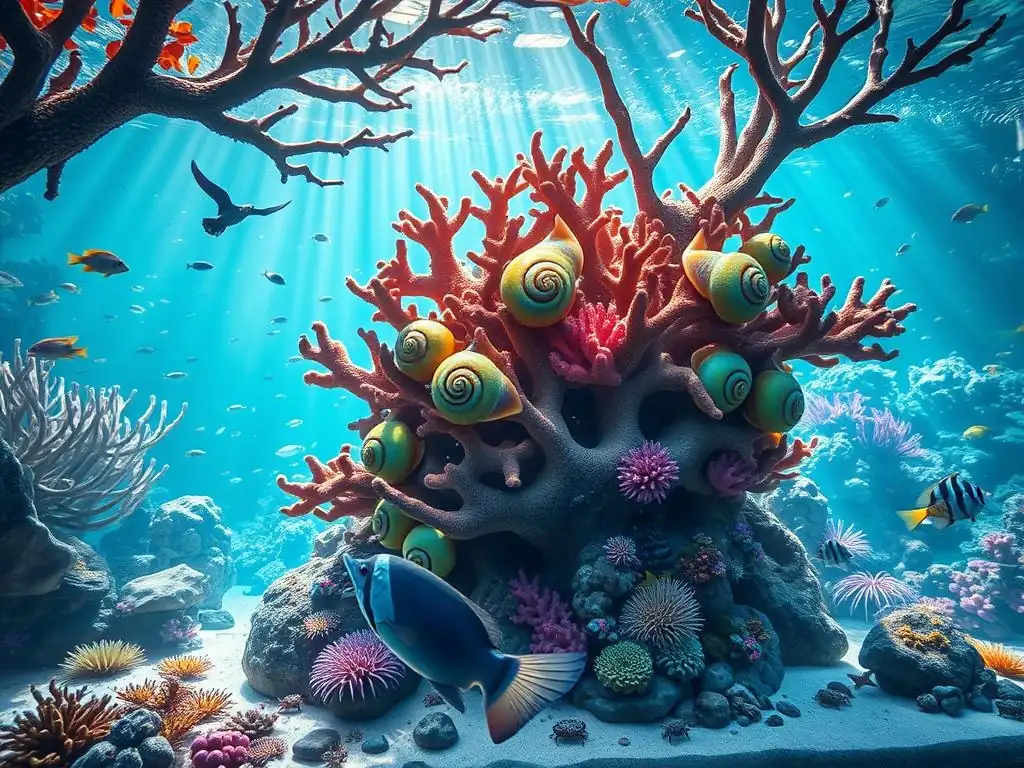
Ever wondered how to keep your reef tank pristine and algae-free naturally? Dive in with us as we explore the fascinating world of reef safe trochus snails, the hardworking grazers that can even right themselves! Learn why these little invertebrates are a must-have for any reef aquarium enthusiast and discover how to ensure they thrive in your slice of the ocean. Let's unlock the secrets to a balanced and beautiful reef ecosystem together…
- Trochus Snails: Reef-Safe Grazers and Algae Control
- Introduction to Trochus Snails for Reef Aquariums
- Identifying Trochus Snails: Physical Characteristics
- Trochus Snails as Algae Control Agents
- Maintaining a Healthy Trochus Snail Population
- Self-Righting Behavior and Reef Ecology
- Breeding Trochus Snails in Captivity
- Troubleshooting Common Issues
- Selecting and Introducing Healthy Snails
- Conclusion: Trochus Snails in Reef Aquariums
- Frequently Asked Questions
- Final Reflection: The Resilient Hope of Reefs
- Empower Your Reef: Introduce Trochus Snails Today!
Trochus Snails: Reef-Safe Grazers and Algae Control
Introduction to Trochus Snails for Reef Aquariums
Why Choose Trochus Snails for Algae Control?
Reef safe trochus snails are highly regarded in the marine aquarium hobby for their exceptional ability to control nuisance algae naturally and effectively. Unlike some other clean-up crew members, these snails are known for their voracious appetites and their non-destructive nature towards corals and other invertebrates, making them an ideal choice for delicate reef environments. Their constant grazing helps prevent the rapid proliferation of various algal types, maintaining a cleaner and more aesthetically pleasing tank.
Their efficiency stems from their active grazing behavior, where they continuously scour rockwork, substrate, and tank walls. A healthy population of Reef safe trochus snails can significantly reduce the need for manual algae scrubbing, saving hobbyists considerable time and effort. For instance, a single adult Trochus snail can clear a patch of film algae several square inches in size over a 24-hour period, demonstrating their consistent contribution to tank cleanliness.
Benefits of Natural Algae Control in Reef Tanks
Employing natural algae control methods, such as introducing Reef safe trochus snails, offers substantial benefits over chemical solutions or excessive manual intervention. Biological control fosters a more stable and balanced reef ecosystem, reducing the risk of sudden nutrient spikes that can occur when large amounts of algae die off after chemical treatment. This stability is crucial for the long-term health and vibrant coloration of corals and other sensitive reef inhabitants.
Furthermore, a natural clean-up crew helps to maintain optimal water quality by continuously consuming decaying organic matter and preventing the accumulation of nitrates and phosphates, which are primary fuel sources for nuisance algae. Tanks with an active clean-up crew tend to exhibit more stable pH levels and clearer water, directly contributing to a less stressful environment for all inhabitants. This proactive approach to algae management can significantly extend the intervals between major tank cleanings and promote a thriving, self-sustaining miniature reef.
Identifying Trochus Snails: Physical Characteristics
Shell Morphology and Identification
Trochus snails are easily identifiable by their distinctive conical, spiral-shaped shells, which often resemble a pyramid or a child's spinning top. The shell typically features a wide, flat base that tapers upwards to a pointed apex. Their size can vary, with common aquarium species usually reaching an adult size of 1 to 2 inches (2.5 to 5 cm) in height and a similar diameter at the base. The shell's surface can be smooth or ridged, often displaying a range of colors from mottled greens and browns to more vibrant reds and oranges, sometimes with attractive patterns.
A key distinguishing feature of Reef safe trochus snails is their operculum, a hard, round trapdoor that seals the shell opening when the snail retracts. This serves as protection against predators and desiccation. Unlike some other commonly available snails like Astrea snails, Trochus snails possess a strong muscular foot that allows them to firmly adhere to surfaces and, importantly, to right themselves if they become dislodged or fall upside down, a critical survival mechanism in a dynamic reef environment.
Common Trochus Species in Aquariums
Several species of Trochus snails are commonly found in the aquarium trade, primarily sourced from the Indo-Pacific region. Among the most popular are Trochus histrio and Trochus niloticus, though the latter, often called the "Giant Top Snail," can grow very large (up to 6 inches) and is less common in typical home reef tanks due to its size. The smaller Trochus histrio and other similar species are the ones generally referred to as Reef safe trochus snails suitable for the average aquarium.
While their general appearance is similar, subtle differences in shell patterns, color intensity, and the texture of their shell (e.g., smoother vs. more pronounced ridges) can distinguish between species. Regardless of the specific species, their care requirements and beneficial grazing habits remain largely consistent across the genus, making them a reliable choice for any reef hobbyist seeking effective algae control.
Trochus Snails as Algae Control Agents
Efficient Algae Grazing Behavior
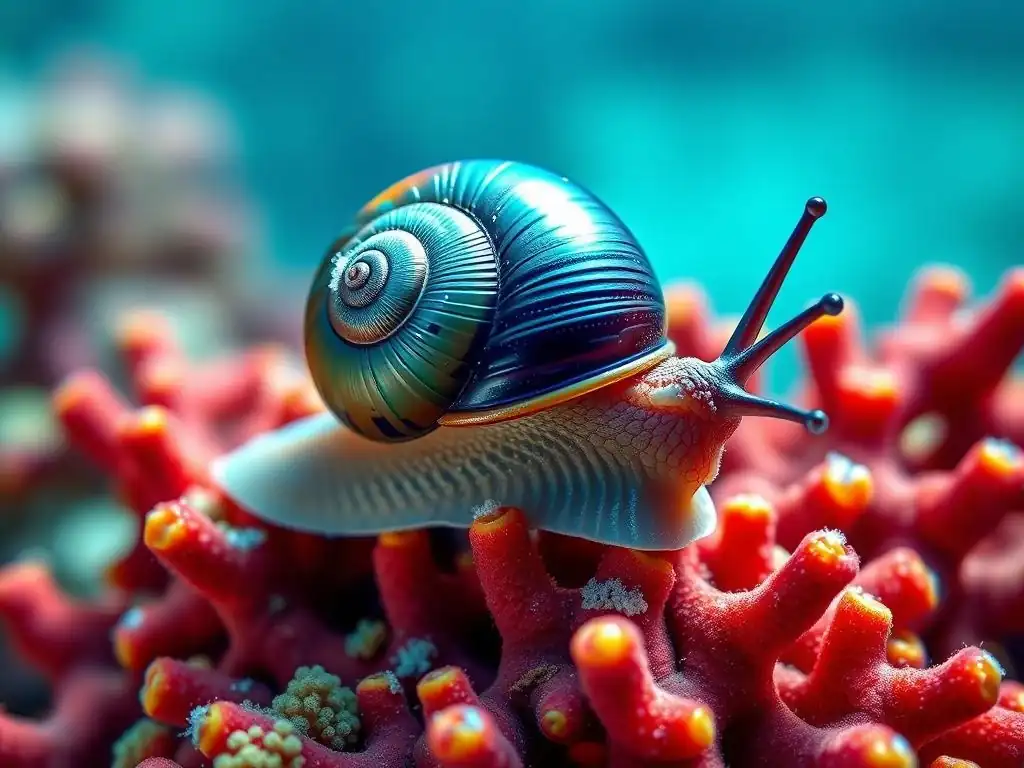
Reef safe trochus snails are highly efficient grazers, utilizing a specialized radula (a chitinous ribbon with rows of teeth) to scrape algae from various surfaces. Their preferred foraging grounds include aquarium glass, live rock, and sandbeds, and they are particularly adept at navigating intricate rockwork due to their strong foot and self-righting ability. They are active during both day and night, providing continuous algae control.
Their grazing action not only removes visible algae but also disrupts the initial stages of algal growth, preventing larger blooms. They consume a wide variety of film algae, including green film, diatoms, and some forms of cyanobacteria. Their constant movement also helps to aerate the sandbed, contributing to overall substrate health and reducing the accumulation of detritus.
Targeting Hair Algae and Diatoms
One of the most significant advantages of Reef safe trochus snails is their effectiveness against common nuisance algae such as diatoms and early stages of hair algae. Diatom blooms, characterized by brown, dusty coatings, are often seen in new or nutrient-rich tanks, and Trochus snails readily consume them, helping to quickly clear surfaces.
While they may not eradicate well-established, thick mats of mature hair algae, they are excellent at preventing its initial establishment and consuming shorter strands. By consistently grazing on new growth, they significantly reduce the opportunity for hair algae to take hold and proliferate. This proactive control makes them an invaluable part of any clean-up crew aimed at maintaining a pristine reef environment.
Stocking Density Guidelines for Effective Algae Control
Determining the appropriate stocking density for Reef safe trochus snails is crucial for effective algae control without leading to starvation or overpopulation. A general guideline suggests introducing 1 to 2 adult Trochus snails per 10 to 15 gallons of aquarium volume for general maintenance in a moderately stocked reef tank. For tanks experiencing higher algae loads or in larger systems, this density can be increased to 2 to 3 snails per 10 gallons.
For example, a 50-gallon reef aquarium might benefit from an initial stocking of 5 to 10 Reef safe trochus snails. In a heavily planted or well-established tank with minimal nuisance algae, fewer snails may be sufficient, while a newer tank undergoing a diatom bloom might require a higher initial count. It's always best to observe the tank's algae growth and adjust the snail population accordingly, adding more if algae persists or reducing if snails appear to be starving.
Maintaining a Healthy Trochus Snail Population
Optimal Water Parameters for Trochus Snail Health
Maintaining stable and optimal water parameters is paramount for the health and longevity of Reef safe trochus snails. Like all marine invertebrates, they are sensitive to fluctuating conditions. Ideal parameters include a stable salinity of 1.023-1.026 specific gravity, a temperature range of 72-80°F (22-27°C), and a pH between 8.1 and 8.4.
Crucially, adequate levels of calcium and alkalinity are necessary for healthy shell growth and maintenance. Aim for calcium levels of 400-450 ppm and alkalinity between 8-12 dKH. Low alkalinity can lead to shell erosion, making the snails vulnerable. Regular water testing and consistent top-offs with kalkwasser or two-part dosing can help maintain these critical parameters, ensuring a robust and active snail population.
Supplemental Feeding: When and How
While Reef safe trochus snails are excellent grazers, there may be instances where supplemental feeding becomes necessary. In mature, ultra-low nutrient (ULN) reef tanks, or tanks with very low algae loads due to efficient grazing or nutrient export, the natural food source might become insufficient. Signs of insufficient food include snails becoming sluggish, frequently falling off surfaces, or appearing to shrink within their shells.
When supplemental feeding is required, offer high-quality dried marine algae sheets (nori) clipped to a rock or an algae clip, or specialized algae wafers designed for marine grazers. Small pieces of nori, approximately 1x1 inch, offered a few times a week, can provide adequate nutrition for a small group of snails. Ensure any supplemental food is consumed within a few hours to prevent water quality degradation.
Protecting Snails from Predators
Despite their hard shells, Reef safe trochus snails can fall victim to certain predators commonly found in reef aquariums. Known predators include various species of predatory crabs (e.g., Arrow Crabs, large Emerald Crabs), certain wrasses (e.g., Coris wrasses, some Halichoeres species), and puffers or triggers. These predators can either directly consume the snails or damage their shells, leaving them vulnerable.
To protect your Reef safe trochus snails, carefully research the compatibility of any new fish or invertebrate additions to your clean-up crew. If predatory species are already present, consider relocating them or providing ample hiding spaces and a dense population of snails to dilute predation pressure. Observing snail behavior and checking for empty shells can help identify potential predator issues early.
Self-Righting Behavior and Reef Ecology
Importance of Self-Righting for Survival
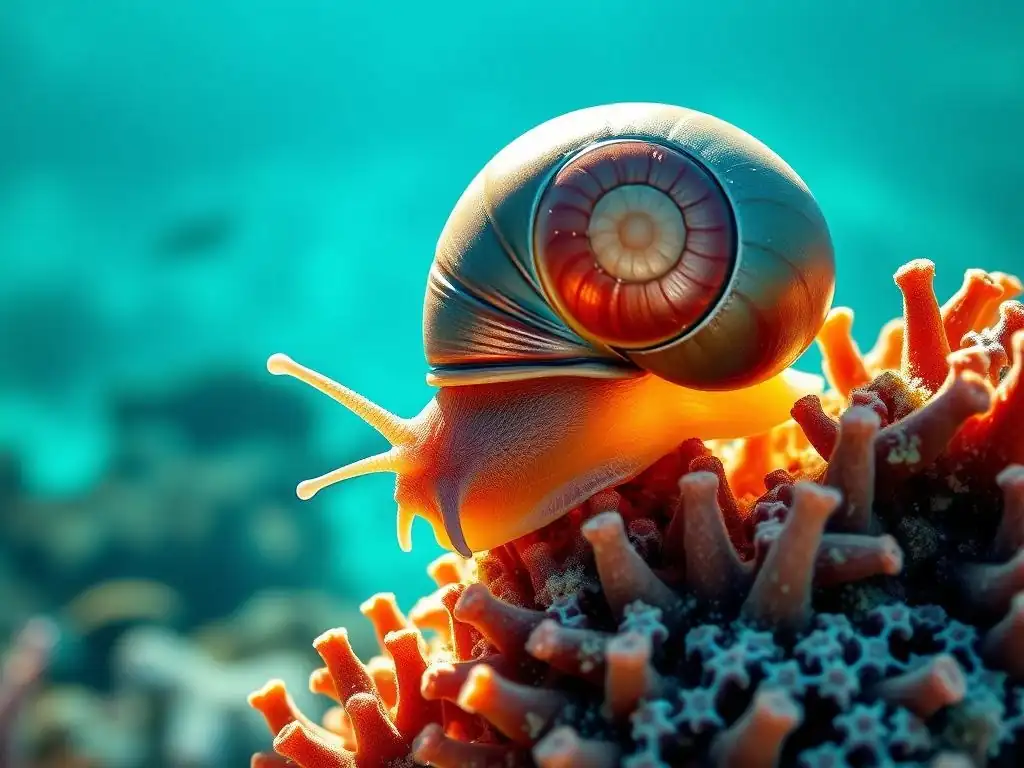
The ability of Reef safe trochus snails to self-right is a critical survival mechanism that sets them apart from many other aquarium snails. In a dynamic reef environment, snails can easily be dislodged by strong currents, active fish, or other invertebrates, causing them to fall upside down. For snails that cannot right themselves, like Astrea snails, being overturned is often a death sentence. They can starve, be picked apart by opportunistic predators, or become smothered by sand.
Trochus snails, however, possess a strong, flexible foot that allows them to manipulate their shell and leverage themselves back onto their foot, often within minutes or even seconds of being overturned, especially on a hard surface. This remarkable adaptation significantly increases their survivability in the aquarium and contributes to their effectiveness as a long-term clean-up crew member.
Assisting Overturned Snails
While Reef safe trochus snails are proficient at self-righting, there are rare occasions when they might need assistance. If a snail falls into a crevice, gets wedged, or lands on an uneven surface that prevents it from gaining purchase, it might struggle to flip over. An overturned snail that remains in that position for more than an hour or two should be gently assisted.
Carefully pick up the snail and gently place it upright on a flat surface, such as a rock or the tank glass, ensuring its foot is in contact with the substrate. Avoid excessive handling or forcing the snail, as this can cause stress. Regular observation of your snails' activity can help you identify and assist any struggling individuals promptly, ensuring they continue their valuable work.
Breeding Trochus Snails in Captivity
Replicating Natural Spawning Conditions
Breeding Reef safe trochus snails in captivity is challenging but not impossible, and it represents a sustainable alternative to wild collection. Trochus snails are broadcast spawners, meaning they release eggs and sperm directly into the water column. Spawning events are often triggered by environmental cues, such as large water changes, slight temperature fluctuations, or changes in photoperiod, mimicking seasonal shifts or lunar cycles in their natural habitat.
Successful spawning typically requires a healthy, mature population of both male and female snails (which are indistinguishable externally). Maintaining pristine water quality and providing a consistent food source in the form of microalgae for the adults can encourage them to reproduce. While spontaneous spawning can occur in a well-established reef tank, dedicated efforts to induce spawning often involve manipulating water parameters or light cycles.
Larval Development and Rearing
The larval development of Reef safe trochus snails involves a planktonic stage, which is the most challenging aspect of captive breeding. After fertilization, the eggs hatch into microscopic, free-swimming veliger larvae that drift in the water column for several days, feeding on phytoplankton. During this period, they are extremely vulnerable to predation and require specific types and sizes of phytoplankton for food, along with very clean, stable water conditions.
Successful rearing often necessitates a dedicated larval tank, free from predators and equipped with gentle circulation. As the larvae develop, they metamorphose into tiny snails and eventually settle onto surfaces. Providing suitable settlement substrates, such as conditioned live rock rubble or culturing plates, is crucial. The high mortality rate during the larval stage makes large-scale captive breeding difficult for the average hobbyist, though small successes can be achieved with diligent care and specialized equipment.
Troubleshooting Common Issues
Addressing Lack of Algae Consumption
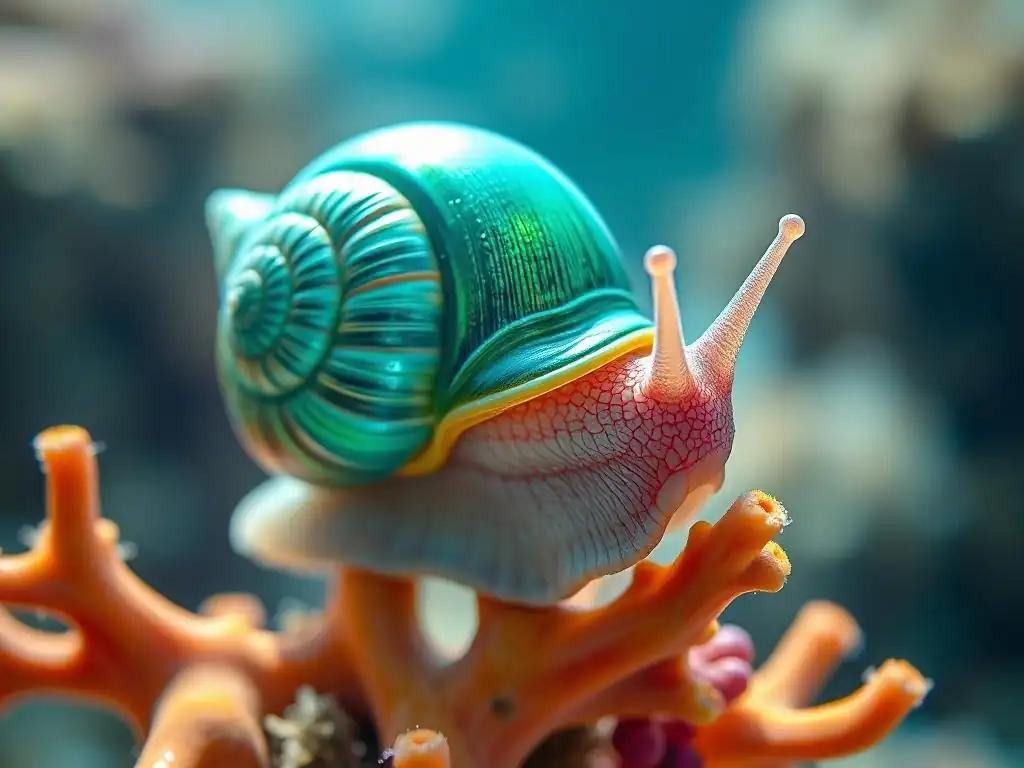
If your Reef safe trochus snails appear to be inactive or are not consuming algae as expected, several factors could be at play. First, check if there is an actual lack of algae in the tank; if the tank is already very clean, the snails may simply have no food source. In such cases, supplemental feeding is necessary. Alternatively, excessive leftover fish food or detritus might be providing an easier, more abundant food source, making them less inclined to graze on algae.
Poor water quality, particularly high nitrates (above 20 ppm) or sudden swings in salinity or pH, can stress snails and reduce their activity. Additionally, the presence of predators or aggressive tank mates might be deterring them from grazing openly. Observe their behavior closely; if they are frequently retracted into their shells or remain stationary for extended periods, it often indicates stress or illness.
Preventing Shell Degradation
Shell degradation, characterized by pitting, erosion, or a dull, brittle appearance, is a common issue that can plague Reef safe trochus snails and other shelled invertebrates. This condition is almost always linked to unstable or suboptimal water parameters, primarily low alkalinity and calcium levels. These essential elements are the building blocks for shell growth and repair.
To prevent shell degradation, consistently maintain alkalinity between 8-12 dKH and calcium levels between 400-450 ppm. Regular testing (at least weekly) and appropriate supplementation (e.g., two-part additives, kalkwasser, or calcium reactors) are crucial. Furthermore, chronically high nitrate levels or acidic conditions (low pH) can also contribute to shell erosion by making the water more corrosive to calcium carbonate.
Resolving Mobility Problems
Mobility problems in Reef safe trochus snails can manifest as sluggish movement, frequent falling off surfaces, or prolonged periods of inactivity. This can be a sign of old age, injury, stress, or a more serious underlying health issue. Poor water quality, particularly sudden drops in salinity or extreme temperatures, can severely impact their mobility and overall health.
If a snail exhibits mobility issues, first check all major water parameters to ensure they are within optimal ranges. If parameters are stable, consider isolating the snail in a small container with pristine tank water for observation. Sometimes, an internal parasite or bacterial infection can affect their muscular foot. While specific treatments for snail ailments are limited, addressing water quality issues is often the most effective first step in resolving mobility problems and promoting recovery.
Selecting and Introducing Healthy Snails
Reputable Sources for Trochus Snails
The health and longevity of your Reef safe trochus snails begin with selecting individuals from reputable sources. Whether purchasing from a local fish store or an online vendor, prioritize suppliers known for their excellent husbandry practices and ethical sourcing. Look for stores with clean, well-maintained invertebrate tanks, and observe the snails for signs of health: they should be actively moving, firmly attached to surfaces, and have intact shells without cracks or erosion.
Avoid snails that are lying upside down and unresponsive, have retracted deeply into their shells for extended periods, or exhibit visible shell damage. Inquire about the snails' origin; sustainably aquacultured Trochus snails are becoming more available and are often hardier due to reduced collection stress. A reputable vendor will typically offer a guarantee against dead on arrival (DOA) for online orders.
Acclimation Procedures for New Arrivals
Proper acclimation is critical for the survival of newly acquired Reef safe trochus snails. They are highly sensitive to changes in salinity, temperature, and pH. Drip acclimation is the preferred method, as it slowly introduces the tank water to the bag water, allowing the snails to gradually adjust to the new parameters over an extended period.
To drip acclimate, place the snails and their shipping water in a clean bucket. Use airline tubing to siphon water from your display tank into the bucket, regulating the drip rate to about 2-3 drops per second. Allow the water volume in the bucket to slowly double over 30-60 minutes, then carefully net the snails and introduce them into your tank. Avoid introducing the shipping water into your display tank to prevent contamination.
Conclusion: Trochus Snails in Reef Aquariums
Natural Algae Control for Reef Health
Reef safe trochus snails are an indispensable component of a thriving and balanced reef aquarium. Their relentless and efficient grazing habits provide a natural, chemical-free solution to nuisance algae, significantly reducing the presence of diatoms, film algae, and even early stages of hair algae. By continuously consuming these primary producers, they help to maintain crystal-clear water and prevent nutrient imbalances that can negatively impact coral health and overall tank aesthetics.
Their active foraging on rockwork and substrate also contributes to the overall cleanliness of the system, minimizing the accumulation of detritus. This consistent, biological approach to algae management is far superior to reactive chemical treatments, fostering a more stable and resilient environment for all reef inhabitants.
Contributing to a Balanced Reef Ecosystem
Beyond their role as exceptional algae grazers, Reef safe trochus snails contribute significantly to the biodiversity and ecological balance of a reef aquarium. Their ability to self-right, their hardiness under stable conditions, and their continuous activity make them reliable and long-lived members of the clean-up crew. They fill a crucial niche in the tank's ecosystem, converting nuisance algae into a form that can be processed by other organisms or removed through filtration.
Including Reef safe trochus snails in your clean-up crew is a proactive step towards creating a healthier, more self-sustaining reef environment. They embody the principle of natural pest control, allowing hobbyists to enjoy the beauty of their reef tank with less manual intervention and a greater sense of ecological harmony.
Frequently Asked Questions
What are Trochus snails, and why are they considered reef-safe?
Trochus snails are a type of marine snail valued for their algae-eating abilities. They are considered reef-safe because they primarily consume algae and detritus, without harming corals or other invertebrates. They also have the unique ability to right themselves if they fall over.
How do Trochus snails benefit a reef aquarium?
Trochus snails are natural algae grazers, helping to control unwanted algae growth in a reef aquarium. This helps maintain water quality and prevent algae from smothering corals. They are also excellent detritus removers, contributing to a cleaner and healthier environment.
How many Trochus snails should I add to my reef tank?
The number of Trochus snails depends on the size of your tank and the amount of algae present. A general guideline is 1 snail per 2-5 gallons of water, but this can vary based on the existing algae load. Monitor your tank and adjust accordingly.
What are the ideal water parameters for Trochus snails?
Trochus snails thrive in stable reef aquarium conditions. Maintain a salinity of 1.024-1.026 SG, a temperature of 72-78°F (22-26°C), and proper levels of calcium, alkalinity, and magnesium. Regular water changes are also important.
What do Trochus snails eat besides algae?
While algae is their primary food source, Trochus snails can also consume detritus and leftover food. If algae is scarce, you can supplement their diet with algae wafers or other suitable invertebrate foods. Ensure they have enough to eat to maintain their health and effectiveness.
Final Reflection: The Resilient Hope of Reefs
The information presented throughout this article underscores the critical role of reef-safe grazers in maintaining the delicate balance of our coral reef ecosystems. In a world facing unprecedented environmental challenges, understanding and promoting the use of natural solutions like Trochus snails is more vital than ever. Their ability to control algae growth and contribute to a healthier reef environment offers a tangible pathway towards conservation and restoration.
The impact of these small but mighty creatures extends far beyond the confines of our aquariums. Their resilience, exemplified by their self-righting ability, serves as a powerful metaphor for the resilience we need to cultivate in ourselves and our communities to address the broader issues facing our planet. As Sylvia Earle eloquently stated, Even if you never have the chance to see or touch the ocean, the ocean touches you with every breath you take, every drop of water you drink, every bite you consume. Everyone, everywhere is inextricably connected to and utterly dependent upon the existence of the sea.
This connection highlights the profound responsibility we have to protect these vital ecosystems.
Let us all take a moment to consider the lessons learned from the humble Trochus snail. Just as they tirelessly work to maintain the health of their reef home, we too can contribute to a healthier planet. Consider how you can incorporate reef-safe practices into your own life, whether it's through responsible aquarium keeping, supporting sustainable seafood choices, or advocating for policies that protect our oceans. The future of our reefs, and indeed our planet, depends on our collective action.
Empower Your Reef: Introduce Trochus Snails Today!
Thank you for diving into the world of Trochus snails with us! We hope you've gained a new appreciation for these resilient and reef-safe algae eaters. Now, it's time to put that knowledge into action and create a thriving ecosystem in your own aquarium.
- Introduce Trochus snails to your reef tank to naturally control algae and enhance its beauty. This is the single most impactful step you can take!
- Observe your Trochus snails closely for the first few days. Document their grazing patterns and share your observations in an online reefing forum. You might discover something new!
- Get creative: Build a small "obstacle course" for your Trochus snails using reef-safe rocks or decorations, then photograph their righting abilities and share the results on social media. #TrochusChallenge
What surprising behavior have you already witnessed in your reef tank inhabitants, and how might Trochus snails help to balance your ecosystem?