
Tuxedo Urchins (Mespilia globulus): Dapper Decorators and Algae Devourers

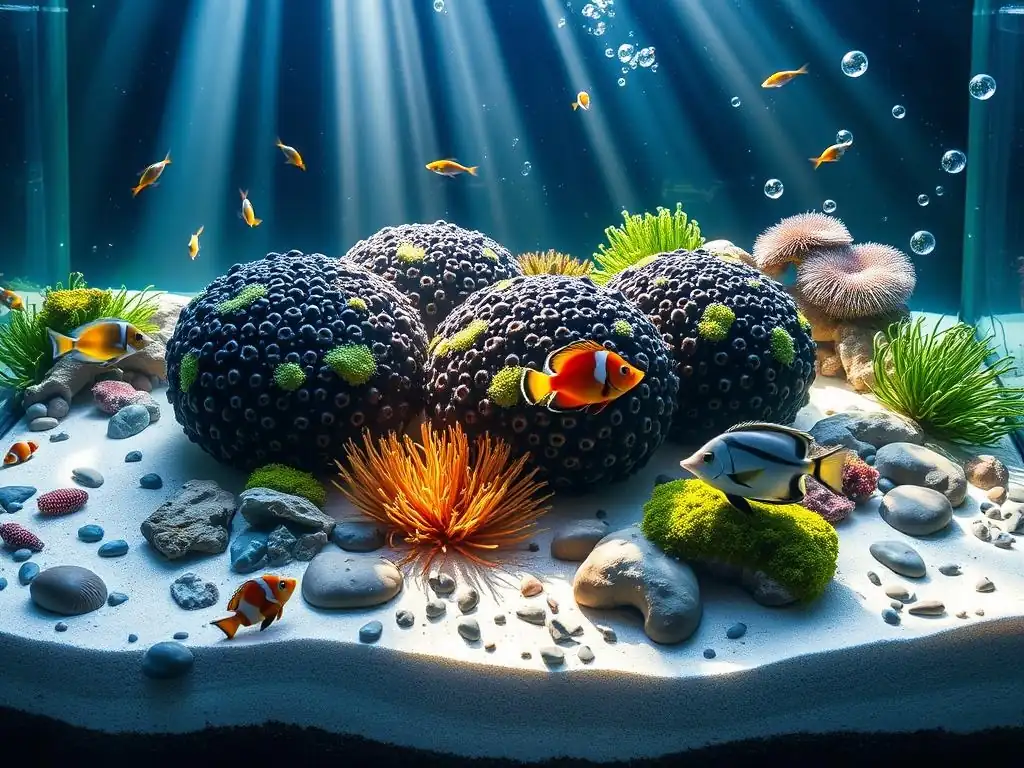
Welcome to Aquarium Mastery! Ever wondered how to add a touch of elegance and a powerful algae-eating ally to your reef tank? Dive into our comprehensive guide to Tuxedo Urchin Care Tips and discover how these dapper invertebrates can transform your aquarium into a thriving ecosystem. Curious to learn more about their unique needs and how to keep them happy? Let's explore the fascinating world of Mespilia globulus!
- Understanding the Tuxedo Urchin: An Introduction to Mespilia globulus
- Optimal Tuxedo Urchin Care Tips for a Thriving Reef Tank
- The Benefits of Keeping Tuxedo Urchins in Your Saltwater Aquarium
- Potential Challenges and Solutions in Tuxedo Urchin Care
- Identifying and Treating Common Tuxedo Urchin Diseases
- Breeding Tuxedo Urchins: Is it Possible in Captivity?
- Purchasing and Acclimation: Introducing Your New Tuxedo Urchin
- Tuxedo Urchin Care Tips: A Recap for Success
-
Frequently Asked Questions
- What are some key considerations when introducing a Tuxedo Urchin to my aquarium?
- What type of algae does a Tuxedo Urchin primarily consume?
- What are the ideal water parameters for keeping Tuxedo Urchins healthy?
- How can I supplement a Tuxedo Urchin's diet if algae is scarce in my aquarium?
- Are Tuxedo Urchins reef safe, and what precautions should I take?
- Final Reflection: Embracing the Miniature Ecosystem
- Unleash the Urchin's Magic in Your Reef Tank!
Understanding the Tuxedo Urchin: An Introduction to Mespilia globulus
What is a Tuxedo Urchin? Identifying Mespilia globulus
The Tuxedo Urchin, scientifically known as Mespilia globulus, is a striking and highly sought-after invertebrate in the saltwater aquarium hobby. It earns its common name from its distinctive appearance: a dark, often purplish-black body adorned with bright white, short, blunt spines that create a stark, "tuxedo-like" contrast. These spines are not sharp, making them relatively safe to handle. Typically, an adult Tuxedo Urchin reaches a diameter of approximately 2 to 3 inches (5 to 7.5 cm), though some specimens may grow slightly larger under optimal conditions.
Beyond its vibrant coloration, Mespilia globulus is known for its habit of "decorating" itself. It uses its strong tube feet to pick up small pieces of substrate, detritus, or even small coral fragments and attach them to its dorsal side. This behavior is believed to serve as camouflage against predators in its natural habitat, which spans the Indo-Pacific region, including the waters around Japan, Indonesia, and Australia, where it inhabits rocky reefs and rubble zones at depths ranging from shallow intertidal areas down to about 100 feet (30 meters).
The Role of Tuxedo Urchins in Reef Aquariums
Tuxedo Urchins play a crucial ecological role in reef aquariums, primarily functioning as highly efficient detritivores and herbivores. Their constant grazing helps to control the proliferation of various nuisance algaes, including diatoms, green film algae, and even some types of hair algae that can quickly overrun a tank if left unchecked. They meticulously scour live rock, substrate, and even tank glass, consuming undesirable growths that might otherwise compete with corals and other desirable inhabitants for light and nutrients.
Their contribution extends beyond just algae consumption. As they move across the substrate, particularly sandy bottoms, they help to aerate the top layers, preventing the buildup of anaerobic pockets and redistributing beneficial bacteria. This active foraging not only maintains a cleaner tank environment but also contributes significantly to the overall stability and health of the reef ecosystem, making comprehensive Tuxedo urchin care tips essential for any aquarist aiming for a balanced system.
Optimal Tuxedo Urchin Care Tips for a Thriving Reef Tank
Creating the Ideal Environment for Tuxedo Urchins
Tank Size Requirements for Happy Tuxedo Urchins
Providing adequate space is fundamental for successful Tuxedo urchin care. While a single Tuxedo Urchin can theoretically be housed in a well-established 20-gallon (75-liter) nano reef aquarium, a minimum tank size of 30 gallons (115 liters) is generally recommended for optimal health and foraging opportunities. This larger volume helps to ensure more stable water parameters and provides sufficient surface area for the urchin to graze upon. For housing multiple Mespilia globulus or integrating them into a diverse clean-up crew, tanks of 50 gallons (190 liters) or more are preferable to prevent competition for food resources.
It is also crucial that the aquarium is well-established and mature, typically having been running for at least six months. Newly set up tanks often lack the stable microfauna and sufficient algae growth that Tuxedo Urchins rely on as a primary food source. Introducing them into an immature system can lead to starvation and stress, undermining even the best Tuxedo urchin care tips.
Water Parameters: Maintaining Optimal Conditions for Mespilia globulus
Maintaining stable and appropriate water parameters is paramount for the health and longevity of Tuxedo Urchins. They are sensitive to sudden fluctuations, which can lead to stress, spine loss, and even death. The ideal salinity range for Mespilia globulus is between 1.023 and 1.026 specific gravity (SG), with a consistent temperature of 72-78°F (22-25.5°C). The pH should be maintained between 8.1 and 8.4, mirroring natural reef conditions.
Beyond these basic parameters, the levels of calcium, alkalinity, and magnesium are critical for the formation and maintenance of their calcified spines and internal skeletal structure. Recommended levels are Calcium: 400-450 ppm, Alkalinity: 8-12 dKH, and Magnesium: 1250-1350 ppm. Regular testing, ideally weekly, using reliable test kits is essential to ensure these parameters remain within the optimal range, as part of diligent Tuxedo urchin care.
Substrate and Rockwork: Providing a Natural Habitat
The type and arrangement of substrate and rockwork significantly impact the well-being of Tuxedo Urchins. They thrive in aquariums with a sand bed or fine gravel, as they constantly graze on the substrate for detritus and microalgae. A bed depth of at least 1-2 inches (2.5-5 cm) allows them to move freely and find food. While they are not known for deep burrowing, they do help to turn over the top layers of sand.
Ample live rock is equally important, providing abundant surface area for algae growth, which is their primary food source, and offering crevices for shelter. When aquascaping, ensure all rockwork is securely stacked and stable. Tuxedo Urchins are surprisingly strong for their size and can dislodge loose rocks as they climb and graze, potentially causing damage to corals or other tank inhabitants. These structural considerations are vital components of effective Tuxedo urchin care.
Diet and Feeding: Ensuring Proper Nutrition for Your Tuxedo Urchin
Natural Algae Control: Mespilia globulus as an Algae Grazer
The primary diet of a Tuxedo Urchin in a reef aquarium consists of various forms of nuisance algae. They are voracious grazers, consuming diatoms, cyanobacteria (red slime algae), and various types of green film algae that grow on rocks, glass, and even the shells of other invertebrates. Their unique mouthparts, known as Aristotle's lantern, are highly efficient at scraping algae from surfaces. A single adult Tuxedo Urchin can effectively keep the glass and rockwork of a 30-gallon tank remarkably clean from most film algae within a few days, significantly reducing the need for manual scrubbing.
Their consistent grazing patterns also contribute to preventing large outbreaks of algae, maintaining a cleaner and more aesthetically pleasing aquarium. This natural algae control is one of the most compelling reasons aquarists seek out Tuxedo Urchins, highlighting their role as indispensable members of the clean-up crew and making understanding their dietary needs a key part of Tuxedo urchin care tips.
Supplemental Feeding: When and What to Feed Your Urchin
While Tuxedo Urchins are excellent algae grazers, supplemental feeding may become necessary in very clean tanks, systems with minimal algae growth, or aquariums with a high density of other herbivores competing for food. Signs of insufficient food include lethargy, reduced activity, or visible thinning of their spines. If your urchin appears to be struggling to find enough to eat, consider offering supplemental foods.
Suitable supplemental foods include small pieces of dried seaweed (nori), spirulina flakes, or algae wafers. These can be placed directly on the rockwork or held down with a veggie clip near the urchin. Feeding once or twice a week is usually sufficient when supplementing. Overfeeding should be avoided, as it can lead to water quality issues. Observing your urchin's foraging activity and overall appearance is the best way to determine if supplemental feeding is required for optimal Tuxedo urchin care.
Tuxedo Urchin Compatibility: Tank Mates to Avoid and Embrace
Invertebrate Compatibility: Shrimps, Crabs, and Other Inverts
Tuxedo Urchins are generally peaceful and compatible with most other non-aggressive saltwater invertebrates. They co-exist well with a variety of snails (e.g., Nassarius, Trochus, Turbo snails), hermit crabs (provided the hermit crabs have ample shells to choose from and are not known shell-aggressors like some larger species), and most ornamental shrimp species such as Peppermint Shrimp ( Lysmata wurdemanni) or Skunk Cleaner Shrimp ( Lysmata amboinensis). These invertebrates often share similar dietary needs or occupy different niches, minimizing direct competition.
However, caution is advised with certain predatory invertebrates. Large, aggressive crabs, such as gorilla crabs or some types of emerald crabs ( Mithraculus sculptus) that might view the urchin as a food source or a competitor, should be avoided. Similarly, powerful predatory shrimp like Pistol Shrimp ( Alpheus spp.) or Mantis Shrimp ( Stomatopoda) could potentially injure or stress a Tuxedo Urchin, making careful selection of tank mates a crucial aspect of Tuxedo urchin care tips.
Fish Compatibility: Choosing Peaceful Tank Mates
When selecting fish tank mates for Tuxedo Urchins, the primary concern is to avoid species known to prey on or harass echinoderms. Peaceful, reef-safe fish are the best companions. Good examples include most clownfish ( Amphiprion spp.), gobies, blennies, firefish, and small, non-aggressive wrasses. These fish typically ignore the urchin or may occasionally brush past it without causing harm.
Conversely, aggressive or invert-eating fish should be strictly avoided. Triggerfish ( Balistidae family), puffers ( Tetraodontidae family), large wrasses (e.g., some Coris or Halichoeres species), and certain angelfish (e.g., some Pomacanthus species) are known to nip at or consume sea urchins and other invertebrates. Even seemingly docile fish can sometimes develop a taste for urchin spines, leading to stress and potential death for the Mespilia globulus. Careful research into fish compatibility is a critical component of successful Tuxedo urchin care.
The Benefits of Keeping Tuxedo Urchins in Your Saltwater Aquarium
Algae Control: Naturally Reducing Algae Growth
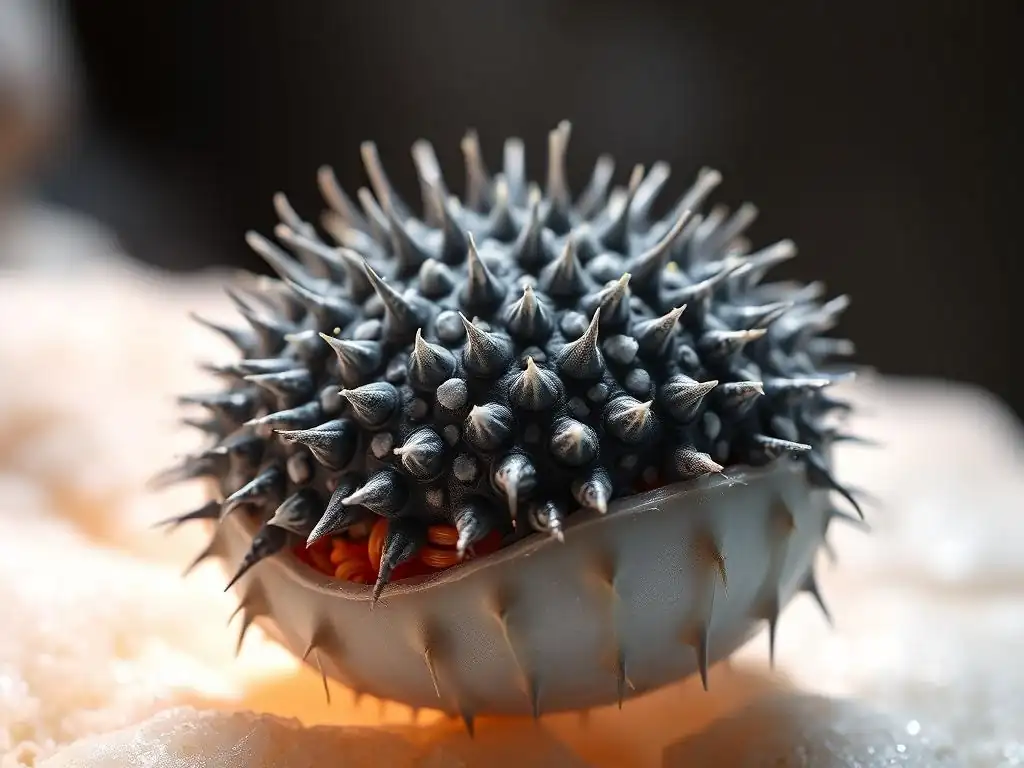
One of the most significant benefits of introducing Tuxedo Urchins into a saltwater aquarium is their exceptional ability to control nuisance algae naturally. Unlike manual scraping or chemical solutions, these urchins provide continuous, biological algae management. They efficiently graze on green hair algae, diatoms (brown algae), cyanobacteria (red slime), and various film algaes that coat rocks, substrate, and tank walls. This consistent grazing prevents unsightly algae blooms and reduces the need for frequent manual cleaning, saving aquarists considerable time and effort.
Their unique mouthparts allow them to reach into crevices and across uneven surfaces that are difficult for other clean-up crew members or human hands to access. This thorough cleaning action contributes to clearer water and a more pristine aesthetic throughout the aquarium. For example, a single Tuxedo Urchin can maintain the cleanliness of a 30-gallon reef tank's glass and rockwork, effectively suppressing common algae issues that might otherwise require daily attention.
Reef Health: Contributing to a Balanced Ecosystem
Beyond just algae consumption, Tuxedo Urchins contribute profoundly to the overall health and stability of a reef ecosystem. By consuming detritus and decaying organic matter along with algae, they assist in nutrient cycling, preventing the buildup of harmful nitrates and phosphates. Their constant movement across the substrate helps to aerate the sand bed, preventing the formation of anaerobic pockets that can release toxic hydrogen sulfide.
Furthermore, by keeping competitive algae in check, Tuxedo Urchins ensure that corals and other photosynthetic invertebrates receive adequate light and nutrients, promoting their healthy growth and vibrant coloration. They act as natural custodians, maintaining the delicate balance of the captive reef environment and reducing the likelihood of systemic issues often caused by unchecked algae growth or nutrient accumulation. This systemic contribution highlights the value of proper Tuxedo urchin care.
Aesthetics: Adding Visual Interest with a Unique Invertebrate
The Tuxedo Urchin is not just a workhorse for tank cleanliness; it is also a visually captivating addition to any saltwater aquarium. Its striking black or purplish body contrasted with bright white spines makes it a distinctive focal point. What truly sets it apart aesthetically is its charming habit of "decorating" itself by picking up small pieces of rubble, shells, or even small polyps and carrying them on its back. This behavior, believed to be camouflage in the wild, gives each urchin a unique, ever-changing "hat" or "tuxedo" that adds a whimsical and dynamic element to the tank's landscape.
Their slow, deliberate movements as they traverse the rockwork and glass offer a peaceful, mesmerizing display. Unlike some fast-moving fish, the Tuxedo Urchin provides a calming presence, allowing observers to appreciate the intricate details of its form and behavior. This combination of utility and unique visual appeal makes Mespilia globulus a highly desirable invertebrate for many reef aquarists, adding both function and beauty to the aquatic environment.
Potential Challenges and Solutions in Tuxedo Urchin Care
Losing Spines: Understanding and Addressing Spine Loss
Spine loss in a Tuxedo Urchin can be an alarming sign for aquarists. While occasional, minor spine loss is normal as part of their natural growth and regeneration process, significant or rapid spine loss indicates stress. Common causes include sudden fluctuations in water parameters (e.g., salinity, pH, temperature), poor water quality (high nitrates/phosphates), starvation due to insufficient algae or supplemental food, or aggression from tank mates. It's also possible immediately after acclimation if not done properly.
To address spine loss, the first step is to meticulously test all water parameters and rectify any deviations from the optimal ranges immediately and gradually. Ensure the tank has adequate algae growth or begin supplemental feeding with nori or algae wafers. Observe tank mates for any signs of aggression. If the urchin is still active and eating despite some spine loss, it has a good chance of recovery once the underlying issue is resolved. Consistent and stable Tuxedo urchin care is the best preventative measure.
Upside Down: Helping an Inverted Tuxedo Urchin
Finding a Tuxedo Urchin upside down on the substrate can be a cause for concern, though it's not always a dire emergency. Urchins can sometimes be flipped over by strong water currents, by falling from rockwork, or occasionally by other tank inhabitants. A healthy urchin will typically right itself within a few hours using its tube feet. If it remains inverted for an extended period (more than 4-6 hours) or appears lethargic and unable to move, it indicates weakness or distress.
If you find your urchin upside down and it's not righting itself, gently turn it over and place it upright on a rock surface or the sand. Observe its behavior. If it repeatedly flips over or shows no signs of activity after being righted, it might be suffering from severe stress, starvation, or an underlying health issue. In such cases, checking water parameters and ensuring adequate food supply are critical parts of Tuxedo urchin care.
Inadequate Algae: Ensuring Sufficient Food Supply
One of the most common challenges in Tuxedo urchin care is ensuring a continuous and sufficient food supply, especially in well-established, "clean" reef tanks or those with a large clean-up crew. While their primary role is algae control, if there isn't enough algae to graze on, Mespilia globulus can slowly starve. Signs of starvation include reduced activity, a dull appearance, and gradual thinning or loss of spines.
To prevent this, regularly assess the amount of algae in your tank. If rocks and glass appear consistently clean, it's a strong indicator that supplemental feeding is necessary. Offer dried seaweed (nori) attached to a veggie clip or algae wafers several times a week. You can also rotate the urchin between tanks if you have multiple systems with varying algae levels. Proactive monitoring and timely supplemental feeding are key to preventing starvation and ensuring the long-term health of your Tuxedo Urchin.
Identifying and Treating Common Tuxedo Urchin Diseases
Recognizing Signs of Illness in Mespilia globulus
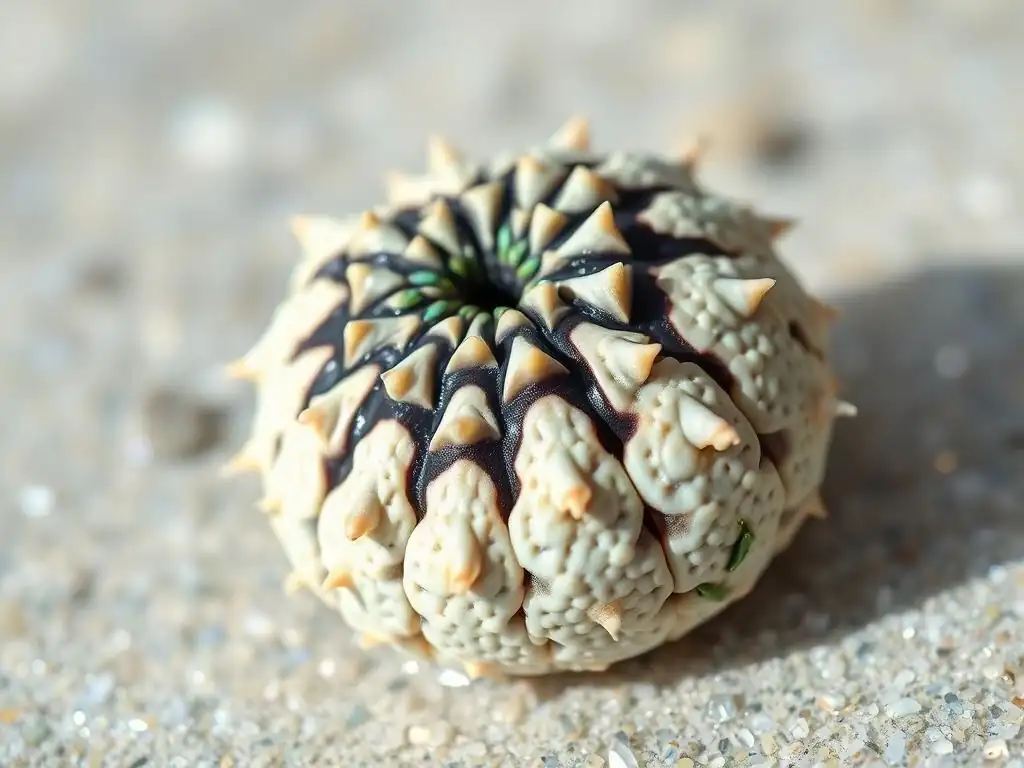
Identifying illness in Tuxedo Urchins can be challenging, as they often don't display overt symptoms until a condition is advanced. However, keen observation can reveal early warning signs. A healthy Tuxedo Urchin is active, constantly moving and grazing, and its spines should be full, firm, and erect, with vibrant coloration. It should also be securely attached to surfaces using its tube feet.
Signs of illness include:
- Lethargy and reduced activity: The urchin remains in one spot for extended periods or shows minimal movement.
- Significant spine loss: More than just a few isolated spines, widespread or rapid spine shedding is a serious indicator. The base of the spines may appear white or necrotic.
- Loss of color: A faded or bleached appearance.
- Inability to attach: The urchin frequently falls from rocks or glass, or cannot right itself when inverted.
- White or cottony patches: These could indicate bacterial or fungal infections, though less common in urchins.
- Loss of appetite: Refusal to graze or accept supplemental food.
Early recognition of these symptoms is crucial for implementing effective Tuxedo urchin care tips.
Quarantine Procedures for Sick Urchins
Treating sick invertebrates like Tuxedo Urchins is often difficult, as they are highly sensitive to medications, particularly copper-based treatments commonly used for fish parasites. The best approach for a sick urchin is to move it to a dedicated quarantine tank if possible. This allows for isolated observation and treatment without impacting the main display tank's inhabitants. The quarantine tank should be set up with stable water parameters identical to the main tank, ample live rock for grazing, and good water flow.
In the quarantine tank, focus on providing pristine water quality, ensuring stable parameters, and offering a consistent supply of nutritious food. Avoid any chemical treatments unless specifically formulated and proven safe for echinoderms. Often, if the underlying cause of stress (e.g., poor water quality, starvation, aggression) is removed and optimal conditions are restored, the urchin may recover naturally. Unfortunately, if an urchin is severely ill, recovery can be prolonged or unsuccessful.
Breeding Tuxedo Urchins: Is it Possible in Captivity?
Challenges of Breeding Mespilia globulus in Home Aquariums
Breeding Tuxedo Urchins ( Mespilia globulus) in a home aquarium setting is extremely challenging and rarely achieved by hobbyists. Sea urchins are broadcast spawners, meaning they release their eggs and sperm directly into the water column, where fertilization occurs externally. This process requires both male and female urchins to be present and to release their gametes simultaneously, often triggered by specific environmental cues.
Beyond the initial spawning, the subsequent larval development is the primary hurdle. Mespilia globulus larvae are pelagic, meaning they drift in the water column for an extended period, often several weeks to months, feeding on microscopic plankton. Replicating the precise food requirements, water quality, and environmental conditions (such as specific currents and light cycles) necessary for the larvae to survive, grow, and metamorphose into juvenile urchins is incredibly complex and typically requires specialized aquaculture facilities and expertise.
Spawning Triggers and Larval Development
While accidental spawning of Tuxedo Urchins in home aquariums is rare, it can sometimes be triggered by sudden changes in water parameters, such as a large, cool water change, which mimics natural spawning cues in the wild. However, even if spawning occurs, the resulting larvae face immense challenges. The microscopic larvae are extremely delicate and require a constant supply of specific types and sizes of phytoplankton, which are difficult to culture and maintain in sufficient quantities for their prolonged developmental stage.
During their pelagic phase, the larvae undergo several morphological changes before they are ready to settle and metamorphose into benthic (bottom-dwelling) juveniles. This metamorphosis is a critical and sensitive stage, requiring specific substrate cues. Due to these intricate requirements, successful captive breeding and rearing of Mespilia globulus from egg to adult in a typical home aquarium remains largely impractical for the average hobbyist.
Purchasing and Acclimation: Introducing Your New Tuxedo Urchin
Selecting Healthy Tuxedo Urchins at Your Local Fish Store
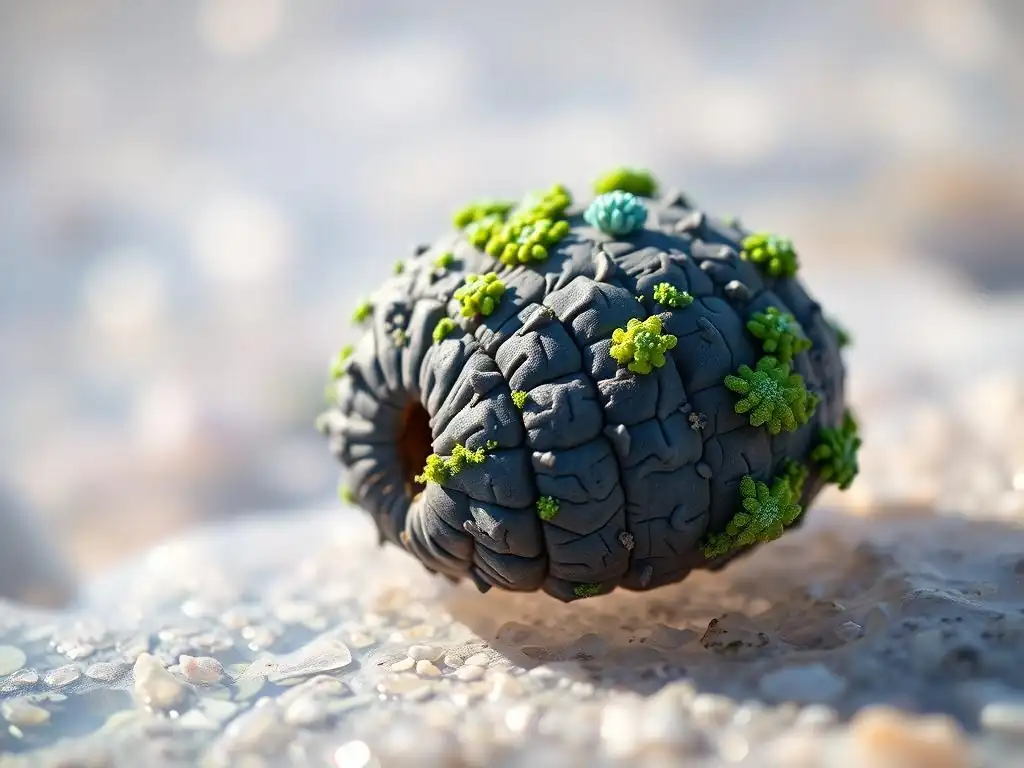
When purchasing a Tuxedo Urchin, careful selection is crucial for ensuring a healthy addition to your clean-up crew. At your local fish store or reputable online vendor, observe the urchin closely before buying. A healthy Tuxedo Urchin should be actively moving, or at least securely attached to the glass or rockwork within its holding tank. Its spines should be full, erect, and evenly distributed, with no significant patches of missing or withered spines.
Avoid urchins that are:
- Lying upside down and unable to right themselves.
- Floating freely in the water column.
- Showing signs of significant spine loss or white, necrotic patches on their body.
- In a tank with other dead or clearly unhealthy invertebrates.
Choosing a vibrant, active specimen is the first step towards successful Tuxedo urchin care.
Proper Acclimation Techniques for Mespilia globulus
Acclimation is arguably the most critical step when introducing a new Tuxedo Urchin to your aquarium, as they are highly sensitive to sudden changes in salinity, pH, and temperature. Drip acclimation is by far the recommended method to minimize stress and prevent osmotic shock.
Drip Acclimation Steps:
- Float the bag: Place the sealed bag containing the urchin in your sump or a quiet area of your display tank for 15-20 minutes to equalize temperature.
- Transfer to a bucket: Carefully open the bag and gently transfer the urchin and its water into a clean bucket or container. Ensure the urchin remains submerged at all times; exposure to air can be detrimental.
- Start the drip: Using airline tubing and a knot or valve, create a slow drip from your display tank into the bucket. Aim for a drip rate of about 2-3 drops per second.
- Monitor and dilute: Allow the water volume in the bucket to double (this typically takes 60-90 minutes, depending on drip rate). Periodically remove some of the water from the bucket to maintain a manageable volume, discarding it.
- Introduction: Once the acclimation process is complete, gently scoop the urchin (still submerged in water) from the bucket and place it directly onto a rock or the sand bed in your aquarium. Avoid pouring the bucket water into your display tank.
Following these proper acclimation techniques is a foundational Tuxedo urchin care tip that significantly increases the chances of your new invertebrate thriving.
Tuxedo Urchin Care Tips: A Recap for Success
Key Takeaways for a Healthy and Happy Tuxedo Urchin
Successful Tuxedo urchin care hinges on a few core principles that ensure the longevity and effectiveness of these unique invertebrates. Firstly, stable water parameters are non-negotiable. Consistent salinity (1.023-1.026 SG), temperature (72-78°F), and appropriate levels of calcium, alkalinity, and magnesium are vital for their overall health and spine integrity. Secondly, adequate algae supply is paramount; while they are excellent grazers, supplemental feeding with nori or algae wafers may be necessary in cleaner tanks.
Thirdly, compatible tank mates are essential. Avoid predatory fish and aggressive invertebrates that could harass or injure your urchin. Finally, providing a secure and mature habitat with ample live rock and a suitable substrate will allow your Tuxedo Urchin to thrive. By focusing on these fundamental Tuxedo urchin care tips, aquarists can enjoy the benefits of these dapper decorators for years.
Troubleshooting Common Issues and Preventative Measures.
Even with the best Tuxedo urchin care, challenges can arise. Common issues include spine loss, which is often a sign of stress from poor water quality or starvation, and being found upside down, which may indicate strong currents or general weakness. The best preventative measure for both is consistent monitoring of water parameters and observing your urchin's behavior. Regular water testing, timely water changes, and ensuring a steady food source will mitigate most potential problems.
If an issue arises, promptly identify the root cause—be it parameter swings, insufficient food, or tank mate aggression—and address it. Gently right an inverted urchin. If spine loss is observed, enhance water quality and consider supplemental feeding. While breeding is not practical in home aquariums, focusing on optimal environmental conditions and nutrition will ensure your Mespilia globulus remains a vibrant and effective member of your clean-up crew, contributing significantly to a balanced and aesthetically pleasing reef tank.
Frequently Asked Questions
What are some key considerations when introducing a Tuxedo Urchin to my aquarium?
When introducing a Tuxedo Urchin, it's crucial to ensure your tank is well-established with stable water parameters and sufficient algae growth. Acclimate them slowly to your tank's water to avoid shock. You should also ensure there are no predatory tankmates.
What type of algae does a Tuxedo Urchin primarily consume?
Tuxedo Urchins are excellent algae eaters, primarily grazing on film algae and diatoms. They can also consume some hair algae, helping to keep your tank clean. However, they are not effective against all types of algae.
What are the ideal water parameters for keeping Tuxedo Urchins healthy?
Tuxedo Urchins thrive in stable marine environments. The ideal water parameters include a temperature of 72-78°F (22-26°C), a salinity of 1.023-1.025 specific gravity, and a pH of 8.1-8.4.
How can I supplement a Tuxedo Urchin's diet if algae is scarce in my aquarium?
If your aquarium lacks sufficient algae, supplement their diet with algae wafers or dried seaweed. Ensure the urchin has access to the food and that other tank inhabitants aren't consuming it all first.
Are Tuxedo Urchins reef safe, and what precautions should I take?
Generally, Tuxedo Urchins are considered reef safe, but they can sometimes move small corals or invertebrates while foraging. Provide a stable environment and ensure they are well-fed to minimize any potential damage to your reef.
Final Reflection: Embracing the Miniature Ecosystem
The journey into understanding the complex needs of the Tuxedo Urchin reveals more than just aquarium maintenance; it highlights the delicate balance within our miniature aquatic ecosystems. These "dapper decorators" are not merely aesthetically pleasing additions, but vital contributors to a thriving reef environment, demanding a commitment to responsible and informed care.
The impact of responsible aquarium keeping, particularly with sensitive creatures like the Mespilia globulus, extends far beyond the glass walls of our tanks. It fosters a deeper appreciation for the interconnectedness of marine life and the importance of conservation. In the end, we will conserve only what we love; we will love only what we understand; and we will understand only what we are taught.
- Baba Dioum. This quote underscores the responsibility we bear to educate ourselves and others about the needs of these fascinating creatures.
As you consider adding a Tuxedo Urchin to your aquarium, remember that you are not just acquiring a pet, but becoming a steward of a small, vibrant world. Take the knowledge you've gained here, apply it diligently, and continue to learn and adapt your care practices. By doing so, you contribute to the well-being of these algae-devouring marvels and inspire others to embrace the beauty and responsibility of reef keeping.
Unleash the Urchin's Magic in Your Reef Tank!
Thanks for diving deep into the world of Tuxedo Urchins with us! We hope you now feel confident in their algae-busting and decorating prowess. Ready to take the next step?
Here are a few things you can do now:
- Boldly introduce a Tuxedo Urchin to your reef tank! Carefully monitor its behavior and algae consumption to ensure a healthy ecosystem.
- Explore the world of other reef-safe invertebrates and consider adding a complementary cleanup crew member.
- Share your experiences and amazing urchin pictures on social media with #AquariumMasteryUrchins!
What surprising decoration has your urchin chosen today? Let us know in the comments!