
Understanding Crab Behavior: From Scavenging to Social Dynamics

Welcome to Aquarium Mastery!
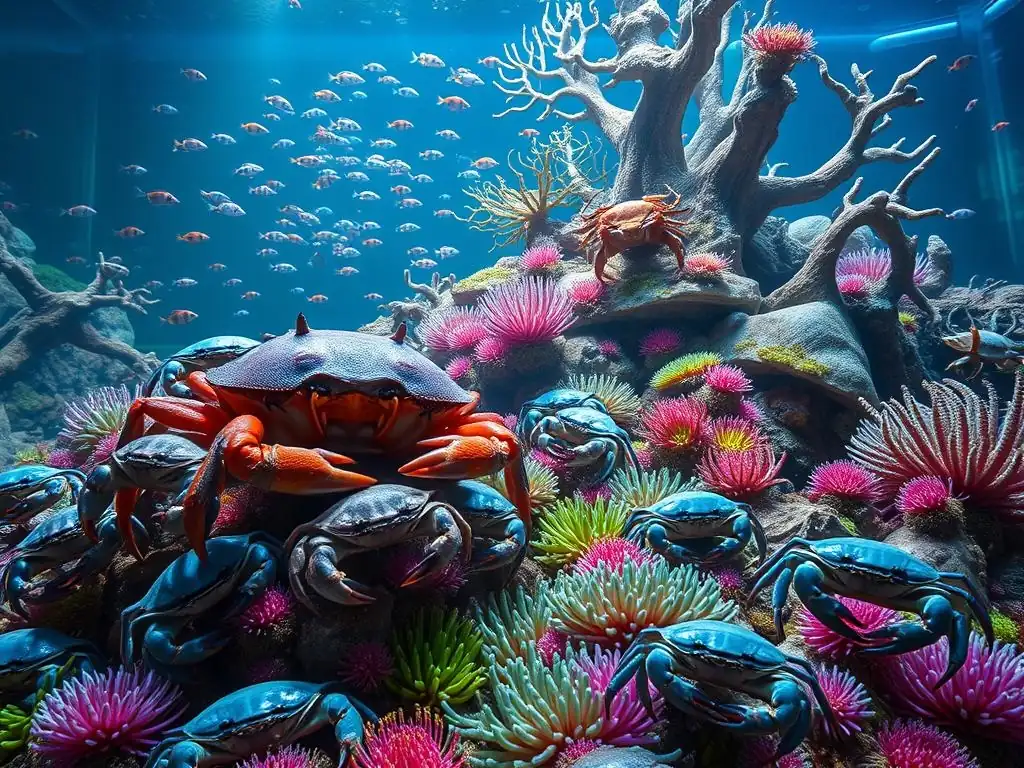
Ever wondered what those scurrying crustaceans are really up to in your aquarium? Delve into the fascinating world of crab behavior in aquariums and unlock the secrets to their complex social dynamics, scavenging habits, and more. Prepare to be amazed by what you discover – a deeper understanding of these intriguing invertebrates awaits!
- Understanding Crab Behavior: From Scavenging to Social Dynamics in Aquariums
- Introduction to Crab Behavior in Aquariums
- Scavenging Behavior in Aquarium Crabs: The Clean-Up Crew
- Social Dynamics of Aquarium Crabs: Interactions and Compatibility
- Defensive Mechanisms and Predator-Prey Relationships
- Molting Process in Crabs: A Vulnerable Time
- Recognizing Abnormal Crab Behavior: Signs of Illness or Stress
- Conclusion: Promoting Healthy Crab Behavior in Your Aquarium
-
Frequently Asked Questions
- How can I tell if a crab is stressed in my aquarium?
- What kind of scavenging behavior can I expect from crabs in an aquarium?
- Are crabs social creatures, and how does this impact tank dynamics?
- What factors influence crab molting behavior in an aquarium setting?
- What are some common issues that can arise from keeping crabs in an aquarium, and how can they be addressed?
- Final Reflection: Unveiling the Secrets of the Crab
- Dive Deeper: Unlock the Secrets of Crab Care!
Introduction to Crab Behavior in Aquariums
The Fascinating World of Aquarium Crabs: An Overview
Aquarium crabs are a diverse and captivating group of invertebrates that bring unique dynamics to both freshwater and saltwater setups. From the vibrant Scarlet Reef Hermit Crab (Paguristes cadenati) to the intricately patterned Emerald Crab (Mithraculus sculptus), these crustaceans play various roles, acting as diligent clean-up crews, intriguing display animals, and sometimes, opportunistic predators. Their distinct physical attributes, such as their hard exoskeletons and specialized claws, are matched by an equally fascinating range of behaviors that contribute significantly to the overall ecosystem of an aquarium.
Observing the subtle nuances of crab behavior in aquariums can be one of the most rewarding aspects of keeping these creatures. Each species exhibits particular feeding patterns, social interactions, and defensive mechanisms that are adaptations to their natural habitats. Understanding these innate behaviors, whether it's a Fiddler Crab (Uca spp.) waving its enlarged claw or a Pom Pom Crab (Lybia tessellata) gently waving its anemone-tipped claws, provides aquarists with invaluable insights into their health and well-being within the confined aquarium environment.
Why Understanding Crab Behavior is Crucial for Aquarists
Deciphering the various aspects of crab behavior in aquariums is not merely a matter of curiosity; it is fundamental to their successful long-term care and the stability of the entire tank. A crab's behavior serves as a direct indicator of its health, stress levels, and overall adaptation to its surroundings. For instance, a normally active hermit crab suddenly becoming lethargic or hiding for extended periods might signal an impending molt, illness, or unfavorable water conditions.
Furthermore, a deep understanding of crab behavior is essential for maintaining harmonious community tanks. Without this knowledge, an aquarist might inadvertently introduce a territorial species into a peaceful setup, leading to aggression, stress, or even the loss of other tank inhabitants. Recognizing typical feeding habits helps ensure adequate nutrition, while observing social dynamics can prevent conflicts and promote a thriving environment for all marine life. For example, knowing that a Sally Lightfoot Crab (Percnon gibbesi) can be opportunistic towards slow-moving fish or corals if not well-fed influences stocking decisions.
Scavenging Behavior in Aquarium Crabs: The Clean-Up Crew
Detritus and Algae Consumption: A Crab's Role in Tank Maintenance
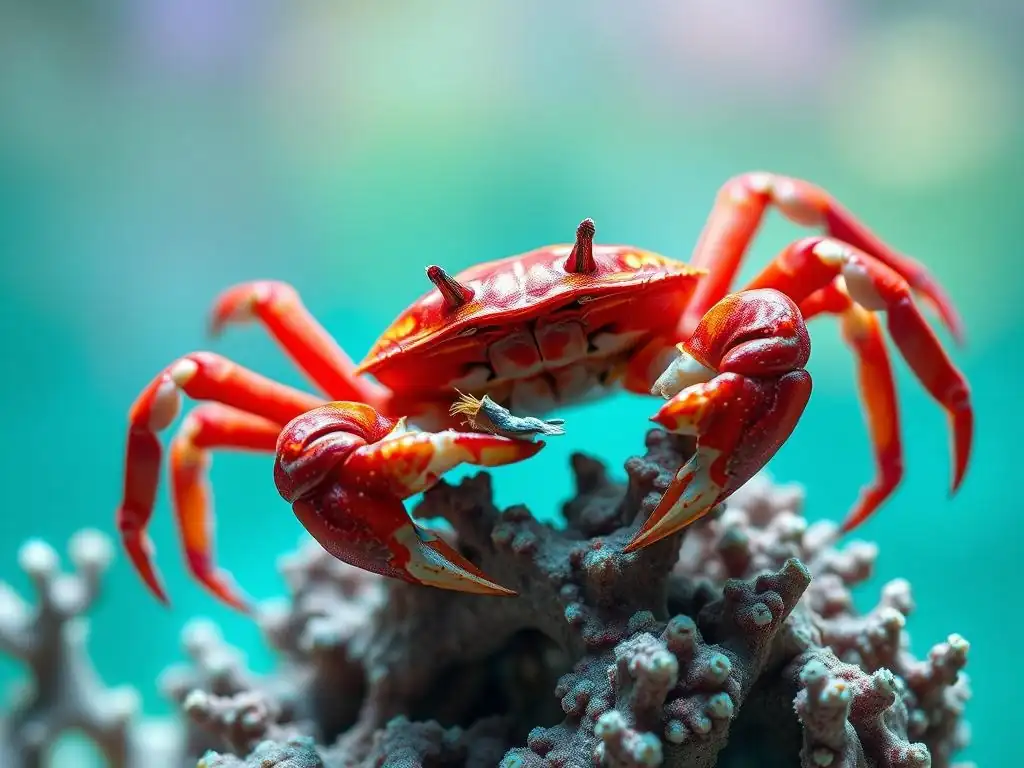
Many species of aquarium crabs are celebrated for their invaluable role as detritivores and herbivores, making them vital members of the clean-up crew. They diligently consume leftover food, decaying organic matter, and various types of nuisance algae, thereby contributing significantly to water quality and tank hygiene. This natural crab behavior in aquariums helps prevent the buildup of undesirable substances that can lead to elevated nitrates and phosphates.
For instance, an Emerald Crab (Mithraculus sculptus) is particularly effective at controlling bubble algae (Valonia ventricosa), with a single adult crab capable of noticeably reducing an outbreak in a 20-gallon reef tank over several weeks. Similarly, many hermit crab species, such as the Red Leg Hermit Crab (Paguristes cadenati), are excellent at sifting through sand beds, preventing anaerobic pockets and consuming uneaten food particles that settle there. Their continuous foraging activity keeps the substrate aerated and cleaner, minimizing the need for manual siphoning.
Identifying Scavenging Habits of Hermit Crabs, Fiddler Crabs, and Pom Pom Crabs
The scavenging habits of crabs vary significantly by species, and recognizing these specific behaviors is key to appreciating their contribution and ensuring their dietary needs are met. Hermit crabs are often observed meticulously picking at detritus on live rock, sifting through sand with their smaller claws, or grazing on algae films from tank surfaces. Their constant movement across the aquarium makes them highly efficient foragers.
Fiddler crabs (Uca spp. ), typically kept in paludariums with both land and water, exhibit a unique feeding strategy where they use their smaller mouthparts to sift through substrate, extracting organic particles and detritus. Pom Pom crabs (Lybia tessellata), while known for carrying anemones for defense and food capture, also actively scavenge small food particles from the water column and substrate. Observing these distinct crab behavior in aquariums can help aquarists understand how each species contributes to the tank's cleanliness.
Optimizing Crab Diet: Supplementing Scavenging with Algae Wafers and Protein Pellets
While crabs are excellent scavengers, relying solely on tank detritus for their nutrition may not be sufficient, especially in well-maintained aquariums with minimal waste. Supplementing their diet is crucial for their long-term health and vitality. For herbivorous crabs like the Emerald Crab, sinking algae wafers or spirulina flakes can be provided a few times a week. These supplements ensure they receive adequate plant-based nutrients.
Omnivorous and carnivorous crabs, such as many hermit crab species, benefit from small sinking protein pellets, mysis shrimp, or finely chopped defrosted seafood. For example, a 1-inch hermit crab might only require 2-3 small pellets every other day. It is important to ensure that the food reaches the crabs and is not immediately consumed by faster-moving fish. Feeding after the main tank lights are off can help, as many crabs are more active during the night, optimizing their foraging and overall crab behavior in aquariums.
Crab Interactions with Fish and Other Invertebrates
The social dynamics of crab behavior in aquariums are highly varied, ranging from completely peaceful cohabitation to opportunistic predation. Many smaller, reef-safe crabs, such as Porcelain Crabs (Petrolisthes spp. ), are filter feeders and generally pose no threat to fish or corals. They often find a place to perch and filter plankton from the water column, rarely interacting aggressively with other tank inhabitants.
Conversely, larger or more aggressive crab species can be problematic. For example, a grown Sally Lightfoot Crab (Percnon gibbesi), while an excellent algae eater, can become opportunistic and nip at slow-moving fish, especially at night. Similarly, some larger hermit crabs, if not adequately fed or provided with enough suitable shells, might attempt to prey on snails or even small, sleeping fish. Always research the specific species' temperament and observe their crab behavior in aquariums closely to prevent conflicts.
Territoriality is a significant aspect of crab behavior in aquariums, particularly among species like hermit crabs. Competition for suitable shells is a primary driver of aggression in hermit crabs. If there aren't enough empty shells of varying sizes (typically 2-3 shells per crab, each 10-20% larger than their current shell), crabs may fight over existing ones, often leading to injury or even death of the weaker crab.
Overcrowding also exacerbates aggressive tendencies. For instance, keeping multiple large Fiddler crabs in a small paludarium without adequate land area can result in constant skirmishes over prime territory. Providing ample hiding spots, caves, and crevices within the rockwork can help mitigate aggression by allowing crabs to establish individual territories and retreat when stressed. This reduces direct confrontations and promotes more natural crab behavior in aquariums.
Identifying Compatible Crab Species for Community Tanks
Selecting compatible crab species is crucial for a harmonious community aquarium. Peaceful species generally include Pom Pom Crabs, which are known for their symbiotic relationship with anemones and non-aggressive nature, and many smaller hermit crab species like the Scarlet Reef Hermit Crab (Paguristes cadenati). These species are typically considered reef-safe and coexist well with most fish and corals.
However, caution is advised with species like the Emerald Crab; while generally reef-safe, larger individuals can sometimes become opportunistic if not well-fed. Species such as the Arrow Crab (Stenorhynchus seticornis), while interesting, can be predatory towards smaller fish and shrimp. Before introducing any crab, research its adult size, dietary needs, and known temperament. A good rule of thumb is to avoid mixing known aggressive species with docile tank mates, ensuring the overall well-being and natural crab behavior in aquariums are maintained.
Defensive Mechanisms and Predator-Prey Relationships
Crab Shells and Camouflage: Protection Strategies
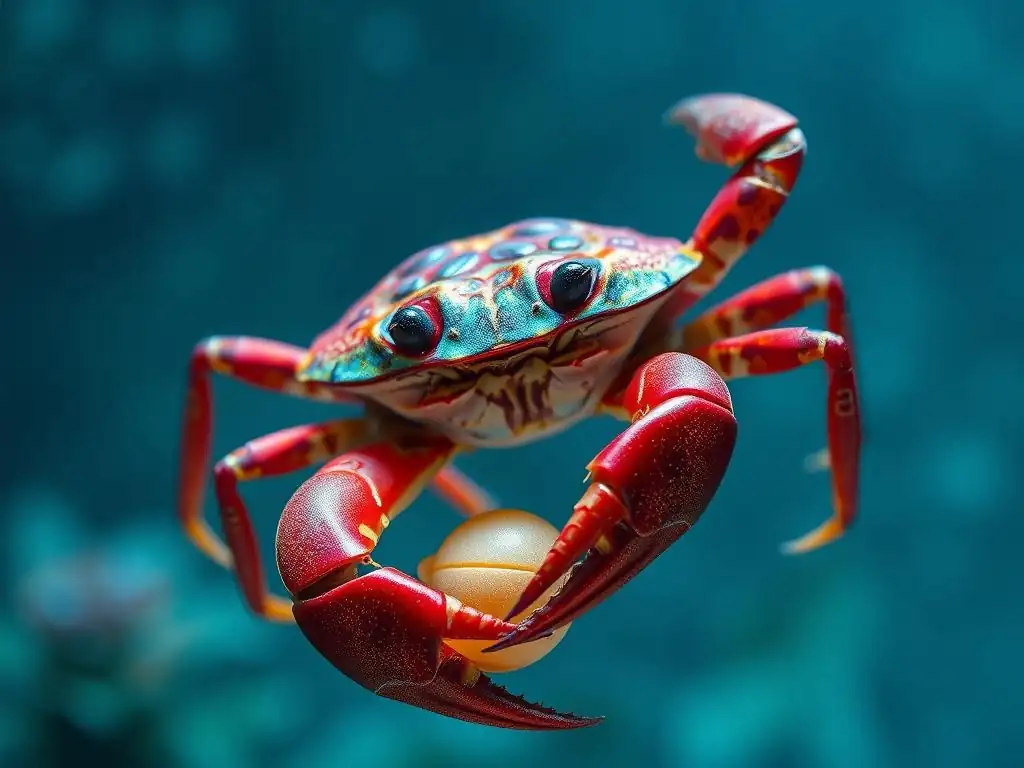
The primary defensive mechanism for most crabs is their hard exoskeleton, which acts as a protective shield against physical threats. This sturdy outer layer, composed largely of chitin, offers significant protection. Hermit crabs take this a step further by inhabiting discarded snail shells, which they carry around as mobile homes and retreats. This ingenious adaptation allows them to withdraw completely into their borrowed shell when threatened.
Beyond physical armor, many crabs employ camouflage as a crucial survival strategy. Their coloration often mimics their natural environment, allowing them to blend seamlessly with rocks, sand, or corals. For example, the mottled brown and green patterns of an Emerald Crab make it incredibly difficult to spot against live rock. Some species, known as decorator crabs (e.g., small spider crabs), actively attach sponges, anemones, or algae to their carapaces, creating living camouflage that not only conceals them but can also deter predators through chemical defenses or stinging cells. This sophisticated crab behavior in aquariums helps them evade detection.
Understanding Predators of Crabs in the Aquarium Environment
Despite their defensive adaptations, crabs in an aquarium can fall prey to larger, more aggressive tank mates. Common aquarium predators of crabs include various species of Triggerfish, Pufferfish, and larger Wrasses, all of which possess strong jaws and teeth capable of crushing shells. Even some larger shrimp species, such as Mantis Shrimp (Odontodactylus scyllarus), if accidentally introduced, can pose a significant threat to smaller crabs.
Specific examples include the Picasso Triggerfish (Rhinecanthus aculeatus), which is notorious for its ability to dismantle and consume crabs, or the Lionfish (Pterois volitans), which will readily swallow smaller crustaceans whole. Aquarists must carefully consider the compatibility of crabs with potential predators, especially when adding new fish to an established tank or introducing crabs into a predator-heavy setup. Observing the crab behavior in aquariums when new tank mates are introduced can quickly indicate potential threats.
Minimizing Stress and Providing Hiding Places for Crabs
Minimizing stress is paramount for the health and survival of crabs, as stressed individuals are more susceptible to disease and predation. Providing an abundance of secure hiding places is one of the most effective ways to reduce stress. Live rock structures with numerous crevices, caves, and overhangs offer ideal retreats for crabs to escape from perceived threats or simply to rest undisturbed.
For hermit crabs, it is essential to provide a continuous supply of appropriately sized empty shells. A general recommendation is to have at least 5-7 empty shells per hermit crab in a 30-gallon tank, ensuring there are options that are slightly larger than their current shell. This not only prevents shell jousting but also offers security, particularly during the vulnerable molting process. A well-structured environment that caters to their need for security significantly enhances natural crab behavior in aquariums.
Molting Process in Crabs: A Vulnerable Time
Recognizing the Signs of an Approaching Molt
Molting, or ecdysis, is a critical biological process for crabs, allowing them to grow by shedding their rigid exoskeleton. Recognizing the signs of an approaching molt is crucial for aquarists to provide adequate support. Common indicators include increased lethargy, reduced appetite, and a general reclusiveness. Some crabs may become less active, spending more time hidden in crevices or buried in the substrate for several days before the actual molt.
For certain species, particularly those with more transparent joints, a new, smaller exoskeleton may become visible underneath the old one, appearing as a slight separation or a cloudy appearance in the joints. Juvenile crabs tend to molt more frequently, sometimes every 3-4 weeks, while larger, older crabs may only molt every few months or even annually, depending on their growth rate and environmental conditions. Observing these specific changes in crab behavior in aquariums signals the onset of this vital process.
Creating a Safe Molting Environment for Aquarium Crabs
Creating a safe and stable environment is paramount for successful molting. Stable water parameters are critical; fluctuations in salinity (ideal 1.023-1.025 specific gravity), temperature (72-78°F or 22-26°C), and pH can significantly stress a molting crab. Adequate levels of calcium and alkalinity are also vital, as these minerals are used to harden the new exoskeleton. Maintaining calcium levels around 400-450 ppm and alkalinity between 8-12 dKH is generally recommended.
Beyond water chemistry, providing ample hiding spots is essential. Crabs are extremely vulnerable during and immediately after molting. Dense live rock structures with plenty of crevices and caves offer secure locations for them to retreat. Some aquarists might consider temporarily isolating a molting crab if severe predation is a risk, but for most community tanks, sufficient hiding spots are usually enough to ensure their safety and facilitate natural crab behavior in aquariums.
Post-Molt Care: Protecting Newly Molted Crabs
Immediately after molting, a crab's new exoskeleton is soft and pliable, leaving it highly susceptible to predation and injury. During this period, which can last from several hours to several days depending on the crab's size and species, the crab will remain hidden, allowing its new shell to harden. It is crucial for aquarists to avoid disturbing the crab during this vulnerable phase.
Furthermore, it is important not to remove the discarded exoskeleton (exuvia) from the tank immediately. The crab will often consume parts of its old shell to reabsorb vital calcium and other minerals, which are essential for the hardening process of its new exoskeleton. This natural crab behavior in aquariums provides a crucial source of nutrients and helps the crab recover quickly. Once the old shell is no longer being consumed, it can be removed if desired.
Recognizing Abnormal Crab Behavior: Signs of Illness or Stress
Lethargy, Loss of Appetite, and Unusual Movements
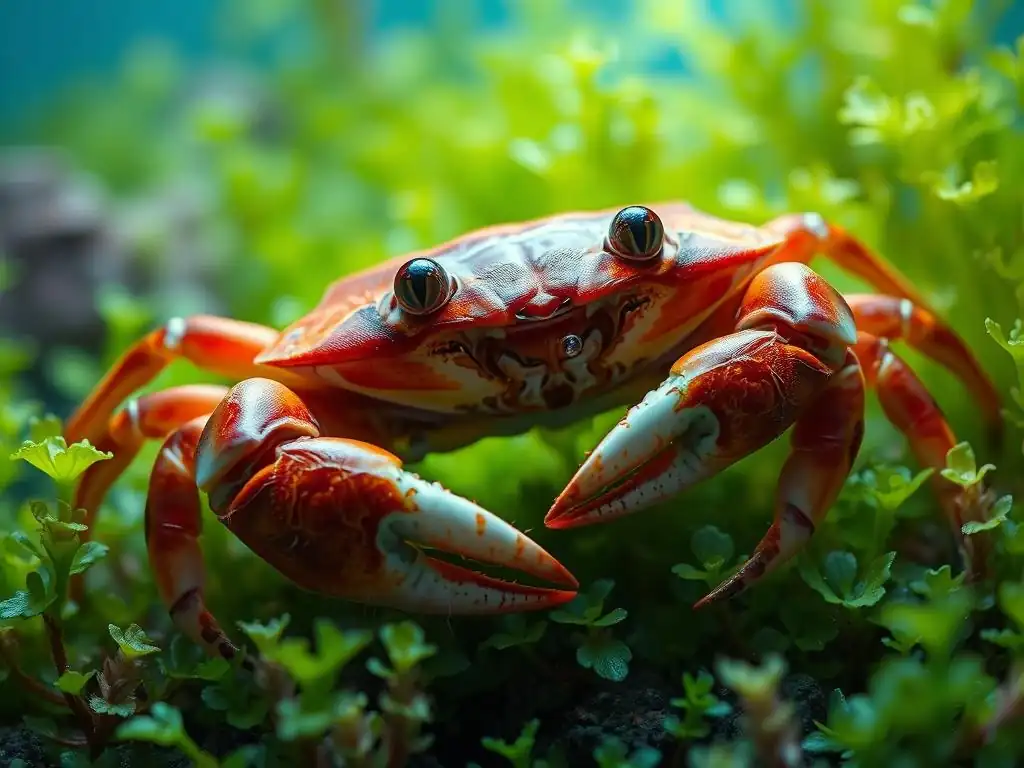
Recognizing deviations from normal crab behavior in aquariums is the first step in diagnosing potential health issues or stress. A healthy crab is typically active, foraging, and interacting with its environment. Signs of distress can include prolonged lethargy, where the crab remains motionless for extended periods (beyond normal molting seclusion, which is often in a hidden spot). A significant loss of appetite or complete refusal to eat is also a major red flag, especially if it persists for more than 24-48 hours.
Unusual or erratic movements, such as twitching, uncoordinated walking, or repeatedly attempting to climb out of the water (for aquatic species), can indicate neurological issues, severe stress, or parasitic infestations. For example, a normally active Pom Pom Crab that stops holding its anemones or appears disoriented should be observed closely. Immediate investigation into water parameters and tank conditions is warranted if these abnormal behaviors are observed.
Diagnosing Common Crab Diseases and Ailments
While specific crab diseases can be challenging to diagnose without laboratory analysis, many ailments are often linked to environmental stressors or bacterial/fungal infections. "Shell rot," a common term for chitinolytic bacterial diseases, manifests as pitting, discoloration, or lesions on the exoskeleton. These infections often arise from poor water quality, physical injury, or chronic stress.
Other issues can include parasitic infestations, though less common in well-maintained aquariums, and nutritional deficiencies, which can manifest as a failure to molt successfully or a weakened exoskeleton. Unfortunately, treatment options for many crab diseases in a home aquarium setting are limited. The best course of action is often to optimize water quality, provide a stress-free environment, and ensure a nutritious diet to support their immune system. Regular observation of crab behavior in aquariums helps in early detection.
Water Quality and its Impact on Crab Behavior
Water quality is arguably the most critical factor influencing crab behavior in aquariums and overall health. Crabs are highly sensitive to fluctuations and suboptimal parameters. Elevated levels of ammonia (any detectable level is toxic), nitrite (any detectable level is toxic), and high nitrates (consistently above 20 ppm) can rapidly lead to stress, lethargy, and ultimately, death.
Sudden shifts in salinity (ideal 1.023-1.025 specific gravity for saltwater crabs) or temperature (72-78°F or 22-26°C for most tropical species) can also induce severe shock, causing crabs to become unresponsive or exhibit erratic behavior. For instance, a sudden drop in salinity from 1.025 to 1.020 might cause a crab to become sluggish and attempt to escape the water. Regular water testing (at least weekly) and consistent water changes (e.g., 10-20% weekly or bi-weekly) are essential to maintain stable, pristine conditions, which are fundamental for promoting healthy and natural crab behavior in aquariums.
Conclusion: Promoting Healthy Crab Behavior in Your Aquarium
Key Takeaways for Maintaining Happy and Healthy Crabs
To ensure the health and well-being of aquarium crabs, aquarists must prioritize several key aspects of care. Firstly, provide a species-appropriate diet that supplements their natural scavenging with high-quality algae wafers or protein pellets, ensuring they receive adequate nutrition. Secondly, a suitable environment is paramount; this includes ample hiding spots, appropriate substrate, and for hermit crabs, a continuous supply of various-sized empty shells to prevent competition and provide security.
Thirdly, selecting compatible tank mates and managing social dynamics through proper stocking levels and environmental enrichment will minimize stress and aggression. Lastly, maintaining stable and pristine water quality through regular testing and consistent water changes is non-negotiable. By adhering to these principles, aquarists can foster natural crab behavior in aquariums, leading to thriving and engaging crustaceans.
Further Resources for Learning About Crab Care
The world of aquarium invertebrates is vast and fascinating, and continuous learning is key to becoming a successful aquarist. For those interested in deepening their understanding of crab behavior in aquariums and their care, numerous resources are available. Exploring detailed species profiles for specific crab types, such as Emerald Crabs or Scarlet Reef Hermit Crabs, can provide in-depth information on their unique needs and behaviors.
Additionally, delving into articles on general invertebrate health, water chemistry specific to marine invertebrates, and troubleshooting common aquarium problems can further enhance your knowledge. Understanding the intricate balance of a marine ecosystem, including the vital role of clean-up crews, will empower you to create a stable, vibrant, and rewarding aquatic environment for all your tank inhabitants.
Frequently Asked Questions
How can I tell if a crab is stressed in my aquarium?
Crabs exhibit stress through various behaviors. Look for excessive hiding, lack of appetite, or erratic movements. These signs may indicate poor water quality or incompatible tank mates.
What kind of scavenging behavior can I expect from crabs in an aquarium?
Crabs are natural scavengers and will consume leftover food, algae, and detritus. This helps maintain a cleaner aquarium environment, but over-reliance on them is not advisable.
Crab social dynamics vary greatly by species. Some are solitary and territorial, while others can coexist peacefully in groups. Research your specific crab species to understand their needs.
What factors influence crab molting behavior in an aquarium setting?
Molting is a crucial process for crab growth. Proper water parameters, especially sufficient calcium and iodine, are essential for successful molting. Provide hiding places for vulnerable newly molted crabs.
What are some common issues that can arise from keeping crabs in an aquarium, and how can they be addressed?
Common issues include aggression towards fish, escaping the tank, and water quality problems. Address these by selecting compatible tank mates, securing the lid, and performing regular water changes.
Final Reflection: Unveiling the Secrets of the Crab
The intricate world of crab behavior in aquariums, as we've explored, is not just a fascinating study for hobbyists, but a microcosm reflecting broader ecological principles. Understanding these creatures, from their scavenging habits to their complex social interactions, allows us to appreciate the delicate balance of aquatic ecosystems and the importance of responsible aquarium keeping. This knowledge empowers us to create environments where these fascinating crustaceans can thrive, enriching our understanding of the natural world.
This exploration has profoundly underscored the importance of observation and empathy in understanding any living creature. By delving into the nuances of crab behavior, we gain a deeper appreciation for their sentience and complexity. As we strive to replicate their natural habitats within our aquariums, we are reminded of the interconnectedness of all life. In the end, we will conserve only what we love; we will love only what we understand; and we will understand only what we are taught.
- Baba Dioum. This quote resonates deeply, reminding us that knowledge is the key to conservation and responsible stewardship.
Now, consider the lessons learned. How can you apply this newfound understanding of crab behavior to enhance your own aquarium, or even to appreciate the natural world around you? Take a moment to reflect on the impact of your actions, and strive to create a more harmonious and enriching environment, not just for the crabs in your care, but for all living beings. Let's continue to learn, observe, and act with compassion, ensuring a brighter future for these captivating creatures and the ecosystems they inhabit.
Dive Deeper: Unlock the Secrets of Crab Care!
Thank you for exploring the fascinating world of crab behavior! Now that you understand their scavenging habits and social interactions, it's time to put your knowledge into action.
- Transform your aquarium into a crab paradise: Design a habitat that encourages natural behaviors like hiding, exploring, and foraging.
- Share this article with fellow aquarium enthusiasts and spark a discussion about crab care best practices.
- Venture into researching different crab species and their unique environmental and social needs.
What specific enrichment activity are you most excited to introduce to your crabitat?