
Adapting to Your Aquarium: How Wrasses Adjust Their Behavior in Captivity

Welcome to Aquarium Mastery!
Ever wondered how those vibrant, captivating wrasses truly adapt to life in your saltwater aquarium? Dive into our latest article, "Adapting to Your Aquarium: How Wrasses Adjust Their Behavior in Captivity," and unlock the secrets to understanding and nurturing these fascinating fish. Discover the subtle shifts in wrasse behavior aquarium captivity that can make all the difference between a thriving environment and a stressed one. Ready to learn more and ensure your wrasses flourish? Let's explore!
- Understanding Wrasse Behavior in the Aquarium Environment
- Initial Adjustment Period: Observing Wrasse Adaptation to Captivity
- Changes in Feeding Habits: Wrasse Diet in the Aquarium
- Social Interactions and Tank Mate Dynamics: Wrasse Behavior in a Community Aquarium
- Substrate and Burrowing: Adapting to the Aquarium Floor
- Coloration Changes: Wrasse Color Adaptation in the Aquarium
- Long-Term Behavioral Adjustments: Wrasses Thriving in Captivity
- Case Studies: Specific Examples of Wrasse Adaptation
- Conclusion: Promoting Healthy Wrasse Behavior in Your Aquarium
-
Frequently Asked Questions
- How does the aquarium environment affect wrasse behavior?
- What are some common behavioral changes observed in wrasses in captivity?
- Can wrasses adapt to aquarium life, and what factors influence their adaptability?
- How can aquarists minimize stress and encourage natural behaviors in wrasses?
- What are some signs that a wrasse is not adjusting well to captivity?
- Final Reflection: The Enduring Spirit of Adaptation
- Transform Your Tank: Welcome Your Wrasse Home!
Understanding Wrasse Behavior in the Aquarium Environment
The Natural Behavior of Wrasses: A Baseline for Comparison
Wrasses, belonging to the Labridae family, are an incredibly diverse group of marine fish, encompassing over 500 species, from the tiny cleaner wrasses to the imposing hogfish. In their natural habitats, primarily coral reefs, rocky shorelines, and seagrass beds across tropical and temperate waters, wrasses exhibit a fascinating array of behaviors.
Many species are active diurnal foragers, constantly sifting through sand or picking at live rock for small invertebrates like copepods, amphipods, and worms. For instance, species like the Yellow Coris Wrasse ( Halichoeres chrysus) are known for their continuous sand-sifting to extract tiny organisms, covering vast areas of the substrate daily.
Social structures vary significantly among species; some are solitary, while others form harems or small schooling groups. A prime example is the Cleaner Wrasse ( Labroides dimidiatus), which establishes "cleaning stations" where other fish visit to have parasites removed, a symbiotic relationship crucial to reef health. When it comes to rest, many wrasses display unique sleeping habits: a significant number, including most Halichoeres and Macropharyngodon species, bury themselves completely in the sand at night or when startled, while others, like certain parrotfish (which are closely related), secrete a mucous cocoon to protect themselves from predators and parasites.
Key Differences: Wild Wrasse Behavior vs. Captive Wrasse Behavior
The transition from the expansive, dynamic ocean environment to the confines of an aquarium introduces several fundamental shifts in wrasse behavior. In the wild, a wrasse might patrol a territory spanning several square meters, constantly searching for food and interacting with a diverse ecosystem.
In a typical home aquarium, even a large one, this range is drastically reduced, impacting foraging patterns and social dynamics. For example, a natural diet of countless live copepods, amphipods, and other microfauna is replaced by prepared frozen foods, pellets, or flakes, requiring the wrasse to adapt its feeding strategy from active hunting to accepting static food sources.
Furthermore, the absence of natural predators and the limited, often predictable, interactions with tank mates can alter stress responses and social hierarchies. While wild wrasses might exhibit cautious, darting movements to evade threats, captive wrasses often become bolder and more accustomed to human presence. The controlled parameters of an aquarium, such as stable temperature and salinity, contrast sharply with the subtle but constant fluctuations found in oceanic environments, influencing everything from metabolic rates to coloration. Understanding these fundamental differences is crucial for observing and supporting healthy wrasse behavior in aquarium captivity.
Initial Adjustment Period: Observing Wrasse Adaptation to Captivity
The First Few Days: Stress and Acclimation in Newly Introduced Wrasses
The initial hours and days following a wrasse's introduction to a new aquarium are critical for its successful adaptation. This period is often characterized by significant stress due to the drastic change in environment, water parameters, and the presence of new tank mates. During transport, fish experience fluctuations in temperature, pH, and oxygen levels, which can severely weaken them. Upon arrival, the unfamiliar sounds, sights, and smells of a new tank, along with potential aggression from existing inhabitants, further contribute to their stress load.
Proper acclimation, such as drip acclimation over 30-60 minutes to slowly equalize water parameters, is vital. Even with careful acclimation, it's common for newly introduced wrasses to hide extensively, often burying themselves in the sand or retreating into rockwork for 24 to 72 hours. Some may refuse food for the first day or two, prioritizing safety and understanding their new surroundings over immediate foraging. For instance, a fairy wrasse ( Cirrhilabrus species) might initially display muted colors and rapid breathing, taking a full two days before venturing out confidently.
Common Signs of Stress in Wrasses During Acclimation
Recognizing the signs of stress is paramount for timely intervention and ensuring the wrasse's well-being. One of the most common indicators is a change in coloration; stressed wrasses often exhibit faded or dull colors, or in some cases, dark stress bands may appear on their bodies. Rapid gill movement, indicative of increased respiration, is another tell-tale sign, with a healthy wrasse typically breathing at 60-90 breaths per minute, while a stressed one might exceed 120.
Other behavioral cues include persistent hiding, where the wrasse remains concealed for extended periods rather than exploring. Clamped fins, where the fins are held tightly against the body, suggest discomfort or illness. Erratic swimming, such as darting haphazardly, rubbing against tank decor (flashing), or repeatedly attempting to jump out of the water, also points to high stress levels.
A complete refusal to eat prepared foods for more than 48 hours is a serious concern, as it can quickly lead to emaciation and further weaken the fish. Observing these signs allows aquarists to adjust conditions and reduce stressors, promoting better wrasse behavior in aquarium captivity.
Minimizing Stress: Best Practices for Introducing Wrasses to a New Aquarium
To facilitate a smooth transition and minimize stress for newly introduced wrasses, several best practices should be followed. Firstly, ensure the destination aquarium's water parameters are stable and optimal for saltwater fish: salinity at 1.025-1.026, temperature between 76-78°F (24.5-25.5°C), and ammonia and nitrite at undetectable levels (0 ppm), with nitrates ideally below 20 ppm. A quarantine tank is highly recommended to observe the wrasse for several weeks, treat potential parasites, and allow it to acclimate to prepared foods away from established tank mates.
During the actual introduction, dim the aquarium lights for the first 24 hours to reduce visual stress and encourage the wrasse to explore its new home gradually. Provide ample hiding spots, such as caves, crevices within live rock, and, crucially for burrowing species, a deep sand bed (at least 2-4 inches) of fine aragonite sand (0.5-2mm grain size). Avoid introducing overly aggressive tank mates simultaneously or shortly after the wrasse. By creating a calm, secure environment and minimizing external disturbances, you significantly increase the likelihood of the wrasse adapting well and exhibiting natural wrasse behavior in aquarium captivity.
Changes in Feeding Habits: Wrasse Diet in the Aquarium
Natural Foraging Behavior vs. Prepared Foods: Adjusting to Captive Feeding
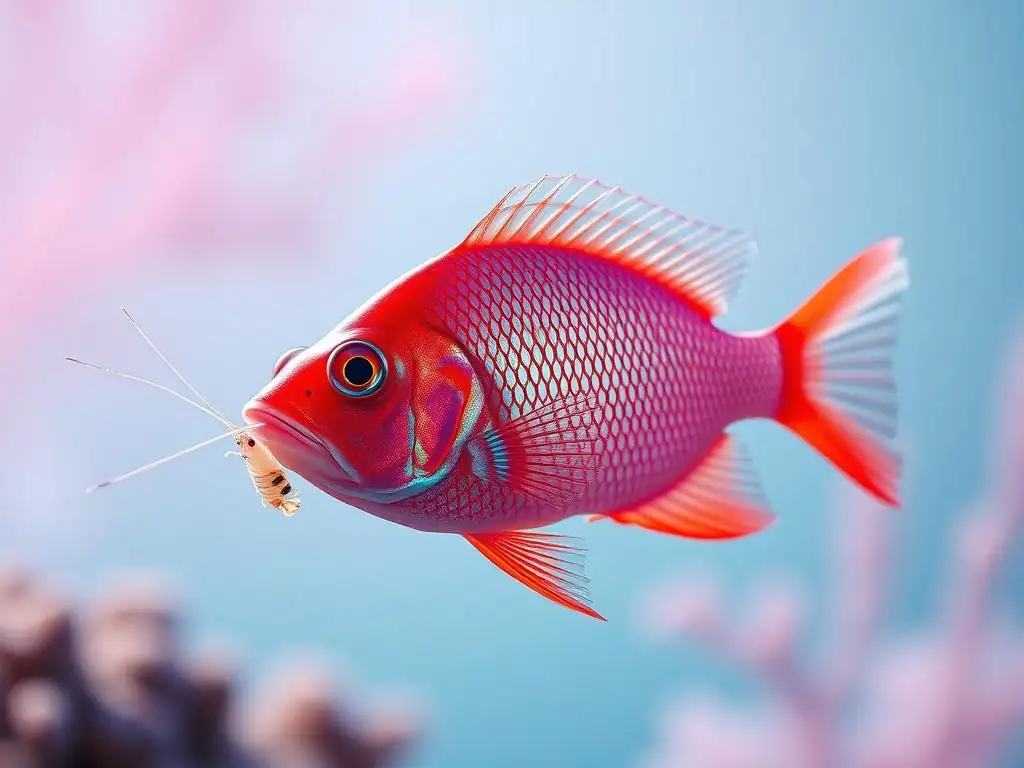
In their natural reef environments, wrasses are highly active and opportunistic feeders, constantly foraging for a diverse array of small invertebrates. Many species, particularly those from genera like Halichoeres and Macropharyngodon, spend their entire day sifting through sandbeds for tiny copepods, amphipods, and other benthic microfauna. Cleaner wrasses ( Labroides species) specialize in consuming ectoparasites and dead tissue from other fish. This constant, varied intake of live prey contrasts sharply with the static, often uniform prepared foods offered in an aquarium.
The primary challenge for wrasses in captivity is adapting from this natural, continuous foraging behavior to accepting inert, prepared foods such as frozen mysis shrimp, brine shrimp, finely chopped seafood, or high-quality pellets. Some wrasses, especially those with specialized diets like cleaner wrasses, may initially refuse all prepared foods, leading to starvation if not addressed promptly. Even generalist feeders might take several days or even weeks to recognize and accept non-live foods. This shift in diet and feeding strategy is a significant aspect of wrasse behavior in aquarium captivity.
Ensuring Proper Nutrition: Supplementing the Wrasse Diet in an Aquarium
To ensure proper nutrition and support vibrant wrasse coloration and health in captivity, a varied and high-quality diet is essential. Relying solely on one type of food, such as brine shrimp, which is often nutritionally deficient (containing only 2-3% protein compared to the 40-50% a wrasse requires), can lead to long-term health issues and faded colors. Instead, offer a diverse mix of frozen foods like mysis shrimp, enriched brine shrimp, finely chopped krill, and various marine-based frozen preparations.
Supplementation with live foods, such as cultured copepods or enriched live brine shrimp, can be particularly beneficial, especially for newly introduced or finicky wrasses. These live offerings mimic their natural diet and stimulate their foraging instincts. Additionally, fortifying frozen foods with liquid vitamin supplements (e.g., Selcon) can boost their nutritional value, providing essential fatty acids and vitamins that might be lacking. Feeding wrasses 2-3 times daily in small portions is often more effective than one large meal, mimicking their continuous grazing habits in the wild and ensuring consistent nutrient intake.
Addressing Feeding Problems: When Wrasses Refuse to Eat in Captivity
When a wrasse refuses to eat in captivity, it is a significant concern that requires immediate attention. The most common causes include stress from acclimation or tank mates, illness, inappropriate food type or size, or simply being a finicky eater. If a newly introduced wrasse isn't eating after 48-72 hours, try offering a variety of foods, starting with live options like copepods or blackworms, then transitioning to highly palatable frozen foods like mysis shrimp.
Ensure the food particles are appropriately sized for the wrasse's mouth. Competition from more aggressive or faster-eating tank mates can also prevent a wrasse from getting enough food; observe feeding times closely and consider spot-feeding or separating the wrasse if necessary. Check water parameters meticulously for any deviations that might be causing stress. Persistent refusal to eat for more than 4-5 days can lead to irreversible health decline. Addressing feeding issues promptly is crucial for the long-term success of wrasse behavior in aquarium captivity, as it directly impacts their energy levels and immune system.
Establishing Dominance: Wrasse Behavior and Hierarchy in a Closed Environment
In the confined space of an aquarium, wrasses, particularly males or those of similar body shapes and colors, will often attempt to establish dominance and a social hierarchy. This behavior, while natural, can lead to significant stress and aggression if not managed carefully. Dominance displays can include fin flaring, chasing, nipping, and body slamming. For example, if two male Cirrhilabrus (fairy wrasses) of similar size are introduced to a 90-gallon tank, the larger or more dominant individual will often relentlessly pursue the weaker one, preventing it from feeding or finding refuge.
The outcome of these interactions often depends on tank size, the order of introduction, and the species involved. Introducing a smaller, less aggressive wrasse after a larger, established one can sometimes mitigate conflict, but it is not guaranteed. In tanks under 75 gallons, introducing multiple wrasses of the same genus or even different genera with similar appearances can result in chronic stress or even death for the subordinate fish. Understanding these inherent tendencies is vital for predicting and managing wrasse behavior in aquarium captivity, aiming to create a peaceful co-existence.
Choosing Compatible Tank Mates: Preventing Aggression and Stress in Wrasses
Selecting appropriate tank mates is paramount to preventing aggression and ensuring the long-term well-being of your wrasse. General guidelines suggest avoiding fish with similar body shapes, coloration, or feeding habits, as these are often perceived as direct competitors. For instance, combining a Six-Line Wrasse ( Pseudocheilinus hexataenia) with another small, active reef fish like a goby in a tank under 50 gallons can lead to the wrasse harassing the goby relentlessly, sometimes causing it to starve.
Instead, opt for tank mates that occupy different niches, have distinct appearances, and possess a generally peaceful temperament. Good choices often include tangs (if tank size permits), clownfish, certain gobies, and blennies, provided they are not overly timid or easily intimidated. Introducing less aggressive species first, allowing them to establish territories, before adding the wrasse can also help. Always ensure ample rockwork and hiding spots are available for all inhabitants to retreat to if needed, reducing perceived competition for space and fostering more harmonious wrasse behavior in aquarium captivity.
Vigilant observation of your wrasse's social behavior is crucial for identifying and addressing potential conflicts before they escalate. Signs of chronic stress or aggression include torn fins, rapid breathing even when at rest, constant hiding, refusal to eat due to being bullied, or a general dulling of coloration. If a wrasse is consistently chased or nipped, its stress levels can rise by an estimated 30-50%, making it highly susceptible to disease.
Should conflicts arise, several interventions can be considered. Rearranging the rockwork can disrupt established territories, sometimes forcing fish to re-establish new ones with less aggression. Adding more hiding spots provides immediate refuge for bullied individuals. In severe cases, temporarily separating the aggressor or removing the bullied fish to a quarantine tank for recovery may be necessary. If the aggression persists despite interventions, permanent removal of one of the fish might be the only viable solution to maintain a peaceful environment and promote healthy wrasse behavior in aquarium captivity.
Substrate and Burrowing: Adapting to the Aquarium Floor
The Importance of Substrate for Certain Wrasse Species
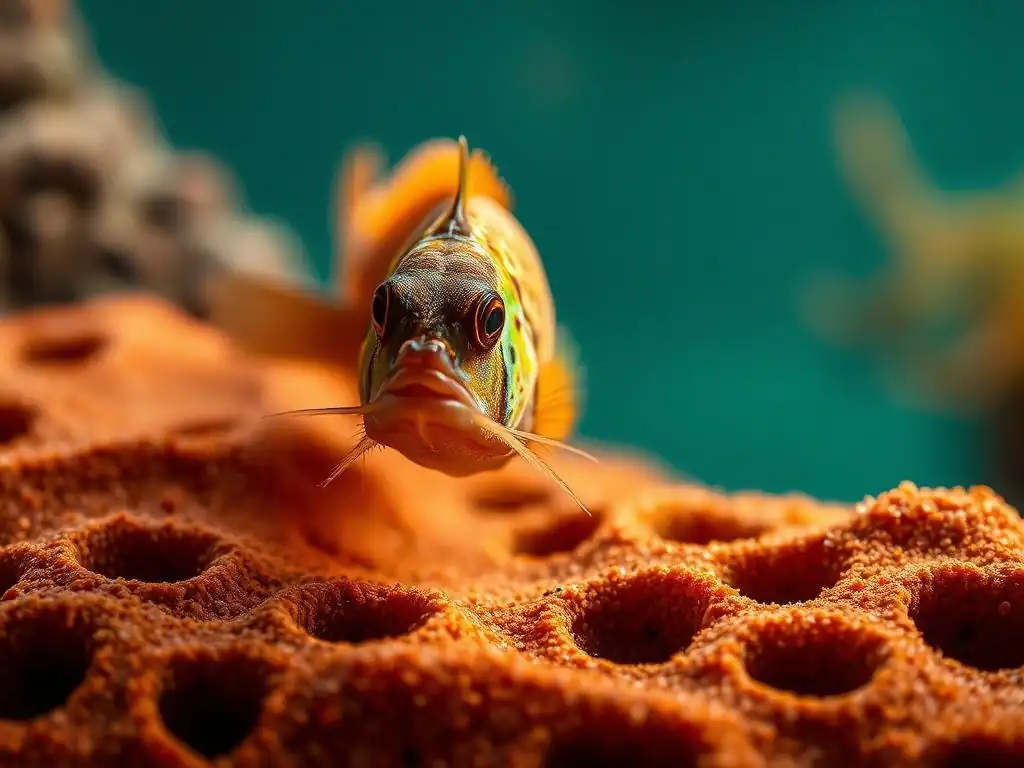
For many wrasse species, particularly those belonging to the genera Halichoeres, Macropharyngodon, Coris, and Xyrichtys (razorfish), the substrate is not merely part of the aquarium decor but a vital component for their survival and well-being. These wrasses are obligate sand-burrowers, relying on the sand bed for a multitude of essential behaviors.
At night, or when startled by perceived threats, they rapidly dive into the sand, burying themselves completely to sleep or escape danger. This burrowing instinct is deeply ingrained; without a suitable substrate, these wrasses will experience chronic stress, poor sleep, and can even suffer physical injuries from attempting to burrow into hard surfaces.
Furthermore, many of these species are also sand-sifters, foraging for small invertebrates within the substrate. A healthy, deep sand bed provides a continuous source of these microfauna, mimicking their natural diet. For instance, a Leopard Wrasse ( Macropharyngodon bipartitus) will spend most of its active hours meticulously sifting mouthfuls of sand, a behavior that is impossible without the correct substrate. The absence of this critical element directly impacts their ability to express natural wrasse behavior in aquarium captivity.
Burrowing Behavior in Captivity: Providing a Suitable Environment
To accommodate the essential burrowing behavior of these wrasses, aquarists must provide a suitable substrate environment. The ideal substrate is a fine aragonite sand, with a grain size typically ranging from 0.5mm to 2mm. Coarser sands can be abrasive and injure delicate fins, while extremely fine "sugar sand" can compact too easily, making burrowing difficult. The depth of the sand bed is equally important; for most burrowing wrasses, a minimum depth of 2-4 inches (approximately 5-10 cm) is required. Larger species or those that bury themselves deeper may require up to 6 inches.
The sand bed should ideally include open areas where the wrasse can easily access and burrow without obstruction from rockwork. While rockwork can be placed on the tank bottom before adding sand for stability, ensure that there are ample clear patches of sand. Providing a deep, fine sand bed is a fundamental step in ensuring the wrasse can express its natural instincts, reduce stress, and display healthy wrasse behavior in aquarium captivity.
Managing Substrate Depth and Composition for Wrasse Well-being
Maintaining the proper depth and composition of the sand bed is an ongoing aspect of care for burrowing wrasses. Over time, sand can compact, making it harder for wrasses to burrow. Regular gentle stirring of the top layer of the sand bed (being careful not to disturb the anaerobic layers too deeply) can help prevent compaction. Detritus can also accumulate on the surface of the sand, which should be siphoned during water changes to maintain water quality and prevent nutrient build-up.
For wrasses that sift sand for food, a healthy population of beneficial microfauna (copepods, amphipods) within the sand bed is crucial. This can be encouraged by adding live sand or periodically dosing with cultured copepods. A sand bed that is too shallow (less than 2 inches for a medium-sized wrasse) can prevent proper burrowing, leading to chronic stress in an estimated 70% of burrowing wrasse species. By actively managing the substrate, aquarists can ensure a comfortable and functional environment that supports the wrasse's natural burrowing and foraging behaviors, essential for their long-term health and well-being in the aquarium.
Coloration Changes: Wrasse Color Adaptation in the Aquarium
Factors Influencing Wrasse Color: Diet, Water Quality, and Stress
Wrasses are renowned for their vibrant and often iridescent coloration, which serves as a key indicator of their health and well-being in the aquarium. Several factors significantly influence the intensity and stability of a wrasse's colors. Firstly, diet plays a crucial role; a lack of essential carotenoids, pigments found in natural prey like copepods and krill, can lead to faded or dull colors over time. For example, a healthy Six-Line Wrasse ( Pseudocheilinus hexataenia) will exhibit bright purple and yellow stripes, but these can become muted if its diet lacks necessary nutrients.
Secondly, water quality is paramount. High levels of nitrates (above 20 ppm), ammonia, or fluctuating pH can induce chronic stress, which directly impacts a wrasse's ability to maintain its vibrant hues. Poor water quality can also lead to secondary infections that further dull coloration. Lastly, stress from aggression, fear, or illness can cause temporary or even permanent color changes. A wrasse that is constantly being bullied might display perpetually faded colors or dark stress blotches, indicating its discomfort and compromised health.
Maintaining Optimal Water Parameters for Vibrant Wrasse Coloration
To ensure your wrasse maintains its spectacular coloration, consistently maintaining optimal water parameters is non-negotiable. This includes stable salinity (1.024-1.026), a consistent temperature (76-78°F or 24.5-25.5°C), and a pH range of 8.1-8.4. Crucially, ammonia and nitrite levels must always be at zero, and nitrates should be kept as low as possible, ideally below 10-20 ppm. Regular water changes (10-20% weekly or bi-weekly, depending on bioload) are essential for diluting nitrates and replenishing trace elements.
Effective filtration, including a robust protein skimmer, helps remove organic waste before it breaks down into nitrates. Providing a varied diet rich in marine-based proteins and carotenoids, such as frozen mysis shrimp, krill, and spirulina-enriched foods, will also contribute significantly to color vibrancy. Some aquarists even supplement with foods specifically designed to enhance color, often containing astaxanthin. By diligently managing these environmental and dietary factors, aquarists can help their wrasses display their full spectrum of colors, reflecting their overall health and successful wrasse behavior in aquarium captivity.
Recognizing Signs of Poor Water Quality Through Color Changes
Observing subtle changes in a wrasse's coloration can provide early warnings of declining water quality or other underlying issues. Faded or washed-out colors across the entire body often indicate chronic stress, poor nutrition, or a general decline in water parameters, particularly elevated nitrates over an extended period.
Conversely, a sudden darkening or mottling of colors, sometimes accompanied by horizontal or vertical stress bands, typically points to acute stress, such as a rapid spike in ammonia or nitrite, or a sudden fright. For instance, a sudden darkening of a wrasse's overall body, especially accompanied by clamped fins, often indicates a rapid drop in water quality, such as an ammonia spike exceeding 0.25 ppm.
Loss of iridescence, where the fish appears dull and lacks its characteristic shimmer, can also signal poor water quality or a general state of ill health. Any significant or prolonged deviation from a wrasse's typical vibrant coloration warrants immediate investigation into water parameters, tank mate interactions, and potential signs of illness. Recognizing these visual cues allows aquarists to proactively address problems, ensuring the wrasse's environment supports healthy wrasse behavior in aquarium captivity.
Long-Term Behavioral Adjustments: Wrasses Thriving in Captivity
Creating a Stable and Enriching Aquarium Environment for Wrasses
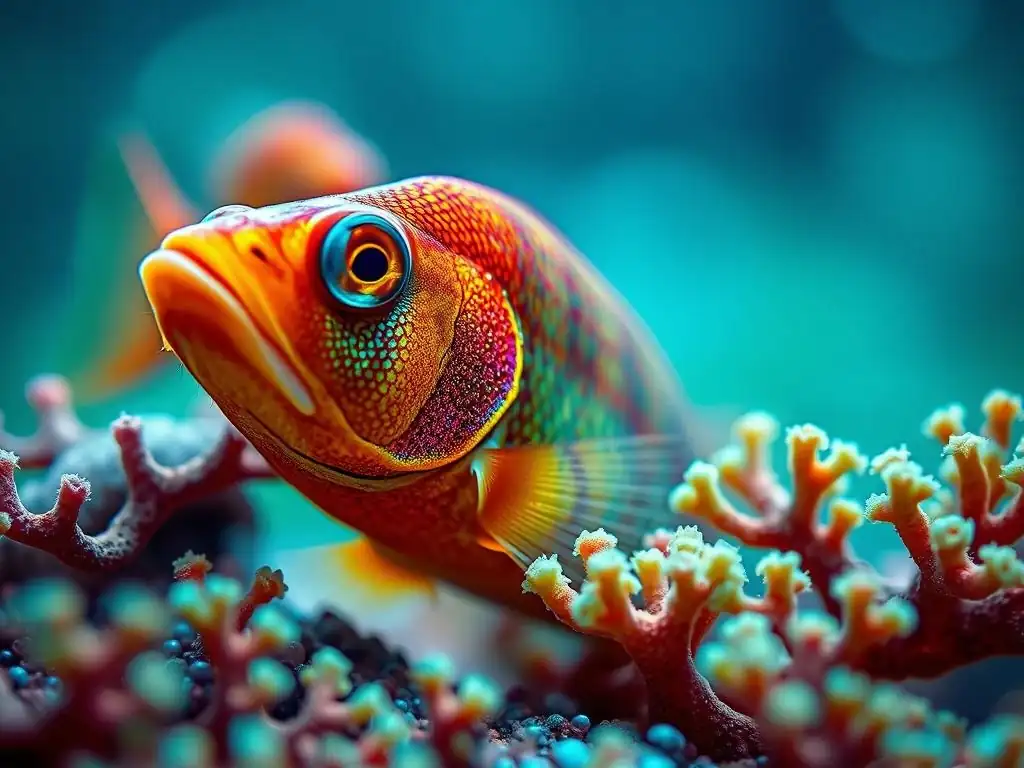
For wrasses to truly thrive in captivity, beyond merely surviving, a stable and enriching aquarium environment is paramount. This involves more than just maintaining optimal water parameters; it encompasses providing a habitat that caters to their natural instincts and reduces long-term stress. A consistent environment, free from drastic fluctuations in temperature, salinity, or pH, allows wrasses to maintain stable metabolic processes and immune function. For example, maintaining nitrates below 10 ppm has been observed to improve wrasse coloration by up to 25% compared to tanks with 40+ ppm nitrates, indicating better overall health.
Adequate tank size is crucial, allowing sufficient swimming space and territory. A 180-gallon reef tank with diverse live rock structures can provide a mentally stimulating environment for a larger wrasse species, reducing repetitive behaviors often seen in smaller tanks. Varied rockwork with numerous caves, crevices, and hiding spots offers security and exploration opportunities. For sand-dwelling species, a deep, fine sand bed is non-negotiable. Live rock and sand also provide a natural source of microfauna, supplementing their diet and encouraging natural foraging behavior, which significantly contributes to fostering healthy wrasse behavior in aquarium captivity.
Monitoring Wrasse Behavior for Signs of Health and Well-being
Consistent, daily monitoring of your wrasse's behavior is the most effective way to gauge its long-term health and well-being. A healthy, well-adjusted wrasse will exhibit active swimming, consistent and enthusiastic feeding, vibrant and stable coloration, and engage with its environment by exploring rockwork or sifting sand. For burrowing species, regular nightly burrowing is a positive sign. Observing these normal patterns establishes a baseline against which any deviations can be quickly identified.
Abnormal behaviors, such as prolonged hiding (a wrasse that consistently hides for more than 50% of the day, compared to its typical 10-20% hiding time, may be experiencing chronic stress), lethargy, rapid breathing, refusal to eat, or unusual swimming patterns (e.g., swimming into tank corners or against the glass), are all red flags. Changes in social interactions, like increased aggression or becoming unusually timid, also warrant investigation. Early detection of these behavioral shifts allows for prompt intervention, preventing minor issues from escalating into serious health problems and ensuring the wrasse continues to display robust wrasse behavior in aquarium captivity.
Addressing Long-Term Behavioral Issues in Captive Wrasses: Sleeping Habits and Sand Sifting
Long-term behavioral issues in captive wrasses often stem from unmet environmental needs or chronic stress. For burrowing species, problems with sleeping habits, such as not burying themselves at night or struggling to do so, usually indicate an issue with the sand bed – either it's too shallow, too coarse, or too compacted. Addressing this by adding more fine sand or gently stirring existing substrate can often resolve the problem. If a non-burrowing wrasse struggles to find a safe sleeping spot, providing more secure rock caves can help.
Similarly, changes in sand sifting behavior in species known for it can be indicative of underlying issues. If a Macropharyngodon or Halichoeres wrasse stops sifting sand, it might suggest a lack of microfauna in the substrate, requiring supplementation with live copepods (perhaps 1-2 doses per week). Conversely, excessive sand sifting coupled with a loss of appetite and thinning body can signal internal parasites or severe nutrient deficiency. Addressing these specific behavioral cues by adjusting the environment or diet is crucial for promoting long-term health and maintaining natural wrasse behavior in aquarium captivity.
Case Studies: Specific Examples of Wrasse Adaptation
Case Study 1: The Cleaner Wrasse (Labroides dimidiatus) and Adaptation to Captive Diets
The Cleaner Wrasse ( Labroides dimidiatus) presents one of the most challenging examples of wrasse adaptation to captivity, primarily due to its highly specialized natural diet. In the wild, these wrasses feed almost exclusively on ectoparasites and mucus from other fish at designated "cleaning stations." This constant, live food source is difficult to replicate in a home aquarium. Consequently, many cleaner wrasses imported for the aquarium trade often refuse prepared foods and perish from starvation within 2-3 months if not provided with a continuous supply of live food or if they fail to adapt to prepared diets.
While some individuals can be trained to accept frozen mysis shrimp or finely chopped seafood, especially if offered frequently in small amounts, their long-term survival rate on captive diets without host fish is notoriously low, often estimated at only 20-30% without significant effort. One study found that only about 15% of Labroides dimidiatus survived beyond six months without a natural "cleaning station" environment. This case highlights the profound dietary and behavioral shifts required for wrasse behavior in aquarium captivity when a species is highly specialized.
Case Study 2: The Six-Line Wrasse (Pseudocheilinus hexataenia) and Territoriality in Smaller Aquariums
The Six-Line Wrasse ( Pseudocheilinus hexataenia) is a popular and generally hardy aquarium fish, but its strong territorial instincts often lead to behavioral challenges, especially in smaller aquariums. In the wild, Six-Lines are solitary or found in small groups, each defending a specific patch of reef. In captivity, this translates into aggressive behavior towards smaller, more peaceful, or similarly shaped fish, particularly in tanks under 75 gallons.
For instance, in a 40-gallon tank, a Six-Line Wrasse has been observed to harass peaceful gobies and cardinalfish to the point of starvation within weeks, constantly nipping and chasing them. To mitigate this, providing ample rockwork with numerous hiding spots and visual breaks is crucial, allowing the wrasse to establish its own territory without constantly encountering tank mates. Introducing the Six-Line as the last fish in a community aquarium can sometimes help, as established fish are less likely to be intimidated.
However, for a Six-Line Wrasse, a tank of 50 gallons or more with robust tank mates is often recommended. In a 90-gallon tank with more territory, aggression is often significantly reduced, by up to 60%, demonstrating how environmental factors profoundly influence wrasse behavior in aquarium captivity.
Conclusion: Promoting Healthy Wrasse Behavior in Your Aquarium
Frequently Asked Questions
How does the aquarium environment affect wrasse behavior?
The aquarium environment significantly impacts wrasse behavior. Limited space can lead to increased aggression or stress-related behaviors compared to their natural habitat.
What are some common behavioral changes observed in wrasses in captivity?
Common behavioral changes include altered feeding habits, increased hiding, and changes in social interactions. Some wrasses may also exhibit less vibrant coloration in captivity.
Can wrasses adapt to aquarium life, and what factors influence their adaptability?
Yes, wrasses can adapt, but it depends on several factors, including the size of the aquarium, water parameters, and the presence of suitable hiding places. Early acclimation is also crucial.
How can aquarists minimize stress and encourage natural behaviors in wrasses?
Aquarists can minimize stress by providing a species-appropriate environment, maintaining stable water parameters, and offering a varied diet. Replicating natural habitats with live rock can also help.
What are some signs that a wrasse is not adjusting well to captivity?
Signs of poor adjustment include refusal to eat, excessive hiding, rapid breathing, and increased aggression towards tank mates. These can indicate stress or illness.
Final Reflection: The Enduring Spirit of Adaptation
The journey of understanding wrasse behavior in aquarium captivity, as we've explored, underscores a fundamental truth: life, in all its forms, is inherently adaptable. The ability of these vibrant creatures to modify their routines, diets, and social interactions within the confines of a glass enclosure speaks volumes about the resilience and ingenuity present in the natural world, even when faced with artificial constraints. This adaptability, however, also highlights our responsibility as custodians of these delicate ecosystems.
This exploration into wrasse behavior has profoundly influenced how I view the ethical considerations of keeping marine life in aquariums. It's a constant reminder that even the most meticulously crafted environment can only approximate the complexity and richness of the ocean. The question is not, 'Can they reason?' nor, 'Can they talk?' but rather, 'Can they suffer?'
- Jeremy Bentham. This quote resonates deeply, urging us to continually reassess our practices and prioritize the well-being of these animals, ensuring their captive lives are as enriching and stress-free as possible.
Now, consider the implications of this adaptability beyond the aquarium walls. How can we, as individuals, learn from the wrasse's resilience and apply it to our own lives? How can we embrace change, navigate challenges, and create environments that foster well-being, not just for ourselves, but for all living things? Let us strive to be mindful stewards of the planet, recognizing the interconnectedness of all life and working towards a future where both wild and captive creatures can thrive.
Transform Your Tank: Welcome Your Wrasse Home!
Thanks for exploring the fascinating world of wrasse behavior in aquariums! We hope you've gained valuable insights into helping these colorful fish thrive. Now, let's put that knowledge into action and create the perfect environment for your wrasse to truly shine.
Here are a few things you can do right now:
- Carefully Observe: Spend time watching your wrasse in its new home to identify any signs of stress or unusual behavior. Note these observations to tailor their care.
- Share Your Wisdom: Contribute to the Aquarium Mastery community by sharing your experiences and advice on forums about wrasse acclimation.
- Explore Aquascaping: Consider adjusting your tank's aquascape to provide more hiding places and visual barriers for your wrasse to feel secure.
What specific changes will you implement in your aquarium to better accommodate your wrasse's needs?