
Do Wrasses Exhibit Intelligence? Surprising Behaviors Uncovered

Welcome to Aquarium Mastery!
Ever wondered if your colorful wrasse is more than just a pretty face? Dive into the fascinating world of intelligent wrasse behavior patterns and uncover the surprising cognitive abilities of these captivating saltwater fish. Get ready to rethink everything you thought you knew about your aquatic friends… and discover secrets that will deepen your connection with your underwater world!
- Introduction: Unveiling the Cognitive Abilities of Wrasses
- Decoding Wrasse Behavior: What Suggests Intelligence?
- Wrasse Memory and Spatial Awareness: Navigating the Reef and Aquarium
- Comparing Wrasse Intelligence to Other Fish Species
- Specific Examples of Intelligent Wrasse Behavior Patterns
- Factors Influencing Wrasse Intelligence: Environment and Genetics
- How to Stimulate Intelligent Behavior in Your Aquarium Wrasse
- Ethical Considerations: Keeping Intelligent Wrasses in Aquariums
- Conclusion: The Fascinating World of Wrasse Intelligence
-
Frequently Asked Questions
- How do wrasses demonstrate intelligent wrasse behavior patterns in their daily lives?
- What evidence supports the claim that wrasses possess cognitive abilities beyond simple instinct?
- Are there specific wrasse species known for displaying particularly advanced intelligent wrasse behavior patterns?
- How does the wrasse's brain structure compare to other fish known for their intelligence, like cichlids?
- What are some practical ways aquarists can stimulate intelligent wrasse behavior patterns in a home aquarium?
- Final Reflection: Unveiling the Wrasse's Hidden Potential
- Dive Deeper: Uncover the Wrasse's World!
Introduction: Unveiling the Cognitive Abilities of Wrasses
Aquarium Mastery Explores the Intelligence of Wrasses
Wrasses, a vast and diverse family of marine fish, are celebrated by aquarists for their vibrant colors, active swimming patterns, and intriguing personalities. While often admired for their aesthetic appeal in a reef tank, the depth of their cognitive abilities frequently goes unnoticed. At Aquarium Mastery, we delve beyond their superficial charm to explore the surprising evidence suggesting that many wrasse species exhibit complex problem-solving skills, memory, and social learning—attributes typically associated with higher forms of intelligence.
This article aims to illuminate the fascinating world of intelligent wrasse behavior patterns, drawing upon scientific observations and anecdotal evidence from experienced aquarists. By understanding the true cognitive potential of these fish, we can better appreciate their unique needs and provide environments that foster their well-being and allow their natural intelligence to flourish.
Why Understanding Wrasse Intelligence Matters for Aquarists
Recognizing the intelligence of wrasses is not merely an academic exercise; it has profound implications for how we keep and care for them in our home aquariums. If wrasses are indeed capable of complex thought, memory, and learning, then providing them with a barren or unstimulating environment could lead to boredom, stress, and even abnormal behaviors.
For the dedicated aquarist, understanding intelligent wrasse behavior patterns means moving beyond basic survival needs to providing enrichment that challenges their minds and encourages their natural behaviors. This can lead to healthier, more active, and more engaging fish, transforming the aquarium from a mere display into a dynamic ecosystem where intelligent creatures thrive.
Decoding Wrasse Behavior: What Suggests Intelligence?
Complex Problem-Solving in Wrasses: Corkwing Wrasses Opening Clams
One of the most striking examples of problem-solving in wrasses comes from observations of the Corkwing Wrasse ( Symphodus melops) in the wild. These wrasses have been documented using rocks as anvils to crack open bivalves, such as mussels and clams, to access the soft tissue inside. This behavior is not a simple reflex but involves a sequence of deliberate actions: identifying the food source, recognizing the barrier (the shell), selecting an appropriate tool (a rock), and repeatedly striking the bivalve against it until it opens.
This specific intelligent wrasse behavior pattern demonstrates a significant cognitive leap. It implies an understanding of cause and effect, the ability to select and manipulate an external object for a specific purpose, and persistence in achieving a goal. Such actions are highly indicative of advanced problem-solving capabilities, putting wrasses in a select group of animals known for tool use.
Wrasse Tool Use: A Sign of Advanced Cognition?
Beyond the Corkwing Wrasse's notable clam-cracking, other wrasse species, particularly the Spanish Hogfish ( Bodianus rufus) and the Blackspot Tuskfish ( Choerodon schoenleinii), have been observed moving small rocks or shells in their environment, sometimes to uncover buried prey or to create shelter. While not always as explicit as the Corkwing's anvil use, these actions suggest an active manipulation of their surroundings for specific benefits.
The consistent observation of wrasses utilizing elements of their environment in novel ways points towards a level of cognitive flexibility. This isn't merely foraging; it’s an active engagement with their habitat that indicates foresight and an adaptive approach to resource acquisition and protection. Such intelligent wrasse behavior patterns challenge the traditional view of fish as purely instinct-driven creatures.
Cleaner wrasses ( Labroides dimidiatus) offer compelling evidence of social learning and complex communication. Juveniles often observe adult cleaner wrasses at their "cleaning stations," learning the intricate dance of inspecting client fish for parasites and dead tissue. This apprenticeship involves observing specific gestures, movements, and interactions that ensure cooperation from client fish.
Furthermore, some species, like the False Cleaner Wrasse ( Aspidontus taeniatus), mimic the appearance and movements of true cleaner wrasses to approach larger fish and then bite off pieces of fin or skin. This deceptive mimicry requires an understanding of the true cleaner's behavior and the client fish's expectations, showcasing a sophisticated form of social intelligence and strategic deception within their intelligent wrasse behavior patterns.
Long-Term Memory in Wrasses: Recognizing Individuals and Locations
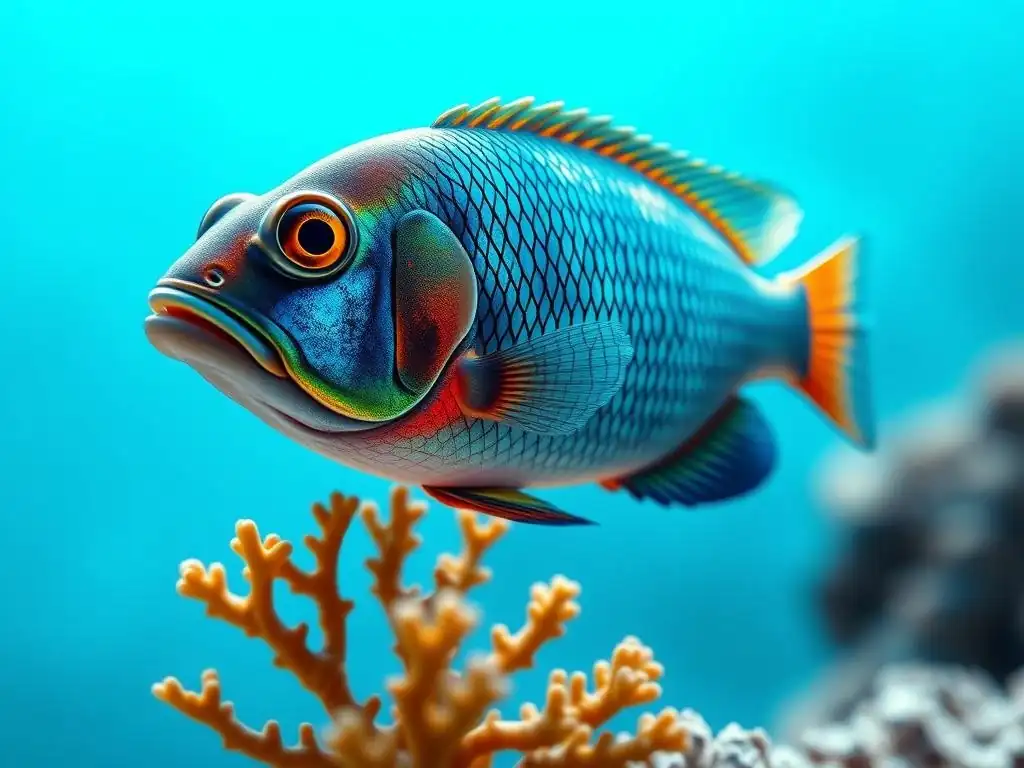
Wrasses, particularly those that establish territories or return to specific sleeping spots, exhibit remarkable long-term memory. Many species, such as the Six-line Wrasse ( Pseudocheilinus hexataenia), are known to consistently return to the same crevice or sand patch to bury themselves for the night, day after day. This requires not only spatial recall but also an ability to remember specific locations over extended periods.
In the context of cleaner wrasses, studies have indicated their capacity to remember individual client fish, distinguishing between "regular" clients and new arrivals, and even recalling the specific preferences or sensitivities of certain clients for several hours or even days. This ability to form and retain associations with individual fish points to a sophisticated long-term memory system crucial for their cooperative cleaning symbiosis.
Spatial Reasoning in Wrasses: Finding Food and Avoiding Predators
The active foraging strategies of many wrasses inherently demand excellent spatial reasoning. Species like the Dragon Wrasse ( Novaculichthys taeniourus) are constantly exploring complex reef structures, flipping over rocks, and digging through sand to uncover invertebrates. Their ability to navigate intricate three-dimensional environments, remember where they've searched, and locate new feeding grounds demonstrates advanced spatial mapping capabilities.
When threatened, wrasses often dart into specific, known hiding spots. Their rapid, direct movement to these safe havens, even in a chaotic environment, signifies a well-developed mental map of their surroundings. This consistent display of efficient navigation and strategic evasion highlights their strong spatial awareness, a key aspect of their intelligent wrasse behavior patterns.
Comparing Wrasse Intelligence to Other Fish Species
Wrasses vs. Damselfish: A Cognitive Comparison
When comparing wrasses to damselfish, a notable difference in cognitive complexity often emerges. While damselfish are highly territorial and exhibit defensive behaviors, their interactions and problem-solving skills tend to be less varied and sophisticated than those observed in many wrasse species. Damselfish typically rely on aggressive displays and direct defense of their chosen patch.
In contrast, wrasses often demonstrate more nuanced behaviors, such as tool use, complex foraging strategies that involve manipulation of the environment, and intricate social dynamics (like cleaner wrasses). The range of intelligent wrasse behavior patterns, from cooperative cleaning to strategic hunting, generally suggests a broader spectrum of cognitive abilities compared to the more straightforward, albeit effective, defensive and territorial behaviors of damselfish.
Wrasses and Parrotfish: Similarities and Differences in Intelligence
Wrasses and parrotfish share some familial ties and exhibit a few common behaviors, such as the ability of many species to bury themselves in sand at night for protection. Both groups are active diurnal foragers, constantly exploring their environment for food. Parrotfish, with their strong beaks, are masters of scraping algae off coral and rocks, playing a vital role in reef ecosystems.
However, the specific manifestations of intelligence can differ. While parrotfish are adept at their specialized grazing, wrasses often display more direct evidence of tool use or complex social learning, as seen in cleaner wrasses. These specific intelligent wrasse behavior patterns, particularly those involving active manipulation of objects or intricate social contracts, suggest distinct cognitive strengths within the broader family of reef fish.
Are Wrasses Smarter Than We Thought? Comparison to Goldfish
The common perception of "fish intelligence" is often unfairly shaped by the goldfish, which is frequently, though inaccurately, associated with a three-second memory. Research has shown that goldfish can be trained to perform tricks, learn to navigate mazes, and remember patterns for months. Yet, wrasses often exhibit a wider array of behaviors that suggest a higher degree of cognitive flexibility and problem-solving.
The documented tool use, complex social interactions, and sophisticated foraging strategies of wrasses surpass the typical observed behaviors of goldfish. While both are capable of learning, the breadth and depth of intelligent wrasse behavior patterns, particularly in their natural reef environments, suggest a more advanced and adaptable cognitive capacity, challenging simplistic notions of fish intelligence.
Specific Examples of Intelligent Wrasse Behavior Patterns
The Cleaner Wrasse: A Master of Cooperation and Communication
The Cleaner Wrasse ( Labroides dimidiatus) is perhaps the most famous example of intelligent wrasse behavior patterns. Operating from designated "cleaning stations" on the reef, these small fish provide a vital service by removing parasites, dead skin, and mucus from larger "client" fish. Their interactions are incredibly sophisticated, involving a delicate dance of communication and trust.
Cleaner wrasses use specific swimming patterns and tactile stimulation to encourage clients to pose for cleaning. They have been observed distinguishing between individual clients, remembering their preferences, and even prioritizing certain fish based on their importance to the cleaning station's "business." This complex system of cooperation, communication, and reciprocal altruism highlights their remarkable social intelligence.
The Hogfish: Strategic Foraging and Problem-Solving Skills
Hogfish, such as the Spanish Hogfish ( Bodianus rufus) and the Hawkeye Hogfish ( Bodianus oxycephalus), are known for their strategic foraging techniques. Many species actively root through sandy substrates or flip over rocks with their powerful snouts to uncover hidden invertebrates like crabs and mollusks. This isn't random digging; it's a targeted effort to access prey.
Aquarists often report that Hogfish quickly learn feeding routines and can even recognize their specific caretakers, associating them with food. Some anecdotal accounts describe Hogfish following larger, sand-disturbing tank mates to capitalize on dislodged prey, indicating a clever opportunistic feeding strategy. These observations underscore their adaptability and problem-solving abilities within their intelligent wrasse behavior patterns.
The Harlequin Tuskfish: Adapting to Aquarium Environments
The Harlequin Tuskfish ( Choerodon fasciatus) is a highly sought-after aquarium fish, not only for its striking colors but also for its engaging personality and apparent intelligence. These wrasses are known for their curious and active exploration of their environment, often rearranging small pieces of live rock or digging in the sand to create their preferred resting spots.
In captivity, Harlequin Tuskfish quickly learn to recognize their aquarists and feeding times, often swimming to the front of the tank in anticipation. They readily adapt to hand-feeding or taking food from tongs, demonstrating a high degree of trainability and comfort with human interaction. Their inquisitive nature and ability to manipulate their surroundings are clear indicators of intelligent wrasse behavior patterns in a home aquarium setting.
Factors Influencing Wrasse Intelligence: Environment and Genetics
The Role of Tank Size and Complexity in Wrasse Cognitive Development
The environment in which a wrasse lives plays a crucial role in the expression and potential development of its intelligence. A larger, more complex aquarium, replete with ample live rock structures, varied substrate depths, and intricate hiding spots, provides numerous opportunities for exploration, problem-solving, and natural foraging behaviors. Such an environment encourages the wrasse to actively engage its cognitive abilities.
Conversely, a small, barren tank with limited hiding places and monotonous decor can stifle a wrasse's natural intelligent behavior patterns. Lack of stimulation can lead to boredom, stress, and the development of abnormal or lethargic behaviors. Providing an enriching habitat is paramount for fostering a wrasse's cognitive well-being and allowing its intelligence to shine.
Genetic Predisposition and Learning Ability in Wrasses
While environmental factors are significant, there is also an inherent genetic component that influences a wrasse's predisposition for certain types of intelligence and its capacity for learning. Different wrasse species have evolved unique cognitive strengths tailored to their specific ecological niches. For instance, the innate social learning capacity of cleaner wrasses is likely more pronounced than in a solitary, sand-diving wrasse species.
Furthermore, even within a single species, individual wrasses may exhibit variations in their learning speed and problem-solving aptitude, much like other animals. This suggests a blend of inherited traits and learned experiences contribute to the full spectrum of intelligent wrasse behavior patterns observed. Understanding this interplay helps aquarists appreciate the unique cognitive makeup of each wrasse.
How to Stimulate Intelligent Behavior in Your Aquarium Wrasse
Providing Enrichment: Toys, Puzzles, and Interactive Feeding
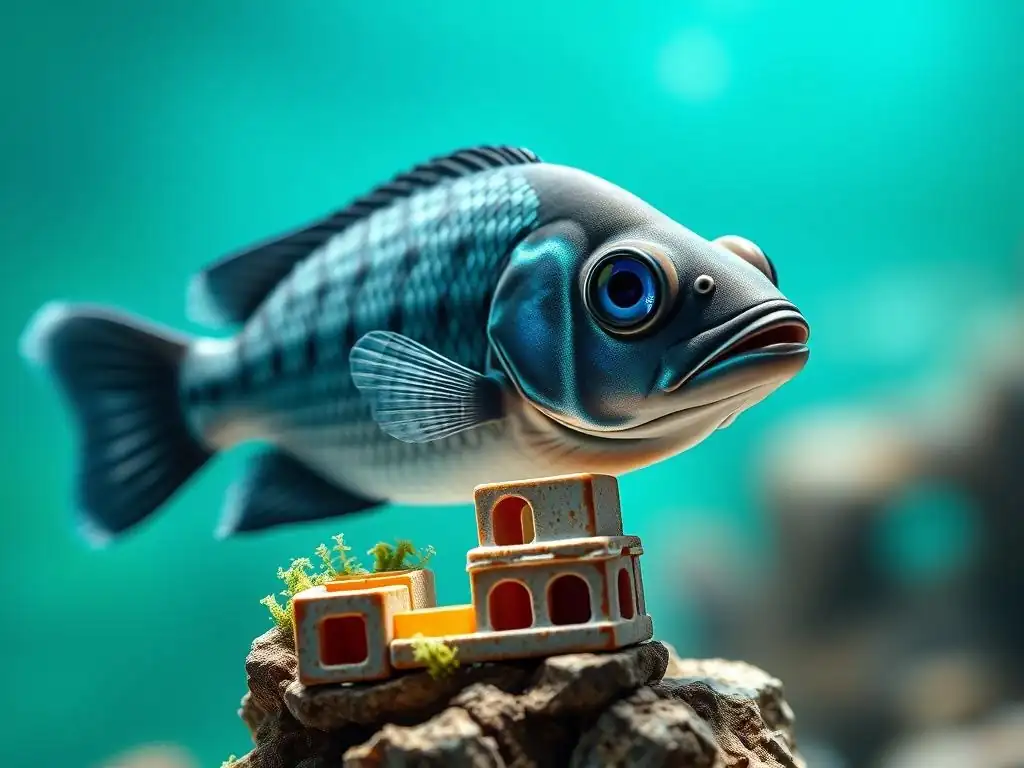
To stimulate intelligent wrasse behavior patterns in your aquarium, consider providing various forms of enrichment. This can include hiding food in crevices within the rockwork, using feeding clips to offer algae sheets or other foods that require some manipulation, or even introducing "puzzle feeders" where the wrasse must figure out how to access a treat. Small, fish-safe objects that can be nudged or explored can also provide mental stimulation.
Interactive feeding is another excellent way to engage your wrasse. Instead of simply dumping food into the tank, try using tongs to present food in different locations or at varying depths. This encourages the wrasse to actively seek and pursue its meals, mimicking natural foraging challenges and promoting more dynamic intelligent wrasse behavior patterns.
Creating a Natural Environment: Reef Structure and Diverse Tank Mates
Mimicking a natural reef environment is fundamental for encouraging a wrasse's innate intelligence. Provide ample live rock with numerous caves, overhangs, and hiding spots that the wrasse can explore and claim as territory. For species that bury themselves, ensure a deep, soft sand bed (at least 3-4 inches) that allows them to fully submerge for rest or security.
Introducing appropriate and diverse tank mates can also contribute to a stimulating environment. A peaceful community of fish that interacts in natural ways, without undue aggression, provides social stimuli and prevents boredom. Observing and interacting with other species can encourage a wrasse to exhibit more natural and intelligent wrasse behavior patterns.
Observing and Responding to Your Wrasse's Unique Needs
Every wrasse is an individual, and recognizing their unique personality and preferences is key to effective enrichment. Spend time observing your wrasse's daily routines, how it interacts with its environment, and what activities seem to engage it most. Does it enjoy digging? Exploring new rockwork? Hunting for specific types of food?
By carefully observing your wrasse, you can tailor your enrichment efforts to its specific needs and interests. If a wrasse appears bored or stressed, it may be a sign that more cognitive stimulation or a change in its environment is needed. Responsive care, based on direct observation, is essential for fostering the full range of intelligent wrasse behavior patterns.
Ethical Considerations: Keeping Intelligent Wrasses in Aquariums
The Responsibility of Aquarists to Provide a Stimulating Environment
Given the compelling evidence for intelligent wrasse behavior patterns, aquarists who choose to keep these fascinating fish bear a significant ethical responsibility. It extends beyond merely providing adequate tank size and pristine water quality. It means recognizing their cognitive needs and actively striving to provide an environment that is mentally stimulating and enriching.
Failing to meet these intellectual demands can lead to chronic stress, apathy, or the development of repetitive, abnormal behaviors, diminishing the quality of life for these intelligent creatures. A truly responsible aquarist aims to provide a habitat where a wrasse can not only survive but also thrive, expressing its natural curiosity and problem-solving abilities.
Alternatives to Keeping Wrasses: Supporting Conservation Efforts
For individuals who may not be able to provide the demanding and stimulating environment that intelligent wrasse behavior patterns require, there are ethical alternatives. Instead of acquiring a wrasse for a less-than-ideal setup, consider enjoying these fish in large, professionally managed public aquariums, where their complex needs are more easily met. Documentaries and educational resources also offer a wonderful way to appreciate their intelligence in their natural habitats.
Furthermore, supporting organizations dedicated to marine conservation and sustainable aquaculture practices is crucial. By contributing to efforts that protect wild wrasse populations and promote responsible breeding, aquarists can make a positive impact on the overall well-being of these remarkable fish, even if they choose not to keep them in a home aquarium.
Conclusion: The Fascinating World of Wrasse Intelligence
Further Research: Exploring the Cognitive Potential of Wrasses
The evidence strongly suggests that wrasses are far more intelligent and cognitively complex than previously imagined. Their abilities to use tools, solve problems, learn socially, and exhibit remarkable memory and spatial awareness place them among the most intelligent fish species. However, our understanding of their full cognitive potential is still evolving, and much remains to be discovered.
Continued scientific research, combined with diligent observations from the dedicated aquarist community, will undoubtedly uncover even more fascinating aspects of intelligent wrasse behavior patterns. Each new insight deepens our appreciation for these vibrant marine inhabitants and underscores the rich, unexplored cognitive world beneath the waves.
Responsible Wrasse Keeping: A Summary for Aquarium Mastery Readers
For readers of Aquarium Mastery, the key takeaway is clear: keeping wrasses is a privilege that comes with a responsibility to nurture their minds as well as their bodies. Provide spacious, intricately structured aquariums, offer varied and engaging enrichment activities, and consistently observe your wrasse to understand and cater to its individual needs.
By embracing this holistic approach to care, aquarists can ensure their wrasses lead fulfilling lives, exhibiting the full spectrum of their intelligent wrasse behavior patterns. This not only benefits the fish but also profoundly enriches the aquarist's experience, transforming a hobby into a truly rewarding connection with some of the ocean's most brilliant inhabitants.
Frequently Asked Questions
How do wrasses demonstrate intelligent wrasse behavior patterns in their daily lives?
Wrasses exhibit intelligence through their problem-solving abilities, such as using tools to crack open shellfish. They also showcase complex social interactions and demonstrate memory in remembering locations of food sources.
What evidence supports the claim that wrasses possess cognitive abilities beyond simple instinct?
The ability of some wrasse species to recognize themselves in mirrors suggests a level of self-awareness. Furthermore, their ability to learn and adapt to new environments demonstrates adaptive learning, indicating cognitive flexibility.
Are there specific wrasse species known for displaying particularly advanced intelligent wrasse behavior patterns?
The Cleaner Wrasse is renowned for its symbiotic relationship with other fish, demonstrating communication and cooperation. The Slingjaw Wrasse is known for its hunting strategies, a display of adaptive learning.
How does the wrasse's brain structure compare to other fish known for their intelligence, like cichlids?
While research is ongoing, wrasses possess a relatively large brain compared to their body size, which is often correlated with higher intelligence. Further studies are needed to compare their brain structure directly with cichlids.
What are some practical ways aquarists can stimulate intelligent wrasse behavior patterns in a home aquarium?
Aquarists can provide enrichment through puzzle feeders, varied food sources, and complex tank layouts. Encouraging natural foraging behaviors can also help stimulate their cognitive abilities and problem-solving skills.
The exploration of wrasse behavior, as we've seen, transcends mere observation of marine life; it's a journey into the very definition of intelligence. The surprising complexity and adaptability revealed in these fish challenge our preconceived notions about cognitive abilities in non-mammalian species. The discovery of intelligent wrasse behavior patterns fundamentally alters our understanding of the evolutionary pathways to problem-solving and learning in the animal kingdom.
This journey into the wrasse's world has profoundly impacted how we perceive the ocean's inhabitants. It reminds us that intelligence isn't confined to creatures that resemble us, and that remarkable cognitive abilities can thrive in the most unexpected corners of the natural world. The question is not, 'Can they reason?' nor, 'Can they talk?' but rather, 'Can they suffer?'
- Jeremy Bentham. This quote, while originally about animal rights, resonates deeply here, urging us to consider the cognitive complexity, and therefore the potential for a richer experience, of even seemingly simple creatures like the wrasse.
As we close this chapter on intelligent wrasse behavior, I invite you to reflect on the broader implications. Consider how our understanding of intelligence shapes our interactions with the natural world. Let the wrasse's story inspire you to look beyond surface appearances, to appreciate the hidden potential in all living things, and to champion a world where curiosity and respect guide our exploration of the planet's incredible biodiversity.
Dive Deeper: Uncover the Wrasse's World!
Thank you for exploring the fascinating intelligence of wrasse fish with us! We hope this glimpse into their complex behaviors has sparked your curiosity and appreciation for these vibrant creatures. Now, let's put that newfound knowledge into action!
- Begin observing: dedicate time to closely watch wrasses in aquariums or natural habitats, documenting any unique behaviors you notice to contribute to citizen science.
- Share your newfound knowledge of wrasses' intelligence by discussing this article with fellow aquarium enthusiasts, sparking conversations and challenging assumptions.
- Consider supporting organizations dedicated to marine research and conservation, helping us unravel more secrets of the ocean's intelligent inhabitants.
What specific behaviors will you be observing in wrasses after reading this article, and how will you share your insights with others?