
Are Blennies Truly Reef Safe? A Deep Dive for Nano Coral Keepers

Welcome to Aquarium Mastery!
Ever wondered if that adorable blenny is really reef safe, especially in a nano coral setup? We're diving deep into the world of nano coral blennies to uncover the truth. Prepare to explore their behavior, compatibility, and everything you need to know to ensure a thriving reef environment. Ready to become a blenny boss? Let's get started!
- Understanding Blennies and Reef Compatibility in Nano Aquariums
- Potential Risks: Why Some Blennies Aren't Ideal for Nano Coral Reefs
- Reef-Safe Blenny Options for Nano Coral Aquariums
- Identifying Blennies That May Pose a Risk to Your Nano Reef
- Ensuring Reef Safety: Best Practices for Keeping Blennies in Nano Coral Tanks
- Blenny Diet and Nutrition in a Nano Reef Environment
- Blenny Compatibility with Other Nano Reef Inhabitants
- Troubleshooting Common Blenny Problems in Nano Reefs
- Conclusion: Choosing the Right Blenny for Your Nano Coral Reef
-
Frequently Asked Questions
- Are all blennies reef safe, especially for nano coral keepers?
- What makes a blenny "reef safe" for a nano aquarium with corals?
- What types of corals are most vulnerable to blenny nipping in a nano reef?
- What are some signs that a blenny is not reef safe in my nano coral tank?
- Besides coral nipping, what other behaviors might make a blenny unsuitable for a nano reef environment?
- Final Reflection: The Delicate Balance of Nano Reefs
- Ignite Your Reef: Will *You* Take the Blenny Plunge?
Understanding Blennies and Reef Compatibility in Nano Aquariums
What are Blennies? An Introduction for Nano Reef Enthusiasts
Blennies are a diverse group of small, elongated marine fish, primarily known for their unique personalities and distinctive "perching" behavior on live rock. Belonging to several families, with the combtooth blennies (Blenniidae) being the most common in the aquarium trade, these fish are characterized by their prominent eyes, often unique dorsal fins, and habit of resting on surfaces rather than constantly swimming. Their size varies, but many species remain relatively small, typically under 5 inches, making them attractive inhabitants for nano reef aquariums, which usually range from 10 to 30 gallons.
These fascinating fish exhibit a wide range of colors and patterns, from the subtle camouflage of a Tailspot Blenny to the vibrant hues of a Midas Blenny. Their diets also vary, with some being primarily herbivorous, grazing on algae, while others are omnivorous, consuming small invertebrates and detritus. Their engaging antics and ability to navigate tight spaces within rockwork make them a popular choice for aquarists seeking to add character to smaller reef systems, provided their specific needs and potential reef compatibility are thoroughly understood.
The Appeal of Blennies for Small Reef Tanks
The primary appeal of blennies for nano reef tanks stems from their ideal size and captivating personalities. Most blennies remain compact, with many species like the Tailspot Blenny ( Ecsenius stigmatura) reaching only about 2.5 inches, making them perfectly suited for tanks as small as 10-15 gallons without excessively impacting the bioload. This small stature is crucial for maintaining stable water parameters in limited volumes and preventing overcrowding.
Beyond their size, blennies are celebrated for their distinct characters. They often exhibit curious and bold behaviors, perching on prime rock vantage points, observing their surroundings, and interacting with their environment in unique ways. This adds significant visual interest and dynamic movement to a small reef. Furthermore, many blennies are marketed as natural algae grazers, which can be particularly appealing for nano tanks where algae management can be a persistent challenge. Their relatively hardy nature, once properly acclimated, also makes them a resilient choice for aquarists looking for a robust fish in a smaller, sensitive system.
Defining "Reef Safe": What Does it Mean for Nano Coral Setups?
The term "reef safe" generally refers to a marine fish or invertebrate that will not harm corals, sessile invertebrates (such as anemones, feather dusters, or clams), or other desirable reef inhabitants. However, the definition becomes more nuanced and critical when applied to nano coral setups. In a smaller aquarium, any negative behavior, such as coral nipping or aggression, can have a magnified and potentially devastating impact due to the limited space for corals to recover or for other tank mates to escape.
For nano coral blennies reef safe considerations, the primary concerns revolve around the blenny's diet and its perching or burrowing habits. While many blennies are primarily herbivorous, some individuals or species might develop a taste for coral polyps, especially on LPS (Large Polyp Stony) corals or soft corals like zoanthids. Additionally, vigorous burrowing or constant perching on delicate corals can cause physical damage. Therefore, a truly "reef safe" blenny for a nano system must demonstrate a consistent lack of interest in consuming or disturbing corals, alongside peaceful interactions with other small, appropriate tank mates.
Potential Risks: Why Some Blennies Aren't Ideal for Nano Coral Reefs
The Algae-Grazing Myth: Not All Blennies are Created Equal
Many blennies are indeed efficient grazers of microalgae, a trait that makes them highly desirable for aquarists battling nuisance algae. The Lawnmower Blenny ( Salarias fasciatus), for example, is renowned for its voracious appetite for various types of algae, including diatoms and green hair algae. However, the assumption that all blennies are exclusively herbivorous and therefore inherently nano coral blennies reef safe is a common misconception that can lead to problems.
While some blennies are strict herbivores, many species, particularly within the Ecsenius genus, are omnivores or detritivores. This means their natural diet includes not only algae but also small invertebrates, detritus, and even occasional opportunistic scavenging. If their preferred food sources are scarce in a captive nano environment, or if they are underfed, even a generally "reef safe" blenny might resort to nipping at coral polyps in search of food or out of curiosity. This behavior, while not always intentional destruction, can stress corals and lead to tissue recession in a small, sensitive reef system.
Coral Nipping Behavior: Identifying Problematic Blenny Species
Coral nipping is a significant concern when evaluating a blenny's reef compatibility, especially in a nano environment where every coral frag is precious. This behavior, where a blenny pecks at or consumes coral polyps, can stem from various reasons: hunger, curiosity, or the blenny attempting to graze on microalgae growing on the coral's skeleton. While less common with SPS (Small Polyp Stony) corals due to their hard structure, soft corals and LPS corals are particularly vulnerable.
Anecdotal reports suggest that certain individuals of commonly kept species, such as the Bicolor Blenny ( Ecsenius bicolor), have been observed to nip at zoanthids, palythoa, or even large polyp stony corals like Favia or Blastomussa. It's crucial for aquarists to observe their blenny closely after introduction for any signs of coral aggression, such as retracted polyps, tissue damage, or the blenny consistently pecking at a specific coral. Early identification of this behavior is key to preventing widespread damage and maintaining a truly nano coral blennies reef safe environment.
Territorial Aggression: Blennies and Nano Reef Tank Mates
Blennies are known for establishing and defending a territory, particularly a specific rock or crevice that serves as their home. In the confined spaces of a nano reef tank (e.g., 10-30 gallons), this territoriality can quickly escalate into aggression towards other tank inhabitants, especially those that share a similar bottom-dwelling niche or body shape, such as gobies or even other blennies. This aggression can manifest as chasing, fin-nipping, or preventing other fish from accessing food or prime hiding spots.
While blennies are generally not aggressive towards corals, their territorial disputes can indirectly stress the entire ecosystem. Constant harassment can lead to stress, reduced feeding, and compromised immune systems in bullied fish, making them more susceptible to disease.
For instance, a larger blenny species like the Jeweled Rockskipper in a 20-gallon tank can dominate the entire bottom area, making it impossible for other peaceful, bottom-dwelling fish to thrive. When considering nano coral blennies reef safe stocking, it's vital to select species known for their peaceful temperament and ensure that the tank provides ample space and multiple hiding spots to mitigate potential conflicts.
Reef-Safe Blenny Options for Nano Coral Aquariums
The Tailspot Blenny (Ecsenius stigmatura): A Nano Reef Favorite
The Tailspot Blenny ( Ecsenius stigmatura) stands out as one of the most highly recommended blenny species for nano reef aquariums, earning its reputation as a genuinely nano coral blennies reef safe inhabitant. Reaching a modest adult size of approximately 2.5 inches (6.5 cm), its compact stature makes it an ideal fit for tanks as small as 10 to 15 gallons, ensuring a minimal bioload. This species is characterized by its subtle, mottled brown coloration and a distinctive black spot on its tail, which helps it blend seamlessly into the live rock.
Tailspot Blennies are primarily micro-algae grazers and detritivores, spending their time diligently sifting through sand and rockwork for food. Their dietary preferences and generally peaceful demeanor mean they exhibit very low instances of coral nipping. They are known for their engaging personalities, often perching on rockwork and observing the tank, adding character without posing a threat to delicate corals or other peaceful tank mates. Their docile nature and small size make them an excellent choice for a vibrant and harmonious nano reef.
The Bicolor Blenny (Ecsenius bicolor): A Popular and Hardy Choice
The Bicolor Blenny ( Ecsenius bicolor) is another widely popular choice among reef aquarists, appreciated for its hardiness and striking two-toned coloration, typically a brownish-orange front half fading into a darker, often black or dark brown, rear. Growing up to about 4 inches (10 cm), they are suitable for nano tanks 20 gallons and larger, providing ample swimming and perching space. While generally considered reef-safe, it's important to note that individual Bicolor Blennies can occasionally develop a propensity for nipping at soft corals or LPS corals, especially if their dietary needs are not fully met or if they are underfed.
Despite these occasional reports, their vibrant personality and active grazing on microalgae make them a desirable addition. To ensure they remain nano coral blennies reef safe, providing a varied diet rich in spirulina-based foods, marine flakes, and occasional frozen offerings like mysis shrimp is crucial. Consistent feeding helps deter them from seeking alternative food sources from corals. With proper care and monitoring, the Bicolor Blenny can be a rewarding and visually appealing inhabitant for a well-established nano reef.
The Barnacle Blenny (Acanthemblemaria maria): A Small and Peaceful Option
For aquarists seeking an exceptionally small and unequivocally nano coral blennies reef safe inhabitant, the Barnacle Blenny ( Acanthemblemaria maria) is an outstanding choice. These diminutive blennies rarely exceed 1.5 inches (3.8 cm) in length, making them perfect for even the smallest nano reef tanks, including those as compact as 5 to 10 gallons. Unlike many blennies that perch openly on rockwork, Barnacle Blennies are tube-dwellers. They typically reside in empty barnacle shells, small crevices, or even appropriately sized PVC pipes placed within the aquascape, from which they charmingly peek out.
Their diet consists primarily of zooplankton and other small invertebrates filtered from the water column, rather than grazing on algae or corals. This specific dietary preference, combined with their largely sedentary nature—as they spend most of their time in their chosen dwelling—ensures they pose no threat to corals or other sessile invertebrates. The Barnacle Blenny adds a unique behavioral element to a nano tank, offering a glimpse into the hidden lives of reef creatures without any risk to the delicate coral ecosystem.
Identifying Blennies That May Pose a Risk to Your Nano Reef
Blennies to Avoid: Species Known for Coral Nipping
While many blennies are excellent additions to a reef aquarium, certain species are more prone to exhibiting behaviors that can compromise the safety of your corals, especially in the confined environment of a nano tank. One such example is the Lawnmower Blenny ( Salarias fasciatus). Although highly effective algae grazers, some individuals of this species have been observed to nip at soft corals or even certain LPS corals when their primary food source is insufficient or out of curiosity. Their larger size, often reaching 5 inches (12.5 cm), can also lead to accidental damage to delicate coral structures simply through their movement and grazing force.
Similarly, species like the Starry Blenny ( Salarias ramosus), which can grow up to 6 inches (15 cm), pose a similar risk. Despite being primarily herbivorous, their substantial size and powerful grazing actions can inadvertently harm fragile corals in a small tank. When considering nano coral blennies reef safe options, it is paramount to conduct thorough research on specific species' reputations and avoid those with documented histories of coral interference, even if anecdotal, to safeguard your reef ecosystem.
Understanding Blenny Temperament: Recognizing Problematic Behaviors
Blenny temperament is not uniform across all species, and even within the same species, individual personalities can vary. Therefore, it's crucial for aquarists to be vigilant and recognize problematic behaviors that could indicate a blenny is not a suitable fit for a nano coral blennies reef safe environment. Key behaviors to monitor include:
- Persistent Coral Nipping: Observe if the blenny repeatedly pecks at coral polyps, especially if the coral retracts immediately or shows signs of tissue recession. This is a direct threat to coral health.
- Territorial Aggression: Watch for aggressive chasing, fin-nipping, or bullying of other tank mates, particularly those that are bottom-dwelling or of similar size. In a nano tank, limited space can quickly escalate minor skirmishes into serious conflicts.
- Excessive Substrate Disturbance: While some blennies burrow, excessive shifting of sand or dislodging small frag plugs can damage corals placed on the substrate or near rockwork.
Early detection of these behaviors is vital. If a blenny consistently displays problematic actions, it may be necessary to consider rehoming it to prevent harm to your corals and other inhabitants.
Jeweled Rockskipper (Salarias Geminatus): Known to be Aggressive
The Jeweled Rockskipper Blenny ( Salarias geminatus) is a species that, despite its attractive appearance, is often problematic for reef aquariums, especially nano setups, due to its assertive nature. While it is an effective algae grazer, its temperament tends to be highly territorial and aggressive, particularly towards other bottom-dwelling fish or even other blennies. This aggression stems from their need to establish and defend a sizable territory, which becomes a significant issue in the confined spaces of a nano tank.
Growing up to 5 inches (12.5 cm), the Jeweled Rockskipper's size, combined with its pugnacious demeanor, makes it unsuitable for tanks smaller than 30-40 gallons. In a typical nano reef (e.g., 10-20 gallons), its territoriality can lead to constant stress, injury, and even death for other tank inhabitants, severely compromising the overall health and peace of the ecosystem. While not primarily known as a coral nipper, its aggressive social behavior alone makes it a poor candidate for a peaceful and thriving nano coral blennies reef safe environment.
Ensuring Reef Safety: Best Practices for Keeping Blennies in Nano Coral Tanks
Proper Acclimation: Minimizing Stress and Aggression
Proper acclimation is a fundamental step for introducing any new fish to a marine aquarium, and it is particularly critical for blennies entering a sensitive nano reef environment. A slow drip acclimation process, extending over 1 to 2 hours, is highly recommended. This gradual introduction minimizes the shock from sudden changes in salinity, temperature, and pH between the transport water and the aquarium water. A calm and stress-free entry helps the blenny adjust more smoothly to its new surroundings, significantly reducing the likelihood of stress-induced aggression or unusual feeding behaviors like opportunistic coral nipping.
Furthermore, implementing a quarantine period of at least 2 to 4 weeks in a separate, dedicated quarantine tank is a proactive measure that cannot be overstated. This allows aquarists to observe the blenny's health, verify its diet, and assess its temperament before it is introduced to the main display. It also crucially prevents the introduction of common marine diseases, such as Ich, into the established nano coral blennies reef safe ecosystem, which can be devastating in a small, closed system where disease can spread rapidly.
Adequate Feeding: Preventing Coral Grazing Out of Hunger
While many blennies are excellent algae grazers, relying solely on the natural algae growth within a nano tank is frequently insufficient to meet their complete nutritional requirements. An underfed blenny is far more likely to resort to nipping at corals out of hunger or curiosity, especially if its preferred natural food sources are scarce. This behavior can quickly lead to stress and damage for delicate corals.
To ensure your blenny remains nano coral blennies reef safe and healthy, a consistent and varied diet is essential. This should include high-quality marine flake or pellet foods that are rich in spirulina and other vegetable matter. Supplementing their diet with occasional offerings of frozen foods like mysis shrimp or enriched brine shrimp is also beneficial, particularly for omnivorous blenny species.
Feeding small amounts 2 to 3 times a day helps ensure the blenny is well-nourished and reduces the temptation to graze on corals. For example, a Tailspot Blenny in a 20-gallon tank might benefit from a pinch of spirulina flakes twice daily, supplemented with frozen mysis shrimp every other day.
Tank Size and Aquascaping: Providing Ample Grazing and Hiding Spaces
The physical dimensions and layout of your nano reef aquarium play a crucial role in the successful integration of blennies and their overall reef safety. Even for smaller blenny species, a minimum tank size of 10-20 gallons (for most common Ecsenius blennies) is advised to provide adequate space for territory establishment and natural movement. Overstocking in a small tank can quickly lead to increased stress, heightened aggression, and compromised water quality, all of which can negatively impact corals.
Effective aquascaping, utilizing plenty of live rock arranged with numerous crevices, caves, and overhangs, is paramount. These structures offer essential hiding spots and preferred perching opportunities for blennies, reducing stress and providing a sense of security. Ample rock surface also naturally increases the area available for microalgae growth, which supplements the blenny's diet. Creating multiple visual breaks and distinct "territories" within the aquascape, even in a small tank, can help minimize potential conflicts if you have other bottom-dwelling inhabitants, ensuring a harmonious and nano coral blennies reef safe environment.
Monitoring Blenny Behavior: Early Detection of Potential Problems
Consistent and diligent observation of your blenny's behavior is absolutely critical, particularly during the initial weeks following its introduction to your nano reef. Pay close attention to its interactions with all tank inhabitants, including corals, other fish, and invertebrates. Look for any signs of coral nipping, such as retracted polyps on specific corals, visible bite marks, or the blenny consistently pecking at coral tissue. Documenting these observations can help identify patterns.
Additionally, monitor for any aggressive chasing, fin-nipping, or bullying directed towards other fish, especially those that share a similar bottom-dwelling niche. Changes in the blenny's feeding habits, increased reclusiveness, or signs of stress (like faded coloration or rapid breathing) can also indicate underlying issues. Early detection of potential problems allows for prompt intervention, such as adjusting feeding routines, rearranging the aquascape to reduce territorial disputes, or, if necessary, carefully removing the blenny to prevent further harm to your corals and maintain a thriving, nano coral blennies reef safe ecosystem.
Blenny Diet and Nutrition in a Nano Reef Environment
What Do Blennies Eat? A Comprehensive Guide
The natural diet of blennies commonly kept in nano reef aquariums is quite diverse, primarily comprising a combination of algae, detritus, and small benthic invertebrates. For instance, herbivorous blennies like the Lawnmower Blenny ( Salarias fasciatus) are dedicated grazers, constantly scraping microalgae films, diatoms, and cyanobacteria from live rock and tank surfaces. Their digestive systems are adapted for processing large quantities of plant matter.
Conversely, many Ecsenius species, such as the popular Tailspot Blenny, are better classified as omnivores or detritivores. While they do consume algae, a significant portion of their natural diet involves sifting through sand and detritus to find small worms, copepods, and other microscopic crustaceans. For example, studies on Tailspot Blennies in their natural habitat have shown their diet can consist of up to 70% detritus and algae, with the remaining percentage being various small invertebrates. Understanding these specific dietary preferences is crucial for providing appropriate nutrition and keeping nano coral blennies reef safe and healthy in a captive environment.
Supplementing Their Diet: Ensuring Adequate Nutrition
In a confined nano reef environment, the natural availability of algae and microfauna is often insufficient to sustain a blenny long-term, regardless of its primary dietary classification. Therefore, consistent dietary supplementation is essential to prevent nutritional deficiencies and deter opportunistic coral grazing. High-quality marine flakes or pellets, particularly those rich in spirulina, kelp, and other vegetable matter, should form the cornerstone of their daily feeding. It is vital to ensure the food particles are small enough for the blenny's mouthparts.
Beyond dry foods, frozen offerings are invaluable. Products like frozen mysis shrimp, enriched brine shrimp, and finely chopped marine preparations are excellent supplements, especially for omnivorous blenny species that benefit from a protein boost. Offering small amounts of food 2 to 3 times a day helps ensure the blenny receives adequate nutrition throughout the day and reduces the likelihood of it seeking food from corals out of hunger. For example, a 20-gallon tank with a blenny might receive a pinch of spirulina flakes in the morning and evening, with a small cube of frozen mysis shrimp every other day.
Preventing Algae Overgrowth: Maintaining a Balanced Ecosystem
While blennies are often sought after for their algae-grazing capabilities, it's important to understand that they are part of a solution, not a substitute for proper tank husbandry and nutrient management. Excessive algae growth in a nano reef typically signals underlying issues such as high nitrates and phosphates, which are detrimental to coral health and overall system stability. While blennies can graze on existing algae, they cannot solve the root cause of a persistent algae bloom.
Maintaining a balanced ecosystem that naturally minimizes algae overgrowth involves several key practices. Regular water changes (e.g., 10-15% weekly for a 20-gallon nano tank) are essential for exporting dissolved nutrients. Implementing appropriate lighting schedules (typically 8-10 hours daily) helps control photosynthetic algae growth.
Careful feeding to avoid overfeeding, which introduces excess nutrients, is also paramount. Utilizing a protein skimmer, particularly in nano tanks 20 gallons and larger, and employing nutrient export methods like refugiums or chemical media (e.g., GFO for phosphates) can further help control nutrients, ensuring a healthy environment for both corals and your nano coral blennies reef safe fish.
Blenny Compatibility with Other Nano Reef Inhabitants
Compatible Tank Mates: Fish and Invertebrates That Thrive with Blennies
When selecting tank mates for blennies in a nano reef, the goal is to create a harmonious community by prioritizing species that occupy different ecological niches and exhibit peaceful temperaments. Good choices typically include small, non-aggressive fish that primarily inhabit the upper or mid-water column, leaving the bottom territory for the blenny. Examples of compatible fish include:
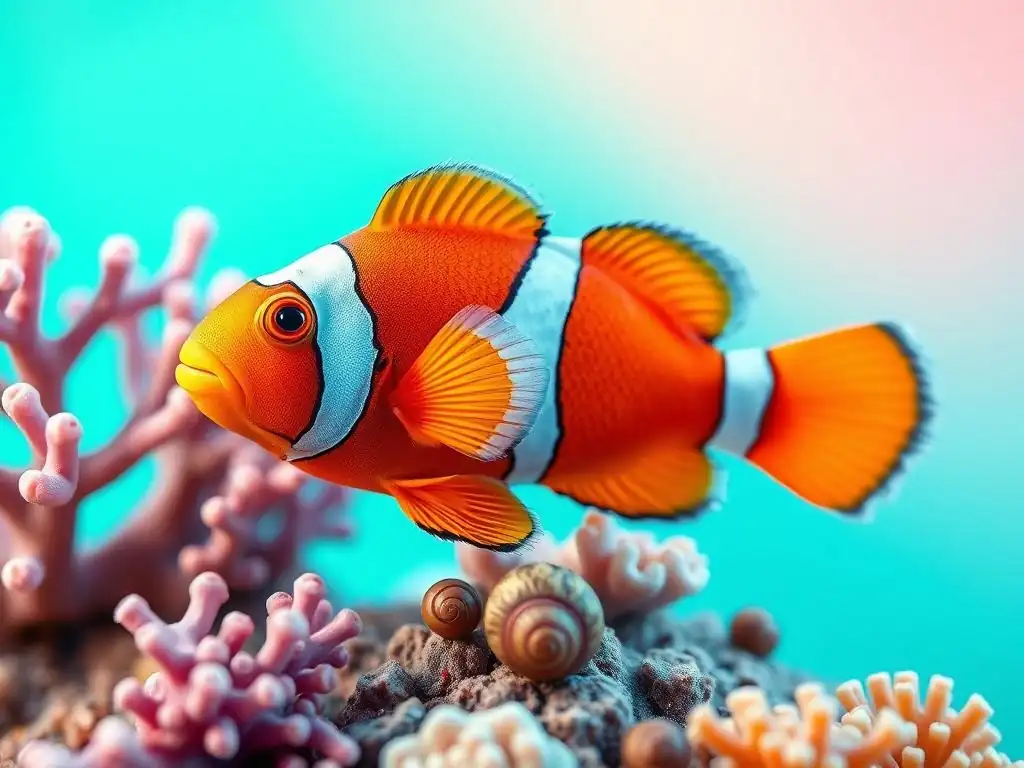
- Clownfish: Percula or Ocellaris clownfish (
Amphiprion ocellaris) are generally peaceful and tend to stay in the upper half of the tank, making them excellent companions. - Small Gobies: Certain small goby species, such as the Green Clown Goby (
Gobiodon atrangulatus) or Neon Goby (Elacatinus oceanops), can coexist peacefully as they often perch on corals or occupy very specific micro-niches, minimizing direct competition with blennies. - Invertebrates: Most cleaner shrimp (e.g., Peppermint Shrimp
Lysmata wurdemanni, Skunk Cleaner ShrimpLysmata amboinensis), various snails (e.g., Nassarius, Trochus), and hermit crabs are generally safe with blennies and contribute to the tank's clean-up crew.
The key to successful cohabitation is to avoid overcrowding and provide ample live rock with multiple hiding spots to reduce potential territorial disputes, ensuring a peaceful and nano coral blennies reef safe community.
Incompatible Tank Mates: Avoiding Aggression and Competition
To maintain a peaceful and thriving nano coral blennies reef safe environment, it is crucial to avoid introducing certain tank mates that could lead to aggression, undue stress, or direct competition for limited resources.
- Other Blennies: As a general rule, only one blenny species should be kept per nano tank. Blennies are highly territorial, and two blennies, even of different species, will almost invariably engage in aggressive conflicts over territory in a small space, leading to chronic stress, injury, or even death for one or both fish.
- Aggressive Fish: Avoid larger, overtly aggressive fish such as certain damselfish (e.g., Yellowtail Damselfish
Chrysiptera parasemacan become very territorial in small tanks) or dottybacks, unless the tank is significantly larger (e.g., 50+ gallons) and offers ample territory and hiding spots. These fish can bully and stress a blenny, compromising its health. - Fin-Nippers: While blennies are not typically the aggressors against larger fish, avoid fish known to nip fins, as this can cause stress and open wounds on the blenny, making it susceptible to disease.
- Similar Body Shapes/Niches: Fish that occupy the exact same bottom-dwelling, perching niche and have similar body shapes (e.g., certain larger goby species like the Diamond Watchman Goby
Valenciennea puellarisin very small tanks) might compete too intensely for food and territory, leading to conflict.
Careful selection prevents unnecessary stress and ensures the well-being of all inhabitants in your nano reef.
Small Gobies and Pistol Shrimp: Generally Compatible Inhabitants
The combination of small gobies and pistol shrimp often proves to be a highly compatible and fascinating addition to a nano reef alongside blennies, contributing to a dynamic and nano coral blennies reef safe ecosystem. Small goby species, particularly those from the Gobiodon (e.g., Green Clown Goby) or Elacatinus (e.g., Neon Goby) genera, are generally excellent companions for blennies. These gobies typically occupy slightly different niches; for example, Green Clown Gobies often perch on SPS corals, while blennies prefer live rock or open substrate, minimizing direct competition for territory.
Pistol shrimp (e.g., Alpheus bellulus or Alpheus randalli) are also largely compatible. While they form symbiotic relationships with specific goby species (like the Watchman Goby), they are generally ignored by blennies. Their burrowing activity can be a minor consideration if delicate corals are placed directly above their tunnels, but blennies usually do not interfere with the shrimp's burrows. This combination of small, peaceful fish and invertebrates can create a highly interesting and active display without significant conflict, provided the tank size is appropriate (e.g., 20+ gallons for a blenny-goby pair with a pistol shrimp).
Troubleshooting Common Blenny Problems in Nano Reefs
Identifying and Treating Common Blenny Diseases
Blennies, like all marine fish, are susceptible to common aquarium diseases, particularly if they are stressed by fluctuating water parameters, inadequate diet, or aggressive tank mates. Early identification and prompt treatment are crucial in a small nano reef system where disease can spread rapidly.
- Ich (White Spot Disease): Characterized by small, white spots resembling salt grains on the body and fins. The fish may also exhibit rapid breathing or "flashing" (rubbing against objects). Treatment typically involves moving the infected fish to a separate quarantine tank (
QT) and administering copper-based medications (e.g., Copper Power, Cupramine) or utilizing hyposalinity (gradually reducing salinity to 1.008-1.009 for several weeks). Never treat your main display tank with copper or most medications, as they are toxic to corals and invertebrates. - Velvet Disease (Amyloodinium ocellatum): Appears as a dusty, yellowish-brown film on the fish, often accompanied by rapid gill movement. This parasite is highly contagious and lethal if left untreated. Similar treatment protocols to Ich in a
QTare often employed. - Bacterial Infections: Symptoms include red sores, fin rot, cloudy eyes, or a general lethargy. These are often secondary infections resulting from poor water quality or stress. Treatment usually involves broad-spectrum antibiotics, ideally administered in a
QT.
Maintaining stable water parameters (e.g., salinity 1.025-1.026, temperature 76-78°F, pH 8.1-8.4), providing a nutritious diet, and minimizing stress are the best preventative measures to keep your nano coral blennies reef safe and healthy.
Addressing Aggression Issues: Solutions for a Peaceful Nano Reef
If a blenny begins to exhibit aggression towards its tank mates in a nano reef, prompt intervention is necessary to prevent chronic stress and potential injury to other inhabitants. The confined space of a nano tank magnifies aggressive behaviors, making them more impactful.
- Rearrange Aquascape: Sometimes, simply rearranging the live rock structure can disrupt established territories and reduce aggression. This might create new hiding spots for bullied fish or force the blenny to re-establish its territory, potentially diffusing the conflict.
- Increase Hiding Spots: Adding more caves, crevices, or even small PVC pipes (blennies often readily use these as homes) provides more retreat options for all inhabitants, reducing direct confrontations.
- Targeted Feeding: Ensure all fish are receiving adequate food. Aggression can sometimes stem from competition for limited food resources. Spreading food around the tank or using multiple feeding points can help.
- Remove the Aggressor: If aggression persists despite other interventions and causes significant stress or harm to other fish, the most effective solution is often to remove the blenny from the nano tank. This might involve setting up a separate dedicated tank for the blenny or rehoming it. It is always preferable to remove one problematic fish than to risk the entire tank's harmony and health, a critical consideration for a nano coral blennies reef safe environment.
Ich Outbreaks and Quarantine Procedures
Ich, or Marine Ich (Cryptocaryon irritans), is one of the most common and feared parasitic diseases in marine aquariums. Outbreaks are often triggered by stress, such as the introduction of new, unquarantined fish, or sudden fluctuations in water parameters. In a nano reef, an Ich outbreak can be particularly devastating due to the small water volume and the sensitivity of corals to common medications.
The single most effective way to prevent Ich from entering your display tank is through rigorous quarantine procedures for all new fish. A quarantine tank ( QT) should be a separate, bare-bottom tank equipped with an air stone, heater, and a few PVC pipes for hiding spots. New fish should be kept in the QT for a minimum of 4 weeks, allowing for observation and treatment without risking your main display's corals and invertebrates.
If Ich appears in the QT, treatments such as copper-based medications (e.g., Copper Power, Cupramine) or hyposalinity (gradually reducing salinity to 1.008-1.009 for several weeks) can be safely administered. Crucially, never treat your main nano coral blennies reef safe display tank with copper or most medications, as they will harm or kill corals and invertebrates. If Ich appears in the display, the only "reef-safe" method is to remove all fish to a QT for treatment, leaving the display tank fallow (fish-less) for 6-8 weeks to break the Ich life cycle, as the parasite requires a fish host to complete its lifecycle.
Conclusion: Choosing the Right Blenny for Your Nano Coral Reef
The Key Takeaways: Are Blennies Reef Safe?
The question "Are blennies truly reef safe?" for nano coral keepers is complex and lacks a simple yes or no answer. Instead, it hinges significantly on the specific blenny species, the individual fish's temperament, and the precise setup and inhabitants of your nano reef. Many blennies, particularly smaller species from the Ecsenius genus such as the Tailspot Blenny ( Ecsenius stigmatura), are indeed excellent candidates for nano coral blennies reef safe environments. Their compact size, generally peaceful nature, and primary diet of algae and detritus align well with the delicate balance required in a coral-dominated tank.
However, it is crucial to recognize that not all blennies are created equal. Some species, despite being commonly marketed as reef-safe, may exhibit opportunistic coral-nipping behavior, especially if underfed or stressed. Others, like the Jeweled Rockskipper ( Salarias geminatus), are known for their territorial aggression, making them unsuitable for the confined spaces of a nano aquarium where peace is paramount. Therefore, thorough research into the specific species' adult size, precise dietary needs, and documented temperament regarding corals and other tank mates is an indispensable step before introduction.
Making an Informed Decision: Prioritizing Coral Health and Blenny Wellbeing
Before introducing any blenny into your precious nano coral reef, making an informed decision is paramount. This involves diligently researching the chosen blenny species, considering its maximum adult size, its specific dietary requirements, and any documented behaviors concerning corals and other tank inhabitants. For instance, while a Bicolor Blenny ( Ecsenius bicolor) might be suitable for a well-established 20-gallon tank with robust LPS corals, it might pose a higher risk in a 10-gallon tank densely packed with delicate soft corals.
Prioritize the long-term health and stability of your corals by selecting blennies with a proven track record of being genuinely nano coral blennies reef safe. Simultaneously, ensure that the environment you provide meets the blenny's needs for adequate space, numerous hiding spots, and consistent, nutritious feeding. A well-fed, comfortable blenny that has ample room to establish its territory without encroaching on others is far less likely to develop problematic behaviors like coral nipping or aggression. Balancing the needs of both your corals and your blenny is the key to a thriving and harmonious aquatic ecosystem.
Resources for Further Research: Expanding Your Knowledge of Blennies and Reef Keeping
To ensure the continued success and vibrancy of your nano coral reef and to make the best choices for your aquatic inhabitants, it is essential to continually expand your knowledge base. Utilize a variety of reliable resources for further research on blennies and general reef keeping practices.
- Reputable Online Forums and Communities: Engaging with experienced aquarists on well-established marine aquarium forums can provide invaluable real-world insights into the behavior of specific blenny species in various nano setups.
- Scientific Databases and Journals: For the most detailed and accurate information on blenny taxonomy, natural habitats, and dietary analyses, consult scientific databases and peer-reviewed journals.
- Specialized Marine Aquarium Books: Comprehensive guides written by marine biologists and veteran aquarists often provide in-depth profiles of various fish species, including their care requirements, compatibility, and potential risks in reef environments.
- AquariumMastery.com: Explore the extensive species profiles, care guides, and troubleshooting sections specific to saltwater fish and coral care available on AquariumMastery.com. This resource provides detailed guidance tailored to help aquarists make informed decisions.
By consistently learning and applying these best practices, you can confidently select and maintain blennies that not only thrive in your nano coral reef but also contribute positively to a vibrant and healthy aquatic ecosystem, ensuring your nano coral blennies reef safe goals are met.
Frequently Asked Questions
Are all blennies reef safe, especially for nano coral keepers?
No, not all blennies are reef safe. Some species may nip at corals, especially smaller, delicate corals common in nano reefs. It's crucial to research the specific blenny species before introducing it.
What makes a blenny "reef safe" for a nano aquarium with corals?
A reef-safe blenny generally leaves corals alone and doesn't disturb other inhabitants. Algae-eating blennies are often a good choice, as they help control algae growth without harming coral.
What types of corals are most vulnerable to blenny nipping in a nano reef?
Soft corals and LPS (Large Polyp Stony) corals with fleshy mantles are often the most vulnerable. Blennies might mistake them for algae or find them attractive to perch on and potentially irritate.
What are some signs that a blenny is not reef safe in my nano coral tank?
Look for signs of tissue recession on your corals, particularly near where the blenny spends time. Observe the blenny's behavior; excessive perching or direct nipping at corals are red flags.
Besides coral nipping, what other behaviors might make a blenny unsuitable for a nano reef environment?
Aggression towards other small fish or invertebrates can be a problem. Also, a blenny that produces excessive waste can negatively impact water quality in a small nano aquarium.
Final Reflection: The Delicate Balance of Nano Reefs
The question of whether blennies are truly reef safe, particularly within the confines of a nano coral tank, remains a complex one. As we've explored the nuances of their behavior and dietary needs, it becomes clear that responsible reef keeping hinges on informed decisions and diligent observation. The potential for both harmony and disruption exists within these miniature ecosystems, demanding a proactive approach from aquarists.
This exploration into the world of blennies and their impact on nano reefs underscores the ongoing responsibility we bear as stewards of these delicate environments. The choices we make, from selecting the right species to providing adequate care, directly influence the health and stability of our underwater worlds. The sea, once it casts its spell, holds one in its net of wonder forever.
- Jacques Cousteau. This quote reminds us of the profound connection we have with the ocean and the importance of preserving its beauty, even within our own small reef tanks.
Now, as you consider adding a blenny to your nano reef, or perhaps re-evaluate the current inhabitants of your tank, I urge you to reflect on the lessons learned. Consider the specific needs of each creature, the potential impact on the overall ecosystem, and the commitment required to maintain a thriving and balanced environment. Let your choices be guided by knowledge, empathy, and a deep respect for the intricate web of life that exists within your nano reef.
Ignite Your Reef: Will *You* Take the Blenny Plunge?
Thank you for diving deep into the world of blennies with us! We hope this exploration has provided valuable insights for your nano reef keeping journey. Now, it’s time to consider how to apply these learnings to your own aquarium.
Here's how you can take action:
- Assess your current reef tank: Are your corals robust enough to handle a potentially nippy blenny? Observe your livestock closely!
- Share your blenny experiences! Head over to our forums at Aquarium Mastery and start a discussion about your own observations and challenges.
- Try something different: Research a less common, herbivorous blenny species, like the tailspot blenny, for a unique addition to your cleanup crew.
Ready to transform your nano reef with a blenny, or will you stick to other algae-eating solutions?