
Blue Hippo Tang Health: A Comprehensive Guide to Diet, Disease, and Algae Management

Welcome to Aquarium Mastery!
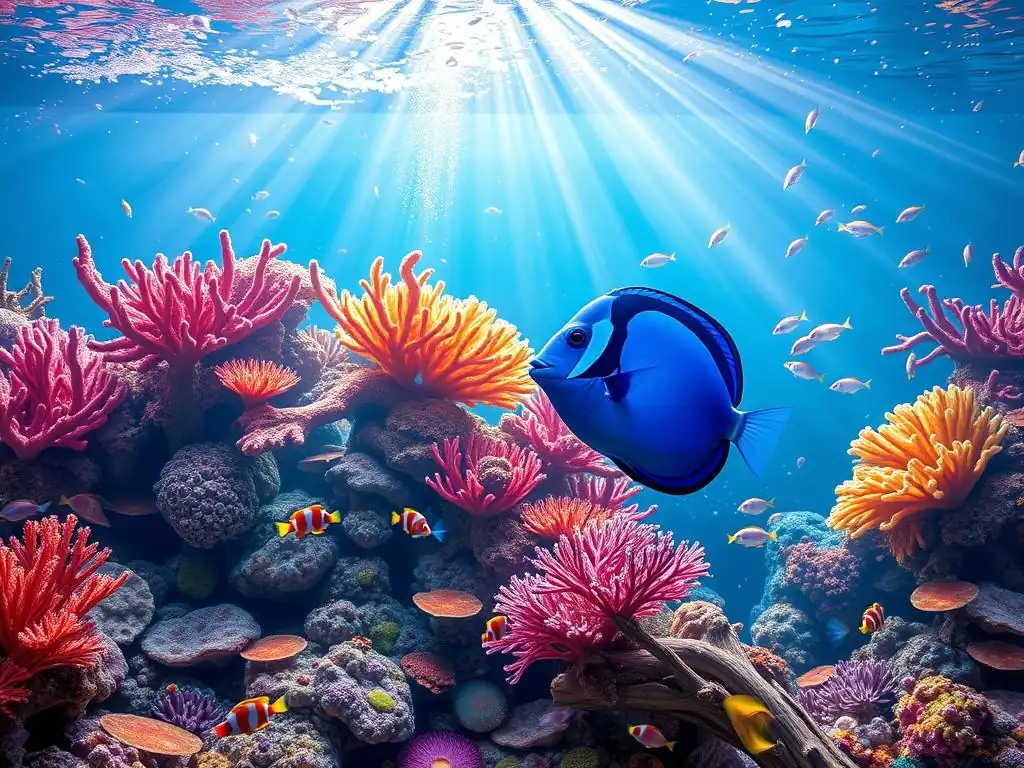
Ever wondered if your Blue Hippo Tang is truly thriving? Dive in as we unravel the secrets to their vibrant health, from optimal diets and disease prevention to mastering algae control. This guide provides a comprehensive look at ensuring your Hippo Tang enjoys a long and happy life in your saltwater aquarium. Ready to unlock the mysteries?
- Blue Tang Health: A Comprehensive Guide to Diet, Disease, and Algae Management
- Understanding Blue Tang Health: An Introduction
- Optimizing Blue Tang Diet for Enhanced Health
- Preventing and Managing Blue Tang Diseases
- Blue Tang Algae Management: A Key to Health
- Recognizing Signs of a Healthy Blue Tang
- Troubleshooting Common Blue Tang Health Problems
- Advanced Blue Tang Care: Maintaining Long-Term Health
- Conclusion: Ensuring a Healthy Life for Your Blue Tang
-
Frequently Asked Questions
- How susceptible are Blue Hippo Tangs to disease, and what are the most common ones?
- What is the ideal diet for a Blue Hippo Tang to maintain optimal health and prevent nutritional deficiencies?
- What water parameters are critical for preventing health issues in Blue Hippo Tangs?
- How important is algae management in a Blue Hippo Tang's aquarium, and what types of algae are beneficial?
- What are some early warning signs that a Blue Hippo Tang is experiencing health problems?
- Final Reflection: Navigating the Seas of Blue Hippo Tang Health
- Ignite Your Tang's Health: Transform Your Reef Tank Today!
Blue Tang Health: A Comprehensive Guide to Diet, Disease, and Algae Management
Understanding Blue Tang Health: An Introduction
Why Blue Tang Health Management is Crucial
The Blue Tang ( Paracanthurus hepatus ), often known as the Blue Hippo Tang, is a highly sought-after marine fish due to its striking coloration and active nature. However, these beautiful fish are also notoriously susceptible to stress and various ailments if their specific needs are not met. Effective blue hippo tang health issues management is not just about treating illnesses but proactively preventing them through optimal husbandry, ensuring the fish lives a long, vibrant life, potentially reaching 5 to 10 years or more in captivity. Neglecting their care can lead to rapid deterioration and significant losses for aquarists.
Proper health management is a critical investment, both financially and emotionally. A healthy Blue Tang is a joy to observe, exhibiting natural behaviors and brilliant colors. Conversely, a stressed or diseased tang can quickly become a source of frustration and concern. Understanding the common blue hippo tang health issues and implementing preventative measures saves time, money, and, most importantly, the life of your prized aquatic inhabitant, contributing to a thriving and stable reef ecosystem.
Aquarium Care Guide to a Healthy Blue Tang
Foundational to a healthy Blue Tang is providing an appropriate environment that mimics their natural habitat. This includes a spacious aquarium, with a minimum of 100-125 gallons recommended for a single adult due to their active swimming nature and potential size of up to 12 inches (30 cm). Stable water parameters are paramount, as fluctuations are a major stressor that can trigger blue hippo tang health issues. A well-balanced and varied diet, rich in marine algae, is equally critical for their immune system and overall vitality.
Beyond tank size and diet, the establishment of a robust nitrogen cycle and efficient filtration are non-negotiable. Regular maintenance routines, including water changes and equipment cleaning, are vital for maintaining pristine water quality and preventing the accumulation of toxins. Ample live rock provides both hiding spots and grazing surfaces, reducing stress and promoting natural behaviors, thereby significantly mitigating the risk of common blue hippo tang health issues.
Optimizing Blue Tang Diet for Enhanced Health
The Importance of a Varied Diet for Blue Tangs
Blue Tangs are primarily herbivorous, grazing continuously on filamentous algae in their natural reef environment. In captivity, a mono-diet, even if seemingly complete, will inevitably lead to nutritional deficiencies, compromising their immune system and making them highly susceptible to various blue hippo tang health issues, including the dreaded Head and Lateral Line Erosion (HLLE). Their digestive system is adapted for constant, small intakes of plant matter, not large, infrequent meals of high-protein foods.
A varied diet, encompassing a wide range of marine-based plant and some animal matter, is crucial for replicating their natural foraging behavior and providing a full spectrum of essential nutrients. This dietary diversity promotes vibrant coloration, robust immune function, and active behavior. Consistent access to high-fiber, algae-based foods helps maintain optimal gut health, which is foundational to preventing many common blue hippo tang health issues.
Key Nutritional Requirements for Blue Tangs
For Blue Tangs to thrive, their diet must meet specific macronutrient requirements. While they are primarily herbivorous, they do require a balanced intake of high-quality marine-based proteins for growth, tissue repair, and enzyme production. Carbohydrates provide readily available energy, crucial for their constant activity. Lipids, or fats, are also essential, serving as concentrated energy reserves and facilitating the absorption of fat-soluble vitamins.
Crucially, their diet must be rich in fiber, primarily from marine algae. Their long digestive tract is designed to process fibrous plant material, and a lack of sufficient fiber can lead to digestive upset, bloat, and other blue hippo tang health issues. A diet that emphasizes marine plant matter over excessive animal protein is vital for their long-term well-being.
Essential Vitamins and Minerals for Blue Tang Health
Specific vitamins play a pivotal role in preventing severe blue hippo tang health issues. Vitamin C (ascorbic acid) is indispensable for immune system function, collagen synthesis, and wound healing. Deficiencies are strongly linked to HLLE. Vitamin A (retinol) supports vision, skin health, and mucus membrane integrity. B vitamins are vital co-factors in numerous metabolic processes, ensuring efficient energy utilization and nervous system health.
Minerals are equally important, albeit required in smaller quantities. Calcium and Phosphorus are critical for skeletal structure and overall bone health. Iodine is essential for thyroid function, influencing metabolism and growth. Trace elements like Selenium, Zinc, and Copper (in trace amounts) act as co-factors for enzymes involved in immune responses and cellular processes. These are often naturally present in quality marine algae and fortified prepared foods.
Protein Sources for a Thriving Blue Tang
While Blue Tangs are primarily herbivorous, they are not strictly vegetarian and do benefit from small amounts of high-quality marine protein, especially during their juvenile growth phases. Appropriate protein sources include high-quality marine pellets formulated for herbivores, enriched frozen mysis shrimp, or brine shrimp. These should be offered sparingly, perhaps a few times a week, as a supplement rather than a staple.
It is crucial to avoid overemphasizing protein in their diet. Excessive animal protein can put a strain on their digestive system and liver, potentially leading to long-term blue hippo tang health issues. The bulk of their diet should always consist of plant-based materials, reflecting their natural foraging habits on the reef.
Recommended Foods for Blue Tangs
A comprehensive feeding regimen for Blue Tangs should incorporate a diverse array of both natural and prepared foods to ensure all nutritional needs are met and to prevent common blue hippo tang health issues stemming from dietary deficiencies. This variety not only provides a broader nutrient profile but also keeps the fish engaged and stimulated.
The goal is to mimic their natural grazing behavior. This involves offering a mix of daily staples and supplemental treats. Consistency in feeding times and quality of food is more important than sheer quantity.
Algae-Based Foods for Blue Tangs: Nori, Gracilaria
Nori, dried seaweed sheets, is an absolute staple for Blue Tangs and should be offered daily or every other day. It is an excellent source of fiber, essential vitamins, and minerals. When selecting nori, opt for unseasoned, human-grade varieties (often found in Asian markets) and avoid roasted or flavored types which contain oils, salt, or other additives harmful to fish. It can be offered via a veggie clip, allowing the tang to graze throughout the day.
Gracilaria, a type of red macroalgae, is another highly beneficial live food source. It can be grown in a refugium and periodically harvested to offer directly to the tang, providing continuous, natural grazing opportunities. This approach not only provides nutrition but also mental stimulation, reducing stress and preventing diet-related blue hippo tang health issues.
Prepared Foods for Blue Tangs: Ocean Nutrition Formula Two Pellets, New Life Spectrum AlgaeMax
High-quality prepared foods specifically formulated for marine herbivores should supplement their algae intake. Ocean Nutrition Formula Two Pellets are widely recommended, featuring a balanced blend of marine proteins, spirulina, and kelp. These pellets offer a comprehensive nutritional profile that supports overall health and vibrant coloration.
New Life Spectrum AlgaeMax is another excellent choice, known for its high concentration of spirulina and various algae, designed to mimic the natural diet of herbivorous tangs. These pellets provide essential amino acids, vitamins, and minerals. Prepared foods should be offered in moderation, perhaps once a day, to complement their primary algae diet, ensuring they don't contribute to overfeeding or water quality degradation.
Supplementing the Blue Tang Diet: Selcon Vitamin Supplement, Probiotic Marine Formula
To further enhance the nutritional value of prepared foods, vitamin supplements like Selcon are highly beneficial. Selcon is rich in Omega-3 fatty acids and Vitamin C, both crucial for immune function and reducing the incidence of blue hippo tang health issues like HLLE. Prepared foods can be soaked in Selcon for 10-15 minutes before feeding, ensuring maximum absorption of these vital nutrients.
Probiotic marine formulas can also be beneficial, especially during periods of stress or after medication. These supplements contain beneficial bacteria that support gut health, improve digestion, and enhance nutrient absorption. Soaking food in a probiotic solution can strengthen the tang's internal defenses, contributing to a more robust immune system and reducing susceptibility to digestive blue hippo tang health issues.
Feeding Frequency and Portion Control for Optimal Health
Blue Tangs are constant grazers in their natural habitat, meaning they consume small amounts of food continuously throughout the day. To replicate this, it's best to feed small portions of prepared foods 2-3 times a day, in addition to providing a continuous supply of nori or macroalgae for grazing. This frequent, small-portion feeding strategy supports their digestive system and reduces competition among tank mates.
Portion control is paramount to prevent overfeeding, which is a common cause of poor water quality. Feed only what your Blue Tangs can consume within a few minutes. Uneaten food decays, leading to elevated nitrates and phosphates, which not only fuel nuisance algae growth but also contribute to general water quality decline, a significant factor in the development of blue hippo tang health issues.
Preventing and Managing Blue Tang Diseases
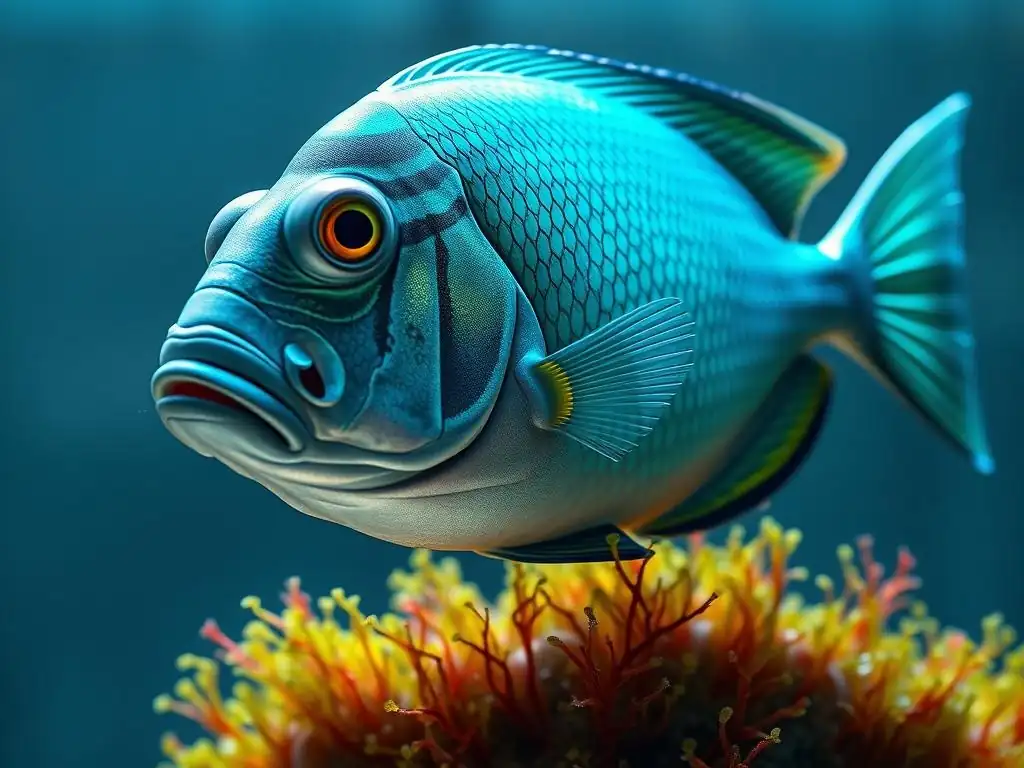
Common Blue Tang Health Issues: Identification and Prevention
Blue Tangs are particularly susceptible to certain parasitic and stress-related diseases due to their delicate slime coat and their tendency to stress easily when introduced to new environments or when water quality is suboptimal. Early identification of symptoms is crucial for successful intervention and preventing widespread blue hippo tang health issues in the aquarium.
The most effective strategy against disease is prevention. This involves maintaining consistently pristine water quality, providing a highly nutritious and varied diet, ensuring ample space and appropriate tank mates, and minimizing all forms of stress. Proactive care significantly reduces the likelihood that your Blue Tang will succumb to common ailments.
Ich (White Spot Disease) in Blue Tangs: Symptoms and Treatment
Ich, caused by the parasite Cryptocaryon irritans, is one of the most common and feared blue hippo tang health issues. Symptoms include small white spots resembling salt grains on the fins and body, rapid breathing (gills working harder), flashing (rubbing against tank decor), and lethargy. Tangs are particularly prone to Ich due to their relatively thin slime coat.
Treatment typically involves moving the infected fish to a hospital tank. Effective treatments include hyposalinity (gradually reducing salinity to 1.009-1.010 specific gravity for 2-4 weeks), or copper-based medications (e.g., Copper Power, Cupramine) carefully dosed to a therapeutic level of 0.25-0.5 ppm. The main display tank should remain fallow (fish-free) for 6-8 weeks to break the parasite's life cycle and eliminate the threat.
Marine Velvet (Amyloodinium) in Blue Tangs: Recognizing and Addressing
Marine Velvet, caused by the dinoflagellate Amyloodinium ocellatum, is far more aggressive and rapidly fatal than Ich, making it an emergency blue hippo tang health issue. It appears as a fine, dusty, yellowish-gold coating on the fish, often mistaken for Ich but presenting with more severe respiratory distress, extreme labored breathing, clamped fins, and rapid deterioration.
Immediate action is critical. Treatment in a hospital tank is essential. Copper treatments (e.g., chelated copper or ionic copper) are highly effective when used at the correct therapeutic levels. Chloroquine Phosphate is another potent option. Freshwater dips (5-10 minutes, pH and temperature matched to the tank) can provide temporary relief by causing the parasites to fall off, but they are not a cure and must be followed by a full treatment regimen.
Head and Lateral Line Erosion (HLLE) in Blue Tangs: Causes and Solutions
Head and Lateral Line Erosion (HLLE) manifests as pitting, lesions, and erosion around the head, face, and along the lateral line of the fish. This is a prevalent and often chronic blue hippo tang health issue. Common causes include poor water quality (especially high nitrates and phosphates), activated carbon overuse (which can strip essential trace elements), nutritional deficiencies (particularly Vitamin C, A, and D), and stray voltage in the aquarium.
Solutions involve addressing the underlying causes comprehensively. This includes performing frequent large water changes to improve water quality and reduce nitrates (aim for below 10-20 ppm). Ensure a highly varied diet rich in spirulina, high-quality marine algae, and vitamin supplements (like Selcon). Consider adding a grounding probe to eliminate stray voltage. Recovery can be slow, taking several months, but is often achievable with diligent care.
Bacterial Infections in Blue Tangs: Treatment Options
Bacterial infections in Blue Tangs often present as secondary blue hippo tang health issues, arising when the fish's immune system is compromised by stress, poor water quality, or a primary parasitic infection. Symptoms can include red sores, fin rot (frayed or decaying fins), cloudy eyes, bloating, or general lethargy and loss of appetite.
Treatment typically involves broad-spectrum antibiotics. These can be administered through medicated foods (e.g., foods soaked in KanaPlex or Metronidazole) or as bath treatments in a hospital tank (e.g., Furan-2, Maracyn). It's challenging for home aquarists to identify the specific bacterial strain, so broad-spectrum treatments are commonly used. Always follow medication instructions carefully and ensure adequate aeration during treatment.
Nutritional Deficiencies and Related Health Problems
As highlighted previously, nutritional deficiencies are a significant contributor to various blue hippo tang health issues. Beyond HLLE, a lack of essential vitamins (especially C, A, and D) and minerals can lead to systemic problems such as faded coloration, stunted growth, skeletal deformities, and a severely weakened immune system, making the fish susceptible to opportunistic infections.
Prevention is the most effective approach. A diverse and rich diet, heavily weighted towards marine algae and spirulina, supplemented with high-quality vitamin preparations, is crucial. Regular feeding of nutrient-dense foods like Nori, Gracilaria, and vitamin-enriched frozen foods ensures the tang receives all necessary nutrients for robust health and resilience against disease.
Quarantine Procedures for New Blue Tangs: Preventing Disease Introduction
A dedicated quarantine tank (QT) is an absolutely essential tool for preventing the introduction and spread of blue hippo tang health issues to your main display tank. A minimum 20-gallon QT allows for proper observation and prophylactic treatment of any new fish before it enters the established system. New Blue Tangs should spend 4-6 weeks in quarantine.
During the quarantine period, carefully observe the fish for any signs of illness, such as spots, rapid breathing, clamped fins, or refusal to eat. It is also common practice to administer prophylactic treatments for common parasites like Ich and Marine Velvet. For instance, a copper treatment (e.g., Copper Power at 0.5 ppm) for 30 days is a widely adopted protocol to ensure the fish is disease-free before being transferred to the main display.
Water Quality Management and Disease Prevention
Stable and pristine water parameters are the cornerstone of preventing blue hippo tang health issues. Fluctuations in key parameters or the presence of elevated toxins directly stress fish, compromising their immune system and making them highly vulnerable to disease. A healthy environment is the first line of defense.
Regular water testing and consistent maintenance are non-negotiable. This includes utilizing robust filtration (mechanical for particulate removal, chemical for pollutants, and biological for nitrogen cycle management) and avoiding overstocking, which can quickly overwhelm the filtration system and lead to declining water quality.
Maintaining Optimal Water Parameters for Blue Tang Health: Salinity, Temperature, pH, Ammonia, Nitrite, Nitrate
For optimal blue hippo tang health, specific water parameters must be consistently maintained. Salinity should be stable at 1.023-1.026 specific gravity, mimicking natural reef conditions. Temperature should be kept between 76-80°F (24.4-26.7°C). The pH level should be stable between 8.1-8.4. Ammonia and Nitrite must always be undetectable (0 ppm), as even trace amounts are highly toxic.
Nitrates, while less acutely toxic than ammonia or nitrite, should be kept as low as possible, ideally below 10-20 ppm. High nitrate levels are a known contributor to HLLE and general stress, increasing the risk of other blue hippo tang health issues. Regular testing with reliable aquarium test kits (e.g., Salifert, Red Sea) is crucial for monitoring these parameters.
The Role of Water Changes in Disease Prevention
Regular partial water changes are a fundamental practice for maintaining superior water quality and preventing blue hippo tang health issues. Performing 10-20% water changes weekly or bi-weekly helps to replenish essential trace elements that are consumed by corals and fish, while simultaneously removing accumulated nitrates, phosphates, and other pollutants that cannot be removed by filtration alone.
Using properly mixed saltwater, prepared with high-quality RO/DI (Reverse Osmosis/Deionization) water and a reputable marine salt mix, ensures that the new water is clean, balanced, and free of contaminants. This consistent introduction of fresh, clean water significantly reduces environmental stress on the Blue Tang, thereby bolstering its immune system and overall resilience.
Blue Tang Algae Management: A Key to Health
The Relationship Between Algae and Blue Tang Health
Blue Tangs are natural grazers, and algae constitute a significant portion of their diet in their wild reef habitat. A healthy, diverse presence of beneficial microalgae and macroalgae within the aquarium provides continuous foraging opportunities, which is crucial for their physical health and mental well-being. Constant grazing reduces stress and promotes natural behavior, which are vital for preventing blue hippo tang health issues.
Conversely, an overabundance of nuisance algae (e.g., hair algae, cyanobacteria) often indicates underlying water quality problems, such as high nitrates and phosphates. While tangs will graze on some nuisance algae, their proliferation signifies an imbalanced ecosystem that can directly impact fish health. A clean tank environment, supported by effective algae management, prevents secondary blue hippo tang health issues by ensuring stable and healthy water parameters.
Encouraging Natural Algae Grazing
Providing natural rockwork and surfaces for algae to grow on encourages the Blue Tang's innate grazing instincts. This approach is far more beneficial than relying solely on prepared foods, as it offers continuous access to natural forage and mimics their wild diet. Allowing some natural algal growth on rocks not only provides a food source but also contributes to a more natural and stimulating environment.
Consider allowing some "nuisance" algae to grow in a designated, less visible area of the tank, or on specific rocks that can be rotated into the main display. This provides a continuous, natural food source and mental stimulation for the tang, fulfilling their constant grazing needs and reducing boredom, which can lead to stress-related blue hippo tang health issues.
Creating an Algae-Friendly Environment in the Aquarium
To encourage beneficial algae growth for your Blue Tang, ensure adequate, but not excessive, lighting. While too much light can cause nuisance algae blooms, sufficient light allows for the growth of desirable microalgae and biofilm on live rock and tank surfaces. A mature tank with well-established live rock will naturally develop these grazing opportunities.
Avoid the temptation to meticulously scrub every surface clean during maintenance. Leave some areas of live rock and glass for biofilm and desirable microalgae to colonize. This ensures continuous grazing opportunities throughout the day, which is vital for the Blue Tang's digestive health and overall well-being, directly impacting the prevention of diet-related blue hippo tang health issues.
Introducing Macroalgae for Grazing: Chaetomorpha, Ulva
Macroalgae like Chaetomorpha (often called "Chaeto") can be cultivated in a refugium and periodically harvested to offer directly to the Blue Tang. Chaeto is an excellent source of fiber and various nutrients, making it a highly beneficial dietary supplement. It also aids in nutrient export from the system.
Ulva, commonly known as sea lettuce, is another highly palatable macroalgae that can be grown or purchased and offered to your tang. These natural, live food sources provide continuous grazing opportunities, closely mimicking the Blue Tang's natural diet and significantly contributing to their long-term health and vitality. Incorporating these natural food sources helps prevent nutritional blue hippo tang health issues.
Controlling Excessive Algae Growth: Maintaining a Balanced Ecosystem
While some algae are beneficial, excessive growth of nuisance algae (e.g., hair algae, diatoms, cyanobacteria) is a clear indicator of an imbalance in the aquarium, usually stemming from high levels of nitrates and phosphates. This not only detracts from the tank's aesthetics but also consumes oxygen, stifles beneficial organisms, and can lead to declining water quality, which directly impacts fish health and can exacerbate blue hippo tang health issues.
Effective algae control involves addressing the root cause – nutrient export – in conjunction with physical removal. Simply removing algae without addressing the underlying nutrient imbalance will only lead to its rapid return. A balanced approach is key to a healthy ecosystem.
Manual Algae Removal Techniques
Regular manual removal of nuisance algae is a crucial maintenance task. This involves using an algae scraper for the glass, a toothbrush or stiff brush for rocks, and siphoning out detached algae during water changes. Physically removing the excess biomass also removes the associated nutrients from the system, preventing them from fueling further growth.
Pay particular attention to areas where algae tend to accumulate, such as on powerheads, heaters, and overflow boxes. Removing algae before it dies and decays prevents it from re-releasing nutrients back into the water column, which can further degrade water quality and contribute to environmental stressors that lead to blue hippo tang health issues.
Utilizing Algae-Eating Tank Mates: Sea Urchins, Snails
Certain invertebrate tank mates can be highly effective allies in algae control. Herbivorous snails such as Trochus snails, Turbo snails, and Astrea snails are excellent at consuming film algae, diatoms, and some hair algae from glass and rockwork. They are generally peaceful and constantly graze, providing continuous maintenance.
Herbivorous sea urchins, particularly species like the Tuxedo urchin, are powerful algae eaters capable of consuming tougher forms of algae, including stubborn hair algae. However, ensure that any chosen invertebrate is compatible with your tank inhabitants and won't inadvertently harm corals or dislodge rockwork. These natural grazers can significantly reduce the workload of manual cleaning and contribute to a cleaner environment, preventing blue hippo tang health issues related to poor water quality.
Chemical Algae Control: Use with Caution, Follow Instructions
Chemical solutions for algae control, such as phosphate removers (e.g., granular ferric oxide or GFO) or liquid algaecides, should be considered a last resort and used with extreme caution. While they can provide quick results, they often address the symptom (algae growth) rather than the root cause (nutrient imbalance) and can sometimes have adverse effects on sensitive invertebrates, beneficial bacteria, or fish if not used correctly.
If chemical control is deemed necessary, strictly follow the manufacturer's instructions, monitor water parameters closely, and ensure adequate aeration. Prioritize addressing the underlying nutrient imbalance through proper feeding, regular water changes, and efficient filtration or nutrient export methods (like a refugium) for long-term, sustainable algae control and optimal blue hippo tang health.
Recognizing Signs of a Healthy Blue Tang
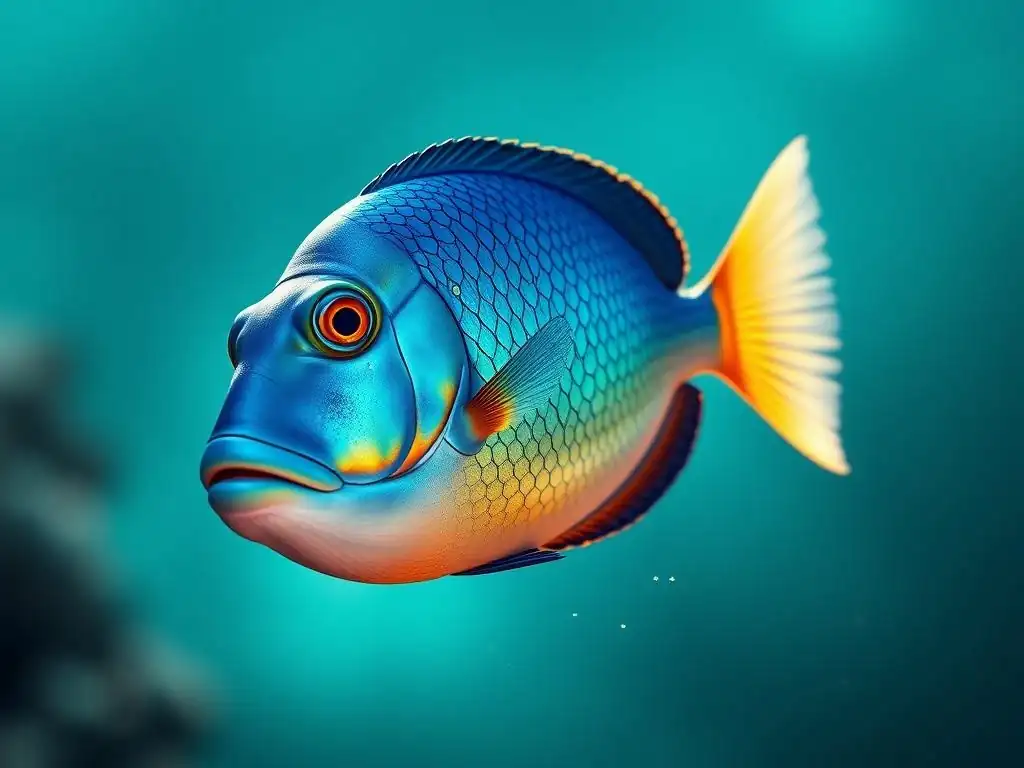
Physical Indicators of a Healthy Blue Tang
A healthy Blue Tang is a vibrant and active fish. Its coloration should be deep and consistent, displaying the iconic electric blue body, distinct black markings, and a bright yellow caudal (tail) fin. Any fading, patchiness, or dullness in color can be an early indicator of stress, poor nutrition, or impending blue hippo tang health issues.
Beyond color, the physical condition of the fish is telling. Its fins should be fully extended, without any signs of tears, nips, fraying, or clamping. The body should appear plump and well-fed, not emaciated or bloated, and should be completely free of visible spots, lesions, growths, or parasites. The eyes should be clear, bright, and alert.
Vibrant Coloration and Fin Condition
A blue hippo tang in optimal health will display strikingly vivid blue hues that may subtly change in intensity based on mood or environment, but consistently remain brilliant. The iconic black markings, resembling a painter's palette, should be crisp, well-defined, and uniform, indicating good overall health and low stress levels.
The caudal (tail) fin should be a brilliant, vibrant yellow and consistently fully spread when the fish is swimming. All other fins (dorsal, anal, pectoral, pelvic) should be intact, without any signs of clamping, tears, nips, or erosion. A ragged appearance, constant fin clamping, or a dull, faded tail are clear and immediate indicators of potential blue hippo tang health issues such as stress, disease, or nutritional deficiencies.
Active Swimming and Natural Behavior
Healthy Blue Tangs are highly active swimmers, constantly exploring every inch of their aquarium, grazing on rockwork, and interacting with their environment. They should utilize the full water column, darting gracefully in and out of rock formations and open swimming areas. Their movements should be smooth and fluid, without any erratic darting, shimmying, or difficulty maintaining buoyancy.
Prolonged periods of hiding, lethargy, staying motionless in one spot, or rapid, shallow breathing are significant red flags. These behavioral changes often precede or accompany more obvious physical blue hippo tang health issues and warrant immediate investigation into water parameters, tank mates, and potential disease.
Behavioral Indicators of a Healthy Blue Tang
Beyond physical appearance, the behavior of a Blue Tang provides crucial insights into its health. A strong and consistent appetite is one of the most reliable indicators of overall well-being. Healthy tangs should eagerly accept offered foods and be observed grazing diligently on algae throughout the day.
Their social interactions with tank mates also offer clues. While individual personalities vary, a healthy Blue Tang should generally integrate well into the community, establishing its territory without exhibiting excessive, constant aggression towards others, nor should it be constantly bullied or withdrawn.
Healthy Appetite and Grazing Habits
A consistent and robust appetite is paramount for blue hippo tang health. These fish are natural grazers, and they should enthusiastically accept all offered foods, from nori to prepared pellets and frozen foods. Beyond meal times, they should be observed actively grazing on algae and biofilm on rocks and tank surfaces for significant portions of the day.
A sudden refusal to eat, spitting out food, or a noticeable reduction in grazing activity are critical signs that point to underlying blue hippo tang health issues. These could range from internal parasites, bacterial infections, or severe stress, and require prompt investigation and intervention.
Social Interaction with Tank Mates
While Blue Tangs can be territorial, especially towards other tangs or similarly shaped fish, a healthy individual will generally integrate well into a well-stocked community tank. They might establish a pecking order, but should not exhibit extreme, relentless aggression towards tank mates, nor should they be perpetually withdrawn, hiding, or subjected to constant harassment by other fish.
Observing their interactions can reveal subtle signs of stress. A tang that is constantly hiding, appears withdrawn, is being relentlessly chased, or shows clamped fins due to intimidation is likely under significant stress. Stress is a primary trigger for blue hippo tang health issues, as it compromises their immune system, making them highly susceptible to disease.
Troubleshooting Common Blue Tang Health Problems
Diagnosing Rapid Breathing in Your Blue Tang: Low Oxygen Levels, Gill Flukes
Rapid gill movement, often accompanied by gasping at the surface of the water, is a clear sign of respiratory distress and a serious blue hippo tang health issue. This can be caused by low dissolved oxygen levels in the water (due to high temperatures, overstocking, or insufficient surface agitation) or the presence of gill parasites like flukes.
If low oxygen is suspected, immediately increase aeration with air stones or by enhancing surface agitation. If gill parasites are the likely cause (often accompanied by "flashing" or scratching gills on decor), the fish should be moved to a hospital tank for treatment. Praziquantel-based medications (e.g., Prazipro) are effective against gill flukes when administered according to instructions.
Diagnosing Cloudy Eyes in Your Blue Tang: Poor Water Quality, Injury
Cloudy or opaque eyes in a Blue Tang can be a symptom of several blue hippo tang health issues. Most commonly, it indicates poor water quality, particularly elevated levels of ammonia, nitrite, or high nitrates. It can also be a sign of bacterial infection or a physical injury sustained during handling, aggression from tank mates, or impact with tank decor.
Immediate action involves addressing water quality issues with a significant water change (e.g., 50%) and thorough testing of all parameters. If a bacterial infection is suspected, a broad-spectrum antibiotic administered in a hospital tank might be necessary. Ensure there are no sharp edges or aggressive tank mates. Often, if water quality is promptly rectified, minor cloudiness will resolve on its own as the fish recovers.
Seeking Professional Help for Blue Tang Health Issues: When to Consult a Veterinarian
While many common blue hippo tang health issues can be managed by experienced aquarists, there are times when professional intervention is crucial. If symptoms are persistent, rapidly worsening, or if multiple fish in the main display are affected, consulting an aquatic veterinarian is highly recommended. This is especially true for rare or complex conditions that do not respond to standard treatments.
An aquatic veterinarian possesses the expertise and diagnostic tools (e.g., microscopes for skin/gill scrapes, laboratory tests) to accurately diagnose diseases and recommend targeted, effective treatments. They can also provide invaluable advice on advanced husbandry techniques and preventative strategies to ensure the long-term health and well-being of your Blue Tang and the entire aquarium system.
Advanced Blue Tang Care: Maintaining Long-Term Health
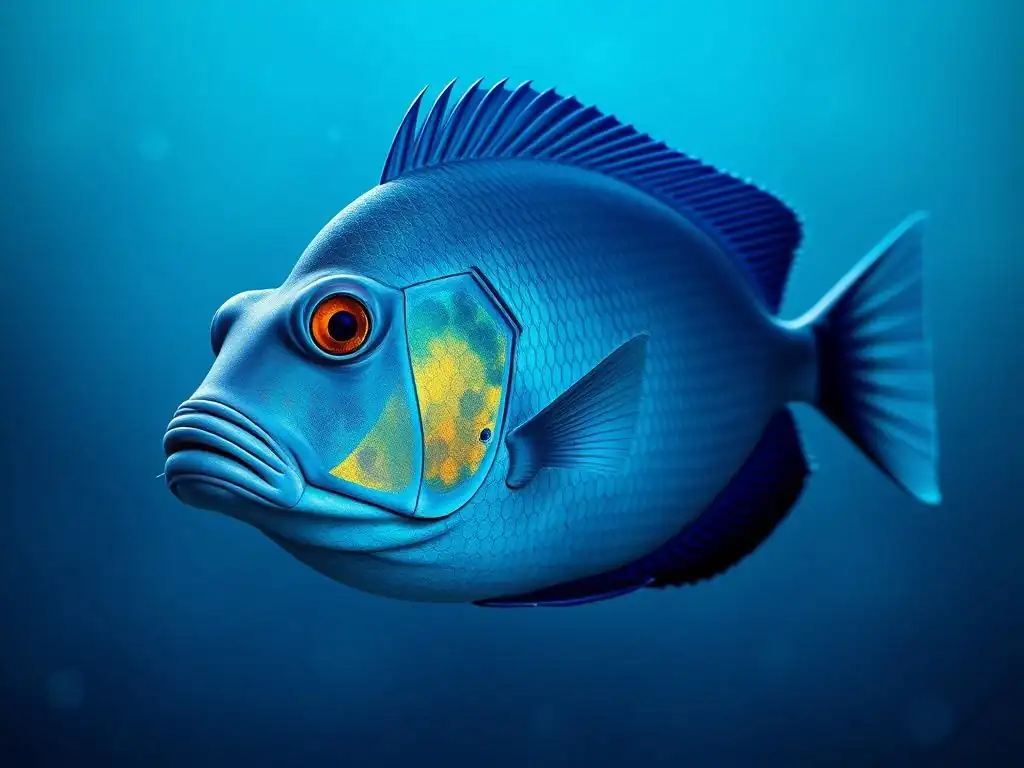
Optimizing Tank Size and Environment for Blue Tang Well-being
To ensure the long-term well-being and prevent blue hippo tang health issues, optimizing their living environment is paramount. Blue Tangs are highly active swimmers and can grow quite large, reaching up to 12 inches (30 cm) in length. Therefore, a minimum tank size of 100-125 gallons is recommended for a single adult to provide ample swimming space and reduce stress. Larger tanks, such as 180 gallons or more, are even better, especially if considering a mixed-species community.
The tank aquascape should feature plenty of stable live rock structures that provide numerous hiding spots and grazing surfaces, mimicking their natural reef habitat. Crucially, there must also be expansive open swimming areas. A well-designed environment promotes natural behaviors, reduces territorial aggression, and minimizes stress, which is a major factor in the onset of blue hippo tang health issues.
Creating a Stress-Free Environment for Blue Tangs
Stress is a primary precursor to nearly all blue hippo tang health issues. Therefore, actively working to create and maintain a stress-free environment is critical for their long-term health. Minimize stress by avoiding sudden and drastic changes in water parameters, which can shock their system. Ensure all new tank additions are compatible and avoid overly aggressive or timid species that might bully or be bullied by the tang. A consistent feeding schedule also contributes to stability.
Reduce external stressors on the aquarium by avoiding loud noises, sudden movements near the tank, or erratic lighting cycles. A peaceful and predictable environment allows the Blue Tang to thrive, maintain a robust immune system, and exhibit natural behaviors, significantly reducing their susceptibility to disease.
Long-Term Strategies for Preventing Blue Tang Health Issues
Consistent, high-quality husbandry is the cornerstone of preventing blue hippo tang health issues over the long term. This involves a diligent routine of regular water testing to monitor parameters, routine partial water changes to replenish trace elements and remove pollutants, and proactive algae management to maintain a clean and balanced ecosystem. Crucially, a consistently varied and nutritious diet, rich in marine algae, must be provided daily.
Furthermore, implementing a robust filtration system, considering the addition of a refugium for natural nutrient export and microalgae production, and always quarantining new fish additions are indispensable proactive measures. By adhering to these long-term strategies, you significantly reduce the incidence of blue hippo tang health issues, allowing your fish to potentially live a full lifespan of 10 years or more in your care.
Conclusion: Ensuring a Healthy Life for Your Blue Tang
Key Takeaways for Maintaining Blue Tang Health
Ensuring the health of your Blue Tang hinges on a holistic approach that prioritizes prevention over cure. The key takeaways for maintaining optimal blue hippo tang health include providing a consistently varied, algae-rich diet that mimics their natural grazing habits, maintaining pristine and stable water quality through regular testing and diligent water changes, and implementing proactive disease prevention strategies such as strict quarantine procedures for all new additions.
Vigilance in observation is paramount. Being able to recognize the subtle physical and behavioral indicators of stress or illness early on, and taking prompt, appropriate action, is crucial for successful outcomes. A healthy environment, combined with attentive care, allows these magnificent fish to thrive.
Resources for Further Learning About Blue Tang Care
For aquarists seeking to deepen their knowledge and enhance their ability to manage blue hippo tang health issues, a wealth of resources is available. Reputable online forums dedicated to marine aquaria, academic papers on fish pathology, and well-known marine aquarium books by experienced authors provide in-depth information on specific care requirements, disease identification, and treatment protocols.
Additionally, don't hesitate to consult with experienced aquarists in your local community or online groups. For complex or persistent blue hippo tang health issues, or for advanced husbandry advice, seeking the expertise of an aquatic veterinarian is always recommended. Continuous learning and a proactive mindset are the best tools for ensuring a long, healthy life for your Blue Tang.
Frequently Asked Questions
How susceptible are Blue Hippo Tangs to disease, and what are the most common ones?
Blue Hippo Tangs are relatively susceptible to diseases like ich and marine velvet, especially when stressed. Proper quarantine and stable water parameters are crucial for prevention.
What is the ideal diet for a Blue Hippo Tang to maintain optimal health and prevent nutritional deficiencies?
A varied diet is essential, including high-quality marine algae, protein-rich foods, and vitamin supplements. This ensures they receive necessary nutrients and prevents deficiencies.
What water parameters are critical for preventing health issues in Blue Hippo Tangs?
Maintaining stable water parameters is vital, including proper salinity, pH levels, and low nitrate levels. Regular water changes and testing are absolutely necessary.
How important is algae management in a Blue Hippo Tang's aquarium, and what types of algae are beneficial?
Algae management is very important as Blue Hippo Tangs are herbivores. Macroalgae like seaweed provides a natural food source and supports gut health.
What are some early warning signs that a Blue Hippo Tang is experiencing health problems?
Look for signs like loss of appetite, lethargy, white spots (ich), or erratic swimming. Early detection and prompt treatment are key to successful recovery.
The information presented throughout this guide underscores the crucial role of informed care in ensuring the well-being of Blue Hippo Tangs. Understanding and addressing potential health issues is not just about keeping a fish alive; it's about upholding our responsibility to provide a thriving environment for these magnificent creatures. The prevalence of preventable diseases and dietary deficiencies highlighted in this article serves as a stark reminder of the commitment required to successfully keep these fish in captivity.
This journey into the intricacies of Blue Hippo Tang health has undoubtedly deepened our appreciation for their delicate nature. The ongoing challenge of replicating their natural environment in a home aquarium highlights the ethical considerations inherent in the hobby. In the end, we will conserve only what we love; we will love only what we understand; and we will understand only what we are taught.
- Baba Dioum. This quote perfectly encapsulates the need for continuous learning and responsible practices within the aquarium community.
Now, armed with this knowledge, I urge you to reflect on your own practices and commitment to the well-being of your aquatic companions. Let this guide serve as a catalyst for proactive care, diligent observation, and a renewed dedication to providing the best possible life for your Blue Hippo Tangs. By embracing a holistic approach to their health, we can ensure that these vibrant fish continue to grace our aquariums for years to come.
Ignite Your Tang's Health: Transform Your Reef Tank Today!
Thank you for diving into the world of Blue Hippo Tangs! We hope this guide has provided you with the knowledge to ensure their vibrant health and longevity. Now, it's time to put that knowledge into action and elevate your aquarium management skills.
Here are some steps you can take right now:
- Implement at least one new dietary element from our discussed feeding strategies this week to boost your Tang's immune system.
- Share this guide with fellow reefing enthusiasts on social media— spreading the word helps us all!
- Consider keeping a detailed log of your Tang’s behavior and physical appearance for the next month to establish a baseline for detecting any health issues early.
What specific algae control method will you prioritize implementing in your reef tank this week?