
The Challenge of Breeding ReefSafe Fish in a Community Setup

Welcome to Aquarium Mastery!
Ever wondered if you could conquer the seemingly impossible and breed reef-safe fish right in your community tank? The secrets are closer than you think, but the challenges are real. Dive into our latest article to unravel the complexities of "Reef safe breeding challenges" and discover if you have what it takes to succeed. Ready to unlock the potential of your saltwater aquarium? Let's explore!
- Introduction: Understanding Reef-Safe Fish Breeding & Community Tanks
- Why Breed Reef-Safe Fish? Benefits and Considerations
- Understanding the Reef-Safe Fish Breeding Landscape
- The Unique Challenges of Community Reef Tank Breeding
- Key Factors for Successful Reef-Safe Fish Breeding in Community Tanks
- Setting Up a Breeding Zone Within a Community Reef Tank
- Feeding Strategies for Reef-Safe Fish Fry in a Community Tank
- Minimizing Predation: Protecting Fry from Tank Mates
- Monitoring and Maintaining a Healthy Breeding Environment
- Addressing Common Reef-Safe Fish Breeding Problems in Community Tanks
- Advanced Techniques for Reef-Safe Fish Larval Rearing
- Success Stories: Examples of Breeding Reef-Safe Fish in Community Tanks
- Conclusion: The Future of Reef-Safe Fish Breeding and Conservation
-
Frequently Asked Questions
- What are the biggest challenges when trying to breed reef-safe fish in a community aquarium?
- How can I ensure that the fish I'm trying to breed are truly reef-safe and won't harm my coral or invertebrates?
- What type of aquarium setup is best for attempting to breed reef-safe fish while minimizing risk to the reef?
- What specific water parameters are most critical for successfully breeding reef-safe fish?
- How do I address the nutritional needs of newly hatched fry in a reef-safe breeding environment?
- Final Reflection: Navigating the Reef-Safe Breeding Labyrinth
- Ignite Your Reef: Start Breeding Your Own Reef-Safe Fish!
Introduction: Understanding Reef-Safe Fish Breeding & Community Tanks
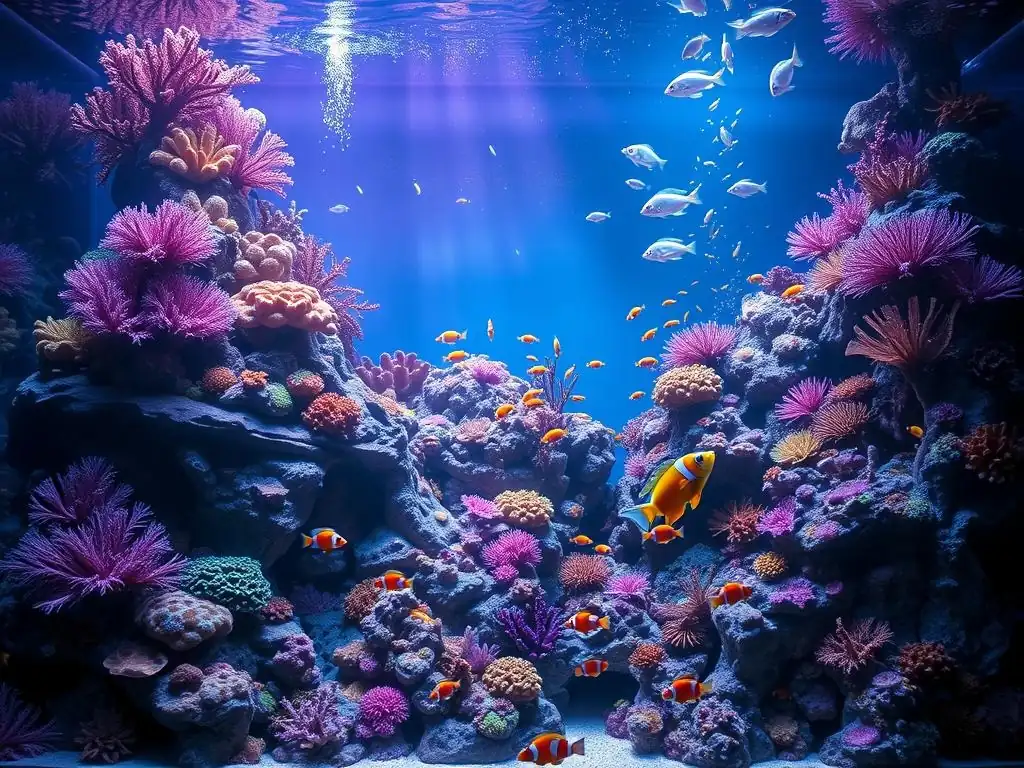
Breeding reef-safe fish within a community aquarium setting presents a fascinating, yet often formidable, set of challenges for even the most experienced aquarists. A "reef-safe" fish is generally defined as a species that will not harm or consume corals, other invertebrates, or pose a threat to the delicate balance of a reef ecosystem.
A "community setup," in this context, refers to a diverse tank housing multiple species of fish, corals, and invertebrates, all coexisting. The inherent complexity of managing a thriving reef environment, coupled with the specific, often exacting, requirements for successful fish reproduction and larval rearing, creates a unique set of reef safe breeding challenges.
This article delves into the intricacies of attempting to breed these delicate marine species within the confines of a bustling community tank. While the allure of observing natural spawning behaviors and raising offspring in such an environment is strong, the reality involves navigating significant hurdles, from predation risks to precise water parameter demands and the fierce competition for resources. Understanding these reef safe breeding challenges is the first step towards a potentially rewarding, albeit difficult, endeavor.
Why Breed Reef-Safe Fish? Benefits and Considerations
The Allure of Captive Breeding Reef Fish
The primary appeal of captive breeding reef fish lies in its significant environmental benefits. An estimated 95% of marine ornamental fish sold globally are still wild-caught, exerting considerable pressure on natural reef ecosystems. By successfully breeding species in captivity, aquarists directly contribute to reducing this demand, thereby alleviating stress on wild populations and supporting the long-term sustainability of the hobby. Captive-bred fish are also typically hardier, healthier, and more accustomed to aquarium life, having never experienced the stress of capture and transport from the wild.
Beyond the ecological advantages, captive breeding offers unique benefits to hobbyists. It allows for the development of new color morphs or patterns, strengthens genetic diversity within captive populations, and provides a profound sense of accomplishment. Observing the intricate courtship rituals, the spawning process, and the subsequent development of tiny fry is an unparalleled experience, deepening an aquarist's connection to the marine world and offering insights into the natural behaviors of these fascinating creatures.
Ethical Implications of Breeding Reef-Safe Species
Breeding reef-safe species carries significant ethical responsibilities that extend beyond simply achieving a spawn. Aquarists must ensure the well-being of their broodstock, providing optimal nutrition, stable water parameters, and a stress-free environment conducive to reproduction. This includes thoughtful consideration of tank size, lighting, and the presence of compatible tank mates that will not harass or inhibit spawning behaviors.
Furthermore, responsible breeding involves careful planning for the offspring. This includes having the necessary equipment and knowledge for larval rearing, which can be highly demanding, and ensuring that any surplus fish can be ethically rehomed. Avoiding inbreeding, which can lead to genetic weaknesses and deformities, is also paramount. The goal is to produce robust, healthy fish that will thrive in other aquariums, contributing positively to the hobby rather than creating a burden.
Challenges Specific to Reef Environments
Attempting to breed reef-safe fish in a community reef environment introduces a layer of complexity not present in dedicated breeding setups. The delicate balance of a reef tank, which supports sensitive corals and invertebrates, often conflicts with the specific needs of fish larvae. For instance, many corals require specific flow rates and lighting that might be too intense or disruptive for fragile fry. Maintaining pristine water quality for corals, with ultra-low nitrates and phosphates, is crucial, but the intensive feeding required for rapidly growing fry can quickly elevate these parameters.
Moreover, the physical structure of a reef tank, with its intricate live rock formations and numerous inhabitants, provides countless hiding spots for fry but also for predators. The presence of other fish, and even some invertebrates, poses a constant threat to eggs and newly hatched larvae, making successful rearing in situ a rare occurrence. These inherent reef safe breeding challenges necessitate innovative strategies and often lead to compromise.
Understanding the Reef-Safe Fish Breeding Landscape
Popular Reef-Safe Fish Species Amenable to Breeding
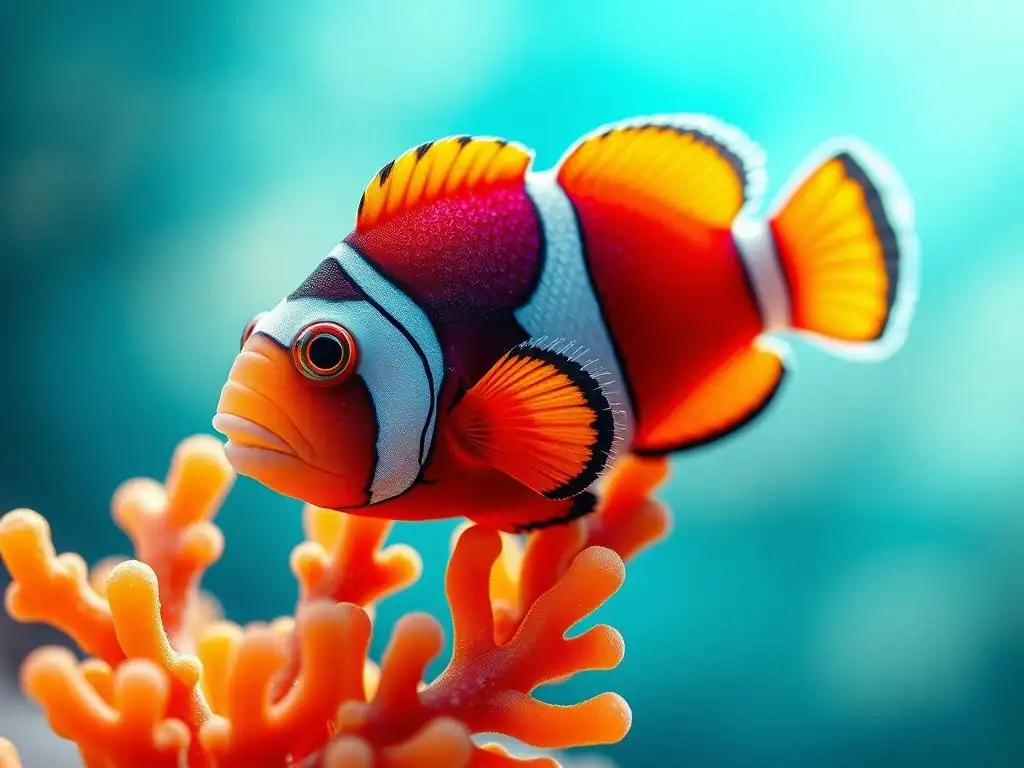
Several reef-safe fish species are known for being relatively more amenable to captive breeding, making them popular choices for aspiring aquarists. The Ocellaris Clownfish ( Amphiprion ocellaris) stands out as the most widely bred marine fish. They form strong pair bonds, are prolific egg layers (often producing clutches of hundreds of eggs every 10-14 days), and their eggs are relatively large and hardy. While their larvae still require specific feeding (rotifers initially), their overall breeding cycle is well-documented, and many hobbyists have successfully spawned them in community tanks, often transferring eggs to a separate rearing system just before hatching.
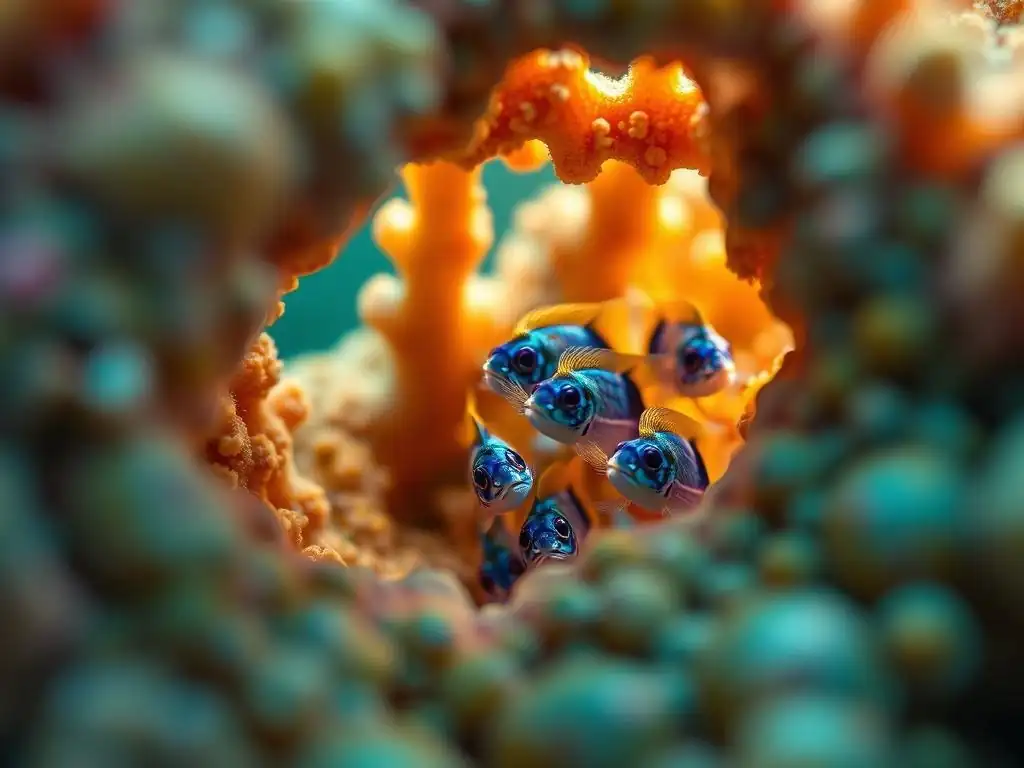
Another group with breeding potential includes certain gobies, such as the Watchman Goby ( Cryptocentrus cinctus) or Yellow Watchman Goby. These species form monogamous pairs, often sharing a burrow with a pistol shrimp, and lay demersal eggs in their safe haven. While their eggs are less frequently preyed upon due to their hidden location, rearing the very small larvae still poses a significant challenge, requiring microscopic live foods and pristine water conditions.
Less Common Reef-Safe Fish with Breeding Potential
Beyond the common clownfish, several less commonly bred reef-safe species offer exciting, albeit more demanding, opportunities for advanced aquarists. The Green Mandarin Dragonet ( Synchiropus splendidus) is a prime example. While spawning in a community tank is relatively common for healthy, well-fed pairs, the extreme difficulty lies in rearing their tiny, pelagic larvae. Mandarin fry are microscopic and require specific, small-sized copepod nauplii as a first food, which are extremely challenging to culture in sufficient quantities. Survival rates in community tanks are virtually zero due to predation and lack of appropriate food.
Another intriguing species is the Banggai Cardinalfish ( Pterapogon kauderni). These unique fish are paternal mouthbrooders, meaning the male carries the eggs and fry in his mouth for several weeks, offering significant protection from predation within the community tank. While the fry are larger and more robust upon release compared to many other marine species, successful rearing still often requires transferring the male to a separate tank just before he releases the fully formed fry to ensure their survival and access to appropriate food.
Legal and Ethical Considerations for Breeding and Selling Reef-Safe Fish
Before embarking on large-scale breeding or selling operations, aquarists must be aware of potential legal and ethical considerations. While most hobbyist-level breeding does not require specific permits, commercial operations may be subject to local, state, or national regulations regarding aquaculture, animal welfare, and sales. It is crucial to research and comply with all applicable laws to ensure responsible practices.
Ethically, breeders should prioritize the health and genetic diversity of their stock. This means avoiding inbreeding, maintaining detailed records of lineage, and ensuring that any fish sold are robust, disease-free, and appropriately sized for their new homes. Transparency with buyers about the origin and care requirements of the fish is also vital. The ultimate goal is to contribute to a sustainable hobby by providing healthy, captive-bred alternatives to wild-caught specimens, rather than simply profiting from the trade.
The Unique Challenges of Community Reef Tank Breeding
Predation Risks in a Community Reef
One of the most significant reef safe breeding challenges in a community reef tank is the pervasive threat of predation. Virtually all other fish in the tank, regardless of their size, will view newly laid eggs or free-swimming larvae as a readily available food source. Even small, seemingly peaceful species like damsels, chromis, or wrasses will opportunistically consume eggs and fry. Invertebrates also pose a threat; some shrimp species (e.g., peppermint shrimp) or crabs can actively hunt and consume eggs or newly hatched larvae.
The intricate rockwork and coral structures of a reef tank, while providing hiding spots for adult fish, are rarely sufficient to protect the microscopic or newly hatched fry from determined predators. Survival rates for marine fish larvae in a typical community reef tank are often less than 1%, making successful rearing to adulthood in such an environment an extremely rare occurrence. The sheer volume and speed of other tank inhabitants make it nearly impossible for the vulnerable fry to evade capture.
Competition for Resources: Food and Space
Beyond direct predation, competition for vital resources presents another hurdle to breeding reef-safe fish in a community setup. Spawning pairs require specific territories and undisturbed space to feel secure enough to reproduce. In a crowded community tank, establishing and defending such a territory can lead to chronic stress, aggression, or even prevent spawning altogether. For species that lay eggs on a substrate, finding an uncontested, clean surface can be difficult.
Furthermore, providing adequate nutrition for microscopic larvae in a community setting is exceptionally challenging. Larvae require specific live foods (like rotifers or copepods) that are often too small for adult fish to consume efficiently. However, if these foods are introduced into the main tank, they are quickly consumed by corals, filter feeders, and other fish before the delicate fry can access them. This makes target feeding incredibly difficult and often results in the fry starving due to insufficient food availability, compounding the reef safe breeding challenges.
Water Parameter Sensitivity in Reef Fish Larvae
Reef fish larvae are incredibly sensitive to water parameters, often requiring conditions even more pristine and stable than those tolerated by adult fish and corals. While adult reef tanks typically maintain specific gravity around 1.025-1.026 and stable alkalinity (8-12 dKH), calcium (400-450 ppm), and magnesium (1250-1350 ppm), larvae are highly susceptible to even minor fluctuations. Ammonia and nitrite, which should be undetectable in an adult reef tank, are lethal to fragile fry even at trace levels.
The intensive feeding required for rapid larval growth quickly fouls the water, leading to rapid accumulation of waste products. In a large community tank, managing these localized spikes without impacting the entire system or requiring massive daily water changes is impractical. Larval rearing tanks, by contrast, are typically small, bare-bottom setups that allow for precise, frequent small water changes (often 10-20% multiple times a day) and easy removal of uneaten food and waste, a level of control that is simply not feasible in a complex reef display.
Key Factors for Successful Reef-Safe Fish Breeding in Community Tanks
Optimizing Water Quality for Breeding and Larval Survival
Maintaining exceptional water quality is paramount for encouraging spawning and ensuring the viability of eggs and larvae in a community reef tank. This means striving for ultra-low nitrates (ideally below 5 ppm) and phosphates (below 0.03 ppm), as high nutrient levels can stress fish and lead to poor egg quality. Consistent alkalinity (e.g., 8-12 dKH), calcium (400-450 ppm), and magnesium (1250-1350 ppm) are also vital, as these parameters support not only coral health but also the physiological processes of the breeding fish.
Regular and meticulous testing of these parameters is crucial, ideally daily or every other day, especially during periods of observed courtship or spawning. Prompt, precise adjustments using high-quality supplements can help maintain the narrow ranges required. Any significant fluctuations can deter spawning, lead to egg loss, or compromise larval development, underscoring the constant battle against reef safe breeding challenges.
Maintaining Stable Reef Parameters: Salinity, Temperature, pH, Alkalinity
Stability across all key reef parameters is more important than specific absolute values within an acceptable range. Salinity should be kept constant at 1.025-1.026 specific gravity, with automated top-off systems being indispensable for replacing evaporated freshwater and preventing salinity creep. Temperature should remain steady, typically between 76-78°F (24-25.5°C), as even small daily swings can stress fish and inhibit spawning. Reliable heaters with backup systems are highly recommended.
pH should be maintained within the 8.1-8.4 range, and alkalinity (dKH) should be consistent. Fluctuations in pH or alkalinity can particularly stress breeding fish and developing eggs. Consistent lighting cycles, mimicking natural day and night, also contribute to a stable environment. These consistent parameters help to minimize stress on the breeding pair, encouraging natural behaviors and improving the chances of successful spawning, despite the inherent reef safe breeding challenges.
The Role of Filtration and Water Changes
Robust filtration is essential in a community reef tank attempting to facilitate breeding. A highly efficient protein skimmer will remove organic waste before it breaks down into nitrates and phosphates, while a large volume of live rock provides excellent biological filtration. A refugium, housing macroalgae like Chaetomorpha, can further assist in nutrient export and provide a stable microfauna population that can serve as an incidental food source for a few lucky fry.
Despite excellent filtration, regular partial water changes are indispensable. Performing 10-20% water changes weekly with high-quality, perfectly mixed saltwater replenishes essential trace elements consumed by corals and fish, while simultaneously exporting accumulated nutrients. These consistent water changes are vital for maintaining the pristine conditions necessary for successful spawning and for giving any surviving fry the best possible chance against the numerous reef safe breeding challenges.
Setting Up a Breeding Zone Within a Community Reef Tank
Creating Safe Havens for Spawning and Fry
To increase the chances of successful breeding within a community reef tank, creating designated "safe havens" for spawning and fry is crucial. For species that lay demersal eggs, like clownfish or gobies, providing secluded caves, PVC pipes, or specific rock formations with smooth, clean surfaces can encourage spawning.
The ideal spot should be in a low-flow area, away from high traffic, where the breeding pair can claim territory and feel secure. For clownfish, a dedicated host anemone or even a suitable host coral (like a Bubble Tip Anemone or a large Duncanopsammia) in a less disturbed part of the tank can serve as a prime spawning site.
While these areas offer a degree of protection for the eggs, they provide very limited safety for free-swimming larvae. The aim is primarily to encourage the pair to spawn successfully. The challenge then shifts to either protecting the eggs until hatching or collecting the newly hatched fry as quickly as possible for transfer to a dedicated rearing system, acknowledging the persistent reef safe breeding challenges.
Using Breeding Boxes or Separate Compartments
In-tank breeding boxes or separate compartments offer a temporary solution for isolating a breeding pair or protecting eggs and newly hatched fry within the community tank. Net breeders or acrylic boxes with slotted sides allow water flow from the main tank, maintaining temperature and basic parameters. These can be used to house a pair during spawning or to hold a piece of rock with eggs just before hatching, allowing for easy collection of fry as they emerge.
However, these in-tank solutions have significant limitations. They are typically too small for long-term larval rearing, as waste quickly accumulates even with flow-through designs, leading to poor water quality. Furthermore, the flow might not be gentle enough for delicate larvae, and providing adequate specific live foods without them escaping or being consumed by other tank inhabitants remains a major hurdle. While useful for short-term isolation, they are rarely sufficient to overcome the full scope of reef safe breeding challenges for larval survival.
Minimizing Stress on Breeding Fish
Minimizing stress on the breeding fish is paramount for encouraging successful reproduction. A stressed fish is unlikely to spawn or may produce unhealthy eggs. This involves maintaining a stable and consistent environment, avoiding sudden changes in lighting, temperature, or water parameters. Loud noises, rapid movements near the tank, or excessive traffic can also stress fish.
Providing adequate hiding spots and ensuring tank mates are not overly aggressive or competitive can significantly reduce stress levels. A well-established, mature tank with stable parameters and a peaceful community is generally more conducive to breeding. Ensuring the breeding pair has access to high-quality, varied food several times a day also contributes to their overall health and readiness to spawn. A calm, secure environment directly correlates with higher chances of reproductive success, helping to mitigate the inherent reef safe breeding challenges.
Feeding Strategies for Reef-Safe Fish Fry in a Community Tank
Live Food Options: Rotifers, Copepods, and Artemia
For most marine fish larvae, live food is absolutely essential as a "first food" due to their tiny mouthparts and specific nutritional requirements. Rotifers ( Brachionus plicatilis) are typically the first food offered, as they are small enough (approx. 50-200 microns) for newly hatched fry to consume and are relatively easy to culture in large quantities. They must be gut-loaded with nutrient-rich phytoplankton to provide essential fatty acids.
As the fry grow, their diet transitions to larger live foods. Copepods, such as Tisbe or Tigriopus species, ranging from 100-1000 microns, are excellent next steps, offering a superior nutritional profile. Finally, newly hatched Artemia nauplii (brine shrimp, approx. 400-500 microns) are a common staple for larger fry. The challenge in a community tank is delivering these live foods directly to the fry without them being consumed by other tank inhabitants or corals, which is a significant reef safe breeding challenge.
Supplementing with Prepared Fry Foods
While live foods are critical for initial larval development, some specialized prepared fry foods can be used as supplements or as a transition food for larger fry. These typically come in liquid or powdered forms, designed for marine larvae. However, their use in a community tank is fraught with difficulties. They are often less nutritionally complete than live foods for the earliest stages and can rapidly foul the water if not consumed quickly.
The fine particles of prepared foods are easily dispersed by water flow and quickly consumed by adult fish, corals, and filter feeders, leaving little for the fry. This makes it almost impossible to ensure adequate nutrition for the delicate larvae. Therefore, while prepared foods might be useful in a dedicated nursery tank with precise control, their effectiveness in overcoming the reef safe breeding challenges of a community tank is minimal.
Target Feeding Techniques to Ensure Adequate Nutrition
Given the intense competition for food in a community tank, target feeding is the only way to even attempt to provide sufficient nutrition for fry. This involves using a turkey baster or a long pipette to deliver live food directly into the vicinity of the fry or the spawning site. This method aims to concentrate the food where the fry are, minimizing its dispersion throughout the tank.
Multiple small feedings throughout the day (e.g., 4-6 times) are often necessary, as fry have high metabolic rates and require a constant supply of food. However, even with meticulous target feeding, a significant portion of the food will still be consumed by other tank inhabitants, and some will inevitably contribute to nutrient buildup. This labor-intensive and often inefficient process highlights a major reef safe breeding challenge when attempting to raise fry in a display tank.
Minimizing Predation: Protecting Fry from Tank Mates
Choosing Compatible Tank Mates
To minimize predation on eggs and fry in a community reef tank, careful consideration of tank mates is paramount. Avoid known predatory or highly aggressive species such as large angelfish, triggerfish, many wrasses, or large groupers, as they will actively hunt and consume any eggs or fry they find. Even seemingly peaceful fish like damselfish or certain chromis can be opportunistic predators of tiny fry.
Focus on selecting only the most peaceful and small reef-safe species. Small, non-aggressive gobies (other than the breeding pair), blennies, or certain cardinalfish that are not mouthbrooders might be less of a threat. However, it's crucial to understand that any fish with a mouth large enough to consume a fry will likely do so, making a truly "fry-safe" community tank almost impossible. This is one of the most insurmountable reef safe breeding challenges.
Using Protective Structures and Vegetation
While not a foolproof solution, providing protective structures and dense vegetation can offer some temporary refuge for eggs and newly hatched fry. Intricate live rock formations with small crevices and overhangs can create areas where eggs are laid slightly out of reach or where tiny fry can momentarily hide. Dense patches of macroalgae, such as Chaetomorpha or Caulerpa, can also offer a labyrinth of hiding spots for microscopic larvae.
However, these measures are rarely sufficient to ensure high survival rates. Predators are often persistent and can navigate through dense structures. Furthermore, eggs laid in deep crevices might not receive adequate water flow for oxygenation, and fry hiding in dense vegetation can be difficult to observe or target feed. The effectiveness of these structures in overcoming reef safe breeding challenges is limited.
Nighttime Predation Prevention
Many marine fish species release their eggs or larvae at night, or the larvae are most vulnerable during the transition from day to night when tank inhabitants are settling or becoming active. This makes nighttime predation a significant concern. Some aquarists attempt to reduce water flow or temporarily turn off circulation pumps just before hatching or during the early hours after hatching to keep the delicate, pelagic fry concentrated in one area, making them easier to collect.
However, this is a temporary and risky measure, as prolonged reduction in flow can negatively impact corals and other tank inhabitants. Other methods, such as dimming lights gradually or providing specific nocturnal hiding spots, are largely ineffective against determined predators. Ultimately, the most effective way to prevent nighttime predation is to remove eggs or fry to a dedicated rearing system, acknowledging that the community tank environment inherently poses severe reef safe breeding challenges for larval survival.
Monitoring and Maintaining a Healthy Breeding Environment
Regular Observation of Fish Behavior
Consistent and meticulous observation of your fish's behavior is critical for successful breeding. Look for subtle changes that indicate courtship, pairing, or readiness to spawn. This might include increased aggression between a potential pair and other tank mates, specific twitching or fin-flaring rituals, or the diligent cleaning of a potential spawning site by one or both partners. For species like clownfish, the male often cleans a flat rock surface or the base of an anemone in preparation for egg laying.
Once eggs are laid, observe the parents' fanning behavior and vigilance against intruders. After hatching, closely monitor the fry's activity levels, swimming patterns, and feeding responses. Any signs of stress, disease, or lethargy in either the adults or fry should be promptly noted and addressed. Early detection of issues can be the difference between success and failure in overcoming reef safe breeding challenges.
Identifying and Addressing Potential Problems
Being proactive in identifying and addressing potential problems is essential. If a pair is showing signs of courtship but not spawning, consider if there's too much stress, insufficient nutrition, or unsuitable spawning sites. If eggs are laid but fail to hatch, investigate water quality issues (e.g., ammonia, nitrite spikes), fungal infections, or parental neglect. Rapidly address any signs of disease in the breeding pair, as healthy fish are more likely to reproduce successfully.
Aggression between the breeding pair or towards other tank mates can disrupt spawning. If this occurs, consider adjusting the tank layout, adding more hiding spots, or, in severe cases, temporarily removing the aggressive fish. Managing algae blooms and nutrient imbalances is also crucial, as these can stress fish and foul eggs. Prompt action based on careful observation is key to navigating the numerous reef safe breeding challenges.
Record Keeping and Data Analysis
Maintaining detailed records is an invaluable tool for any serious breeding endeavor, especially when facing the complexities of a community reef tank. Document spawning dates, the number of eggs laid (if estimable), hatching rates, and any observed parental behaviors. Record all water parameters (salinity, temperature, pH, alkalinity, nitrates, phosphates) on spawning days and throughout the larval development period. Note feeding regimens, types of food used, and any changes made to the system.
Analyzing this data over time allows you to identify patterns and correlations between specific conditions and breeding success or failure. For instance, you might discover that a slight increase in temperature or a particular feeding regime triggers spawning, or that a spike in nitrates consistently leads to egg loss. This systematic approach transforms anecdotal experience into actionable insights, significantly improving your ability to overcome future reef safe breeding challenges.
Addressing Common Reef-Safe Fish Breeding Problems in Community Tanks
Disease Prevention and Treatment
Disease prevention is paramount in a breeding community reef tank, as treating sick fish in such an environment is incredibly complex. The presence of corals and invertebrates severely limits the types of medications that can be safely used. Maintaining extremely high water quality, minimizing stress on the fish, and providing a nutrient-rich diet are the best defenses. Implementing a strict quarantine protocol for all new fish and invertebrates before introduction to the main tank is non-negotiable to prevent pathogen introduction.
If disease does occur in a breeding fish, it often necessitates removing the affected individual to a separate hospital tank for treatment. This can disrupt spawning cycles, stress the remaining partner, and potentially break the pair bond. The difficulty of treating disease in a mixed-reef environment highlights a significant reef safe breeding challenge, as the options are limited and often require sacrificing the breeding attempt for the health of the individual fish.
Dealing with Aggression and Territoriality
Aggression and territoriality are common problems in community reef tanks that can severely impede breeding success. A breeding pair, especially during courtship and egg guarding, can become highly aggressive towards other tank mates, leading to stress, injury, or even death among other fish. Conversely, aggressive tank mates can harass the breeding pair, preventing them from spawning or causing them to abandon their eggs.
Strategies to mitigate aggression include providing ample hiding spots, ensuring the tank is adequately sized for all inhabitants, and introducing fish simultaneously or from least to most aggressive. If a breeding pair becomes excessively aggressive, or if other fish are consistently harassing them, it may be necessary to remove the non-breeding fish or, in extreme cases, the breeding pair itself to a dedicated breeding tank. This often means compromising the vision of a "community breeding" setup.
Managing Algae Blooms and Nutrient Imbalances
The intensive feeding required to sustain a breeding pair and, if any survive, their fry, can quickly lead to nutrient imbalances and subsequent algae blooms in a community reef tank. Uneaten food, fish waste, and the metabolic byproducts of larval growth contribute to elevated nitrates and phosphates. These nutrient spikes not only fuel nuisance algae but can also stress corals and potentially harm sensitive fish and fry.
Effective management requires a multi-pronged approach: rigorous protein skimming, regular and substantial water changes, the use of nutrient-exporting macroalgae in a refugium, and potentially chemical media like GFO (granular ferric oxide) for phosphate removal. Care must be taken to only feed what can be consumed immediately, and any excess food should be promptly siphoned out. Staying on top of nutrient management is a constant battle and a core reef safe breeding challenge in these dynamic environments.
Advanced Techniques for Reef-Safe Fish Larval Rearing
Setting Up a Separate Nursery Tank
For serious attempts at breeding reef-safe fish and significantly increasing larval survival rates, setting up a separate nursery tank is almost always a necessity. A small, bare-bottom tank (typically 5-20 gallons or 19-76 liters) is ideal. The bare bottom allows for easy siphoning of waste and uneaten food, which is critical for maintaining pristine water quality. A separate tank provides complete control over water parameters, lighting, and feeding without the interference or predation risks of a community tank.
Eggs can be transferred to this nursery tank just before hatching, or newly hatched fry can be collected from the main display. This dedicated environment allows for precise delivery of microscopic live foods, gentle aeration (often from an air stone or sponge filter), and the frequent small water changes (often daily or multiple times a day) essential for delicate larvae. This technique dramatically shifts the odds of success in overcoming reef safe breeding challenges.
Implementing Specialized Filtration and Lighting
Specialized filtration is crucial for a larval rearing tank. Sponge filters or air-driven box filters are preferred over power filters or hang-on-back filters, as they provide gentle biological filtration without creating strong currents that could harm or suck in delicate larvae. These filters are also easy to clean, allowing for the removal of accumulated waste without disturbing the fry. Protein skimmers are generally not used on small larval tanks, as they can remove essential live foods.
Lighting for larval tanks often needs to be specific. Many marine larvae, especially in their earliest stages, prefer dim, ambient lighting, or even complete darkness, to prevent stress and encourage feeding. Some species, like mandarin dragonets, require very specific light cycles. This level of lighting control is impossible in a brightly lit community display, highlighting another reason why a dedicated nursery tank is key to overcoming reef safe breeding challenges.
The Importance of Water Chemistry Control for Larval Development
Precise and meticulous water chemistry control is paramount for larval development. Unlike adult fish, fry are extremely sensitive to even minute fluctuations in parameters and trace amounts of ammonia or nitrite. Daily or even twice-daily small water changes (e.g., 10-20% of the tank volume) with perfectly matched, aged saltwater are often necessary to dilute waste products and replenish essential elements without shocking the tiny fry.
Monitoring ammonia, nitrite, and nitrate levels obsessively is critical, as any detectable levels can be lethal. Consistent salinity, temperature, and pH must be maintained without fail. The ability to fine-tune these parameters in a small, isolated system is the reason why dedicated nursery tanks are so much more successful at raising marine fish larvae than community tanks, which present too many uncontrollable reef safe breeding challenges for these fragile life stages.
Success Stories: Examples of Breeding Reef-Safe Fish in Community Tanks
Breeding Ocellaris Clownfish (Amphiprion ocellaris) in a Reef Community
While full-scale larval rearing in a community tank is rare, Ocellaris Clownfish are perhaps the most common success story when it comes to spawning within such an environment. Many hobbyists report their clownfish pairs regularly laying large clutches of eggs (hundreds) on a piece of rock or an anemone base in their display tanks. The parents diligently guard and fan the eggs, and often, the eggs will successfully hatch after 7-10 days.
However, the "success" in a community tank typically ends there. While a few hardy fry might survive for a day or two in an extremely sparse tank with very few predators and abundant plankton, the vast majority are quickly consumed by other fish or invertebrates, or perish due to lack of appropriate food. For significant numbers of Ocellaris fry to survive, the eggs or newly hatched larvae are almost always transferred to a dedicated nursery system, demonstrating that overcoming the reef safe breeding challenges for larval survival still requires intervention.
Breeding Green Mandarin Dragonets (Synchiropus splendidus) in a Reef Community
Spawning Green Mandarin Dragonets in a community reef tank is a relatively common occurrence for well-established, healthy pairs that are adequately fed. These beautiful fish are pelagic spawners, releasing their eggs and sperm during a nightly "spawning ascent" into the water column. Observing this behavior in a display tank is a rewarding experience for any aquarist.
Despite the relative ease of spawning, the challenge of rearing Green Mandarin larvae in a community tank is virtually insurmountable. Their fry are incredibly small (less than 1mm upon hatching) and require microscopic, specific copepod nauplii as a first food. The survival rate of mandarin fry in a community tank is effectively zero due to their tiny size, specific feeding requirements, and immediate predation by even the smallest of tank mates. All successful rearing of Green Mandarin fry occurs in dedicated larval rearing systems, highlighting the extreme reef safe breeding challenges for this species.
Breeding Banggai Cardinalfish (Pterapogon kauderni) in a Reef Community
Banggai Cardinalfish offer a unique breeding scenario in a community tank due to their mouthbrooding behavior. The male of the species carries the eggs and then the developing fry in his mouth for several weeks, providing a significant degree of protection from predation within the main display. This allows the fry to grow to a much larger and more robust size before they are released.
While this parental care offers better chances than pelagic spawners, survival rates for newly released fry in a community tank are still low. The fry, though larger, can still be consumed by many tank mates. For higher success rates, hobbyists often transfer the male to a separate, quiet tank just before he is due to release the fry. This allows the fry to be released into a safe, controlled environment where they can access appropriate foods without competition or predation, underlining that even with mouthbrooding, overcoming reef safe breeding challenges for higher numbers often requires intervention.
Conclusion: The Future of Reef-Safe Fish Breeding and Conservation
Promoting Responsible Breeding Practices
The future of the marine aquarium hobby and the conservation of coral reefs are increasingly intertwined with responsible breeding practices. As demand for marine ornamental fish continues, promoting and engaging in captive breeding offers a viable pathway to reduce reliance on wild-caught specimens, thereby alleviating pressure on vulnerable reef ecosystems. This includes educating hobbyists on the ethical responsibilities of breeding, such as ensuring genetic diversity, avoiding inbreeding, and providing optimal care for broodstock and offspring.
Sharing knowledge and techniques is also crucial. Forums, local aquarium clubs, and online communities play a vital role in disseminating information, helping new breeders navigate the complex reef safe breeding challenges. By fostering a culture of responsible breeding, hobbyists can collectively contribute to a more sustainable and ethical hobby.
Supporting Research and Development
The field of marine fish aquaculture is constantly evolving, with dedicated researchers and passionate hobbyists continually pushing the boundaries of what species can be successfully bred in captivity. Supporting this research and development is paramount. This can involve contributing to scientific studies, participating in citizen science initiatives, or simply sharing detailed observations and breeding logs from personal attempts.
Every successful breeding of a challenging species, and even every failed attempt that provides new insights, contributes to the collective knowledge base. As techniques improve and our understanding of larval biology deepens, more and more species that were once thought impossible to breed in captivity are becoming viable. This ongoing innovation is key to overcoming the remaining reef safe breeding challenges and expanding the range of captive-bred options available to aquarists.
The Role of Hobbyists in Reef Conservation
Hobbyists play a surprisingly significant role in reef conservation. By choosing captive-bred fish over wild-caught specimens, they directly reduce the demand on wild populations. Furthermore, the knowledge and skills developed through years of maintaining complex reef aquariums and attempting to breed delicate species provide invaluable insights into the biology and needs of these animals.
Engaging in responsible breeding, despite the inherent reef safe breeding challenges, is a tangible way for individual hobbyists to contribute to the long-term health of coral reefs. It not only reduces the ecological footprint of the hobby but also fosters a deeper appreciation and understanding of marine life, inspiring broader conservation efforts. The passion and dedication of aquarists are powerful forces that can help secure a more sustainable future for the world's most vibrant ecosystems.
Frequently Asked Questions
What are the biggest challenges when trying to breed reef-safe fish in a community aquarium?
The biggest challenge is often predation of eggs or fry by other tank inhabitants. Maintaining stable water parameters crucial for breeding can also be difficult.
How can I ensure that the fish I'm trying to breed are truly reef-safe and won't harm my coral or invertebrates?
Research is key! Thoroughly investigate the species-specific needs and potential impact on a reef environment before introducing any fish. Consider quarantine to observe their behavior.
What type of aquarium setup is best for attempting to breed reef-safe fish while minimizing risk to the reef?
A species-specific tank or a dedicated breeding tank is ideal. This allows for controlled water parameters and removes the risk of predation from other reef inhabitants.
What specific water parameters are most critical for successfully breeding reef-safe fish?
Maintaining stable temperature, salinity, and pH levels are paramount. Also, ensuring low nitrate levels is crucial for egg and fry survival.
How do I address the nutritional needs of newly hatched fry in a reef-safe breeding environment?
Provide appropriately sized food, such as rotifers or newly hatched brine shrimp. Also, be mindful of water quality, as fry are very sensitive to changes.
The intricacies of breeding reef-safe fish in a community aquarium, as we've explored, are not merely academic; they represent a microcosm of the larger challenge of sustainable aquaculturing and responsible reef keeping in a world increasingly aware of its environmental impact. The delicate balance between the needs of the breeding pair, the safety of the reef inhabitants, and the overall health of the ecosystem demands a level of dedication and understanding that goes beyond simple hobbyism.
This journey into the complexities of reef-safe breeding has profoundly underscored the interconnectedness of every element within a reef aquarium. It's a constant reminder that our actions, however small, can have significant ripple effects. As we strive to replicate the natural wonders of the ocean within our glass boxes, we must remember the ethical responsibility that comes with it. In the end, we will conserve only what we love; we will love only what we understand; and we will understand only what we are taught.
- Baba Dioum
Now, as you close this article, consider the lessons learned about the challenges of reef-safe breeding. How can you apply this understanding to your own aquariums, or even to your broader approach to environmental stewardship? Let this knowledge inspire you to become a more informed, conscientious aquarist, contributing to a future where the beauty and biodiversity of our coral reefs are not just admired, but actively protected and preserved.
Ignite Your Reef: Start Breeding Your Own Reef-Safe Fish!
Thank you for diving into the fascinating world of reef-safe fish breeding! We hope you've gained valuable insights into the challenges and rewards of this exciting endeavor. Now, let's put that knowledge into action and take your aquarium hobby to the next level.
Ready to get started? Here are a few steps you can take right now:
- Set up a dedicated breeding tank: This will give your fish the best possible chance of success and protect the fry from predators in your community tank.
- Explore rare and unusual reef-safe species. Researching less common breeds can lead to exciting discoveries and contribute to conservation efforts.
- Share your own experiences and challenges in the Aquarium Mastery community forums. Helping others navigate these hurdles will strengthen the reefing community as a whole.
What specific challenge are you most excited to tackle in your reef-safe breeding journey?