
Royal Gramma Basslet: A Regal & Reliable ReefSafe Inhabitant

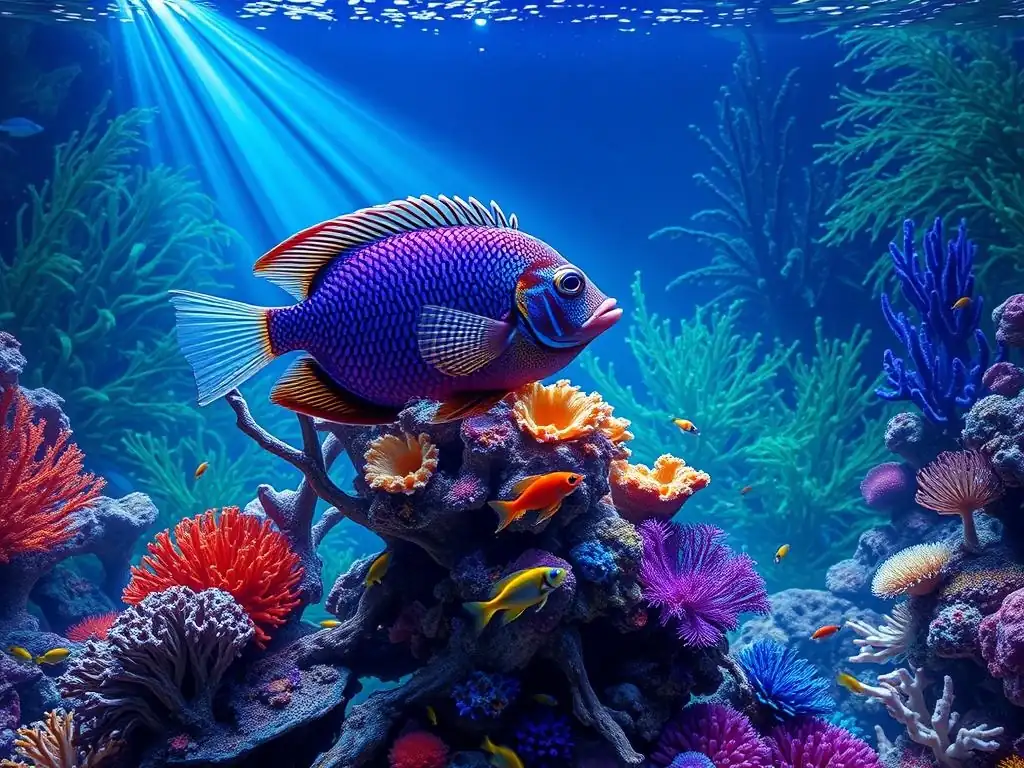
Welcome to Aquarium Mastery!
Ever wondered how to bring a splash of vibrant color and effortless elegance to your saltwater aquarium? Dive in! This Royal Gramma Care Guide unlocks the secrets to successfully keeping this stunning and reef-safe fish. Prepare to be captivated by its regal beauty and surprisingly adaptable nature – but are you ready for the potential challenges? Let's explore everything you need to know to ensure your Royal Gramma thrives.
- Introduction to the Royal Gramma: A Reef Aquarium Gem
- Royal Gramma Care Guide: Essential Information for Aquarists
- Royal Gramma Tank Mates: Compatibility and Considerations
- Royal Gramma Behavior and Temperament
- Identifying and Treating Common Royal Gramma Diseases
- Royal Gramma Breeding: Challenges and Possibilities
- Royal Gramma vs. Similar Fish: Distinguishing Features
- Purchasing a Royal Gramma: Selecting a Healthy Specimen
- Royal Gramma: Pros and Cons for Reef Tank Keepers
- Conclusion: The Enduring Appeal of the Royal Gramma Basslet.
- Frequently Asked Questions
- Final Reflection: Embracing the Regal Gramma's Legacy
- Unveil the Majesty: Start Your Royal Gramma Journey Now!
Introduction to the Royal Gramma: A Reef Aquarium Gem
Why Choose a Royal Gramma for Your Reef Tank?
The Royal Gramma Basslet (Gramma loreto) stands out as one of the most popular and visually striking choices for saltwater aquarists. Its captivating bi-coloration, featuring a vibrant purple front half transitioning sharply into a brilliant yellow rear, adds an immediate splash of exotic beauty to any reef display. Beyond its stunning aesthetics, the Royal Gramma’s relatively small adult size, typically around 3 inches (7.5 cm), makes it suitable for a wide range of tank sizes, including smaller nano-reef setups of 20 gallons or more. This combination of beauty and modest size contributes significantly to its appeal.
Furthermore, the Royal Gramma is highly regarded for its generally peaceful temperament and its unwavering reef-safe nature. Unlike some other marine species, it poses no threat to corals, anemones, or most invertebrates, making it an ideal inhabitant for thriving mixed-reef aquariums. Its hardiness and adaptability to captive environments, when provided with a proper Royal gramma care guide and setup, further solidify its reputation as a reliable and rewarding addition for both novice and experienced aquarists seeking a vibrant, non-disruptive centerpiece fish.
Royal Gramma Basslet (Gramma loreto): Overview and Key Characteristics
The Royal Gramma Basslet, scientifically known as Gramma loreto, is a captivating member of the Grammatidae family, native to the Western Atlantic Ocean, encompassing the Caribbean Sea, Gulf of Mexico, and the coast of Florida. Its most distinguishing feature is its striking coloration: a vivid purple or magenta head and front half, which abruptly transitions to a bright yellow tail and posterior body. This distinct demarcation is a key identifier, setting it apart from similar species.
In terms of physical characteristics, Gramma loreto typically reaches an adult size of about 3 inches (approximately 7.5 cm) in captivity, though some individuals may slightly exceed this. They possess a streamlined, somewhat elongated body shape with prominent dorsal and anal fins.
Their natural habitat consists of rocky crevices, caves, and overhangs on coral reefs, usually at depths ranging from 10 to 200 feet (3 to 60 meters), where they establish a specific territory. With proper Royal gramma care, including stable water parameters and a suitable diet, these fish can enjoy a lifespan of up to 6 years or more in a home aquarium.
Royal Gramma Care Guide: Essential Information for Aquarists
Optimal Tank Setup for Royal Gramma Basslets
When establishing an aquarium for a Royal Gramma Basslet, providing ample rockwork with numerous caves, overhangs, and crevices is paramount. These fish are naturally reclusive and territorial, preferring to establish a specific "home" within the rock structure where they can retreat for security and rest. A minimum tank size of 20 gallons (approximately 75 liters) is generally recommended for a single Royal Gramma, ensuring enough space for swimming and distinct hiding spots. For a pair or a community tank, larger volumes, such as 30 gallons (113 liters) or more, are advisable to mitigate potential territorial disputes.
The substrate choice is not critical for the Royal Gramma itself, but a sand bed is beneficial for many reef setups and contributes to a natural aesthetic. Moderate water flow is preferred, mimicking their natural reef environment without being overly turbulent, which could stress the fish. Lighting should also be moderate, as they often dwell in shaded areas of the reef. The emphasis of any good Royal gramma care guide on tank setup should be on creating a stable, secure, and stimulating environment that closely mimics their natural habitat, encouraging their natural behaviors and reducing stress.
Understanding Royal Gramma Water Parameters: Temperature, Salinity, and pH
Maintaining stable and appropriate water parameters is crucial for the long-term health and vibrancy of Royal Gramma Basslets. The ideal temperature range for these tropical marine fish is between 72-78°F (22-26°C), with consistency being more important than hitting an exact number. Sudden temperature swings can cause significant stress and weaken their immune system.
Salinity, measured as specific gravity, should be kept within the range of 1.020 to 1.025, or a corresponding PSU (Practical Salinity Units) of 30-34 ppt. A stable pH level between 8.1 and 8.4 is also essential for a healthy marine environment. Regular testing using reliable kits for alkalinity, calcium, and magnesium is also recommended, as these parameters contribute to the overall stability of the water chemistry, especially in a reef environment. Adhering to these guidelines is a fundamental aspect of any comprehensive Royal gramma care guide.
Royal Gramma Diet and Feeding: What to Feed and How Often
Royal Gramma Basslets are carnivorous and primarily feed on zooplankton in their natural habitat. In a home aquarium, a varied diet consisting of high-quality frozen foods is essential to meet their nutritional needs and maintain their vibrant coloration. Excellent choices include frozen Mysis shrimp, brine shrimp (enriched), finely chopped marine-based foods such like clam or squid, and copepods. Some individuals may also accept high-quality marine flakes or small pellets, but these should not form the sole basis of their diet.
Feeding should occur one to two times daily, offering small amounts that can be consumed within a few minutes. Overfeeding should be avoided as it can lead to poor water quality. Providing a diverse diet ensures they receive all necessary vitamins and nutrients, promoting robust health and optimal coloration. This diligent approach to nutrition is a cornerstone of effective Royal gramma care.
Maintaining Water Quality for a Healthy Royal Gramma
Pristine water quality is arguably the most critical factor in the long-term success and health of Royal Gramma Basslets. Regular water changes are indispensable for diluting nitrates, replenishing trace elements, and removing accumulated organic pollutants. A common recommendation is a 10-20% water change every two to four weeks, depending on tank bioload and filtration efficiency. Using high-quality source water (RO/DI water) and properly mixed marine salt is vital to avoid introducing unwanted contaminants.
Effective filtration is equally important. A robust mechanical filter (filter socks, sponges) will remove particulate matter, while biological filtration (live rock, bio-media) will convert ammonia and nitrites into less harmful nitrates. Chemical filtration, such as activated carbon or GFO (granular ferric oxide), can help remove dissolved organic compounds and phosphates, respectively, contributing to crystal clear water. A well-sized protein skimmer is also highly recommended for saltwater tanks, as it efficiently removes organic waste before it breaks down, significantly contributing to a stable and healthy environment, which is a key component of a comprehensive Royal gramma care guide.
Royal Gramma Tank Mates: Compatibility and Considerations
Best Tank Mates for Royal Grammas in a Reef Environment
The Royal Gramma Basslet's generally peaceful and reef-safe nature makes it compatible with a wide array of marine fish and invertebrates, provided adequate space and hiding spots are available. Ideal tank mates are other peaceful, non-aggressive species that do not compete directly for food or territory. Good choices include small to medium-sized clownfish, many species of gobies (e.g., watchman gobies, pistol shrimp gobies), blennies (e.g., starry blennies, tailor blennies), cardinalfish (e.g., pajama cardinalfish), and certain non-aggressive damselfish that are known to be peaceful.
When selecting tank mates, prioritize fish of similar size and temperament to minimize stress. Ensure that the tank is large enough to accommodate all inhabitants without overcrowding, as this can lead to increased aggression even among typically peaceful species. Providing plenty of live rock with various nooks and crannies will allow all fish to establish their own territories and retreat when desired, contributing to a harmonious community in line with a good Royal gramma care guide.
Fish to Avoid Keeping with Royal Grammas
While generally docile, Royal Grammas can become stressed or be outcompeted by overly aggressive or much larger tank mates. It is advisable to avoid keeping them with predatory fish such as large groupers, lionfish, or aggressive triggerfish, which might view the Royal Gramma as a food source. Similarly, highly aggressive angelfish species, certain large damselfish, or puffers can harass or injure a Royal Gramma, leading to chronic stress and potential health issues.
Furthermore, caution should be exercised when considering other basslets or fish with similar body shapes and color patterns, especially in smaller aquariums. While a single Royal Gramma is usually quite peaceful, introducing another Royal Gramma or a False Gramma ( Pictichromis diadema) into a tank under 50 gallons (approximately 190 liters) can often lead to territorial disputes and aggression, unless they are a verified mated pair. Even then, ample space and multiple hiding spots are crucial for successful cohabitation.
Royal Gramma and Invertebrates: A Reef-Safe Combination
One of the most appealing aspects of the Royal Gramma Basslet for reef aquarists is its impeccable reef-safe status. These fish are known to be completely safe with nearly all types of corals, including stony corals (SPS and LPS), soft corals, and anemones. They do not nip at polyps or cause any damage to the coral structure, making them an excellent choice for a vibrant, thriving mixed-reef aquarium.
In addition to corals, Royal Grammas are also safe with a wide range of popular invertebrates. This includes various species of clean-up crew members such as snails (e.g., turbo snails, Nassarius snails), hermit crabs, and starfish. They also pose no threat to ornamental shrimp species like cleaner shrimp, peppermint shrimp, or porcelain crabs. This compatibility with the diverse ecosystem of a reef tank is a significant advantage and a key reason why they are a staple recommendation in any comprehensive Royal gramma care guide.
Royal Gramma Behavior and Temperament
Royal Gramma Basslets are typically solitary in the wild, inhabiting a specific crevice or cave where they establish a territory. In an aquarium setting, they generally exhibit this same solitary behavior, preferring to live alone. While it is possible to keep a male-female pair in a sufficiently large tank (e.g., 50 gallons or more) with multiple hiding spots, introducing two unsexed Royal Grammas into a smaller tank often leads to one fish dominating and harassing the other, sometimes to the point of starvation or death.
Once established, a Royal Gramma will typically select a specific cave or overhang as its primary home. They spend a good portion of their time hovering upside down or sideways beneath ledges, a charming and distinctive behavior. Despite their shyness, they are not overly timid and will readily emerge for feeding, often displaying a confident darting motion. Providing ample rockwork and multiple hiding spots is key to making them feel secure and encouraging their natural behaviors.
Royal Gramma Aggression: Minimizing Territorial Disputes
While broadly considered peaceful, Royal Grammas can exhibit territorial aggression, particularly towards conspecifics (other Royal Grammas) or fish that share a similar body shape or coloration, especially in confined spaces. This aggression is usually directed at establishing dominance and protecting their chosen territory. In a tank that is too small (e.g., under 40 gallons for more than one Royal Gramma), this can result in relentless chasing and stress for the subordinate fish.
To minimize territorial disputes, several strategies can be employed. Firstly, avoid keeping multiple Royal Grammas unless you have a very large tank (100+ gallons) or a confirmed mated pair. Secondly, introduce the Royal Gramma as one of the last fish into a community tank, allowing other inhabitants to establish their territories first. Thirdly, ensure an abundance of diverse rockwork and hiding spots, providing multiple "homes" for all fish to claim. Adequate space and careful selection of tank mates are paramount for a harmonious environment, a crucial piece of any Royal gramma care guide.
Observing Royal Gramma Health: Recognizing Signs of Illness or Stress
Regular observation of your Royal Gramma Basslet's behavior and appearance is vital for early detection of stress or illness. A healthy Royal Gramma will display vibrant, distinct purple and yellow coloration, maintain a good appetite, and exhibit active yet characteristically shy swimming patterns, often hovering near its chosen crevice. Its fins should be erect and fully extended, and its breathing should be calm and unlabored.
Signs of stress or illness can include faded or dull coloration, clamped fins (held close to the body), rapid or labored breathing, refusal to eat, and lethargy. Physical symptoms might include white spots (Ich), a dusty film (Marine Velvet), lesions, or frayed fins. Any deviation from normal behavior or appearance warrants immediate investigation. Prompt action, often involving water parameter checks, observation of tank mates, and potentially isolation in a quarantine tank, is crucial for successful intervention and is a key part of responsible Royal gramma care.
Identifying and Treating Common Royal Gramma Diseases
Common Royal Gramma Ailments: Ich, Marine Velvet, and Brooklynellosis
Royal Gramma Basslets, like many other marine fish, are susceptible to common parasitic infections if stressed or introduced into an unhealthy environment. Marine Ich ( Cryptocaryon irritans) is characterized by visible white spots resembling grains of salt on the fish's body and fins, often accompanied by scratching against tank decor. Marine Velvet ( Amyloodinium ocellatum) presents as a fine, dusty, golden or brownish film, often causing rapid breathing and lethargy, and is highly contagious and fast-acting. Brooklynellosis ( Brooklynella hostilis), sometimes called Clownfish Disease, causes excessive mucus production, skin sloughing, and rapid deterioration.
These parasites often exploit fish that are already weakened by poor water quality, inadequate nutrition, or stress from unsuitable tank mates. For instance, a Royal Gramma in a tank with fluctuating salinity or high nitrates is more prone to succumbing to these diseases. Early detection and accurate diagnosis are paramount, as these diseases can progress rapidly and be fatal if left untreated, emphasizing a critical aspect of any comprehensive Royal gramma care guide.
Quarantine Procedures for New Royal Gramma Basslets
Implementing a robust quarantine procedure for all new Royal Gramma Basslets is perhaps the single most important preventative measure against introducing diseases into a display tank. A dedicated quarantine tank (QT) should be set up with basic filtration (sponge filter), a heater, and PVC pipes or other inert hiding spots. It should be bare-bottomed for easy cleaning and observation. New fish should reside in the QT for a minimum of 3-4 weeks, or longer if any signs of illness appear.
During the quarantine period, the fish can be observed for any signs of disease, allowing for treatment without risking the entire main display tank's inhabitants. Prophylactic treatments for common parasites like Ich or Velvet can also be administered during this time. This crucial step prevents the devastating spread of pathogens that could wipe out an established aquarium, making quarantine a non-negotiable component of optimal Royal gramma care.
Treatment Options for Sick Royal Grammas: Medications and Best Practices
The treatment approach for a sick Royal Gramma depends entirely on the accurate diagnosis of the ailment. For parasitic infections like Marine Ich and Marine Velvet, common treatments include copper-based medications (e.g., Copper Power, Cupramine) or hyposalinity (reducing specific gravity to 1.008-1.009). It's crucial to follow manufacturer instructions carefully for dosage and duration, as copper can be toxic if misused. Freshwater dips (for 3-5 minutes, pH and temperature matched) can offer temporary relief and remove some parasites.
Bacterial infections, which might manifest as fin rot, body sores, or cloudy eyes, typically require broad-spectrum antibiotics, often administered via medicated food or as a bath treatment in the quarantine tank. For Brooklynellosis, formalin-based medications are often effective. Regardless of the treatment, it should ideally be carried out in a quarantine tank to protect the main display and its invertebrates. Continuous monitoring of water parameters and the fish's response to treatment is essential, along with ensuring the fish continues to eat. Always remove chemical filtration like activated carbon when medicating, as it can absorb the treatment.
Royal Gramma Breeding: Challenges and Possibilities
Creating a Breeding Environment for Royal Grammas
Breeding Royal Gramma Basslets in a home aquarium is a challenging but rewarding endeavor, requiring specific conditions and dedication. A dedicated breeding tank, typically 40 gallons (approximately 150 liters) or larger, is recommended to provide ample space and stable parameters. The tank should be mature, with pristine water quality and a stable temperature range of 78-80°F (25-27°C). Crucially, the breeding setup must include several small, dark caves or crevices, ideally made from PVC pipes or ceramic structures, as these fish are cave spawners.
Introducing a compatible, well-conditioned male-female pair is essential. Sexing Royal Grammas visually is difficult, so often a group of juveniles is grown out, or a known pair is acquired. Once a pair forms, they will often share a chosen cave. Conditioning the pair with a high-protein, varied diet of live and frozen foods (such as enriched brine shrimp, Mysis shrimp, and copepods) for several weeks prior to spawning attempts is vital to encourage egg production and male vigor.
Royal Gramma Egg Laying and Fry Care
Once conditioned, the male Royal Gramma will often construct a nest within a chosen crevice, using bits of algae or detritus to form a protective barrier. The female will then lay adhesive eggs within this nest, typically numbering between 100 to 200 eggs per clutch. The male takes on the primary role of guarding and fanning the eggs until they hatch, which usually occurs within 5 to 10 days, depending on water temperature. During this period, it's crucial to avoid disturbing the male or the nest.
Upon hatching, Royal Gramma fry are incredibly small and planktonic, making their care extremely demanding. They are highly susceptible to predation and require immediate access to appropriately sized live food. Their initial diet must consist of very small live foods such as rotifers, followed by newly hatched brine shrimp as they grow. Providing a continuous supply of these microscopic organisms is the most significant hurdle in raising Royal Gramma fry, underscoring the specialized nature of breeding within a Royal gramma care guide.
Raising Royal Gramma Fry
The process of raising Royal Gramma fry from hatching to juvenile size is fraught with challenges, primarily due to their minute size and specific feeding requirements. High mortality rates are common, even in well-managed breeding setups. After the initial rotifer diet, as the fry grow (usually within a week or two), they can be transitioned to newly hatched brine shrimp. This transition must be carefully timed to ensure the fry can consume the larger food items.
Maintaining impeccable water quality in the fry rearing tank is paramount. Small, frequent water changes (e.g., 10% daily) are necessary to remove waste without shocking the delicate fry. The tank should be bare-bottomed to facilitate cleaning and prevent food from decaying. As the fry continue to grow, typically over several weeks, they can be gradually introduced to finely crushed flakes and then small frozen foods. It is often necessary to separate larger fry from smaller ones to prevent cannibalism, a common issue as they develop.
Royal Gramma vs. Similar Fish: Distinguishing Features
Royal Gramma vs. False Gramma: How to Tell the Difference
The Royal Gramma ( Gramma loreto) is sometimes confused with the False Gramma ( Pictichromis diadema), also known as the Diadema Dottyback. While both fish exhibit a purple and yellow coloration, there are distinct differences. The Royal Gramma possesses a sharp, clean, and distinct line where its vibrant purple front meets its brilliant yellow rear. This color transition is typically very precise and abrupt.
In contrast, the False Gramma's color transition is often more diffused or mottled, and its colors can appear less vibrant or more muted. Furthermore, False Grammas tend to be more elongated and slightly larger, often reaching 4-5 inches (10-12.5 cm) in length, compared to the Royal Gramma's typical 3 inches. Behaviorally, False Grammas are known to be significantly more aggressive and territorial than Royal Grammas, particularly towards other fish, making them less suitable for peaceful community tanks. Observing the sharpness of the color demarcation and the overall body shape are key to accurate identification.
Comparing Royal Grammas to Other Reef-Safe Basslets: Blackcap Basslet & Swissguard Basslet
Beyond the False Gramma, the Royal Gramma belongs to a larger group of attractive, reef-safe basslets, each with unique characteristics. The Blackcap Basslet ( Gramma melacara) is another popular choice, distinguished by its striking magenta body topped with a prominent black "cap" or stripe extending from its snout to the end of its dorsal fin. It shares the Royal Gramma's preference for hiding in rockwork but can be slightly more reclusive.
The Swissguard Basslet ( Liopropoma rubre) is another small, elegant basslet often sought after for reef tanks. It features a predominantly white or pale yellow body adorned with distinctive bright red horizontal stripes. While all these basslets are generally reef-safe and occupy similar niches in the aquarium, their specific temperaments, maximum sizes, and availability can vary. Royal Grammas are typically the most readily available and often the most affordable, making them a common entry point for those seeking a beautiful, non-aggressive basslet for their reef system, and a staple in any comprehensive Royal gramma care guide.
Royal Gramma Color Variations
While the Royal Gramma ( Gramma loreto) is renowned for its iconic purple and yellow bi-coloration, there can be subtle variations in the intensity and exact hue of these colors among individual fish. These variations are often influenced by factors such as genetics, diet, and the fish's overall health and stress levels. Some individuals may display a deeper, richer purple, almost leaning towards magenta, while others might have a lighter lavender shade. Similarly, the yellow can range from a bright, almost neon yellow to a more golden or orange-tinted hue.
It's important to note that significant fading of colors, particularly a dulling of the purple or a washed-out yellow, can be a strong indicator of stress, poor water quality, or illness. A healthy, well-fed Royal Gramma in a stable environment will typically exhibit its most vibrant and distinct coloration. Therefore, observing any changes in color intensity or pattern can be a crucial diagnostic tool for aquarists, highlighting an important aspect of diligent Royal gramma care.
Purchasing a Royal Gramma: Selecting a Healthy Specimen
Choosing a Reputable Royal Gramma Supplier
The health and longevity of your Royal Gramma Basslet often begin with where you purchase it. Selecting a reputable supplier, whether a local fish store or an online vendor, is paramount. Look for establishments that maintain clean, well-organized tanks with clear water and healthy-looking fish. A good supplier will have knowledgeable staff who can answer questions about the fish's origin, feeding habits, and any specific Royal gramma care requirements.
Inquire about their quarantine procedures for newly arrived fish. Reputable dealers often hold new arrivals in a separate system for a period (e.g., 1-2 weeks) to monitor for diseases and ensure they are eating. Avoid stores with overcrowded tanks, visible signs of disease (e.g., Ich, fin rot) on multiple fish, or strong, unpleasant odors, as these are red flags indicating potentially poor husbandry practices that could lead to a compromised specimen.
Inspecting Royal Grammas for Signs of Health
Before purchasing a Royal Gramma, take ample time to observe the individual fish you intend to buy. A healthy Royal Gramma will display vibrant, distinct purple and yellow coloration, with no dulling or fading. Its eyes should be clear and bright, not cloudy or sunken. Check its fins for any tears, nips, or signs of clamping (held tightly against the body), which can indicate stress or disease. The fish should be active, though it may spend time hovering in a specific hiding spot.
Crucially, observe its breathing: it should be calm and even, not rapid or labored. If possible, ask the staff to feed the fish to ensure it has a good appetite and readily consumes food. Avoid any fish that appears emaciated, listless, or exhibits any white spots, dusty film, or lesions on its body. A thorough inspection is a vital step in ensuring you bring home a healthy specimen, laying a strong foundation for its future Royal gramma care.
Acclimating Your New Royal Gramma to Your Aquarium
Proper acclimation is critical for minimizing stress and ensuring the successful introduction of your new Royal Gramma Basslet to its new home. The drip acclimation method is highly recommended for marine fish, as it slowly equalizes both temperature and water chemistry. Begin by floating the sealed bag in your aquarium for 15-20 minutes to equalize temperature. Then, open the bag, roll down the edges to create an air pocket, and secure it to the side of the tank.
Using airline tubing with a knot or valve, slowly drip water from your display tank into the bag. Aim for a drip rate of about 2-3 drips per second. Allow this process to continue for 30-60 minutes, or until the volume of water in the bag has at least doubled. Once acclimated, gently net the fish (avoiding transferring the bag water into your display tank) and release it into your aquarium. Dimming the tank lights for the first few hours after introduction can help reduce stress and encourage the Royal Gramma to find a secure hiding spot.
Royal Gramma: Pros and Cons for Reef Tank Keepers
Advantages of Keeping Royal Grammas
The Royal Gramma Basslet offers numerous compelling advantages that make it a highly desirable inhabitant for reef aquariums. Foremost is its stunning, iconic coloration of vibrant purple and yellow, which adds an undeniable aesthetic appeal to any tank. Its relatively small adult size, typically around 3 inches, makes it suitable for a wide range of aquarium dimensions, including smaller nano-reef setups (20 gallons minimum for a single specimen).
Furthermore, the Royal Gramma is renowned for its generally peaceful temperament and its complete reef-safe nature, posing no threat to corals or most invertebrates. This makes it an ideal choice for mixed-reef environments. They are also considered hardy and relatively easy to care for once established in a stable system, offering an interesting hovering and hiding behavior. With proper Royal gramma care, they can live for several years, providing long-term enjoyment.
Potential Challenges of Royal Gramma Care
Despite their many advantages, Royal Grammas do present a few potential challenges that aquarists should be aware of. One common trait is their shy and reclusive nature. While they will emerge for feeding, they often spend a significant amount of time hiding within rockwork, especially when first introduced or if they feel insecure. This can mean they are not always prominently displayed, which might disappoint some aquarists looking for a constantly active fish.
Another consideration is their territorial aggression towards conspecifics (other Royal Grammas) or fish with very similar body shapes and colors, particularly in smaller tanks. Unless a verified mated pair is introduced into a spacious aquarium (e.g., 50 gallons or more), keeping multiple Royal Grammas can lead to relentless harassment of the weaker fish. Lastly, like all marine fish, they are susceptible to common marine diseases if water quality is not consistently maintained or if they are stressed, underscoring the importance of diligent Royal gramma care.
Royal Gramma: Is it the Right Fish for Your Reef Aquarium?
Deciding if a Royal Gramma is the right addition to your reef aquarium involves weighing its many benefits against its few potential challenges. If you are seeking a brilliantly colored, peaceful, and truly reef-safe fish that will not disturb your corals or invertebrates, the Royal Gramma is an excellent candidate. Its relatively small size makes it versatile for various tank dimensions, from moderately sized nano-reefs upwards.
However, consider your existing tank inhabitants and the overall tank size. If you have overly aggressive fish, or if your tank is too small to provide ample hiding spots and separate territories, a Royal Gramma might not thrive. If you appreciate a fish that exhibits interesting, albeit sometimes reclusive, behavior and are committed to maintaining stable, pristine water parameters, then the Royal Gramma Basslet will undoubtedly be a rewarding and visually stunning inhabitant for your reef aquarium, making a comprehensive Royal gramma care guide an invaluable resource.
Conclusion: The Enduring Appeal of the Royal Gramma Basslet.
The Royal Gramma Basslet remains a perennial favorite among saltwater aquarists, and for good reason. Its striking purple and yellow livery, combined with its peaceful demeanor and absolute reef-safe nature, makes it an ideal choice for a wide array of marine setups.
While a proper Royal gramma care guide emphasizes stable water parameters, ample hiding spots, and a varied diet, these requirements are well within the reach of most dedicated aquarists. For those seeking a vibrant, hardy, and non-disruptive addition to their reef or fish-only marine aquarium, the Royal Gramma Basslet offers an unparalleled blend of beauty and reliability, solidifying its status as a true gem of the aquatic world.
Frequently Asked Questions
How difficult is it to care for a Royal Gramma Basslet?
Royal Grammas are generally considered relatively easy to care for, making them a good choice for beginner to intermediate reef tank enthusiasts. They are hardy and adapt well to established aquarium environments.
What size tank is recommended for a Royal Gramma Basslet?
A minimum tank size of 30 gallons is recommended for a single Royal Gramma. This provides them with enough space to establish a territory and reduce stress.
What type of diet do Royal Gramma Basslets require?
Royal Grammas are carnivorous and readily accept a variety of foods. A diet consisting of high-quality flake food, frozen foods like mysis shrimp and brine shrimp, and small meaty foods is ideal.
Are Royal Gramma Basslets reef safe?
Yes, Royal Gramma Basslets are considered reef safe. They generally do not bother corals or invertebrates, making them a great addition to a reef aquarium.
How do I prevent aggression between Royal Grammas, or other similar fish?
Introducing multiple Royal Grammas to a small tank can lead to aggression. If keeping more than one, ensure a larger tank with plenty of hiding places. Avoiding similar-looking fish is also recommended to minimize territorial disputes.
Final Reflection: Embracing the Regal Gramma's Legacy
The vibrant hues and peaceful nature of the Royal Gramma Basslet, as detailed in this care guide, are more than just aesthetic additions to a reef tank; they represent a commitment to responsible reef keeping and the delicate balance of our aquatic ecosystems. Understanding and implementing proper Royal Gramma care is a testament to our dedication to preserving these beautiful creatures and the intricate environments they call home.
This journey into the world of the Royal Gramma has, I hope, illuminated not only the practical aspects of their care but also the profound impact even a single, small fish can have on the overall health and beauty of a reef aquarium. The dedication required to provide a thriving environment for these regal inhabitants mirrors the broader responsibility we have to protect our oceans and the diverse life they support. In the end, we will conserve only what we love; we will love only what we understand; and we will understand only what we are taught.
- Baba Dioum's words resonate deeply, reminding us that education and understanding are the cornerstones of conservation.
Now, armed with this knowledge, I invite you to reflect on your own role in the aquarium hobby and the broader environmental landscape. Consider how you can further contribute to responsible practices, ensuring the Royal Gramma and countless other species continue to thrive for generations to come. Let the vibrant spirit of the Royal Gramma inspire you to become a steward of the reef, creating a legacy of care and conservation that extends far beyond the glass walls of your aquarium.
Unveil the Majesty: Start Your Royal Gramma Journey Now!
Thank you for diving into the captivating world of the Royal Gramma Basslet! We hope you've found inspiration to enhance your reef aquarium. Now, it's time to turn that knowledge into action!
Here are a few ways you can continue your journey:
- Boldly plan your next tank upgrade by including a Royal Gramma, taking into account their specific needs and tank mates for a harmonious reef ecosystem.
- Delve Deeper: Research fascinating color variations within the Royal Gramma species and share your findings in the comments below.
- Spread the Royal Gramma love! Share this article with your aquarist friends to help them discover this stunning and reef-safe fish.
What specific rockwork configuration are you considering to provide your Royal Gramma with the perfect cave hideaway?