
Common Triggerfish Diseases: Identification, Prevention, and Effective Cures

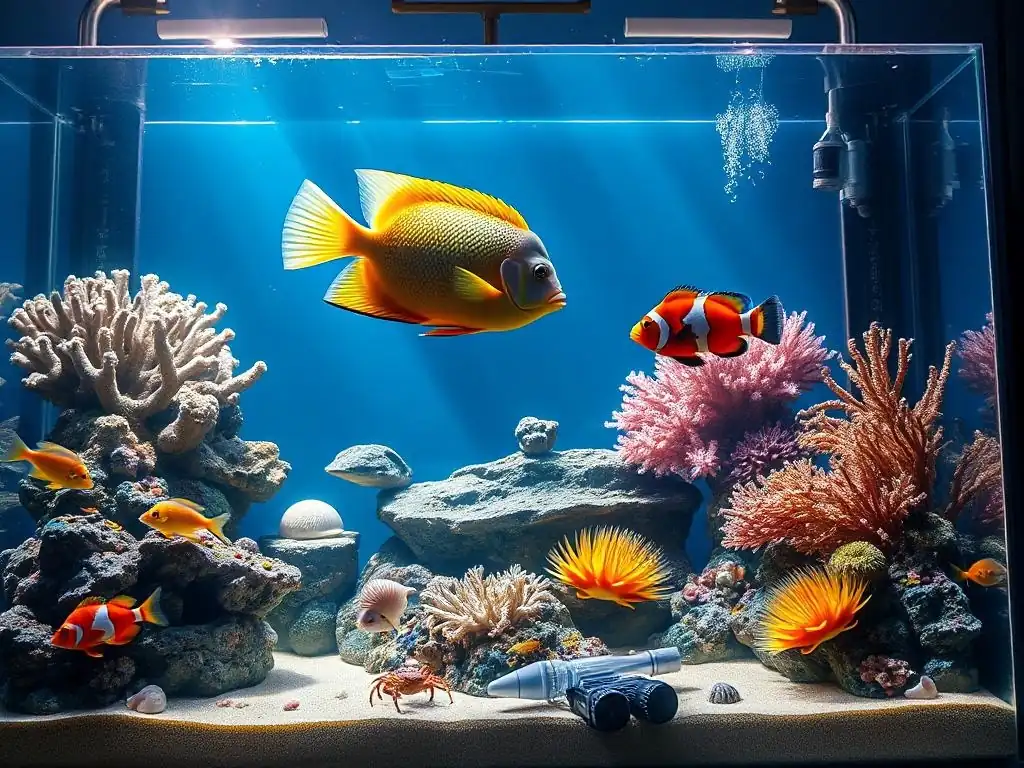
Welcome to Aquarium Mastery!
Ever wondered what those telltale signs on your prized Triggerfish really mean? Dive in and discover the Triggerfish disease treatment options you need to keep your vibrant saltwater companions healthy and thriving. Unravel the mysteries of common ailments, learn proactive prevention strategies, and unlock effective cures to maintain a pristine and flourishing aquarium. Ready to become a true aquarium master? Let's begin!
- Triggerfish Diseases: Identification, Prevention, and Treatment
- Maintaining Triggerfish Health in Reef Aquariums
- Identifying Common Triggerfish Diseases
- Triggerfish Disease Treatment Options
- Preventing Triggerfish Diseases: Proactive Aquarium Management
- Triggerfish Behavior Changes: Early Warning Signs
- Choosing the Right Treatment Options
- Long-Term Triggerfish Health: Post-Treatment Care
- Understanding Triggerfish Immunity
-
Frequently Asked Questions
- What are the most common diseases that affect Triggerfish in aquariums?
- How can I identify if my Triggerfish has a disease?
- What are some effective treatment options for Triggerfish diseases?
- How can I prevent diseases from affecting my Triggerfish in the first place?
- When should I seek professional help for my sick Triggerfish?
- Final Reflection: Navigating the Complexities of Triggerfish Health
- Dive Deeper: Fortify Your Triggerfish Family Today!
Triggerfish Diseases: Identification, Prevention, and Treatment
Maintaining Triggerfish Health in Reef Aquariums
Challenges of Triggerfish Husbandry
Triggerfish, known for their striking colors and unique personalities, present specific challenges in aquarium husbandry that directly impact their susceptibility to disease. Their inherently aggressive and territorial nature can lead to significant stress for both the triggerfish itself and its tank mates if not managed correctly.
Chronic stress, stemming from inadequate tank size (e.g., less than 75 gallons for smaller species like the Bluejaw Triggerfish, Xanthichthys auromarginatus, or over 150 gallons for larger species like the Clown Triggerfish, Balistoides conspicillum), incompatible tank mates, or unstable environmental conditions, significantly weakens their immune system. This compromised immunity makes them far more vulnerable to common marine pathogens, making effective Triggerfish disease treatment options a crucial aspect of their care.
Furthermore, triggerfish have specific dietary requirements and can be sensitive to fluctuations in water parameters. While generally hardy once established, a sudden drop in salinity, a spike in ammonia, or prolonged exposure to high nitrates can quickly lead to stress-induced illnesses.
For example, a common issue arises when triggerfish are housed in tanks with insufficient filtration or irregular water changes, leading to elevated nitrate levels exceeding 20-40 ppm, which can manifest as lethargy, loss of appetite, and increased susceptibility to opportunistic infections. Understanding these unique husbandry challenges is the first step in preventing and effectively managing Triggerfish disease treatment options.
Early Disease Detection in Triggerfish
Early detection is paramount in successfully addressing Triggerfish disease treatment options, as many marine diseases progress rapidly. Aquarists should dedicate at least 10-15 minutes daily to observing their triggerfish for subtle changes in behavior or appearance. A healthy triggerfish is typically active, curious, and a voracious feeder.
Any deviation from this norm, such as reduced feeding response, unusual hiding, or a decrease in overall activity levels, can be an early indicator of stress or impending illness. For instance, a normally bold Niger Triggerfish ( Odonus niger) that suddenly retreats to a corner and refuses its usual offering of krill might be experiencing initial discomfort.
Physical changes, even minor ones, also serve as critical early warning signs. These can include slight discoloration, a subtle dulling of their vibrant patterns, or the beginnings of clamped fins. For example, the usually clear eyes of a Crosshatch Triggerfish ( Xanthichthys mento) might appear slightly cloudy, or its pectoral fins might be held unusually close to its body.
Observing these subtle cues allows for intervention before the disease becomes advanced and more difficult to treat. Prompt action, such as isolating the fish in a hospital tank or adjusting water parameters, significantly increases the chances of a successful outcome when considering various Triggerfish disease treatment options.
Identifying Common Triggerfish Diseases
Marine Ich (White Spot Disease): Symptoms and Diagnosis
Marine Ich, caused by the protozoan Cryptocaryon irritans, is one of the most common and feared diseases in saltwater aquariums, frequently affecting triggerfish due to stress from shipping or new environments. The hallmark symptom is the appearance of small, white spots, resembling grains of salt, scattered across the fish's body, fins, and gills. These spots are the encysted trophont stage of the parasite.
Infected triggerfish may also exhibit rapid breathing, especially if the gills are heavily infested, as the parasites impede oxygen uptake. Other behavioral signs include "flashing" or rubbing their bodies against rocks and substrate in an attempt to dislodge the irritants, lethargy, and a noticeable loss of appetite.
Diagnosis is primarily visual, based on the presence of the characteristic white spots. It is crucial to distinguish Ich from Lymphocystis, which presents as larger, cauliflower-like growths. The life cycle of Cryptocaryon is complex, involving free-swimming infective stages (theronts) and reproductive stages (tomonts) that encyst in the substrate. A single tomont can release hundreds of new theronts within 3-28 days, leading to rapid re-infection if not addressed. Early and accurate diagnosis is vital for selecting appropriate Triggerfish disease treatment options, as delays can lead to high mortality rates, particularly in stressed or newly introduced triggerfish.
Marine Velvet (Amyloodinium): Recognizing the Signs
Marine Velvet, caused by the dinoflagellate Amyloodinium ocellatum, is another highly contagious and often fatal parasitic disease that can quickly decimate an aquarium if not identified and treated promptly. Unlike the distinct salt-grain appearance of Ich, Marine Velvet typically manifests as a fine, dusty, yellowish-brown "powder" or coating on the fish's skin, often more visible under direct light. This coating is composed of thousands of tiny parasites embedded in the fish's mucous layer. Triggerfish infected with Velvet will commonly exhibit extreme rapid breathing (gilling), as the parasites severely irritate and damage gill tissue, leading to respiratory distress.
Other key symptoms include cloudy eyes, skin sloughing, and severe lethargy, with affected fish often sitting motionless on the substrate or hiding. The progression of Marine Velvet is significantly faster than Ich, with symptoms worsening within a matter of hours or a few days, making rapid identification critical. While a microscopic examination of a skin scrape can definitively diagnose Amyloodinium, the visual "dusting" and rapid onset of severe respiratory distress are usually sufficient for a presumptive diagnosis, prompting immediate consideration of aggressive Triggerfish disease treatment options.
Lymphocystis is a viral infection that primarily affects the skin and fins of marine fish, including triggerfish, causing the formation of benign, cauliflower-like growths or nodules. These growths are typically white, grey, or translucent and can vary in size from pinpricks to several millimeters across. They are essentially hypertrophied (enlarged) fibroblasts, cells of the connective tissue, that have been infected by the iridovirus. While unsightly, Lymphocystis is generally not life-threatening and typically does not affect the fish's internal organs or overall health unless the growths become so extensive that they impede feeding, swimming, or vision.
Diagnosis is straightforward, based on the characteristic appearance of the growths. Unlike parasitic infections, there is no "flashing" or rapid breathing associated with Lymphocystis. The virus is often latent in fish and can become active under conditions of stress, such as poor water quality, inadequate nutrition, or overcrowding.
For example, a Clown Triggerfish in an overcrowded tank with consistently high nitrates (e.g., 40 ppm+) might develop small Lymphocystis nodules. There are no direct antiviral Triggerfish disease treatment options for Lymphocystis; recovery relies on improving environmental conditions and allowing the fish's immune system to resolve the infection naturally over weeks or even months.
Fin Rot: Causes and Identification
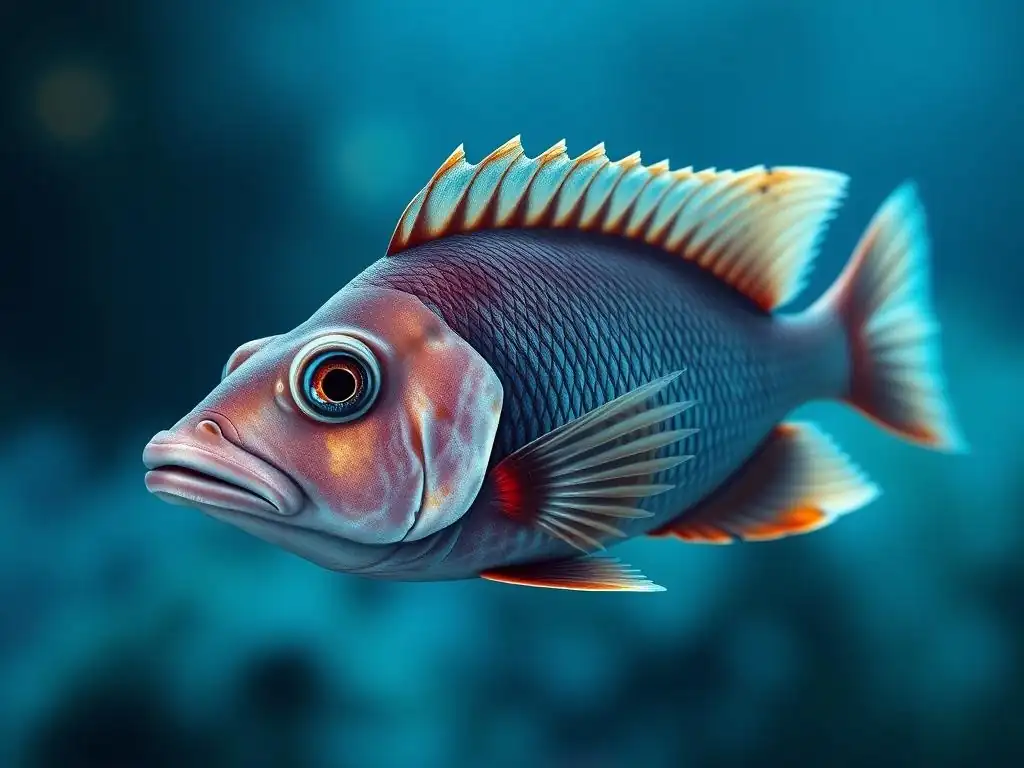
Fin Rot is a common bacterial infection that manifests as the progressive deterioration of a fish's fins, often affecting triggerfish that are stressed, injured, or living in suboptimal water conditions. The primary culprits are opportunistic bacteria, commonly Aeromonas, Pseudomonas, or Flexibacter species, which thrive in environments with poor water quality, particularly high ammonia and nitrite levels (above 0 ppm) and elevated nitrates (above 20 ppm). Physical injury, such as nips from tank mates or scrapes from décor, can also provide entry points for these bacteria, leading to a secondary infection.
The symptoms of Fin Rot include frayed, ragged, or disintegrating fin edges. The affected areas may appear cloudy or opaque, and in more severe cases, the base of the fins might become reddened or inflamed, sometimes with white cottony patches. As the disease progresses, the fins can completely erode, exposing the fin rays. Infected triggerfish may also exhibit lethargy and a reduced appetite. Early identification and intervention are crucial to prevent permanent fin damage and the spread of systemic infection, making prompt Triggerfish disease treatment options for fin rot essential.
Internal parasites, while less visually obvious than external ones, can significantly debilitate triggerfish and are a common cause of chronic health issues. These can include various types of worms (nematodes like Capillaria, cestodes like tapeworms, or trematodes like flukes) and protozoans (such as Hexamita or Cryptobia). Unlike external parasites, diagnosing internal parasites often requires keen observation of subtle behavioral and physical changes, as direct visualization of the parasite is rare without a microscope.
Common symptoms of an internal parasitic infection include progressive emaciation or "wasting" despite the fish continuing to eat, poor growth, and a general lack of vigor. The fish may exhibit a sunken belly or a noticeably thin body profile. Another key indicator is abnormal feces; for instance, thin, white, stringy feces can suggest the presence of flagellates like Hexamita, while longer, more solid white or dark stringy feces might indicate intestinal worms.
In some severe cases, worms may even be seen protruding from the anus. Other signs can include bloating, lethargy, dark coloration, or unusual swimming patterns. Given the difficulty in direct diagnosis, a presumptive diagnosis based on a combination of these symptoms often leads to the initiation of broad-spectrum Triggerfish disease treatment options for internal parasites.
Triggerfish Disease Treatment Options
Treating Marine Ich: Medications and Methods
Treating Marine Ich effectively requires a multi-pronged approach, as the parasite has a complex life cycle with stages resistant to medication. The primary goal of Triggerfish disease treatment options for Ich is to eliminate the free-swimming theronts before they can re-infect the fish and to prevent tomonts from reproducing.
Copper-Based Treatments
Copper-based medications are highly effective against the free-swimming stages of Cryptocaryon irritans. Products containing copper sulfate or chelated copper are commonly used. Ionic copper (from copper sulfate) is typically dosed to maintain a concentration of 0.2-0.3 ppm, while chelated copper, which is less irritating but requires higher concentrations, is often maintained at 0.15-0.25 ppm.
It is absolutely critical to use a reliable copper test kit to monitor the concentration daily, as both under-dosing (ineffective) and over-dosing (toxic to fish) are dangerous. Treatment typically lasts 14-21 days to ensure all stages of the parasite's life cycle are eradicated. Copper is highly toxic to invertebrates (corals, shrimp, snails) and should only be administered in a dedicated hospital tank without these sensitive organisms.
Hyposalinity Treatment
Hyposalinity involves gradually lowering the specific gravity (SG) of the water to a range of 1.008-1.009 (or salinity of 12-13 ppt). This reduced salinity creates an osmotic imbalance that prevents the tomonts from reproducing and kills the free-swimming theronts, as they cannot osmoregulate effectively in low-salinity water. The process requires a precise refractometer for accurate measurement and should be done gradually over 24-48 hours to avoid shocking the fish.
The fish must remain in hyposalinity for at least 2-4 weeks to ensure all stages of the parasite's life cycle have been interrupted. While effective and safe for fish, hyposalinity can stress some species, and precise monitoring is non-negotiable.
Tank Transfer Method
The Tank Transfer Method (TTM) is a chemical-free Triggerfish disease treatment option for Ich, relying on the parasite's life cycle to break its chain of infection. This method involves moving the infected fish between two bare-bottomed tanks every 72 hours for a total of 12-15 days. The logic is that the tomonts, which drop off the fish, will encyst and reproduce in the tank the fish just left.
By moving the fish before the tomonts release new theronts (typically within 72 hours at optimal temperatures), the infective stage is left behind. Each transfer requires clean, pre-conditioned water matched to the previous tank's parameters. While labor-intensive, TTM is highly effective if executed precisely and avoids the use of medications.
Treating Marine Velvet: Treatment Protocols
Marine Velvet, being a rapidly progressing disease, demands immediate and aggressive Triggerfish disease treatment options. The treatment protocols share similarities with Ich treatment but often require higher concentrations or different medications due to the virulence of Amyloodinium.
Copper Treatments
Similar to Ich, copper-based medications are highly effective against Marine Velvet. However, due to Velvet's rapid progression and high mortality rate, a slightly higher concentration of copper is often recommended. For ionic copper, a concentration of 0.25-0.35 ppm is typically maintained, while chelated copper might be dosed at 0.20-0.30 ppm.
Constant monitoring with a reliable copper test kit is even more critical here, as the window for effective treatment is narrow. The treatment duration is usually 14-21 days to ensure complete eradication of the parasite's life cycle. As with Ich, copper must only be used in a hospital tank without invertebrates.
Chloroquine Phosphate Treatments
Chloroquine Phosphate is an increasingly popular and highly effective Triggerfish disease treatment option for Marine Velvet, often preferred by experienced aquarists due to its efficacy and relatively wide safety margin for most fish. It is effective against Amyloodinium and other protozoans. Typical dosing involves an initial concentration of 10 mg/L (approximately 38 mg per gallon), followed by maintenance doses of 5 mg/L every 24-48 hours as needed, ensuring the medication concentration remains stable.
Chloroquine Phosphate is light-sensitive and can persist in the water for extended periods, requiring activated carbon for removal post-treatment. While generally safer for some invertebrates at lower doses, it is still recommended for use in a dedicated hospital tank for optimal efficacy and safety.
Managing Lymphocystis: Supportive Care
Lymphocystis, being a viral infection, does not have direct antiviral Triggerfish disease treatment options. The management strategy focuses entirely on supportive care to boost the fish's natural immune response and allow it to fight off the virus.
Surgical Removal [Rarely Necessary]
Surgical removal of Lymphocystis growths is generally not recommended and is rarely necessary. This invasive procedure carries significant risks, including stress to the fish, potential for secondary bacterial infections at the wound site, and the likelihood of recurrence. It should only be considered by a qualified aquatic veterinarian if the growths are severely impeding the fish's ability to eat, swim, or breathe, or if they are causing severe discomfort. Even then, the underlying viral infection remains, and the growths may return if environmental stressors are not addressed.
Water Quality Management
The most effective "Triggerfish disease treatment option" for Lymphocystis is to improve and consistently maintain pristine water quality. This means ensuring ammonia and nitrite levels are at 0 ppm, and nitrates are kept below 20 ppm (ideally lower, especially for sensitive species). Regular water changes (e.g., 10-20% weekly), proper filtration, and adequate protein skimming are essential to achieve this.
Reducing other stressors, such as overcrowding, aggressive tank mates, or unstable water parameters (temperature, salinity), also helps the fish's immune system recover. With optimal conditions, the growths will typically regress and disappear on their own over several weeks to months as the fish's immune system clears the virus.
Treating Fin Rot: Antibiotics and Water Quality
Treating Fin Rot requires a two-pronged approach: addressing the bacterial infection with appropriate medications and simultaneously correcting the underlying water quality issues that predisposed the fish to the disease.
Antibiotic Medications
Several broad-spectrum antibiotic medications are effective against the bacteria commonly responsible for Fin Rot. Products containing Kanamycin (e.g., Kanaplex), Erythromycin (e.g., Maracyn), or Minocycline (e.g., Maracyn 2) are frequently used. These medications are typically administered as a bath treatment in a hospital tank, following the manufacturer's dosing instructions precisely.
A typical treatment course lasts 5-7 days, with daily dosing or as directed, and often involves water changes before each subsequent dose. For example, Kanamycin is often dosed at 1 gram per 100 gallons every 48 hours. It is crucial to complete the entire course of antibiotics, even if symptoms improve, to prevent the development of antibiotic-resistant bacteria.
Importance of Water Quality
Antibiotics alone will not provide a lasting cure if the underlying cause of Fin Rot – poor water quality – is not rectified. High levels of ammonia, nitrite, or nitrate stress the fish and provide a breeding ground for opportunistic bacteria. Therefore, concurrent with antibiotic treatment, it is imperative to perform daily 10-20% water changes in the hospital tank, ensure adequate aeration, and maintain stable temperature and salinity.
For the main display tank, a thorough cleaning, increased water changes, and a review of filtration capacity are necessary to prevent re-infection. Addressing these environmental factors is as critical as medication in the effective Triggerfish disease treatment options for Fin Rot.
Addressing Internal Parasites: Deworming Medications
Addressing internal parasites in triggerfish primarily involves the use of specific deworming medications, often administered through medicated food to ensure the medication reaches the digestive tract where the parasites reside.
Praziquantel
Praziquantel is a highly effective and relatively safe deworming medication primarily used to treat internal flukes (trematodes) and tapeworms (cestodes). It works by disrupting the nervous system of these parasites, leading to their paralysis and expulsion. Praziquantel can be administered as a bath treatment in a hospital tank, typically at a concentration of 2.5 mg/L (approximately 9.5 mg per gallon) for 24-48 hours, often repeated after 5-7 days.
However, for internal parasites, it is most effective when mixed into the fish's food. A common method is to soak frozen or pellet food in a solution of Praziquantel (e.g., 2.5 mg per gram of food) and feed this medicated food for 3-5 consecutive days. This ensures the medication is ingested directly by the fish.
Metronidazole
Metronidazole is another widely used medication for internal parasites, particularly effective against flagellates (like Hexamita and Spironucleus) and some anaerobic bacterial infections. It works by interfering with the DNA synthesis of these organisms. Like Praziquantel, Metronidazole is most effective when administered via medicated food.
A typical dosage is 10 mg per gram of food, fed for 5-7 consecutive days. It can also be used as a bath treatment (e.g., 5-10 mg/L) in a hospital tank, especially if the fish is refusing to eat. When considering Triggerfish disease treatment options for internal parasites, it's often beneficial to use a combination of Praziquantel and Metronidazole if the specific type of parasite is unknown, as they target different classes of organisms.
Preventing Triggerfish Diseases: Proactive Aquarium Management
Quarantine Tank: Essential for New Arrivals
The single most effective strategy for preventing the introduction and spread of diseases, thus minimizing the need for Triggerfish disease treatment options, is the use of a dedicated quarantine tank (QT). Every new fish, regardless of its apparent health, should be quarantined for a minimum of 4-6 weeks before being introduced to the main display tank.
This allows time for any latent diseases to manifest and for prophylactic treatments to be administered. For example, a new Picasso Triggerfish ( Rhinecanthus aculeatus) might appear healthy but carry Cryptocaryon that only becomes apparent after a week of stress in a new environment.
During quarantine, the fish can be observed for signs of illness, acclimated to new foods, and, if deemed necessary, undergo prophylactic treatment for common ailments like Ich or Velvet using copper or Chloroquine Phosphate. A typical quarantine protocol might involve maintaining a therapeutic copper level (e.g., 0.15-0.25 ppm) for 21-28 days, followed by a freshwater dip and observation. This critical step isolates potential pathogens, preventing them from contaminating the established main tank environment, which is far more challenging and costly to treat if an outbreak occurs.
Maintaining Optimal Water Parameters
Consistent maintenance of optimal water parameters is the cornerstone of triggerfish health and disease prevention. Unstable or incorrect parameters create chronic stress, weakening the fish's immune system and making it highly susceptible to pathogens.
Salinity Levels
For most marine triggerfish, the ideal salinity range is a specific gravity of 1.023 to 1.026 (or 32-35 ppt salinity). Fluctuations outside this narrow range, especially sudden drops, place immense osmotic stress on the fish. For instance, a rapid decrease in salinity from 1.025 to 1.020 due to excessive freshwater top-offs can stress a Clown Triggerfish, making it more vulnerable to Ich or bacterial infections. Regular monitoring with a refractometer is essential to maintain stability.
Temperature Ranges
A stable temperature within the range of 76-82°F (24-28°C) is crucial for triggerfish. Sudden or significant temperature swings, even a few degrees within a short period, can be highly stressful and suppress the immune response. A consistent heater and thermometer are vital. For example, a tank experiencing daily temperature fluctuations from 75°F to 85°F due to inadequate heating or cooling can severely compromise a triggerfish's health, leading to increased susceptibility to common Triggerfish disease treatment options.
Ammonia, Nitrite, and Nitrate Control
Ammonia (NH3) and nitrite (NO2) must always be at undetectable levels (0 ppm) in a healthy marine aquarium. These compounds are highly toxic to fish, causing gill damage and systemic stress that quickly leads to disease. Nitrates (NO3), while less toxic, should be kept below 20 ppm for most triggerfish, with lower levels (under 10 ppm) being ideal.
High nitrate levels, often exceeding 40-50 ppm in poorly maintained tanks, contribute to chronic stress and can trigger bacterial infections like Fin Rot. Regular water changes, efficient protein skimming, and appropriate biological filtration are essential for maintaining these critical parameters and avoiding the need for extensive Triggerfish disease treatment options.
Proper Nutrition: Key to Disease Resistance
A varied and nutritionally complete diet is fundamental to building and maintaining a strong immune system in triggerfish, significantly enhancing their natural resistance to disease. Triggerfish are carnivores and omnivores that require a diverse range of protein, fats, vitamins, and minerals. Feeding only a single type of food, such as dry pellets, can lead to nutritional deficiencies over time.
An optimal diet should include high-quality marine pellets or flakes specifically formulated for carnivorous fish, supplemented with a variety of frozen foods. Examples of suitable frozen foods include Mysis shrimp, krill, silversides, various chopped seafood (e.g., scallops, squid), and spirulina-enriched brine shrimp.
For instance, a Queen Triggerfish ( Balistes vetula) fed solely on dry pellets may develop fatty liver disease or vitamin deficiencies, whereas one receiving a varied diet of krill, Mysis, and chopped clam will exhibit robust health and vibrant coloration. Occasional supplementation with liquid vitamin preparations (e.g., Vita-Chem) soaked into food can further boost their immune system, making them more resilient against common Triggerfish disease treatment options.
Avoiding Overcrowding: Reducing Stress
Overcrowding is a significant stressor in any aquarium, and it is particularly detrimental for territorial and aggressive fish like triggerfish. When tank space is insufficient, it leads to increased aggression, competition for resources, and a rapid decline in water quality due to increased bioload. This chronic stress directly suppresses the triggerfish's immune system, making it highly vulnerable to opportunistic infections.
A general guideline for a single adult triggerfish is a minimum of 75-100 gallons for smaller species (e.g., Niger Triggerfish, Odonus niger) and upwards of 150-300 gallons for larger, more active species (e.g., Clown Triggerfish, Balistoides conspicillum). Attempting to house a large triggerfish in a 50-gallon tank, for example, will invariably lead to chronic stress, poor growth, and frequent disease outbreaks like Ich or Fin Rot.
Furthermore, overcrowding can exacerbate aggression, leading to physical injuries that serve as entry points for bacterial infections. Providing ample space, appropriate rockwork for hiding and territory establishment, and selecting compatible tank mates are crucial steps in preventing stress-related diseases and reducing the need for intensive Triggerfish disease treatment options.
Triggerfish Behavior Changes: Early Warning Signs
Loss of Appetite
A healthy triggerfish is typically an enthusiastic and voracious feeder, often among the first to respond to food in the aquarium. Therefore, a sudden or gradual loss of appetite is one of the most significant and earliest indicators of illness or severe stress. If a triggerfish that normally eagerly devours its food suddenly refuses to eat, spits out food, or shows only a fleeting interest without consuming, it warrants immediate investigation.
For instance, a Bluejaw Triggerfish, known for its consistent feeding, that goes 24 hours without eating is a red flag. This symptom can be indicative of a wide range of issues, from internal parasites and bacterial infections to environmental stress or the onset of Ich or Velvet, making it a critical trigger for considering Triggerfish disease treatment options.
Erratic Swimming or Flashing
Erratic swimming patterns or "flashing" are common signs of external irritation, often caused by parasitic infections. Erratic swimming can manifest as darting movements, spiraling, swimming in an uncoordinated manner, or prolonged periods of listlessness. Flashing refers to the fish rapidly rubbing or scraping its body against tank décor, substrate, or even the glass, in an attempt to dislodge external parasites or irritants from its skin and gills.
For example, a Humu Humu Triggerfish ( Rhinecanthus rectangulus) repeatedly scratching itself against a powerhead or rock is a strong indicator of an external parasite like Ich or Velvet. These behaviors signal discomfort and are critical early warning signs that external Triggerfish disease treatment options may be necessary.
Changes in Skin Color or Texture
Changes in a triggerfish's skin color or texture can provide direct visual clues about its health. Healthy triggerfish display vibrant, consistent coloration specific to their species. A noticeable darkening or paling of their normal colors can indicate stress, discomfort, or the progression of an internal or systemic illness. For example, a normally brightly colored Clown Triggerfish that appears dull or develops dark, patchy areas might be under severe stress or suffering from an internal issue.
Beyond color, changes in skin texture are also important. The appearance of cloudy patches, visible lesions, raised scales, or excessive slime coat production (appearing as a milky film) are often indicative of bacterial infections, fungal infections, or severe parasitic infestations. For instance, a triggerfish developing a visible "dusting" or fine velvet-like coating indicates Marine Velvet, while cottony growths suggest a fungal infection. These physical manifestations demand immediate attention and consideration of specific Triggerfish disease treatment options.
Isolation or Hiding
While triggerfish can be territorial and some species may have periods of resting or hiding, prolonged or unusual isolation and hiding behavior are significant warning signs of illness. A healthy triggerfish, though potentially aggressive, is generally active and engaged with its environment. If a normally outgoing triggerfish suddenly spends most of its time hiding in a cave, behind rockwork, or at the bottom of the tank, avoiding interaction or food, it suggests it is feeling unwell or severely stressed.
For example, a Niger Triggerfish that typically swims actively throughout the tank but now remains motionless in a dark corner for hours is exhibiting concerning behavior. This behavior often accompanies other symptoms like loss of appetite or labored breathing, indicating a need for careful observation and potential Triggerfish disease treatment options.
Choosing the Right Treatment Options
Accurate Disease Identification
The most critical step in successfully treating any triggerfish disease is accurate identification of the specific ailment. Administering the wrong medication can be ineffective, cause additional stress, or even prove toxic to the fish. For instance, treating a viral infection like Lymphocystis with antibiotics will yield no results, and could harm the fish's beneficial bacteria.
Therefore, thorough observation of symptoms, careful differentiation between similar-looking diseases (e.g., Ich vs. Velvet), and, if possible, consulting with experienced aquarists or aquatic veterinarians are essential. Relying on a presumptive diagnosis based on a combination of symptoms is often necessary, but the more information gathered, the better the chances of selecting appropriate Triggerfish disease treatment options.
Selecting Appropriate Treatment
Once the disease is identified, selecting the correct Triggerfish disease treatment option is paramount. Different pathogens respond to different medications and methods. For example, copper-based medications or hyposalinity are effective against Marine Ich and Velvet, while bacterial infections like Fin Rot require specific antibiotics. Internal parasites necessitate deworming medications administered via food.
It is also crucial to consider the type of tank the fish is in. Most medications, especially copper, are toxic to invertebrates and live rock, necessitating treatment in a dedicated hospital tank. Understanding the active ingredients, their mode of action, and their compatibility with other tank inhabitants is vital to ensure safe and effective treatment.
Monitoring Response to Treatment
During any treatment regimen, continuous and diligent monitoring of the triggerfish's condition is essential. Observe daily for signs of improvement, such as reduced spots, clearer fins, increased activity, or a return of appetite. Equally important is monitoring for any adverse reactions to the medication, such as increased lethargy, rapid breathing, or unusual behavior, which might indicate an overdose or sensitivity. For instance, when treating with copper, daily testing of copper levels is non-negotiable to ensure the concentration remains within the therapeutic range. Documenting observations and medication dosages can help track progress and make informed decisions about the treatment course.
Adjusting Treatment as Needed
Aquarium keeping is not always straightforward, and sometimes, the initial Triggerfish disease treatment options may not yield the desired results. If, after a reasonable period (e.g., 3-5 days for acute infections), there is no improvement or the fish's condition worsens, it is crucial to reassess. This might involve re-evaluating the initial diagnosis, adjusting the medication dosage (if safe and indicated), or switching to an alternative treatment protocol.
For example, if a bacterial infection isn't responding to one antibiotic, a different antibiotic might be more effective. Always be prepared to adapt the treatment plan based on the fish's response and new observations, ensuring the best possible outcome for the triggerfish.
Long-Term Triggerfish Health: Post-Treatment Care
Gradual Acclimation
After successful treatment in a hospital tank, returning a triggerfish to the main display tank requires careful, gradual acclimation to prevent undue stress and potential relapse. The water parameters (temperature, salinity, pH) in the hospital tank should be precisely matched to those of the main display tank before transfer. A drip acclimation method, where water from the display tank is slowly dripped into the fish's container over several hours (e.g., 30-60 minutes per gallon of water), is highly recommended.
This allows the fish to slowly adjust to any subtle differences in water chemistry, minimizing osmotic shock. Rushing this process can re-stress the fish, weakening its immune system and making it vulnerable to re-infection, negating the efforts of the Triggerfish disease treatment options.
Continued Monitoring
Even after a triggerfish appears fully recovered and has been returned to the main display tank, continued diligent monitoring is essential for long-term health. Relapses can occur, especially with parasitic infections like Ich, where dormant stages might remain in the display tank if it wasn't fallowed. Daily observation for any return of symptoms, no matter how subtle, should be a routine practice.
This includes vigilance for changes in appetite, behavior, coloration, or the reappearance of spots or lesions. Early detection of a potential relapse allows for immediate re-intervention, often with less intensive Triggerfish disease treatment options, before the condition becomes severe again.
Maintaining a Healthy Environment
The most crucial aspect of post-treatment care and long-term triggerfish health is the consistent maintenance of a pristine and stable environment. This means adhering strictly to proper husbandry practices: regular water changes (e.g., 10-20% weekly) to keep nitrates low (below 20 ppm), ensuring ammonia and nitrites remain at 0 ppm, maintaining stable temperature (76-82°F) and salinity (1.023-1.026 SG), and providing a varied, nutritious diet.
Adequate filtration, proper protein skimming, and appropriate tank size to prevent overcrowding are also non-negotiable. A healthy, stress-free environment empowers the fish's immune system to remain robust, significantly reducing the likelihood of future disease outbreaks and the need for further Triggerfish disease treatment options.
Understanding Triggerfish Immunity
Factors Affecting Immunity
A triggerfish's immune system is its primary defense against disease, but its effectiveness is heavily influenced by several factors. Chronic stress is arguably the most significant suppressor of immunity.
This can stem from persistently poor water quality (e.g., constant high nitrates above 40 ppm, even trace ammonia), inadequate tank size leading to aggression or lack of hiding spots, incompatible tank mates, or frequent large fluctuations in water parameters (e.g., daily temperature swings of 5°F). For instance, a Clown Triggerfish housed with overly aggressive tank mates will experience chronic stress, leading to elevated cortisol levels that suppress its white blood cell count, making it highly susceptible to opportunistic bacterial infections.
Poor nutrition is another critical factor. A diet lacking essential vitamins (especially C and E), minerals, and varied protein sources will lead to deficiencies that directly impair immune function. Similarly, exposure to high pathogen loads, such as introducing an infected fish without quarantine, can overwhelm even a healthy immune system. For example, a tank with a persistent Cryptocaryon population due to inadequate fallowing will continually challenge a triggerfish's immune system, eventually leading to an outbreak even if the fish was initially healthy. Understanding these contributing factors is key to proactive disease prevention.
Boosting Immunity Through Proper Care
Boosting a triggerfish's immunity is primarily achieved through consistent, high-quality husbandry practices. The foundation lies in maintaining stable and optimal water parameters: ammonia and nitrite at 0 ppm, nitrates below 20 ppm, stable salinity (1.023-1.026 SG), and a consistent temperature (76-82°F). Regular water changes (e.g., 15% weekly) and efficient protein skimming are crucial for this stability.
A varied and nutritious diet, rich in high-quality marine proteins and supplemented with vitamins (e.g., vitamin C, which plays a vital role in immune function), directly provides the building blocks for a strong immune response. For instance, feeding a Niger Triggerfish a diverse diet of Mysis shrimp, krill, and occasional vitamin-enriched silversides will ensure it receives all necessary nutrients for a robust immune system.
Furthermore, minimizing stress by providing ample tank space (e.g., at least 125 gallons for a mature Queen Triggerfish), appropriate rockwork for territory and hiding, and selecting compatible tank mates significantly reduces the physiological burden on the fish. Avoiding overcrowding and ensuring a clean, well-maintained environment prevents the buildup of pathogens and reduces the likelihood of exposure. By addressing these fundamental aspects of care, aquarists can naturally enhance their triggerfish's resistance to diseases, making them less prone to illness and improving the success rate of any necessary Triggerfish disease treatment options.
Frequently Asked Questions
What are the most common diseases that affect Triggerfish in aquariums?
Triggerfish are susceptible to diseases like Ich (white spot disease), Marine Velvet, and bacterial infections. These often arise due to poor water quality or stress.
How can I identify if my Triggerfish has a disease?
Look for signs such as white spots on the body, lethargy, loss of appetite, rapid breathing, or cloudy eyes. These are all potential indicators of illness.
What are some effective treatment options for Triggerfish diseases?
Treatment varies depending on the disease, but options include copper-based medications, medicated foods, and quarantine tanks for targeted treatment. Always consult with a veterinarian.
How can I prevent diseases from affecting my Triggerfish in the first place?
Prevention is key! Maintain pristine water quality through regular water changes, provide a balanced diet, and quarantine new arrivals to avoid introducing pathogens.
When should I seek professional help for my sick Triggerfish?
If you are unsure about the diagnosis or treatment, or if your Triggerfish's condition worsens despite your efforts, consulting a veterinarian specializing in aquatic animals is crucial for their survival.
The information presented throughout this article underscores the critical need for proactive and informed care when dealing with triggerfish. Understanding triggerfish disease treatment options is not merely about reacting to illness; it's about fostering a deeper connection with these fascinating creatures and ensuring their well-being within our aquariums. The prevalence of these diseases, as highlighted, emphasizes the importance of preventative measures and early detection.
The ongoing influence of responsible aquarists cannot be overstated. Our commitment to providing optimal environments and understanding the nuances of triggerfish health directly impacts their quality of life and longevity. This responsibility extends beyond our individual tanks, influencing the broader understanding and appreciation of these animals. The greatness of a nation and its moral progress can be judged by the way its animals are treated.
- Mahatma Gandhi. This quote, while broad, resonates deeply with the ethical considerations inherent in keeping any animal, including the magnificent triggerfish.
Now, as you close this article, consider the role you play in the health and happiness of your triggerfish. Reflect on the knowledge you've gained and commit to implementing preventative measures and seeking prompt treatment when necessary. By embracing a proactive approach and sharing your knowledge with fellow aquarists, you contribute to a community dedicated to the well-being of these captivating creatures, ensuring their vibrant presence in our aquariums for years to come.
Dive Deeper: Fortify Your Triggerfish Family Today!
Thank you for exploring the world of Triggerfish health with us! We hope you've gained valuable insights to ensure your finned friends thrive. Now, let's put that knowledge into action!
- Immediately assess your Triggerfish for any signs of disease discussed in this article. Early detection is key!
- Consider joining our Aquarium Mastery community forum to share your experiences and learn from other Triggerfish enthusiasts. Let's build a healthy and vibrant online ecosystem together.
- Unveil hidden threats by reviewing your aquarium's water parameters and committing to a consistent testing schedule to proactively prevent future outbreaks.
What's the first step you'll take to safeguard your Triggerfish's health and happiness?