
Creating a Dynamic Reef: Balancing Cardinalfish & Anthias Populations for Visual Harmony

Welcome to Aquarium Mastery!
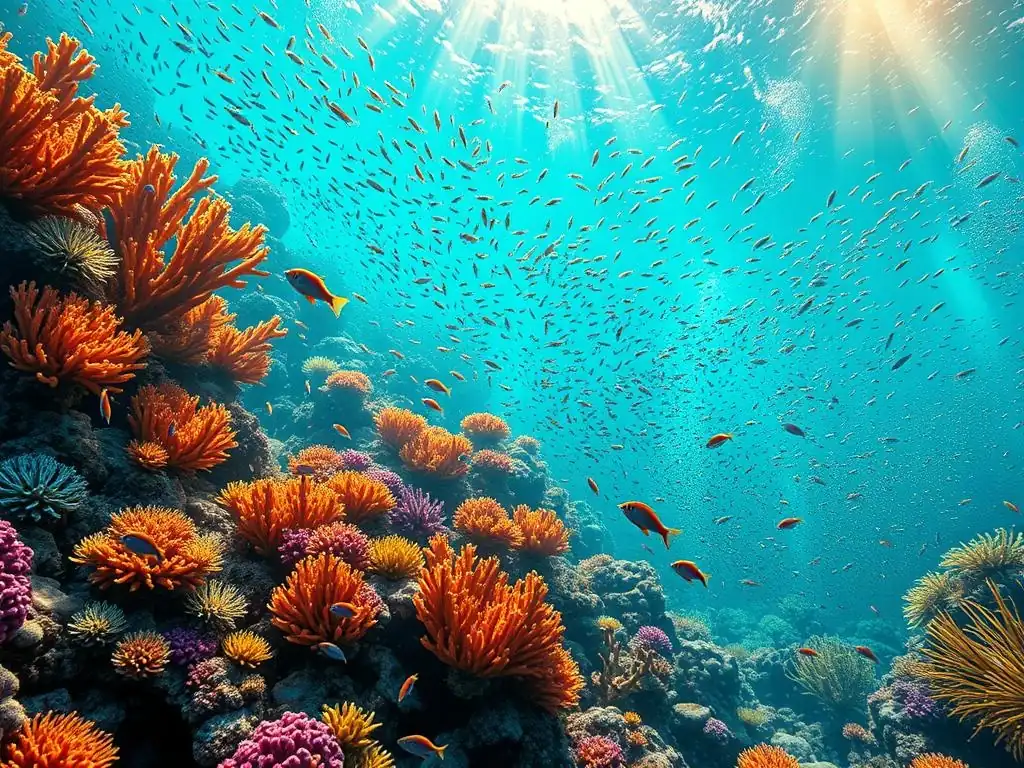
Ever wondered how to achieve that perfectly balanced reef aquarium, teeming with vibrant color and captivating movement? Dive in with us as we unravel the secrets to harmonious coexistence, focusing on the delicate dance between the striking Cardinalfish and the dazzling Anthias. Discover the key to achieving that cardinalfish anthias reef balance you've always dreamed of, and unlock the secrets to a thriving and visually stunning underwater world. Ready to learn more?
- Understanding the Cardinalfish and Anthias Appeal in Reef Aquariums
- Cardinalfish and Anthias Species Profiles for Reef Compatibility
- Achieving Cardinalfish Anthias Reef Balance: Key Considerations
- Stocking Strategies: Cardinalfish Anthias Population Management
- Feeding Regimes for Cardinalfish and Anthias in Reef Environments
- Maintaining a Healthy Cardinalfish Anthias Reef Ecosystem
- Troubleshooting Common Issues with Cardinalfish and Anthias
- The Long-Term Success of Your Cardinalfish Anthias Reef
-
Frequently Asked Questions
- How do Cardinalfish and Anthias contribute to a reef aquarium's visual harmony?
- What are the key considerations when introducing Cardinalfish and Anthias to a reef tank?
- How do I ensure a proper reef balance when keeping both Cardinalfish and Anthias?
- What are some common challenges when keeping Cardinalfish and Anthias together, and how can I address them?
- How can I optimize my reef aquarium's environment to support both Cardinalfish and Anthias populations?
- Final Reflection: Embracing the Symphony of the Reef
- Cultivate Your Reef's Kaleidoscope!
Understanding the Cardinalfish and Anthias Appeal in Reef Aquariums
The Allure of Schooling Fish: Cardinalfish and Anthias in Reef Tanks
The inclusion of schooling fish like cardinalfish and anthias profoundly transforms a static reef aquarium into a vibrant, dynamic ecosystem. Their natural inclination to congregate and move in unison creates a mesmerizing display, mimicking the bustling activity found on natural coral reefs. This inherent schooling behavior provides a sense of security for the fish, reducing individual stress, and offers aquarists a captivating visual spectacle that solitary fish cannot replicate.
Beyond their coordinated movements, cardinalfish and anthias add crucial mid-water column activity that often remains empty in many reef tanks. Species such as the Pajama Cardinalfish or the Lyretail Anthias fill this space with constant motion and flashes of color, drawing the eye and making the entire aquarium feel more alive and complete. A well-established school, often comprising 5-10 individuals, provides a focal point, enhancing the overall perception of depth and natural flow within the aquascape.
Visual Impact: Enhancing Reef Aesthetics with Cardinalfish and Anthias Schools
The aesthetic contribution of cardinalfish and anthias schools to a reef aquarium is undeniable. Their synchronized swimming patterns create an illusion of constant ebb and flow, turning the tank into a living artwork. This dynamic movement contrasts beautifully with the stationary corals and rockwork, adding a layer of complexity and natural beauty that elevates the entire reef display. The visual harmony achieved by a thriving school is a testament to meticulous planning and a well-maintained cardinalfish anthias reef balance.
Furthermore, the vibrant coloration of many cardinalfish and anthias species provides a striking counterpoint to the more subdued tones of live rock and some corals. Anthias, for instance, often display brilliant oranges, yellows, and fuchsias, while cardinalfish can exhibit bold patterns and striking reds. When these colors move together against a backdrop of diverse corals, they create a dazzling spectacle, enhancing the tank's overall vibrancy and making it a true showpiece.
Cardinalfish and Anthias Species Profiles for Reef Compatibility
Popular Cardinalfish Species for Reef Aquariums: Pajama Cardinalfish, Banggai Cardinalfish, and Considerations
The Pajama Cardinalfish (Sphaeramia nematoptera) is a perennial favorite for reef aquariums due to its striking appearance and peaceful disposition. Characterized by a yellow face, a broad black band across its midsection, and a polka-dotted tail, this species reaches about 3 inches (7.5 cm) in length. They are hardy and adaptable, making them suitable for beginner to intermediate aquarists. For optimal schooling behavior and reduced stress, it is recommended to keep them in groups of at least three to five individuals in tanks no smaller than 30 gallons (113 liters).
Another highly sought-after species is the Banggai Cardinalfish (Pterapogon kauderni), renowned for its distinctive black and white striped pattern and long, flowing fins. Reaching up to 3 inches (7.5 cm), these fish are unique for their mouthbrooding behavior. While generally peaceful, Banggais can exhibit intraspecific aggression, especially in smaller groups or tanks. A group of 6-8 in a larger tank (75+ gallons or 284+ liters) with ample hiding spots can help mitigate this, fostering a better cardinalfish anthias reef balance. Their unique appearance makes them a focal point, but their specific needs should be carefully considered.
Anthias Varieties Suitable for Reef Tanks: Lyretail Anthias, Dispar Anthias, and Considerations
Lyretail Anthias (Pseudanthias squamipinnis) are among the most popular anthias species, celebrated for their dazzling color variations and active swimming. Males display a vibrant fuchsia or orange hue with an elongated lyre-shaped tail, while females are typically orange-yellow. These fish are protogynous hermaphrodites, meaning females can transform into males if the dominant male is removed. They thrive in harem groups of one male and three to six females in tanks of at least 75 gallons (284 liters). Their high metabolism necessitates frequent feedings, ideally 3-5 times per day.
Dispar Anthias (Pseudanthias dispar) offer a smaller, slightly less boisterous alternative, making them suitable for tanks where Lyretails might be too large or aggressive. These striking fish feature a bright orange body that fades to a pinkish-purple on their fins, reaching about 3.5 inches (9 cm). They can be kept in larger groups than Lyretails, with 6-10 individuals comfortably housed in a 90-gallon (340-liter) tank. Like all anthias, their high metabolic rate demands multiple small feedings throughout the day to maintain their health and vitality, which is crucial for achieving a stable cardinalfish anthias reef balance.
Achieving Cardinalfish Anthias Reef Balance: Key Considerations
Tank Size Requirements for Cardinalfish and Anthias Harmony
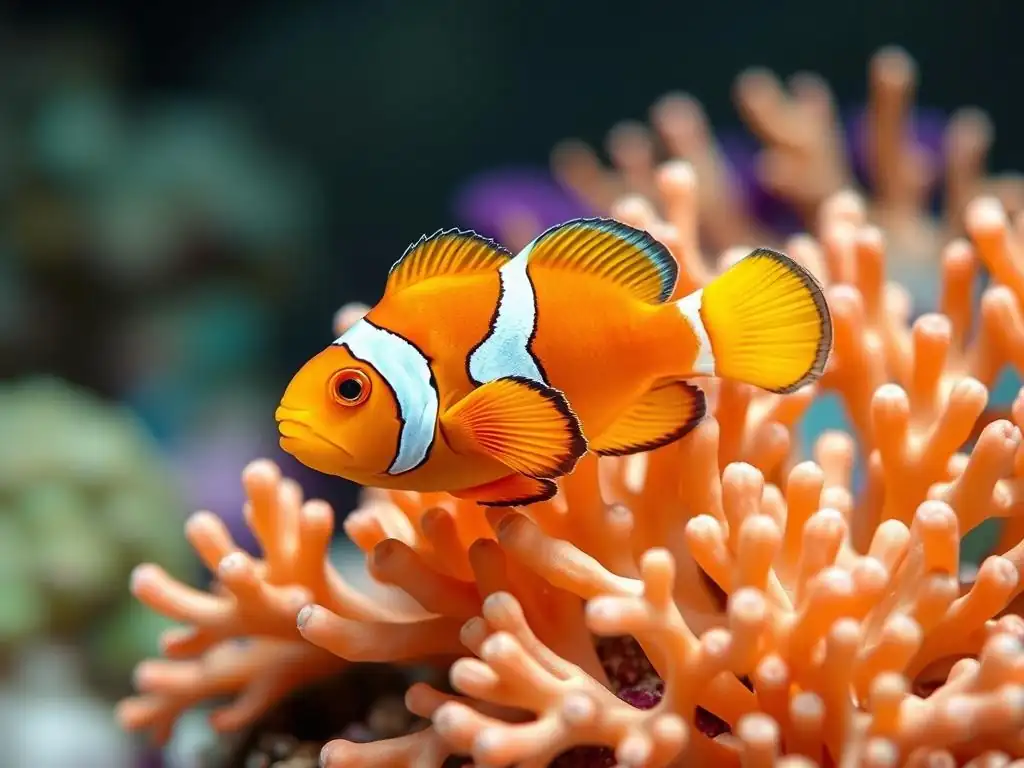
The success of a mixed cardinalfish and anthias population hinges significantly on providing adequate tank size. For a small school of peaceful cardinalfish, such as 5 Pajama Cardinals, a minimum of 40 gallons (151 liters) might suffice, offering enough swim space and hiding spots. However, anthias, particularly the more active Lyretail Anthias, require considerably more room due to their constant swimming and social hierarchies. A small harem of Lyretails (e.g., one male and four females) ideally needs a tank of at least 75-90 gallons (284-340 liters) to thrive without undue stress or aggression.
Larger aquariums, typically 120 gallons (454 liters) or more, are highly recommended for mixed schools of both cardinalfish and anthias. This increased volume provides ample swimming lanes, disperses potential aggression, and allows for more natural schooling behaviors. Crucially, it also dilutes metabolic waste more effectively, contributing to more stable water parameters. A spacious environment is paramount for achieving a harmonious cardinalfish anthias reef balance, preventing overcrowding, and reducing stress-related diseases.
Water Parameter Stability: Essential for Cardinalfish and Anthias Health
Maintaining pristine and stable water parameters is non-negotiable for the health and longevity of cardinalfish and anthias. Both species are sensitive to fluctuations, making consistent conditions vital. Ideal salinity levels should be maintained between 1.023 and 1.026 specific gravity, with a stable temperature range of 74-78°F (23.3-25.6°C). The pH should consistently remain between 8.1 and 8.4. Sudden shifts in any of these parameters can cause significant stress, weakening their immune systems and making them susceptible to disease.
Beyond these core parameters, the absence of ammonia and nitrites is critical, with nitrates kept below 10 ppm for optimal health. Regular testing with reliable kits (e.g., Salifert, Red Sea) is essential to monitor these levels. High nitrates can lead to chronic stress and fin erosion, while even trace amounts of ammonia or nitrite are toxic. A stable chemical environment, achieved through consistent water changes and efficient filtration, underpins the robust health required for a vibrant cardinalfish anthias reef balance.
Compatible Tank Mates: Avoiding Aggression and Predation
Careful selection of tank mates is crucial to prevent aggression and predation, ensuring the safety and well-being of your cardinalfish and anthias. Peaceful fish species such as most gobies (e.g., Watchman Goby, Diamond Watchman Goby), blennies (e.g., Lawnmower Blenny, Starry Blenny), and non-aggressive wrasses (e.g., Leopard Wrasse, Fairy Wrasse) generally coexist well. Similarly, smaller, peaceful tangs (e.g., Yellow Tang, Kole Tang) can be suitable in larger tanks, provided they have ample swimming space and are introduced carefully.
Conversely, aggressive or predatory fish must be avoided. Large piscivores like lionfish, large groupers, or certain triggers (e.g., Clown Triggerfish, Undulated Triggerfish) will view cardinalfish and anthias as potential prey. Overly boisterous or territorial species, such as some damselfish (e.g., Domino Damselfish), can also stress or harass these more delicate schooling fish, disrupting their natural behavior and jeopardizing the overall cardinalfish anthias reef balance. Thorough research into the adult size and temperament of any prospective tank mate is paramount.
Stocking Strategies: Cardinalfish Anthias Population Management
Introducing Cardinalfish and Anthias to a New Reef Tank
The introduction of cardinalfish and anthias into a new reef tank requires a careful and deliberate approach to minimize stress and prevent disease outbreaks. Drip acclimation is highly recommended, allowing the fish to slowly adjust to the new tank's water parameters over 1-2 hours. This gradual process minimizes the shock from sudden changes in salinity, temperature, and pH. It is also beneficial to dim the aquarium lights during and immediately after introduction to reduce initial stress and encourage the fish to explore their new surroundings calmly.
Furthermore, a dedicated quarantine tank is an invaluable tool for any serious aquarist aiming for a healthy cardinalfish anthias reef balance. Housing new arrivals in quarantine for 4-6 weeks allows for observation, deworming, and treatment of any potential diseases (e.g., marine ich, velvet) before they are introduced to the main display. This proactive measure protects your existing fish and invertebrates from pathogens that new fish might carry, safeguarding the entire ecosystem from costly and potentially devastating outbreaks.
Determining Optimal Cardinalfish and Anthias School Sizes
Establishing the optimal school size for cardinalfish and anthias is critical for their well-being and the visual impact they provide. For cardinalfish, a minimum group of 3-5 individuals is generally recommended to encourage natural schooling behavior and reduce individual stress. Odd numbers are often preferred by aquarists for better dynamics, such as 5 or 7 Pajama Cardinalfish in a suitable tank. Too few can lead to shyness or aggression among the limited group members, while too many without adequate space can cause overcrowding.
Anthias, particularly the Lyretail Anthias, thrive in specific social structures, typically a harem of one male with three to six females. Introducing them simultaneously or introducing females first, then the male, can help establish this hierarchy more smoothly. For smaller species like Dispar Anthias, larger groups of 6-10 can be maintained in appropriate tank sizes. Understanding these social dynamics and providing adequate numbers is key to ensuring a healthy cardinalfish anthias reef balance, preventing bullying, and allowing their natural behaviors to flourish.
Preventing Overcrowding: Maintaining a Healthy Reef Ecosystem
Overcrowding is a significant threat to any reef aquarium, leading to increased stress, heightened aggression, and compromised water quality. When too many fish are housed in a limited volume, metabolic waste production escalates, leading to rapid accumulation of nitrates and phosphates. This not only stresses the fish but also fuels nuisance algae growth and can negatively impact sensitive corals. A general guideline is to consider the adult size of all fish and allow sufficient "swim space" rather than just total gallons.
Effective strategies to prevent overcrowding include meticulous planning of your stocking list based on tank dimensions and filtration capacity. Consider the long-term growth of your fish; a juvenile Banggai Cardinalfish may seem small, but its adult size and social needs must be accounted for. Regular monitoring of water parameters, particularly nitrates, can serve as an early warning sign of an overstocked system. Adjusting feeding amounts and increasing water change frequency can help in mild cases, but ultimately, reducing the bioload through rehoming may be necessary to maintain a healthy cardinalfish anthias reef balance.
Feeding Regimes for Cardinalfish and Anthias in Reef Environments
Nutritional Needs of Cardinalfish: Ensuring Proper Growth and Coloration
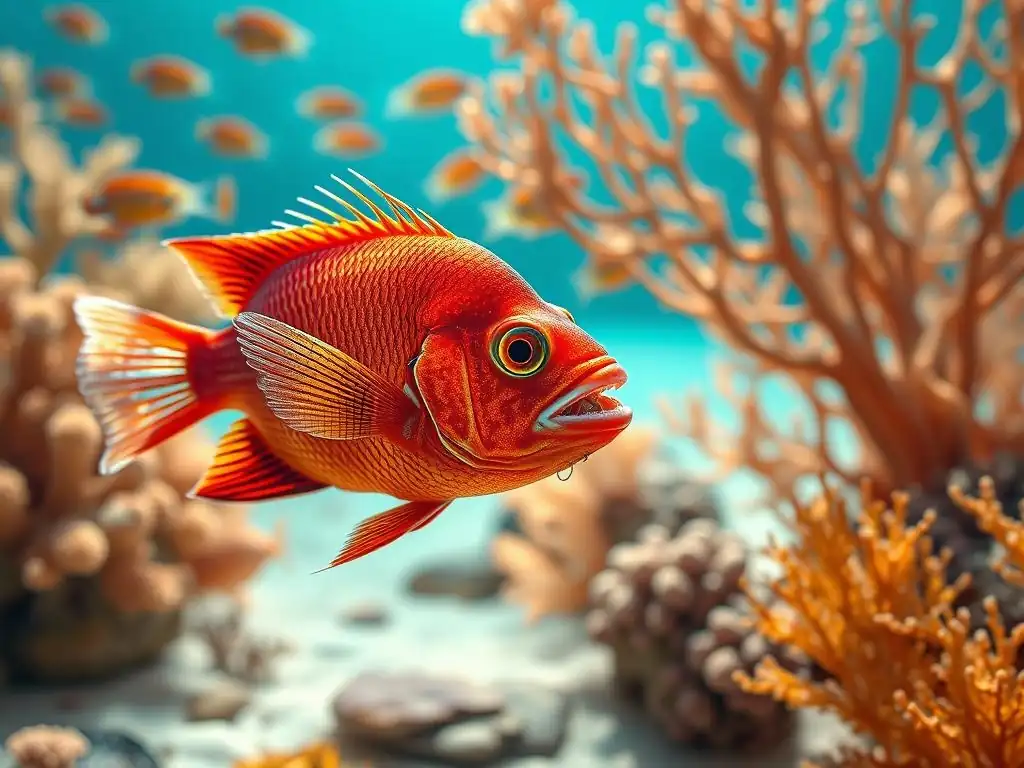
Cardinalfish are primarily carnivorous, with a diet in the wild consisting of small invertebrates and zooplankton. In a reef aquarium, their nutritional needs are best met through a varied diet of high-quality frozen and prepared foods. Offer a mix of frozen mysis shrimp, brine shrimp (preferably enriched), finely chopped seafood, and high-quality marine flake or pellet foods. Feeding 2-3 times per day is generally sufficient for their growth and to maintain their vibrant coloration.
To ensure optimal health and robust coloration, it is crucial to provide foods that are rich in essential fatty acids and vitamins. For instance, frozen mysis shrimp are highly nutritious and eagerly accepted by most cardinalfish. Supplementing their diet with vitamin-enriched foods or by soaking frozen foods in liquid vitamin supplements like Selcon or Vita-Chem a few times a week can significantly boost their immune system and enhance their natural hues, contributing to a thriving cardinalfish anthias reef balance.
Anthias Feeding Habits: Addressing Their High Metabolic Rate
Anthias are unique among reef fish for their exceptionally high metabolic rate, a characteristic that dictates a very specific feeding regimen. As obligate planktivores, they constantly graze on zooplankton in their natural habitat. In an aquarium, this translates to a need for frequent, small feedings throughout the day, ideally 3-5 times. Insufficient feeding will quickly lead to emaciation, lethargy, and increased susceptibility to disease, compromising the cardinalfish anthias reef balance.
Their diet should primarily consist of small, meaty frozen foods such as copepods, enriched brine shrimp, cyclops, and finely chopped mysis shrimp. High-quality, small-pellet anthias-specific foods can also be incorporated. Automated feeders are often invaluable for delivering consistent, small portions when aquarists are unable to feed manually throughout the day. Ensuring they receive adequate nutrition is the single most critical factor for the long-term success and vibrancy of anthias in a reef environment.
Supplementing Diets: Providing Essential Vitamins and Minerals
While high-quality frozen and prepared foods form the cornerstone of a healthy diet for cardinalfish and anthias, supplementing their meals with additional vitamins and minerals can significantly enhance their overall health, immune response, and coloration. Liquid vitamin supplements, such as Selcon or Vita-Chem, can be soaked into frozen foods for 10-15 minutes before feeding. This method ensures that the fish ingest a concentrated dose of essential nutrients that might be lacking or degraded in their regular diet.
These supplements provide crucial fat-soluble vitamins (A, D, E, K) and water-soluble vitamins (B complex, C) that support various metabolic functions, tissue repair, and immune system strength. Furthermore, marine-specific mineral supplements, often found in high-quality formulated foods or as standalone additives, contribute to skeletal health and vibrant pigmentation. A well-rounded diet, enhanced by these supplements, is paramount for maintaining the vitality and resilience necessary for a flourishing cardinalfish anthias reef balance.
Maintaining a Healthy Cardinalfish Anthias Reef Ecosystem
Regular Water Changes: Minimizing Nitrate Buildup
Regular water changes are a cornerstone of maintaining a healthy reef ecosystem, particularly for systems housing active populations of cardinalfish and anthias. These fish produce metabolic waste that, if not removed, leads to the accumulation of nitrates and other undesirable compounds. A typical recommendation is a 10-20% weekly water change or a 20-30% bi-weekly change, depending on the bioload and tank size. This practice effectively dilutes pollutants, replenishes essential trace elements consumed by corals and fish, and helps stabilize water parameters.
When performing water changes, it is crucial to use properly mixed saltwater that matches the display tank's salinity and temperature as closely as possible. Using a high-quality salt mix and RO/DI water ensures that no harmful contaminants are introduced. Slow and careful addition of the new water minimizes stress to the inhabitants. Consistent adherence to a water change schedule is fundamental to preventing chronic issues and ensuring a stable cardinalfish anthias reef balance.
Effective Filtration: Maintaining Water Clarity and Quality
Effective filtration is paramount for maintaining the pristine water quality required by cardinalfish and anthias. This typically involves a combination of mechanical, biological, and chemical filtration. Mechanical filtration, often in the form of filter socks or sponges, physically removes particulate matter, detritus, and uneaten food, preventing their decomposition into harmful nitrates and phosphates. These media should be cleaned or replaced frequently, ideally every 1-3 days, to prevent them from becoming nitrate factories themselves.
Biological filtration, primarily provided by live rock and specialized bio-media, converts toxic ammonia and nitrites into less harmful nitrates through the nitrogen cycle. A well-established biological filter is crucial for the health of any marine aquarium. Chemical filtration, such as activated carbon and GFO (granular ferric oxide), removes dissolved organic compounds, yellowing agents, and phosphates, contributing to crystal-clear water and a healthier environment. Regular maintenance of all filtration components is vital for a robust cardinalfish anthias reef balance.
Monitoring Water Parameters: Detecting and Addressing Imbalances
Consistent and accurate monitoring of water parameters is essential for the proactive management of a cardinalfish anthias reef ecosystem. Regular testing allows aquarists to detect subtle shifts before they escalate into significant problems. Key parameters to monitor include salinity (daily/weekly), temperature (daily), pH (weekly), alkalinity (weekly), calcium (weekly), and magnesium (bi-weekly). For established tanks, nitrates should be checked weekly, while ammonia and nitrites are primarily critical during the cycling phase or when issues arise.
Using reliable test kits (e.g., Hanna Checkers, Salifert, Red Sea) is crucial for accurate readings. A sudden spike in nitrates, for instance, could indicate overfeeding or an overloaded biological filter, prompting immediate action like increased water changes or reduced feeding. Conversely, a drop in alkalinity might signal the need for dosing adjustments. Early detection and prompt correction of imbalances are key to preventing stress, disease, and maintaining the delicate cardinalfish anthias reef balance.
Troubleshooting Common Issues with Cardinalfish and Anthias
Identifying and Treating Cardinalfish Diseases: Uronema marinum and Copper Treatment
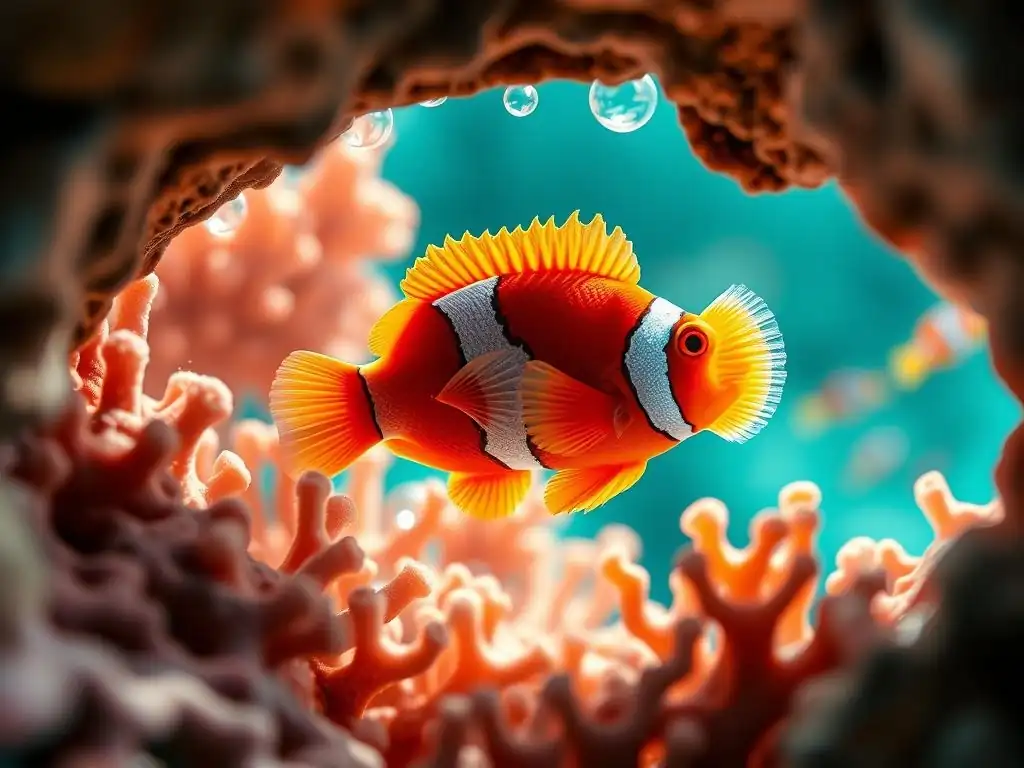
Cardinalfish, particularly the Banggai Cardinalfish, can be susceptible to certain diseases, with Uronema marinum being a notable concern. This highly virulent ciliate parasite causes rapid tissue necrosis, often manifesting as white patches, lesions, or a fuzzy appearance on the fish's body, fins, and gills. Infected fish may show rapid breathing, lethargy, and loss of appetite. Due to its aggressive nature, prompt identification and treatment are critical for survival.
Effective treatment for Uronema marinum, and many other external parasites common to marine fish, often involves copper-based medications. Products like Copper Power or Cupramine, when administered in a dedicated quarantine tank, can be highly effective. It is imperative to dose precisely to a therapeutic level (typically 0.25-0.35 ppm) and monitor copper levels frequently using a reliable copper test kit, as overdose can be fatal. Invertebrates and corals cannot tolerate copper, making a separate treatment tank essential for maintaining the cardinalfish anthias reef balance in the main display.
Addressing Anthias Health Problems: Brooklynella hostilis and Formalin Dips
Anthias, especially when newly introduced or stressed, can be vulnerable to Brooklynella hostilis, often referred to as "Clownfish Disease" due to its prevalence in that family. This highly contagious ciliate parasite causes excessive mucus production, leading to a cloudy appearance, rapid breathing, skin sloughing, and eventually death if untreated. Affected fish may flash against rocks or exhibit labored respiration at the surface. Its rapid progression demands immediate intervention.
Formalin dips are a common and effective initial treatment for Brooklynella hostilis, providing immediate relief by killing parasites on the fish's surface. A typical dip involves placing the fish in a separate container with tank water and a precise dose of 37% formaldehyde solution (e.g., 1 ml per gallon) for 30-60 minutes, with strong aeration. Following the dip, the fish should be moved to a quarantine tank for continued observation and potential follow-up treatments. As with copper, formalin is toxic to invertebrates and should never be used in the main display, ensuring the continued cardinalfish anthias reef balance.
Managing Aggression Within Cardinalfish and Anthias Schools
While generally peaceful, cardinalfish and anthias can exhibit aggression, particularly within their own species, which can disrupt the cardinalfish anthias reef balance. Common causes include insufficient tank size, improper male-to-female ratios (especially for anthias), or the introduction of new individuals into an established hierarchy. Aggression often manifests as chasing, fin nipping, or monopolization of feeding areas.
To manage aggression, ensure your tank provides ample swimming space and numerous hiding spots within the rockwork, allowing submissive fish to retreat. For anthias, maintaining the correct male-to-female harem structure (e.g., one male to multiple females) is crucial, as too few females can lead to the male relentlessly harassing the remaining ones.
Introducing all schooling fish simultaneously can help them establish a pecking order without singling out new additions. In extreme cases, if a single fish becomes overly dominant and causes harm, its removal may be necessary to restore harmony to the school and the overall cardinalfish anthias reef balance.
The Long-Term Success of Your Cardinalfish Anthias Reef
Observing Fish Behavior: Identifying Potential Problems Early
Diligent observation of your cardinalfish and anthias' behavior is one of the most powerful tools for ensuring their long-term health and the overall cardinalfish anthias reef balance. Daily scrutiny of their swimming patterns, appetite, coloration, and interactions can provide crucial early warnings of potential problems. Healthy fish will typically be active, exhibit strong colors, school naturally, and eagerly accept food.
Any deviation from normal behavior warrants immediate attention. Signs such as lethargy, clamped fins, rapid breathing, darting or flashing against rocks, loss of appetite, or unusual spots/lesions should trigger closer inspection. Early detection of these symptoms allows for prompt intervention, whether it's adjusting water parameters, identifying external parasites, or isolating an aggressive individual. Proactive monitoring significantly increases the chances of successful treatment and prevents minor issues from escalating into major health crises.
Adapting to Changing Reef Dynamics: Coral Growth and Nutrient Levels
A reef aquarium is a dynamic environment, and its parameters and needs evolve over time, especially as corals grow and mature. What was once an ideal environment for a cardinalfish anthias reef balance might shift. As corals grow, they consume more alkalinity, calcium, and magnesium, potentially lowering these levels and impacting water chemistry. Furthermore, increasing coral biomass can reduce open swimming space for fish and alter water flow patterns.
Aquarists must adapt their maintenance routines to these changing dynamics. This might involve increasing dosing of supplements to maintain stable parameters, adjusting feeding amounts, or even revising filtration methods to handle increased nutrient export requirements from a denser coral population. Occasionally, fragging or relocating corals may be necessary to ensure fish retain adequate swimming room. Proactive adaptation to these changes ensures that the cardinalfish anthias reef balance remains stable and the ecosystem continues to thrive for years to come.
The Rewards of a Balanced and Thriving Reef Environment
The journey of creating and maintaining a reef aquarium with a balanced population of cardinalfish and anthias is immensely rewarding. The result is a vibrant, dynamic display that not only serves as a breathtaking centerpiece but also provides a window into the complex and beautiful behaviors of marine life. Witnessing a healthy school of anthias gracefully navigating the water column, or observing the subtle social interactions within a group of cardinalfish, offers immense satisfaction and a deep connection to the aquatic world.
A truly balanced and thriving reef environment, where the cardinalfish anthias reef balance is meticulously achieved, is a testament to the aquarist's dedication and understanding of complex biological principles. It is a living ecosystem that provides continuous learning opportunities and endless enjoyment. The vibrant colors, constant movement, and peaceful coexistence of diverse species create a serene yet stimulating atmosphere, making all the effort worthwhile.
Frequently Asked Questions
How do Cardinalfish and Anthias contribute to a reef aquarium's visual harmony?
Cardinalfish offer subtle beauty and nocturnal activity, while Anthias bring vibrant color and constant movement. Achieving a balance between their populations enhances the overall dynamic and visual appeal of the reef.
What are the key considerations when introducing Cardinalfish and Anthias to a reef tank?
Consider tank size, water parameters, and the compatibility of different species. A well-established tank with stable conditions is crucial for their survival and well-being.
How do I ensure a proper reef balance when keeping both Cardinalfish and Anthias?
Maintain excellent water quality through regular testing and water changes. Provide a varied diet and sufficient hiding places to minimize stress and aggression.
What are some common challenges when keeping Cardinalfish and Anthias together, and how can I address them?
Anthias can sometimes outcompete Cardinalfish for food. Ensure targeted feeding for the Cardinalfish and provide plenty of microfauna in the tank.
How can I optimize my reef aquarium's environment to support both Cardinalfish and Anthias populations?
Provide ample live rock for shelter and grazing, maintain appropriate lighting for Anthias' vibrant colors, and ensure sufficient water flow for oxygenation and waste removal.
Final Reflection: Embracing the Symphony of the Reef
The principles of ecological balance, as explored in the delicate dance between Cardinalfish and Anthias, are not merely theoretical; they are a microcosm of the interconnectedness that sustains our world. Understanding how to cultivate visual harmony within a reef aquarium mirrors the broader challenge of fostering biodiversity and resilience in our planet's ecosystems, a task more critical now than ever before.
This exploration of reef dynamics has profoundly impacted my perspective on aquarium keeping, transforming it from a hobby into a deeper appreciation for the intricate web of life. It underscores the responsibility we bear as stewards of these miniature ecosystems, reminding us that informed choices and careful observation are paramount. In nature, nothing exists alone.
- Rachel Carson. This quote perfectly encapsulates the essence of reef keeping, highlighting the interdependence of each organism and the ripple effect of our actions.
Now, consider the lessons learned. How can you apply the principles of balance and observation, not just in your aquarium, but in your own life? Strive to cultivate harmony in your own environment, fostering relationships and making choices that contribute to a more balanced and vibrant world. Let the vibrant dance of the Cardinalfish and Anthias inspire you to create your own symphony, one of mindful action and unwavering respect for the delicate beauty that surrounds us.
Cultivate Your Reef's Kaleidoscope!
Thank you for diving deep into the art of balancing Cardinalfish and Anthias in your reef tank. We hope you've discovered some valuable insights to create a stunning, thriving underwater world. Now, let's bring that vision to life!
Here's how you can take your reef aquarium to the next level:
- Strategically Introduce Your First Group of Anthias: Based on your tank size and the compatibility factors we discussed, start with a small, carefully selected group of Anthias to establish dominance and reduce aggression. Observe them closely!
- Explore complementary species! Delve deeper into compatible fish species that thrive alongside Cardinalfish and Anthias, creating a truly vibrant and balanced ecosystem. Consider smaller, peaceful gobies or blennies to add another layer of interest.
- Share your reefkeeping journey! Join our vibrant community forum at AquariumMastery.com and share your experiences, challenges, and successes in balancing these fascinating fish.
What unique strategies have you found effective in maintaining harmony between Cardinalfish and Anthias, and what surprising behaviors have you observed in your reef?