
LPS Coral Compatibility: Which Fish & Inverts Won't Irritate Your Fleshy Corals?

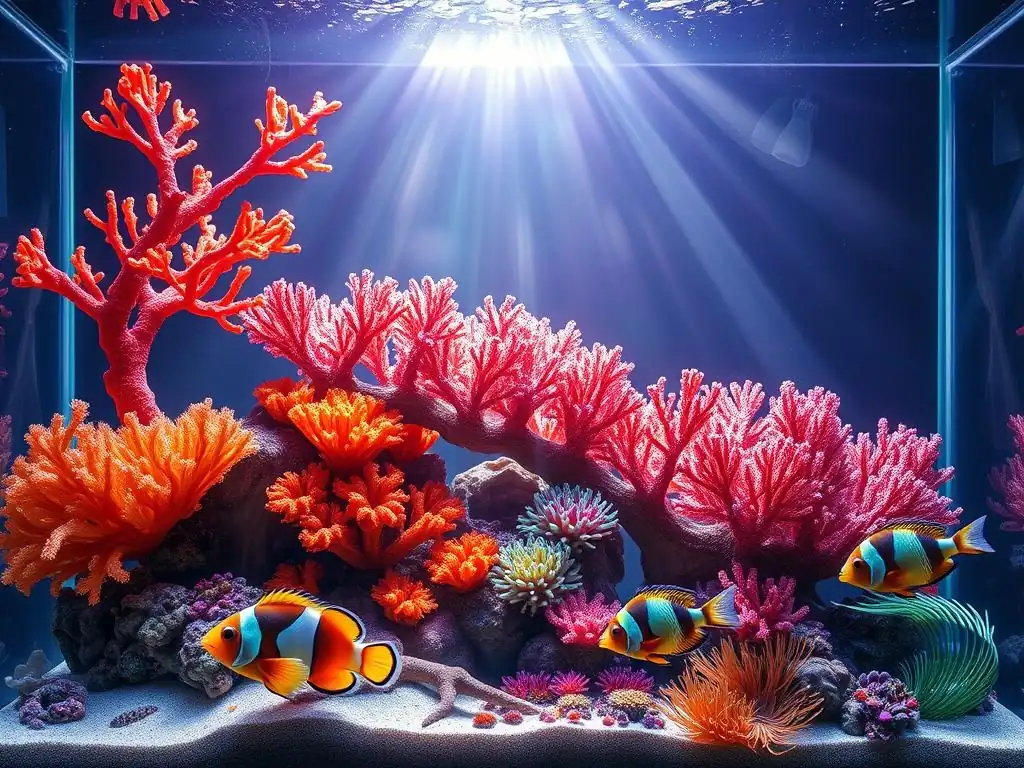
Welcome to Aquarium Mastery!
Ever wondered if that stunning angelfish you've been eyeing is a potential nemesis to your prized LPS corals? Diving into the fascinating world of saltwater aquariums can be both thrilling and, well, a little daunting! That's why we're here to help you navigate the complexities of LPS coral fish compatibility. Uncover the secrets to creating a harmonious reef environment where your fleshy corals and finned friends can thrive together. Ready to discover which fish and invertebrates play nice, and which ones you definitely want to avoid? Let's explore!
- Understanding LPS Coral Needs for a Thriving Reef Tank
- Fish to Avoid: Identifying Problematic Species for LPS Corals
- Reef-Safe Fish: Selecting Compatible Tank Mates for LPS Corals
- Invertebrates: Choosing the Right Clean-Up Crew for LPS Corals
- Monitoring and Maintaining a Balanced Reef Aquarium with LPS Corals
-
Frequently Asked Questions
- What exactly is meant by "LPS Coral Fish Compatibility"?
- Why is LPS coral fish compatibility so important?
- What are some common fish species that are not compatible with LPS corals?
- Besides fish, are there any invertebrates that are considered incompatible with LPS corals?
- How can I ensure my aquarium inhabitants are compatible with my LPS corals?
- Final Reflection: Nurturing Harmony in the Reef
- Ignite Your Reef Tank's Beauty: Start Building a Harmonious Ecosystem!
Understanding LPS Coral Needs for a Thriving Reef Tank
What are LPS Corals and Why is Compatibility Important?
Large Polyp Stony (LPS) corals are a diverse and captivating group of hard corals characterized by their large, fleshy polyps and calcium carbonate skeletons. Unlike their Small Polyp Stony (SPS) counterparts, LPS corals, such as Euphyllia species (Torch, Hammer, Frogspawn), Acanthastrea, Blastomussa, and Trachyphyllia (Brain corals), possess more substantial, often flowing polyps that can expand significantly. Many LPS species are known for their vibrant colors and unique textures, making them a popular choice for reef aquarists. However, their beauty comes with specific care requirements, particularly concerning tank mate compatibility, which is crucial for their long-term health and growth.
The importance of LPS coral fish compatibility cannot be overstated. These corals are delicate and can be easily stressed or damaged by inappropriate tank mates. Physical irritation, such as nipping from fish or constant brushing by large invertebrates, can lead to polyp recession, tissue loss, and ultimately, coral death.
Furthermore, some LPS corals possess potent sweeper tentacles, which they extend, often at night, to sting and defend their territory from encroaching corals or even curious fish. Therefore, selecting tank mates that will coexist peacefully and not pose a threat to these fleshy corals is a cornerstone of successful LPS reef keeping, preventing both direct harm and chronic stress.
Key Factors Affecting LPS Coral Health in a Reef Aquarium
Maintaining optimal water parameters is fundamental to the health of LPS corals. They thrive in stable conditions, with salinity typically maintained between 1.024 and 1.026 specific gravity, a temperature range of 76-79°F (24-26°C), and a pH level consistently between 8.1 and 8.4.
Essential elements like alkalinity, calcium, and magnesium are vital for skeletal growth; target ranges are generally 8-12 dKH for alkalinity, 400-450 ppm for calcium, and 1250-1350 ppm for magnesium. Low levels of nitrates (ideally below 10 ppm) and phosphates (below 0.03 ppm) are also critical to prevent nuisance algae outbreaks and maintain water clarity, which directly impacts coral vitality.
Beyond water chemistry, appropriate lighting and flow are significant factors. LPS corals generally prefer moderate lighting, with PAR (Photosynthetically Active Radiation) levels often ranging from 50 to 150 PAR, depending on the specific species and its placement within the tank. For instance, some Euphyllia species might prefer slightly higher PAR (e.g., 100-150 PAR) while Acanthastrea might thrive in lower light (e.g., 50-80 PAR).
Flow should be moderate and indirect, providing gentle, turbulent movement to prevent detritus from settling on polyps and to aid in nutrient uptake, without being so strong as to cause the polyps to constantly retract or tear. Adequate spacing, ensuring that corals with long sweeper tentacles (like many Euphyllia species, which can extend up to 6-10 inches at night) do not sting neighboring corals or disturb fish, is also crucial for overall tank harmony and coral well-being.
Fish to Avoid: Identifying Problematic Species for LPS Corals
Butterflyfish: A Common Threat to LPS Coral Polyps
Butterflyfish are renowned for their vibrant colors and distinctive body shapes, but many species are notorious for their coral-eating habits, making them a significant risk to LPS coral fish compatibility. A large number of butterflyfish are obligate corallivores, meaning their natural diet consists primarily of coral polyps.
Even species often marketed as "reef-safe" or "reef-compatible," such as the Copperband Butterflyfish ( Chelmon rostratus), can develop a taste for LPS corals, especially if their natural food sources are scarce or if they are not adequately fed. These fish use their elongated snouts to pick at and consume the fleshy polyps of LPS corals, leading to rapid tissue recession and eventual coral death.
Among the most problematic species for LPS corals are the Longnose Butterflyfish ( Forcipiger flavissimus) and most species within the Chaetodon genus. While some aquarists attempt to keep them in large, heavily fed systems with robust corals, the risk to delicate LPS polyps is exceptionally high. Even a single instance of nipping can stress an LPS coral, making it more susceptible to disease or further damage. Given the high value and slow growth of many LPS corals, the potential for irreversible damage from a determined butterflyfish far outweighs the aesthetic appeal of adding one to an LPS-dominated reef tank.
Angelfish: Nipping Concerns and Species-Specific Risks
Angelfish, both large and dwarf varieties, pose a notable risk to LPS coral fish compatibility due to their propensity for nipping at coral polyps. While their majestic presence and striking colors are appealing, their natural diet in the wild often includes sponges, tunicates, and, unfortunately, coral polyps. Large angelfish from genera like Pomacanthus (e.g., Emperor Angelfish) and Holacanthus (e.g., Queen Angelfish) are generally considered non-reef-safe due to their size and known habit of consuming coral tissue, often stripping flesh from LPS skeletons within days. Their powerful jaws and persistent nature make them highly destructive to fleshy corals.
Dwarf angelfish ( Centropyge species), such as the Coral Beauty ( Centropyge bispinosa) or Flame Angelfish ( Centropyge loriculus), are often described as "reef-safe with caution." While some individuals may coexist peacefully in a reef tank, others will inevitably start nipping at LPS corals, especially Euphyllia and Acanthastrea species. The behavior is highly individual-dependent, and once an angelfish develops a taste for coral, it is nearly impossible to deter. Given the unpredictability and the potential for significant damage, introducing any angelfish into a tank with valuable LPS corals represents a considerable gamble for the conscientious aquarist.
Triggerfish and Pufferfish: Potential LPS Coral Destroyers
Triggerfish and Pufferfish are charismatic and intelligent fish, but their powerful dentition and natural diets make them utterly incompatible with LPS corals. Triggerfish, belonging to the Balistidae family, possess extremely strong jaws and specialized teeth designed for crushing shells, crustaceans, and urchins in their natural habitat.
This same powerful bite can easily tear and destroy the fleshy polyps and even the calcium carbonate skeletons of LPS corals. Species like the Clown Triggerfish ( Balistoides conspicillum) or Picasso Triggerfish ( Rhinecanthus aculeatus) are prime examples of fish that will decimate a coral collection in short order, making them a definitive no-go for any reef tank.
Similarly, Pufferfish ( Tetraodontidae family) are equipped with fused beak-like teeth, perfectly adapted for crushing hard-shelled invertebrates. While fascinating to observe, their natural inclination to nip and consume hard-bodied organisms extends to corals. A Dogface Puffer ( Arothron nigropunctatus) or a Valentini Puffer ( Canthigaster valentini) will quickly turn an LPS coral into a skeletal remains, as they view the coral's structure and polyps as a potential food source. Their destructive capabilities are too high to risk in an LPS-dominated reef, solidifying their status as incompatible for optimal LPS coral fish compatibility.
Filefish: Potential Nuisance for Zoanthids and Other Soft Corals
Filefish, while sometimes recommended for specific purposes like Aiptasia control (e.g., the Bristletail Filefish, Acreichthys tomentosus), can still pose a risk to LPS corals, albeit generally less severe than the previously mentioned fish. Their diet in the wild consists of various invertebrates, including small crustaceans and sometimes coral polyps. While they are more commonly known for nipping at zoanthids and other soft corals, some individuals can develop an appetite for the fleshy polyps of LPS corals, particularly if not well-fed or if they become bored in the aquarium environment.
The risk from filefish is often considered moderate, but it is a factor to consider in the context of LPS coral fish compatibility. If a filefish starts to pick at an LPS coral, the damage, though perhaps not immediate destruction, can lead to chronic stress, tissue recession, and vulnerability to secondary infections. It is a decision that requires careful observation and a willingness to remove the fish if it exhibits undesirable behavior towards your valuable LPS corals.
Reef-Safe Fish: Selecting Compatible Tank Mates for LPS Corals
Peaceful Herbivores: Algae Grazers that Won't Bother LPS
Peaceful herbivorous fish are excellent choices for an LPS reef tank, as they contribute to algae control without posing a threat to your corals. Tangs (Surgeonfish) are prime examples, with species like the Yellow Tang ( Zebrasoma flavescens) and Kole Tang ( Ctenochaetus strigosus) being highly sought after for their algae-grazing abilities. A healthy Yellow Tang can consume significant amounts of nuisance algae, helping to keep the rockwork and sand bed clean.
However, it's important to note that tangs require substantial swimming space; a single Yellow Tang ideally needs a tank of 75 gallons or more to thrive. These fish generally ignore corals, focusing solely on their plant-based diet.
Another group of beneficial herbivores are Blennies, particularly the Lawnmower Blenny ( Salarias fasciatus) and the Starry Blenny ( Salarias ramosus). These bottom-dwelling fish are diligent algae grazers, consuming various types of film and hair algae. They are typically very peaceful and spend their time perching on rocks or sifting through the substrate, showing no interest in coral polyps. Their unique personalities and effective algae control make them ideal candidates for maintaining a clean and harmonious environment, ensuring optimal LPS coral fish compatibility.
Small Gobies and Blennies: Reef-Safe Options for a Community Tank
Small gobies and blennies are among the safest and most popular choices for LPS coral tanks, offering both aesthetic appeal and beneficial behaviors without threatening corals. Gobies, such as the Yellow Watchman Goby ( Cryptocentrus cinctus) or the Diamond Watchman Goby ( Valenciennea puellaris), are excellent sand sifters, keeping the substrate aerated and free of detritus.
Many gobies form symbiotic relationships with pistol shrimp, adding an interesting dynamic to the tank. Clown Gobies ( Gobiodon okinawae) are tiny, vibrant fish that often perch on branching corals, but they are known to be completely reef-safe, exhibiting no nipping behavior towards LPS or other corals.
Similarly, smaller blennies, including the Tailspot Blenny ( Ecsenius stigmatura) and the Midas Blenny ( Ecsenius midas), are excellent additions. These fish are generally peaceful, spend their time darting between rockwork or perching, and are strictly micro-invertebrate or algae feeders, posing no threat to corals. Their small size and specific dietary needs ensure they do not compete with corals for food resources or disturb their delicate polyps, making them highly compatible for a balanced reef ecosystem focused on LPS coral fish compatibility.
Cardinalfish and Anthias: Adding Color Without Coral Concerns
Cardinalfish and Anthias are superb choices for adding vibrant color and activity to an LPS reef tank without any risk to corals. Cardinalfish, like the Banggai Cardinalfish ( Pterapogon kauderni) and the Pajama Cardinalfish ( Sphaeramia nematoptera), are peaceful, schooling fish that tend to hover in open water or near rockwork. They are relatively slow-moving and primarily feed on small zooplankton, exhibiting no interest in coral polyps. Their calm demeanor and striking patterns make them a visually appealing and completely safe addition, perfect for maintaining a serene environment for your LPS.
Anthias, particularly species such as the Lyretail Anthias ( Pseudanthias squamipinnis) and Dispar Anthias ( Pseudanthias dispar), are beautiful, active schooling fish that add a dynamic element to the middle and upper water columns. While they require frequent feedings (often 2-3 times a day) due to their high metabolism and active nature, they are entirely planktivorous and will not bother corals. Their bright colors and graceful schooling behavior enhance the aesthetic of the tank without compromising LPS coral fish compatibility, making them a favorite among reef aquarists.
Basslets: Colorful and Generally Reef-Safe Additions
Basslets are a diverse group of fish that typically remain small to medium-sized and are largely considered reef-safe, making them excellent choices for an LPS coral aquarium. The Royal Gramma Basslet ( Gramma loreto) is an iconic example, known for its striking purple and yellow coloration and its tendency to hover upside down in caves or crevices. They are peaceful, non-aggressive towards corals, and primarily feed on zooplankton. Similarly, the Blackcap Basslet ( Gramma melacara) shares the same desirable traits, making both species ideal for adding a splash of color without any risk to your delicate LPS.
Another popular choice from the Basslet family is the Orchid Dottyback ( Pseudochromis fridmani). While some dottyback species can be aggressive towards other small fish, the Orchid Dottyback is notably more peaceful and is completely reef-safe. Its brilliant purple hue and active patrolling behavior make it a captivating resident. These fish are generally territorial but pose no threat to corals, focusing instead on small invertebrates and prepared foods, ensuring excellent LPS coral fish compatibility within your reef system.
Invertebrates: Choosing the Right Clean-Up Crew for LPS Corals
Snails: Safe Grazers for Algae Control Around LPS
Snails are indispensable members of the clean-up crew in any reef tank, and many species are perfectly safe and beneficial for LPS coral environments. Turbo Snails ( Turbo fluctuosa), Astrea Snails ( Astrea tecta), and Trochus Snails ( Trochus histrio) are highly effective at grazing various types of nuisance algae from rockwork and tank glass. They are robust, active, and pose no threat to LPS polyps, as their diet consists purely of algae and detritus. A general guideline is to have one snail per 1-2 gallons of tank volume for effective algae control, depending on the bioload.
Nassarius Snails ( Nassarius vibex) are another excellent addition, primarily acting as detritivores. These small, conical-shelled snails burrow into the sand bed, consuming uneaten food and detritus, which helps to keep the substrate clean and prevent anaerobic spots. They are completely harmless to corals and contribute significantly to overall tank hygiene. Ensuring a diverse population of these herbivorous and detritivorous snails helps maintain a balanced ecosystem, supporting the health of your LPS corals without any risks.
Shrimp: Compatible Cleaner Shrimp and Other Options
Shrimp are a fantastic addition to an LPS reef tank, offering both aesthetic appeal and beneficial cleaning services. Skunk Cleaner Shrimp ( Lysmata amboinensis) and Blood Red Fire Shrimp ( Lysmata debelius) are among the most popular choices. These shrimp are known for their symbiotic cleaning behavior, setting up "cleaning stations" where fish can visit to have parasites and dead skin removed. They are completely safe for all corals, including LPS, and will not nip at polyps. Their active scavenging also helps consume uneaten food, contributing to tank cleanliness.
Peppermint Shrimp ( Lysmata wurdemanni) are often introduced specifically for their ability to consume Aiptasia anemones, a common pest in reef tanks. While generally reef-safe, some individuals might occasionally nip at soft corals if food is scarce, but they are typically harmless to LPS corals. Pistol Shrimp ( Alpheus species), known for their symbiotic relationship with certain gobies, are also excellent choices; they are strictly invertebrate and detritus eaters and pose no threat to corals. These shrimp species enhance the biodiversity and functionality of your reef, ensuring continued LPS coral fish compatibility.
Crabs: Selecting Reef-Safe Crabs and Avoiding Problem Species
When it comes to crabs, careful selection is paramount, as some species can be highly destructive to corals, while others are beneficial. The Emerald Crab ( Mithraculus sculptus) is often considered reef-safe, particularly useful for controlling bubble algae. While generally peaceful, it's worth noting that a starving Emerald Crab might occasionally nip at corals or other invertebrates, so ensuring adequate feeding is important.
Small hermit crabs, such as Blue Leg Hermit Crabs ( Clibanarius tricolor) and Scarlet Reef Hermit Crabs ( Paguristes cadenati), are excellent detritivores and algae eaters. To prevent them from preying on snails for their shells, always provide an abundance of empty shells of various sizes.
However, many other crab species are best avoided in an LPS coral tank due to their opportunistic or predatory nature. Sally Lightfoot Crabs ( Percnon gibbesi), Arrow Crabs ( Stenorhynchus seticornis), and most large, unidentified crabs that may hitchhike on live rock can become problematic. These crabs can nip at corals, consume small invertebrates, or disturb the substrate aggressively.
Their powerful claws can easily damage the delicate polyps of LPS corals, making them incompatible with the goal of maintaining a thriving and peaceful LPS coral fish compatibility environment. It is generally safer to remove any crab whose species and reef-safe status cannot be definitively confirmed.
Starfish: Selecting Reef-Safe Species and Avoiding Coral Predators
Starfish can be fascinating additions to a reef tank, but like crabs, their compatibility with LPS corals varies greatly by species. The Sand Sifting Starfish ( Archaster typicus) is an excellent choice for maintaining a clean sand bed. It burrows through the substrate, consuming detritus and uneaten food particles, which helps prevent nutrient build-up and keeps the sand aerated.
Various Brittle Starfish ( Ophiocoma species) are also generally reef-safe, acting as scavengers and detritivores, often hiding in the rockwork and emerging at night to feed. These species pose no threat to LPS corals and contribute positively to the clean-up crew.
Conversely, several starfish species are notorious coral predators and must be avoided in an LPS reef tank at all costs. The Chocolate Chip Starfish ( Protoreaster nodosus) is a common culprit, known to consume soft corals and occasionally LPS polyps.
The Crown of Thorns Starfish ( Acanthaster planci) is an extremely destructive coral predator, capable of decimating large areas of coral reef in the wild and would quickly destroy any corals in a home aquarium. Ensuring proper LPS coral fish compatibility extends to all invertebrates, so thorough research on starfish species before introduction is vital to protect your valuable corals.
Monitoring and Maintaining a Balanced Reef Aquarium with LPS Corals
Observing Coral Behavior: Signs of Irritation or Stress
Vigilant observation of your LPS corals is paramount to their long-term health and to assess the effectiveness of your LPS coral fish compatibility choices. Healthy LPS corals should exhibit full polyp extension, vibrant coloration, and a robust, fleshy appearance. Signs of irritation or stress include:
- Polyp Recession: Corals repeatedly retracting their polyps, or failing to extend them fully, especially during the day.
- Tissue Loss: Visible areas where the coral tissue is peeling away from the skeleton, often starting from the base or edges. This can be rapid in cases of severe stress or nipping.
- Discoloration: Blemishes, browning (excess zooxanthellae due to low light or high nutrients), or bleaching (loss of zooxanthellae due to high light, temperature swings, or stress).
- Excessive Sliming: Corals producing large amounts of protective mucus, often in response to physical irritation, poor water quality, or chemical warfare from other corals.
- Physical Damage: Tears, abrasions, or bite marks on the polyps, directly indicating nipping from fish or invertebrates.
If these signs are observed, it's crucial to identify the cause, whether it's a new tank mate, fluctuating water parameters, or insufficient flow, and take corrective action promptly to prevent irreversible damage.
Water Parameter Management: Essential for LPS Coral Health and Compatibility
Consistent and accurate water parameter management is non-negotiable for the health and compatibility of LPS corals. Regular testing, ideally weekly or bi-weekly, using reliable test kits (e.g., Hanna, Red Sea, Salifert) is essential. Key parameters to monitor include:
- Salinity: Maintain a stable specific gravity of 1.025-1.026. Fluctuations can severely stress corals.
- Alkalinity: Aim for 8-10 dKH. This parameter is critical for skeletal growth and stability. Swings of more than 0.5 dKH per day can be detrimental.
- Calcium: Keep levels between 420-450 ppm. Calcium is the primary building block for coral skeletons.
- Magnesium: Maintain 1300-1350 ppm. Magnesium helps stabilize alkalinity and aids in calcium uptake.
- Nitrates & Phosphates: Keep these nutrients as low as possible, ideally below 5 ppm for nitrates and below 0.03 ppm for phosphates, to prevent nuisance algae and maintain coral vibrancy.
Regular water changes, typically 10-20% bi-weekly or monthly, help replenish trace elements and export accumulated pollutants. For tanks with significant coral growth, dosing alkalinity, calcium, and magnesium (often via a dosing pump for stability) becomes necessary to maintain these parameters within optimal ranges, ensuring a healthy environment that supports robust LPS coral fish compatibility.
Feeding Strategies: Providing Adequate Nutrition Without Overfeeding
LPS corals are often heterotrophic, meaning they can capture and consume food particles from the water column in addition to deriving energy from their symbiotic zooxanthellae. Providing adequate nutrition is important for their growth and vitality, but it must be balanced to avoid overfeeding, which can lead to increased nutrient levels (nitrates and phosphates) and subsequently, nuisance algae blooms.
Target feeding LPS corals 1-3 times a week with small, meaty foods like mysis shrimp, brine shrimp, coral pellets, or specialized coral foods is beneficial. This involves turning off pumps to reduce flow and gently squirting food directly onto the coral polyps.
It's crucial to ensure that fish and invertebrates are also adequately fed. Underfed fish, even those typically considered reef-safe, may start to nip at corals out of hunger. Conversely, overfeeding the entire tank contributes to nutrient overload, which can stress corals and promote the growth of undesirable algae. A thoughtful feeding strategy, combining broadcast feeding for the general tank population with targeted feeding for LPS corals, is key to providing sufficient nutrition while maintaining pristine water quality and supporting the delicate balance of LPS coral fish compatibility.
Quarantine Procedures: Introducing New Fish and Inverts Safely
Implementing strict quarantine procedures for all new fish and invertebrates before introducing them into your main display tank is a critical step often overlooked but immensely beneficial for long-term reef health and LPS coral fish compatibility. A dedicated quarantine tank (QT) allows you to observe new arrivals for signs of disease (such as Ich, Velvet, or Brooklynella) or pests (like flatworms, nudibranchs, or Aiptasia) without risking the health of your established inhabitants.
For fish, a quarantine period of at least 4-6 weeks is recommended. During this time, they can be observed for illness, and prophylactic treatments (e.g., copper-based medications for Ich) can be administered if necessary. For invertebrates, a shorter quarantine of 2-4 weeks is often sufficient, primarily for observation and to ensure no hidden pests are present.
Corals, including LPS, should also be dipped in an appropriate coral dip solution to remove external parasites and pests before being added to the display. This proactive approach significantly reduces the risk of introducing pathogens or nuisance organisms that could harm your existing LPS corals or disrupt the carefully balanced ecosystem.
Frequently Asked Questions
What exactly is meant by "LPS Coral Fish Compatibility"?
This refers to the ability of certain fish and invertebrates to coexist peacefully with Large Polyp Stony (LPS) corals. It's about ensuring fish won't nip at, eat, or otherwise damage these sensitive corals.
Why is LPS coral fish compatibility so important?
Maintaining compatibility is crucial for the health and survival of your LPS corals. Incompatible fish can cause stress, tissue damage, and even death to your corals.
What are some common fish species that are not compatible with LPS corals?
Generally, avoid butterflyfish, angelfish (especially larger species), and some triggerfish. These fish often have a natural inclination to pick at corals, including LPS.
Besides fish, are there any invertebrates that are considered incompatible with LPS corals?
Yes, certain invertebrates like some crab species and larger shrimp can be problematic. They may damage or irritate LPS corals while searching for food or shelter.
How can I ensure my aquarium inhabitants are compatible with my LPS corals?
Thorough research is key! Before introducing any new fish or invertebrates, research their feeding habits and reef compatibility. Observe your tank closely for any signs of coral harassment.
Final Reflection: Nurturing Harmony in the Reef
The delicate balance of a reef aquarium hinges on understanding the intricate relationships between its inhabitants, and as we've explored, LPS coral fish compatibility is paramount to creating a thriving ecosystem. Ignoring these crucial interactions can lead to stressed corals, diminished beauty, and ultimately, a failed reef-keeping endeavor. The knowledge shared here serves as a foundation for responsible reef stewardship, ensuring the well-being of these magnificent creatures.
This journey into the world of LPS corals and their potential tankmates has underscored the profound impact our choices have on the health and longevity of these living jewels. The responsibility we bear as reef aquarists extends beyond simply providing food and water; it demands a deep understanding of the natural world and a commitment to replicating its delicate balance. In the end, we will conserve only what we love; we will love only what we understand; and we will understand only what we are taught.
- Baba Dioum. This quote perfectly encapsulates the importance of continuous learning and mindful decision-making in the reef-keeping hobby.
As you embark on or continue your reef-keeping journey, remember that informed choices are the cornerstone of success. Let the insights gained here guide your selections, fostering a harmonious environment where LPS corals flourish and your entire reef ecosystem thrives. Take the time to research, observe, and adapt, and you will be rewarded with a vibrant and captivating underwater world that brings joy and wonder for years to come.
Ignite Your Reef Tank's Beauty: Start Building a Harmonious Ecosystem!
Thanks for diving into the fascinating world of LPS coral compatibility! We hope you've gained valuable insights into creating a thriving reef environment. Now, let's put that knowledge into action and take your aquarium to the next level.
Here are a few ideas to get you started:
- Carefully Observe: Dedicate 15 minutes each day this week to closely watch your existing tank inhabitants interact with any LPS corals you currently have. Note any potential nipping or aggressive behavior.
- Research One New Invert: Delve deeper into the compatibility of a specific invertebrate species you've been considering for your reef. Share your findings in a reefing forum or with a fellow hobbyist.
- Start a "Tank Journal": Document your observations and any changes you make to your reef's inhabitants or environment. You may find it helps you to track compatibility and coral growth!
What specific fish or invertebrate compatibility concern are you most eager to address in your reef tank?