
The Hidden Impact of Wrasses on Your Sand Bed's Beneficial Microfauna

Welcome to Aquarium Mastery!
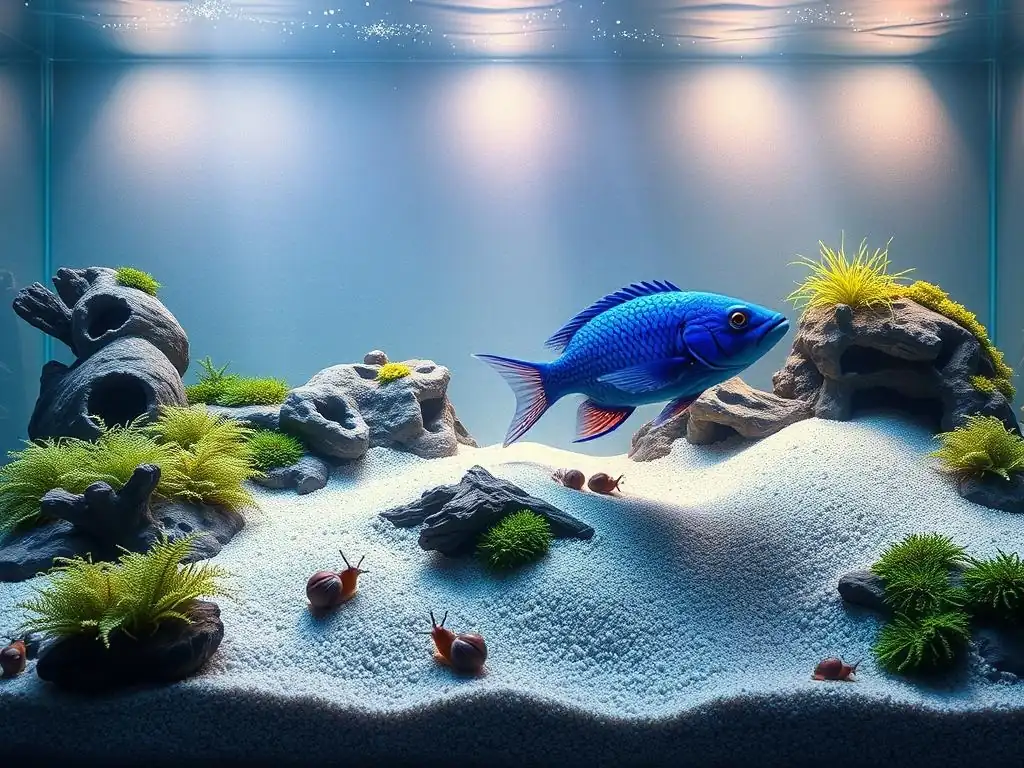
Ever wondered what's really going on beneath the surface of your saltwater aquarium's sand bed? Prepare to dive deep! In this article, we're uncovering the surprising Wrasse impact sand bed and the crucial role these fascinating fish play in the delicate ecosystem of your aquarium. Could your wrasse be a friend or foe to your beneficial microfauna? Let's find out...
- Introduction: Understanding the Wrasse's Role in the Saltwater Aquarium Ecosystem
- What is a Sand Bed and Why is Microfauna Important?
- Wrasses and the Sand Bed: A Complex Relationship
- Negative Impacts: Over-Predation and Disturbance of Microfauna
- Mitigating the Negative Impact: Strategies for a Healthy Sand Bed
- Monitoring and Assessing Sand Bed Health
- Conclusion: Balancing Wrasse Benefits with Sand Bed Preservation
-
Frequently Asked Questions
- How do wrasses affect the beneficial microfauna in my aquarium sand bed?
- Which types of wrasses are most likely to negatively impact a sand bed?
- What are the benefits of having a healthy sand bed microfauna population?
- How can I minimize the negative impact of wrasses on my sand bed?
- What are some alternative methods for maintaining a clean sand bed if I keep wrasses?
- Final Reflection: Unveiling the Wrasse's Sand Bed Legacy
- Dive Deeper: Unearth the Secrets of Your Sand Bed!
Introduction: Understanding the Wrasse's Role in the Saltwater Aquarium Ecosystem
Wrasses are among the most vibrant and active fish in the saltwater aquarium hobby, highly sought after for their striking colors, engaging personalities, and often beneficial pest control abilities in reef tanks. With hundreds of species ranging from the tiny Six-Line Wrasse to the larger Hogfish, they represent a diverse group of marine inhabitants. Their popularity, however, often overshadows a crucial, yet frequently overlooked, connection: their profound interaction with the health and vitality of the aquarium's sand bed.
While aquarists admire wrasses for their beauty and activity in the water column, many species spend a significant portion of their day actively foraging in the substrate, directly influencing its delicate ecosystem. This constant interaction creates a complex dynamic that can either support or undermine the crucial microfauna living within the sand. This article aims to explore the multifaceted wrasse impact sand bed microfauna, detailing both the positive and negative consequences of their presence and behavior on this vital component of the saltwater aquarium.
What is a Sand Bed and Why is Microfauna Important?
Defining the Sand Bed Ecosystem in Saltwater Aquariums
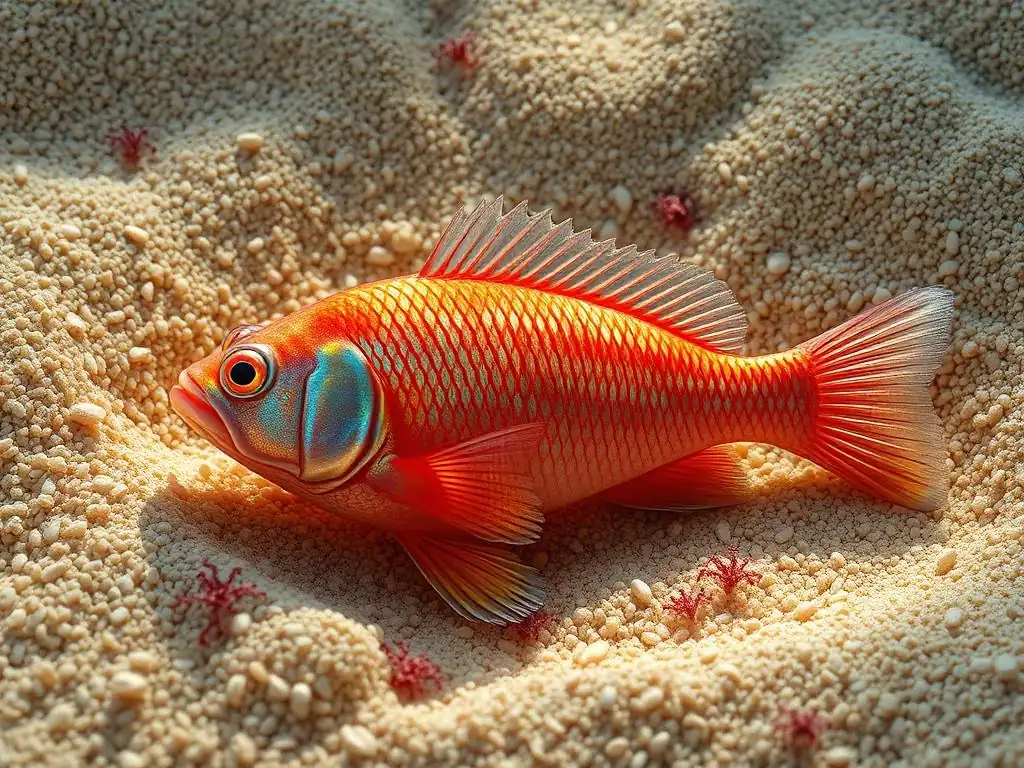
A healthy sand bed in a saltwater aquarium is far more than just a decorative layer of substrate; it's a complex, living ecosystem critical to the tank's overall health. Typically composed of aragonite sand ranging from fine sugar-sized grains (0.1-1 mm) to coarser particles, a well-established sand bed often measures 2-6 inches deep. This substrate provides an immense surface area, estimated at hundreds of square meters per cubic meter of sand, for beneficial bacteria to colonize, facilitating essential biological processes like nitrification and denitrification.
Beyond the physical grains, a thriving sand bed is rich in detritus – organic matter such as uneaten food, fish waste, and decaying plant material. This detritus serves as a primary food source for a myriad of microscopic organisms, collectively known as microfauna. These tiny invertebrates form the foundational benthic community, playing indispensable roles in the aquarium's natural filtration, nutrient cycling, and overall stability, making their preservation a key aspect of managing the wrasse impact sand bed.
The Crucial Role of Microfauna in Nutrient Cycling
Microfauna, including various species of copepods, amphipods, ostracods, and small polychaete worms, are the unsung heroes of nutrient cycling within the sand bed. These minute invertebrates actively consume detritus and other organic waste, preventing its accumulation and the subsequent release of harmful compounds like ammonia and nitrite into the water column. For instance, a healthy population of detritivorous worms, such as various Capitella species, can process several grams of organic waste per square meter of sand bed daily, effectively acting as the tank's internal clean-up crew.
Their continuous activity converts complex organic molecules into simpler, less toxic forms, which are then either consumed by other organisms or further broken down by bacteria. This natural decomposition process is essential for maintaining pristine water quality, preventing issues such as nuisance algae blooms, and mitigating the rise of elevated nitrate and phosphate levels. Understanding this vital role is crucial when considering the potential wrasse impact sand bed populations, as their presence can directly affect this critical biological function.
Microfauna as a Natural Food Source for Fish and Invertebrates
Beyond their indispensable role in nutrient cycling, microfauna serve as a vital, continuous, and natural food source for many aquarium inhabitants, particularly various species of wrasses. A diverse and abundant population of copepods and amphipods provides live sustenance, enriching the diet of many fish and promoting natural foraging behaviors. For example, a well-established and mature sand bed, especially one supported by a refugium, can produce thousands of copepods per day, offering a constant supply of highly nutritious, live food.
This continuous availability of live food is particularly beneficial for delicate or finicky eaters, helping them acclimate to a new environment and thrive by supplementing their diet with prey items they would naturally consume in the wild. It also reduces reliance on prepared foods, contributing to a more natural and balanced ecosystem. The presence of these organisms is a key indicator of a mature and healthy reef system, underscoring the importance of managing the wrasse impact sand bed communities for the benefit of the entire tank.
Wrasses and the Sand Bed: A Complex Relationship
The Natural Feeding Behavior of Wrasses in the Wild
In their natural reef environments, wrasses exhibit highly specialized feeding behaviors, often involving extensive interaction with the substrate. Many species, particularly those from the genera Halichoeres and Macropharyngodon, spend a significant portion of their active day actively sifting through sand and rubble. They employ their pointed snouts and powerful mouths to excavate small pits, exposing buried invertebrates such as copepods, amphipods, polychaete worms, and small crustaceans. This constant searching for food is an ingrained instinct, often consuming 60-80% of their active waking hours.
This continuous foraging activity is a defining characteristic for many wrasse species, directly linking their survival and well-being to the health and abundance of microfauna in the sand bed. Their natural behavior dictates a significant wrasse impact sand bed ecosystems, as they are constantly interacting with and consuming its inhabitants. For aquarists, understanding this innate drive is crucial for providing an appropriate environment and managing the delicate balance of the captive ecosystem.
Types of Wrasses and Their Varied Impact on Sand Bed Microfauna
The degree of wrasse impact on sand bed microfauna varies significantly depending on the species and its specialized feeding habits. For instance, wrasses from the genus Halichoeres, such as the Yellow Coris Wrasse ( Halichoeres chrysus), are generally active foragers that pick at rocks and sand, but they are not typically considered heavy sand-sifters. While they do consume copepods, their foraging is often more generalized and less focused on deep excavation. In contrast, many species within the genus Macropharyngodon, commonly known as Leopard Wrasses, are obligate sand-sifters.
Leopard Wrasses, like the Black-Spotted Leopard Wrasse ( Macropharyngodon meleagris), spend nearly all their active time sifting through the sand. They take mouthfuls of substrate, meticulously filter out small invertebrates, and then expel the sand through their gills. This continuous sifting behavior has a much more pronounced wrasse impact sand bed populations, as they actively target and consume a significantly higher volume of benthic microfauna compared to less specialized species. Other wrasse groups, such as Cirrhilabrus (Fairy Wrasses) and Paracheilinus (Flasher Wrasses), primarily feed on zooplankton in the water column, exhibiting minimal direct wrasse impact sand bed communities.
Positive Impacts: Wrasses as Sand Bed Aerators and Detritus Removers
Despite their predatory nature, wrasses can also exert positive wrasse impact sand bed health through their foraging activities. Their constant sifting and digging actions, particularly by dedicated sand-sifting species like the Leopard Wrasse, naturally aerate the top layers of the sand bed. This mechanical agitation helps to prevent the formation of anaerobic (oxygen-deprived) pockets within the substrate, which can lead to the accumulation of harmful hydrogen sulfide gas. A well-aerated sand bed supports a healthy population of aerobic bacteria crucial for the nitrogen cycle, which are vital for breaking down nitrogenous waste products.
Furthermore, this continuous disturbance helps to redistribute detritus, making it more accessible for consumption by other detritivores or for breakdown by bacteria. While their primary target is microfauna, wrasses inadvertently consume small organic particles during their sifting, effectively acting as tiny clean-up crew members.
This helps to reduce the accumulation of organic waste, which, if left unchecked, can break down into nitrates and phosphates, fueling nuisance algae growth. This secondary benefit contributes to a cleaner substrate, lessening the bioload on the filtration system and helping to maintain lower nutrient levels in the water column, showcasing a beneficial wrasse impact sand bed ecosystems can experience.
Negative Impacts: Over-Predation and Disturbance of Microfauna
The Risk of Over-Predation by Wrasses on Beneficial Microorganisms
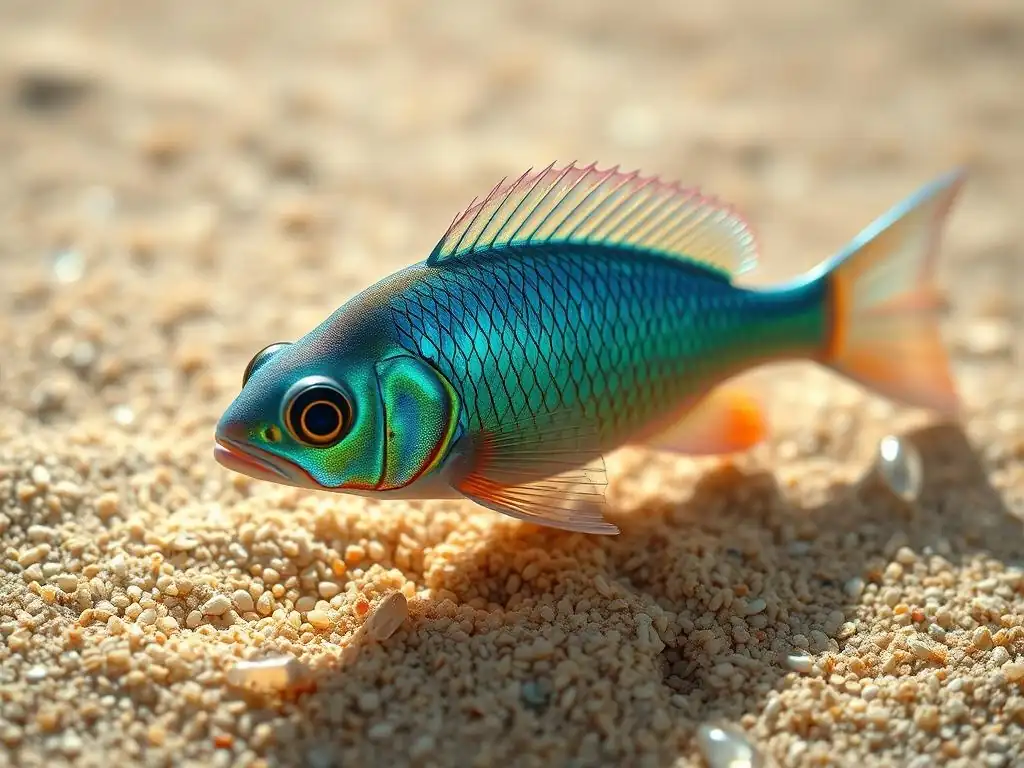
While wrasses naturally consume microfauna, their voracious appetites can lead to significant over-predation, especially in closed aquarium systems where microfauna populations cannot replenish as quickly as in the wild. A single active wrasse, particularly a sand-sifting species like a Leopard Wrasse, can consume hundreds, if not thousands, of copepods and amphipods daily. For example, a healthy Macropharyngodon species can ingest over 5,000 individual copepods in a 24-hour period if available, highlighting their intense feeding pressure.
This relentless foraging, combined with the limited space and slower replenishment rates typical of home aquariums compared to vast natural reefs, means that wrasse impact sand bed microfauna can quickly become detrimental. If the rate of consumption consistently exceeds the rate of reproduction for these beneficial organisms, the sand bed can become biologically barren. This depletion compromises its capacity for natural waste processing, and crucially, leaves the wrasse without its primary, natural food source, potentially leading to starvation or reliance on less suitable prepared foods.
Wrasse Species Known to Heavily Impact Microfauna Populations
Certain wrasse species are particularly notorious for their heavy wrasse impact sand bed microfauna due to their highly specialized and intense feeding habits. As previously mentioned, Leopard Wrasses ( Macropharyngodon species) are prime examples. Species such as the Potters Leopard Wrasse ( Macropharyngodon geoffroyi) or the Ornate Leopard Wrasse ( Macropharyngodon ornatus) are almost exclusively focused on sifting vast quantities of sand to extract copepods, amphipods, and other tiny invertebrates. Their continuous search for these organisms means they are constantly reducing the population.
Another group, though less direct in their sand bed impact, are certain larger species of Halichoeres wrasses, such as the Dragon Wrasse ( Novaculichthys taeniourus), which, while not strictly sand-sifters, are powerful excavators that can significantly disturb the substrate while hunting for larger invertebrates. While Flasher and Fairy Wrasses ( Paracheilinus and Cirrhilabrus) generally have a minimal wrasse impact sand bed inhabitants as they primarily target water column zooplankton, the most profound and consistent depletion of benthic microfauna comes from the dedicated sand-sifters.
Physical Disturbance: How Wrasses Disrupt Sand Bed Structure
Beyond direct predation, the physical wrasse impact sand bed structure through constant digging and sifting can significantly disrupt the delicate layers and microbial communities within. A healthy sand bed often develops stratified zones, with aerobic bacteria thriving near the surface and anoxic or anaerobic bacteria deeper down, each playing specific, vital roles in nutrient cycling, particularly denitrification. Constant excavation by wrasses can mix these distinct layers, potentially disrupting the anoxic zones essential for the conversion of nitrates into harmless nitrogen gas.
This continuous physical disturbance can also release trapped nutrients, such as phosphates and nitrates, from the sand bed back into the water column, leading to undesirable spikes in water parameters. For instance, disturbing a poorly maintained sand bed can release enough trapped nutrients to trigger a significant algae bloom within hours. While some aeration is beneficial, excessive, continuous churning by wrasses can destabilize the sand bed's intricate biological balance, making it less efficient at processing waste and maintaining overall water quality.
Mitigating the Negative Impact: Strategies for a Healthy Sand Bed
Choosing the Right Wrasse Species for Your Aquarium
To significantly mitigate the negative wrasse impact sand bed microfauna, careful species selection is paramount for responsible aquarists. It is advisable to prioritize wrasse species that are not obligate sand-sifters or those that exhibit less intense foraging behaviors.
Excellent choices for community reef tanks include many species from the Cirrhilabrus (Fairy Wrasses) and Paracheilinus (Flasher Wrasses) genera, such as the Lubbock's Fairy Wrasse ( Cirrhilabrus lubbocki) or the McCosker's Flasher Wrasse ( Paracheilinus mccoskeri). These species primarily feed on zooplankton in the water column and only occasionally pick at the sand or rockwork, thus having a minimal wrasse impact sand bed.
Another suitable option is the Six-Line Wrasse ( Pseudocheilinus hexataenia), which, while active and known for consuming small pests like flatworms, tends to hunt for invertebrates on rocks and within crevices rather than constantly sifting large volumes of sand. Thoroughly researching a wrasse's specific feeding habits, adult size, and temperament to assess its potential wrasse impact sand bed microfauna before introduction is a critical step for maintaining a balanced and thriving aquarium ecosystem.
Maintaining a Robust Microfauna Population: Culturing and Introduction
A highly effective strategy to counteract the wrasse impact sand bed depletion is to actively maintain a robust, self-sustaining population of microfauna. This is best achieved by establishing a refugium, a separate sump compartment plumbed into the main display tank but designed with low flow and no predatory fish. In a refugium, aquarists can culture various species of copepods (e.g., Tisbe, Tigriopus, Apocyclops) and amphipods, often using macroalgae like Chaetomorpha as a habitat and nutrient sponge. A typical 10-gallon refugium, properly managed, can produce millions of copepods per week under optimal conditions.
Regularly introducing these cultured organisms into the main display tank, particularly at night when wrasses are less active and the microfauna can disperse and find refuge, provides a continuous supply of live food. This constant replenishment helps to ensure that the wrasse's natural feeding behavior doesn't completely decimate the sand bed's beneficial populations. This proactive approach sustains a healthy wrasse impact sand bed environment, allowing the sand bed to continue its vital biological functions.
Optimizing Sand Bed Depth and Composition for Microfauna Growth
The physical structure and composition of the sand bed itself play a crucial role in supporting microfauna populations and mitigating the negative wrasse impact sand bed health. For tanks housing active sand-sifting wrasses, a deeper sand bed (typically 3-6 inches or 7.5-15 cm) can provide a larger reservoir for microfauna to thrive and reproduce, offering more refuge from predation by allowing them to burrow deeper. This increased depth also facilitates the development of different anoxic zones, which support a wider variety of beneficial bacterial processes essential for denitrification.
Regarding composition, fine-grained aragonite sand (0.5-1.5 mm particle size) is generally preferred as it provides an ample surface area for microbial colonization and allows for easier burrowing and movement by microfauna. Coarser sands may not retain detritus as effectively, potentially reducing food sources for benthic organisms and limiting their population density. A well-chosen and appropriately deep sand bed can significantly buffer the wrasse impact sand bed, promoting a more stable and resilient ecosystem.
Supplementing Wrasse Diets to Reduce Reliance on Sand Bed Organisms
While wrasses will always engage in natural foraging, providing a varied and highly nutritious diet of prepared foods can significantly reduce their reliance on sand bed organisms, thereby lessening the negative wrasse impact sand bed populations. Aquarists should offer high-quality frozen foods such as Mysis shrimp, enriched brine shrimp, frozen copepods, and finely chopped seafood several times a day. For example, feeding small quantities 2-3 times daily rather than one large meal can help satisfy their constant hunger and reduce their need to forage excessively.
Additionally, specialized wrasse pellets or flakes, fortified with essential vitamins (like Vitamin C for immune health) and fatty acids (such as Omega-3s), can supplement their diet, ensuring they receive all necessary nutrients. A well-fed wrasse, while still engaging in natural foraging behaviors, will be less driven to completely strip the sand bed of its microfauna. This allows these critical populations to recover and maintain their vital roles in the aquarium ecosystem, fostering a healthier balance despite the wrasse impact sand bed.
Monitoring and Assessing Sand Bed Health
Visual Indicators of a Healthy or Unhealthy Sand Bed
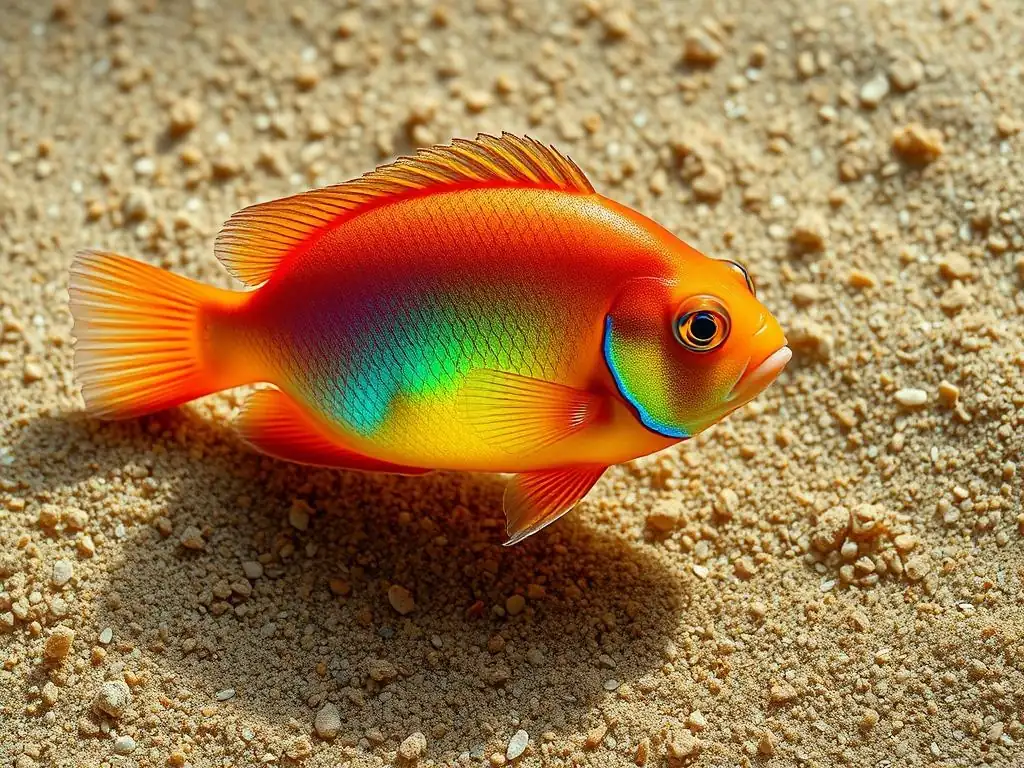
Observing the sand bed visually can provide immediate and crucial clues about its health and the ongoing wrasse impact sand bed ecosystem. A healthy sand bed typically appears clean, with minimal accumulation of detritus on the surface. You might observe small burrows, trails, or even tiny movements of copepods and amphipods, especially at night or when the tank lights are off, indicating a thriving microfauna population. The sand should generally be light in color, without large, persistent dark patches, which are often indicative of anaerobic zones and the presence of harmful hydrogen sulfide.
Conversely, clear signs of an unhealthy sand bed include pervasive dark black patches within the sand (sulfide pockets), a foul, rotten-egg smell when the sand is gently disturbed, excessive detritus buildup that appears stagnant, or a complete absence of visible microfauna. Proliferations of nuisance algae directly on or within the sand bed, particularly cyanobacteria (slime algae) or diatoms (brown algae), can also signal nutrient imbalances stemming from a compromised sand bed and an unsustainable wrasse impact sand bed ecosystem that is failing to process waste effectively.
Testing Water Parameters to Evaluate Sand Bed Function
Beyond visual inspection, regular testing of key water parameters is crucial for objectively assessing the functional health of the sand bed and its ability to process waste, especially in the context of wrasse impact sand bed dynamics. Elevated levels of ammonia (NH3/NH4+) and nitrite (NO2-) are immediate red flags, indicating a severe breakdown in biological filtration, to which the sand bed heavily contributes. While mature tanks should ideally show zero ammonia and nitrite, any detectable levels (e.g., above 0.0 ppm) warrant immediate investigation into the sand bed's integrity and microfauna health.
High nitrate (NO3-) and phosphate (PO43-) levels, even if ammonia and nitrite are undetectable, suggest that the sand bed's denitrification and nutrient export capabilities are compromised. For instance, consistent nitrate readings above 10-20 ppm or phosphate above 0.03 ppm could indicate that the sand bed's microfauna and bacterial populations are insufficient to process the bioload, potentially exacerbated by wrasse impact sand bed depletion. Regular testing, such as weekly or bi-weekly, provides objective data to guide management decisions and ensure the sand bed is functioning optimally.
Conclusion: Balancing Wrasse Benefits with Sand Bed Preservation
The relationship between wrasses and the sand bed's beneficial microfauna is a nuanced and complex one, embodying both positive contributions and potential challenges for the marine aquarist. While wrasses offer undeniable aesthetic appeal and some beneficial behaviors like sand aeration and pest control, their natural foraging habits, especially those of dedicated sand-sifting species, can exert a significant wrasse impact sand bed microfauna, leading to depletion if not managed proactively.
Maintaining a thriving saltwater aquarium ecosystem requires a holistic and thoughtful approach. This includes responsible wrasse selection, opting for species whose feeding habits align with the tank's maturity and capacity for microfauna replenishment. It also entails providing a diverse and adequate diet to reduce excessive foraging and implementing proactive sand bed management strategies, such as establishing refugiums for microfauna culture and optimizing substrate composition and depth.
Ultimately, the success and long-term stability of a marine aquarium hinge on prioritizing the health of its entire ecosystem, not just individual inhabitants. By understanding the intricate wrasse impact sand bed dynamics and diligently implementing thoughtful husbandry practices, aquarists can enjoy the beauty and engaging behaviors of wrasses while simultaneously preserving the vital biological functions of a healthy sand bed, ensuring a stable, clean, and flourishing aquatic environment for all its inhabitants.
Frequently Asked Questions
How do wrasses affect the beneficial microfauna in my aquarium sand bed?
Wrasses, particularly larger species, can significantly disrupt the sand bed ecosystem by constantly sifting through the substrate in search of food. This disrupts the habitats of beneficial microfauna and can reduce their populations.
Which types of wrasses are most likely to negatively impact a sand bed?
Larger, more active wrasses like the Leopard Wrasse and Six-Line Wrasse are known for their constant digging and sifting behaviors. These wrasses consume a lot of food, and are more likely to disturb the sand bed.
What are the benefits of having a healthy sand bed microfauna population?
A healthy microfauna population in the sand bed helps with nutrient cycling, breaking down waste, and providing a food source for other inhabitants. They are a critical component of a healthy, balanced aquarium.
How can I minimize the negative impact of wrasses on my sand bed?
Consider the size of your aquarium and the specific needs of your wrasse species. Providing a deep sand bed and supplemental feeding can help reduce their reliance on the natural microfauna.
What are some alternative methods for maintaining a clean sand bed if I keep wrasses?
Regular vacuuming of the sand bed during water changes can remove excess detritus. You could also introduce detritivores like snails and starfish to help maintain a clean and balanced sand bed ecosystem.
Final Reflection: Unveiling the Wrasse's Sand Bed Legacy
The intricacies of marine ecosystems are often invisible to the naked eye, yet profoundly impactful. Understanding the wrasse's role in maintaining a healthy sand bed ecosystem is not merely an academic exercise; it's crucial for responsible reef keeping and a deeper appreciation for the delicate balance of life within our aquariums. By recognizing the potential impact, both positive and negative, of these fascinating fish, we empower ourselves to make informed decisions that promote the well-being of our entire reef environment.
The influence of wrasses extends far beyond their vibrant colors and playful personalities. Their interaction with the sand bed, a microcosm of biodiversity, highlights the interconnectedness of all living things within a reef aquarium. It reminds us that even seemingly small actions can have significant repercussions. In nature, nothing exists alone.
- Rachel Carson. This quote perfectly encapsulates the wrasse's role; it's not an isolated entity, but a vital thread in the complex tapestry of the sand bed ecosystem.
Now, armed with a greater understanding of the wrasse's impact on your sand bed, consider the choices you make in your reef keeping journey. Are you selecting wrasses responsibly, considering their specific feeding habits and potential impact on the microfauna? Are you actively monitoring your sand bed's health and adjusting your approach accordingly? Let this knowledge inspire you to cultivate a thriving, balanced reef ecosystem, where every creature, from the smallest copepod to the most charismatic wrasse, plays its essential role.
Dive Deeper: Unearth the Secrets of Your Sand Bed!
Thanks for exploring the fascinating world of wrasses and their impact on your aquarium's sand bed! Now that you understand their role, let's put this knowledge into action.
Here are a few things you can do right away:
- Carefully observe your wrasse's behavior for the next week. Note the frequency and intensity of their sand-sifting activities to gauge their potential impact on your microfauna.
- Research alternative feeding strategies for your wrasse that may reduce its reliance on sand-dwelling organisms.
- Share this article with a fellow reef enthusiast to spark a conversation about responsible wrasse keeping.
What changes will you make to your aquarium management after learning more about wrasses?