
Ethical Considerations in Clownfish Breeding, Selling, and the Aquarium Trade

Welcome to Aquarium Mastery!
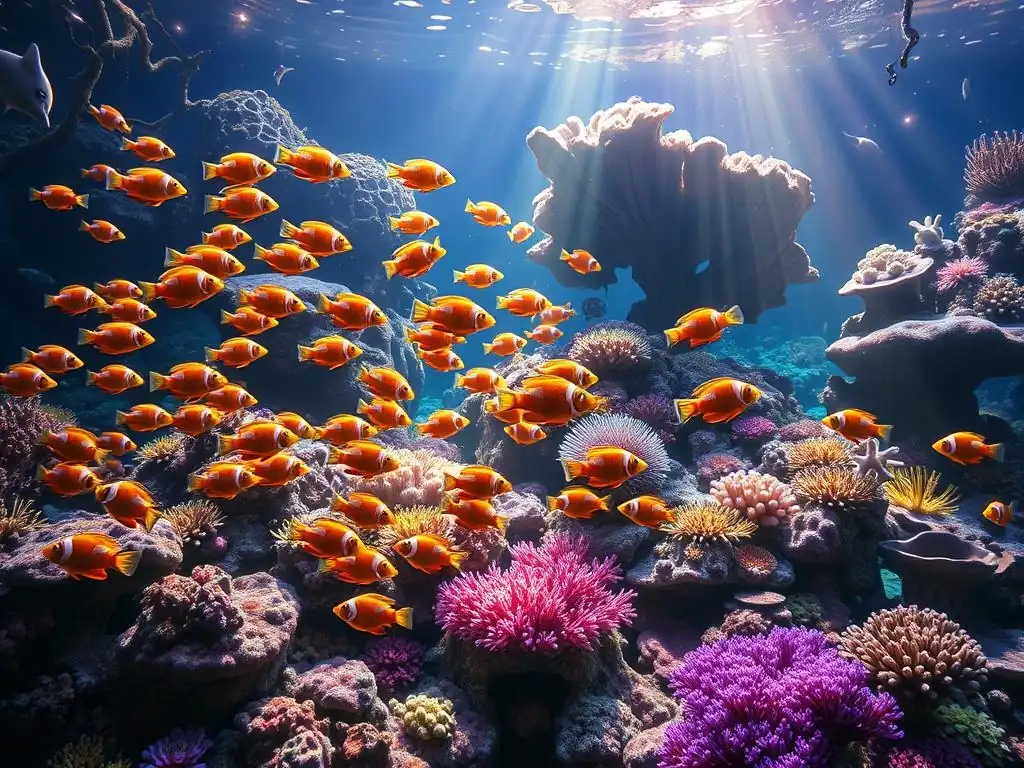
Ever wondered about the journey your favorite clownfish took before gracing your aquarium? Delve into the fascinating – and sometimes complex – world of clownfish breeding and the ethical aquarium trade. Join us as we explore the crucial considerations surrounding responsible practices, ensuring these vibrant creatures thrive both in our tanks and in their natural habitats. Ready to uncover the secrets? Let's dive in!
- Understanding the Ethical Landscape of Clownfish Breeding
- Ethical Sourcing of Clownfish: Wild-Caught vs. Captive-Bred
- The Ethical Responsibilities of Clownfish Breeders
- Ethical Considerations in Selling Clownfish
- Ethical Concerns in the Aquarium Trade: Clownfish Specific
- Addressing the Anemone Issue: A Symbiotic Ethical Dilemma
- The Future of Ethical Clownfish Keeping
- The Impact of Clownfish Breeding on Wild Populations
- Best Practices for Ethical Clownfish Acquisition
-
Frequently Asked Questions
- How does Aquarium Mastery define "ethical" in the context of clownfish breeding and the aquarium trade?
- What are the potential ethical concerns associated with wild-caught clownfish compared to captive-bred clownfish?
- What role does water chemistry play in the ethical breeding of clownfish, as discussed on Aquarium Mastery?
- How can consumers contribute to the ethical aquarium trade when purchasing clownfish, according to Aquarium Mastery?
- What are some common ethical issues related to the selling of clownfish, as highlighted on Aquarium Mastery?
- Final Reflection: A Responsibility to Nemo's Future
- Ignite Your Reef: Take Action for Ethical Clownfish Keeping!
Understanding the Ethical Landscape of Clownfish Breeding
The Demand for Clownfish and its Ethical Implications
The enduring popularity of clownfish, significantly boosted by mainstream media like Disney's Finding Nemo, has led to an immense global demand for these vibrant marine fish. Species such as the Ocellaris Clownfish ( Amphiprion ocellaris) and Percula Clownfish ( Amphiprion percula) are particularly sought after by aquarists, often serving as iconic inhabitants of saltwater aquariums. Historically, this high demand was largely met by collecting fish directly from wild coral reefs, a practice that, while providing specimens, posed significant ethical and environmental challenges.
The reliance on wild collection for the clownfish breeding ethical aquarium trade raised serious concerns about the sustainability of marine ecosystems. Destructive fishing methods, such as the use of cyanide to stun fish, were unfortunately common in some regions, damaging delicate coral habitats and causing high mortality rates for collected fish and other marine life. This unsustainable approach highlighted a critical need for alternative sourcing methods that could meet demand without depleting wild populations or harming their natural environment.
Defining Ethical Practices in the Clownfish Aquarium Trade
Defining ethical practices within the clownfish breeding ethical aquarium trade involves a commitment to minimizing environmental impact, ensuring the highest standards of animal welfare, and promoting long-term sustainability. This encompasses responsible sourcing, which prioritizes methods that do not harm wild populations or their habitats, and comprehensive consumer education, empowering aquarists to make informed and conscientious choices. An ethical framework aims to balance the desires of hobbyists with the imperative to protect marine life and ecosystems.
Key components of ethical practices include stringent traceability of fish origins, adherence to robust health standards throughout the breeding and distribution process, and active efforts to maintain genetic diversity within captive populations. Furthermore, transparency in all aspects of the supply chain is crucial, allowing consumers to verify that their purchases align with their ethical values. These principles stand in stark contrast to unethical practices such as illegal harvesting, poor husbandry that compromises fish health, or deceptive marketing that misleads consumers about the true source or care requirements of clownfish.
Ethical Sourcing of Clownfish: Wild-Caught vs. Captive-Bred
The Impact of Wild-Caught Clownfish on Reef Ecosystems
The traditional reliance on wild-caught clownfish has, in many instances, exerted considerable pressure on vulnerable reef ecosystems. Collection methods, particularly in less regulated areas, have historically involved destructive practices such as cyanide fishing or indiscriminate netting, which not only inflict direct harm on target species but also cause widespread damage to coral structures and non-target organisms. This can lead to localized depletion of clownfish populations, disrupting their ecological role and the delicate balance of the reef.
Clownfish play a vital role in their natural habitats, primarily through their symbiotic relationship with anemones, providing mutual benefits that contribute to reef health. Their removal can weaken these symbiotic partnerships and impact the broader food web. While clownfish populations are generally resilient, excessive or poorly managed collection can contribute to the cumulative stress on reefs already facing threats from climate change, pollution, and habitat degradation, undermining the long-term viability of these critical marine environments.
Advantages of Captive-Bred Clownfish for Ethical Aquariums
Captive-bred clownfish offer numerous advantages that directly support the goals of an ethical aquarium trade. Foremost among these is the significant reduction in pressure on wild populations and their natural habitats, minimizing the environmental footprint of the hobby. Furthermore, captive-bred clownfish are typically hardier and more resilient, having been raised in controlled environments. They are already acclimated to aquarium conditions and prepared foods, leading to lower stress levels and higher survival rates in home aquariums.
Beyond their robustness, captive-bred clownfish often exhibit lower disease risks compared to their wild-caught counterparts, as they are not exposed to the same range of wild pathogens or parasites. This contributes to healthier animals and reduces the likelihood of disease introduction into established home aquariums. From a conservation perspective, clownfish breeding programs contribute to maintaining a genetic reservoir for the species, and while clownfish are not currently endangered, the principles of captive breeding can be applied to support the broader conservation of marine ornamentals.
Sustainable Practices in Clownfish Breeding Programs
Sustainable practices in clownfish breeding programs are fundamental to an ethical aquarium trade. These programs often implement closed-loop aquaculture systems that minimize water waste through efficient filtration and recirculation, reducing the demand for fresh saltwater and the discharge of effluents. Energy efficiency is also a key consideration, with breeders adopting technologies like LED lighting and optimized heating systems to lower their carbon footprint. Responsible waste management, including the proper disposal of uneaten food and fish waste, prevents environmental contamination.
Furthermore, ethical breeding programs prioritize biosecurity protocols to prevent the spread of diseases within their facilities and to external environments. This includes rigorous quarantine procedures for new broodstock and strict hygiene standards. By focusing on these sustainable and responsible methods, breeders can meet the demand for clownfish while adhering to high ethical standards, thereby contributing significantly to a truly responsible and ethical clownfish breeding ethical aquarium trade.
The Ethical Responsibilities of Clownfish Breeders
Ensuring the Health and Welfare of Breeding Clownfish Pairs
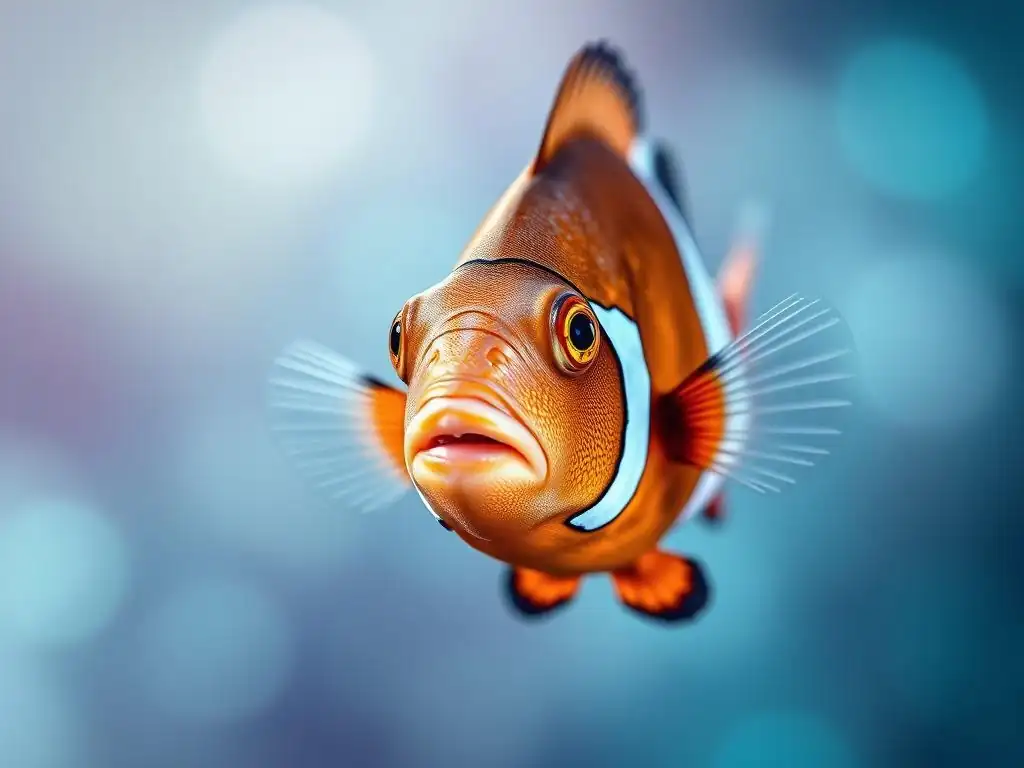
A paramount ethical responsibility for clownfish breeders is ensuring the optimal health and welfare of their breeding pairs. This necessitates providing spacious and well-maintained breeding tanks, typically ranging from 20 to 30 gallons for a single pair, though larger setups are often preferred for consistent success. Stable water parameters are crucial, including a specific gravity of 1.023-1.025, a temperature consistently between 78-80°F (25.5-26.7°C), and a pH level of 8.1-8.4. Regular monitoring and adjustment of these parameters are essential to prevent stress and promote reproductive health.
Beyond environmental stability, breeders must provide a highly nutritious and varied diet to condition their broodstock for spawning. This typically includes high-quality pellets, flakes, and a diverse array of frozen foods such as mysis shrimp, brine shrimp, and spirulina-enriched preparations. Stress reduction techniques, such as minimizing handling and providing ample hiding spots, are also vital. Prompt identification and treatment of any ailments ensure the well-being of the parent fish, which directly correlates with the viability and health of their offspring, reinforcing the ethical foundations of clownfish breeding.
Preventing Genetic Bottlenecks in Captive Breeding
Preventing genetic bottlenecks is a critical ethical consideration in long-term clownfish breeding programs. A genetic bottleneck occurs when a captive population is derived from a small number of individuals, leading to reduced genetic diversity. This can make subsequent generations more susceptible to diseases, less adaptable to environmental changes, and may lead to reduced vigor or fertility over time. To mitigate this risk, ethical breeders actively seek to source their initial broodstock from diverse genetic lineages, avoiding reliance on closely related individuals.
Strategies to maintain robust genetic diversity include establishing a sufficiently large breeding population to ensure a broad gene pool, and, where possible, collaborating with other breeding facilities to share and exchange genetic material. Meticulous record-keeping of lineage and parentage is essential to prevent inbreeding and track genetic contributions over generations. By prioritizing genetic diversity, breeders ensure the long-term health, resilience, and adaptability of captive-bred clownfish, upholding the integrity of the clownfish breeding ethical aquarium trade.
Transparency and Disclosure in Clownfish Breeding Practices
Transparency and disclosure are cornerstones of ethical practices within the clownfish breeding ethical aquarium trade. Responsible breeders should be open about their operational methods, including the origin of their broodstock, the specific breeding techniques employed, their water quality management protocols, and their health and quarantine procedures. This openness builds trust with consumers, allowing them to verify that the fish they purchase have been raised under humane and sustainable conditions.
Furthermore, clear and honest communication about breeding practices empowers consumers to make informed purchasing decisions, differentiating ethical breeders from those who may cut corners or engage in less scrupulous activities. This level of transparency also encourages accountability within the industry, fostering a competitive environment where ethical standards are valued and rewarded. Ultimately, disclosure helps to elevate the overall integrity and reputation of the clownfish breeding sector.
Ethical Considerations in Selling Clownfish
Responsible Marketing and Education for Potential Owners
Responsible marketing and education are crucial ethical considerations when selling clownfish. Sellers and breeders have a duty to provide comprehensive and accurate information about clownfish care before a purchase is made. This includes clearly communicating essential requirements such as minimum tank size (e.g., a minimum of 20 gallons for a single clownfish or a pair), their specific dietary needs, compatibility with other tank inhabitants, and the long-term commitment involved in their care.
Ethical marketing avoids capitalizing on impulse purchases by emphasizing the responsibilities of fish ownership rather than solely focusing on the aesthetic appeal of the fish. This proactive educational approach helps ensure that potential owners are fully prepared for the commitment, reducing the likelihood of fish being rehomed or neglected due to unforeseen challenges. Such practices are vital for the welfare of the clownfish and the overall integrity of the clownfish breeding ethical aquarium trade.
Avoiding Overpopulation and Impulse Purchases of Clownfish
A significant ethical concern in selling clownfish is the risk of overpopulation in home aquariums and the prevalence of impulse purchases. Sellers should actively discourage customers from buying clownfish without adequate planning, particularly preventing the acquisition of multiple clownfish for tanks that are too small to accommodate their territorial nature or growth. Overcrowding leads to stress, aggression, poor health, and ultimately, a diminished quality of life for the fish.
To mitigate these issues, reputable sellers often implement "know your customer" policies, engaging in conversations to assess the buyer's experience and tank setup. Providing detailed care guides with every purchase and encouraging thorough research before committing to a fish are also effective strategies. By ensuring that each clownfish goes to a suitable, well-prepared home, sellers contribute to the responsible growth of the clownfish breeding ethical aquarium trade.
Providing Accurate Information on Clownfish Care Requirements
Providing accurate and detailed information on clownfish care requirements is a fundamental ethical responsibility for any seller. This includes precise parameters for water chemistry: specific gravity (salinity) ideally between 1.023 and 1.025, a stable temperature range of 75-82°F (24-28°C), and a pH level of 8.0-8.4. It is also imperative to emphasize the critical importance of a fully cycled aquarium to process nitrogenous waste before any fish are introduced.
Beyond water parameters, sellers must educate buyers on the social behavior of clownfish, explaining that while they are often seen in pairs, they can be territorial, especially towards other clownfish unless in very large tanks. Information on their varied diet, including high-quality pellets, flakes, and frozen foods, and their surprisingly long lifespan—often 6-10 years, with some living up to 20 years—empowers owners to provide optimal, long-term care. This comprehensive guidance reinforces the ethical standards of the clownfish breeding ethical aquarium trade.
Ethical Concerns in the Aquarium Trade: Clownfish Specific
The Role of the Aquarium Trade in Conservation Efforts
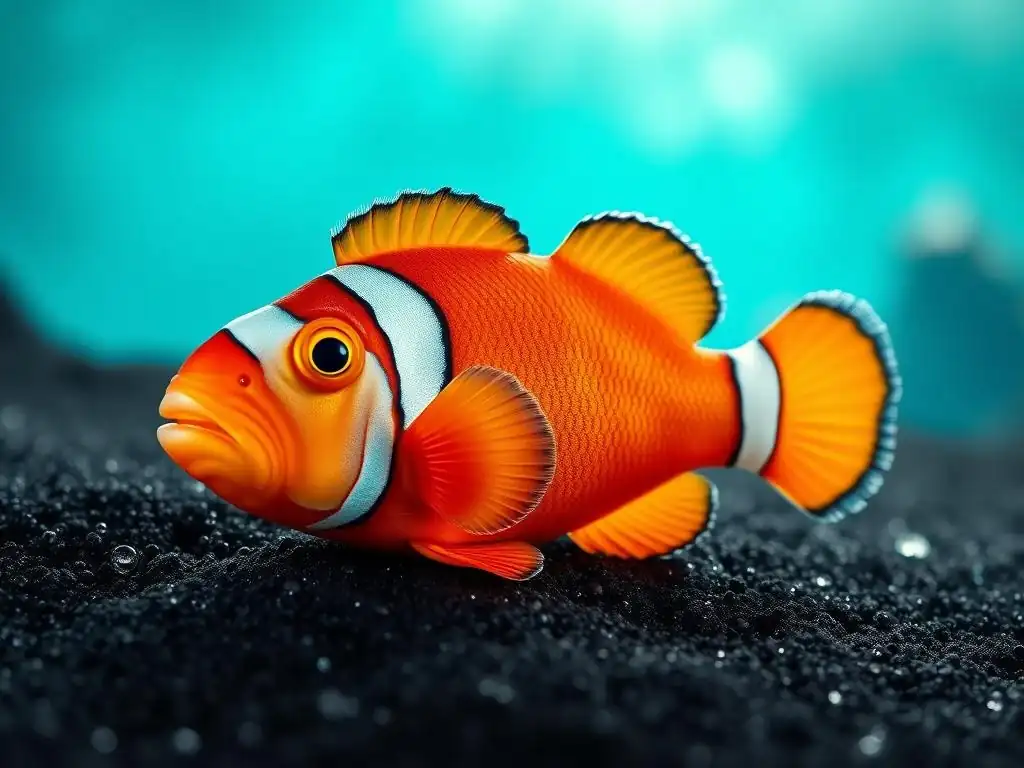
The aquarium trade, when conducted ethically, can play a significant and positive role in conservation efforts, particularly concerning clownfish. By prioritizing captive-bred specimens, the industry actively reduces the demand for wild-caught fish, thereby alleviating pressure on natural reef ecosystems. This shift not only protects wild populations but also minimizes the environmental damage associated with unsustainable collection methods. Ethical businesses within the trade often reinvest profits or allocate resources to support marine conservation initiatives, such as coral reef restoration projects or research into sustainable aquaculture.
Furthermore, the aquarium trade serves as a powerful educational platform, raising public awareness about marine ecosystems, biodiversity, and the threats facing coral reefs. Through engaging displays and informative staff, aquariums and reputable retailers can foster a deeper appreciation for marine life and inspire a sense of stewardship among hobbyists and the general public. This educational outreach transforms the trade from a potential source of environmental strain into a valuable partner in global conservation efforts, embodying the ideals of the clownfish breeding ethical aquarium trade.
Combating Illegal and Unsustainable Practices in Clownfish Trade
Combating illegal and unsustainable practices is a critical ethical imperative within the clownfish breeding ethical aquarium trade. Unscrupulous activities, such as the use of cyanide for fish collection, undeclared wild harvesting from protected areas, or the trade in protected species (though clownfish are not typically CITES listed, the principle applies), undermine conservation efforts and harm marine environments. Consumers and legitimate businesses play a vital role in this fight by demanding proof of origin, questioning suspicious pricing, and reporting any suspected illegal activities to relevant authorities.
Effective combat against these practices also relies on robust regulatory frameworks, stringent enforcement by national and international bodies, and collaborative efforts among governments, industry stakeholders, and conservation organizations. Supporting businesses that adhere to transparent, legal, and sustainable sourcing practices helps to starve the market for illicitly traded fish. By actively choosing to purchase from ethical sources, aquarists contribute directly to dismantling unsustainable supply chains and fostering a truly responsible clownfish breeding ethical aquarium trade.
Supporting Ethical Aquarium Businesses and Breeders
Supporting ethical aquarium businesses and breeders is paramount for driving positive change within the clownfish breeding ethical aquarium trade. Consumers can identify reputable sources by looking for transparency in their sourcing methods, clear evidence of good husbandry practices within their facilities, and knowledgeable staff who can provide accurate care information. Businesses that actively participate in industry ethical guidelines or associations often signify a commitment to high standards.
Prioritizing purchases from breeders who demonstrably prioritize animal welfare, genetic diversity, and environmental sustainability sends a clear market signal. This consumer choice incentivizes more businesses to adopt ethical practices, helping to scale up the supply of responsibly produced fish and further reduce reliance on environmentally damaging wild collection. By consciously directing their purchasing power, aquarists become active participants in shaping a more responsible and sustainable future for the marine ornamental industry.
Addressing the Anemone Issue: A Symbiotic Ethical Dilemma
The Importance of Anemones for Clownfish Welfare
The symbiotic relationship between clownfish and anemones is a cornerstone of their natural history and plays a significant role in their welfare. In the wild, clownfish typically host in specific species of anemones, such as the Bubble Tip Anemone ( Entacmaea quadricolor), Sebae Anemone ( Heteractis crispa), or Magnifica Anemone ( Heteractis magnifica), gaining protection from predators while providing cleaning and defense for their host. This interaction is not merely for shelter; it profoundly influences clownfish behavior and physiological well-being.
In captivity, providing a suitable host anemone allows clownfish to express their natural behaviors, reducing stress and potentially contributing to better overall health and longevity. For instance, clownfish that host often exhibit reduced aggression towards tank mates and engage in unique "dancing" behaviors within the anemone's tentacles. While clownfish can survive without an anemone, offering them this natural symbiosis aligns with the highest standards of ethical clownfish breeding ethical aquarium trade by fulfilling their innate behavioral needs.
Ethical Sourcing and Care of Anemones in Aquariums
The ethical sourcing and care of anemones in aquariums present a unique set of challenges. Many popular host anemone species are still primarily wild-caught, and their collection can be unsustainable if not managed responsibly. Ethical considerations demand prioritizing aquacultured anemones where available, or ensuring that wild-caught specimens come from documented, sustainably managed collection sites with minimal environmental impact and responsible handling during transport to reduce stress and mortality.
Beyond sourcing, anemones are complex organisms with stringent care requirements that often exceed those of the clownfish themselves. They demand extremely stable water parameters, high-intensity lighting (e.g., strong metal halides or high-output LED systems), robust water flow, and specific feeding regimens. Ethical care means understanding and meeting these needs, as an unhealthy anemone can quickly decline, potentially harming its clownfish host. Aquarists must acknowledge that anemones are not beginner animals and represent a significant, long-term commitment.
Alternatives to Natural Anemones: Are They Ethically Acceptable?
Given the complexities of anemone care and ethical sourcing, many aquarists seek alternatives for their clownfish. Common substitutes include artificial anemones made from silicone or plastic, or large polyp stony (LPS) corals such as Euphyllia species (e.g., Frogspawn, Hammer, Torch corals), and even some soft corals like Xenia. While clownfish may "host" in these alternatives, rubbing and settling among their polyps, these interactions do not offer the same mutualistic benefits as a true symbiotic relationship with a natural anemone.
From an ethical standpoint, these alternatives remove the pressure on wild anemone populations, which is a significant advantage. However, the ethical acceptability hinges on whether they adequately meet the clownfish's welfare needs. While clownfish can thrive and live long lives without a true host anemone, providing an environment that allows for the expression of natural behaviors is generally considered optimal. Therefore, while alternatives are acceptable and can be a responsible choice, a dedicated, ethically sourced, and properly cared-for anemone setup remains the ideal for maximizing clownfish welfare within the clownfish breeding ethical aquarium trade.
The Future of Ethical Clownfish Keeping
Promoting Responsible Aquarium Ownership
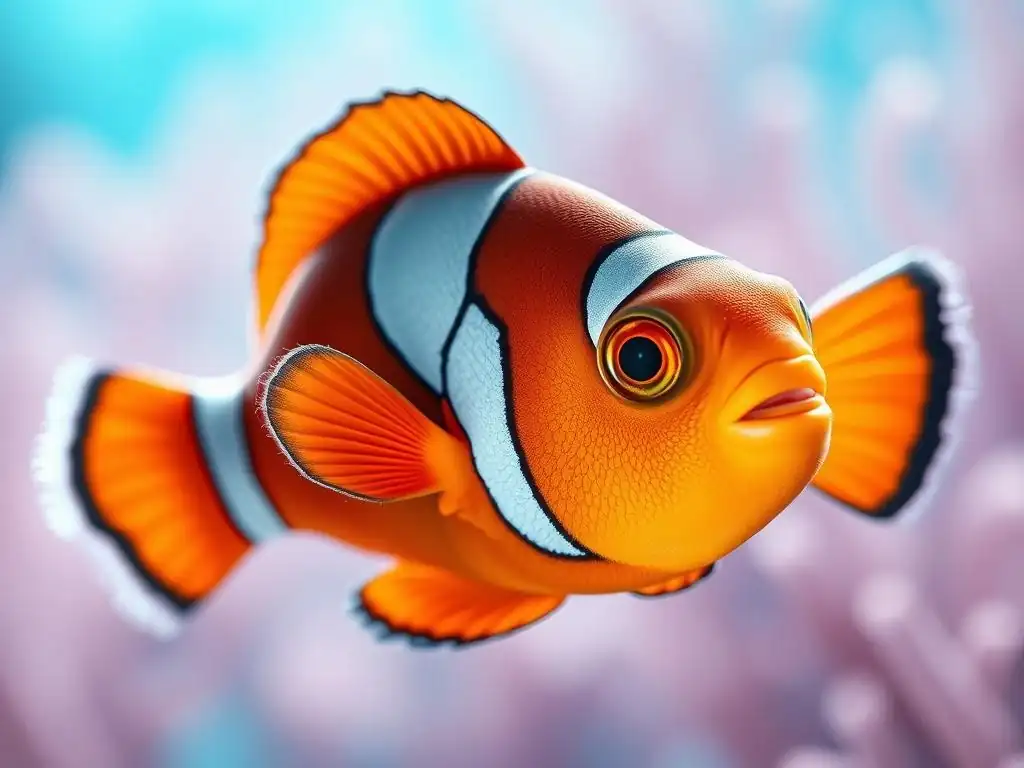
Promoting responsible aquarium ownership is fundamental to the future of ethical clownfish keeping. This involves a continuous emphasis on thorough research before any purchase, ensuring that prospective aquarists fully understand the long-term commitment required for marine fish. It necessitates providing appropriate tank sizes and environmental conditions that cater to the specific needs of clownfish, including stable water parameters, suitable filtration, and compatible tank mates.
Responsible ownership also extends to ongoing education and engagement within the aquarist community. Encouraging hobbyists to join online forums, local aquarium clubs, and attend educational seminars fosters a culture of continuous learning and shared knowledge. This collective effort helps to elevate husbandry standards, troubleshoot common issues effectively, and ultimately contributes to a more informed and ethical clownfish breeding ethical aquarium trade overall.
Supporting Sustainable Clownfish Breeding Initiatives
Supporting sustainable clownfish breeding initiatives is a cornerstone of advancing ethical clownfish keeping. Consumers play a pivotal role by consciously prioritizing the purchase of captive-bred clownfish from reputable sources that demonstrate a clear commitment to environmental and animal welfare standards. Seeking out breeders who are transparent about their practices and potentially hold certifications or adhere to recognized industry guidelines helps to validate their sustainable efforts.
The economic impact of consumer choices is profound: by directing demand towards ethically produced fish, aquarists provide financial incentives for more breeders to adopt and expand sustainable aquaculture practices. This investment helps to scale up the supply of responsibly bred clownfish, further reducing the reliance on wild collection and contributing to a healthier, more self-sufficient clownfish breeding ethical aquarium trade that benefits both hobbyists and marine ecosystems.
Educating Consumers on Ethical Choices in the Aquarium Trade
Educating consumers on ethical choices is essential for shaping the future of the aquarium trade. Platforms like Aquarium Mastery, alongside reputable retailers and breeders, bear the responsibility of providing clear, accessible information on the benefits of ethical sourcing, particularly the advantages of captive breeding over wild collection. Highlighting the potential environmental and animal welfare pitfalls associated with unsustainable practices empowers consumers to make informed decisions.
The power of consumer demand cannot be overstated. When aquarists are well-informed about the ethical implications of their purchases, they can collectively drive the entire industry towards more responsible and sustainable models. By understanding the journey of their clownfish from source to tank, consumers become advocates for ethical practices, ensuring a brighter and healthier future for both the fish they cherish and the coral reefs they represent.
The Impact of Clownfish Breeding on Wild Populations
Conservation Efforts and the Aquarium Industry
The clownfish breeding ethical aquarium trade has evolved to become a significant contributor to marine conservation efforts. By successfully propagating species like the Ocellaris and Percula clownfish in captivity, the industry has dramatically reduced the demand for wild-caught specimens. This directly alleviates collection pressure on natural reef ecosystems, allowing wild populations to recover and thrive undisturbed. This shift is particularly impactful in regions where historical collection practices were unsustainable or destructive.
Beyond simply reducing wild take, many ethical businesses within the aquarium industry actively support broader conservation initiatives. This can include direct financial contributions to reef restoration projects, funding scientific research into marine biodiversity, or participating in educational programs that raise public awareness about the fragility of coral reefs. The industry, through its captive breeding successes, demonstrates a viable path for recreational hobbies to align with and support global conservation goals.
Supporting Research on Clownfish Genetics and Disease Resistance
Supporting research on clownfish genetics and disease resistance is a vital ethical contribution of the clownfish breeding ethical aquarium trade. Understanding the genetic makeup of captive populations is crucial for maintaining long-term vitality, preventing inbreeding depression, and developing strains that are more robust and adaptable to aquarium environments. This research can identify genetic markers for desirable traits, such as vibrant coloration or specific morphs, but more importantly, for resistance to common diseases like marine ich or bacterial infections.
Aquarists and the industry can support this critical research through various avenues: by purchasing from breeders who actively invest in scientific studies, by contributing data on their own breeding successes and challenges, or through direct financial contributions to academic institutions and research organizations focused on marine aquaculture. This commitment to scientific advancement ensures the continued health and genetic diversity of captive-bred clownfish, safeguarding the future of the ethical clownfish breeding ethical aquarium trade.
Best Practices for Ethical Clownfish Acquisition
Selecting Reputable Breeders or Vendors
Selecting reputable breeders or vendors is the cornerstone of ethical clownfish acquisition. When choosing where to purchase your clownfish, look for clear indicators of good practice: visibly healthy fish that are active, well-fed, and free of obvious signs of disease or stress. The facility itself should be clean, well-maintained, and free from strong, unpleasant odors. Reputable sources will have knowledgeable staff who can confidently answer detailed questions about their fish and their care.
Crucially, an ethical vendor or breeder will be transparent about the origin of their clownfish, ideally stating that their stock is captive-bred. They should be willing to discuss their husbandry practices, including their quarantine procedures and feeding regimens. Avoid sources that cannot provide origin information, have unhealthy-looking stock, or pressure you into an impulse purchase without offering comprehensive educational materials. Positive reviews and recommendations from the aquarist community can also serve as strong indicators of reliability and ethical conduct.
Questions to Ask Before Purchasing Clownfish
Before purchasing clownfish, asking the right questions is essential for ensuring an ethical and successful acquisition. A responsible buyer should inquire:
- "Are these clownfish captive-bred or wild-caught?" (Always prefer captive-bred for ethical reasons).
- "What are their specific dietary needs, and what are they currently eating?"
- "What size tank do they require, and what are their typical adult dimensions?"
- "What are the ideal water parameters (salinity, temperature, pH) for these clownfish?"
- "How long have these specific clownfish been in your facility, and have they undergone any quarantine?"
- "What is your return policy or health guarantee for the fish?"
These questions not only demonstrate a responsible approach to fish keeping but also help to gauge the vendor's knowledge and commitment to animal welfare. A reputable seller will welcome these inquiries and provide clear, consistent answers, empowering you to make an informed decision that supports the ethical clownfish breeding ethical aquarium trade.
Frequently Asked Questions
How does Aquarium Mastery define "ethical" in the context of clownfish breeding and the aquarium trade?
We consider "ethical" to mean minimizing harm to wild populations, ensuring humane treatment of fish throughout their lives, and promoting sustainable practices within the industry. This includes responsible breeding and selling practices.
What are the potential ethical concerns associated with wild-caught clownfish compared to captive-bred clownfish?
Wild-caught clownfish can negatively impact natural reef ecosystems and may suffer higher mortality rates due to the stress of capture and transportation. Captive-bred clownfish, when done ethically, reduce the demand for wild-caught specimens and can be more resilient to aquarium conditions.
What role does water chemistry play in the ethical breeding of clownfish, as discussed on Aquarium Mastery?
Maintaining optimal water parameters is crucial for the health and well-being of breeding clownfish pairs and their offspring. Poor water quality can lead to stress, disease, and breeding failure, raising ethical concerns about the welfare of the fish.
How can consumers contribute to the ethical aquarium trade when purchasing clownfish, according to Aquarium Mastery?
Consumers can support ethical breeders and retailers who prioritize sustainable practices and the welfare of their fish. Asking about the origin of the fish and choosing captive-bred specimens whenever possible are important steps.
Ethical concerns include misrepresenting the origin of clownfish (e.g., selling wild-caught as captive-bred), failing to provide proper care and information to buyers, and selling fish that are unhealthy or unsuitable for the buyer's aquarium setup.
Final Reflection: A Responsibility to Nemo's Future
The journey through the ethical complexities of clownfish breeding, selling, and the aquarium trade reveals a stark reality: our desire for these vibrant creatures as pets carries significant consequences for their wild counterparts and the delicate coral reef ecosystems they inhabit. The choices we make as consumers and breeders directly impact the sustainability of these populations, demanding a critical re-evaluation of our practices.
The allure of owning a "Nemo" has undeniably fueled the aquarium trade, but it's crucial to remember that these are not toys, but living beings deserving of respect and ethical treatment. My hope is that this article has illuminated the importance of informed decision-making and responsible sourcing when considering adding a clownfish to your home aquarium. We are tied to the ocean. And when we go back to the sea, whether it is to sail or to watch it, we are going back from whence we came.
- John F. Kennedy. This quote reminds us of our profound connection to the ocean and the responsibility we bear to protect its inhabitants.
As you reflect on the information presented, consider your role in shaping a more ethical future for clownfish and the aquarium trade. Let us strive to support sustainable breeding practices, demand transparency from retailers, and educate ourselves and others about the true cost of our choices. The future of these iconic fish, and the health of our oceans, depends on our collective commitment to responsible stewardship.
Ignite Your Reef: Take Action for Ethical Clownfish Keeping!
Thank you for diving deep into the world of ethical clownfish breeding and the aquarium trade! We hope this article has empowered you with the knowledge to make responsible choices. Now, let's translate awareness into action!
Here are some ways you can champion ethical practices:
- Commit to purchasing only ethically bred clownfish from reputable breeders or stores. Ask about their sourcing and breeding practices! This is the most impactful thing you can do.
- Dive deeper! Research clownfish breeding programs and initiatives dedicated to sustainable practices and consider supporting them.
- Share this article with fellow aquarium enthusiasts to spread awareness and spark conversations about ethical clownfish keeping within the community.
What steps will you take this week to ensure your clownfish contribute to a more sustainable aquarium hobby?