
Identifying Different Triggerfish Species: From Titan to Bursa, A Visual Key

Welcome to Aquarium Mastery!
Curious about the vibrant and captivating world of Triggerfish? Dive in! Our Triggerfish species identification guide will help you distinguish between these fascinating fish, from the bold Titan to the beautifully patterned Bursa. Explore their unique characteristics and unlock the secrets to successfully keeping these saltwater wonders. Ready to learn more? Let's get started!
- Triggerfish Species Identification Guide for Aquarium Enthusiasts
- Key Characteristics for Triggerfish Identification
-
Common Triggerfish Species: A Visual Identification Guide
- Titan Triggerfish ( Balistoides viridescens ): Identification Points
- Clown Triggerfish ( Balistoides conspicillum ): Spotting the Differences
- Undulate Triggerfish ( Balistapus undulatus ): Distinguishing Features
- Bursa Triggerfish ( Rhinecanthus bursa ): A Detailed Look
- Picasso Triggerfish ( Rhinecanthus aculeatus ): Identifying Key Traits
- Niger Triggerfish ( Odonus niger ): Distinguishing Features
- Blue Throat Triggerfish ( Xanthichthys auromarginatus ): A Visual Identification Guide
- Advanced Triggerfish Identification Techniques
- Maintaining a Healthy Triggerfish Aquarium: Husbandry Guide
- Conclusion: Mastering Triggerfish Species Identification
-
Frequently Asked Questions
- What are the key features to look for when identifying different triggerfish species?
- Where can I find detailed information on specific triggerfish species, such as the Titan Triggerfish or the Bursa Triggerfish?
- Are there any triggerfish species that are commonly mistaken for each other?
- What are some common resources used for Triggerfish species identification?
- What should I do if I am unsure about the identification of a Triggerfish?
- Final Reflection: Unlocking the Ocean's Palette
- Dive Deeper: Uncover the Mysteries of Triggerfish!
Triggerfish Species Identification Guide for Aquarium Enthusiasts
Why Accurate Triggerfish Identification Matters for Aquarium Keepers
Accurate identification of triggerfish species is paramount for any aquarium keeper, directly impacting the long-term health and well-being of these fascinating marine inhabitants. Misidentifying a triggerfish can lead to inappropriate tank conditions, incorrect dietary regimens, and incompatible tank mates, often resulting in stress, disease, or even aggression-related fatalities within the aquarium.
For instance, a species like the Titan Triggerfish ( Balistoides viridescens) can grow to over 2 feet in the wild and requires a colossal tank of 250-300 gallons or more, whereas a Bursa Triggerfish ( Rhinecanthus bursa), typically reaching 10 inches, might thrive in a 75-gallon setup. Understanding these size differences and corresponding spatial needs is critical for proper husbandry.
Furthermore, precise identification helps aquarists manage the varying temperaments and predatory instincts found across different triggerfish species. Some, like the Undulate Triggerfish ( Balistapus undulatus), are notoriously aggressive and will decimate a reef tank, preying on crustaceans, mollusks, and even smaller fish.
In contrast, species like the Blue Throat Triggerfish ( Xanthichthys auromarginatus) are often considered "reef-safe with caution," primarily feeding on zooplankton and posing less of a threat to corals, although small invertebrates are still at risk. A reliable Triggerfish species identification guide ensures that aquarists make informed decisions about tank compatibility and environmental enrichment, preventing costly mistakes and promoting a thriving aquatic ecosystem.
Understanding the Basics of Triggerfish Taxonomy
Understanding the basics of triggerfish taxonomy provides a structured approach to their identification, moving beyond common names that can often be misleading or refer to multiple species. Triggerfish belong to the family Balistidae, a diverse group of marine fish characterized by their distinctive body shape and the unique locking mechanism of their dorsal spines, which allows them to wedge themselves into crevices.
Within this family, various genera exist, such as Balistoides, Rhinecanthus, Odonus, and Xanthichthys, each encompassing species with shared evolutionary traits and often similar care requirements. For example, species within the Rhinecanthus genus, like the Picasso and Bursa Triggerfish, tend to be smaller and exhibit a more elongated snout compared to the bulkier Balistoides species.
Scientific names, consisting of a genus and species epithet (e.g., Balistoides viridescens for the Titan Triggerfish), provide a universal and unambiguous way to identify specific fish, avoiding confusion that arises from regional common names. While hobbyists might not delve into detailed phylogenetic trees, recognizing the genus can offer preliminary insights into general size, temperament, and dietary preferences. This foundational knowledge is crucial for any comprehensive Triggerfish species identification guide, empowering aquarists to access more specific care information and contribute to the accurate classification of their aquatic charges.
Key Characteristics for Triggerfish Identification
Triggerfish Body Shape and Size: Identifying Features
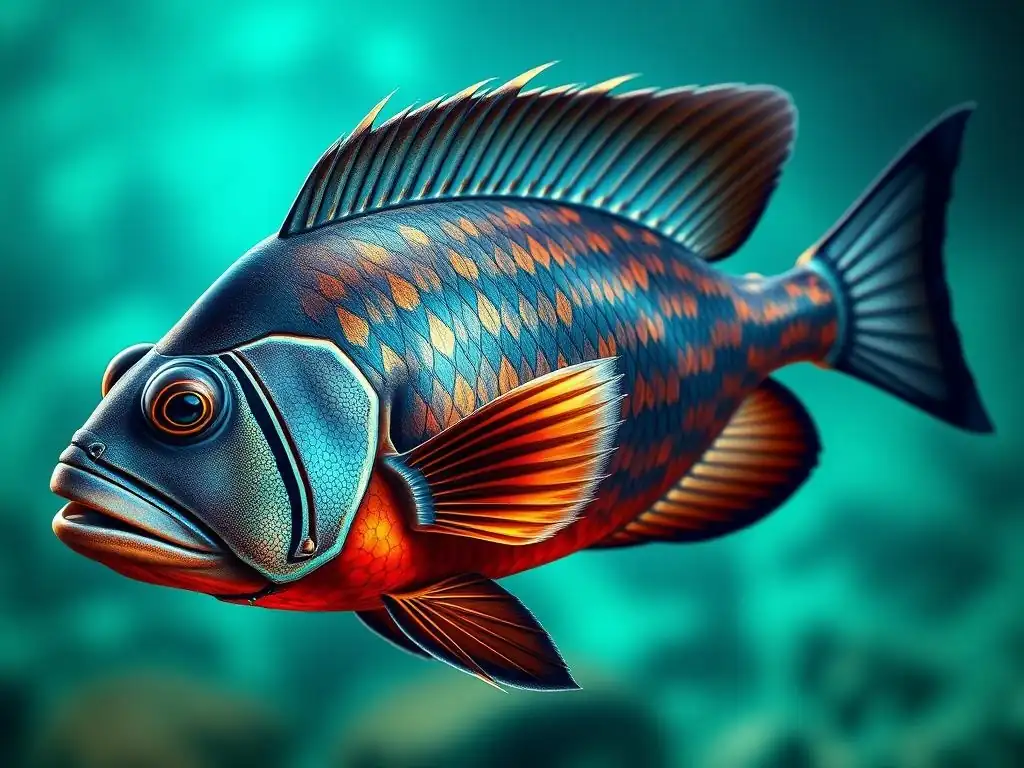
Triggerfish exhibit a characteristic deep, laterally compressed body, typically oval to rhomboid in shape, which makes them instantly recognizable among marine fish. However, subtle variations in this fundamental body plan, along with their mature size, are crucial for accurate Triggerfish species identification.
For instance, the Titan Triggerfish ( Balistoides viridescens) is renowned for its impressive size, commonly reaching 20-24 inches (approximately 50-60 cm) in large aquariums, and even larger in the wild, possessing a robust, powerful physique. In contrast, the Niger Triggerfish ( Odonus niger) tends to have a more elongated, streamlined body, growing to about 12-18 inches (approximately 30-45 cm), while species like the Picasso Triggerfish ( Rhinecanthus aculeatus) are more compact, usually maxing out around 10 inches (approximately 25 cm).
Beyond overall dimensions, specific nuances in body shape can also serve as identifying features. Some species within the Rhinecanthus genus, including the Bursa and Picasso Triggerfish, often possess a more pointed or elongated snout compared to the blunter, more rounded head of Balistoides species. The presence and prominence of the first dorsal fin's "trigger" mechanism—three strong spines, with the second spine locking the first erect, and the third releasing it—is a universal triggerfish trait, but the relative size and positioning of these spines can vary subtly between species, though this is often difficult to discern without close examination.
Triggerfish Coloration and Markings: A Visual Guide
Coloration and distinct body markings are often the most immediate and visually striking features used in any Triggerfish species identification guide. These patterns can range from intricate labyrinthine designs to bold, contrasting spots and stripes, providing unique "fingerprints" for each species. For example, the Clown Triggerfish ( Balistoides conspicillum) is unmistakable with its large, irregular white spots on a dark body, complemented by a bright yellow mouth and a prominent white "mask" over its snout. In contrast, the Undulate Triggerfish ( Balistapus undulatus) is characterized by its vibrant, wavy orange-yellow lines that crisscross a darker green or brown body.
While overall color can sometimes vary slightly based on geographic location, age, or stress levels, the specific arrangement, shape, and combination of markings remain remarkably consistent within a species. The Picasso Triggerfish ( Rhinecanthus aculeatus) exemplifies this with its iconic blue, black, and yellow lines on its face, resembling abstract art, which are unique to each individual but follow a species-specific pattern.
When attempting Triggerfish species identification, it is crucial to observe not just the dominant colors, but the precise details of these patterns, including the presence of specific bars, spots, or patches on the fins, head, or caudal peduncle (tail base).
Dorsal and Anal Fin Morphology: Distinguishing Triggerfish Species
The morphology of the dorsal and anal fins, while often overlooked, provides critical distinguishing features for accurate Triggerfish species identification. All triggerfish possess two dorsal fins: a first dorsal fin composed of three strong spines (the "trigger" mechanism) and a second, soft-rayed dorsal fin. The anal fin, similar in shape and size to the second dorsal fin, is positioned ventrally.
Subtle differences in the shape, size, and ray count of these soft dorsal and anal fins, as well as the caudal (tail) fin, can be key identifiers. For instance, the Niger Triggerfish ( Odonus niger) is notable for its distinctly crescent-shaped caudal fin, which becomes more pronounced with maturity, setting it apart from species with more rounded or truncated tails.
Furthermore, the overall profile and relative length of the soft dorsal and anal fins can vary. Some species might have fins that are more elongated and pointed, while others are more rounded. While counting fin rays requires a very close and often difficult inspection, the general outline and how these fins connect to the body can offer visual cues.
For example, the Blue Throat Triggerfish ( Xanthichthys auromarginatus) males exhibit a distinct yellow margin on their soft dorsal and anal fins, which is a key characteristic for their identification and sexing. A comprehensive Triggerfish species identification guide will always emphasize the importance of examining these often-subtle fin characteristics in conjunction with body coloration and other traits.
Teeth and Mouth Structure: Clues to Triggerfish Identification
The teeth and mouth structure of triggerfish are highly specialized and offer valuable clues for their identification, often reflecting their natural diet and feeding habits. Triggerfish are known for their powerful, often chisel-like or incisor-like teeth, which are perfectly adapted for crushing the shells of crustaceans and mollusks, or for scraping algae and biting off pieces of coral. Their mouths are typically small and terminal, often appearing somewhat protusible.
The arrangement, prominence, and color of these teeth can be species-specific. For example, the Niger Triggerfish ( Odonus niger) is famously known as the "Red-toothed Triggerfish" due to its prominent, often visible, reddish teeth, a feature unique to this species.
While observing teeth directly in a live, active specimen can be challenging, particularly for the average aquarist, the general shape of the snout and mouth can still provide hints. Species like the Rhinecanthus triggers (e.g., Picasso, Bursa) tend to have a slightly more elongated snout, which might correlate with their feeding on small invertebrates found in crevices.
In contrast, the more robust mouths of Balistoides species (e.g., Titan, Clown) are indicative of their ability to crush larger, harder-shelled prey. Understanding these dental and oral adaptations is an integral part of a thorough Triggerfish species identification guide, linking morphology to ecological niche and ultimately, to appropriate aquarium care.
Common Triggerfish Species: A Visual Identification Guide
Titan Triggerfish ( Balistoides viridescens ): Identification Points
The Titan Triggerfish ( Balistoides viridescens) is one of the largest and most formidable species in the triggerfish family, making its identification crucial for potential aquarists. Adults can reach an impressive size, often growing to 20-24 inches (approximately 50-60 cm) in captivity, though they can exceed 30 inches (75 cm) in their natural habitat. Its robust, powerful body is typically olive-green to brownish-gray, often with a mottled or blotchy appearance that can change intensity based on mood or environment. The overall impression is one of immense strength and territoriality, which is often reflected in its behavior.
Key identification points for the Titan Triggerfish include distinct yellowish or orange lips, which stand out against its darker facial coloration. A prominent dark bar or stripe often extends from below the eye towards the base of the pectoral fin.
The caudal fin is typically yellowish with a dark margin, and the pectoral fin base may feature a dark spot. While its body coloration can be somewhat variable, the combination of its large size, powerful build, and the specific facial and fin markings makes it relatively easy to distinguish from other triggerfish species once these features are recognized as part of a comprehensive Triggerfish species identification guide.
Titan Triggerfish Color Patterns
The color patterns of the Titan Triggerfish, while somewhat variable, possess consistent elements that aid in their precise identification. The base body color typically ranges from olive-green to dark brown or grayish, often with a mottled or reticulated pattern that provides camouflage among rocky reefs and rubble zones. This mottling can intensify or fade, making the fish appear darker or lighter depending on its stress level or surroundings. However, the most distinctive color patterns are found on its head and fins.
Its prominent, fleshy lips are a striking yellow or orange, creating a stark contrast with the surrounding darker facial hues. A characteristic dark, often broad, bar runs diagonally from behind the eye to the base of the pectoral fin, serving as a reliable identifier.
The caudal (tail) fin is typically yellow or orange with a pronounced dark or black margin, and a black spot is often visible at the base of the pectoral fin. These specific color patterns, particularly the yellow lips and the dark eye-to-fin bar, are consistent across individuals and are primary indicators for this Triggerfish species identification guide.
Titan Triggerfish Temperament and Tank Requirements
The Titan Triggerfish is notoriously known for its highly aggressive and territorial temperament, making it unsuitable for most community aquariums. In the wild, they are known to aggressively defend their nests and can even bite divers who venture too close. In captivity, this aggression translates to a propensity to harass, injure, or even kill tank mates, especially smaller fish or those with flowing fins. They are best kept as a species-only fish or with very large, equally robust and aggressive tank mates in exceptionally spacious setups.
Due to their immense potential size and aggressive nature, Titan Triggerfish require a very large aquarium, with a minimum recommended size of 250-300 gallons (approximately 950-1140 liters) for a single adult. This substantial volume provides ample swimming space and allows for the creation of distinct territories, which may help mitigate some aggression.
They are also powerful excavators and will rearrange aquascaping, moving rocks and corals to their liking, so heavy and stable rockwork is essential. Their diet is carnivorous, consisting of a variety of meaty foods like clams, mussels, shrimp, and squid, which they will readily crush with their powerful teeth.
Clown Triggerfish ( Balistoides conspicillum ): Spotting the Differences
The Clown Triggerfish ( Balistoides conspicillum) is arguably one of the most visually stunning and sought-after triggerfish species, instantly recognizable by its bold and intricate coloration. While sharing the robust body shape of other Balistoides species, its unique pattern sets it apart. Adults typically reach about 12-16 inches (approximately 30-40 cm) in aquarium settings, though wild specimens can grow up to 20 inches (50 cm). Its distinct markings make it a relatively easy species to identify, even for novice aquarists.
The primary distinguishing features of the Clown Triggerfish include its dark body adorned with large, irregular white spots, a vibrant yellow mouth, and a striking white or yellowish band resembling a "mask" across its upper snout, just below the eyes. The caudal fin is usually bright yellow with a black margin, and the anal and soft dorsal fins often have a yellow base with black spots or markings. This combination of prominent spots, the distinctive yellow mouth, and the facial mask are the key elements for its identification in any comprehensive Triggerfish species identification guide.
Clown Triggerfish Markings and Patterns
The markings and patterns of the Clown Triggerfish are exceptionally vivid and complex, contributing significantly to its unique appeal and straightforward identification. The body is predominantly dark, often black or deep brown, serving as a dramatic backdrop for the large, irregularly shaped white or pale yellow spots that are scattered across its flanks. The size and precise distribution of these spots can vary slightly between individuals, but their overall appearance is consistent.
Perhaps the most striking features are found on its head. A broad, bright yellow band encircles its mouth, creating a prominent "lipstick" effect. Directly above this, a distinct white or pale yellow band extends across the upper snout, just below the eyes, often referred to as a "mask."
The soft dorsal and anal fins typically display a vibrant yellow base with contrasting black spots or a black margin, further enhancing its visual complexity. The caudal (tail) fin is often a brilliant yellow with a distinct black border. These intricate and bold patterns collectively form an unmistakable visual signature, making it a prime example for a Triggerfish species identification guide.
Clown Triggerfish Care Considerations
Despite its captivating beauty, the Clown Triggerfish is a highly aggressive and predatory species that requires careful consideration for aquarium keeping. It is not suitable for most community tanks and is decidedly not reef-safe. Its powerful teeth are designed to crush shells, and it will readily consume ornamental crustaceans (shrimp, crabs), mollusks (snails, clams), and echinoderms (sea urchins, starfish). It may also nip at or consume corals, making it a poor choice for a reef environment.
A single adult Clown Triggerfish requires a minimum tank size of 180 gallons (approximately 680 liters) to provide adequate swimming space and minimize territorial disputes. Larger tanks are always preferable. They are known to rearrange aquascaping by moving rocks and decor, so all rockwork must be stable and secure. Their diet should be varied and consist of meaty foods such as frozen shrimp, squid, mussels, and clams, offered several times a day. Due to their messy eating habits and significant bioload, robust filtration and excellent water quality are paramount for their long-term health.
Undulate Triggerfish ( Balistapus undulatus ): Distinguishing Features
The Undulate Triggerfish ( Balistapus undulatus), also known as the Orange-lined Triggerfish, is a strikingly patterned species that can reach approximately 12 inches (30 cm) in length. While not as large as the Titan or Clown Triggerfish, its intense coloration and famously aggressive temperament make it a challenging but captivating addition for experienced aquarists. Its distinctive patterns are key to its identification, setting it apart from other triggerfish species.
The primary distinguishing feature of the Undulate Triggerfish is its intricate pattern of bright orange-yellow, wavy lines that undulate across a dark green to brown body. These lines cover nearly the entire body, including the head and fins, giving it a labyrinthine appearance. A prominent orange or yellow patch is often visible on the caudal peduncle (the narrow part of the body to which the tail fin is attached), just before the caudal fin.
Its lips are typically yellowish, and the soft dorsal, anal, and caudal fins often have a yellowish margin. This unique combination of wavy lines and the caudal patch is a definitive characteristic in any Triggerfish species identification guide.
Undulate Triggerfish Male vs. Female Identification
Identifying the sex of an Undulate Triggerfish based solely on visual characteristics is exceedingly difficult, as they exhibit very little, if any, sexual dimorphism. Males and females typically share the same vibrant wavy line patterns and overall coloration, making it challenging to distinguish them without observing spawning behavior. There are no consistent differences in size, fin shape, or specific markings that reliably indicate gender for the average aquarist.
While some anecdotal observations suggest that males might be slightly larger or possess more intense coloration during breeding periods, these are not definitive indicators and can be influenced by various factors such as diet, environment, and stress. For practical purposes in the aquarium hobby, most Undulate Triggerfish are considered indistinguishable by sex based on external visual cues alone. Reliable sexing would typically require invasive methods or direct observation of reproductive acts, which are not feasible for general Triggerfish species identification.
Undulate Triggerfish Tank Compatibility
The Undulate Triggerfish is renowned for being one of the most aggressive and territorial triggerfish species available to hobbyists. Its pugnacious nature makes it highly incompatible with most other fish, especially smaller or more docile species, which it will relentlessly harass, injure, or kill. It is a formidable predator and will decimate any ornamental crustaceans (shrimp, crabs), mollusks (snails, clams), and echinoderms (sea urchins) in the aquarium. Therefore, it is definitively not reef-safe.
This species is best housed in a species-specific tank, or in a very large (minimum 125 gallons / approximately 470 liters), robust FOWLR (Fish Only With Live Rock) setup with only equally large, aggressive, and fast-moving tank mates that can hold their own. Examples of potential tank mates, though still risky, might include large groupers, lionfish, or other very aggressive triggers in exceptionally spacious systems. Providing ample rockwork with caves and hiding spots can help establish territories and potentially reduce aggression, but its highly aggressive temperament means constant vigilance is required.
Bursa Triggerfish ( Rhinecanthus bursa ): A Detailed Look
The Bursa Triggerfish ( Rhinecanthus bursa), also known as the Black Patch Triggerfish, is a moderately sized and popular species for saltwater aquariums, typically reaching about 8-10 inches (approximately 20-25 cm) in length. Compared to the larger Balistoides triggers, it has a slightly more elongated snout and a generally less robust build, which helps in its identification. Its distinctive markings are key to distinguishing it from other Rhinecanthus species.
The primary distinguishing features of the Bursa Triggerfish are its light tan to grayish body coloration, accented by two prominent dark markings. The most notable is a large, diffused dark patch or blotch located on its upper flank, just below the posterior part of the soft dorsal fin, resembling a "bursa" or pouch, which gives the fish its common name. A second, smaller, and often more defined dark spot is typically present at the base of the pectoral fin.
A dark line often extends through the eye, and the caudal fin is usually dark with a lighter margin. These unique markings are crucial for accurate Triggerfish species identification.
Bursa Triggerfish Unique Markings
The unique markings of the Bursa Triggerfish are its most defining characteristics, making it one of the easier Rhinecanthus species to identify. The base coloration of its body is typically a pale tan, off-white, or light gray, providing a subtle backdrop for its more pronounced features. The most prominent mark is the large, dusky, and often somewhat irregular dark blotch situated on its upper posterior flank, just below the soft dorsal fin. This "bursa" mark can vary in intensity and precise shape but is consistently present and serves as the primary identifier.
In addition to the bursa mark, a smaller, more defined dark spot is consistently found at the base of the pectoral fin, providing a secondary confirmation point. The face often features a dark line running horizontally through the eye, and sometimes a subtle reticulated pattern on the snout. The caudal (tail) fin is typically dark, often with a lighter, sometimes yellowish, posterior margin. These specific dark markings on an otherwise light body are the definitive traits for this Triggerfish species identification guide.
Bursa Triggerfish Diet and Feeding Habits
The Bursa Triggerfish is a carnivorous species with a diet primarily consisting of benthic invertebrates in its natural habitat, including crustaceans, mollusks, and small worms. In the aquarium, they are generally unfussy eaters and readily accept a variety of frozen meaty foods. A balanced diet is crucial for their health and vibrant coloration.
Recommended foods include mysis shrimp, krill, chopped clams, mussels, and squid. They also benefit from occasional offerings of harder-shelled items like whole small clams or pieces of shrimp with shells, as this helps to keep their powerful teeth trimmed and healthy. Bursa Triggerfish are active foragers and will appreciate multiple small feedings throughout the day rather than one large meal, mimicking their natural feeding behavior. While generally less destructive than some other triggerfish, they may still occasionally rearrange smaller substrate particles or decor items in search of food.
Picasso Triggerfish ( Rhinecanthus aculeatus ): Identifying Key Traits
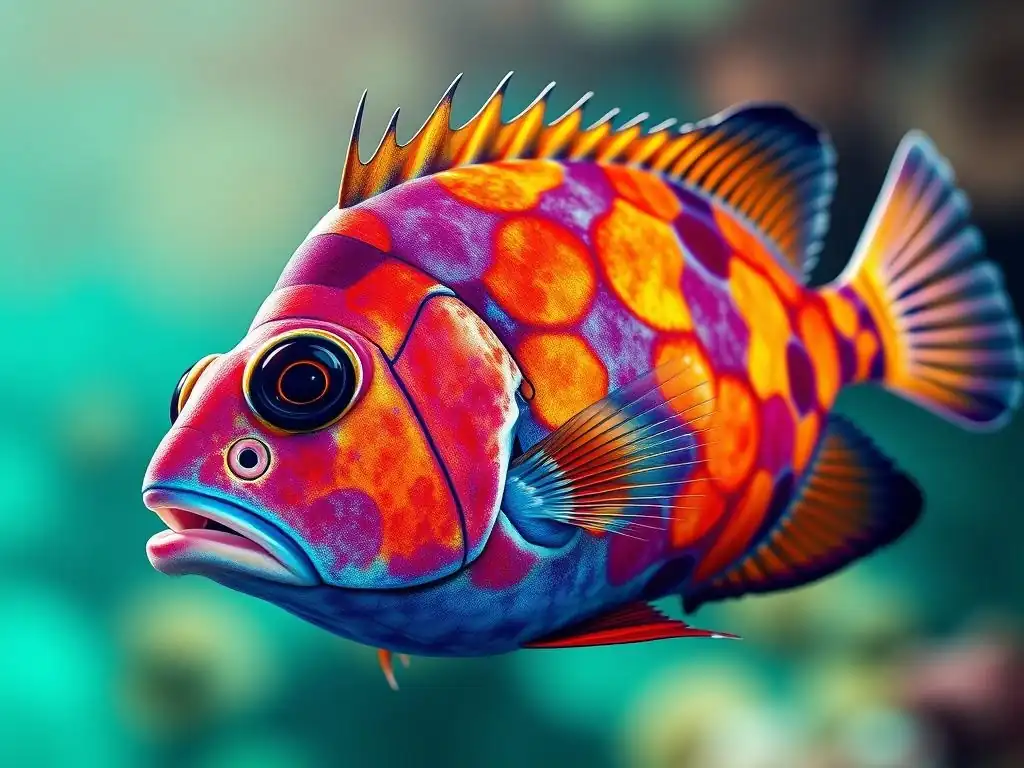
The Picasso Triggerfish ( Rhinecanthus aculeatus), also known as the Humuhumunukunukuapua'a in Hawaii, is one of the most popular and recognizable triggerfish species in the aquarium trade. It typically reaches a size of about 10 inches (approximately 25 cm), making it a manageable size for many home aquariums. Its distinctive "painted" appearance is its most prominent identifying feature, making it relatively easy to spot among other species.
The key traits for identifying a Picasso Triggerfish are its intricate and abstract facial markings. Its body is typically a light tan to brownish-gray, serving as a canvas for striking blue, black, and yellow lines that radiate from its eyes and mouth, resembling brushstrokes. A broad, bright yellow or orange band usually runs from the eye towards the pectoral fin, and another distinct black band often runs diagonally from the dorsal fin down towards the anal fin.
The caudal fin is often yellow with a black margin. This unique combination of lines and bands on its face and body is the definitive characteristic for this Triggerfish species identification guide.
Picasso Triggerfish Color Variations
While the core pattern of blue, black, and yellow facial lines remains consistent, the Picasso Triggerfish can exhibit subtle color variations across its body, influenced by geographic origin and individual genetics. The base body coloration can range from a very light cream or tan to a darker brownish-gray. The intensity of the yellow and blue lines on its face can also vary; some individuals might display more vibrant, electric blues, while others show a more subdued sky blue.
The broad band extending from the eye towards the pectoral fin, usually yellow, can sometimes lean more towards an orange hue. Similarly, the caudal fin, while typically yellow with a black margin, can show variations in the vibrancy of its yellow. Despite these minor individual or regional differences, the fundamental "Picasso-esque" pattern of intricate lines and bands on the face is the unmistakable hallmark of this species, serving as the primary visual cue for any Triggerfish species identification guide.
Picasso Triggerfish Aggression Levels
The Picasso Triggerfish is generally considered moderately aggressive, especially towards smaller fish and invertebrates. While not as ferociously aggressive as the Titan or Undulate Triggerfish, it is still a predatory species that will assert its dominance in the aquarium. It is known to nip at the fins of slower-moving fish and will readily consume most ornamental crustaceans (shrimp, crabs) and mollusks (snails, clams). Therefore, it is generally not considered fully reef-safe.
For a single adult Picasso Triggerfish, a minimum tank size of 75 gallons (approximately 280 liters) is recommended to provide sufficient space and help mitigate aggression. They can be housed with other robust, semi-aggressive tank mates of similar size and temperament, such as large tangs, angelfish, or other medium-sized triggerfish, provided the tank is spacious enough to establish territories. They are also known for rearranging aquascaping, moving smaller rocks and substrate, so ensure all rockwork is stable and secure.
Niger Triggerfish ( Odonus niger ): Distinguishing Features
The Niger Triggerfish ( Odonus niger), often referred to as the Red-toothed Triggerfish, is a popular and relatively peaceful triggerfish species, making it a more suitable choice for some community aquariums compared to its more aggressive relatives. It has a more elongated and streamlined body shape than other triggers, and typically reaches a size of about 12-18 inches (approximately 30-45 cm). Its unique coloration and dental features are key to its identification.
The primary distinguishing feature of the Niger Triggerfish is its vibrant purplish-blue to dark blue body coloration, which can sometimes appear almost black depending on lighting and mood. However, its most striking and definitive characteristic is its prominent red teeth, which are often visible even when its mouth is closed, giving it its common name. The caudal (tail) fin is typically crescent-shaped, becoming more deeply forked as the fish matures.
Small, iridescent spots or lines may also be present on its body, particularly around the eyes. This combination of blue body, red teeth, and crescent tail is unmistakable in any Triggerfish species identification guide.
Niger Triggerfish Color Changes with Maturity
The Niger Triggerfish undergoes significant and noticeable color changes as it matures, which is an important aspect of its Triggerfish species identification. Juveniles often exhibit a duller, more subdued coloration, typically a grayish-brown or purplish-gray, and their red teeth may not be as pronounced. As they grow into adulthood, their vibrant purplish-blue to dark blue coloration intensifies dramatically, especially when the fish is healthy and comfortable in its environment.
The red teeth, which are a hallmark of the species, become more prominent and vivid with age. Additionally, mature individuals may display subtle iridescent green or yellow highlights, particularly on their fins or around their eyes, which can shimmer under certain lighting conditions. These color shifts, from a drab juvenile to a stunning adult, are a natural part of their development and contribute to the beauty of this species, while the red teeth and crescent tail remain consistent identifying features throughout their life stages.
Niger Triggerfish Social Behavior
The Niger Triggerfish is considered one of the least aggressive triggerfish species, often described as semi-aggressive rather than outright predatory. This makes it a more viable option for larger community aquariums, provided tank mates are chosen carefully. They are generally peaceful towards other fish of similar size and temperament, especially if introduced when young. However, like most triggerfish, they will readily consume crustaceans and mollusks, so they are not considered reef-safe with invertebrates.
They are active swimmers and appreciate plenty of open swimming space within the aquarium. A minimum tank size of 125 gallons (approximately 470 liters) is recommended for a single adult to accommodate its swimming needs and potential growth. Compatible tank mates include other robust, semi-aggressive fish like large tangs, angelfish, puffers, or even some lionfish, as long as they are not small enough to be considered prey. Providing ample hiding spots and stable rockwork can help them feel secure and reduce any potential stress or aggression.
Blue Throat Triggerfish ( Xanthichthys auromarginatus ): A Visual Identification Guide
The Blue Throat Triggerfish ( Xanthichthys auromarginatus), also known as the Gilded Triggerfish, is a unique and sought-after species, largely due to its relatively peaceful temperament and distinct sexual dimorphism. It is typically a smaller triggerfish, reaching about 8-10 inches (approximately 20-25 cm) in length, and is often found in deeper reef environments in the wild. Its visual identification is straightforward, especially when distinguishing between males and females.
The key features for a Blue Throat Triggerfish species identification guide revolve around its coloration and the differences between sexes. Males are easily identified by a prominent, vibrant blue patch on their throat and a distinct yellowish or orange margin along their soft dorsal and anal fins. Their bodies are typically grayish-brown with subtle reticulated patterns.
Females, in contrast, lack the blue throat patch and are generally a more uniform grayish-brown, often covered in numerous small, pale white or off-white spots across their body and fins. Both sexes typically have a small, dark spot at the base of the pectoral fin.
Blue Throat Triggerfish Male vs. Female Identification
The Blue Throat Triggerfish exhibits clear and striking sexual dimorphism, making male and female identification relatively easy, a rare trait among triggerfish species. Males are readily distinguished by their prominent, bright blue patch on the throat, which extends from just below the mouth to the gill cover. In addition to this blue throat, males also display a distinct yellow or golden margin along the edges of their soft dorsal and anal fins, and sometimes on the caudal fin. Their overall body coloration is typically a grayish-brown with subtle patterns.
Females, on the other hand, entirely lack the blue throat patch and the vibrant yellow fin margins. They are generally a more uniform grayish-brown to tan color, and their bodies are often covered in numerous small, pale white or off-white spots, giving them a speckled appearance. This stark difference in coloration and the presence or absence of the blue throat and yellow fin margins provide a reliable method for sexing this species, which is a valuable component of any Triggerfish species identification guide.
Blue Throat Triggerfish Reef Compatibility
The Blue Throat Triggerfish is considered one of the most "reef-safe with caution" triggerfish species, a significant departure from the highly destructive nature of many of its relatives. This is primarily due to its natural diet, which consists mainly of zooplankton in the wild, rather than benthic invertebrates or corals. Consequently, they generally do not bother corals and are less likely to rearrange rockwork.
However, the "caution" aspect is important: while they typically leave corals alone, they may still consume small ornamental crustaceans (e.g., cleaner shrimp, small crabs) and snails, as these are part of a broader planktivorous diet. Therefore, careful consideration should be given to tank mates, and small, vulnerable invertebrates are still at risk. For a single adult, a minimum tank size of 75 gallons (approximately 280 liters) is recommended. They thrive on multiple small feedings of small, meaty foods like mysis shrimp, enriched brine shrimp, and finely chopped seafood throughout the day, mimicking their natural planktivorous feeding style.
Advanced Triggerfish Identification Techniques
Using Scientific Resources for Triggerfish Species Confirmation
For definitive Triggerfish species identification, especially when distinguishing between similar-looking species or verifying rare finds, consulting reputable scientific resources is invaluable. Databases such as FishBase (www.fishbase.org) and the World Register of Marine Species (WoRMS - www.marinespecies.org) are authoritative online repositories that provide detailed taxonomic information, distribution maps, morphological descriptions, and scientific literature references for thousands of marine species. These resources allow aquarists to cross-reference common names with scientific names, view multiple photographs, and understand the precise characteristics that define a species.
Beyond online databases, ichthyological texts and scientific journals offer in-depth morphological descriptions, including meristic counts (e.g., number of fin rays, scales along the lateral line), which are definitive but often require close physical examination not feasible in a home aquarium. However, these texts often contain detailed illustrations and high-quality photographs that can highlight subtle differences not apparent in casual observation. When using any Triggerfish species identification guide, always prioritize sources that cite scientific names and provide comprehensive data, ensuring accuracy and avoiding misidentification based on anecdotal evidence or misleading common names.
Identifying Juvenile Triggerfish: Challenges and Tips
Identifying juvenile triggerfish presents a unique set of challenges because their coloration, patterns, and even body shape can differ significantly from those of their adult counterparts. Many juvenile triggerfish exhibit cryptic coloration for camouflage or mimicry, or simply have not yet developed the vibrant and complex patterns characteristic of mature individuals. For example, juvenile Clown Triggerfish have proportionally larger and often more numerous white spots compared to adults, and their yellow mouth coloration may be less intense. Similarly, juvenile Niger Triggerfish are often a duller gray-brown before developing their characteristic purplish-blue hue and prominent red teeth.
Tips for accurate juvenile Triggerfish species identification include observing subtle hints of adult patterns that may be just beginning to emerge, such as faint lines or nascent spots. Researching images of juvenile forms of suspected species is crucial, as many online databases and books provide photographic comparisons of different life stages.
Observing the fish's behavior, such as its swimming style or preferred hiding spots, can also sometimes offer clues, as some juvenile triggers are pelagic (open water dwellers) before settling into reef habitats. When in doubt, it is often safer to identify a juvenile as belonging to a particular genus rather than a precise species, and then confirm identification as the fish matures and adult characteristics become more apparent.
Distinguishing Similar Triggerfish Species: Avoid Common Mistakes
Distinguishing between similar-looking triggerfish species requires careful attention to detail and a comprehensive understanding of subtle morphological differences, helping avoid common identification mistakes. Many species within the same genus, particularly Rhinecanthus or Balistoides, can bear a striking resemblance to one another, leading to frequent misidentifications in the aquarium trade.
For instance, the Picasso Triggerfish ( Rhinecanthus aculeatus) is sometimes confused with the Lagoon Triggerfish ( Rhinecanthus rectangulus). While both have similar body shapes and dark patterns, the Lagoon Triggerfish is definitively identified by a distinct black "V" or arrow-shaped mark on its caudal peduncle (tail base), a feature absent in the Picasso.
Another common mistake involves distinguishing between juvenile forms of highly aggressive species that might initially appear docile. To avoid these errors, a reliable Triggerfish species identification guide emphasizes examining multiple distinguishing features rather than relying on a single trait. Pay close attention to:
- Specific facial markings: The exact pattern of lines, spots, or bands around the eyes and mouth.
- Fin coloration and shape: Subtle differences in the margins, spots, or overall outline of the dorsal, anal, and caudal fins.
- Unique body marks: The presence or absence of specific blotches, bars, or unique patterns on the flanks or caudal peduncle (e.g., the "bursa" mark on Rhinecanthus bursa).
- Body proportions: Slight variations in snout length or overall robustness.
- Geographic origin: While not always definitive, knowing the region of collection can narrow down possibilities.
By systematically comparing these characteristics, aquarists can significantly improve the accuracy of their Triggerfish species identification.
Maintaining a Healthy Triggerfish Aquarium: Husbandry Guide
Proper Tank Size and Water Parameters for Triggerfish
Maintaining a healthy triggerfish aquarium begins with providing the proper tank size and stable water parameters, which are crucial for their well-being and to manage their significant bioload and often aggressive nature. Tank size is perhaps the most critical consideration; even smaller species like the Picasso Triggerfish require a minimum of 75 gallons (approximately 280 liters), while medium-sized species like the Niger Triggerfish need at least 125 gallons (approximately 470 liters).
For larger, highly aggressive species such as the Titan Triggerfish, a minimum of 250-300 gallons (approximately 950-1140 liters) is essential to provide adequate swimming space and minimize territorial disputes.
Standard saltwater parameters are vital for all triggerfish. The specific gravity should be maintained between 1.023 and 1.026, and the temperature should remain stable within a range of 75-82°F (approximately 24-28°C). The pH should consistently be between 8.1 and 8.4. Ammonia and nitrite levels must always be zero parts per million (ppm), and nitrates should be kept below 20 ppm through regular water changes and efficient filtration. Due to their messy eating habits and active metabolism, robust mechanical, biological, and chemical filtration systems are paramount, along with strong protein skimming, to maintain pristine water quality.
Diet and Feeding Strategies for Different Triggerfish Species
The diet and feeding strategies for triggerfish vary slightly depending on the specific species, but most are carnivorous and require a varied, high-quality diet to thrive. Their powerful, often chisel-like teeth are adapted for crushing hard-shelled prey in the wild. For most common aquarium triggerfish, a staple diet should consist of a variety of meaty frozen foods, including mysis shrimp, krill, chopped clams, mussels, scallops, and squid. Providing whole, unshelled items like small clams or shrimp with shells occasionally is beneficial, as it helps to naturally wear down their continuously growing teeth, preventing overgrowth.
Feeding frequency also depends on the species and individual metabolism. Planktivorous species like the Blue Throat Triggerfish ( Xanthichthys auromarginatus) benefit from multiple small feedings throughout the day (3-5 times) to mimic their natural grazing habits on zooplankton. More robust, predatory species like the Titan or Clown Triggerfish may do well with 1-2 larger meals per day. Always ensure the food is appropriately sized for the fish's mouth to prevent choking or difficulty in consumption. Overfeeding should be avoided, as it contributes to poor water quality and can lead to health issues.
Triggerfish Tank Mates: Compatibility Considerations
Compatibility with tank mates is a critical consideration when keeping triggerfish, as their aggression levels vary significantly across species and are a key aspect of any Triggerfish species identification guide. Highly aggressive species, such as the Titan Triggerfish ( Balistoides viridescens) and Undulate Triggerfish ( Balistapus undulatus), are best housed in species-specific tanks due to their propensity to harass, injure, or kill other fish, and their definitive incompatibility with any invertebrates or corals. If a very large tank (e.g., 250+ gallons) is available, they might be kept with other exceptionally large and equally aggressive predators, though this remains risky.
Moderately aggressive species, like the Picasso Triggerfish ( Rhinecanthus aculeatus) or Bursa Triggerfish ( Rhinecanthus bursa), can be housed with other robust, semi-aggressive fish of similar size and temperament in sufficiently large aquariums (75-125+ gallons). Examples include large tangs, angelfish, puffers, and some lionfish. However, they are still not considered reef-safe and will consume most ornamental invertebrates.
The least aggressive triggerfish, such as the Niger Triggerfish ( Odonus niger) and Blue Throat Triggerfish ( Xanthichthys auromarginatus), are often suitable for larger community tanks (125+ gallons), provided tank mates are robust and fast-moving. While generally peaceful towards fish, they will still consume crustaceans and mollusks, so they are "reef-safe with caution" at best. Always research the specific species' temperament and provide ample space and hiding spots to reduce aggression.
Conclusion: Mastering Triggerfish Species Identification
Frequently Asked Questions
What are the key features to look for when identifying different triggerfish species?
The most important features are color patterns, body shape, and the shape of the dorsal and anal fins. These characteristics vary significantly between species.
Where can I find detailed information on specific triggerfish species, such as the Titan Triggerfish or the Bursa Triggerfish?
AquariumMastery.com provides detailed profiles for various triggerfish species. These profiles include information on their appearance, behavior, and care requirements.
Are there any triggerfish species that are commonly mistaken for each other?
Yes, some juvenile triggerfish can look similar. Pay close attention to subtle differences in coloration and fin shapes to avoid misidentification.
What are some common resources used for Triggerfish species identification?
Visual guides, like the one on AquariumMastery.com, are extremely helpful. Consider using online databases and expert forums for additional assistance.
What should I do if I am unsure about the identification of a Triggerfish?
Consult with a local aquarium expert or post clear photos on an online aquarium forum for help. Accurate identification is crucial for proper care.
Final Reflection: Unlocking the Ocean's Palette
The ability to discern the subtle nuances between different triggerfish species, as highlighted in this guide, is more than just an academic exercise; it's a gateway to a deeper appreciation for the fragile biodiversity of our coral reefs. Understanding these visual cues allows us to become more informed stewards of these vital ecosystems, recognizing the individual roles each species plays in maintaining the delicate balance of marine life.
This journey through the vibrant world of triggerfish has undoubtedly broadened our perspective on the underwater realm. The intricate patterns and unique characteristics of each species serve as a constant reminder of the beauty and complexity that exists beneath the waves. As Jacques Cousteau eloquently stated, The sea, once it casts its spell, holds one in its net of wonder forever.
This wonder, fueled by knowledge and understanding, empowers us to protect what we cherish.
Now, armed with this visual key, I invite you to look beyond the surface. Observe, appreciate, and advocate for the conservation of these magnificent creatures and their habitats. Let the vibrant tapestry of triggerfish species inspire you to become a champion for the ocean, ensuring that future generations can also marvel at the beauty and diversity of our underwater world.
Dive Deeper: Uncover the Mysteries of Triggerfish!
Thanks for exploring the vibrant world of triggerfish with us! We hope this visual guide has equipped you with the knowledge to identify these fascinating creatures. Now, it's time to take your appreciation a step further.
Here are a few ways to continue your triggerfish journey:
- Start your identification log: Next time you visit an aquarium or dive spot, challenge yourself to identify at least three different triggerfish species using the tips you've learned.
- Share your newfound knowledge: Create a short post highlighting your favorite triggerfish species, tagging us with #AquariumMastery.
- Explore local aquarium societies: Discover and join a local group to connect with fellow enthusiasts and learn about conservation efforts.
What's the most surprising thing you learned about triggerfish today, and how will you apply that knowledge on your next aquarium visit?