
The Complete Guide to Apogonidae: Understanding the Diverse Cardinalfish Family

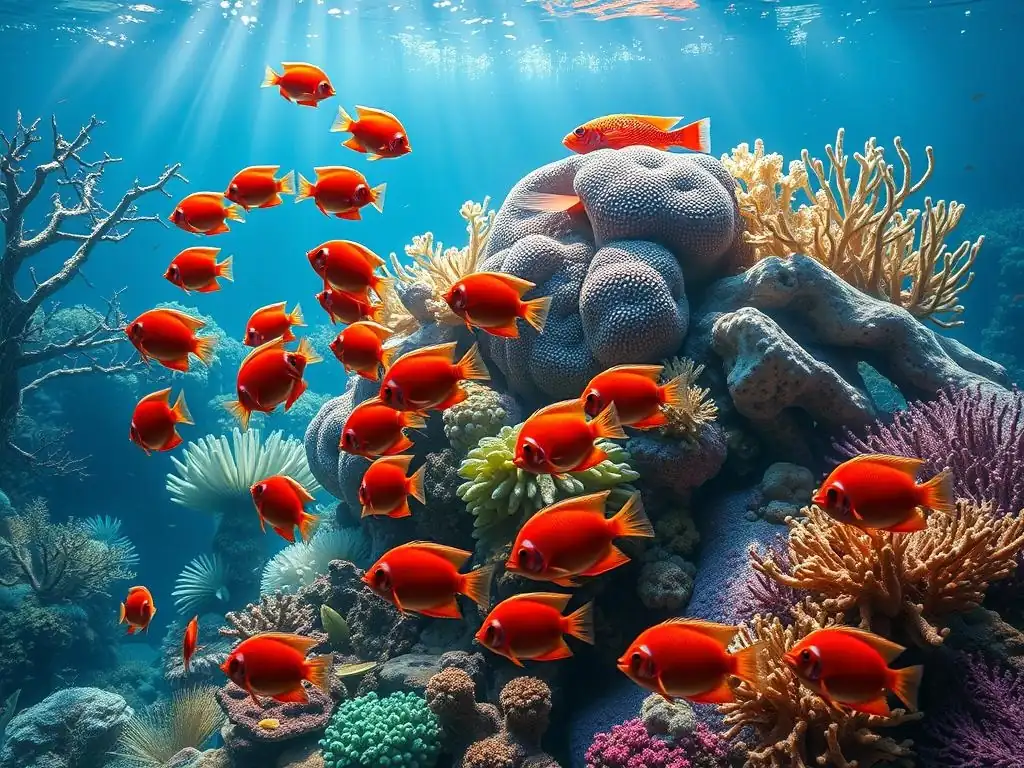
Welcome to Aquarium Mastery!
Dive into the captivating world of Cardinalfish with our in-depth guide. Ever wondered how to unlock the secrets to vibrant colors and thriving health in these peaceful beauties? Our Cardinalfish care tips guide is just the beginning. Explore our comprehensive resources on saltwater aquariums, from species profiles to troubleshooting, and discover everything you need to create a flourishing underwater paradise. Let's embark on this aquatic adventure together!
- Introduction to Cardinalfish: A Comprehensive Overview for Aquarium Enthusiasts
- Cardinalfish Species Profiles: A Deep Dive into Popular Aquarium Varieties
- Cardinalfish Care Tips Guide: Ensuring a Thriving Aquarium Environment
- Cardinalfish Health and Disease Prevention: Identifying and Treating Common Issues
- Cardinalfish Breeding in Captivity: A Challenging but Rewarding Endeavor
- Troubleshooting Common Cardinalfish Problems: Addressing Potential Issues
- Advanced Cardinalfish Care: Tips for Experienced Aquarists
- Conclusion: Mastering Cardinalfish Care for a Stunning Aquarium
-
Frequently Asked Questions
- What are the basic water parameters needed for Cardinalfish?
- What should I feed my Cardinalfish to keep them healthy?
- How do I choose the right tank mates for Cardinalfish?
- What are some common diseases that affect Cardinalfish and how can I prevent them?
- How can I encourage Cardinalfish breeding in my aquarium?
- Final Reflection: Unveiling the Secrets of Cardinalfish Harmony
- Ignite Your Aquarium Passion: Dive Deeper into Cardinalfish Wonders!
Introduction to Cardinalfish: A Comprehensive Overview for Aquarium Enthusiasts
What are Cardinalfish? Exploring the Apogonidae Family
Cardinalfish, members of the Apogonidae family, are a diverse group of marine ray-finned fish primarily found in tropical and subtropical waters across the Indo-Pacific, Atlantic, and Mediterranean regions. Characterized by their often large eyes and nocturnal or crepuscular habits, these fish typically inhabit coral reefs, rocky crevices, and seagrass beds. A distinguishing feature of many cardinalfish species is their unique mouthbrooding behavior, where the male carries the fertilized eggs in his mouth until they hatch, offering exceptional parental care.
With over 370 recognized species across more than 30 genera, the Apogonidae family exhibits remarkable variation in size, coloration, and specific habitat preferences. While most species remain relatively small, typically reaching lengths of 2 to 6 inches, their collective ecological role on reefs is significant. They primarily feed on zooplankton and small invertebrates, often emerging from their daytime hiding spots at dusk to forage. Their generally peaceful demeanor makes them a popular choice for many saltwater aquarium enthusiasts seeking a tranquil addition to their reef or fish-only tanks.
Why Choose Cardinalfish for Your Saltwater Aquarium? Benefits and Considerations
Cardinalfish offer numerous benefits for the saltwater aquarium enthusiast, making them a highly desirable choice. Their generally peaceful nature allows them to coexist harmoniously with a wide array of other reef inhabitants, including corals, anemones, and most invertebrates, without posing a threat. Many species, such as the popular Pajama Cardinalfish, exhibit interesting schooling or shoaling behaviors, adding dynamic visual appeal to the tank. Furthermore, their relatively small size means they contribute a manageable bioload, making it easier to maintain stable water parameters compared to larger, more demanding fish species.
However, selecting cardinalfish also comes with specific considerations that are crucial for their long-term health and well-being. While many are hardy, some species, like the Banggai Cardinalfish, can be more delicate and susceptible to stress or disease, requiring pristine water conditions. Their nocturnal tendencies mean they may be less active during peak daylight hours, though many adapt to aquarium lighting schedules over time. Successful long-term ownership hinges on understanding these specific needs and diligently following a comprehensive Cardinalfish care tips guide to ensure a thriving environment.
Cardinalfish Species Profiles: A Deep Dive into Popular Aquarium Varieties
Pajama Cardinalfish (Sphaeramia nematoptera): Care and Characteristics
The Pajama Cardinalfish (Sphaeramia nematoptera) is one of the most recognizable and widely available cardinalfish species in the aquarium hobby, prized for its distinctive appearance. This species features a striking pattern: a bright yellow face, a broad black band across its midsection, and a spotted caudal (tail) area on a silvery-white body, complemented by vibrant red eyes. Growing to an average adult size of about 3 inches (7.5 cm), they are well-suited for smaller to medium-sized reef aquariums, typically requiring a minimum tank size of 20 gallons for a single specimen or 30 gallons for a small group.
Pajama Cardinalfish are generally peaceful, making them excellent candidates for community tanks. While they can be kept singly, they often exhibit more natural schooling behavior when housed in groups of three to five, especially in larger tanks. It's important to introduce them simultaneously to minimize aggression, as established individuals might show territoriality towards new conspecifics. They are relatively hardy and readily accept a variety of prepared foods, including high-quality flakes, pellets, and frozen foods like Mysis shrimp and brine shrimp, making them an excellent choice for beginners who follow a basic Cardinalfish care tips guide.
Banggai Cardinalfish (Pterapogon kauderni): A Conservation Focus
The Banggai Cardinalfish (Pterapogon kauderni) is an iconic species instantly recognizable by its elegant silver body adorned with bold black stripes and long, flowing fins. Endemic to the shallow waters of the Banggai Archipelago in Indonesia, this species has garnered significant attention due to its critically endangered status, primarily a result of overcollection for the aquarium trade and habitat degradation. They typically reach an adult size of approximately 3 inches (7.5 cm) and are known for their unique mouthbrooding reproductive strategy, where the male incubates the eggs and fry.
Despite their beauty, Banggai Cardinalfish are more delicate than some other cardinalfish species and are particularly susceptible to stress and diseases like marine ich. They require pristine water quality, stable parameters, and a peaceful environment to thrive. Due to their conservation status, it is highly recommended that aquarists only acquire captive-bred specimens, which are generally hardier and less prone to disease than their wild-caught counterparts. Supporting captive breeding efforts helps alleviate pressure on wild populations and promotes sustainable practices within the hobby, aligning with responsible Cardinalfish care tips guide principles.
Banggai Cardinalfish Breeding: A Detailed Guide
Breeding Banggai Cardinalfish in captivity is a rewarding endeavor, significantly contributing to conservation efforts. Successful breeding typically requires a dedicated breeding tank of at least 20-30 gallons for a pair, equipped with ample hiding spots such as PVC pipes or bushy artificial plants, as these fish form monogamous pairs.
Conditioning the pair with a rich diet of high-quality frozen foods like Mysis shrimp, enriched brine shrimp, and copepods several times a day will encourage spawning. The male will then collect the fertilized eggs, which are relatively large, and brood them in his mouth for an extended period, typically 20 to 30 days.
Once the male releases the fry, they are remarkably large and well-developed, capable of immediately consuming newly hatched Artemia nauplii. This makes raising Banggai Cardinalfish fry considerably easier than many other marine species, which often require microscopic rotifers as a first food. Frequent, small water changes in the fry tank are essential to maintain water quality, as the fry are sensitive to ammonia and nitrite buildup. With proper care and feeding, a high percentage of fry can be successfully raised to juvenile size, offering a viable alternative to wild-caught fish and promoting sustainable practices.
Flame Cardinalfish (Apogon maculatus): Adding Vibrant Color to Your Reef Tank
The Flame Cardinalfish (Apogon maculatus), also known as the Red Cardinalfish or Ruby Cardinalfish, is a captivating species that injects a vibrant splash of red and orange into the reef aquarium. Native to the Western Atlantic Ocean, including the Caribbean Sea and Gulf of Mexico, this species typically boasts a brilliant reddish-orange body, often with faint vertical banding and a prominent black spot near the caudal fin base. They can grow up to 4 inches (10 cm) in length, making them a slightly larger option compared to Pajama or Banggai cardinalfish.
Unlike some of their more strictly nocturnal relatives, Flame Cardinalfish tend to be more active during the day in an aquarium setting, especially once acclimated, though they still appreciate ample hiding spots among live rock. They are generally peaceful and hardy, adapting well to a minimum tank size of 30 gallons.
A varied diet of frozen Mysis shrimp, brine shrimp, and finely chopped seafood, supplemented with high-quality flakes or pellets, will ensure their vibrant coloration and overall health. Their striking appearance and relatively easy care make them an excellent choice for aquarists looking to add bold color to their marine setup, following standard Cardinalfish care tips guide protocols.
Other Notable Cardinalfish Species for Saltwater Aquariums
Beyond the most popular choices, several other cardinalfish species are available to saltwater aquarists, each offering unique characteristics and aesthetic appeal. The Ring-eye Cardinalfish (Apogon parvulus) is a charming, diminutive species reaching only about 1.5 inches (4 cm), perfect for nano reef tanks. These peaceful fish often form tight schools, displaying a subtle beauty with their translucent bodies and prominent black-ringed eyes, adding a delicate presence to smaller aquascapes and thriving on a diet of small zooplankton.
Another attractive option is the Yellow-striped Cardinalfish (Ostorhinchus cyanosoma), which features a striking pattern of bright yellow horizontal stripes across a silvery-white body. Growing to around 3.5 inches (9 cm), they are generally peaceful and can be kept in groups, providing a dynamic visual element. The Orbic Cardinalfish (Sphaeramia orbicularis) is a larger species, up to 6 inches (15 cm), with a more circular, disc-like body shape and a distinct pattern of dark spots and bands, requiring larger tanks of 50 gallons or more to accommodate their size and potential schooling behavior.
Cardinalfish Care Tips Guide: Ensuring a Thriving Aquarium Environment
Setting Up the Ideal Cardinalfish Tank: Size, Aquascaping, and Equipment
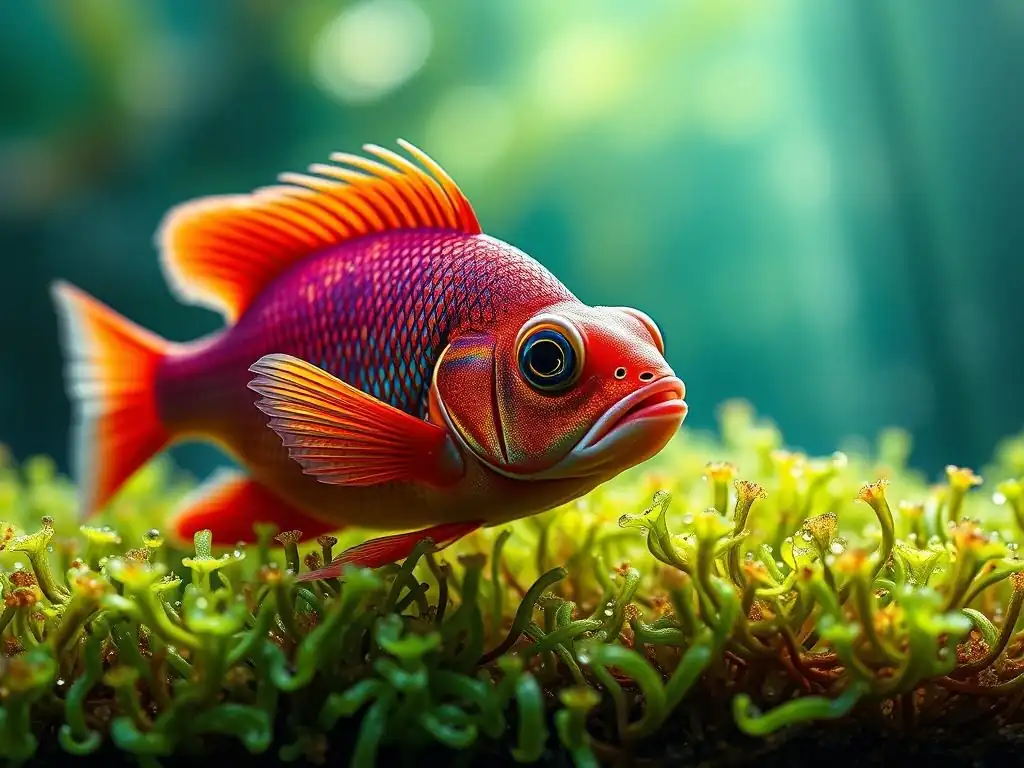
Establishing the ideal tank environment is paramount for the long-term health and well-being of cardinalfish. The foundation of any successful Cardinalfish care tips guide begins with tank stability. Aquascaping should prioritize ample live rock structure, creating numerous caves, crevices, and overhangs that mimic their natural reef habitats. These hiding spots are crucial for cardinalfish, providing security during the day and offering individual territories, especially for species that prefer solitary or paired living. Avoiding overly open, brightly lit spaces will help reduce stress and encourage more natural behaviors.
Beyond the physical layout, selecting appropriate equipment is vital for maintaining optimal water quality. A robust filtration system, often including a sump with biological media and a protein skimmer, is essential for removing organic waste and maintaining low nitrate levels. Additionally, reliable circulation pumps or wavemakers should be employed to provide gentle water flow throughout the tank, replicating the subtle currents of their natural environment without creating overly turbulent conditions that could stress these generally slow-moving fish.
Tank Size Recommendations for Different Cardinalfish Species
Tank size is a critical factor in a comprehensive Cardinalfish care tips guide, directly impacting their health and behavior. For popular species like the Pajama Cardinalfish (Sphaeramia nematoptera), a minimum tank size of 20 gallons is recommended for a single specimen, while a group of three to five individuals would ideally require a 30-gallon or larger aquarium to allow for adequate space and reduce potential aggression among conspecifics. Overcrowding can lead to stress and territorial disputes, even among generally peaceful species.
More delicate or larger species necessitate more generous accommodations. Banggai Cardinalfish (Pterapogon kauderni), despite their relatively small size, are sensitive to water quality and stress, making a minimum of 30 gallons for a pair and 50 gallons for a small group advisable. For species such as the Flame Cardinalfish (Apogon maculatus) or the larger Orbic Cardinalfish (Sphaeramia orbicularis), a tank of 30 to 50 gallons or more is often recommended, especially if multiple individuals are to be kept. Always err on the side of a larger tank to provide a more stable and less stressful environment.
Essential Equipment for Maintaining Optimal Water Quality
Maintaining pristine water quality is a cornerstone of any effective Cardinalfish care tips guide, and specific equipment is essential to achieve this. A high-quality protein skimmer is arguably the most crucial piece of equipment for a saltwater aquarium, efficiently removing dissolved organic compounds before they break down into harmful nitrates and phosphates. This significantly reduces the bioload and helps maintain the crystal-clear water that cardinalfish thrive in. Regular maintenance of the skimmer, including emptying and cleaning the collection cup, ensures its continued efficiency.
Beyond skimming, a reliable heater with an accurate thermostat is indispensable for maintaining a stable water temperature, typically between 74-80°F (23-27°C), which is vital for fish metabolism and immune function. Powerheads or wavemakers are also necessary to ensure adequate water circulation, preventing dead spots where detritus can accumulate and promoting gas exchange. For more advanced setups, a refugium or a macroalgae reactor can further aid in nutrient export and provide a natural food source of copepods and amphipods, enhancing the overall health of the cardinalfish.
Cardinalfish Water Parameters: Maintaining a Stable and Healthy Environment
Maintaining stable and appropriate water parameters is fundamental to the success of any saltwater aquarium and is a key element of a robust Cardinalfish care tips guide. Fluctuations in temperature, salinity, or pH can cause significant stress to fish, compromising their immune systems and making them susceptible to disease. For cardinalfish, replicating their natural reef environment means aiming for consistent conditions within specific ranges. This dedication to stability is often more critical than hitting exact numbers, as rapid changes can be more detrimental than slight deviations.
Regular and accurate testing of water parameters is therefore non-negotiable. Essential parameters to monitor include ammonia, nitrite, nitrate, pH, salinity (specific gravity), alkalinity, calcium, and magnesium. While ammonia and nitrite should always be undetectable (0 ppm) in a cycled tank, nitrate levels should be kept below 10-20 ppm for optimal fish health, and even lower for reef tanks containing sensitive corals. Consistent monitoring allows aquarists to identify and address issues promptly, preventing potential health crises and ensuring a thriving habitat for their cardinalfish.
Ideal Temperature, Salinity, and pH Levels for Cardinalfish
For optimal health and longevity, cardinalfish thrive within specific ranges of temperature, salinity, and pH that closely mimic their natural marine habitats. The ideal water temperature for most cardinalfish species falls between 74°F and 80°F (23°C to 27°C), with 76-78°F (24.4-25.5°C) often cited as the sweet spot for promoting healthy metabolism and activity without inducing stress. Maintaining a stable temperature is crucial, as even minor fluctuations can weaken their immune system.
Salinity is another critical parameter, with a specific gravity range of 1.023 to 1.026 being ideal, mirroring the average salinity of natural reef waters. A specific gravity of 1.025 is an excellent target. For pH, cardinalfish prefer slightly alkaline conditions, with a target range of 8.1 to 8.4. Consistent pH levels are important, as significant daily swings can be detrimental. Regular testing with reliable kits is essential to ensure these parameters remain within their healthy ranges, forming a core part of any effective Cardinalfish care tips guide.
The Importance of Regular Water Changes and Testing
Regular water changes are an indispensable practice for maintaining the long-term health of cardinalfish and the overall stability of a marine aquarium. Even with excellent filtration, nitrates and other dissolved organic compounds can accumulate over time, while essential trace elements become depleted. Performing routine water changes, typically 10-20% of the tank volume weekly or 20-25% bi-weekly, helps to dilute pollutants, replenish vital minerals, and maintain a balanced chemical environment. This proactive approach significantly reduces stress on the fish and prevents the onset of many common ailments.
Equally important is the consistent use of reliable test kits to monitor key water parameters. Daily or weekly testing for ammonia, nitrite, and pH, and bi-weekly or monthly testing for nitrate, alkalinity, calcium, and magnesium, provides crucial data on the aquarium's health. This data allows aquarists to identify potential problems before they escalate, make informed decisions about dosing or maintenance, and ensure that the delicate balance required for healthy cardinalfish is consistently maintained. Ignoring this aspect of a Cardinalfish care tips guide can lead to poor fish health and tank instability.
Cardinalfish Diet and Feeding: Providing a Balanced and Nutritious Diet
Cardinalfish are primarily carnivorous micropredators in their natural habitat, feasting on a variety of zooplankton and small benthic invertebrates. In the aquarium, providing a balanced and nutritious diet is crucial for their vibrant coloration, strong immune system, and overall vitality. While many cardinalfish species readily accept prepared foods, relying solely on a single type of food can lead to nutritional deficiencies over time, highlighting the importance of dietary diversity.
A varied diet that mimics their natural consumption patterns will ensure they receive all necessary vitamins, minerals, and proteins. This approach not only supports their physiological needs but also encourages natural feeding behaviors, preventing boredom and promoting activity. Understanding their natural feeding habits is key to formulating an effective feeding strategy in the home aquarium, a vital component of any comprehensive Cardinalfish care tips guide.
What Do Cardinalfish Eat? Natural Diet vs. Aquarium Food
In their natural reef environments, cardinalfish primarily subsist on a diet of zooplankton, including copepods and amphipods, and other small crustaceans and worms, often foraging more actively during twilight hours. This natural diet provides them with a rich source of protein, fats, and essential nutrients crucial for their survival and health. Their relatively small mouths are adapted for consuming these tiny organisms, which drift in the water column or hide among corals and rocks.
For aquarium keeping, it is essential to replicate this diet as closely as possible. High-quality frozen foods such as Mysis shrimp, enriched brine shrimp, and various copepod preparations are excellent staples. Finely chopped seafood, like shrimp or clam, can also be offered. While some cardinalfish may accept high-quality marine flakes or small pellets, these should always be supplemented with frozen foods to ensure a complete nutritional profile. Offering small, frequent feedings throughout the day or at dusk can help cater to their natural feeding rhythms.
Feeding Frequency and Techniques for Cardinalfish
The feeding frequency for cardinalfish in an aquarium should ideally mimic their natural tendency for opportunistic, frequent feeding rather than large, infrequent meals. Offering small amounts of food one to two times daily is generally recommended. For species that are more strictly nocturnal or shy, feeding after the main tank lights have been turned off, or under a gentle moonlight setting, can encourage them to emerge and feed more comfortably, reducing competition from more aggressive tank mates.
When feeding, ensure that the food particles are appropriately sized for their mouths; finely chopped or small-sized frozen foods are usually best. Techniques such as target feeding, using a pipette or turkey baster, can be particularly effective for shy or newly introduced cardinalfish, ensuring they receive adequate nutrition without having to compete. Observing their feeding behavior closely will help determine the optimal amount of food, preventing overfeeding which can quickly degrade water quality and contribute to health issues, a common pitfall addressed in any good Cardinalfish care tips guide.
The generally peaceful nature of cardinalfish makes them excellent candidates for a wide variety of saltwater community aquariums. Their calm demeanor means they rarely pose a threat to other fish, corals, or invertebrates, making them ideal for reef tanks. However, their timid nature also means careful consideration must be given to their tank mates to prevent them from being bullied or outcompeted for food.
While many cardinalfish species can be kept in groups, their social behavior varies significantly between species. Some, like the Pajama Cardinalfish, often exhibit more natural schooling behavior when kept in groups of three to five or more, which can enhance their security and visual appeal. Others, such as the Banggai Cardinalfish, are typically kept in pairs or small, carefully selected groups to prevent aggression among conspecifics, especially in smaller tanks. Providing ample hiding spots is crucial, regardless of the species or group size, to allow them to retreat when feeling stressed or threatened.
Choosing Suitable Tank Mates for Peaceful Coexistence
When selecting tank mates for cardinalfish, the primary goal is to ensure peaceful coexistence and minimize stress. Ideal companions include other small, peaceful fish species that won't outcompete them for food or exhibit aggressive behaviors. Good choices often include various species of gobies (e.g., watchman gobies, clown gobies), blennies (e.g., Tailspot blennies), most species of clownfish, and certain non-aggressive wrasses. Small, docile damselfish can also be suitable, though care should be taken to avoid highly territorial types.
Furthermore, most invertebrates, such as various species of cleaner shrimp (e.g., Peppermint shrimp, Skunk Cleaner shrimp), snails, and hermit crabs, are excellent tank mates for cardinalfish, as they occupy different ecological niches and pose no threat. It is also important to consider the swimming levels of potential tank mates; choosing fish that primarily inhabit the bottom or mid-water column can reduce direct competition for space with cardinalfish, which often hover among rockwork. This thoughtful selection is a vital part of a comprehensive Cardinalfish care tips guide.
Avoiding Aggressive Tank Mates That May Stress Cardinalfish
To ensure the well-being of cardinalfish, it is crucial to avoid housing them with aggressive, territorial, or overtly predatory tank mates. Fish known for their aggressive tendencies, such as many species of triggerfish, large angelfish, puffers, and lionfish, can intimidate, harass, or even consume cardinalfish, leading to chronic stress, injuries, or death. Even seemingly semi-aggressive fish can become problematic if the tank is too small or if there aren't enough hiding spots for the cardinalfish to retreat.
Fish that are significantly larger or possess a boisterous swimming style can also inadvertently stress cardinalfish by simply being too active or creating too much competition for food. For instance, very active tangs or large wrasses might make shy cardinalfish hesitant to come out and feed. Always research the compatibility of any potential tank mate thoroughly before introduction. If aggression is observed, prompt action, such as rehousing the aggressive fish or providing more hiding spots, is necessary to protect the cardinalfish.
Cardinalfish Health and Disease Prevention: Identifying and Treating Common Issues
Common Cardinalfish Diseases and Symptoms
Cardinalfish, like all aquarium fish, are susceptible to various diseases, often exacerbated by stress stemming from poor water quality, incompatible tank mates, or improper diet. Recognizing the early signs of illness is crucial for successful treatment. General symptoms of stress or illness include clamped fins, rapid or labored breathing, loss of appetite, lethargy, color fading, and abnormal swimming patterns such as darting or rubbing against tank decor.
Specific diseases that commonly affect cardinalfish include parasitic infections like marine ich (Cryptocaryon irritans) and marine velvet (Amyloodinium ocellatum), which are highly contagious and can spread rapidly through a tank. Bacterial infections, often secondary to stress or injury, can manifest as fin rot, cloudy eyes, ulcers, or a swollen abdomen. Fungal infections, though less common in saltwater, can appear as white, cotton-like growths. Prompt identification and appropriate treatment, often requiring a separate hospital tank, are vital for recovery and are a critical part of any effective Cardinalfish care tips guide.
Identifying Ich (White Spot Disease) in Cardinalfish
Marine Ich (Cryptocaryon irritans), commonly known as white spot disease, is one of the most prevalent and feared parasitic infections in saltwater aquariums, and cardinalfish are no exception to its susceptibility. The most recognizable symptom is the appearance of small, white spots on the fish's body and fins, resembling grains of salt or sugar. These spots are visible stages of the parasite. Infected cardinalfish may also exhibit rapid gill movement, scratching or "flashing" against rocks or substrate to relieve irritation, and general lethargy or loss of appetite.
If Ich is suspected, prompt action is necessary as the parasite has a complex life cycle and can quickly multiply and spread throughout the tank. Treatment options include transferring the infected fish to a bare-bottom hospital tank for copper-based medication treatment, or initiating hyposalinity (gradual reduction of specific gravity to 1.010-1.012) if the fish can tolerate it. For reef tanks, the Tank Transfer Method (TTM) can be an effective way to break the parasite's life cycle without harming corals or invertebrates. Quarantine procedures for all new fish are the best preventative measure against this persistent pathogen.
Recognizing and Treating Bacterial Infections
Bacterial infections in cardinalfish often manifest as a range of symptoms, usually as a result of compromised immune systems due to stress, poor water quality, or physical injury. Common signs include cloudy eyes, fin rot (frayed or decaying fins), red streaks on the body or fins, ulcers or open sores, a swollen abdomen (dropsy), and general lethargy or loss of appetite. These infections can be internal or external, and if left untreated, they can quickly become fatal.
Treatment for bacterial infections typically involves the use of broad-spectrum antibiotics, administered in a dedicated hospital tank to avoid harming beneficial bacteria in the main display or affecting corals and invertebrates. Medications such as Furan-2 or Maracyn are often used, following manufacturer instructions carefully. Concurrently, it is crucial to identify and rectify the underlying cause of the infection, which most commonly points to poor water quality, unstable parameters, or an unsuitable environment. Addressing these foundational issues is paramount for successful recovery and preventing recurrence, as emphasized in a comprehensive Cardinalfish care tips guide.
Quarantine Procedures for New Cardinalfish: Preventing Disease Introduction
Implementing a strict quarantine procedure for all new cardinalfish, and indeed any new fish or invertebrate, is arguably the most critical preventative measure against introducing diseases into an established aquarium. A dedicated quarantine tank (QT) of 10-20 gallons, equipped with a heater, simple filtration (like a sponge filter), and PVC pipes for hiding, should be set up prior to acquiring new fish. This separate environment allows for observation and treatment without risking the entire display tank.
A typical quarantine period should last at least 4 to 6 weeks, during which the new cardinalfish should be closely monitored for any signs of illness, such as white spots, fin rot, or unusual swimming behavior. During this time, the fish can be proactively treated for common parasites like Ich or Velvet, or for bacterial infections if symptoms arise.
Ensuring the fish is eating well and appears healthy before transfer to the main display significantly reduces the risk of disease outbreaks, saving immense frustration and potential loss of valuable livestock, a practice highly recommended in any Cardinalfish care tips guide.
Maintaining Optimal Water Quality to Prevent Cardinalfish Illnesses
Consistently maintaining optimal water quality is the single most effective strategy for preventing illnesses in cardinalfish and ensuring their long-term health. Stable water parameters, including temperature, salinity, pH, and low levels of nitrates, are crucial because fluctuations or elevated toxins induce stress, which directly suppresses the fish's immune system. A strong immune system allows cardinalfish to naturally resist pathogens they might encounter, making them less susceptible to diseases even when exposed.
Regular tank maintenance routines, such as consistent water changes (as detailed previously), thorough cleaning of filtration media, and prompt removal of uneaten food or detritus, are vital for preventing the buildup of harmful compounds like ammonia and nitrite. Furthermore, ensuring proper oxygenation through adequate surface agitation and circulation contributes to a healthy environment. By diligently adhering to these water quality management practices, aquarists can create a robust and resilient habitat where cardinalfish can thrive, minimizing the need for reactive disease treatments.
Cardinalfish Breeding in Captivity: A Challenging but Rewarding Endeavor
Setting Up a Breeding Tank for Cardinalfish
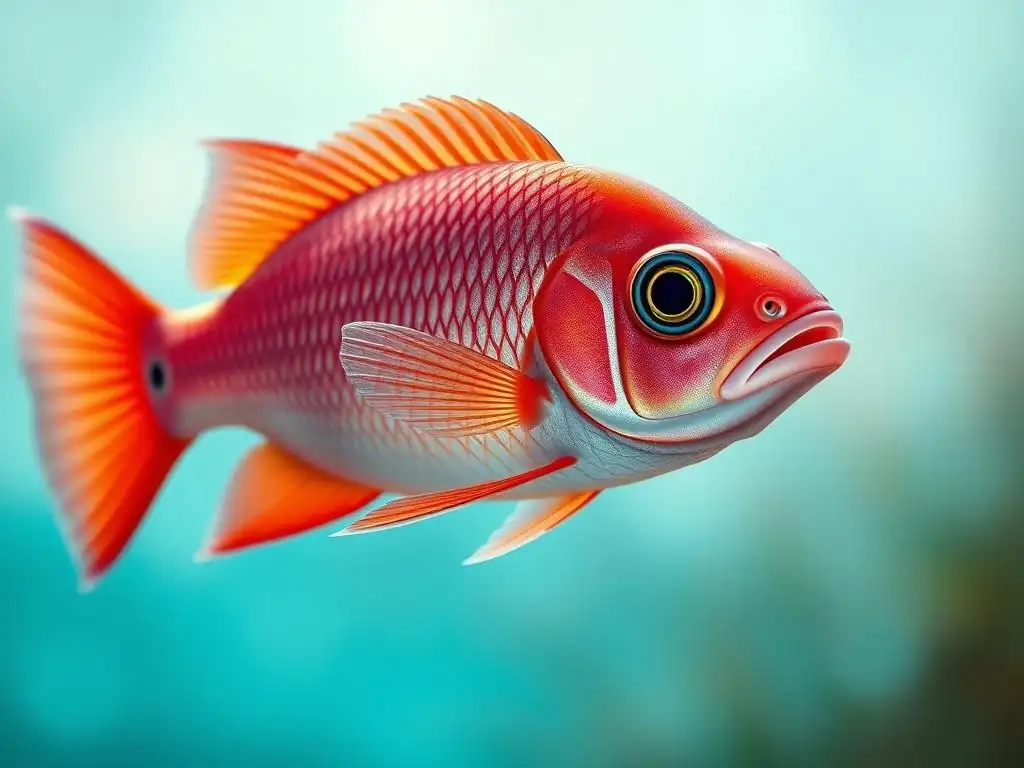
For aquarists interested in the rewarding challenge of breeding cardinalfish, setting up a dedicated breeding tank is essential. A separate aquarium, typically ranging from 10 to 20 gallons for a pair, provides a controlled environment free from the stresses and competition of a community tank. The breeding tank should ideally have a bare bottom or a very thin layer of fine sand to facilitate easy cleaning and observation of eggs or fry.
Filtration should be gentle yet effective; a simple air-driven sponge filter is often preferred as it provides biological filtration without creating strong currents that could harm delicate eggs or newly hatched fry. The tank should also include a reliable heater to maintain stable temperatures and an air stone for adequate oxygenation. Providing ample hiding spots, such as PVC pipes or small ceramic caves, is crucial for the breeding pair to feel secure and to facilitate the male's mouthbrooding process, especially for species like the Banggai Cardinalfish.
Creating Ideal Spawning Conditions for Cardinalfish
To encourage cardinalfish to spawn in captivity, aquarists must strive to create ideal conditions that mimic their natural breeding triggers. A critical factor is conditioning the breeding pair with a rich, high-quality diet, fed multiple times a day. Foods such as live or frozen Mysis shrimp, enriched brine shrimp, copepods, and finely chopped seafood provide the necessary protein and lipids to promote gonad development and overall vigor. A slight, gradual increase in water temperature within their acceptable range (e.g., from 76°F to 78°F) can sometimes act as a spawning trigger.
Maintaining pristine water quality with stable parameters is also paramount, as poor conditions can inhibit spawning. Some species may prefer dimmer lighting or a specific photoperiod to initiate courtship behaviors. Observing the pair for signs of courtship, such as increased interaction, chasing, or the male displaying to the female, indicates readiness to spawn. For mouthbrooding species, the male will typically become noticeably fuller in the buccal cavity once he has collected the eggs, a clear sign that spawning has occurred.
Raising Cardinalfish Fry: From Hatching to Juvenile Stage
Raising cardinalfish fry, particularly from mouthbrooding species, presents a unique and often more manageable challenge compared to other marine fish. For species like the Banggai Cardinalfish, the male carries the eggs for an extended period, typically 20 to 30 days, releasing relatively large and well-developed fry that are already past the most vulnerable larval stages. These fry are often immediately capable of consuming newly hatched Artemia nauplii, eliminating the need for microscopic rotifers, which simplifies initial feeding.
As the fry grow, their diet should gradually transition to larger foods, such as enriched Artemia, finely crushed high-quality flakes, or small frozen foods like finely chopped Mysis shrimp. Frequent, small water changes (e.g., 10% daily) are essential in the fry rearing tank to maintain pristine water quality, as the high density of fry and frequent feedings can quickly lead to ammonia and nitrite buildup. Adequate aeration and gentle filtration (like a sponge filter) are also crucial to support the delicate fry through their journey to the juvenile stage.
Troubleshooting Common Cardinalfish Problems: Addressing Potential Issues
Cardinalfish Hiding Behavior: Understanding the Causes and Solutions
While cardinalfish are naturally prone to hiding, especially during daylight hours due to their crepuscular or nocturnal tendencies, excessive or persistent hiding can indicate underlying issues. If a cardinalfish, particularly one that previously displayed more activity, suddenly becomes reclusive, it could be a sign of stress, illness, or bullying from tank mates. A new environment can also initially cause shyness until the fish acclimates and feels secure in its surroundings.
To address excessive hiding, first assess the aquarium environment. Ensure there is ample live rock aquascaping with numerous caves, crevices, and overhangs where the fish can feel secure. Verify that all tank mates are peaceful and not exhibiting aggressive behavior towards the cardinalfish. Check water parameters for stability and optimal ranges, as poor water quality is a significant stressor. Additionally, consider if the lighting is too intense; dimmable LEDs or a longer moonlight cycle can encourage more natural behavior and reduce stress, making the fish more comfortable to emerge.
Cardinalfish Not Eating: Identifying the Reasons and Remedial Actions
A cardinalfish refusing to eat is a serious concern and a clear indicator that something is amiss in its environment or health. Common reasons for a loss of appetite include stress from a new environment or aggressive tank mates, the onset of disease, or simply being offered an unsuitable type or size of food. Newly introduced cardinalfish may take a few days to acclimate and begin feeding, but prolonged refusal is a red flag.
Remedial actions should begin with a thorough inspection of water parameters, ensuring they are stable and within optimal ranges, as poor water quality is a frequent cause of appetite loss. Offer a variety of highly palatable frozen foods, such as Mysis shrimp, enriched brine shrimp, or copepods, as these are often readily accepted.
If bullying by tank mates is suspected, consider isolating the cardinalfish in a separate observation tank. If no environmental cause is apparent and the fish shows other symptoms, assume disease and initiate appropriate treatment in a hospital tank, consulting a comprehensive Cardinalfish care tips guide for specific protocols.
Cardinalfish Aggression: Resolving Territorial Disputes
While generally peaceful, cardinalfish can sometimes exhibit aggression, particularly towards conspecifics or similar-looking fish, especially if the tank is too small or lacks sufficient hiding spots. This aggression often manifests as chasing, nipping, or monopolizing prime hiding locations. This behavior is more common in species that form pairs or small groups rather than large schools, or when an individual becomes overly dominant.
To resolve territorial disputes, the first step is to ensure the aquarium provides ample space and an abundance of rockwork with numerous caves and crevices. This allows each cardinalfish to establish its own territory and retreat when feeling threatened. If aggression persists, consider increasing the group size (for schooling species) to spread out aggression, or conversely, reducing the group size to a single specimen or a well-established pair if the tank cannot accommodate more. In extreme cases, removing the aggressive individual may be necessary to restore peace to the aquarium.
Advanced Cardinalfish Care: Tips for Experienced Aquarists
Specialized Filtration Techniques for Cardinalfish Tanks
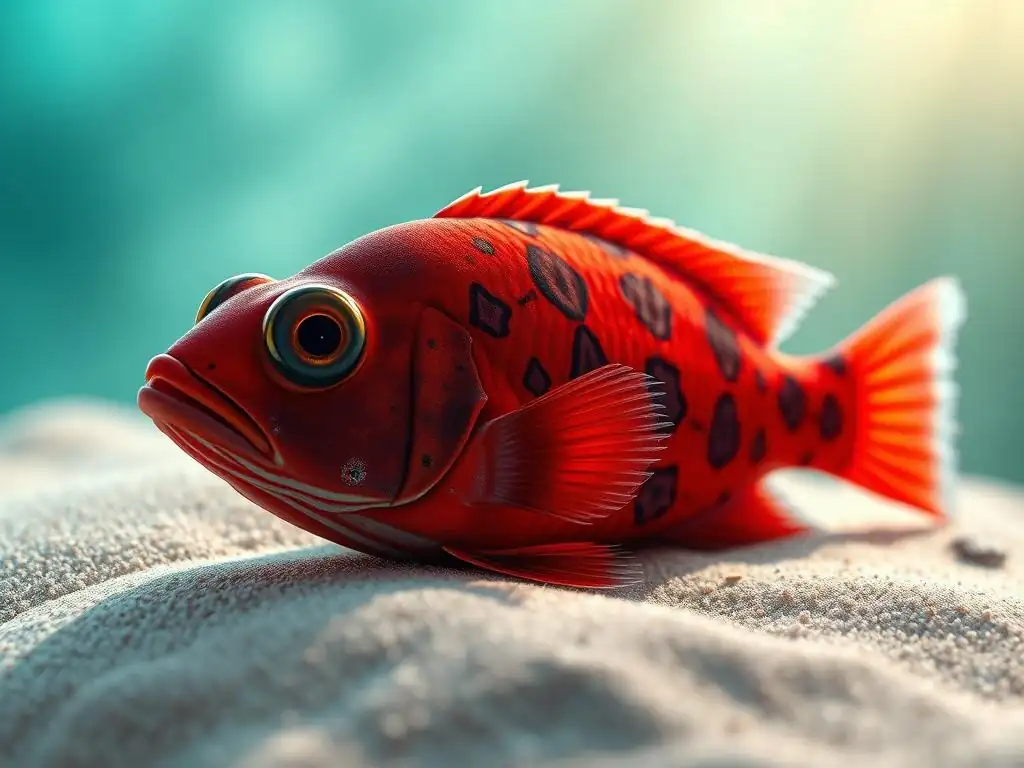
For experienced aquarists seeking to provide the absolute best environment for their cardinalfish, specialized filtration techniques can significantly enhance water quality and overall tank health. Incorporating a deep sand bed (DSB) within the display tank or a dedicated refugium in the sump can facilitate natural denitrification processes, efficiently converting nitrates into harmless nitrogen gas and thereby maintaining ultra-low nutrient levels. A DSB also cultivates a thriving microfauna population, providing a supplemental food source for cardinalfish.
Beyond biological filtration, advanced chemical filtration methods can further refine water quality. The use of biopellet reactors, which utilize biodegradable polymers to cultivate beneficial bacteria that consume nitrates and phosphates, or carbon dosing methods, such as vodka dosing, can achieve exceptionally low nutrient levels. While these techniques require careful monitoring and understanding, they create a pristine, stable environment that mimics natural reef conditions, greatly benefiting sensitive cardinalfish species and promoting their long-term vitality.
Optimizing Lighting for Cardinalfish Health and Coloration
Optimizing lighting is a subtle yet significant aspect of advanced Cardinalfish care tips guide, particularly given their natural nocturnal or crepuscular habits. Overly bright or intense lighting can stress cardinalfish, causing them to hide excessively and impacting their natural behaviors. Experienced aquarists often utilize dimmable LED lighting systems to create a more natural light cycle, simulating dawn and dusk periods with gradual intensity changes rather than abrupt on/off transitions.
Furthermore, incorporating a dedicated moonlight phase in the evening, using very dim blue LEDs, can greatly benefit cardinalfish. This low-light environment encourages their natural nocturnal activity, allowing them to emerge from hiding, forage, and display more natural behaviors without the stress of bright daytime illumination. Proper lighting not only enhances their comfort but can also positively influence their coloration and overall health by reducing stress and promoting a more natural rhythm within the aquarium.
Creating a Natural Reef Environment for Cardinalfish
Creating a truly natural reef environment for cardinalfish goes beyond basic aquascaping and involves cultivating a thriving microcosm that closely replicates their wild habitat. This means utilizing extensive live rock structures, carefully arranged to form intricate caves, overhangs, and crevices that provide abundant hiding spots and territorial boundaries. A diverse live rock ecosystem will also harbor a rich variety of beneficial bacteria and microfauna.
Beyond the rockwork, fostering a robust population of beneficial invertebrates, such as copepods, amphipods, and various worms, within the live rock and sand bed provides a continuous, natural food source for cardinalfish. A refugium can further support these microfaunal populations, which not only serve as supplemental nutrition but also contribute to the overall biodiversity and stability of the system. This holistic approach to tank design, focusing on ecological balance, creates a truly enriching and stress-free environment for cardinalfish to thrive and exhibit their most natural behaviors.
Conclusion: Mastering Cardinalfish Care for a Stunning Aquarium
The Future of Cardinalfish in the Aquarium Hobby
The future of cardinalfish in the aquarium hobby is increasingly shaped by a growing emphasis on sustainable practices, particularly captive breeding. For species like the Banggai Cardinalfish, which faces critical endangerment in the wild due to overcollection and habitat loss, successful captive breeding programs offer a vital lifeline, significantly reducing pressure on wild populations. As breeding techniques advance and become more accessible, the hobby can transition towards a more ethical and environmentally responsible sourcing of these beautiful fish.
Furthermore, the diverse nature of the Apogonidae family ensures that cardinalfish will continue to be a staple for both novice and experienced aquarists. As knowledge regarding their specific needs and behaviors expands, and as more species become available through sustainable means, their appeal will only grow. The ongoing development of comprehensive resources, such as a detailed Cardinalfish care tips guide, will empower aquarists to provide optimal care, ensuring these captivating fish remain a cherished part of the marine aquarium landscape for generations to come.
Resources for Further Learning About Cardinalfish
For aquarists committed to mastering the art of cardinalfish care, a wealth of resources is available to deepen their knowledge and enhance their husbandry practices. Reputable online forums and dedicated aquarium websites, such as AquariumMastery.com, provide up-to-date information, care guides, and opportunities to engage with experienced hobbyists. These platforms often host detailed species profiles, troubleshooting tips, and discussions on advanced techniques, offering practical insights into Cardinalfish care tips guide best practices.
Beyond digital resources, local fish stores with knowledgeable staff can offer personalized advice, insights into local water parameters, and access to specific fish and equipment. Joining local or online aquarist clubs provides a community of like-minded individuals, offering peer support, shared experiences, and valuable tips that often aren't found in general guides. Consulting scientific journals and specialized marine biology texts can also provide deeper understanding of cardinalfish behavior, physiology, and ecological roles in their natural habitats.
Frequently Asked Questions
What are the basic water parameters needed for Cardinalfish?
Cardinalfish generally prefer stable, well-oxygenated water with a specific gravity around 1.020-1.025. Maintaining a consistent temperature between 72-78°F and ensuring proper filtration are also crucial for their health.
What should I feed my Cardinalfish to keep them healthy?
Cardinalfish thrive on a varied diet consisting of small, meaty foods. Offer them high-quality flake food, frozen mysis shrimp, brine shrimp, and other small invertebrates to ensure they receive essential nutrients.
How do I choose the right tank mates for Cardinalfish?
Cardinalfish are generally peaceful, so choose tank mates that are also non-aggressive. Avoid larger, predatory fish that might bully or eat them. Good options include other small, peaceful fish and invertebrates like snails and shrimp.
What are some common diseases that affect Cardinalfish and how can I prevent them?
Cardinalfish are susceptible to common aquarium diseases like ich and marine velvet. Maintaining excellent water quality through regular water changes and quarantine new arrivals to prevent disease outbreaks.
How can I encourage Cardinalfish breeding in my aquarium?
Providing a suitable environment with plenty of hiding places is key to encouraging breeding. Maintain stable water parameters and offer a varied diet. Some species may require specific lighting or water conditions to trigger spawning.
Final Reflection: Unveiling the Secrets of Cardinalfish Harmony
The journey through the Apogonidae family, as detailed in this guide, underscores the delicate balance between understanding and responsibility when it comes to aquarium keeping. While the vibrant colors and fascinating behaviors of cardinalfish captivate us, it's crucial to remember that their well-being hinges on our informed and dedicated care. This guide, hopefully, provides the foundation for creating thriving aquatic ecosystems for these captivating creatures.
The impact of responsible aquarium keeping extends far beyond the glass walls of our tanks. It fosters a deeper appreciation for the intricate beauty of marine life and encourages a commitment to conservation efforts. The knowledge gained from understanding cardinalfish care can inspire us to become better stewards of our oceans. In the end, we will conserve only what we love; we will love only what we understand; and we will understand only what we are taught.
- Baba Dioum. This quote perfectly encapsulates the importance of education and understanding in protecting our planet's biodiversity.
Now, armed with this knowledge, I invite you to reflect on your own role in the aquarium hobby. Consider how you can contribute to the well-being of cardinalfish, and indeed, all aquatic life. Let this guide be more than just a set of instructions; let it be a catalyst for a deeper connection with the natural world and a commitment to responsible and sustainable practices. Embrace the challenge of providing exceptional care, and witness the rewards of a thriving and harmonious underwater world within your own home.
Ignite Your Aquarium Passion: Dive Deeper into Cardinalfish Wonders!
Thank you for exploring the fascinating world of Cardinalfish! We hope this guide has sparked a newfound appreciation for these captivating aquarium inhabitants. Now, let's translate that knowledge into action.
- Transform your aquarium: Seriously consider introducing a school of peaceful Cardinalfish to bring vibrant color and dynamic behavior to your underwater ecosystem.
- Explore lesser-known relatives: Delve into the world of less common Cardinalfish species! Research a rare or unique variety and uncover its specific care requirements.
- Share your passion and wisdom: Contribute to the community by sharing your own Cardinalfish experiences! Post pictures of your fish or discuss Cardinalfish care on social media.
What unique behavior have you observed in your Cardinalfish, and how has it changed your aquarium keeping perspective?