
Peaceful Powerhouses: Why Cardinalfish & Anthias Elevate Your Reef Aquarium's Appeal

Welcome to Aquarium Mastery!
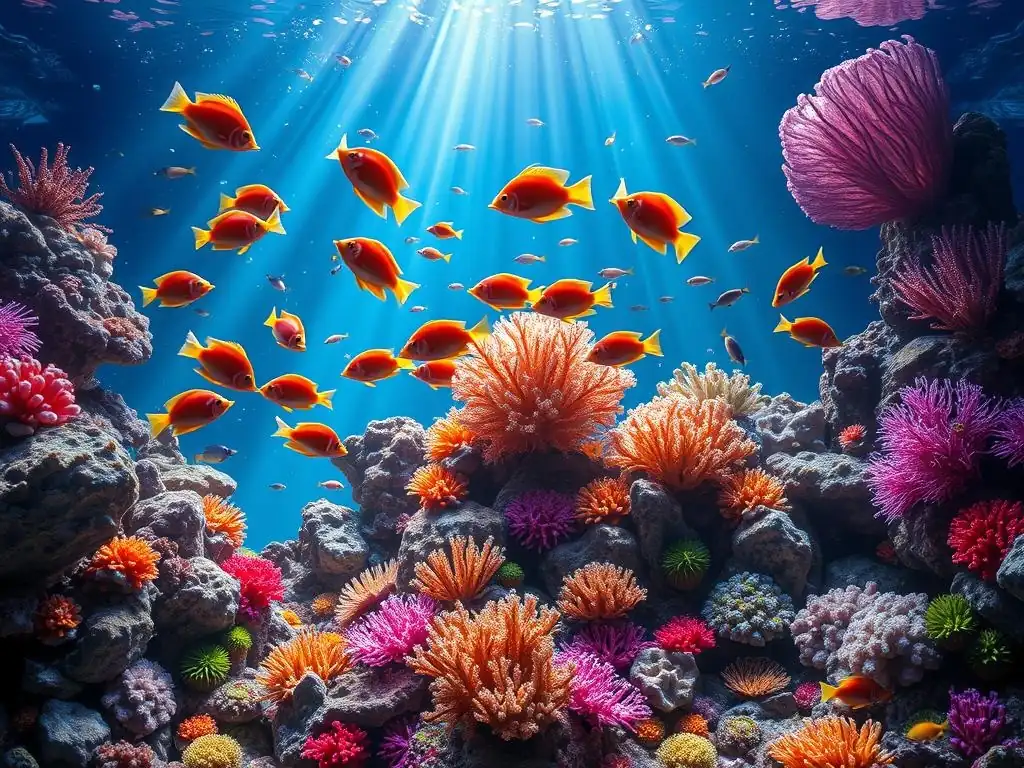
Ever wondered how to bring a touch of vibrant serenity to your reef aquarium? Dive into our exploration of the enchanting world of Cardinalfish and discover why their unique charm makes them essential for elevating your reef's appeal. Uncover the secrets to successfully integrating these peaceful powerhouses into your saltwater haven and unlock the full potential of your underwater masterpiece. Are you ready to master the art of creating a truly captivating Cardinalfish reef aquarium? Let's begin!
- Understanding the Cardinalfish & Anthias Advantage for Reef Tanks
- Cardinalfish: Adding Subtlety and Charm to Your Reef
- Anthias: Injecting Vibrant Color and Activity into Reefs
- Combining Cardinalfish and Anthias: A Symbiotic Reef Display
- Choosing the Right Cardinalfish & Anthias for Your Reef
- Maintaining a Healthy and Vibrant Cardinalfish & Anthias Reef
- Troubleshooting Common Issues with Cardinalfish & Anthias in Reefs
- The Long-Term Benefits of Cardinalfish & Anthias in Your Reef Aquarium
-
Frequently Asked Questions
- What makes Cardinalfish and Anthias such appealing additions to a reef aquarium?
- Are Cardinalfish and Anthias difficult to care for in a reef aquarium setting?
- How do Cardinalfish contribute to the "reef aquarium appeal" specifically?
- What are some important considerations when choosing Cardinalfish and Anthias for a reef tank?
- Can Cardinalfish and Anthias be kept together in the same reef aquarium?
- Final Reflection: The Enduring Allure of Reef Harmony
- Ignite Your Reef Tank's Brilliance!
Understanding the Cardinalfish & Anthias Advantage for Reef Tanks
Enhancing Reef Aesthetics with Cardinalfish and Anthias
Cardinalfish and Anthias are celebrated for their ability to dramatically enhance the visual appeal of a reef aquarium. Their vibrant colors, ranging from the subtle patterns of Pajama Cardinalfish to the fiery hues of Lyretail Anthias, provide a striking contrast against the often static backdrop of corals and rockwork. Crucially, these species typically inhabit the mid-to-upper water column, filling a space that many other reef inhabitants, such as gobies or blennies, tend to leave empty, thereby creating a more complete and dynamic underwater scene.
Furthermore, the schooling or shoaling behavior characteristic of many Cardinalfish and Anthias species adds an unparalleled sense of movement and naturalism to the display. Watching a synchronized group gracefully navigate the reef structure can be mesmerizing, transforming a static coral garden into a living, breathing ecosystem. This continuous, yet peaceful, activity significantly contributes to the overall Cardinalfish reef aquarium appeal, making the tank a focal point of any room.
The Role of Schooling Fish in a Thriving Reef Ecosystem
Schooling fish play a vital role in mimicking the natural dynamics of a wild reef ecosystem within the confines of an aquarium. Their collective movement can help stir detritus from rockwork, aiding in its transport to filtration systems and preventing dead spots where waste might accumulate. This subtle yet continuous agitation contributes to better water circulation and nutrient distribution, indirectly benefiting corals and other sessile invertebrates.
Beyond their physical contributions, the presence of schooling fish like Cardinalfish and Anthias can also reduce stress levels among individual fish. In a group, fish often feel more secure, exhibiting more natural behaviors such as active foraging and reduced hiding. This sense of security can lead to healthier, more robust fish that are less susceptible to disease, thereby contributing to the long-term stability and vibrancy of the reef environment and bolstering the inherent Cardinalfish reef aquarium appeal.
Cardinalfish: Adding Subtlety and Charm to Your Reef
Exploring Cardinalfish Species Suitable for Reef Aquariums
Banggai Cardinalfish (Pterapogon kauderni): A Reef Tank Staple
The Banggai Cardinalfish is perhaps one of the most recognizable and sought-after cardinalfish for reef aquariums, celebrated for its striking black and white striped pattern and elongated fins. Reaching an average adult size of about 3 inches (7-8 cm), these fish are well-suited for tanks as small as 20 gallons, though larger tanks are always preferable for groups or mixed communities. Their relatively slow swimming style and peaceful demeanor make them ideal tank mates for a wide array of corals and invertebrates.
One of the unique aspects of the Banggai Cardinalfish is its mouthbrooding behavior, where the male carries the eggs and fry in his mouth until they are fully developed. This fascinating reproductive strategy, often observed in home aquariums, adds an educational and engaging dimension for the aquarist. Their hardiness and adaptability to captive environments, especially for captive-bred individuals, further contribute to their popularity and the enhanced Cardinalfish reef aquarium appeal.
Pajama Cardinalfish (Sphaeramia nematoptera): Unique Patterns for Visual Interest
The Pajama Cardinalfish is another highly popular choice, instantly recognizable by its distinctive color pattern: a bright yellow face, a broad black vertical band across its midsection, and a silvery-white body adorned with scattered red spots near the caudal fin. Growing to approximately 3 inches (7-8 cm), these nocturnal beauties tend to be more active during dusk and dawn, though they will often swim openly during the day once acclimated to a peaceful reef environment.
Their hardiness and adaptability to a variety of tank conditions make them an excellent option for both novice and experienced reef aquarists. Pajama Cardinalfish thrive in groups, which enhances their natural schooling behavior and provides a more captivating display. Providing ample hiding spots among live rock will make them feel more secure, allowing them to exhibit their full personality and contribute significantly to the visual diversity of the reef.
Flame Cardinalfish (Apogon maculatus): A Vibrant Red Accent
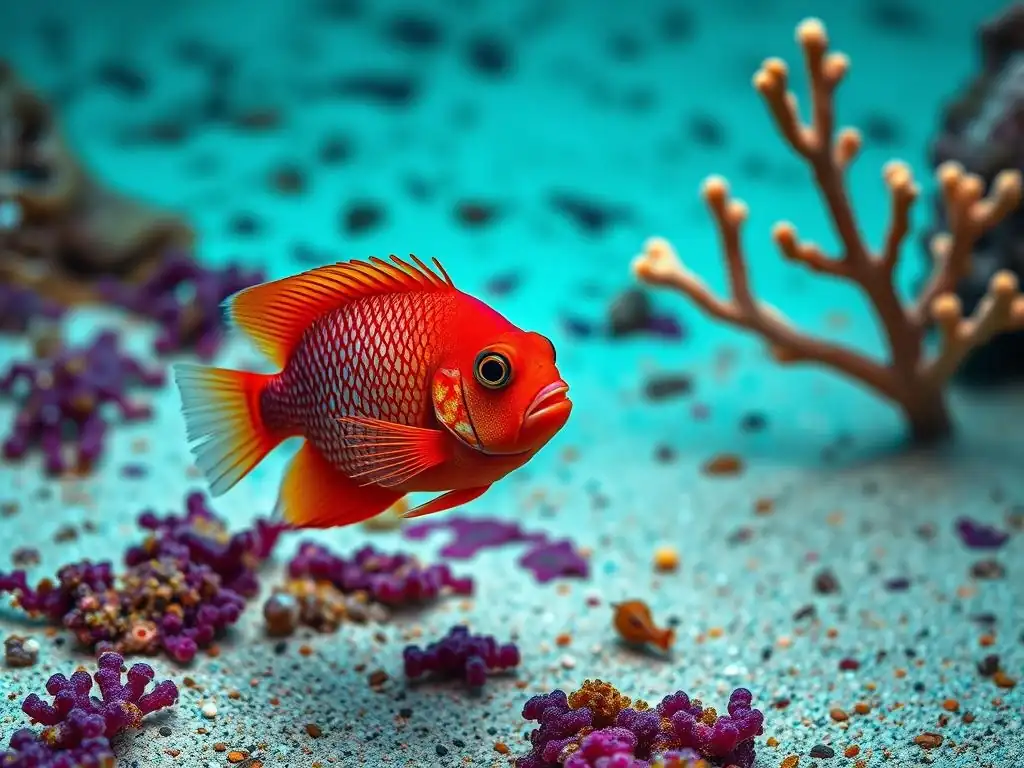
The Flame Cardinalfish stands out with its intense, fiery red coloration, often accented by a dark spot near the caudal peduncle. This species typically reaches a size of about 4 inches (10 cm), making it a substantial yet peaceful addition to a reef tank. While they may be somewhat reclusive initially, often hiding among rockwork during the day, they become more confident and visible once settled into a stable and quiet environment.
Their vibrant hue provides a striking contrast to the blues and greens of many corals, adding a powerful splash of color to the aquascape. Flame Cardinalfish are generally peaceful but can exhibit some territoriality towards conspecifics in smaller tanks, so providing adequate space and multiple hiding spots is beneficial if keeping more than one. Their robust nature and stunning appearance make them a valuable contributor to the overall Cardinalfish reef aquarium appeal.
Cardinalfish Reef Aquarium Compatibility: Tank Mates and Considerations
Cardinalfish are renowned for their peaceful temperament, making them highly compatible with a vast majority of reef inhabitants. They typically pose no threat to corals, anemones, or various invertebrates such as snails, hermit crabs, and ornamental shrimp. This reef-safe nature is a primary reason for their widespread adoption in mixed reef aquariums, as they integrate seamlessly without disturbing the delicate balance of the ecosystem.
When selecting tank mates, it's crucial to avoid highly aggressive or predatory species that might intimidate or consume cardinalfish. Large angelfish, triggers, or aggressive wrasses are generally unsuitable companions. Instead, opt for other peaceful community fish like gobies, blennies, fairy wrasses, or certain clownfish species. Introducing cardinalfish in small groups or pairs, especially Banggai and Pajama Cardinals, often encourages more natural schooling behavior and enhances their sense of security within the Cardinalfish reef aquarium appeal.
Cardinalfish Care: Maintaining Optimal Conditions for Health and Color
Maintaining optimal water parameters is fundamental for the health and vibrant coloration of cardinalfish in a reef aquarium. They thrive in stable reef conditions, with a specific gravity typically ranging from 1.023 to 1.026, a temperature between 72-78°F (22-26°C), and a pH level of 8.1-8.4. Consistent water quality, achieved through regular water changes and robust filtration, is paramount to prevent stress and disease.
As carnivores, cardinalfish require a diet rich in meaty foods. Small, finely chopped seafood, enriched brine shrimp, mysis shrimp, and copepods should be offered 2-3 times daily. While they are generally not picky eaters, offering a varied diet ensures they receive all necessary nutrients for long-term health and to maintain their striking colors. Providing ample hiding places within the live rock structure also contributes significantly to their comfort and well-being, enhancing the overall Cardinalfish reef aquarium appeal by showcasing healthy, active fish.
Anthias: Injecting Vibrant Color and Activity into Reefs
Unveiling Anthias Species for Reef Aquariums
Lyretail Anthias (Pseudanthias squamipinnis): A Reef Aquarium Showstopper
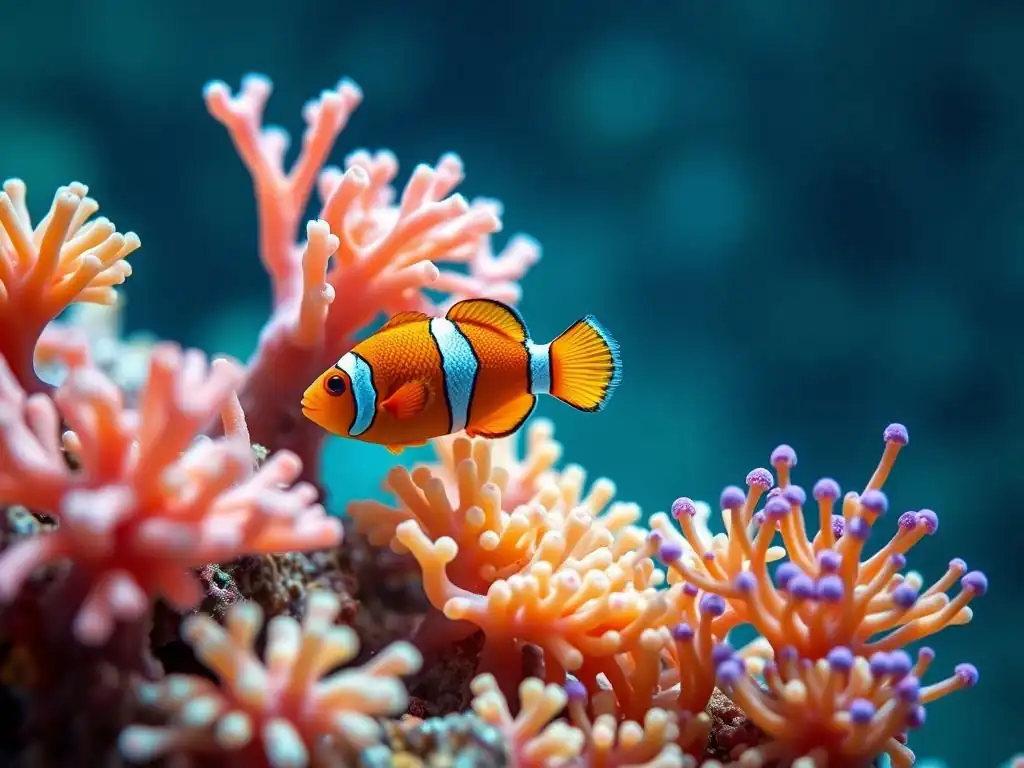
The Lyretail Anthias is arguably one of the most popular and visually stunning Anthias species available to reef aquarists, known for its incredible color variations and graceful swimming. Males exhibit vibrant orange, pink, or red bodies with an elongated, lyre-shaped caudal fin, while females are typically a softer orange-yellow. Reaching up to 5 inches (12-13 cm), these active fish require ample swimming space and are best kept in groups, ideally one male with several females, to encourage natural social dynamics.
Their constant, active movement throughout the mid-to-upper water column makes them an undeniable showstopper, adding a dynamic energy that few other fish can match. They are a true testament to the beauty and vitality that can be achieved in a well-maintained reef tank. The presence of a healthy school of Lyretail Anthias significantly elevates the Cardinalfish reef aquarium appeal, providing a continuous display of color and motion.
Dispar Anthias (Pseudanthias dispar): Peaceful Reef Inhabitants
The Dispar Anthias is a smaller, more peaceful Anthias species, making it an excellent choice for community reef tanks, including those with more sensitive inhabitants. These fish display an attractive orange-red body that transitions to a bright yellow on the dorsal fin, and they typically grow to about 3 inches (7-8 cm). Their relatively diminutive size and calm demeanor make them suitable for tanks starting from 50-75 gallons, especially if kept in a small group.
Dispar Anthias are known for their schooling behavior in the open water, providing a constant flurry of activity and color without overwhelming smaller tanks or stressing other peaceful fish. They adapt well to captive feeding routines once acclimated, showing a good appetite for a variety of frozen foods. Their hardy nature, compared to some other Anthias, makes them a reliable and beautiful addition that enhances the overall aesthetic and Cardinalfish reef aquarium appeal.
Sunrise Anthias (Pseudanthias parvirostris): A Hardy and Colorful Choice
The Sunrise Anthias is an increasingly popular choice among reef aquarists due to its striking coloration and comparatively hardier nature among the Anthias genus. This species features a beautiful gradient of yellow on its anterior body, transitioning to pink or reddish hues towards the tail, often with iridescent blue accents. Growing up to 4 inches (10 cm), they are active swimmers that benefit from being kept in small groups, similar to other Anthias.
While still requiring stable reef conditions and frequent feedings, Sunrise Anthias are generally more forgiving of minor fluctuations than some of their more delicate relatives, making them a good option for aquarists looking for a vibrant yet somewhat more resilient Anthias. Their active schooling and brilliant colors contribute significantly to the visual vibrancy of the reef, adding another layer of complexity and beauty to the Cardinalfish reef aquarium appeal.
Anthias Reef Aquarium Setup: Creating an Ideal Environment
Anthias thrive in well-established reef aquariums that provide ample swimming space and strong water movement, mimicking their natural habitat on exposed reef slopes. A minimum tank size of 75 gallons is often recommended for a small group of Anthias, with larger tanks (100+ gallons) being ideal for more extensive schools or mixed species displays. Adequate flow is crucial, as it helps keep them active and brings food particles to them.
Providing plenty of live rock with numerous caves, overhangs, and crevices is also essential. While Anthias are primarily open-water swimmers, they require safe hiding spots to retreat to when feeling threatened or during their acclimation period. A well-scaped reef with diverse structures offers both security and visual interest, contributing to the overall well-being of the fish and enhancing the natural beauty of the Cardinalfish reef aquarium appeal.
Anthias Feeding Strategies: Ensuring Proper Nutrition in a Reef Tank
Anthias have a high metabolism and a constant need for food, making frequent feedings a critical aspect of their care in a reef aquarium. In their natural environment, they continuously pick zooplankton from the water column. In captivity, this translates to feeding them small, meaty foods 3-5 times daily. Suitable foods include enriched brine shrimp, mysis shrimp, cyclop-eeze, and finely chopped seafood.
A varied diet is paramount to ensure they receive all necessary nutrients, which in turn maintains their vibrant coloration and robust health. Employing an automatic feeder can be highly beneficial for consistent delivery of small meals throughout the day, especially for aquarists who cannot be present for multiple feedings. Proper nutrition is key not only for the health of the Anthias but also for them to fully display their natural vibrancy, which is central to the Cardinalfish reef aquarium appeal.
Combining Cardinalfish and Anthias: A Symbiotic Reef Display
Creating a Harmonious Reef Environment for Cardinalfish and Anthias
Combining Cardinalfish and Anthias in a single reef aquarium can create a truly spectacular and dynamic display, as their different behaviors and preferred swimming levels complement each other beautifully. While Anthias typically dominate the mid-to-upper water column with their constant activity, many Cardinalfish species tend to occupy the mid-to-lower regions, often hovering near rockwork or within shaded areas. This distribution effectively fills the entire water column, making the tank feel more populated and vibrant.
To foster a harmonious environment, it is essential to ensure the tank is adequately sized for the combined bioload and provides sufficient space for both open water swimming and numerous hiding spots. For a mixed display of these species, a tank of 100 gallons or more is often recommended. Introducing groups of peaceful species simultaneously, or ensuring ample space for individual territories, helps minimize potential stress and enhances the serene yet active Cardinalfish reef aquarium appeal.
Addressing Potential Challenges: Aggression and Competition
While both Cardinalfish and Anthias are generally peaceful, certain challenges can arise when combining them, primarily related to intraspecific aggression or food competition. Male Anthias, particularly in species like Lyretail Anthias, can be territorial towards other males or even females if not provided with enough space or an appropriate male-to-female ratio. Similarly, some Cardinalfish species might show aggression towards conspecifics if housed in too small a group or tank.
To mitigate these issues, always introduce Anthias in groups with a single male and multiple females, and ensure adequate rockwork provides line-of-sight breaks. For both species, monitor feeding closely to ensure all individuals receive enough food, as competition for resources can lead to stress or bullying. Providing multiple feeding stations or broadcasting food widely can help. Addressing these potential challenges ensures the long-term success and enhances the visual Cardinalfish reef aquarium appeal.
Optimizing Water Parameters for Cardinalfish and Anthias in Reef Aquariums
Maintaining stable and pristine water parameters is paramount for the health and longevity of both Cardinalfish and Anthias in a reef aquarium. Both species thrive in typical reef conditions: a specific gravity between 1.024 and 1.026, a temperature range of 74-78°F (23-26°C), and a stable pH of 8.1-8.4. Additionally, alkalinity should be maintained between 8-12 dKH, calcium at 400-450 ppm, and magnesium at 1250-1350 ppm, which are crucial for overall reef health.
Beyond the major parameters, keeping nitrates below 10 ppm and phosphates below 0.03 ppm is vital. High nutrient levels can stress fish and lead to disease. Regular water changes, robust protein skimming, and effective biological filtration are key to achieving and maintaining these levels. Consistent water quality minimizes stress on these fish, allowing them to display their full coloration and natural behaviors, which significantly contributes to the vibrant Cardinalfish reef aquarium appeal.
Choosing the Right Cardinalfish & Anthias for Your Reef
Assessing Your Reef Tank's Size and Compatibility
The size of your reef tank is a primary consideration when selecting Cardinalfish and Anthias species. While a single Banggai Cardinalfish might thrive in a 20-gallon nano reef, a school of Lyretail Anthias would require a tank of at least 75-100 gallons to provide adequate swimming space and minimize aggression. Overcrowding can lead to stress, disease, and stunted growth for all inhabitants.
Furthermore, consider the compatibility of the chosen species with your existing tank inhabitants. Both Cardinalfish and Anthias are generally peaceful, but very aggressive tank mates can intimidate them, leading to hiding or refusal to feed. Research the adult size and temperament of each potential addition to ensure they can coexist peacefully within your specific aquarium setup, which is fundamental to maintaining the desired Cardinalfish reef aquarium appeal.
Considering Water Chemistry and Lighting Requirements
Both Cardinalfish and Anthias require stable, high-quality reef water parameters. While Cardinalfish are generally more forgiving, Anthias, particularly some wild-caught specimens, can be sensitive to fluctuations in salinity, temperature, or pH. Ensure your filtration system and maintenance routine can consistently uphold these pristine conditions before introducing these fish. Regular testing with reliable kits is essential to monitor parameters.
Regarding lighting, the fish themselves do not have specific high-intensity requirements; however, reef tanks are typically brightly lit to support corals. Ensure that the lighting provides adequate light for your corals without creating excessively bright areas where the fish feel exposed. Providing shaded areas or caves within the rockwork offers refuge and allows the fish to regulate their light exposure, contributing to their comfort and overall Cardinalfish reef aquarium appeal.
Sourcing Healthy Cardinalfish and Anthias: Finding Reputable Suppliers
The health of newly acquired fish is paramount for long-term success in your reef aquarium. When sourcing Cardinalfish and Anthias, always choose reputable suppliers or local fish stores known for their high standards of animal care. Observe the fish carefully before purchase: look for clear eyes, intact fins, active swimming, and a lack of visible spots, lesions, or rapid breathing. Avoid fish that appear lethargic or are housed in tanks with obvious signs of disease.
Inquire about the fish's feeding habits at the store and whether they are wild-caught or captive-bred. Captive-bred specimens, such as many Banggai Cardinalfish, are often hardier, more accustomed to aquarium life, and less likely to carry parasites. A healthy start for your fish significantly reduces the risk of introducing diseases into your established reef and ensures they contribute positively to the Cardinalfish reef aquarium appeal.
Maintaining a Healthy and Vibrant Cardinalfish & Anthias Reef
Regular Water Changes and Filtration for Reef Health
Regular water changes are a cornerstone of maintaining a healthy and vibrant reef aquarium for Cardinalfish and Anthias. Performing weekly 5-10% or bi-weekly 10-20% water changes helps to replenish essential trace elements, reduce accumulated nitrates and phosphates, and remove organic waste that filtration alone might miss. Always use high-quality RODI (Reverse Osmosis Deionized) water mixed with a premium marine salt to ensure consistent water parameters.
Complementing water changes, robust filtration is crucial. A well-sized protein skimmer is highly effective at removing organic compounds before they break down into nitrates. Ample live rock provides biological filtration, and a refugium can further aid in nutrient export and provide a natural food source. These combined efforts are vital for maintaining the pristine water quality that Cardinalfish and Anthias require to thrive, bolstering their contribution to the Cardinalfish reef aquarium appeal.
Monitoring and Controlling Algae Growth
Excessive algae growth in a reef aquarium can be an indicator of nutrient imbalances, particularly high levels of nitrates and phosphates, which can stress fish and corals. While some algae are natural, an uncontrolled bloom diminishes the aesthetic appeal and can coat corals. Regularly test for nitrates and phosphates and address the root cause of elevated levels through reduced feeding, increased water changes, or enhanced nutrient export methods like GFO (Granular Ferric Oxide) reactors.
Introducing a clean-up crew of herbivorous snails (e.g., Turbo, Trochus, Nassarius snails) and certain blennies or tangs (if tank size permits) can help with algae control. Maintaining appropriate lighting schedules (typically 8-10 hours per day) and avoiding overfeeding are also critical preventative measures. Keeping algae in check ensures the clarity of the water and allows the vibrant colors of your Cardinalfish and Anthias to stand out, enhancing the overall Cardinalfish reef aquarium appeal.
Disease Prevention and Treatment in Cardinalfish & Anthias Reef Aquariums
Proactive disease prevention is far more effective than treatment, especially in a delicate reef environment. The most critical step is to quarantine all new fish for at least 4-6 weeks in a separate hospital tank before introducing them to the main display. This allows for observation, deworming, and treatment of common ailments like marine ich (Cryptocaryon irritans) or velvet (Amyloodinium ocellatum) without risking the entire tank.
Maintaining stable water parameters, providing a high-quality, varied diet, and minimizing stress are the best ways to boost the immune systems of your Cardinalfish and Anthias. If disease does occur in the main tank, be aware that many effective medications are not reef-safe and can harm corals and invertebrates. In such cases, transferring affected fish to a hospital tank for treatment is often the only viable option, safeguarding your entire reef and preserving the Cardinalfish reef aquarium appeal.
Troubleshooting Common Issues with Cardinalfish & Anthias in Reefs
Identifying and Addressing Signs of Stress or Illness
Promptly identifying signs of stress or illness in Cardinalfish and Anthias is crucial for their survival. Watch for clamped fins, rapid breathing (gilling), loss of appetite, fading coloration, scratching or "flashing" against rocks, or abnormal swimming patterns (e.g., lethargy, erratic movements). These can be early indicators of environmental issues, parasites, or bacterial infections.
Upon noticing such symptoms, immediately check all critical water parameters: temperature, salinity, pH, ammonia, nitrite, and nitrate. Even slight deviations can cause significant stress. If parameters are stable, consider external parasites or internal issues. Isolating the affected fish in a hospital tank for closer observation and potential treatment is often the best course of action to prevent further spread and to ensure the overall health that contributes to Cardinalfish reef aquarium appeal.
Dealing with Parasites and Infections
Marine ich (white spots resembling salt grains) and marine velvet (a dusty, gold or brown coating) are common external parasites that can quickly devastate a reef tank if left untreated. Bacterial infections may manifest as fin rot, cloudy eyes, or body sores. Internal parasites can lead to wasting despite eating well.
Treating parasites and infections in a reef tank is challenging because many effective medications are toxic to corals and invertebrates. The most recommended approach for external parasites is to remove all fish to a dedicated hospital tank for treatment with copper-based medications or hyposalinity, while the main display tank remains fishless for at least 76 days to ensure the life cycle of the parasite is broken. For bacterial infections, broad-spectrum antibiotics in a hospital tank may be necessary. Proactive quarantine is the best defense against these issues, protecting your fish and the Cardinalfish reef aquarium appeal.
Maintaining Stable Water Parameters to Prevent Problems
Fluctuations in water parameters are a leading cause of stress and illness in reef fish, including Cardinalfish and Anthias. Sudden changes in temperature, salinity, or pH can weaken their immune systems, making them highly susceptible to disease. For instance, a temperature swing of just a few degrees over a short period can be detrimental, as can a rapid drop in salinity.
To prevent these problems, invest in reliable equipment such as quality heaters with temperature controllers, and consider an auto top-off (ATO) system to maintain stable salinity by replacing evaporated water. Regular and consistent testing of all critical parameters is non-negotiable. Aim for stability above all else; minor daily variations are less harmful than large, infrequent swings. A stable environment is the bedrock of a healthy reef and ensures the long-term vibrancy that defines Cardinalfish reef aquarium appeal.
The Long-Term Benefits of Cardinalfish & Anthias in Your Reef Aquarium
Contributing to a Balanced and Thriving Reef Ecosystem
Introducing Cardinalfish and Anthias into your reef aquarium offers significant long-term benefits beyond just aesthetic appeal. Their presence contributes to a more balanced and thriving ecosystem by participating in nutrient cycling and adding to the overall biodiversity. As active feeders, they consume zooplankton and small food particles, helping to process nutrients and prevent their accumulation. Their constant movement can also aid in detritus dispersal, supporting the natural cleaning processes within the live rock and sand bed.
Over time, a well-maintained reef with healthy Cardinalfish and Anthias will exhibit more natural behaviors, with corals extending polyps more readily and invertebrates thriving. The dynamic interaction and vibrant colors these fish bring create a truly captivating underwater world that continuously evolves. This sustained vitality and beauty are a testament to a successful reef setup, solidifying the enduring Cardinalfish reef aquarium appeal for years to come.
Frequently Asked Questions
What makes Cardinalfish and Anthias such appealing additions to a reef aquarium?
Cardinalfish and Anthias offer a unique combination of peaceful temperament and vibrant colors, which greatly enhances the visual appeal of a reef tank. Their schooling behavior also adds a dynamic element.
Are Cardinalfish and Anthias difficult to care for in a reef aquarium setting?
While generally peaceful, they require specific conditions. Consistent water quality and a stable reef environment are crucial for their health and longevity. Proper acclimation is also important.
How do Cardinalfish contribute to the "reef aquarium appeal" specifically?
Cardinalfish are known for their unique body shapes and distinctive color patterns, which create visual interest. Their calm demeanor also provides a soothing contrast to more active fish species.
What are some important considerations when choosing Cardinalfish and Anthias for a reef tank?
Consider the size of your aquarium, as Anthias particularly need space to swim. Also, research the specific dietary needs of each species to ensure proper feeding.
Can Cardinalfish and Anthias be kept together in the same reef aquarium?
Yes, but careful planning is required. Select species with compatible temperaments and ensure there is adequate space and resources (like food) to prevent competition and stress.
Final Reflection: The Enduring Allure of Reef Harmony
The vibrant ecosystems we strive to recreate in our homes, as discussed throughout this article, are not merely collections of coral and rock, but living tapestries woven with the delicate threads of interspecies harmony. The Cardinalfish and Anthias, as we've explored, are key threads in that tapestry, offering not only visual beauty but also contributing to the overall health and stability of a reef aquarium. Their peaceful nature and unique schooling behaviors bring a sense of tranquility and dynamism that elevates the entire aquascape.
The impact of these peaceful powerhouses extends beyond the aesthetic. Their presence subtly shifts the dynamic of the tank, promoting a more balanced and natural environment. This resonates deeply with the growing desire for aquariums that mimic the complexity and beauty of the natural world. In nature, nothing exists alone.
- Rachel Carson. This quote perfectly encapsulates the interconnectedness we aim to achieve in our reef aquariums, and Cardinalfish and Anthias play a vital role in fostering that connection.
As you consider the future of your reef aquarium, remember the lessons learned about the Cardinalfish reef aquarium appeal. It's not just about adding fish; it's about cultivating an ecosystem. Embrace the opportunity to create a space that reflects the beauty and balance of the ocean, a space where peaceful powerhouses like Cardinalfish and Anthias can thrive and inspire awe. Let their presence remind you of the delicate beauty and interconnectedness of the natural world, and let that inspire you to be a responsible and mindful steward of your own little piece of the ocean.
Ignite Your Reef Tank's Brilliance!
Thank you for diving deep into the world of cardinalfish and anthias! We hope you've discovered how these peaceful powerhouses can transform your reef aquarium into a mesmerizing underwater paradise. Now, let’s bring that vision to life!
Here are a few ways to take action:
- Prioritize a School of Radiance: Identify a suitable anthias or cardinalfish species based on your aquarium's size and water parameters and plan their introduction into your reef ecosystem.
- Elevate your aquarium knowledge. Research compatible tank mates and optimal feeding strategies for your chosen species.
- Share this guide with fellow reefing enthusiasts and spark a conversation about the beauty and benefits of incorporating these captivating fish!
What's the first splash of color you'll add to your reef tank's canvas – a school of radiant anthias or a constellation of shimmering cardinalfish?